

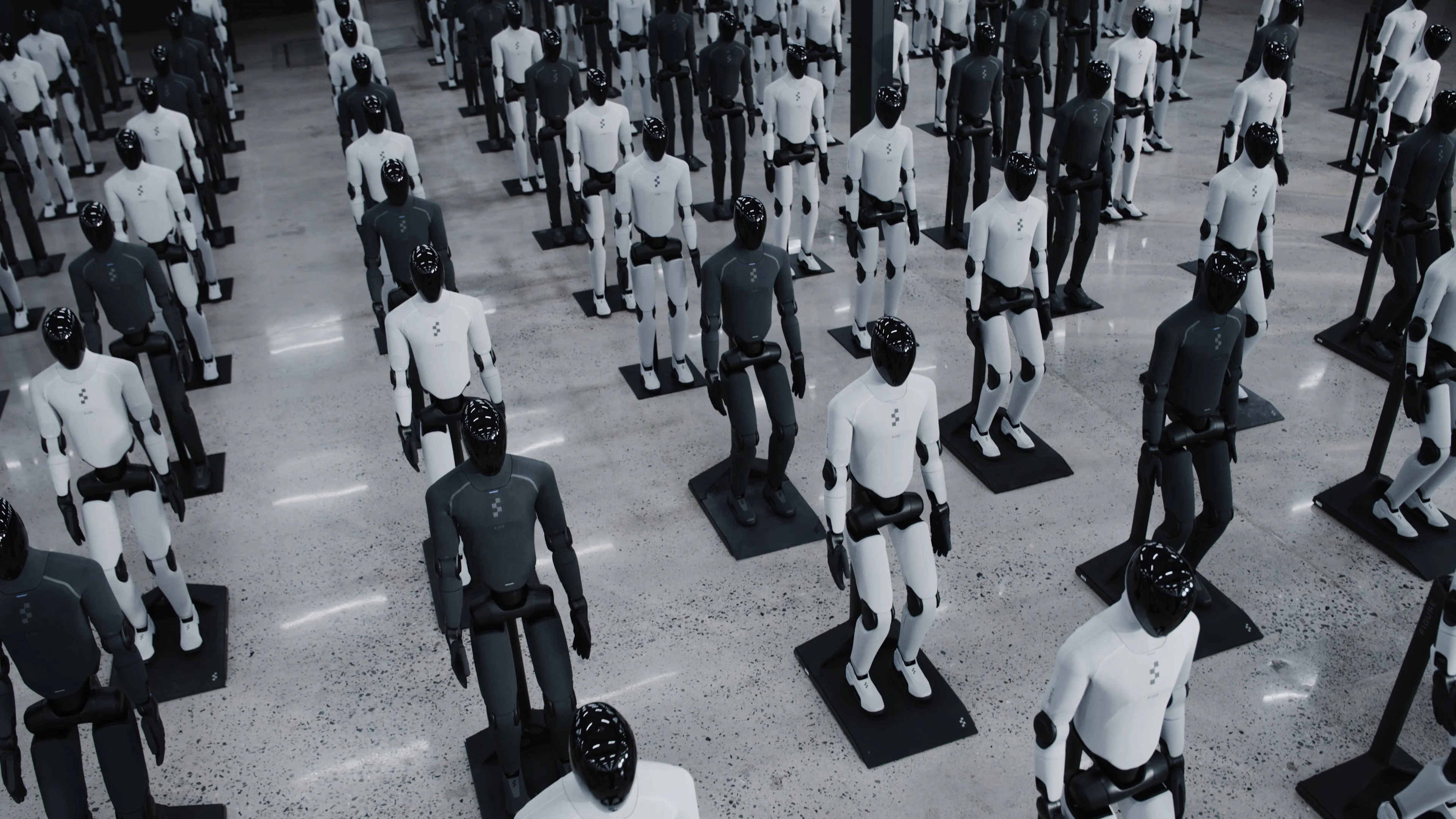
In 2026, the humanoid robotics industry is shifting focus from viral videos to large-scale manufacturing. Major American companies are racing to prove their capabilities in producing humanoid robots, with Figure announcing a 24x increase in throughput at its BotQ facility, now producing one robot per hour. This marks a significant transition from prototypes to scalable fleets, with over 350 units delivered.
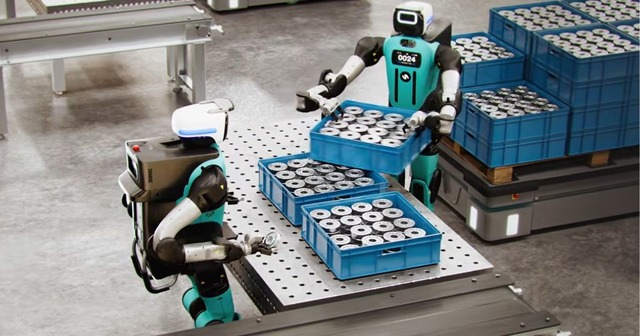
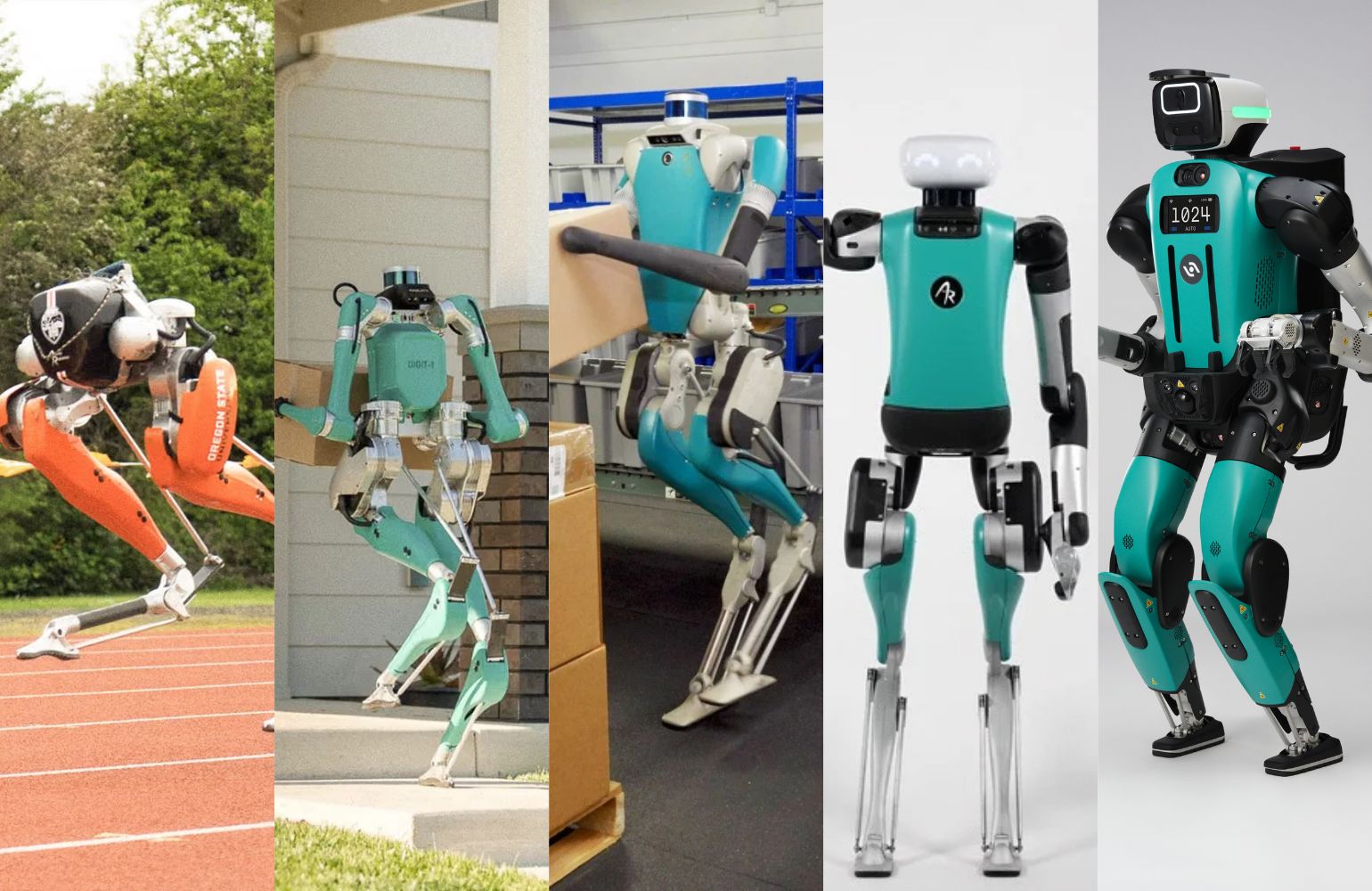
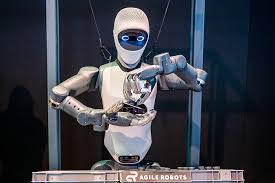
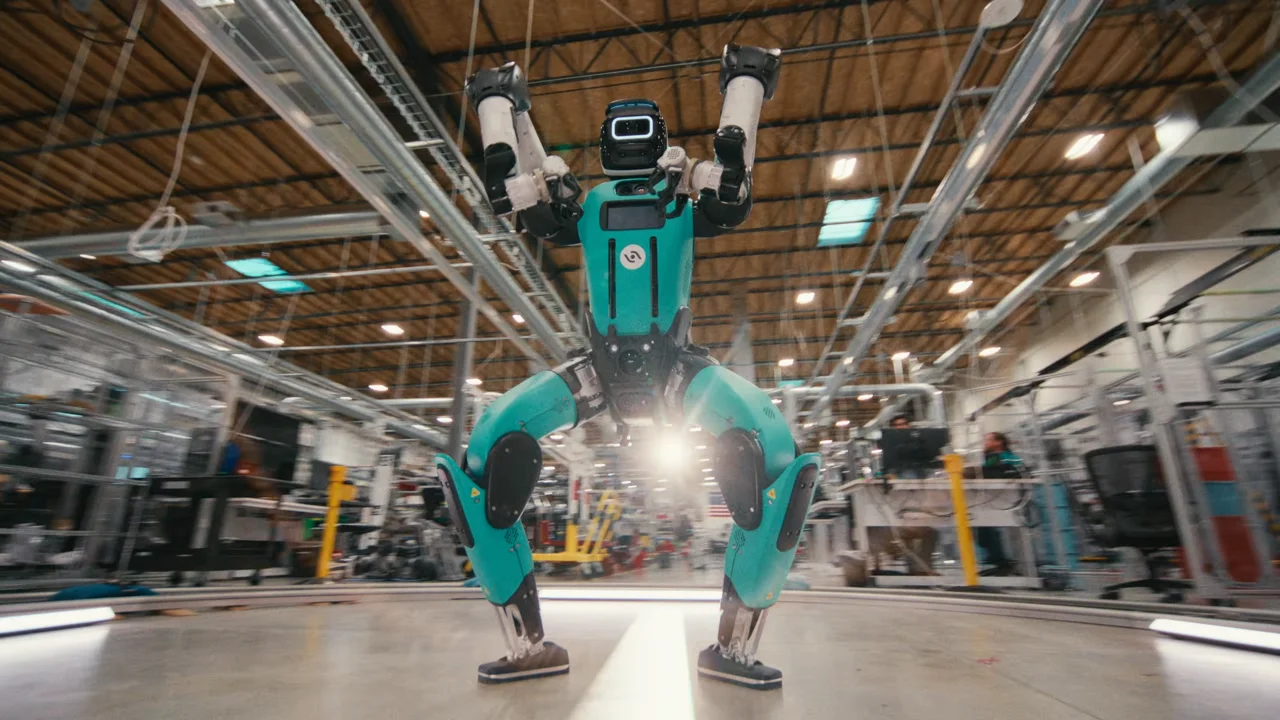
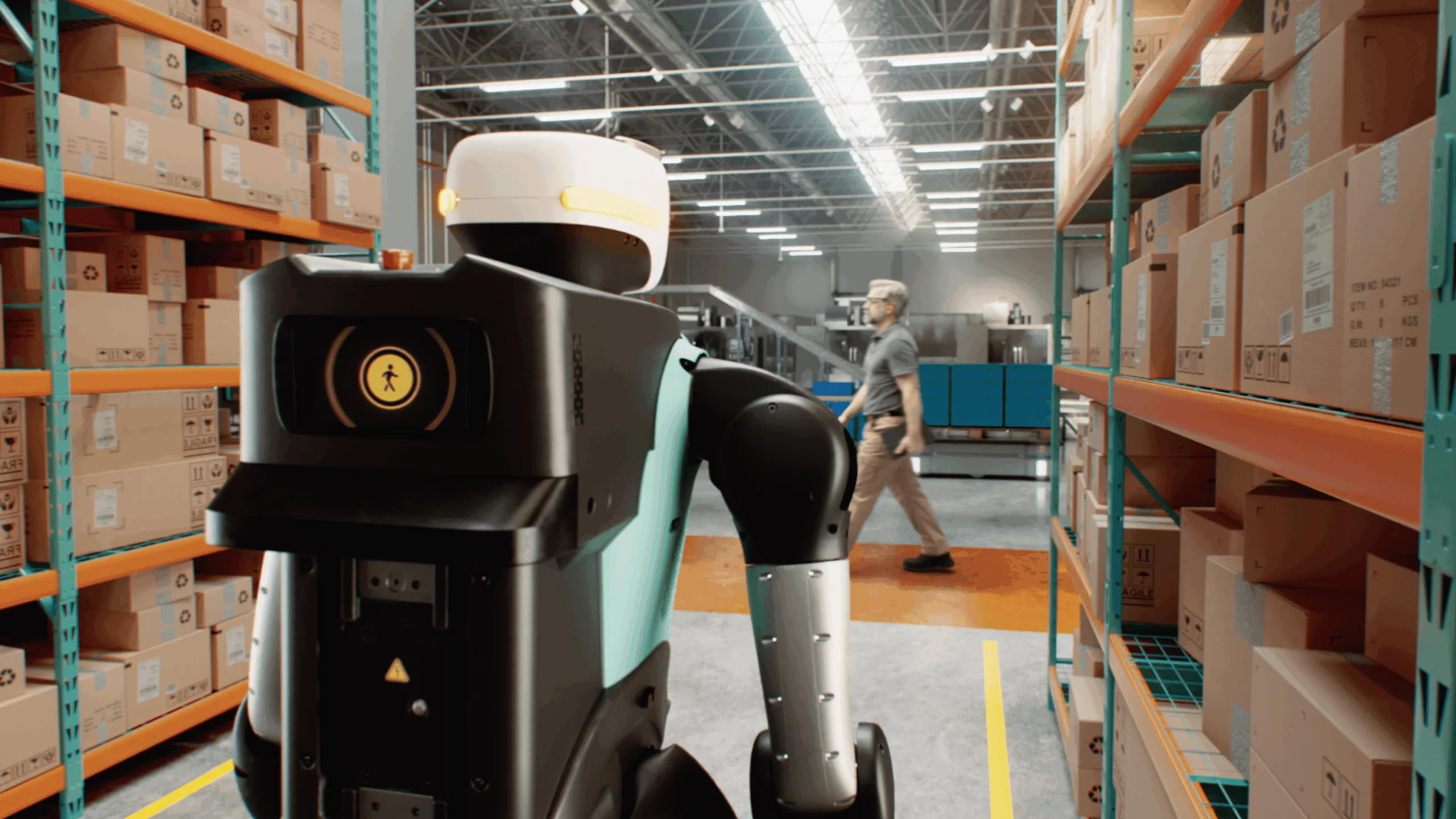
The urgency for mass production is evident as companies like 1X Technologies and Agility ramp up their manufacturing capabilities. 1X's NEO Factory in California aims for an annual production of 10,000 units, targeting 100,000 by the end of 2027. Agility's CEO confirmed a similar capacity at their facility in Oregon, with plans for a safety-certified humanoid to operate alongside human workers. However, challenges persist, particularly for established players like Boston Dynamics and Tesla, who face internal transitions and production delays.
As the industry industrializes, the gap between hardware readiness and practical utility remains a concern. While companies are scaling up production, the definition of what constitutes useful work for humanoids continues to evolve, highlighting the need for smarter robots to justify mass production efforts. No further timeline was disclosed at the time of publication.
Editor's Note
The humanoid robotics sector is experiencing a pivotal moment as companies transition from research to mass production. This shift raises important questions about the balance between manufacturing capabilities and the practical applications of humanoid robots in various industries. Stakeholders must navigate these challenges to ensure successful deployment and integration into existing workflows.





















Leave a comment