Industry Briefing
A single destination for timely, editor-curated robotics news from around the world.

Arm to Address Scaling Trusted Physical AI at RoboBusiness 2023
Arm has launched Total Design, a new initiative aimed at simplifying integration and accelerating the development of autonomous systems. This initiative is crucial as advancements in foundation models and edge AI enhance the capabilities of robots, enabling them to perform complex tasks in real-world scenarios, such as intelligent prosthetics and safe human-robot collaboration. The significance of this development lies in the need for reliable autonomous systems that can operate safely and efficiently. Dermot O’Driscoll, VP of go-to-market for physical AI at Arm, will present at RoboBusiness on October 20-21 in Santa Clara, California. His talk, titled 'Building Physical AI that Scales,' will focus on the principles necessary for creating trusted physical AI systems that meet the demands of safety and efficiency in various applications. Looking ahead, attendees of RoboBusiness can expect to gain valuable insights into the engineering priorities that will shape the future of robotics. O’Driscoll's extensive experience at Arm positions him to provide a framework for developing physical AI systems that enhance human capabilities while addressing real-world challenges. No further timeline was disclosed at the time of publication.
Artificial Intelligence / Cognition Design / Development Events News ARM robobusiness
UT Austin to Head $30 Million NSF Center Focused on Human-Robot Co-Adaptation
The University of Texas at Austin has been selected to lead a new National Science Foundation Science and Technology Center dedicated to exploring the dynamics of human-robot interaction in real-world settings. This initiative, named the Center for Human and Robot Co-Adaptation, will involve collaboration among 39 researchers from six different universities. This research is significant as it aims to understand how assistive robots can effectively integrate into everyday environments, enhancing their utility and acceptance among users. By studying the co-adaptation process, the center seeks to address challenges that arise when robots transition from controlled laboratory conditions to unpredictable real-world scenarios. Looking ahead, the center's findings could pave the way for advancements in assistive robotics, influencing design and deployment strategies. No further timeline was disclosed at the time of publication.
News Research Robotics Science apptronik artificial intelligence
Symbotic Becomes Member-Sponsor of Stanford Robotics Center's Industrial Affiliates Program
Symbotic has officially joined the Stanford Robotics Center (SRC) Industrial Affiliates Program as a member-sponsor. This membership grants Symbotic access to Stanford's esteemed research community, fostering collaboration aimed at advancing innovations in robotics, autonomy, and artificial intelligence. The significance of this partnership lies in the potential for Symbotic to leverage Stanford's cutting-edge research to enhance its AI-enabled robotics technology for the supply chain. By engaging with leading experts and researchers, Symbotic aims to drive forward its capabilities in automation and robotics, which are critical for modern supply chain solutions. Looking ahead, it will be important to monitor the developments arising from this collaboration, particularly in how Symbotic integrates insights from Stanford into its product offerings. No further timeline was disclosed at the time of publication.
Business Industry News Research Robotics ai
Microsoft Introduces Provisional Code of Conduct for Future AI Models Amid Industry Concerns
Microsoft has unveiled a provisional code of conduct that establishes restrictions for its future artificial intelligence models. This decision follows a growing consensus among AI leaders, including those from Anthropic and OpenAI, advocating for a deceleration in AI development due to rising safety concerns. Mustafa Suleyman, CEO of Microsoft AI, emphasized the importance of AI serving humanity and promoting human autonomy. The initiative is significant as it reflects a broader industry shift towards responsible AI development, addressing public apprehensions about the rapid advancement of AI technologies. Recent events, including a resignation from an Anthropic researcher who criticized the race towards self-improving superintelligence, have intensified calls for more stringent AI safeguards. Microsoft aims to position itself as a responsible player in the AI landscape, particularly as it integrates models from leading AI labs into its products. Looking ahead, Microsoft plans to refine its guidelines further, with an update expected to influence AI model development starting in 2027. The company has engaged with experts across various fields to shape its code of conduct, indicating a commitment to ethical AI practices. No further timeline was disclosed at the time of publication.
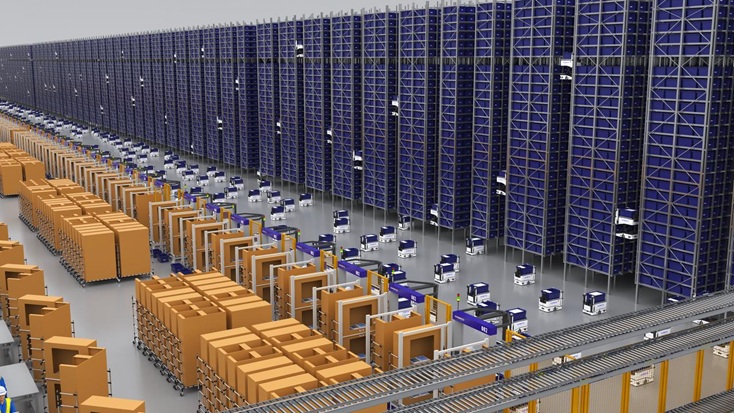
Hai Robotics Chosen for Largest Deployment of Rack-Climbing Warehouse Robots Globally
Hai Robotics has been selected to implement automation technology for a major e-commerce fulfillment center operated by a leading European fashion retailer. This project features the HaiPick Climb system, marking the largest deployment of rack-climbing warehouse robots in the world, with over 1,500 units set to enhance operational efficiency. The significance of this deployment lies in its potential to redefine warehouse automation standards, showcasing HaiPick Climb as a premier solution for high-performance e-commerce fulfillment. The retailer's expansion of its partnership with Hai Robotics emphasizes the growing demand for scalable automation solutions in response to rising online order volumes. Looking ahead, the project underscores the trend towards scalable robotic automation in large-scale fulfillment operations. No further timeline was disclosed at the time of publication.
Industry News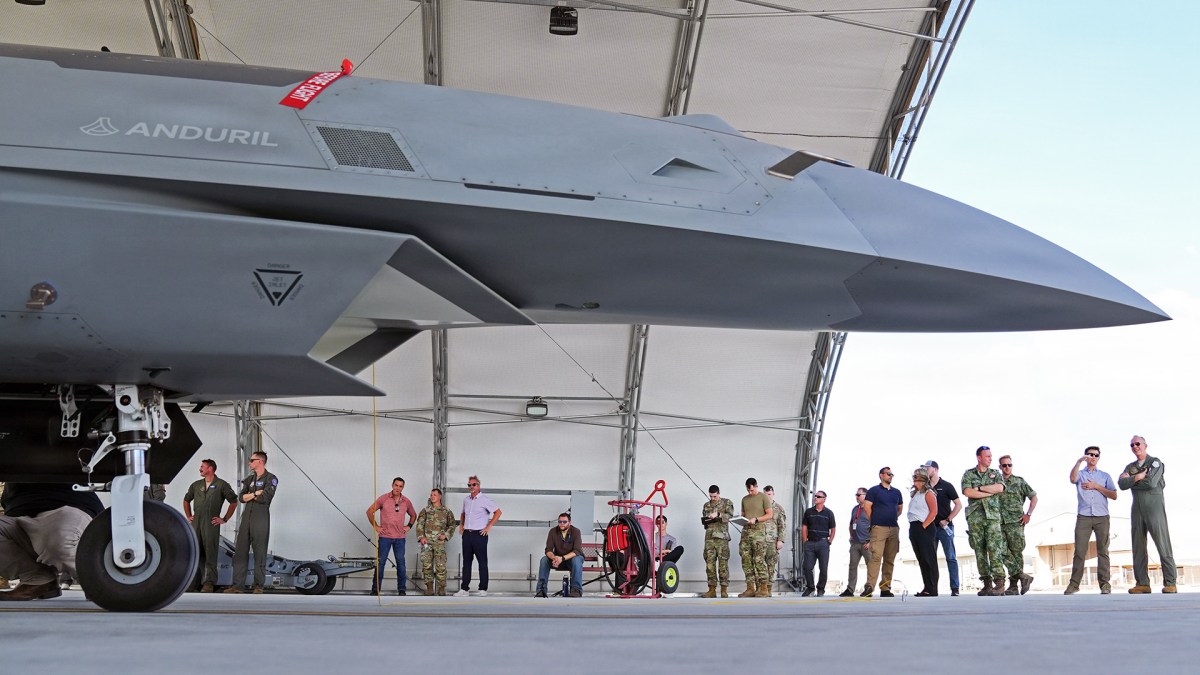
US Air Force Plans to Deploy 500 Collaborative Combat Aircraft by 2032
The U.S. Air Force has set a target to have at least 500 Collaborative Combat Aircraft (CCA) operational by 2032. This ambitious plan includes an equal number of Massed Modular Aircraft (MMA) drones to replace the MQ-9 Reapers. Secretary of the Air Force Troy Meink announced these updates during a keynote speech at the Air & Space Forces Association’s 2026 conference. This initiative is significant as it marks a substantial increase from previous plans, which aimed for over 150 CCAs by the end of the decade. The Air Force is also focusing on reducing costs, with plans to field 100 MMAs by 2029 at a lower price point than current manned aircraft. The FQ-42 and FQ-44 drones, now officially named Vengeance and Fury, are already in production and will perform missions similar to those of manned fighters. Looking ahead, the Air Force is still determining how these CCAs will be integrated into operations. The establishment of a dedicated Experimental Operations Unit (EOU) aims to facilitate the development and testing of these aircraft. No further timeline was disclosed at the time of publication.
News & Features Air Collaborative Combat Aircraft Drones Q-9 Unmanned
Andon Labs Experiments with AI Agents in Real-World Business Operations
Andon Labs, an AI safety company based in San Francisco, is conducting experiments by placing AI agents in charge of real-world operations. These experiments aim to explore the extent of responsibility that AI agents can handle, as highlighted by cofounder Lukas Petersson's goal to measure autonomy and provide accurate data points. The significance of these experiments lies in their potential to uncover unexpected behaviors of AI agents in uncontrolled environments. While the experiments are not scientifically rigorous, they offer insights into how AI can manage tasks such as inventory and vendor communication, as well as the social acceptance of AI-run businesses. Early results indicate challenges in customer acceptance of AI management. Looking ahead, Andon Labs plans to continue its exploration of AI capabilities in real-world settings. The findings from these experiments could inform future developments in AI technology and its integration into various industries. No further timeline was disclosed at the time of publication.
Agentic-ai Artificial-intelligence Anthropic Google Openai
Robotics Trends in Society, Business, and Culture: Insights from August 2026
In August 2026, various developments in robotics highlighted the industry's evolution and challenges. U.S. founders and startups are reportedly sourcing components from Shenzhen, raising security concerns over Chinese hardware reliance, particularly in the electric and autonomous vehicle sectors. Meanwhile, Princeton engineers introduced a motorless origami-inspired robot that utilizes geometric principles for movement, showcasing innovative design approaches. The importance of managing expectations in robotics deployments was emphasized, especially in humanoid interactions. A Drexel study revealed that participants formed stronger connections with an expressive robot, but errors led to unexpected emotional responses, indicating a complex relationship between humans and robots. This highlights the need for careful communication regarding robot capabilities and limitations. As the automotive sector's dominance in robotics wanes, other industries are increasingly adopting robotic solutions. North American companies ordered 8,940 robots in Q2 2026, reflecting a 4.3% increase in units and a 21.3% revenue rise. The World Robot Conference in Beijing showcased over 2,000 products, emphasizing the global interest in robotics advancements.
Recent Investment Surge in Deep-Sea Robotics Sector Highlights Industry Growth
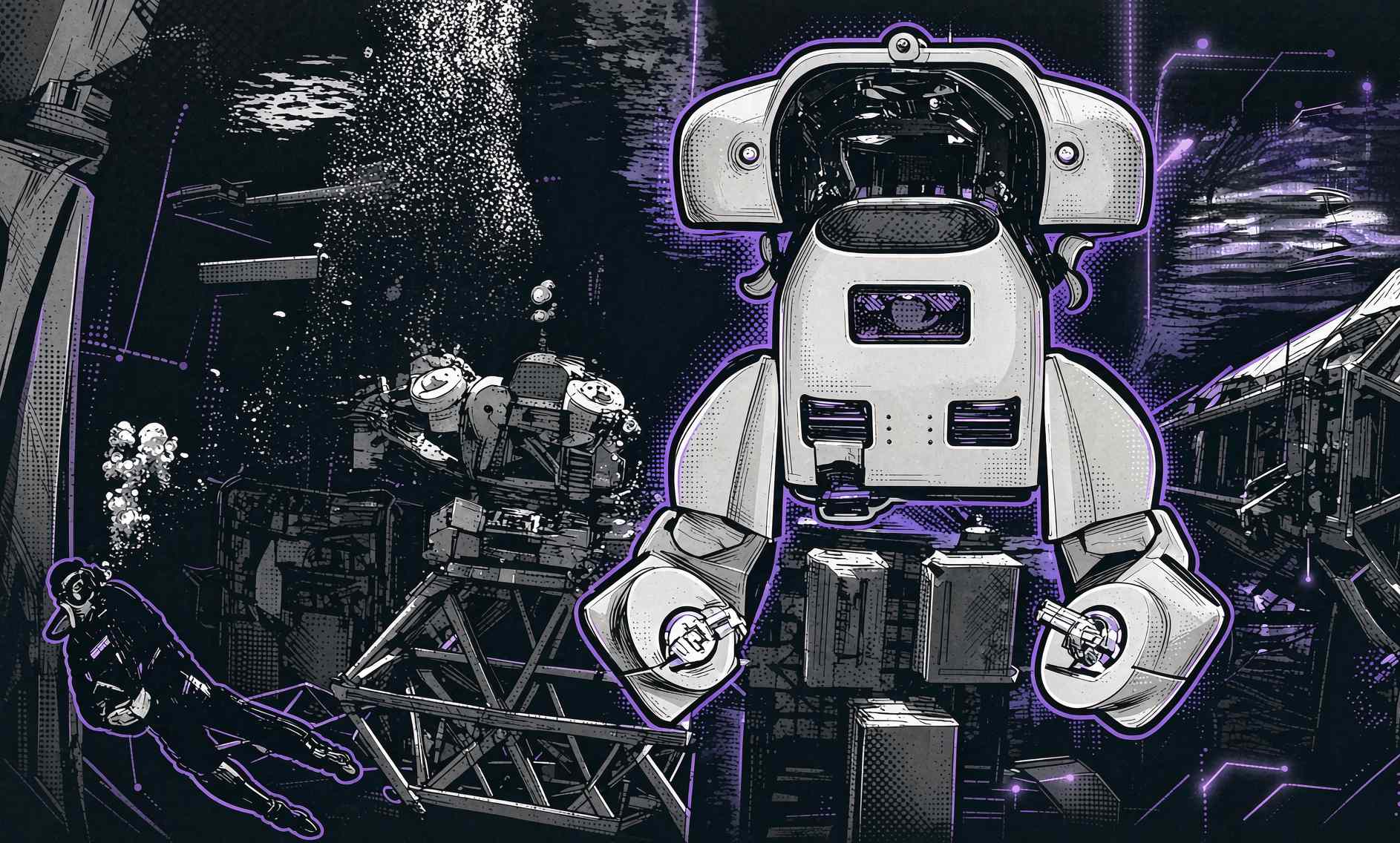
The deep-sea robotics sector has recently seen a surge in investment, with Gongzhi Ocean announcing nearly 100 million yuan in angel funding from several investors including Zhongxin Zhidi and Lihe Financial. Founded in 2024, Gongzhi Ocean focuses on high-end underwater propulsion equipment and bionic underwater vehicles, with its core product, 'Hetu,' being the industry's first integrated underwater robot for detection operations. This influx of capital is significant as it reflects the ongoing demand for underwater operations driven by the rapid development of China's marine economy. The market for underwater robots is expected to grow from 3.5 billion yuan in 2022 to 5.16 billion yuan by 2024, with an annual growth rate exceeding 20%. The competition is shifting from merely selling equipment to providing comprehensive services that reduce operational costs in tasks such as hull cleaning and seabed exploration. Looking ahead, the focus will be on how these companies can translate laboratory technology into reliable, maintainable, and scalable operational capabilities in real marine environments. The successful application of these robots in practical scenarios will be more telling than any financing news, as it will demonstrate their effectiveness in various underwater tasks.
Underwater Robotics Marine Technology Investment Trends Autonomous Systems
Jiushi Expands Its 30,000 Autonomous Vehicles into Urban Governance Applications
Jiushi has announced a strategic upgrade to its urban-level physical AI, aiming to extend its 'Jiushi Brain' capabilities beyond autonomous logistics vehicles. CEO Kong Qi emphasized that the company will leverage its extensive operational experience and data from over 30,000 vehicles, which have collectively traveled more than 250 million kilometers across 300 cities, to enhance urban governance scenarios. This shift is significant as Jiushi seeks to redefine its role in the autonomous vehicle industry, moving from a logistics-focused approach to utilizing its vehicles as a sensor network for urban management. By transforming data from real-world operations into actionable insights for city governance, Jiushi aims to address the complexities of urban environments while ensuring compliance and safety standards. Looking ahead, Jiushi's collaboration with GAC Aion to integrate L4 autonomous driving technology with commercial vehicle manufacturing could help overcome long-standing reliability issues in the industry. The success of this new direction will depend on Jiushi's ability to implement its technology in various cities, transitioning its vehicles from cargo transport to integral components of urban infrastructure.
Autonomous Vehicles Urban Governance AI Technology Data Analytics
Underwater Robotics Secures Nearly $10 Million in Angel Funding Amid Market Potential Focus
Gongzhi Ocean has announced the completion of nearly 100 million yuan in angel funding, attracting investors such as Zhongxin Zhidi and Lihua Financial. This funding reflects a growing interest in the underwater robotics market, particularly in integrated detection and operational capabilities. The investment landscape for underwater robotics has seen significant activity, with companies like Shihang Intelligent and Deep Sea Zhiren also securing substantial funding in recent months. This trend indicates a proactive search for investment opportunities within the sector, highlighting the industry's potential for growth and innovation. Looking ahead, the focus will shift from merely achieving depth capabilities to enhancing operational efficiency and reducing costs in underwater tasks. Companies must demonstrate their ability to translate technical specifications into practical, scalable solutions in real-world marine environments, as the competition intensifies in this evolving market.
Underwater Robotics Marine Engineering Investment Automation Technology
Microduck Emerges as a Contender in Consumer Robotics Amid Yush's Market Struggles
On its market debut, Yush's stock surged over sixfold, briefly surpassing a market value of 440 billion yuan, only to plummet in the following days, losing over 200 billion yuan in value. This volatility has reignited skepticism about the future of humanoid robots. Meanwhile, the Microduck, a $399 open-source robot from Hugging Face's Pollen Robotics, has gained significant attention, with over $2.6 million in orders within 24 hours of its launch. Microduck's appeal lies not only in its affordability but also in its innovative open-source reinforcement learning pipeline, allowing users to train virtual models before deploying them on the physical robot. This democratizes access to robotics, enabling developers and consumers to engage with robotics in ways previously limited to laboratories and enterprises. In just four days, Microduck received 10,500 orders, indicating a strong demand for accessible robotics solutions. As the robotics industry shifts focus towards consumer markets, the success of Microduck raises questions about the future of personal robots. Unlike traditional companionship robots, Microduck offers physical interaction capabilities, making it a more relatable robotic form. The ongoing developments in the open-source ecosystem, particularly with Hugging Face's growing community, suggest a potential shift in how consumer robotics will evolve, especially with Nvidia's recent acquisition plans for Hugging Face, which could further enhance the landscape of accessible robotics.
Consumer Robotics Open Source Robotics Affordable Robots AI Development
Dividend Announcements Overview for August 29 to September 4, 2026
This article provides a weekly overview of dividend announcements from over 1,200 dividend-paying stocks, focusing on the increases that are particularly satisfying for investors. The significance of these announcements extends beyond individual satisfaction, as they reflect broader market trends and investor confidence. Dividend increases can indicate a company's strong financial health and commitment to returning value to shareholders, making them an essential aspect of investment strategies. Investors often monitor these announcements closely to gauge market sentiment and adjust their portfolios accordingly. Looking ahead, investors should continue to watch for upcoming dividend announcements and potential increases, as these can serve as indicators of a company's performance and market conditions. No further timeline was disclosed at the time of publication.
BRC LAMR PECO STC VICI CPB
ASI Deploys Largest Autonomous Vehicle Fleet in American Sugarcane Farming
Autonomous Solutions Inc. (ASI), in collaboration with U.S. Sugar Corp. and Everglades Equipment Group, has launched the largest fleet of autonomous tractors in American sugarcane farming across South Florida. This deployment spans hundreds of thousands of acres and represents a significant operational shift in agriculture, moving beyond pilot projects to full-scale implementation. The initiative is crucial as American farmers face challenges such as a shrinking workforce, rising costs, and unpredictable weather patterns. ASI's Mobius platform has already facilitated extensive autonomous operations, demonstrating that the technology is ready to meet the demands of modern farming. U.S. Sugar, a key partner in this venture, manages 255,000 acres and emphasizes the importance of innovation in maintaining agricultural productivity. Looking ahead, the collaboration between ASI, U.S. Sugar, and Everglades Equipment Group aims to address labor shortages and enhance operational efficiency. As weather events increasingly threaten crops, the ability to deploy autonomous solutions becomes vital in ensuring the continuity of agricultural work, mitigating economic losses, and supporting the food supply chain.
Agriculture Mobility / Navigation News Opinion Self-Driving Vehicles asi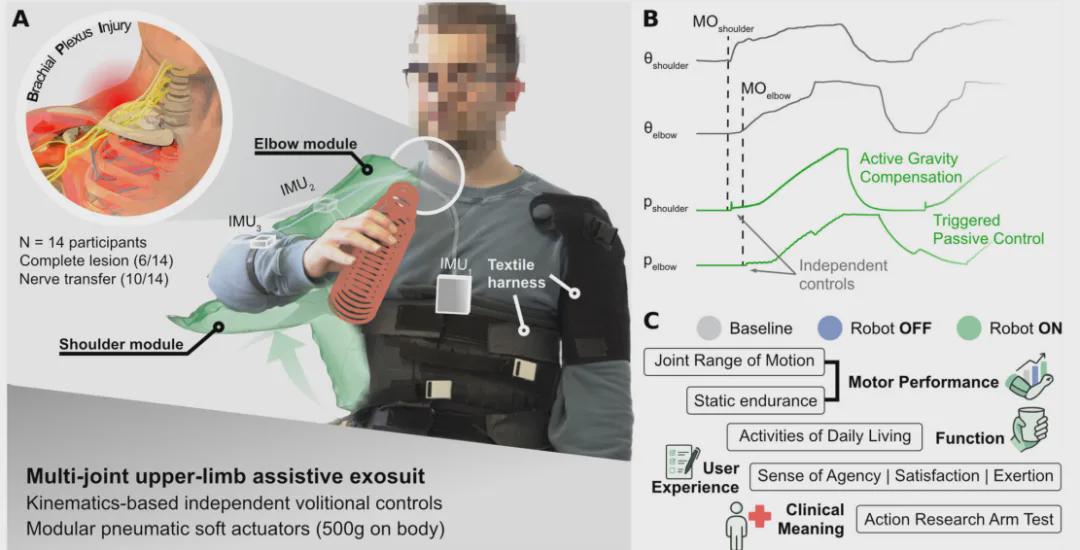
Soft Exosuit Increases Arm Mobility by 80-180% for Patients with Brachial Plexus Injuries
A team from the BioRobotics Institute of Scuola Superiore Sant'Anna, University of Turin, and CTO Hospital in Turin has developed a soft exosuit that significantly enhances arm mobility for patients with chronic brachial plexus injuries (BPI). The exosuit, weighing approximately 0.6 kg, was tested on 14 patients, resulting in an 80% to 180% increase in active range of motion and a 160% improvement in static endurance. This advancement is crucial as BPI often leads to severe loss of sensation and motor control in the upper limb, primarily affecting young males under 30, with motorcycle accidents being the leading cause. The exosuit employs soft pneumatic actuators to assist shoulder and elbow movements, providing a novel solution that addresses the critical joint often overlooked in previous wearable robotics. Future developments in this technology could further enhance rehabilitation for BPI patients. The study's findings indicate that the exosuit not only improves mobility but also reduces the effort required for movement, as evidenced by a significant decrease in muscle activity during use. No further timeline was disclosed at the time of publication.
Soft Robotics Wearable Technology Rehabilitation Devices Medical Innovation
The Importance of Devolution for Enhancing Warehousing Career Opportunities
The logistics sector, particularly warehousing, employs over three quarters of a million people in the UK, yet it remains largely unnoticed by young people making career choices. Devolution may provide a solution by allowing regional mayors to influence technical and vocational education funding, tailoring it to local labor market needs. This shift is significant as it aims to address the disconnect between education and the realities of the logistics industry, which is vital to regional economies outside of London. By empowering local leaders, the government can help create accessible pathways into warehousing careers, which offer progression opportunities from entry-level positions to advanced roles in engineering and automation. UKWA's involvement in developing new vocational qualifications for 16-19 year-olds highlights the potential for devolution to enhance training programs that meet local employer needs. This collaboration could lead to a more skilled workforce in logistics-heavy regions, ultimately benefiting both the industry and young job seekers. No further timeline was disclosed at the time of publication.
Industry News Trade Association News UKWA
Logistics Business App Relaunches for Enhanced User Experience
The Logistics Business app has been relaunched, providing users with a streamlined platform to access logistics news, podcasts, magazines, and eBooks across various devices. Available at logisticsbusiness.com/app, the app allows users to save content and sync their listening progress across devices, enhancing accessibility and convenience. This relaunch is significant as it consolidates digital content into a mobile-friendly experience, making it easier for industry professionals to stay informed. The app's features, such as the Saved tab and cross-device syncing, cater to the needs of users who require flexibility in accessing logistics information on the go. Looking ahead, users can expect continuous updates to the app's content and features. No further timeline was disclosed at the time of publication.
IT in Logistics Jobs and Training Materials Handling Packaging and Ecommerce Transport and Distribution Warehousing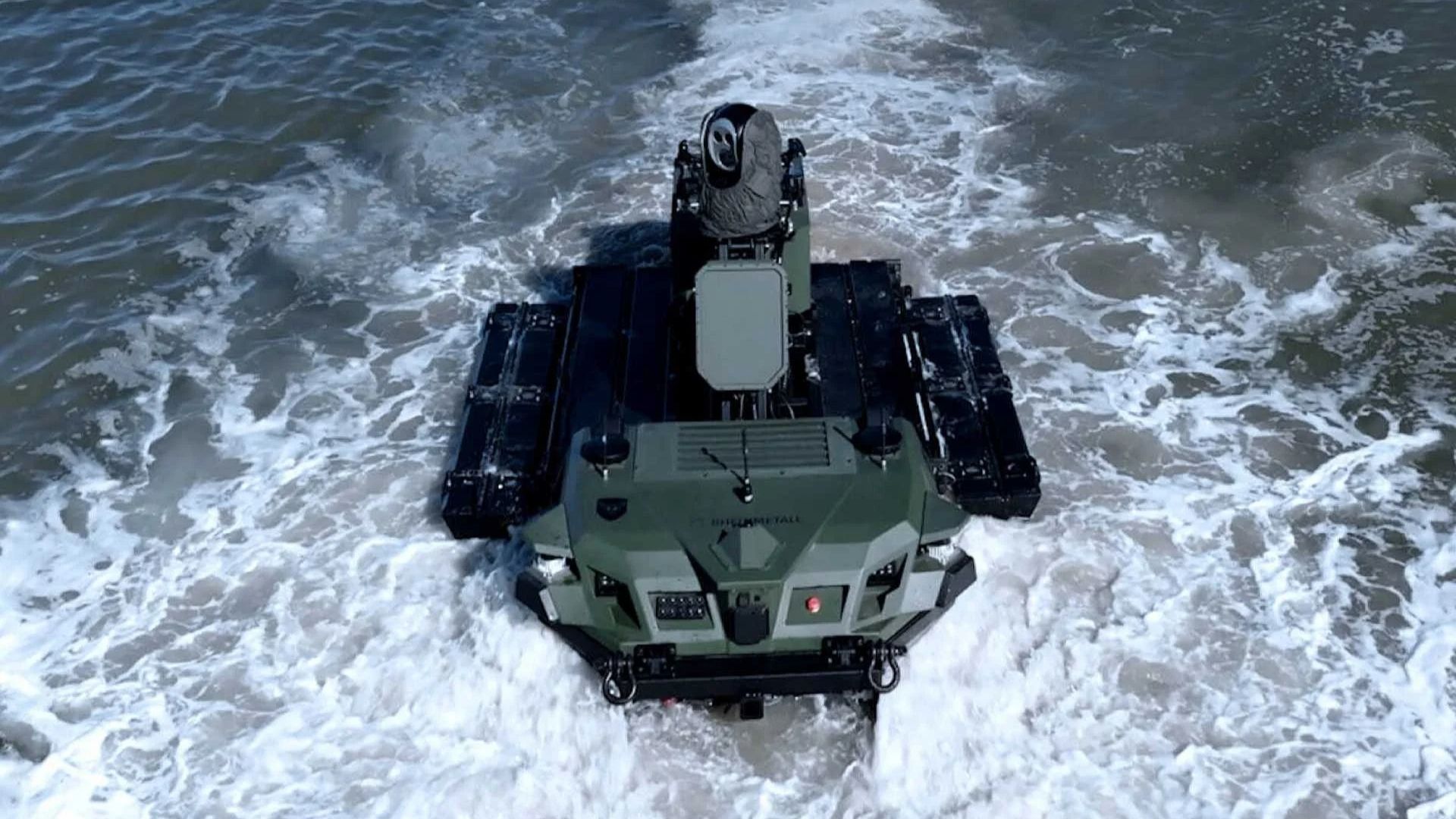
US Marine Corps Secures 12 Rheinmetall Amphibious Robots for Autonomous Logistics
American Rheinmetall has been awarded a $7.28 million contract to supply 12 Mission Master SP Autonomous Unmanned Ground Vehicles (A-UGVs) to the US Marine Corps. This procurement includes five amphibious kits and supporting equipment aimed at enhancing autonomous logistics and expeditionary mobility technologies. The significance of this contract lies in its potential to advance the operational capabilities of the US Marine Corps. The Mission Master SP vehicles are designed to support the Marine Corps Warfighting Laboratory's evaluations and capability development efforts, reflecting over four years of collaboration between Rheinmetall and the Marines. Looking ahead, the deployment of these advanced A-UGVs will be closely monitored as they are integrated into military operations. The amphibious capability is particularly noteworthy, as it addresses the evolving demands of littoral and expeditionary operations, marking a key milestone in Rheinmetall's partnership with the US Marine Corps.
Military
Elon Musk Claims AI and Robots Will Double Global Economy in Under Ten Years
On September 9, Elon Musk announced via X that AI and robots will more than double the global economy in less than ten years. This bold claim suggests a significant shift in economic growth expectations, challenging the current baseline of approximately 3% annual growth. The implications of Musk's assertion are profound, as it requires an annual growth rate of around 7.2% to achieve a clean double of the global GDP, which is projected to reach $126 trillion by 2026 according to the International Monetary Fund. Such a dramatic increase in economic output could influence investment strategies, educational pursuits, and job security perceptions. As the conversation around automation and economic growth continues, stakeholders should monitor how these ambitious forecasts impact market behaviors and policy decisions. No further timeline was disclosed at the time of publication.

Robotics and Automation Address America's Housing Shortage Amid Labor Challenges
The U.S. housing market faces a deficit of approximately 1.2 million homes and nearly 300,000 open construction jobs. Labor shortages are costing homebuilders around $11 billion annually, extending construction timelines by about two months. Robotics and automation are emerging as potential solutions, yet their impact on productivity remains limited and focused on specific tasks rather than full labor replacement. Industry experts highlight that while robotics can enhance precision and reduce errors in construction, the variability of job sites poses significant challenges for widespread automation. Current advancements are primarily seen in repetitive tasks such as layout and material handling, rather than in humanoid robots performing complex construction activities. The National Association of Home Builders emphasizes that the industry must attract around 740,000 workers annually to address labor gaps and improve productivity. Looking ahead, the integration of robotics in construction is expected to evolve, but experts caution that significant advancements are still years away. The focus will likely remain on improving specific processes rather than achieving full automation of construction sites. No further timeline was disclosed at the time of publication.
Vecna Robotics Secures $31 Million to Enhance Warehouse Automation Solutions
Vecna Robotics has successfully raised $31 million to further develop its autonomous mobile robot business and enhance warehouse automation capabilities for handling cases and pallets. This funding round was led by Unless, with contributions from Drive Capital, Tiger Global, Highland Capital Partners, and Tectonic Ventures. The company aims to scale its deployment teams and expand its market presence while introducing new functionalities such as pallet stacking, de-stacking, and trailer loading and unloading. The significance of this funding lies in the increasing demand for Vecna's CaseFlow system, which has seen a year-over-year growth of over 100% since its launch in 2025. A deployment at GEODIS demonstrated the effectiveness of the system, doubling picking throughput and reducing training time for new employees. This reflects a broader trend where customers seek comprehensive automation solutions to streamline their material movement processes. Looking ahead, Vecna Robotics plans to leverage this investment to enhance its existing capabilities and meet the growing needs of its clients. The company is focused on providing a reliable, U.S.-based robotics platform that supports extensive automation across various operations. No further timeline was disclosed at the time of publication.
AI AI Funding & Investment Robotics Autonomous Mobile Robots Drive Capital funding
Huawei Unveils First 7.2T Optical Module Amid Industry Shift to 6.4T Standards
Huawei showcased the first 7.2-terabit near-packaged optics module at the China International Optoelectronic Exposition on September 10. This module operates at 200 gigabits per lane across 36 channels, highlighting Huawei's advancements in optical technology. The demonstration is significant as it comes at a time when the international standards body is concentrating on developing specifications for a lower capacity of 6.4 terabits. Huawei's innovation may influence future standards and drive competition in the optical module market. Looking ahead, industry stakeholders will be monitoring how Huawei's 7.2T module impacts the ongoing discussions around optical technology standards. No further timeline was disclosed at the time of publication.

Husqvarna Receives FCC Conditional Approval for Robotic Lawn Mowers in the U.S.
Husqvarna Group has secured conditional approval from the FCC for four robotic lawn mower models intended for the U.S. market. The approved models include the Automower 305V iQ, 310V iQ, 420V iQ, and 440V iQ, which are set to launch in 2027 and are exempt from the FCC Covered List. This approval is significant as it marks Husqvarna as the first robotics company to receive such conditional approval for foreign-manufactured advanced robotic devices. The U.S. market accounted for 24% of Husqvarna's total net sales in 2025, indicating the importance of this market for the company's growth strategy. Looking ahead, Husqvarna aims to capitalize on the U.S. market's growth potential, particularly in residential robotic lawn mowing, where penetration remains limited. The company currently serves over 500 golf courses with its professional mowing solutions, highlighting its established presence in the sector.
AI AI Funding & Investment AI Policy & Regulation Robotics Covered List FCC
Understanding Digital Optimus: Tesla's AI Agent and Investment Insights
Digital Optimus, Tesla's AI agent system, was announced on March 11-12, 2026, as a collaboration with xAI, now known as SpaceXAI. It does not have a separate stock ticker or legal identity, and investment exposure is available through Tesla, Inc. (NASDAQ: TSLA) and SpaceX (NASDAQ: SPCX). This technology is designed to autonomously execute computer tasks, functioning similarly to how Siri operates for Apple. Digital Optimus aims to achieve 'digital human emulation' by the end of 2026, allowing it to perform tasks like drafting emails and managing spreadsheets. The architecture combines Tesla's AI4 chip and Grok AI model, enhancing its capabilities over traditional screenshot-based AI agents. Investors should note that Digital Optimus is not a standalone entity and cannot be directly invested in. The deployment strategy includes utilizing Tesla's existing Supercharger infrastructure, which has significant power capacity, to support the AI's operations. No further timeline was disclosed at the time of publication.
PNDbotics Showcases Humanoid Robots for Real-World Industrial Applications
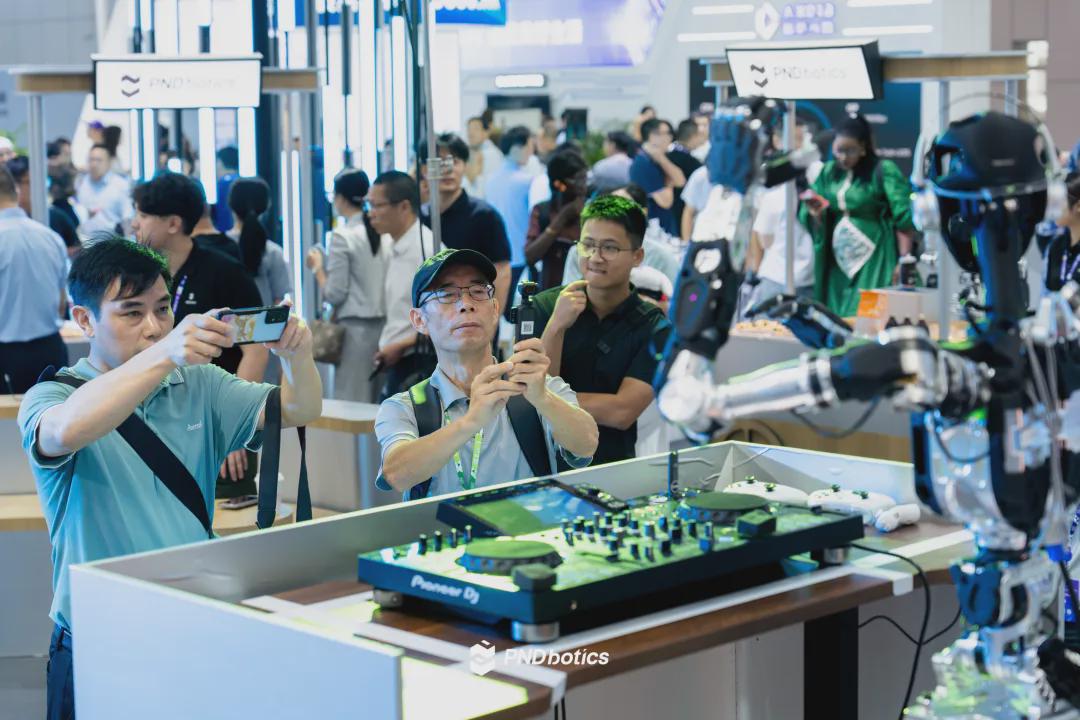
PNDbotics is exploring the application of humanoid robots in real industrial tasks at the Future Factory exhibition, held from September 11 to 13 at the Ningbo International Exhibition Center. The showcase emphasizes the robots' ability to understand tasks, recognize environments, and adapt execution strategies in dynamic production settings. This initiative is significant as it addresses the challenges of integrating humanoid robots into complex industrial environments, where continuous decision-making is crucial. Unlike controlled lab settings, real factories present fluctuating conditions that require robots to perform a series of interconnected actions, demonstrating their full operational capabilities. Looking ahead, the focus will be on how these robots can effectively connect with real production environments and validate their reliability through successful task execution. The goal is to enhance the robots' system capabilities, moving beyond mere movement to achieving task completion in manufacturing settings.
Humanoid Robots Industrial Automation Robotics Technology AI Manufacturing Solutions
Venus Aerospace Launches New Test Stand for Rotating Detonation Rocket Engine in Houston
Venus Aerospace has inaugurated a new propulsion test stand at Houston Spaceport, enhancing its testing capabilities for the rotating detonation rocket engine. This facility allows for higher-thrust firings and extended test durations, enabling engineers to analyze engine performance under flight-like conditions. A live hot-fire test was successfully conducted on September 10, showcasing the stand's capabilities and attracting local aerospace officials and industry representatives. The significance of this development lies in the unique combustion process of rotating detonation engines, which utilize rapidly moving detonation waves, differing from conventional rocket engines. The new test stand provides Venus with the necessary infrastructure to conduct longer tests and higher-thrust operations, which are crucial for identifying potential issues that may arise during shorter firings. This additional testing capacity is vital as the company refines its engine technology and supporting systems. Looking ahead, Venus Aerospace's new test stand is expected to play a critical role in the company's ongoing propulsion programs, especially following its recent $91 million Series B funding round in 2026. As the company continues to expand its leadership team and forge new strategic relationships, the enhanced testing capabilities will support its growth and innovation in propulsion technology. No further timeline was disclosed at the time of publication.
Innovation Space
Monumental's Salar al Khafaji Discusses Robotics in Construction and 'Walls as a Service
Salar al Khafaji, founder and CEO of Monumental, recently appeared on Episode 261 of The Robot Report Podcast to discuss the concept of 'Walls as a Service' and the potential for robotics in the construction sector. He emphasized the need for scalable automation in construction, a field known for its limited digitization and reliance on traditional methods. The discussion highlights the significance of integrating robotics and AI into construction processes, aiming to transform it into a more efficient and technology-driven industry. Al Khafaji's vision focuses on making construction software-defined and hardware-enabled, which could lead to substantial improvements in productivity and cost-effectiveness. Listeners should keep an eye on Monumental's developments as they continue to innovate in the construction space. No further timeline was disclosed at the time of publication.
Artificial Intelligence Autonomous Mobile Robots (AMRs) Construction News Opinion Podcast
ASI's Mel Torrie to Discuss Advancements in Field Robotics at RoboBusiness 2026
Autonomous Solutions Inc. (ASI) is enhancing existing field equipment with autonomy, addressing challenges in remote and rugged locations. Mel Torrie, ASI's founder and CEO, predicts significant advancements in mobile robotics for outdoor applications over the next decade. He emphasizes the need for autonomous vehicles to support integration and collaboration among platforms to boost productivity. The intersection of autonomous vehicles and advanced robotics is set to revolutionize field deployments, according to Torrie. At RoboBusiness 2026, he will lead a session titled "Designing the Robotics Ecosystem for Outdoor Autonomy," sharing insights on creating a cooperative ecosystem where robotics and autonomous vehicles work together. This collaboration is expected to enhance operational efficiency and safety in challenging environments. Attendees at RoboBusiness 2026 will gain valuable insights into the evolving landscape of robotics and AI, with a focus on practical applications across various sectors. The event will also provide networking opportunities for professionals in the field, fostering connections that could lead to future collaborations and innovations.
Agriculture Construction Events Markets / Industries News asi
Pentagon Plans to Expand Tech Testing at US-Mexico Border with Unmanned Systems
The Pentagon is utilizing the US-Mexico border as a testing ground for advanced technologies, including high-energy lasers and unmanned systems. Mark Ditlevson, the assistant secretary of defense for Homeland Defense, expressed a desire to expand these projects, contingent on future funding from Congress. Current negotiations on the fiscal 2027 budget could impact the extent of these initiatives. The significance of this testing lies in its potential to enhance border security and combat narco-trafficking. The Pentagon has already deployed 10 Lightfish unmanned surface vessels (USVs) along the Rio Grande, receiving positive feedback on their sensor capabilities. Ditlevson indicated plans to extend the use of USVs into the Gulf of Mexico to further support anti-trafficking efforts. Looking ahead, the Pentagon is also exploring the automation of aerial drones to reduce reliance on manned aircraft and operators. Challenges remain, particularly regarding obstacle avoidance in US airspace. The timeline for deploying additional unmanned vessels and ground vehicles is uncertain, as the Pentagon continues to evaluate existing technologies and their effectiveness in enhancing operational capabilities.
Air Warfare Land Warfare Naval Warfare Pentagon Air Force Army
Agentic AI Emerges as Essential Partner for Industrial Automation Leaders
Industrial automation leaders are increasingly exploring the integration of AI into their operations, focusing on its role rather than its presence. Agentic AI is positioned as a digital co-worker that complements existing automation, MES, and ERP systems, enhancing the capabilities of planners. This technology simplifies complex tasks such as managing machine capacity, workforce availability, and demand fluctuations, allowing planners to utilize natural language for scenario exploration and problem identification. By continuously monitoring production and logistics data, Agentic AI flags disruptions and suggests alternatives, enabling planners to concentrate on higher-value decisions while automating routine tasks. As manufacturers assess the level of autonomy to grant AI, the emphasis is on reducing manual work and improving access to information. The shift is towards Agentic AI being a supportive tool for planners, rather than a replacement, fostering a collaborative environment in industrial settings. No further timeline was disclosed at the time of publication.
Leaders / Operations Software
Iran Claims Capture of US Underwater Drone Capable of 20,000 Feet Missions
Iran's Islamic Revolutionary Guard Corps announced the capture of an American underwater drone near the Strait of Hormuz. The drone, resembling Anduril's Dive-LD, is designed for Intelligence, Surveillance, and Reconnaissance missions and can operate at depths of up to 6,000 meters. This incident highlights the growing significance of unmanned underwater vehicles in naval operations, as they can conduct extended missions without risking crew safety. The Dive-LD's flexibility allows it to be equipped with various sensors and payloads, making it suitable for diverse tasks, from mine warfare to seabed surveys. As nations invest in autonomous underwater systems, the focus will be on the development of larger vehicles alongside smaller models like the Dive-LD. No further timeline was disclosed at the time of publication.
Military
US Air Force Conducts Sentinel Dragon 26-02 Exercise to Test Nuclear Missile Readiness
The US Air Force executed a four-day exercise named Sentinel Dragon 26-02 from August 4 to 7, 2026, to evaluate its nuclear missile force's readiness under unexpected conditions. The drill involved a simulated drone threat and the recapture of a missile launch facility, testing the transition from routine operations to high-pressure scenarios without prior notice. This exercise is significant as it emphasizes the necessity for a nuclear deterrent to maintain constant readiness, as highlighted by Maj. Gen. Colin Connor of the 20th Air Force. The lack of traditional preparation time forced operational units to rely on their command-and-control systems and adapt to unforeseen challenges, showcasing their ability to perform under pressure. Looking ahead, the exercise's focus on integrating security forces with air units and managing complex scenarios indicates a shift towards a more cohesive operational approach. The results will likely influence future training and operational strategies, particularly in how the Air Force prepares for potential threats involving unmanned aerial vehicles. No further timeline was disclosed at the time of publication.
Military
Anthropic Reports Misuse of Claude AI by Iran and Russia for Military Applications
Anthropic PBC has reported that its AI model, Claude, has been misappropriated for military purposes by Iran and Russia. The misuse includes efforts to develop kamikaze drone swarms, missile navigation systems, and research associated with potential biological weapons. This situation raises significant concerns regarding the security implications of AI technologies. The involvement of state actors like Iran and Russia in military applications of AI highlights the urgent need for regulatory frameworks to prevent misuse and ensure responsible development and deployment of AI systems. Looking ahead, stakeholders in the AI and defense sectors should monitor developments related to the misuse of AI technologies. The ongoing research and military applications could lead to further advancements in weaponry, necessitating a collaborative approach to address these challenges. No further timeline was disclosed at the time of publication.

Overland AI Secures $20 Million Contract with US Army for Autonomous Breaching Systems Development
Overland AI has been awarded a $20 million contract by the U.S. Army to develop autonomous ground systems aimed at breaching battlefield obstacles. This initiative, part of the Engineer Autonomous Breaching Capability (EABC), will integrate Overland AI's OverDrive autonomy software with various ground vehicles and mission payloads, enabling a single operator to manage multiple robotic platforms during breaching missions. The significance of this contract lies in its potential to enhance operational safety by reducing the number of combat engineers exposed to hazardous environments during breaching operations. Overland AI's approach, which builds on over 25 government demonstrations with agencies like DARPA and the U.S. Army, aims to modernize battlefield operations through the use of autonomous systems. Looking ahead, the development of the breaching technology will involve collaboration with partners and subcontractors, as well as continued testing with combat engineer units. No further timeline was disclosed at the time of publication.
AI AI Funding & Investment Robotics Autonomous Ground Systems autonomous ground vehicles contract
22-Meter Robotic Arm Faces Delays in Fukushima Nuclear Fuel Retrieval Efforts
A 22-meter long robotic arm, weighing 4.6 tons and costing 7.8 billion yen (approximately 380 million RMB), is designed to retrieve a few grams of nuclear fuel debris from the Fukushima Daiichi Nuclear Power Plant's Unit 2 containment structure. Originally scheduled for deployment in 2021, the arm remains unused due to a malfunctioning motor brake, highlighting deeper issues within Japan's nuclear energy system regarding the handling of decommissioning. The retrieval of nuclear fuel debris is critical, with approximately 880 tons of highly radioactive material present. Previous attempts to extract debris using manual methods yielded only 0.9 grams over five years, raising concerns about the feasibility of the current timeline, which aims for large-scale retrieval to begin in 2037 and complete decommissioning by 2051. The current pace suggests that the ambitious goals may not be achievable without significant changes in approach. As the robotic arm's deployment continues to face setbacks, attention should focus on whether Tokyo Electric Power Company will adjust the 2037 timeline. Any delays could render the 2051 decommissioning target meaningless. The outcome of this project is not just about retrieving a few grams of debris but also about the future direction of Japan's nuclear decommissioning efforts.
Robotic Arms Nuclear Decommissioning Engineering Challenges Fukushima Waste Management
Boston Dynamics Launches Dynamic Creatures to Enter Plush Robot Market
Boston Dynamics has introduced a new venture named Dynamic Creatures, focusing on plush robots. The first product, a modified Spot robot covered in purple fur with animated features, aims to attract visitors in entertainment settings rather than showcase its industrial capabilities. This shift signifies a strategic pivot for Boston Dynamics, which has historically excelled in advanced robotics but struggled to appeal to the general public. The company aims to leverage a rental model for its robots, making them accessible to theme parks and cruise lines without the hefty upfront costs associated with purchasing. As demand grows in the entertainment sector for interactive robotic characters, the success of Dynamic Creatures will depend on partnerships with major players like Disney. The outcome of this venture could redefine how robots are integrated into consumer experiences, moving beyond traditional applications to create engaging interactions.
Robotics Entertainment Technology Plush Robots Rental Business Model
Understanding Quadruped Robot Specifications: Consumer vs. Industrial Applications
Quadruped robots have increasingly adopted a standardized design, characterized by four legs and a stable gait. This convergence is evident in promotional videos showcasing their ability to navigate various terrains and recover from disturbances. The significance of this trend lies in the implications for both consumer and industrial markets. As these robots become more versatile, they may serve dual purposes, enhancing their appeal to a broader range of applications, from entertainment to security patrols. Looking ahead, industry stakeholders should monitor advancements in quadruped technology and their integration into different sectors. The ongoing development of these robots could lead to innovative solutions that address specific operational needs across various environments. No further timeline was disclosed at the time of publication.

Maven Robotics Secures $100 Million in Series A Funding to Innovate Industrial Automation
Maven Robotics has officially launched with $100 million in Series A funding, taking a unique technological approach by utilizing a wheeled chassis combined with dual arms to tackle monotonous palletizing tasks in warehouse logistics. CEO Hamza Derbas stated that bipedal robots are 'meaningless' in industrial scenarios due to their complexity, unreliability, and added costs. The company's wheeled robots can achieve a speed of 10 miles per hour and lift loads of up to 30 kilograms, maintaining a 99% operational rate for 16 hours a day in customer warehouses. This design prioritizes stability, efficiency, and maintainability over biomimetic forms, aligning with the core demands of industrial environments. Maven's understanding of 'task closure' positions it not merely as a robot supplier but as a provider of end-to-end automation solutions. Looking ahead, Maven aims to accumulate over 100,000 hours of autonomous operation data by the end of the year, with a goal of surpassing 1 million hours by 2027. This pragmatic approach underscores the belief that the evolution of industrial intelligence relies on consistent performance in real production lines rather than the allure of impressive demonstration videos.
Warehouse Automation Robotics Industrial Automation Logistics Technology
Elon Musk's Vision for 10 Million Robots: Supply Chain Implications and Profitability
Tesla's Fremont factory has shifted its focus from producing 40,000 luxury electric vehicles annually to a target of 1 million Optimus humanoid robots. This significant increase in production capacity raises questions about the supply chain and who will benefit financially from Musk's ambitious plan to produce 10 million robots. Analysts suggest that the real profit opportunities may lie with Chinese suppliers who are scaling up to meet Tesla's demands. The supply chain for humanoid robots involves complex components such as actuators, reducers, and screws, which have high technical barriers and long validation periods. Major suppliers like Sanyuan and Top Group are positioned as core players in the Optimus supply chain, making it difficult for new entrants to compete. Tesla's procurement strategy involves framework orders based on production capacity, incentivizing suppliers to expand their operations. While substantial revenue from the robot production is not expected until 2027, the current market dynamics are already influencing stock prices. The robot industry is at a critical juncture, and established suppliers in Tesla's automotive business are leveraging their relationships to transition into the robotics sector. Musk's assertion that the global humanoid robot count could reach 1 billion in the next decade underscores the potential for significant market disruption.
Humanoid Robots Supply Chain Automation Tesla Robotics
Study Reveals Trust in Human-Like Robots Diminishes After Errors
A study from Drexel University indicates that the more human-like a robot is, the more it can influence people, provided it does not make mistakes. Researchers engaged 50 adult males in conversations with the humanoid robot Pepper for two and a half hours, with half interacting with an expressive version and the other half with a motionless version. When Pepper made intentional errors in the third round, participants' trust significantly declined, with influence dropping from 0.25 to 0.10 after just one mistake. The findings highlight the importance of reliability in social robots, especially in sensitive environments like hospitals and schools. While the expressive Pepper initially fostered a stronger connection, errors led to a more pronounced loss of trust compared to the motionless version. The study also recorded participants' brain activity, revealing heightened responses to social norm violations when interacting with the expressive robot, indicating a shift from technical to interpersonal judgment. Future research will explore whether robots can regain trust through apologies or explanations after making mistakes. The study's limitations include a focus on adult males and the specific robot Pepper, but its implications stress the need for reliability in the design of social robots to prevent trust erosion after errors.
Social Robots Human-Robot Interaction Trust in AI Robotics Research
TEPCO to Use Giant Robot Arm for Fukushima Nuclear Debris Inspection After Delay
Tokyo Electric Power Co. Holdings (TEPCO) is set to inspect and remove fuel debris from the Fukushima Daiichi nuclear reactors using a 4.6-ton robot arm. This operation, which has been delayed by five years, is a significant step towards the decommissioning of the damaged plant. The inspection is crucial as it aims to address the highly radioactive fuel debris that has posed challenges since the nuclear disaster. The successful operation of the robot arm could facilitate further progress in the cleanup and decommissioning efforts at Fukushima, which have been ongoing since the 2011 disaster. Looking ahead, TEPCO's use of advanced robotics in this context highlights the increasing reliance on technology for hazardous material handling. No further timeline was disclosed at the time of publication.

Maven Robotics Secures $100 Million Series A Funding for Industrial Robotics Development
Maven Robotics has successfully raised $100 million in Series A funding to enhance its industrial robotics platform aimed at logistics and manufacturing. The funding round included participation from RoboStrategy, LocalGlobe, Vine Ventures, and XTX Ventures. Maven is focused on developing a general-purpose robotics system that will expand its applications beyond palletizing and tote handling into more complex material handling and assembly tasks. This funding is particularly significant as it addresses the growing U.S. labor shortages in industrial sectors. Maven's platform integrates hardware, software, and AI, allowing for reliable operation across multiple shifts. The company has already deployed its robots with a Fortune 250 consumer packaged goods company, where they are expected to achieve over 100,000 hours of autonomous operation by the end of 2026. Looking ahead, Maven Robotics aims to surpass 1 million hours of autonomous operation by the end of 2027. The company is entering a robust market, with over $18.8 billion in global venture capital investment in robotics reported in the first half of 2026. This positions Maven to capitalize on the increasing demand for intelligent industrial automation solutions.
AI AI Funding & Investment Robotics funding industrial robotics LocalGlobe
Anthropic Disrupts Five Cases of Claude Misuse for Potential Bioweapons Research
Anthropic reported that it intervened in five instances where researchers misused its AI model, Claude, in ways that could have facilitated biological weapons development. These incidents occurred between December 2025 and August 2026, highlighting the challenges of distinguishing legitimate scientific research from potentially harmful activities. The significance of these disruptions lies in the dual-use nature of biological research, where the same knowledge can lead to both medical advancements and dangerous applications. Jacob Klein, Anthropic’s head of threat intelligence, emphasized that malicious intent is often not overtly declared, complicating the identification of harmful research. Looking ahead, Anthropic's findings underscore the need for robust safeguards as AI models become increasingly capable of supporting scientific inquiry. The company has committed to sharing its insights with authorities and other AI organizations to enhance security measures. No further timeline was disclosed at the time of publication.
AI and Robotics
Hylenr Technologies Discovers 32 Elements in Nuclear Fusion Experiment for Strategic Applications
Hylenr Technologies, a startup based in Hyderabad, has reported the detection of 32 elements, including rare earths and uranium, through its experimental nuclear fusion system. This finding follows over two years of material analysis linked to their lattice confinement fusion research, suggesting a potential new method for nucleosynthesis. The implications of this discovery are significant, as it could provide an alternative means of producing critical materials that are currently reliant on mining and concentrated supply chains. Hylenr co-founder Siddhartha Durairajan emphasized the potential to engineer the material environment necessary for creating selected elements, which could reshape access to vital resources. Looking ahead, the research team believes that this technology may extend beyond nuclear energy applications, potentially impacting sectors such as electric vehicles, robotics, and defense. No further timeline was disclosed at the time of publication.
Energy
AeroVironment Secures First International Order for LOCUST Laser Weapon System
AeroVironment has announced the receipt of its first international purchase order for the LOCUST laser weapon system, which is specifically designed to counter smaller drones. This marks a significant milestone for the company as it expands its market reach beyond domestic borders. The importance of this order lies in the growing demand for advanced defense systems capable of neutralizing drone threats. As smaller drones become increasingly prevalent in various conflict scenarios, the LOCUST system offers a targeted solution for military and defense applications, enhancing operational capabilities. Looking ahead, it will be crucial to monitor how AeroVironment leverages this initial international order to further penetrate global markets. No further timeline was disclosed at the time of publication.
News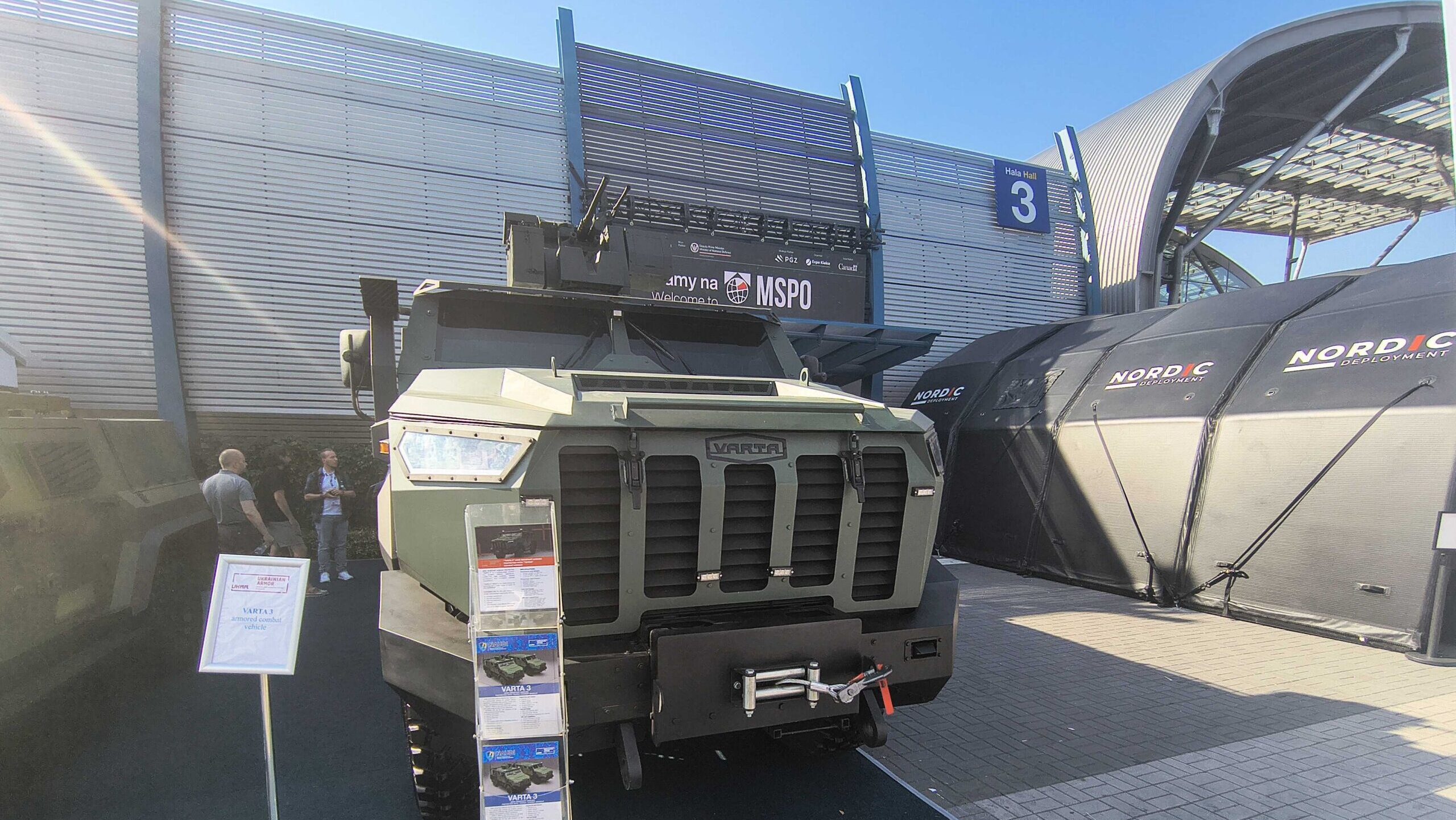
Ukrainian Armor Pursues Partnership with German Industry for New Land Vehicles
Ukrainian Armor's CEO, Vladyslav Belbas, announced plans to collaborate with German industry, potentially with Mercedes-Benz, to manufacture two newly unveiled land vehicles at the MSPO trade show. The Saigak Armored Personnel Carrier (APC) and Varta 3 Mine Resistant Ambush Protected (MRAP) vehicle were highlighted, with the Saigak designed to counter drone threats using an active protection system. The significance of this partnership lies in Ukraine's ongoing conflict, where the Saigak aims to transform civilian vehicles into protected units against drone attacks, which have become prevalent in the war. The Varta 3 offers ballistic protection and can withstand significant explosive impacts, showcasing the need for advanced military vehicles amid the current security challenges. Looking ahead, Belbas expressed hope that these new products would attract market interest and emphasized the importance of cooperation with German industry, especially given Germany's role as a major donor to Ukraine. However, he noted that no discussions have occurred with the German government regarding future vehicle orders. No further timeline was disclosed at the time of publication.
Global Land Warfare Army Europe Germany MSPO 2026
Hai Robotics and Ferag Solutions Enhance Partnership for Warehouse Automation in EMEA
Hai Robotics and Ferag Solutions are expanding their collaboration across Europe, the Middle East, and Africa after five years of successful warehouse automation projects. This partnership aims to leverage Hai Robotics' Automated Case-handling Mobile Robot systems and Ferag Solutions' integration expertise to meet the growing demand for flexible warehouse automation. The collaboration is significant as it combines Hai Robotics' innovative automation technology with Ferag Solutions' regional knowledge and systems integration capabilities. This synergy is expected to provide businesses with immediate operational improvements while allowing them to adapt to changing demands in the logistics sector. Looking ahead, both companies plan to host regional webinars to share insights on warehouse automation challenges and opportunities. Several projects have already been signed, indicating a strong foundation for future growth and collaboration in developing scalable warehouse operations across the EMEA region.
Warehouse Automation Intralogistics Automated Mobile Robots Systems Integration
Hai Robotics and Ferag Solutions Enhance Partnership for Warehouse Automation in EMEA
Hai Robotics and Ferag Solutions are expanding their collaboration across Europe, the Middle East, and Africa after five years of successful partnership. This expansion follows several warehouse automation projects in the UK, where both companies combined their strengths to deliver innovative solutions. Hai Robotics will provide its Automated Case-handling Mobile Robot (ACR) systems, while Ferag Solutions will contribute its systems integration expertise. The significance of this partnership lies in its ability to meet the increasing demand for integrated warehouse automation solutions that enhance operational efficiency. The collaboration aims to offer businesses the flexibility to adapt to changing volumes and requirements, ensuring they remain competitive in a rapidly evolving market. Nicholas Hughes, Managing Director of Ferag Solutions, emphasized the trust and commitment that have developed between the two organizations, which are crucial for recommending solutions to customers. Looking ahead, Hai Robotics and Ferag Solutions plan to host regional webinars to share insights on warehouse automation challenges and opportunities. With several projects already signed, the companies are well-positioned to support more businesses in developing scalable and future-ready warehouse operations. No further timeline was disclosed at the time of publication.
Warehouse Automation Intralogistics Automated Robotics Supply Chain Solutions
Maven Robotics Secures $100 Million Series A for Innovative General-Purpose Industrial Robotics System
Maven Robotics, an intelligent industrial robotics company, has announced the completion of a $100 million Series A funding round. This funding was secured from notable investors including RoboStrategy, LocalGlobe, Vine Ventures, and XTX Ventures. The company aims to revolutionize material handling and assembly tasks with its innovative robotics solutions. The significance of this funding lies in Maven Robotics' ambition to achieve 1 million hours of autonomous real-world operations. As the creator of the world's first general-purpose robotics system for industrial work, Maven is poised to make a substantial impact on logistics and manufacturing sectors. This investment will support the development and deployment of their intelligent robotics technology. Looking ahead, industry observers should monitor Maven Robotics' progress in scaling its operations and the adoption of its robotics systems in various industrial applications. No further timeline was disclosed at the time of publication.
Vention Launches Montreal AI Lab to Enhance Industrial Robotics Capabilities
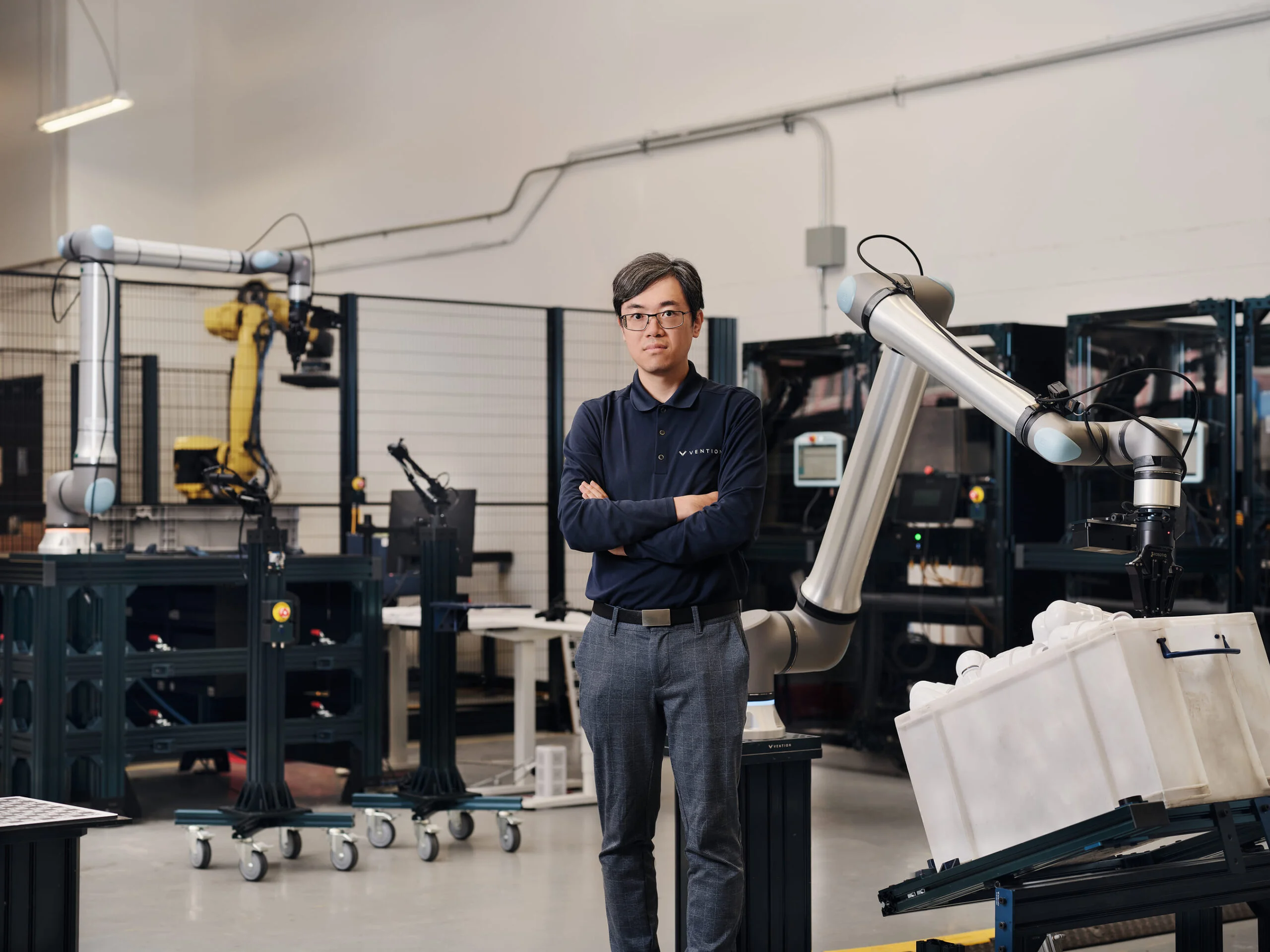
Vention has inaugurated a physical AI research lab in Montreal aimed at advancing robotic manipulation for manufacturing applications. The lab, directed by Jimmy Li and advised by Joelle Pineau, will leverage industrial data and customer insights to develop scalable robotic systems. With a focus on real-world production challenges, the lab aims to create technologies that enhance reliability and reduce costs in automation. This initiative is significant as Vention's physical AI segment has seen a remarkable 400% revenue increase over the past year, indicating a growing demand for advanced automation solutions. The lab's unique approach integrates academic research with practical production feedback, allowing for rapid development and testing of new robotic systems. This model positions Vention to address complex manufacturing tasks that have traditionally been difficult to automate. Looking ahead, Vention's Montreal lab is expected to expand its team and generate new intellectual property. The company plans to release a public software development kit for its GRIIP manipulation pipeline, which breaks down robotic tasks into manageable stages. No further timeline was disclosed at the time of publication.
AI AI Funding & Investment Robotics Canada.Montreal computer vision industrial roboticsRobotics needs a service framework.
RSF defines a common language for robot service capability, lifecycle operations, certification pathways, and service-provider networks.
Join the RobotToday community on LinkedIn
Daily robotics news, in-depth analysis, conference highlights, and discussions with professionals worldwide.