


VinFast
VinFast is Vietnam's first EV manufacturer (est. 2017, Nasdaq: VFS), producing full-electric VF-series vehicles with L2 ADAS and L4 robo-car pilot.
Contact VinFast
WEBSITE
https://vinfastauto.com/HEADQUARTERS
Vietnam (Viet Nam)


Company Facts
Founded
2017
Primary Role
Manufacturer
Company Size
-
Primary Region
Asia-Pacific
Annual Sales
-
Funding Stage
Subsidiary / Acquired
Funding Total
-

Supplier of Robot Vision Systems Goes Public; BYD Subsidiary Invests 100 Million HKD
A supplier of vision systems for sweeping robots has recently gone public, marking a significant milestone in the robotics industry. This development is noteworthy as it highlights the increasing demand for advanced robotic technologies, particularly in automation and cleaning applications. The investment from a BYD subsidiary, amounting to 100 million Hong Kong dollars, underscores the confidence in the growth potential of this sector. The public offering is expected to enhance the supplier's capabilities in developing innovative vision systems, which are critical for the functionality of sweeping robots. This move is significant as it reflects the broader trend of investment in robotics and automation technologies, which are becoming essential in various industries. The partnership with BYD, a major player in the automotive and technology sectors, could lead to further advancements in robotic applications. Looking ahead, industry stakeholders should monitor the supplier's progress post-IPO and the impact of the BYD investment on its growth trajectory. No further timeline was disclosed at the time of publication.
Robotics Automation AI
KargoBot Expands AI Freight Network in Ordos with Cabless Transport Robots
KargoBot is expanding its AI-driven freight network in Qipanjing, Ordos, incorporating a combination of manned trucks, cabbed autonomous trucks, and cabless robots. The company aims for a target gain exceeding 30 percent as it scales its operations. This initiative is significant as it represents KargoBot's commitment to integrating advanced technologies in freight transportation, enhancing efficiency and potentially reducing costs. The mixed fleet approach allows for greater flexibility in logistics, catering to varying freight demands. Looking ahead, industry observers will be keen to see how KargoBot's mixed freight network performs and whether it achieves its ambitious gain target. No further timeline was disclosed at the time of publication.

UBTECH Partners with FAW-Volkswagen to Enhance Humanoid Robots for Factory Logistics
UBTECH has announced a collaboration with FAW-Volkswagen to develop humanoid robots aimed at improving factory logistics. This partnership signifies a shift from traditional quality inspection roles to more dynamic applications within manufacturing environments. The collaboration is significant as it highlights the growing trend of integrating advanced robotics into factory operations, enhancing efficiency and productivity. By focusing on logistics, UBTECH and FAW-Volkswagen are addressing the evolving needs of the manufacturing sector, which increasingly relies on automation to streamline processes. Looking ahead, industry watchers should monitor the outcomes of this partnership, particularly how these humanoid robots will be integrated into existing workflows. No further timeline was disclosed at the time of publication.
Robotics Automation AI
Automotive Supply Chain and Robotics Share 60-70% Overlap, Yet Key Components Remain Fixed
Recent insights reveal that the automotive supply chain and robotics sectors overlap by 60-70%. This significant intersection highlights the potential for innovation and efficiency in both fields. However, it is noted that the most expensive components within these sectors cannot be easily relocated, posing challenges for integration. The overlap between automotive and robotics is crucial as it suggests opportunities for collaboration and technological advancements. Understanding this relationship can lead to improved supply chain strategies and enhanced robotic applications in automotive manufacturing. The inability to move costly components, however, raises concerns about flexibility and adaptability in these industries. Looking ahead, stakeholders should monitor developments in both sectors to identify potential synergies and innovations. No further timeline was disclosed at the time of publication, but ongoing research and advancements may provide insights into overcoming the challenges posed by immovable components in the automotive supply chain and robotics integration.
Robotics Automation AI
UBTECH and FAW-Volkswagen Collaborate on Humanoid Robots for Factory Logistics
UBTECH and FAW-Volkswagen have entered into a partnership to develop and test humanoid robots specifically for logistics applications. This initiative builds upon the successful deployment of the Walker S Lite robots, which were previously utilized for quality inspection at the Qingdao plant. The collaboration is significant as it marks a shift in the application of humanoid robotics from quality control to logistics, potentially enhancing operational efficiency within the manufacturing sector. By leveraging the capabilities of humanoid robots, both companies aim to streamline processes and improve productivity in factory environments. Looking ahead, industry observers will be keen to see how this partnership evolves and the impact of humanoid robots on logistics operations. No further timeline was disclosed at the time of publication.
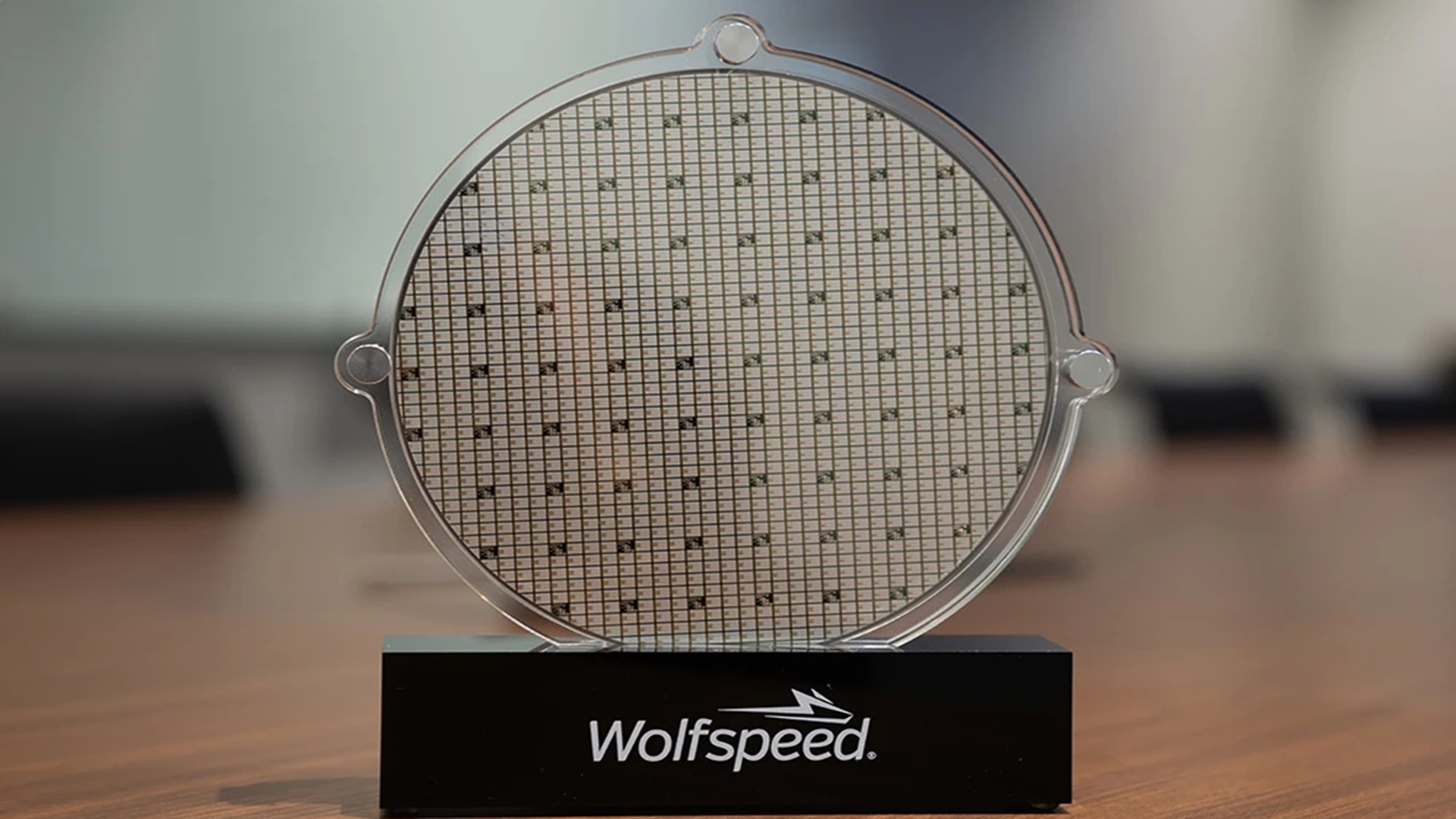
US Department of War Proposes $1.5 Billion Loan for Wolfspeed's Semiconductor Expansion
The US Department of War has proposed a conditional loan of up to $1.5 billion to Wolfspeed, a semiconductor manufacturer, to enhance domestic production of advanced chips utilized in drones, radar, and missile defense systems. This 30-year loan aims to support the development of silicon carbide (SiC) and gallium nitride (GaN) technologies, which are essential for high-performance power systems and radio-frequency electronics. This financing is significant as it will bolster domestic access to critical semiconductor materials, enhancing capabilities in propulsion systems, directed-energy weapons, and electronic warfare. Wolfspeed plans to upgrade its GaN manufacturing capabilities and develop radiation-resistant SiC products, which are crucial for defense and aerospace applications, particularly in harsh environments. Looking ahead, Wolfspeed's advancements in GaN-on-SiC wafer technology will be pivotal for powerful radar and communications systems. The proposed financing includes a potential equity component, allowing the Department of War to acquire up to 7.5 percent of Wolfspeed’s equity, structured as a senior secured loan facility to be drawn in stages. No further timeline was disclosed at the time of publication.
Military
Army Awards Nearly $100M in Contracts for Next Generation Command and Control Applications
The Army has awarded contracts totaling approximately $93.6 million to nine companies for applications supporting the Next Generation Command and Control (NGC2) initiative. This effort aims to enhance technology deployment at the corps level, with General Dynamics Mission Systems, Air Space Intelligence Federal, and others among the recipients. These applications are designed to provide critical software capabilities to I Corps in the Pacific, the first organization to implement NGC2. They will facilitate functions across six warfighting areas, including C2, Fires, and Intelligence, enabling faster planning and operational modeling for soldiers and commanders. Looking ahead, the Army continues to explore partnerships and technologies to enhance the NGC2 architecture. Notably, Anduril and Striveworks have also secured significant contracts related to the initiative, indicating a growing investment in advanced command and control capabilities. No further timeline was disclosed at the time of publication.
Land Warfare Networks & Digital Warfare Army AUSA 2026 cyber security networks
Understanding Ownership of Data in Industrial Automation Contracts
In the realm of industrial automation, contracts typically grant operators ownership of their operational data, while vendors retain the right to utilize this data for training their models. This creates a complex situation where the influence of an operator's data becomes inseparable from the trained model, akin to how gas is consumed and becomes part of the power grid. The implications of this arrangement are significant, as there is currently no standardized method to measure the contributions of individual sites to the overall performance of a shared model. Once data is used for training, it cannot be retrieved or quantified separately, making it challenging for operators to assess the value of their contributions. Looking ahead, the proposed FTC John Deere settlement and the EU Data Act highlight the ongoing debate over data ownership and access rights in industrial automation. While these regulations aim to provide operators with more control over their data, the complexities surrounding model ownership remain unresolved. No further timeline was disclosed at the time of publication.
Factory / Robotics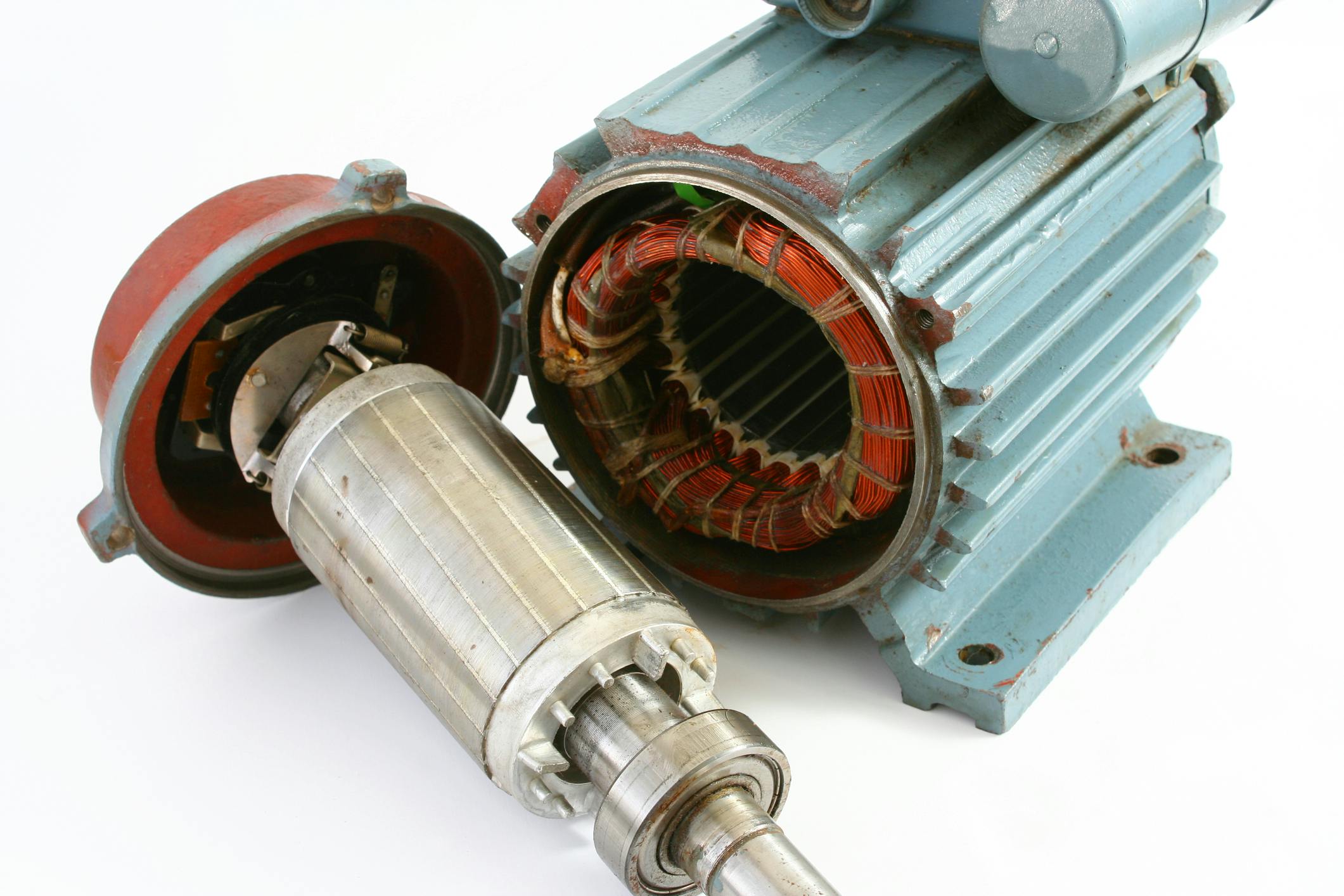
Electric Motors Drive Automation Growth in Manufacturing Sector
The International Manufacturing Technology Show highlighted the increasing importance of electric motors in the evolving landscape of manufacturing. The global electric motor market is projected to reach approximately $176.5 billion by 2026, emphasizing its critical role in automation, transportation, and energy sectors. As automation technologies advance, the demand for compact, efficient, and reliable electric motors is growing. These motors are essential for the operation of industrial robots and other automated systems, which are becoming more prevalent in various industries, including automotive and food production. Looking ahead, the U.S. robotics market, valued at around $11.4 billion, is expected to expand further. However, the U.S. still lags behind China in industrial robot installations, highlighting the need for strategic advancements in electric motor technology to enhance competitiveness in the global market. No further timeline was disclosed at the time of publication.
Factory / Digital Transformation
WRC 2026 Robot Systems: 149 Companies That Build Robots
149 of the 248 classified WRC 2026 exhibitors build finished robots. 93 build humanoid or legged machines. The audited humanoid sales number is one unit.

ROBOTTODAY Weekly July 20 – 24, 2026
Your weekly robotics briefing: AGIBOT unveils four new robots at WAIC 2026, the NDAA bars Chinese humanoids from the U.S. military, SoftBank eyes Gravis Robotics for its Roze vehicle, and Anduril reveals its Thunder autonomous attack tiltrotor at Farnborough.
At VinFast’s plant, Vietnam’s global EV ambitions take shape
HAI PHONG, Vietnam — Inside VinFast’s sprawling factory complex in northern Vietnam, sparks fly from robotic welding arms behind safety fences as workers inspect panels and assemble vehicles moving overhead along the line. The scene captures both the industrial ambition and manufacturing drive of a young automaker trying to turn Vietnam’s homegrown electric vehicle brand into a global contender. The Hai Phong factory, about two hours from Hanoi, sits at the center of VinFast’s effort to make its
All News
Vietnam Robotics Industry Report 2026
Comprehensive analysis of Vietnam's robotics industry: market size, industrial policy, key companies (Vingroup, Apicoo, Phenikaa-X), geopolitical dynamics, and 2030 growth opportunities.

FUTURE WARFARE | The Geopolitical Competitive Landscape
Military robotics is no longer a U.S.-centric story. Global defence spending crossed $2.75 trillion in 2026; defence-tech VC hit a record $49.1 billion in 2025; and a multipolar robotics order is crystallising in real time — with China’s 15th Five-Year Plan institutionalising civil-military fusion, Europe’s €381 billion defence budget financing its own AI champions, and Turkey and Israel reshaping the export market with affordable, combat-proven systems. Part Five of the Future Warfare Series maps the country-by-country competitive landscape, the collapsing regulation race, and the investment forces reshaping who builds — and who controls — the autonomous weapons of the next decade.
FUTURE WARFARE | Cross-Domain Integration - Integration How Land, Sea, Air and Software Are Converging Into a Single Kill Chain
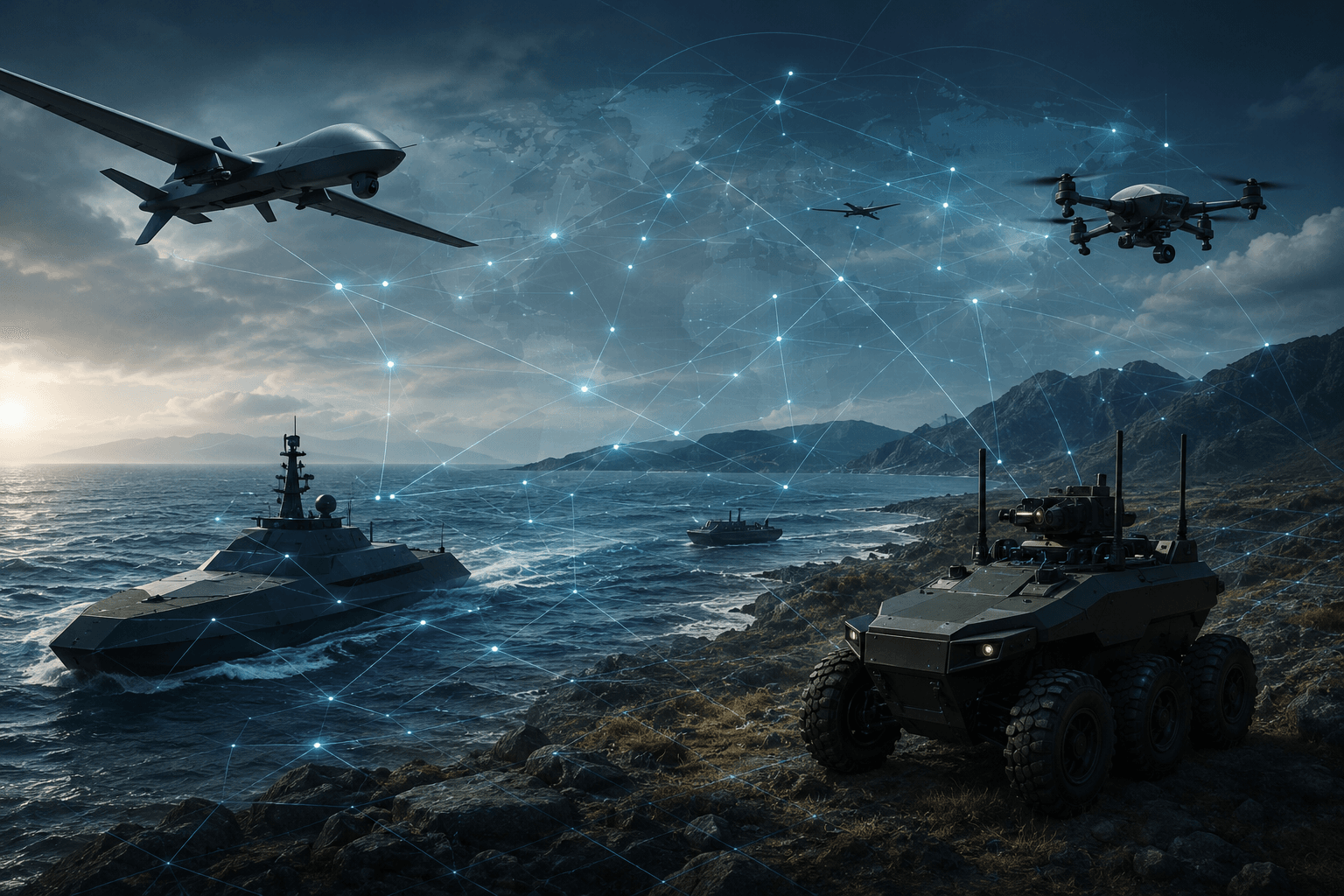
Cross-domain robotics is reshaping modern warfare as drones, UGVs, AI targeting systems, and autonomous logistics converge into a single networked kill chain across land, sea, air, and software.

GLOBAL ROBOTICS INDUSTRY Comprehensive Sector Overview
A comprehensive global robotics industry overview for 2025, analyzing 14 key market segments — from industrial and humanoid robots to logistics AMRs, military systems, and service robots — with expert market sizing, US case studies, five-year forecasts, and bilingual English-Chinese analysis for executives and investors.
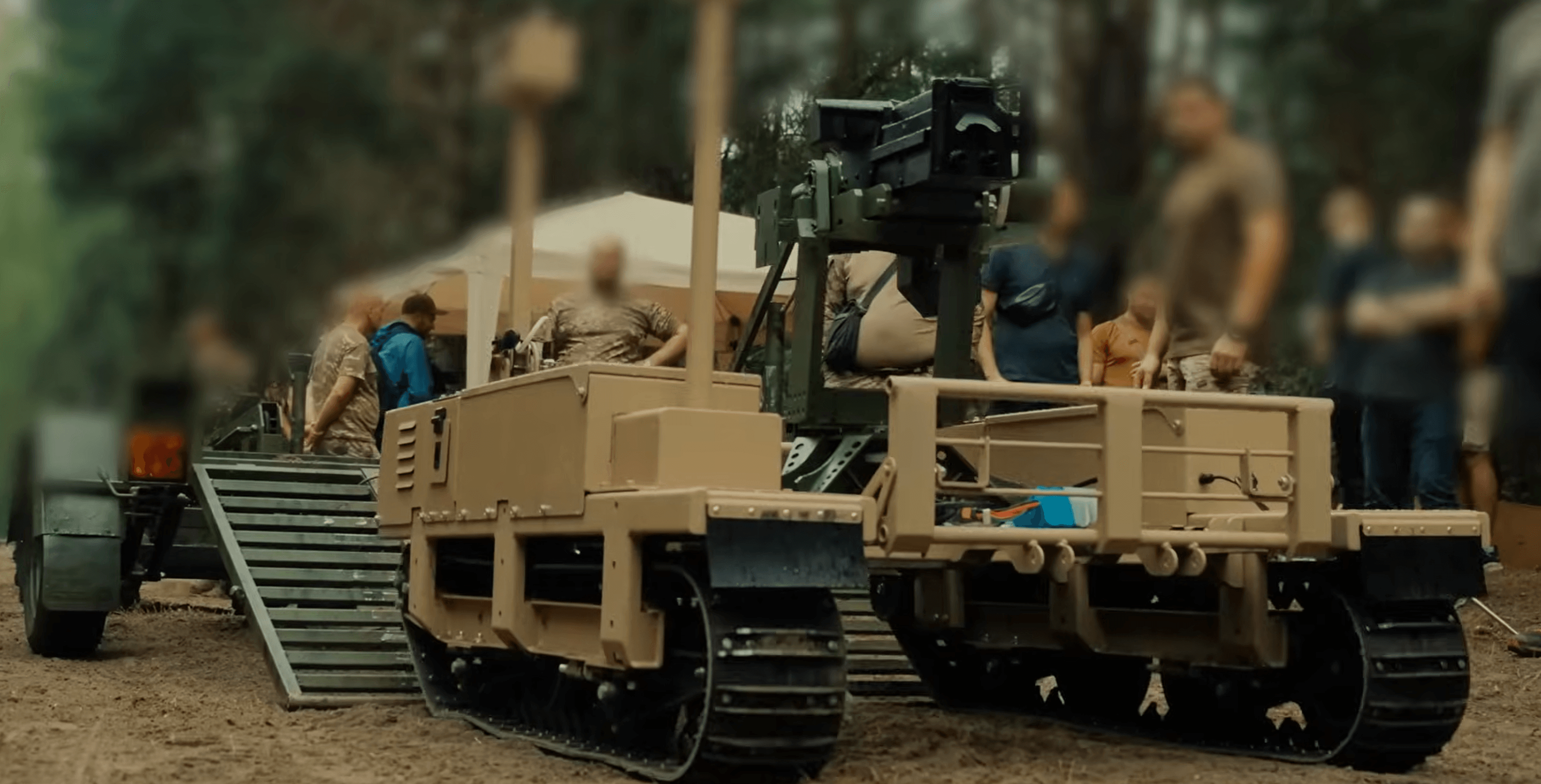
FUTURE WARFARE | Land - Unmanned Ground Vehicles — From Logistics Mules to Front-Line Robots
Ukraine fielded 15,000 unmanned ground vehicles in 2025 — surpassing its own procurement targets by over 100 percent. A single UGV held a front-line position for 45 days. Up to 90 percent of supplies to Pokrovsk now move by robot, not truck. The U.S. Army cancelled its $3 million Robotic Combat Vehicle and is starting over. China is deploying $3,000 robot dogs in PLA urban-warfare exercises. This article maps the emerging UGV battlefield — from Ukraine’s garage-built logistics fleet to the Pentagon’s stalled combat-vehicle ambitions, and from Ghost Robotics’ Vision 60 to the quadruped proliferation problem no treaty has yet addressed.

EU Bets €1.5B on Drones and AI: Inside EDIP's 2026–2027 Defence Industry Programme
The EU's €1.47 billion European Defence Industry Programme (EDIP) 2026–2027 targets drones, counter-UxS systems, AI-enabled autonomy, and loitering munitions across six major funding calls — allocating over €232 million directly to unmanned systems and related electronics supply chains.
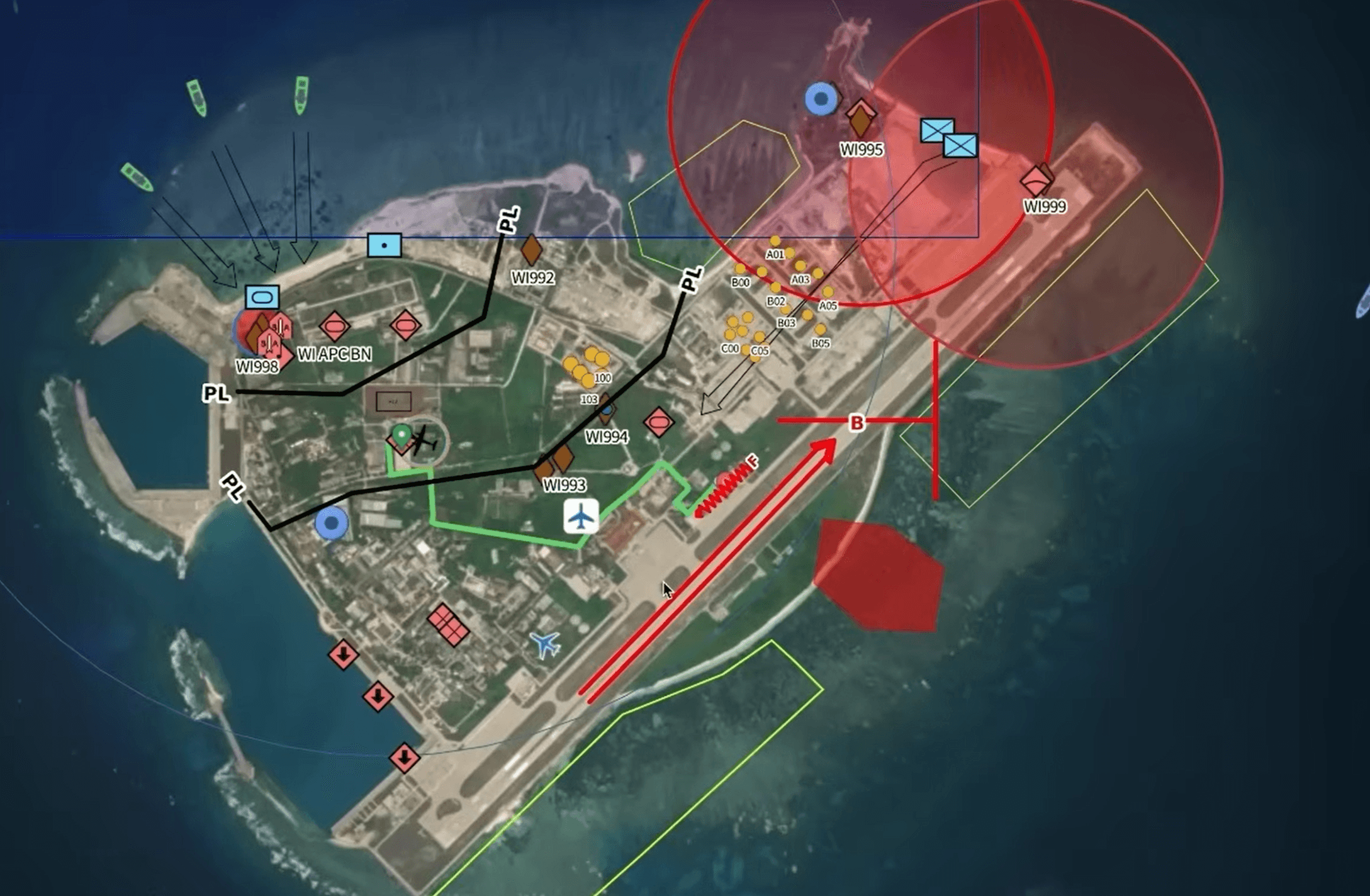
FUTURE WARFARE | The Autonomy Spectrum
How modern weapons shattered the concept of human control — from kill-switch confirmation to AI systems that select targets independently.
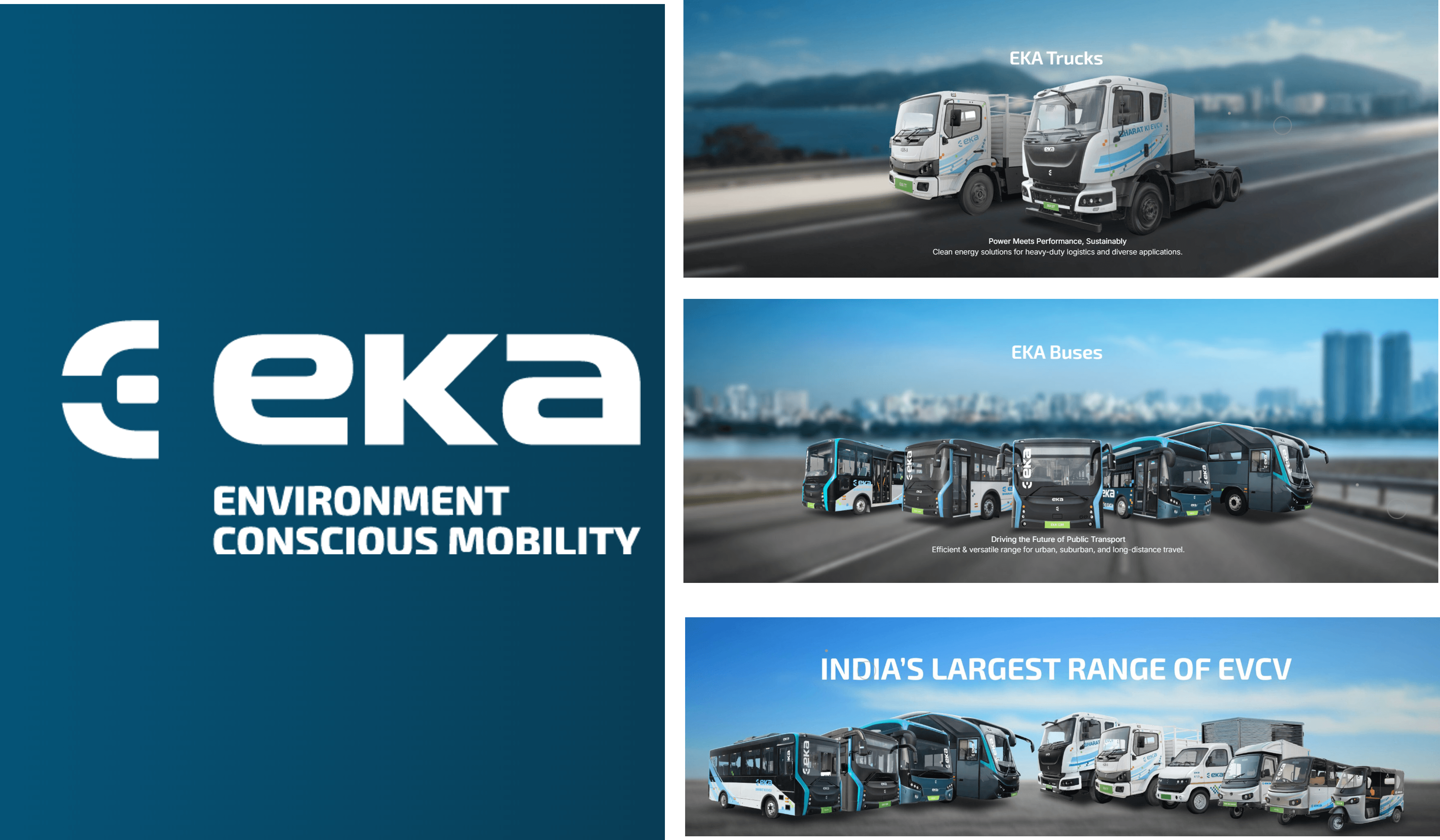
EKA Mobility Secures $57 Million from NIIF’s India-Japan Fund to Drive Leadership in Electric Commercial Vehicles
EKA Mobility raises $57 M from the India-Japan Fund (NIIF) to accelerate electric commercial vehicle growth and electrification leadership in key markets.


