

Industry Briefing
A single destination for timely, editor-curated robotics news from around the world.
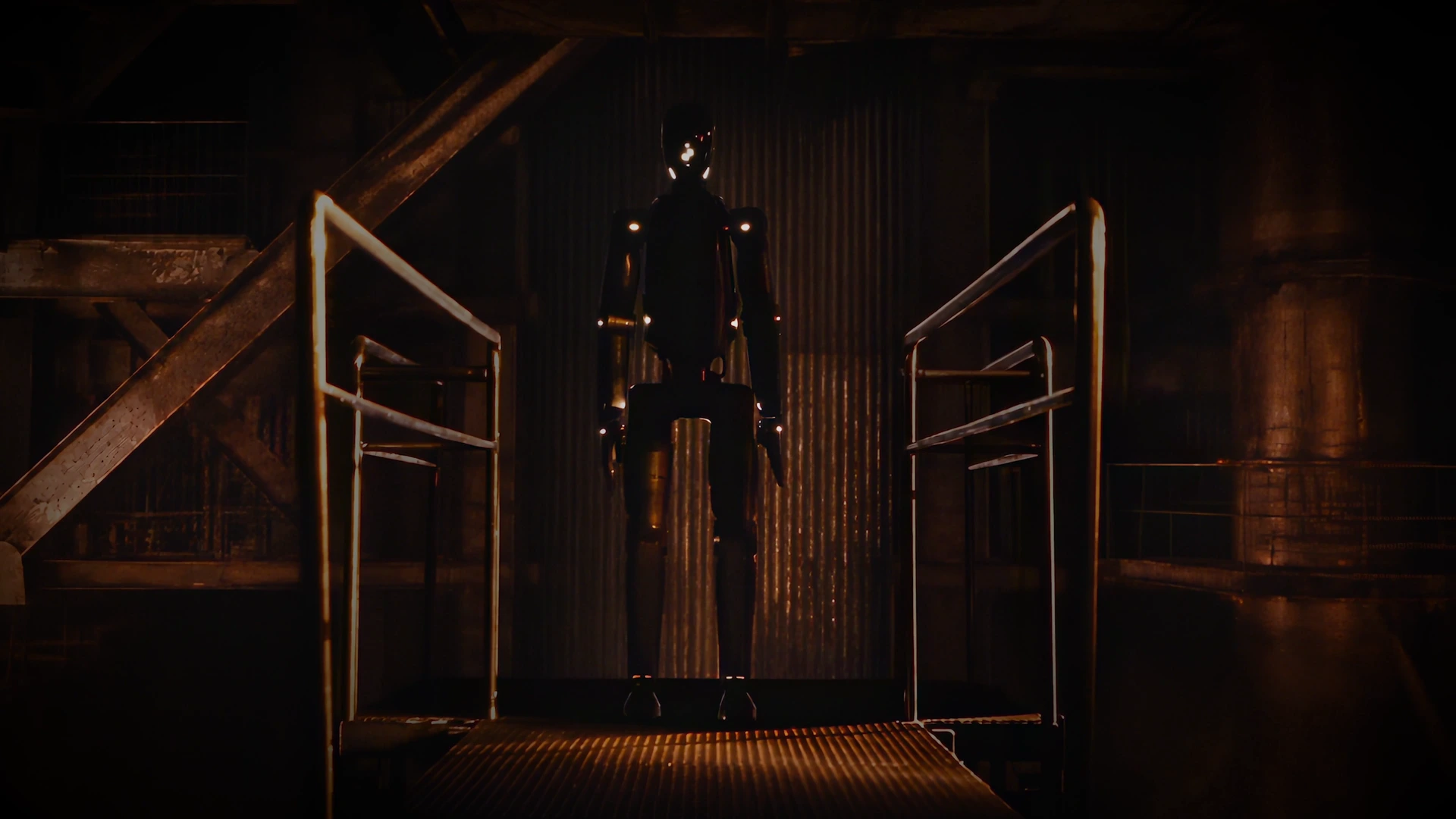
Figure CEO Brett Adcock Teases Terminator-Style Farewell for Figure 02
Figure CEO Brett Adcock hinted at a dramatic farewell for Figure 02, posting a teaser video on September 28 that echoes scenes from Terminator 2. The video concludes with a date, 09.30.26, suggesting a planned retirement ceremony for the humanoid robot. This potential sendoff is significant as Figure 02 has been a vital asset for the company, described by Adcock as a 'workhorse.' However, due to space constraints at headquarters, the decision to retire the robot was made. Adcock previously sought suggestions for a fitting farewell, indicating the importance of the robot to the team. Looking ahead, the response to the farewell options has been overwhelmingly in favor of a dramatic destruction, with 46.3% of voters choosing to 'BLOW THEM UP.' The involvement of Arnold Schwarzenegger adds a unique twist to the narrative, as he suggested melting the robots. No further timeline was disclosed at the time of publication.
Brett Adcock US Figure
Figure Joins NVIDIA's Open Agent Safety Platform to Enhance Humanoid Robot Safety
Figure has officially joined NVIDIA's Open Agent Safety Platform, a collaborative initiative aimed at establishing safety protocols for advanced AI agents. Announced by NVIDIA CEO Jensen Huang on September 28, the platform includes over 100 industry partners, emphasizing the importance of safety as humanoid robots begin to integrate into homes and workplaces. The collaboration is significant as it highlights Figure's commitment to ensuring that humanoid robots are safe and trusted by users. Figure CEO Brett Adcock noted that the presence of humanoid robots in everyday environments necessitates stringent safety measures. While specific contributions from Figure to the initiative remain undisclosed, the partnership underscores the relevance of safety in the development of humanoid robotics. Looking ahead, the focus will be on how Figure and other partners will implement the safety measures outlined by NVIDIA's platform. No further timeline was disclosed at the time of publication, but the initiative aims to create a foundation for trustworthy AI systems, which is crucial for unlocking the economic potential of AI technologies in various applications.
Brett Adcock NVIDIA Jensen Huang Figure cybersecurity
Figure AI Launches Helix 2.5 Amid Industry Doubts on Robot Performance Metrics
Figure AI has unveiled Helix 2.5, which founder Brett Adcock claims is the company's most significant project to date. Valued at $39 billion, Figure AI is the world's most valuable private humanoid robotics firm. The Helix 2.5 aims to demonstrate its capabilities in real-world settings, having tested its robots in 30 residential units in the San Francisco Bay Area, performing tasks such as tidying living rooms, making beds, and folding towels. The significance of this launch lies in its ambitious goal to operate effectively in unfamiliar environments. The robot's performance was measured across three tasks, achieving a success rate of 67% for bed-making, 62% for towel folding, and 40% for toy organization, with an overall task success rate of 56%. Critics, including Sunday Robotics co-founder Tony Zhao, have raised concerns about the robot's reliability, emphasizing that the ability to generalize in various settings is crucial for practical applications. Looking ahead, Figure AI has partnered with Nscale, committing to an initial $3.5 billion in computational resources, with plans to deploy by the second half of 2027. The ongoing debate centers on whether the current success rates can improve significantly with expanded training data, as this will determine the viability of Figure AI's approach to humanoid robotics and its future in the industry.
Humanoid Robots Robotics Research AI Machine Learning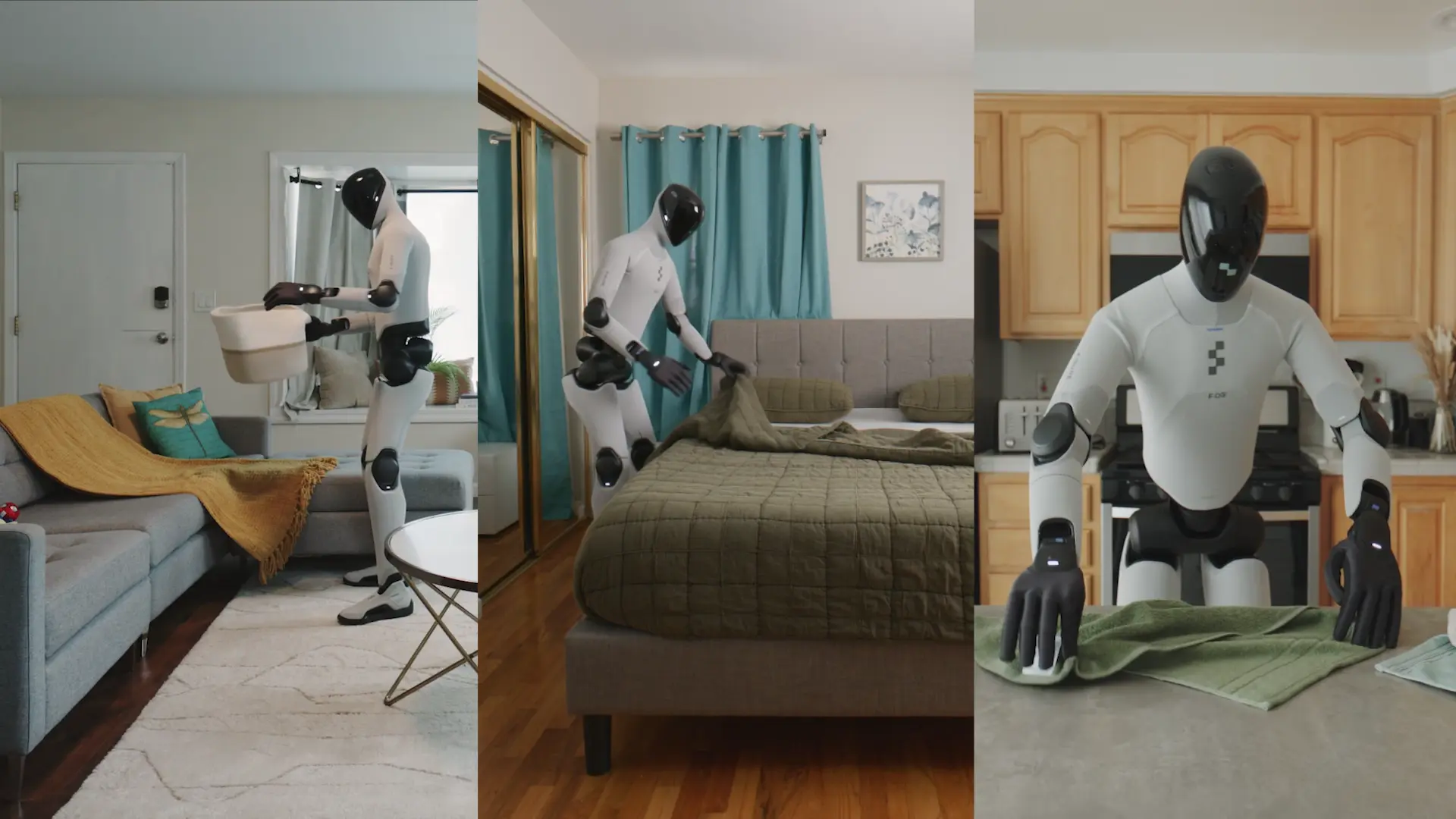
Brett Adcock Discusses Figure 04 as the Largest Hardware Advancement for Figure
Brett Adcock, CEO of Figure, announced that Figure 04 will mark the most significant hardware enhancement in the company's history. During a livestream on September 17, he outlined a four-stage roadmap for scaling humanoid manufacturing, emphasizing the need for engineering breakthroughs in the initial stages of development. Adcock highlighted that while financing is essential, it cannot replace the necessity for a skilled engineering team to solve complex problems related to hardware and autonomy. He stressed that manufacturing capacity is ineffective if the robots produced cannot perform the required tasks, placing Figure at the early stages of scaling intelligence. The recent Helix 2.5 announcement revealed 237 successful trials out of 420, showcasing tasks like bed making and towel folding. Adcock clarified that the variety of human activities recorded for training should not be confused with the robot's current capabilities, indicating ongoing development in the intelligence-scaling phase.
Figure-04 Figure helix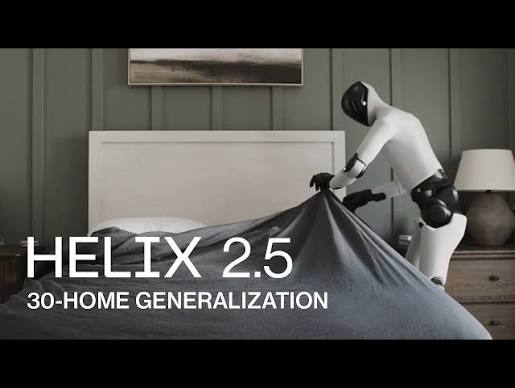
Figure Launches Helix 2.5: Robots Perform Household Tasks in Unfamiliar Environments
Figure has introduced the Helix 2.5 model, enabling robots to autonomously handle household chores. The company rented 30 homes in the San Francisco Bay Area, where the robots began tidying up without any additional training upon arrival. The Helix 2.5 aims to explore whether humanoid robots can enter an unfamiliar home and immediately start working independently. This development is significant as it addresses the challenge of zero-shot generalization, where robots operate in new environments without prior data collection or mapping. Traditionally, robots required extensive preparation to adapt to new settings. However, Helix 2.5's design allows for minimal adjustments to a universal base model, demonstrating improved performance in unfamiliar households. Moving forward, it will be important to monitor whether the 56% success rate in task completion remains consistent over extended periods in real homes and if other household tasks can be generalized in a similar manner beyond the three tested behaviors.
Household Robots AI Robotics Autonomous Systems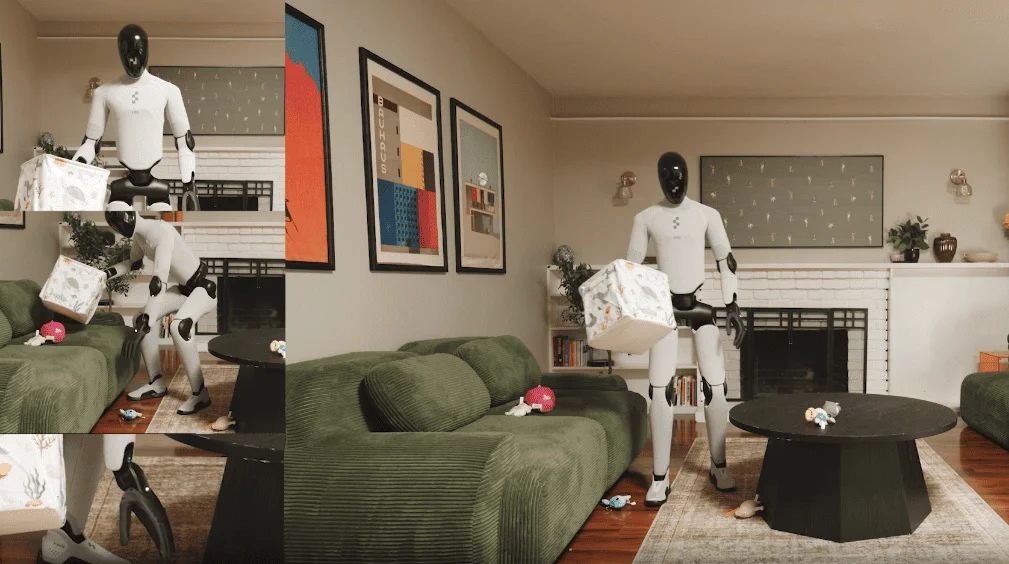
Figure Launches Helix 2.5 Enabling Zero-Shot Humanoid Tasks in 30 Homes
Figure has unveiled Helix 2.5, a neural network that allows its humanoid robot to perform three household tasks across 30 unfamiliar homes without prior data collection or model adaptation. This innovation marks a significant leap in robotic generalization, increasing zero-shot task success from 9% to 56% through Index pretraining, which also reduced task-specific data requirements by half. The ability to generalize in unseen environments is crucial for robotics, as highlighted by Figure's founder and CEO Brett Adcock. The tests conducted in the Bay Area demonstrated Helix 2.5's capability to tidy living rooms, fold towels, and make beds using only knowledge transferred from human behavior, showcasing a major advancement in the field. Looking ahead, Figure is generating approximately 35 minutes of new human-experience data every second and has committed $3.5 billion in computing resources to further enhance Helix. The company aims to scale its technology, suggesting that increased data and compute power will lead to improved performance in real-world applications.
AI AI Funding & Investment AI Research & Advances Robotics Figure foundation model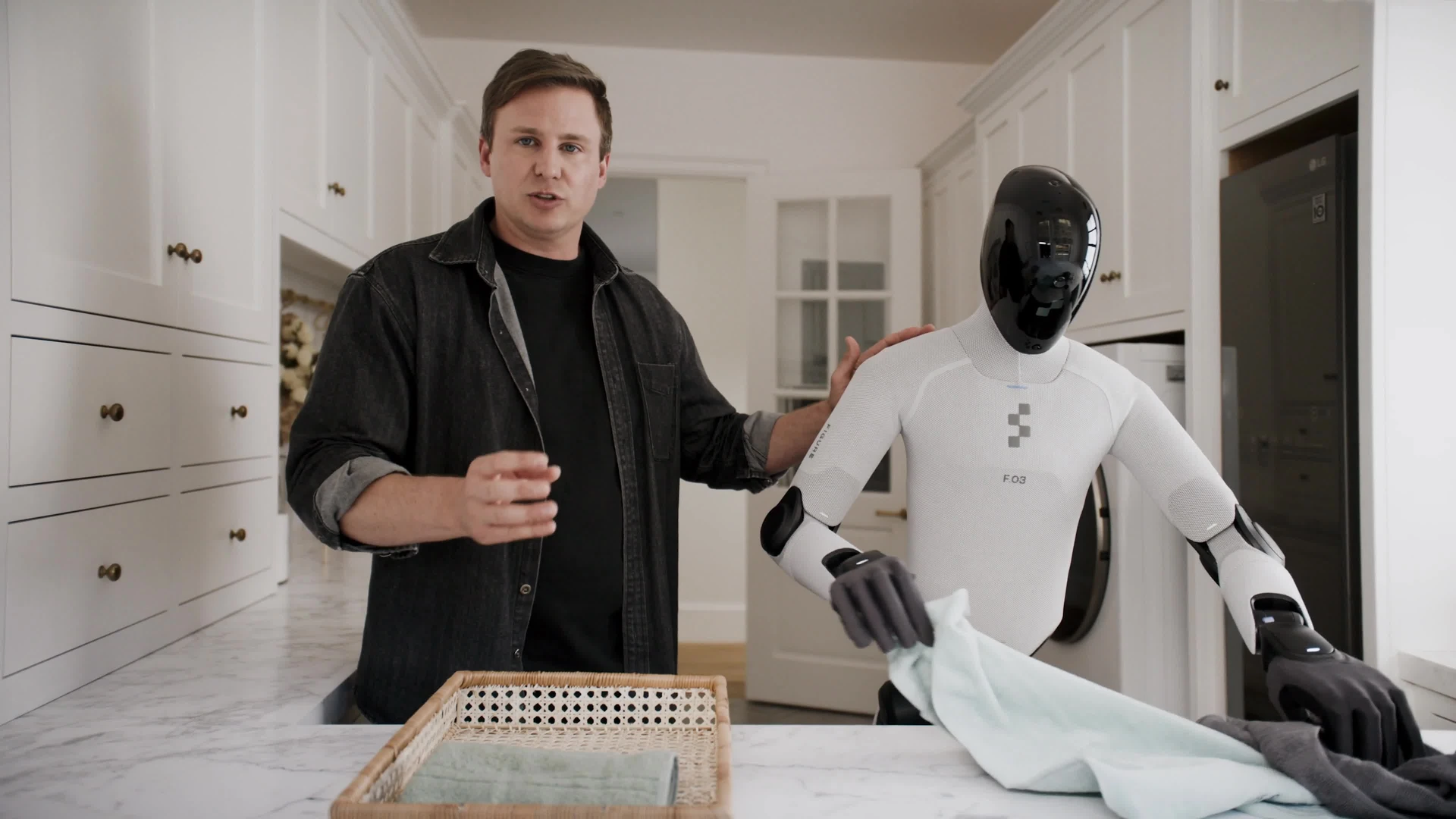
Figure's Helix 2.5 Demonstrates Home Chore Capabilities in 30 Unique Residences
Figure has unveiled its Helix 2.5 humanoid robot, which successfully completed household tasks such as making beds and folding towels in 30 different homes in the Bay Area. The company reported a completion rate of approximately 56% for full-task trials, showcasing the robot's ability to adapt to unfamiliar environments without requiring new training datasets for each household. This development is significant as it enhances the utility of household robots, allowing them to perform learned tasks across various settings. CEO Brett Adcock emphasized the importance of this project, stating that the ability to operate in different homes without extensive retraining could revolutionize the household robotics market. The trials were conducted in rented homes, and the robot's performance was documented through nearly four hours of footage. Looking ahead, the focus will be on refining the Helix 2.5's capabilities and increasing its success rate in diverse environments. While the current completion rate stands at 56%, further advancements in AI and robotics could lead to improved performance in future trials. No further timeline was disclosed at the time of publication.
Figure Artificial Intelligence helix Figure AI Index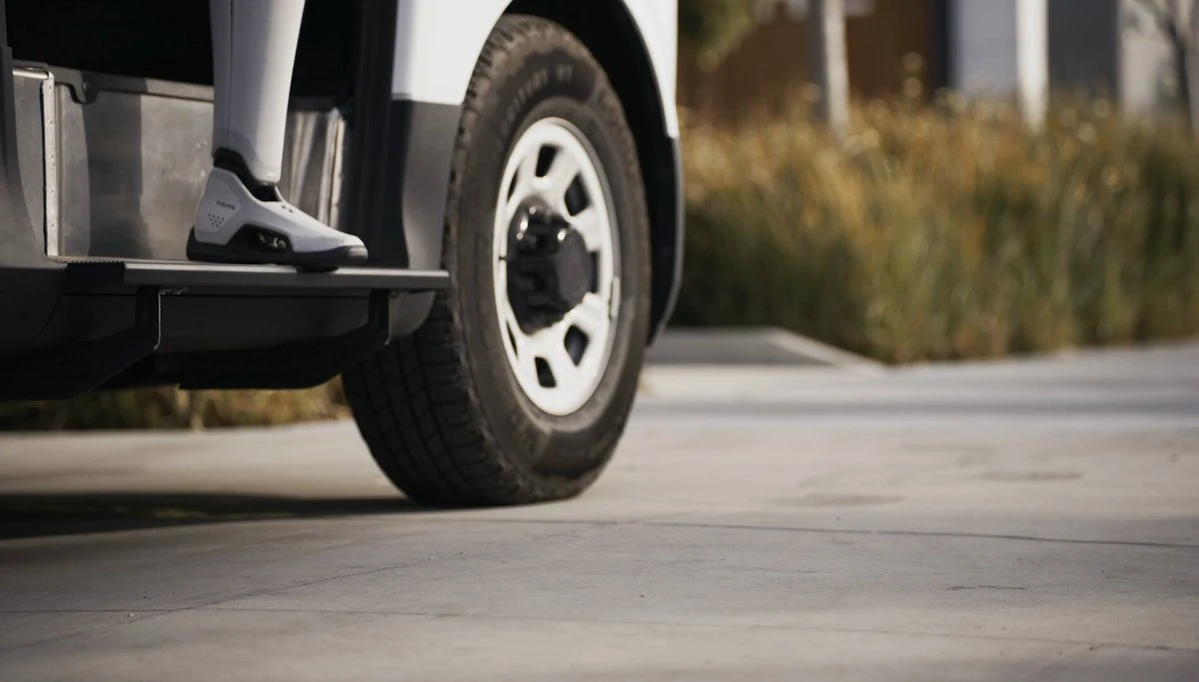
Brett Adcock Shares Clip of Figure 03 Humanoid Robot Exiting Vehicle
Brett Adcock, CEO of Figure, recently shared a brief video clip featuring a humanoid robot stepping out of a vehicle. This seven-second clip, posted on September 14, resembles a scene from the Figure 03 launch video, which showcased the robot delivering a parcel to a home on October 9, 2025. The significance of this clip lies in its potential implications for Figure's delivery vision. While the earlier launch video established delivery as a key use case, the new footage does not confirm any commercial operations or partnerships. The absence of a parcel in the clip leaves its purpose ambiguous, whether as a standalone moment or a precursor to a future announcement. Looking ahead, it remains uncertain if this video will lead to a formal delivery demonstration or further developments from Figure. No additional timeline was disclosed at the time of publication.
Brett Adcock US Figure
Nscale and Figure Forge $3.5 Billion Partnership for Humanoid Robot Computing
Nscale has entered into a multi-year partnership with Figure, committing $3.5 billion to deploy up to 100,000 Nvidia GPUs for Figure's next generation of humanoid robots. The agreement has the potential to exceed $6 billion, with initial deployments of Nvidia Vera Rubin GPUs set for Barstow, Texas, starting in the latter half of 2027. This partnership is significant as it positions Nscale as Figure's preferred compute provider and shareholder, while also exploring the integration of humanoid robots into Nscale's supply chain. The collaboration aims to enhance the capabilities of Figure's AI model, Helix, which relies on increased data and computing power to improve its performance. Looking ahead, the companies plan to leverage Nvidia's AI infrastructure to support Figure's models throughout their lifecycle, from training to deployment. No further timeline was disclosed at the time of publication.
AI AI Funding & Investment Robotics compute deal Figure
Nscale Partners with Figure to Provide $3.5 Billion in AI Cloud Computing Capacity
Nscale has entered into a significant agreement to provide a minimum of $3.5 billion in AI cloud computing resources to the robotics startup Figure. This partnership not only enhances Figure's technological capabilities but also signifies Nscale's commitment to supporting innovative robotics solutions. The collaboration is crucial as it allows Figure to leverage Nscale's extensive cloud infrastructure, which is essential for developing advanced robotic technologies. This investment underscores the growing importance of AI and cloud computing in the robotics sector, enabling startups like Figure to scale their operations and enhance their product offerings. Looking ahead, industry observers will be keen to see how this partnership evolves and the impact it has on Figure's growth trajectory. No further timeline was disclosed at the time of publication.
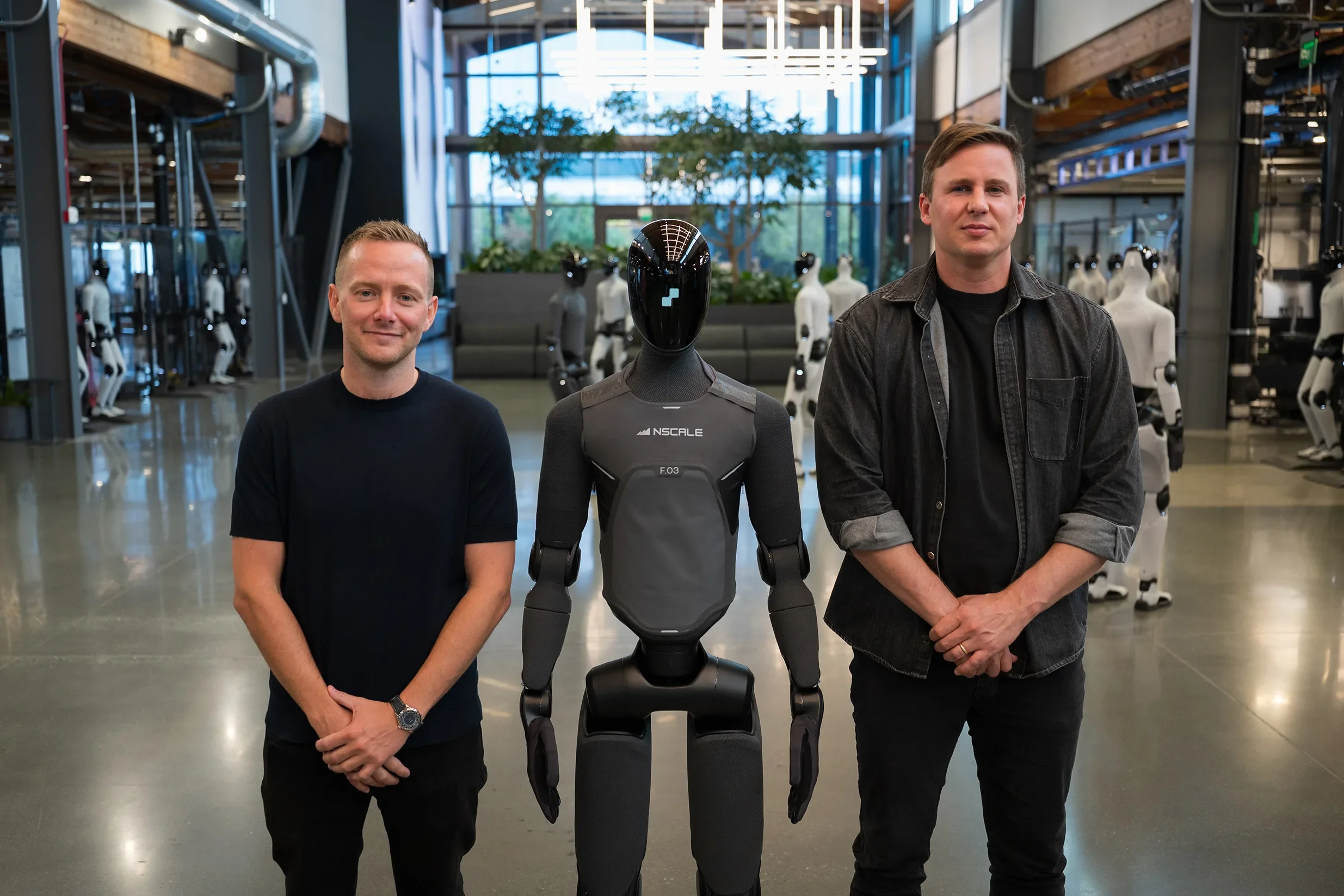
Figure AI Partners with Nscale for $3.5 Billion GPU Deployment to Enhance Humanoid Robotics
Figure AI, a California-based startup, has announced a strategic partnership with Nscale to deploy up to 100,000 NVIDIA GPUs under a multi-year agreement. This partnership includes an initial financial commitment of $3.5 billion, with potential scaling beyond $6 billion, aimed at enhancing the computational capabilities necessary for humanoid robotics. This collaboration is significant as it marks a shift in the robotics industry, where the focus is moving from mechanical engineering to computational power. Figure's leadership emphasizes that the future of autonomous physical labor relies heavily on onboard intelligence and data processing capabilities, particularly for their AI architecture, Helix. Looking ahead, the hardware rollout is set to commence in the second half of 2027 at Nscale's facility in Barstow, Texas. The partnership also involves an undisclosed investment from Nscale into Figure, indicating a deeper integration of Figure's humanoid robots within Nscale's infrastructure supply chains. No further timeline was disclosed at the time of publication.
US Nscale Figure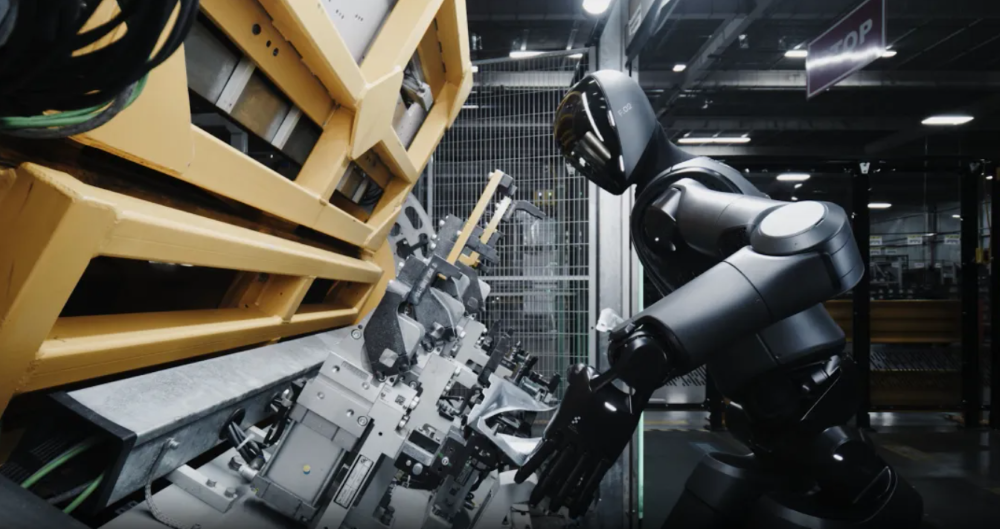
Figure 03 Demonstrates Autonomous Climbing of 4.6-Meter Industrial Ladder
Figure 03 recently released a video showcasing its robot autonomously climbing a 4.6-meter industrial ladder and descending without remote control or pre-recorded paths. The robot must perform five simultaneous tasks: identifying rungs with cameras, accurately gripping, finding foot placements, controlling climbing rhythm, and redistributing its center of gravity with each movement. This achievement is significant as it deviates from traditional motion planning methods, utilizing the Helix system for real-time mapping and neural network calculations for joint movements. According to Adcock, this demonstration represents a real customer use case, highlighting the practical need for robots to navigate existing infrastructure in industrial settings, such as maintenance and material transport. The Figure 02 robot has been operational at BMW's Spartanburg plant for over a year, handling over 90,000 parts and running for more than 1,250 hours. Figure 03 builds on this by adding logistics sorting and vertical mobility, covering multiple levels within the facility. No further timeline was disclosed at the time of publication.
Humanoid Robots Industrial Automation Robotics Technology AI Autonomous Systems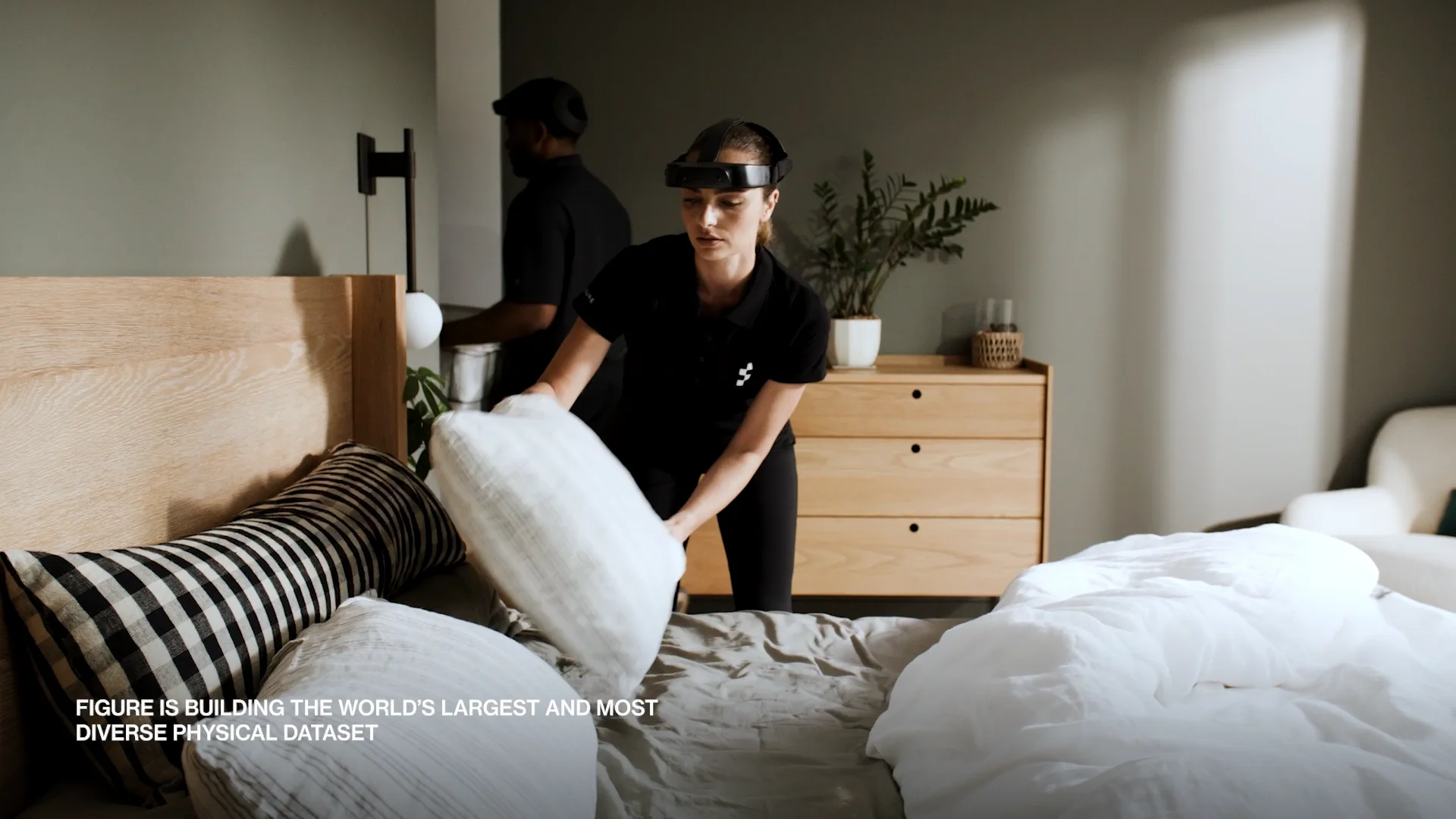
Figure AI Launches Index to Crowdsourced Human Video for Helix AI Training
Figure AI has officially launched Index, a platform designed to crowdsource real-world human video to train its Helix AI architecture. This initiative, part of Project Go-Big, aims to overcome traditional data bottlenecks in robotics by gathering physical interaction data from smartphone users worldwide. The company has already paid out $15 million to contributors and plans to invest over $1 billion in data acquisition and compute resources over the next year. The significance of Index lies in its ability to provide diverse physical interaction data necessary for zero-shot generalization, a challenge that has long hindered robotics development. Unlike conventional methods that rely on slow and labor-intensive processes, Index allows users to record everyday tasks or hire gig workers to capture first-person footage, thus streamlining the data collection process. This innovative approach addresses the critical shortage of embodied interaction data in the robotics field. Looking ahead, Figure AI's launch of Index represents a pivotal shift in its commercial strategy, as the company moves towards scaling hardware production and deploying units in real-world settings. With the recent achievement of its 1,000th Figure 03 build and ongoing pilots with BMW and Catalyst Brands, the focus now shifts to enhancing onboard intelligence and reasoning capabilities, which are seen as the primary challenges moving forward.
US Figure Figure AI Index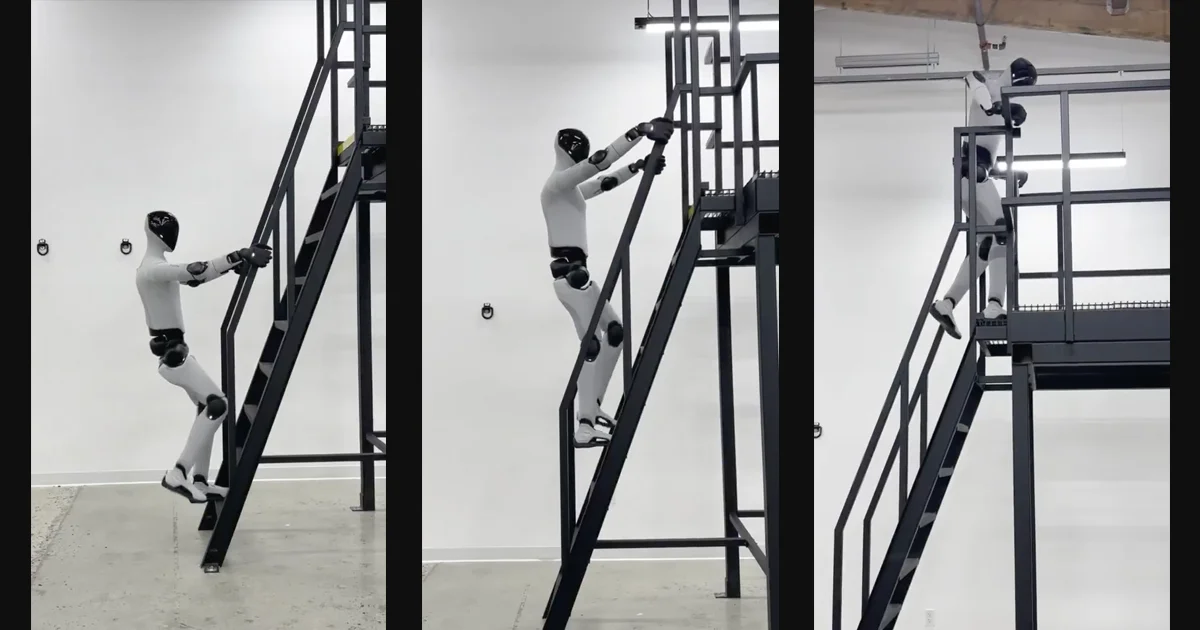
Figure AI Unveils 15-Foot Autonomous Ladder Climbing for Industrial Applications
Figure AI has successfully demonstrated its humanoid platform's ability to autonomously ascend and descend a 15-foot industrial ladder. This achievement, shared by CEO Brett Adcock on August 22, showcases the robot's capability to navigate complex vertical environments, a significant advancement from previous demonstrations. The importance of this milestone lies in its practical application for industrial workflows. Adcock emphasized that this capability addresses real customer needs, particularly in environments where traditional wheeled robots face limitations. The humanoid's design aims to enhance operational efficiency in settings like BMW Plant Spartanburg and Catalyst Brands. Looking ahead, Figure AI's innovation highlights the challenges of dynamic control in vertical movements, as noted by industry expert Jen Zhu Scott. The integration of real-time visual perception and proprioceptive feedback through Figure's Helix neural network stack will be crucial for future developments. No further timeline was disclosed at the time of publication.
US Figure
Essential Helldivers Collectible Figures for Every Gamer's Display
Helldivers 2 showcases a distinct visual style, featuring elements like sealed helmets and insectoid armor. For collectors, the ideal figures should highlight these details while maintaining an organized display. The selection of ten recommended figures balances faction representation and character recognition, ensuring a visually appealing collection. The importance of display quality cannot be overstated, as collectors should prioritize factors such as scale, pose clarity, and material finish over sheer quantity. A well-curated collection often appears more striking than a cluttered one. The core Helldiver figure serves as a central piece, providing a reference point for surrounding figures and enhancing the overall aesthetic. Among the standout figures, the B-22 Model Citizen and Hulk Scorcher exemplify the series' design language, while the Bile Titan offers a dominant presence. The Charger Plush adds a playful contrast to the collection. Collectors are encouraged to consider these elements to create a balanced and engaging display that reflects their appreciation for the Helldivers universe.
Culture Internet Software action figures collectible figures gaming collectibles
Figure CEO Brett Adcock Highlights ROI from Humanoids Amid Labor Shortages
Brett Adcock, CEO of Figure AI, asserts that humanoid robots are already providing return on investment as companies face severe labor shortages. In a recent podcast, he emphasized that the focus has shifted from merely proving hardware functionality to addressing critical workforce needs for enterprise clients. Adcock pointed out that while many companies are increasing production, the real challenge lies in developing intelligent robotic systems rather than just mass-producing hardware. He compared unintelligent robots to early consumer drones, which were often difficult to operate and quickly abandoned, highlighting the importance of achieving human-level intelligence in robots. Figure has recently celebrated the completion of its 1,000th engineering validation test robot for the Figure 03 generation, marking a significant milestone for the $39 billion startup. Adcock noted that the modularity of humanoid components makes scaling production easier compared to automobile manufacturing, allowing Figure to deploy robots to its commercial customers effectively.
Brett Adcock US Figure Figure-03
X Square Robot Exceeds Figure AI's Benchmark by Sorting 1,816 Parcels in One Hour
Shenzhen's X Square Robot achieved a remarkable feat by sorting 1,816 parcels in a single hour using basic grippers. This performance surpassed its self-imposed target of 1,248 parcels, which aligns with Figure AI's sustained hourly average. This accomplishment is significant as it highlights the capabilities of X Square Robot in the logistics sector, showcasing how advanced automation can enhance efficiency in parcel sorting. The ability to exceed established benchmarks demonstrates the potential for increased productivity in warehouse operations. Looking ahead, industry observers will be keen to see how X Square Robot continues to innovate and improve its sorting capabilities. No further timeline was disclosed at the time of publication.

Asteria Invests $1 Million in Figure AI as First Project of New Fund
Asteria Corporation announced a $1 million investment in Figure AI Inc., a leading humanoid robotics company, as the first project of its newly formed investment fund by its subsidiary, Asteria AI & Robotics Inc. This investment aligns with Asteria's 'Asset-Hook' strategy aimed at enhancing business operations in AI, physical AI, and robotics. The investment fund, established in June 2026, focuses on investing in private companies leading the AI and robotics sectors both domestically and internationally. Figure AI, founded in 2022 and based in California, has developed humanoid robots equipped with its proprietary AI model 'Helix' and has implemented its 'Figure 02' robot in BMW's Spartanburg plant, contributing to the production of over 30,000 vehicles. Looking ahead, Asteria's investment in Figure AI highlights the growing importance of humanoid robots in various sectors, including commercial and domestic applications. No further timeline was disclosed at the time of publication.

Asteria Invests $1 Million in Figure AI as First Project of New Fund
Asteria Inc. announced a $1 million investment in Figure AI Inc., a leading humanoid robotics company, as the first project of its newly formed investment fund by its subsidiary, Asteria AI & Robotics Inc. This investment aligns with Asteria's 'Asset-Hook' strategy aimed at enhancing business operations in AI and robotics sectors. The investment fund, established in June 2026, seeks to create strategic partnerships and synergies through investments in promising private companies leading the AI and robotics fields both domestically and internationally. Figure AI, founded in 2022 and based in California, has developed humanoid robots equipped with its proprietary AI model 'Helix' and has integrated its 'Figure 02' model into BMW's Spartanburg plant, contributing to the production of over 30,000 vehicles. As Figure AI continues to grow rapidly in the humanoid robotics sector, it is advancing the development of versatile humanoid robots for both commercial and domestic applications, with its latest model being 'Figure 03'. No further timeline was disclosed at the time of publication.

Live Robot Sorting Achieves 1816 Packages Per Hour, Surpassing Figure AI by 45%
On August 12, 2026, a live, unscripted logistics sorting demonstration showcased a robot achieving a sorting rate of 1816 packages per hour. This performance surpassed the previous benchmark set by Figure AI, which stood at 1248 packages per hour, marking a 45% improvement. The robot utilized a simple configuration of two mechanical arms and grippers, significantly reducing costs by approximately 70% compared to Figure AI's humanoid robot with a dexterous hand. The significance of this achievement lies not only in the impressive sorting speed but also in the complexity of the packages handled. Unlike Figure AI's standardized parcels, the robot sorted a diverse array of real-world packages, achieving over 98% accuracy. This highlights a critical difference in operational conditions, as sorting efficiency cannot be directly compared across different scenarios. Looking ahead, the contrasting technological approaches between the two companies will be pivotal. While Figure AI focuses on humanoid robots with advanced dexterity, the simpler hardware configuration of the robot in this demonstration has proven effective in both efficiency and adaptability. No further timeline was disclosed at the time of publication.
Robotic Sorting Logistics Automation AI Technology Robotic Arms
Figure AI's Humanoid Robot Figure 03 Achieves Autonomous Ladder Climbing
In early August, Brett Adcock, founder of Figure AI, shared a video demonstrating the Figure 03 robot autonomously climbing a ladder without remote control or pre-set scripts. This achievement is significant as ladder climbing presents a complex challenge for humanoid robots, requiring simultaneous coordination of hands and feet while maintaining balance and grip. The successful climb is attributed to a crucial upgrade in the AI system, Helix System 0 (S0), which now integrates visual perception with full-body motion control. Previously reliant on proprioception, the upgraded system utilizes real-time visual input from onboard stereo cameras, allowing the robot to adapt to its environment and achieve precise foot placement and balance. The ability to climb ladders expands the operational capabilities of robots beyond flat surfaces, making them suitable for diverse environments such as factories and construction sites. Figure AI has also ramped up production of Figure 03, increasing output from one unit per day to one unit per hour, with over 350 units delivered, indicating a shift from demonstration to practical application. However, questions remain regarding success rates and performance under various conditions.
Humanoid Robots AI Robotics Automation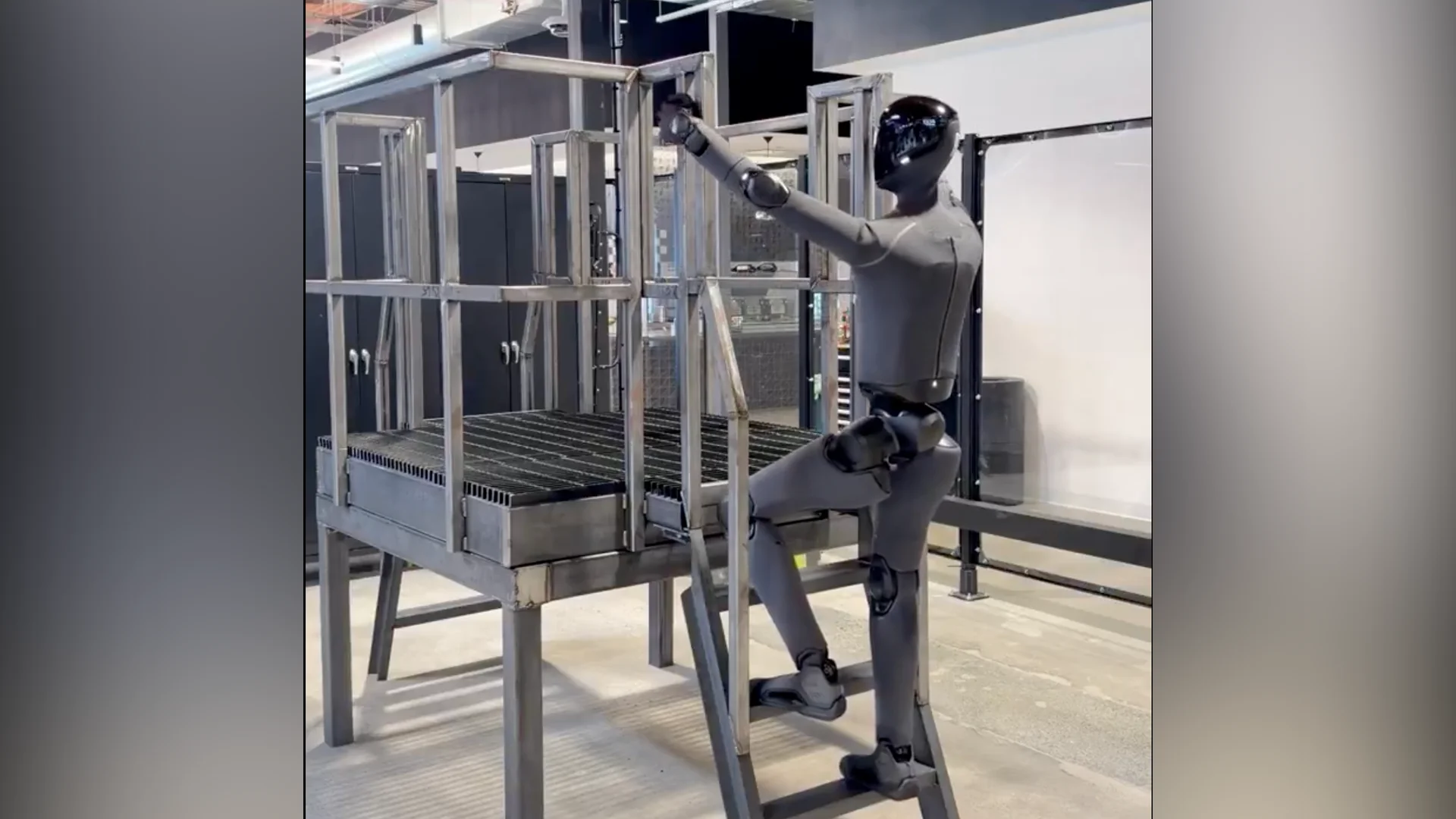
Figure AI's Figure 03 Demonstrates Autonomous Ladder Climbing, Sparking Bipedal Debate
Figure AI has showcased its Figure 03 humanoid robot's ability to autonomously climb a ladder, as demonstrated by CEO Brett Adcock on August 1st. The video, posted on X, highlights the robot's methodical ascent, showcasing its advanced capabilities in navigating complex environments. This achievement represents a significant step in the evolution of bipedal robotics, emphasizing the importance of humanoid designs in spaces built for human interaction. The demonstration is crucial as it reignites discussions within the robotics community regarding the viability of bipedal versus wheeled robots. Adcock's assertion that humanoids can access areas inaccessible to wheeled robots positions Figure AI as a leader in the bipedal sector. The company's Helix 02 AI architecture, which enables the robot's full-body autonomy, further strengthens its argument for the necessity of humanoid robots in general-purpose automation. Looking ahead, the industry will be watching how Figure AI leverages this milestone to bolster its $39 billion valuation and influence the ongoing debate about robotic form factors. While the Figure 03's climbing ability is a technical achievement, critiques regarding its speed highlight the challenges that remain in achieving practical applications for humanoid robots in real-world scenarios. No further timeline was disclosed at the time of publication.
Helix 02 Brett Adcock US Figure Figure-03
Figure 03 Humanoid Robot Achieves Autonomous Ladder Climbing in New Milestone
Figure, a US-based robotics company, has released a video demonstrating that its Figure 03 humanoid robot can climb a ladder autonomously. The footage, shared by founder Brett Adcock on X, shows the robot ascending without human assistance, marking a significant achievement in robotic mobility and balance. This development is crucial as climbing ladders is a complex task for humanoid robots, requiring precise coordination and real-time decision-making. Figure claims that the successful demonstration highlights advancements in the robot's locomotion and whole-body control, which are essential for navigating unpredictable environments. Looking ahead, Figure has ramped up production of the Figure 03 from one unit per day to one per hour, delivering over 350 robots. The company has also upgraded its Helix AI model, enhancing the robot's ability to combine visual perception with motion control. No further timeline was disclosed at the time of publication.
AI and Robotics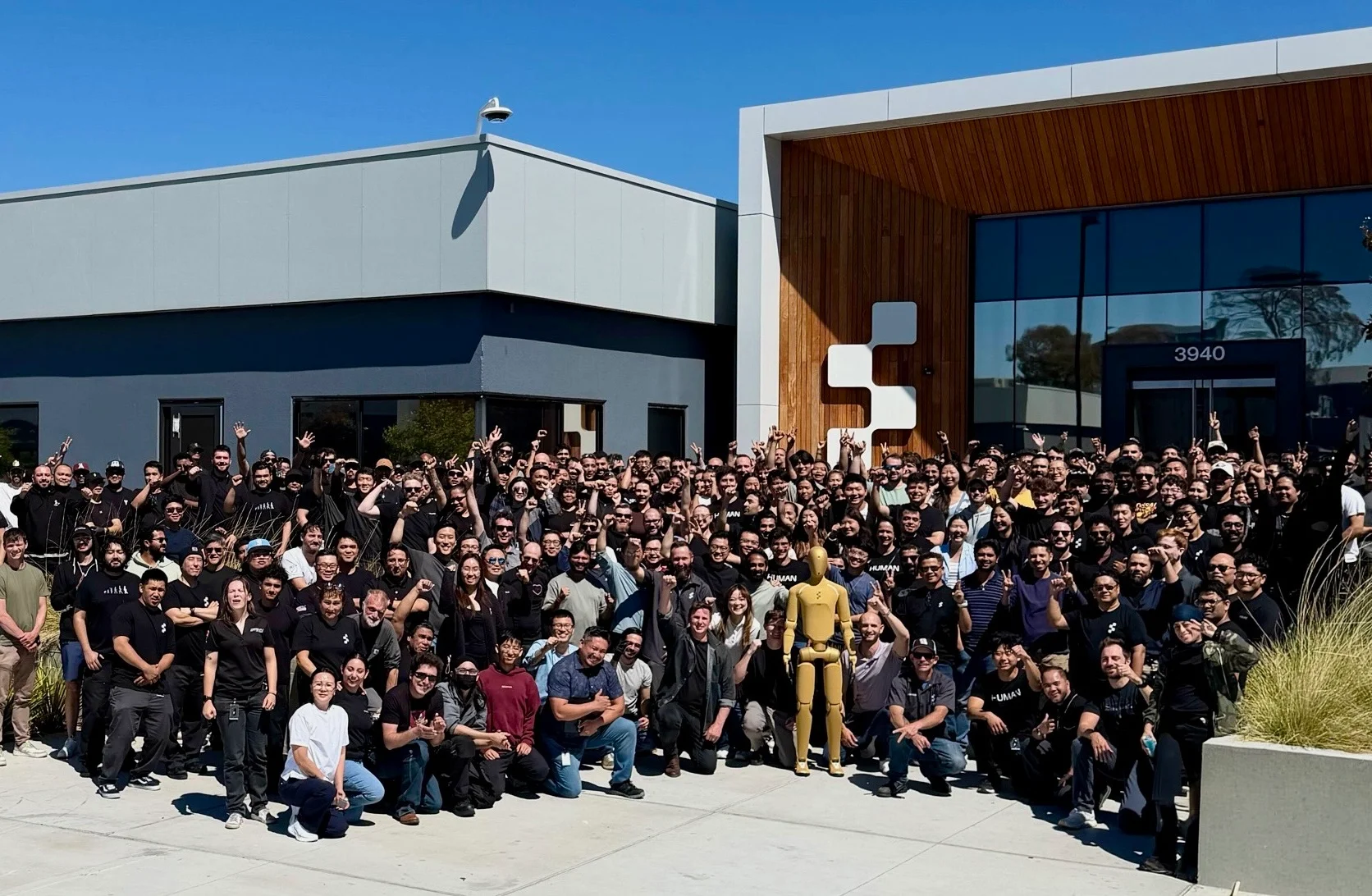
Figure Achieves Production Milestone with 1,000th Figure 03 Humanoid Robot
On July 23, Figure CEO Brett Adcock announced the production of the company's 1,000th Figure 03 humanoid robot, marking a significant milestone for the California-based startup. The announcement was made via social media, showcasing a unique golden-colored unit among the standard charcoal-grey and white models, symbolizing the achievement of scaling their manufacturing capabilities. This milestone underscores Figure's rapid acceleration in production, having scaled its throughput to one robot per hour by late April 2026. The company has transitioned to high-volume tooling processes, achieving a 90% reduction in manufacturing costs compared to its earlier model, the Figure 02. The goal is to reach an annual production capacity of 50,000 units, positioning Figure as a competitive player in the global humanoid robotics market. As Figure celebrates this achievement, the company also faces competition from aggressive Chinese manufacturers, such as AGIBOT and Unitree Robotics, who are rapidly increasing their production volumes. The production of 1,000 units not only signifies a manufacturing triumph but also enhances Figure's ability to gather valuable real-world interaction data to improve its autonomous models. No further timeline was disclosed at the time of publication.
Brett Adcock US Figure Figure-03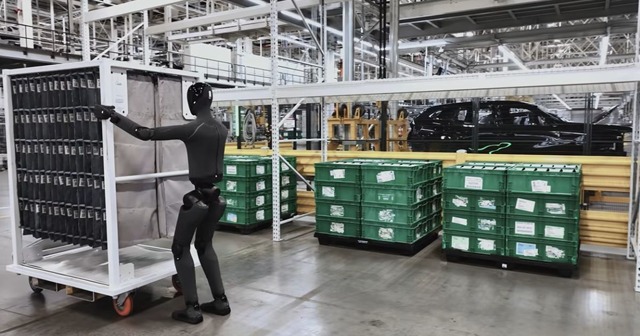
BMW introduces humanoid "Figure 03" at factory for physical AI coordination and sequencing tasks.
Figure AI has introduced its humanoid robot, Figure 03, at BMW Group's Spartanburg plant, showcasing its capability to perform parts sorting tasks. This demonstration highlights the integration of advanced robotics in manufacturing processes, aimed at enhancing efficiency and productivity in the automotive industry. The event marks a significant step in the collaboration between technology and manufacturing, reflecting the ongoing trend of automation in production environments.

Figure Completes $100 Million Employee Tender Offer Amid Robotics Talent Competition
Figure, a humanoid robotics firm, has successfully completed a $100 million employee tender offer, enabling early staff to convert equity into cash. CEO Brett Adcock stated that this initiative is part of a strategy to maintain a competitive edge in the challenging recruitment landscape for top engineering talent. The liquidity event is designed specifically for the workforce, with Adcock confirming he did not participate in the tender. This move is significant as it addresses the common issue of paper wealth in the startup ecosystem, which often traps engineers in long development cycles without guaranteed payouts. By providing a pre-IPO exit path, Figure aims to attract specialized robotics engineers who are considering multiple offers in the AI and hardware sectors. The company, valued at $39 billion after a Series C funding round, is racing against tech giants to deploy its autonomous machines in the market. Looking ahead, Figure's recent commercial agreement with Catalyst Brands to integrate its machines into logistics infrastructure highlights its aggressive growth strategy. The tender offer has sparked debate within the robotics community, with some criticizing the optics of the celebration while others defend the necessity of employee payouts in a competitive market. No further timeline was disclosed at the time of publication.
Brett Adcock US Figure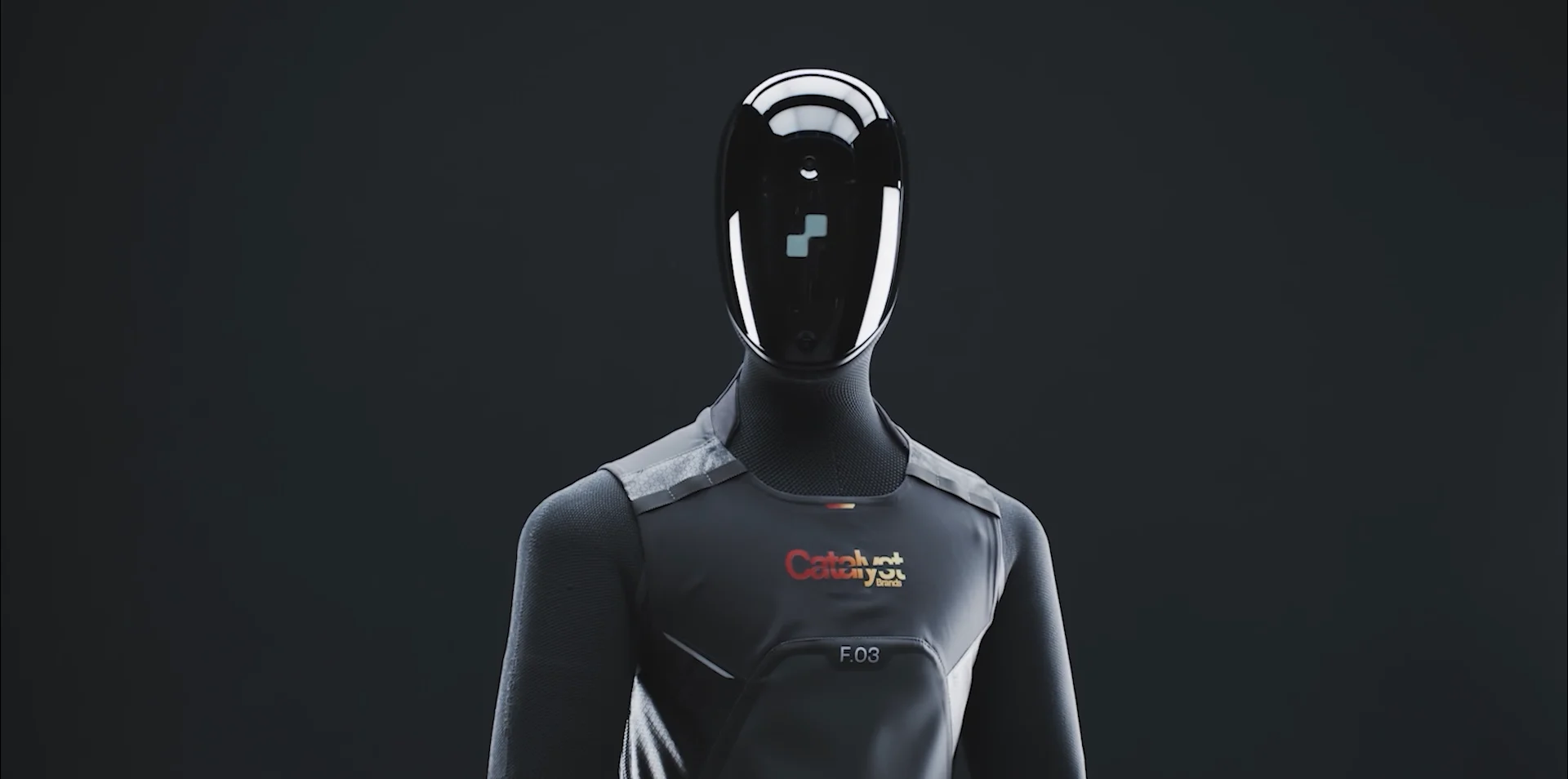
Figure Partners with Catalyst Brands for Large-Scale Humanoid Robotics Deployment
Figure, a humanoid robotics startup, has secured a significant commercial agreement with Catalyst Brands to deploy its autonomous machines at scale. The initial rollout will take place at Catalyst’s Distribution Logistics Center in Reno, Nevada, where the humanoids will automate sorting and packing tasks within the supply chain. This partnership is crucial as it highlights the need for flexible automation solutions in Catalyst's diverse operations, which include over 1,800 retail locations. Figure's humanoids will specifically assist with the Joey Pouch sorting system, part of a $40 million infrastructure upgrade completed in 2024, enhancing operational efficiency. Looking ahead, the collaboration signifies a vital step in real-world commercial validation for Figure. The integration of humanoids into Brookfield-backed Catalyst Brands showcases the potential for advanced robotics to modernize retail operations and improve workforce productivity. No further timeline was disclosed at the time of publication.
US Figure Figure-03 Market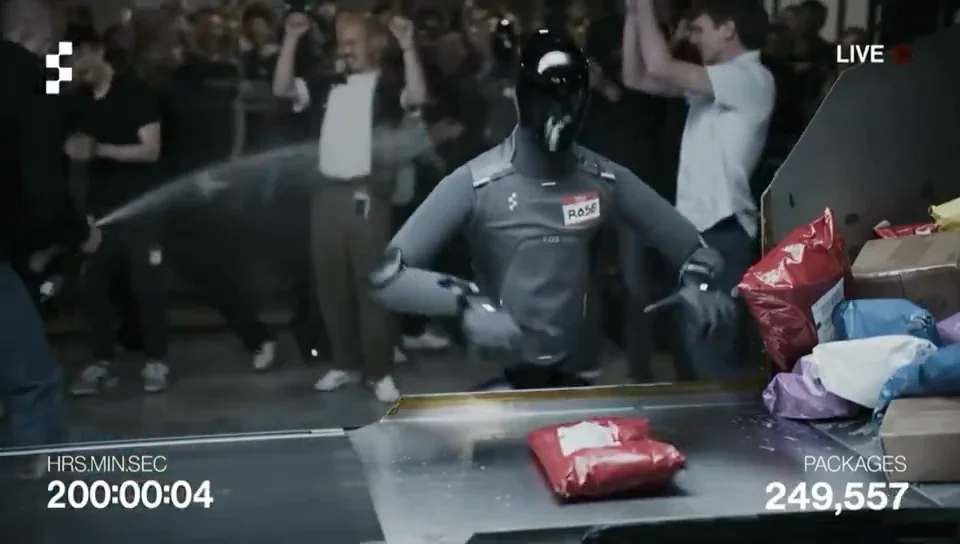
Figure AI Celebrates 200-Hour Autonomous Marathon Without Hardware Failures
Figure AI has successfully completed a 200-hour livestream challenge, far exceeding the initial 8-hour goal set by CEO Brett Adcock in response to Dr. Scott Walter's challenge. The company's humanoid robot, named 'ROSE', processed an impressive 249,560 packages during this period, showcasing its reliability and efficiency. This achievement is significant as it demonstrates the capabilities of humanoid robots in logistics, particularly their ability to operate continuously without hardware failures. The robots utilized a fleet rotation protocol to manage battery life, ensuring seamless operation throughout the marathon. Looking ahead, the focus will be on refining the software capabilities of the robots, particularly addressing the occasional edge-case errors noted during the livestream. No further timeline was disclosed at the time of publication.
Brett Adcock US Figure Figure-03
Figure AI Intern Achieves Narrow Victory Over Humanoid Robots in Sorting Challenge
Figure AI recently conducted a competitive sorting challenge between a human intern and its humanoid robots. The event, lasting 10 hours, saw intern Aime process 12,924 packages at an average pace of 2.79 seconds per package, narrowly defeating the Figure 03 fleet, which sorted 12,732 packages at 2.83 seconds each. This experiment highlights the ongoing competition between human labor and robotic automation in industrial logistics. While Aime showcased superior peak speed, the robots' continuous operation allowed them to compensate for the intern's mandatory breaks, emphasizing the efficiency of automation in real-world applications. Looking ahead, Figure AI's CEO Brett Adcock indicated that this may be the last time a human wins in such challenges, as advancements in robotic technology continue to close the gap. The physical toll on the intern, including blisters and fatigue, further illustrates the challenges faced by human workers in high-demand environments.
Brett Adcock US Figure Figure-03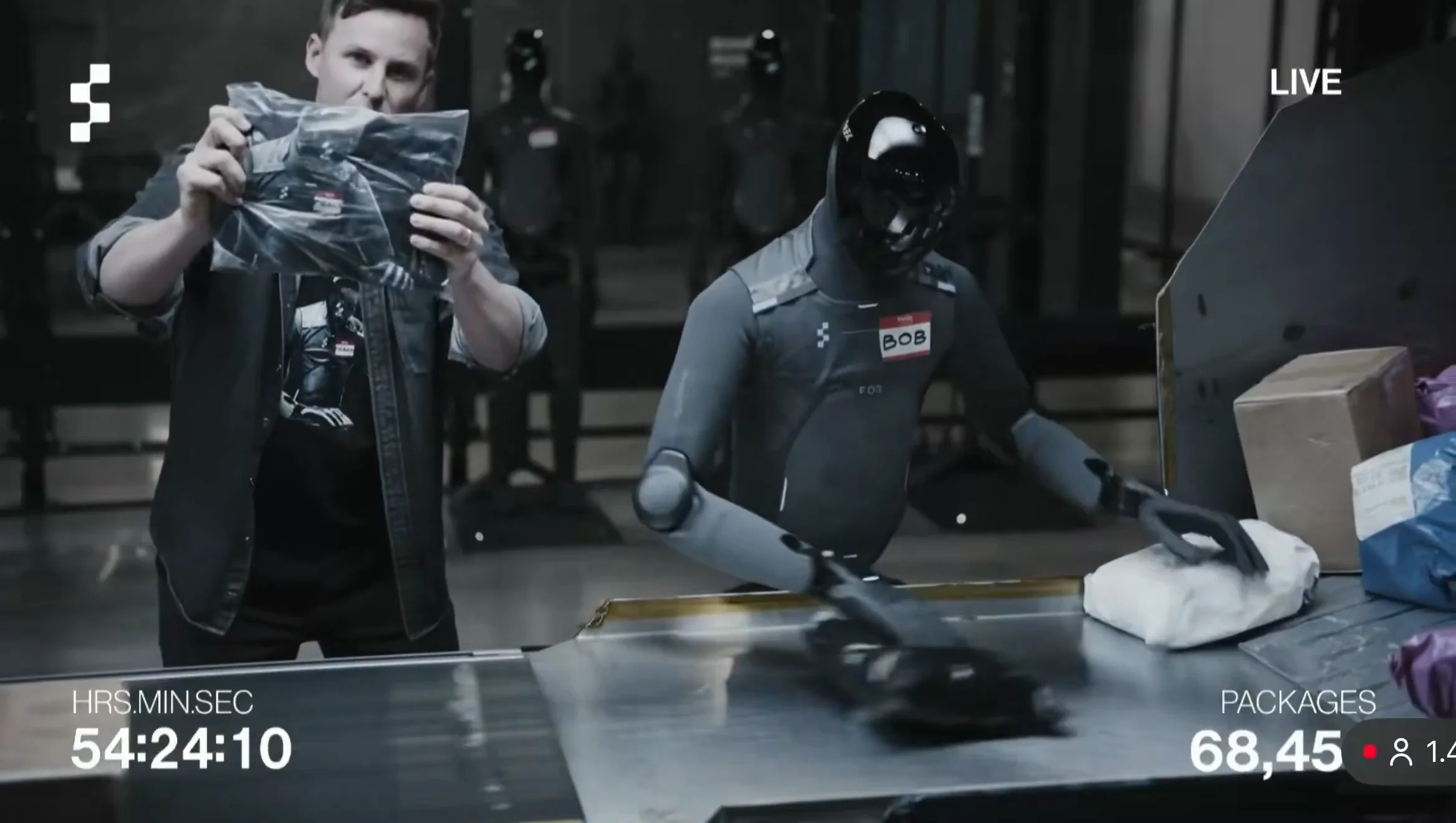
Figure AI Surpasses 64-Hour Autonomous Operation with Humanoids and Supply Chain Independence
Figure AI has achieved over 64 hours of continuous autonomous operation with its humanoid robots, surpassing its initial 8-hour goal. This endurance marathon has seen the Figure 03 humanoids sort over 80,000 packages at a remarkable pace of 2.9 seconds per item, showcasing the effectiveness of its Helix-02 neural network. The significance of this achievement lies in Figure AI's commitment to supply chain independence, as it aims to eliminate reliance on foreign components. With over $1 billion in cash reserves, the company is on track to manufacture 60 to 70 humanoid robots weekly while diversifying its production away from China. Looking ahead, Figure AI plans to achieve zero supply chain exposure to China by next quarter, having successfully relocated the production of critical components. This strategic move positions the company to scale its operations while maintaining robust logistical capabilities, ensuring minimal downtime during its autonomous sorting processes.
Helix 02 Brett Adcock US Figure Figure-03 BotQ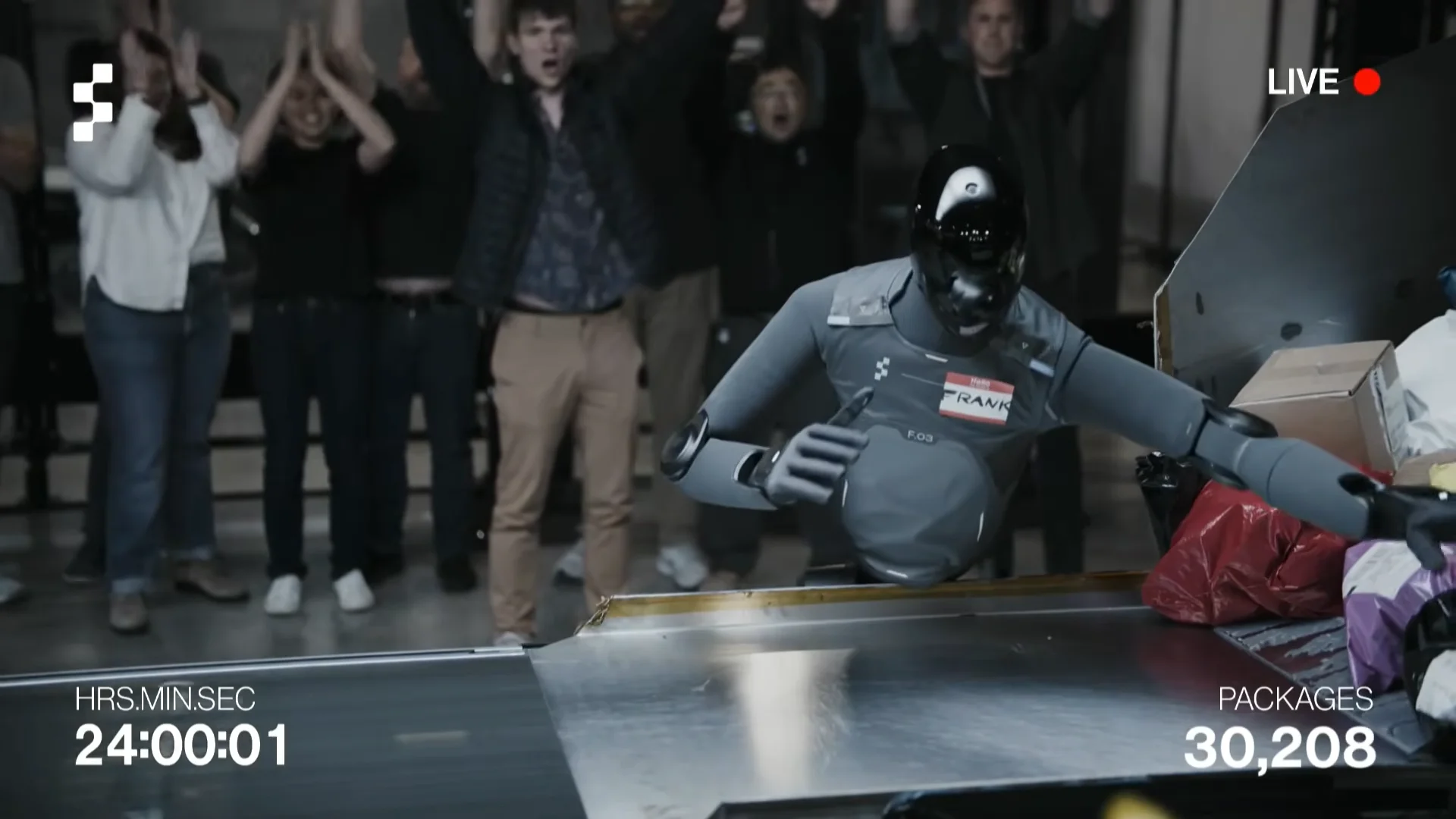
Figure AI's Livestream Marathon Exceeds 26 Hours, Processing Over 33,000 Packages
Figure AI's endurance experiment has evolved into a livestream marathon, surpassing 26 hours and processing 33,137 packages with no robot failures reported. The event showcases the capabilities of the Figure 03 units and the Helix-02 neural network in handling logistics autonomously. This demonstration is significant as it aims to validate Figure's claims regarding the efficiency of its technology in real-world applications. CEO Brett Adcock emphasized the robots' ability to reason from camera pixels and compute motor torque independently, highlighting a shift towards more autonomous operations in logistics. Looking ahead, the livestream has sparked discussions about the differences between lab demonstrations and actual deployment in revenue-generating environments. No further timeline was disclosed at the time of publication.
US Figure Figure-03 Ultra Agility Robotics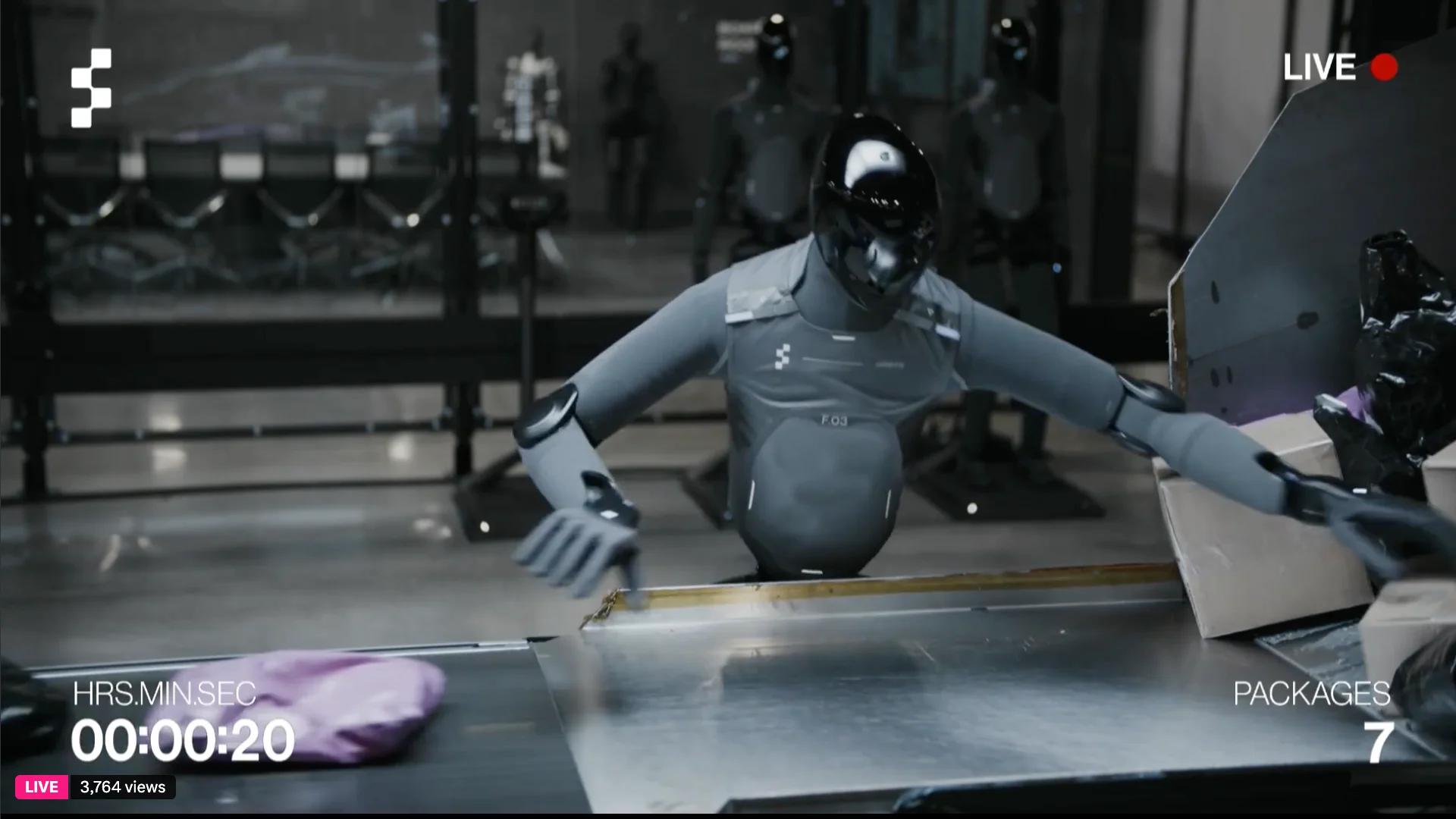
Figure 03 Achieves 2.6-Second Throughput in 8-Hour Livestream Test
Figure CEO Brett Adcock has successfully conducted an 8-hour livestream showcasing the autonomous operations of the Figure 03 humanoid robot. The test, which operated at human speeds without any human intervention, demonstrated an impressive average throughput of 2.6 seconds per package, processing 230 packages in the first 10 minutes. This performance highlights the capabilities of the Helix-02 neural network, which governs the robot's operations. The significance of this livestream lies in its response to a challenge from Dr. Scott Walter, who questioned the utility of humanoids in autonomous labor. With a current valuation of $39 billion, Figure's demonstration aims to prove that humanoids can perform tasks at human speeds over extended periods. While the speed and endurance shown are commendable, the demonstration's narrow focus on a single task has drawn mixed reactions from observers. Looking ahead, the industry will be watching for Figure to expand its demonstrations beyond the package-orientation workflow showcased previously. The ability of the Helix-02 architecture to adapt and handle diverse tasks will be crucial in addressing skepticism regarding the broader applicability of humanoid robots in various operational environments. No further timeline was disclosed at the time of publication.
Brett Adcock US Figure Figure-03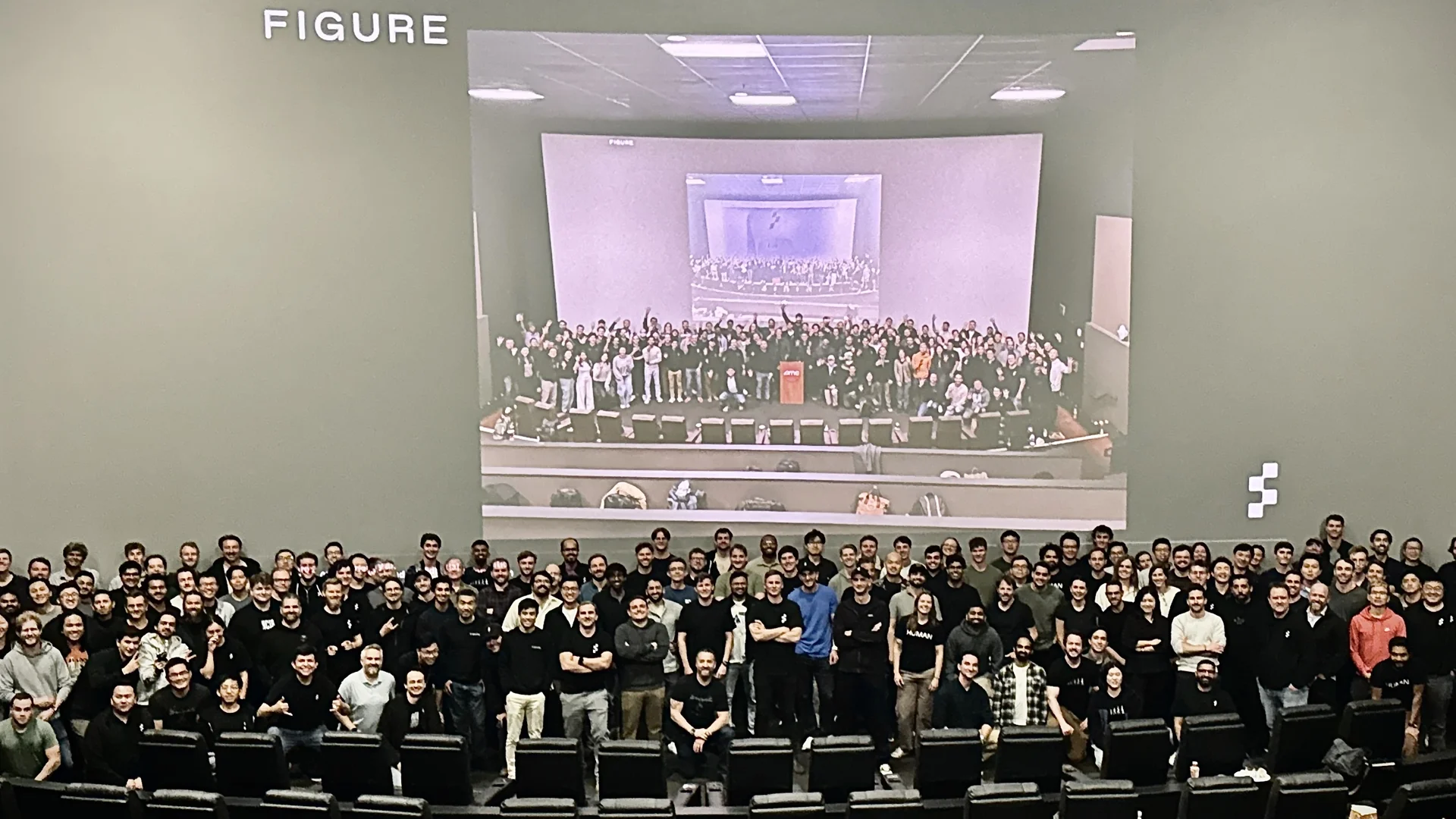
Figure 04 Achieves Full Design Lock, Signaling Major Hardware Advancements
Figure CEO Brett Adcock announced that the company's fourth-generation humanoid, Figure 04, has reached 'full design lock.' This milestone indicates that the engineering specifications are finalized, allowing the $39 billion startup to begin shipping parts and transition into assembly. Adcock emphasized the rigorous engineering reviews that led to this achievement, highlighting the significant advancements in design and manufacturability. The development of Figure 04 is crucial as it aims to address manufacturing challenges faced by its predecessor, Figure 03, which is produced at a rate of one unit per hour. Adcock compared the evolution of Figure's humanoids to mobile phones, suggesting that Figure 04 represents a transformative leap akin to the first iPhone. The new model is expected to feature enhanced physical architecture and high-degree-of-freedom hands for improved dexterity, essential for the Helix 02 AI architecture. Looking ahead, Figure's rapid iteration cycle suggests that further advancements in humanoid robotics are on the horizon. The design lock for Figure 04 is a strategic move to enhance hardware efficiency and reliability, paving the way for mass manufacturability. No further timeline was disclosed at the time of publication.
Brett Adcock Figure-04 US Figure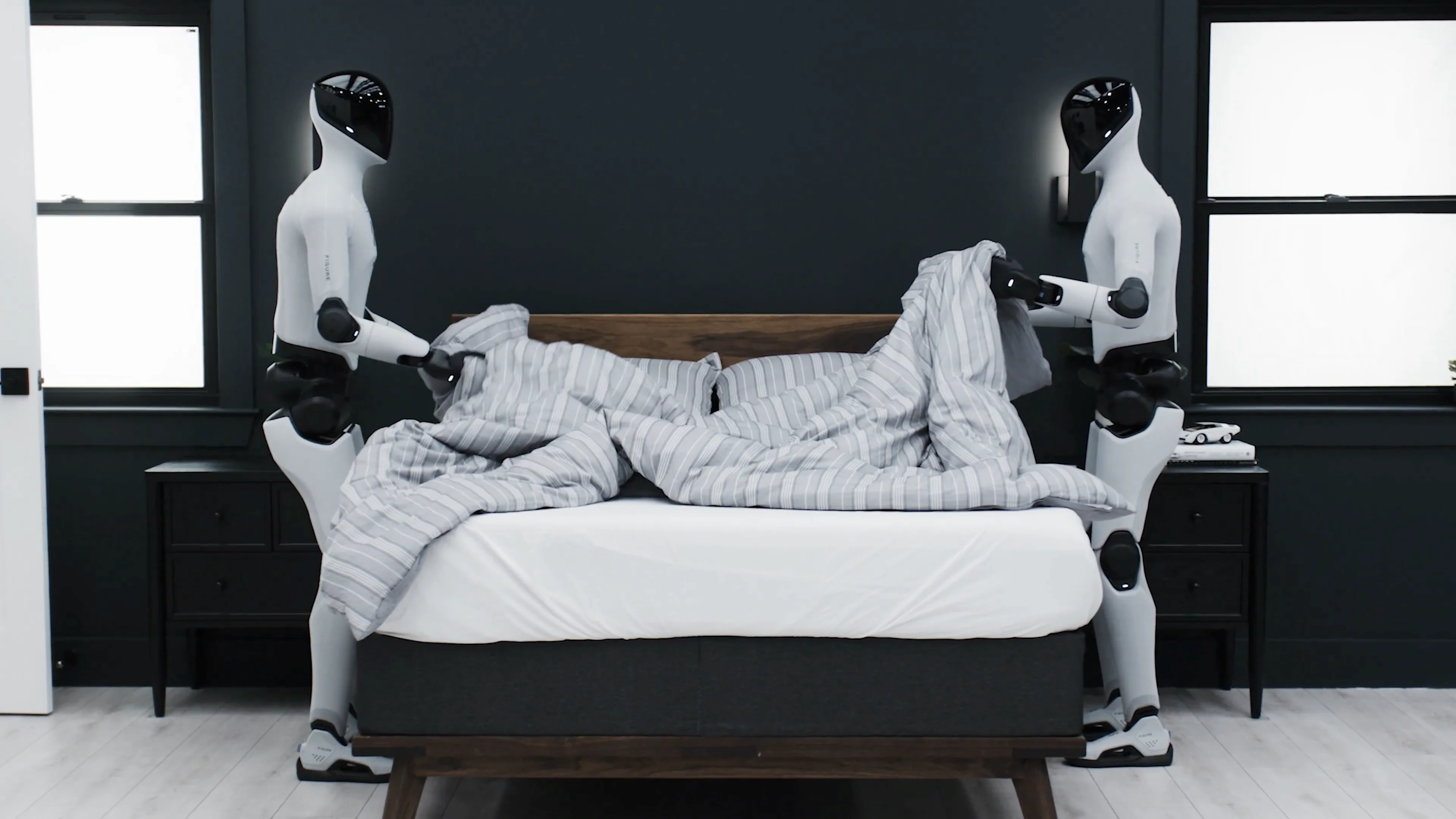
Figure Showcases Multi-Robot Bedroom Reset with Helix 02 Technology
Figure has revealed its latest demonstration featuring two Figure 03 humanoids autonomously tidying a bedroom, showcasing a significant advancement in multi-agent collaboration. This 'Helix-02 Bedroom Tidy' moves beyond previous single-robot tasks, emphasizing the robots' ability to operate independently without a central overseer, utilizing their own cameras to interpret each other's movements. The demonstration is powered by the Helix 02 architecture, which employs a Vision-Language-Action omni-model, allowing the robots to compute torque directly from visual input. This capability enables real-time reactions to shared goals, highlighting the complexity of navigating a domestic environment filled with chaos. As Figure scales production to one robot per hour, the focus is on generating interaction data for broader utility in homes. Looking ahead, Figure's CEO Brett Adcock has suggested a potential leasing model for these robots, estimated at $400 to $600 monthly, to facilitate 24/7 home assistance. However, he remains cautious about their deployment, particularly in family settings, as the company continues to address edge-case failures in their technology.
US Figure Figure-03
Project Zenith Aims to Disrupt Mac's Dominance with Preconfigured AI-Ready Windows PC
Project Zenith, a developer-focused PC with a preset AI coding environment, aims to challenge Apple's dominance in the market. This system features specific hardware optimized for AI execution, starting with AMD's Ryzen AI Halo processor and plans to expand its processor support in the future. The significance of Project Zenith lies in its unified memory and preconfigured tools that streamline the development process from the initial setup. It integrates Windows Subsystem for Linux (WSL) deeply, allowing easier access to AI tools typically reliant on Linux environments, thus reducing potential issues developers face when transitioning between systems. Looking ahead, the introduction of Microsoft eXecution Containers (MXC) for local AI agent execution is noteworthy, although currently in early preview. As the market evolves, the effectiveness of Project Zenith in providing a competitive alternative to Mac's AI capabilities will be closely monitored.

Figure Partners with Nscale to Deploy 100,000 GPUs for Humanoid Robot AI Training
U.S. robotics company Figure has entered a strategic partnership with UK-based Nscale to secure up to 100,000 GPUs for training its next generation of humanoid robots. This collaboration aims to meet the increasing data and computational demands of developing advanced AI models for general-purpose robotics, utilizing NVIDIA’s Vera Rubin platform. The partnership is significant as it represents an initial commitment of $3.5 billion, with plans to expand to over $6 billion. The deployment of this large-scale computing infrastructure is expected to begin in the second half of 2027 in Barstow, Texas. This investment will support Figure's Helix AI system, enhancing the capabilities of its humanoid robots by processing vast amounts of real-world data. Looking ahead, Figure is also scaling its Index dataset, which has gained over 264,000 downloads globally. This dataset is crucial for training AI models by capturing diverse human activities. The collaboration with Nscale is designed to create a comprehensive infrastructure for physical AI, facilitating the transition from model training to real-world deployment of humanoid robots. No further timeline was disclosed at the time of publication.
AI and Robotics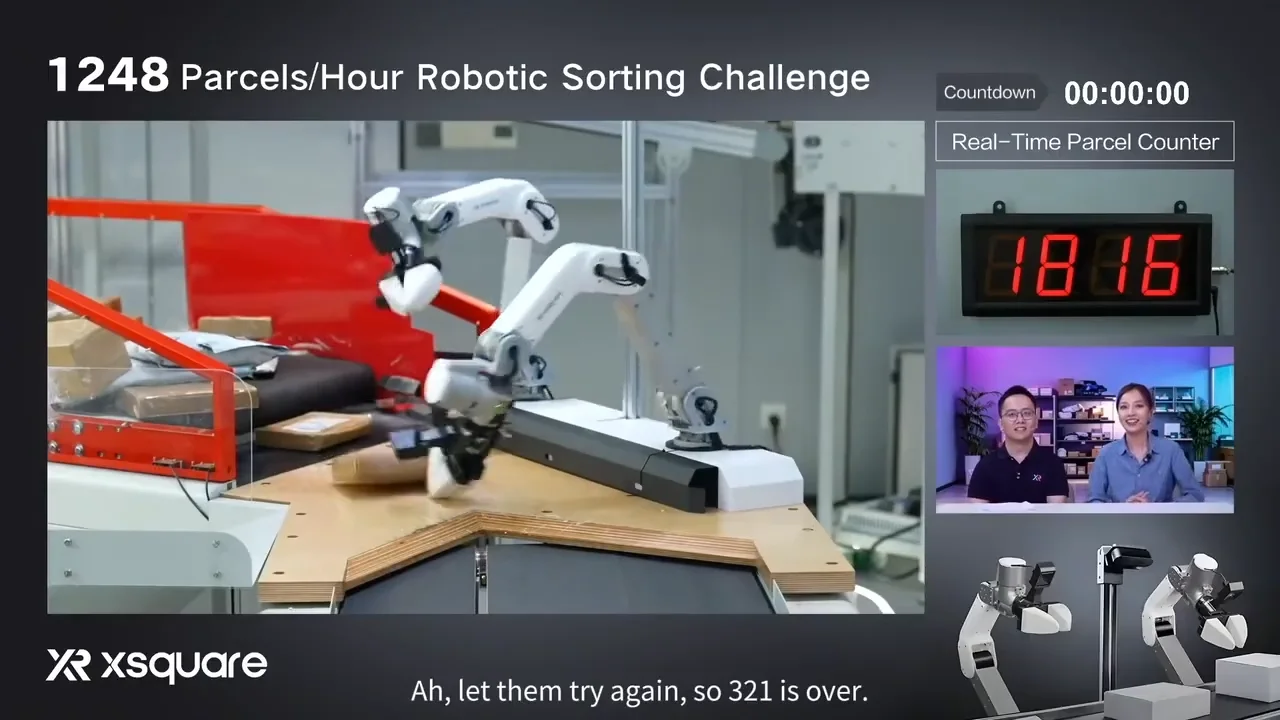
X Square Robot Achieves 1,816 Parcels Per Hour in Live Sorting Challenge
X Square Robot, a Shenzhen-based embodied AI startup, recently conducted a live logistics challenge, successfully sorting 1,816 parcels in one hour. This performance surpassed their initial goal of 1,248 parcels, achieving a remarkable success rate of over 98%. The demonstration highlighted the company's focus on practical, purpose-built grippers instead of complex humanoid hands, emphasizing efficiency and cost-effectiveness. The significance of this achievement lies in its potential impact on the logistics and automation industries. By showcasing the effectiveness of simpler robotic designs, X Square Robot challenges the prevailing trend of advanced dexterous hands in robotics. Their approach prioritizes real-world deployment and operational efficiency, which could influence future developments in robotic systems for logistics. Looking ahead, the intelligent automation sector is witnessing a growing trend of endurance tests for robotic systems. Following X Square Robot's demonstration, industry observers will be keen to see how competitors respond and whether similar challenges will emerge. No further timeline was disclosed at the time of publication.
livestream China XSquare
Starlink's Manufacturing Operations: Key Figures and Supply Chain Insights for 2026
Starlink operates two of the highest-volume manufacturing facilities in the space sector, producing approximately 70 satellites weekly in Redmond, Washington, and around 15,000 user terminals daily in Bastrop, Texas. These figures were disclosed in SpaceX's IPO filing, highlighting the scale of Starlink's operations. This information is significant as it positions Starlink not merely as a space venture but as a consumer electronics manufacturer with a unique supply chain. The Redmond facility is among the highest-volume spacecraft factories historically, with production figures vastly exceeding competitors like Amazon's satellite constellation. Looking ahead, Starlink plans to double its terminal production capacity in 2026, supported by a substantial state grant. The focus on in-house printed circuit board manufacturing has also allowed for cost reductions and increased resilience against tariffs, marking a pivotal shift in the supply chain dynamics for consumer electronics in the space industry.
BMW to Deploy Figure 03 Humanoid Amid Cost Challenges in Manufacturing Automation
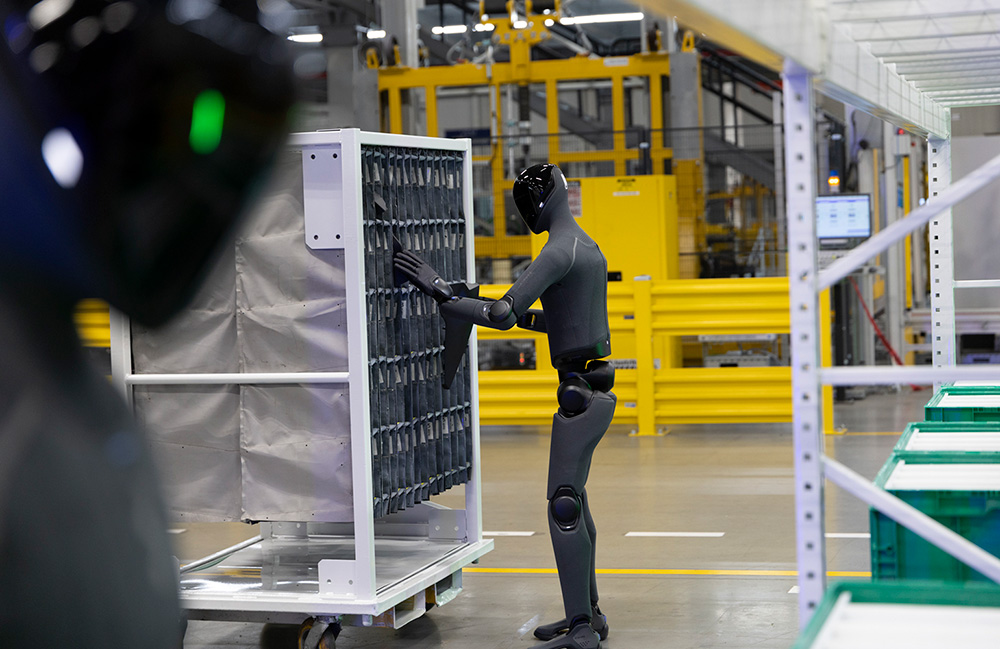
BMW announced plans to deploy the Figure 03 humanoid robot at its Spartanburg, S.C. plant following a successful pilot with Figure 02. Despite advancements in AI and robotics, the high costs associated with humanoid automation remain a significant barrier for manufacturers. Current robotic unit economics make it difficult to justify the investment, especially when specialized robots outperform humanoids in productivity. The evolution of physical AI has led to improved manipulation capabilities, with robots now able to perform tasks previously deemed challenging. However, the conversation has shifted from whether robots can perform tasks to whether their costs can be justified. Human oversight remains essential, particularly in unexpected situations, with some developers relying on teleoperation, which limits scalability. While humanoids offer flexibility for various tasks, their cost-effectiveness is questioned compared to specialized robots optimized for specific workflows. For instance, humanoids achieve around 1,000 picks per hour in parcel sorting, while specialized robots can reach up to 3,000 picks per hour. The primary challenge for humanoid robots lies in their economics, as they are currently too expensive for widespread adoption in most applications.
Humanoids News Opinion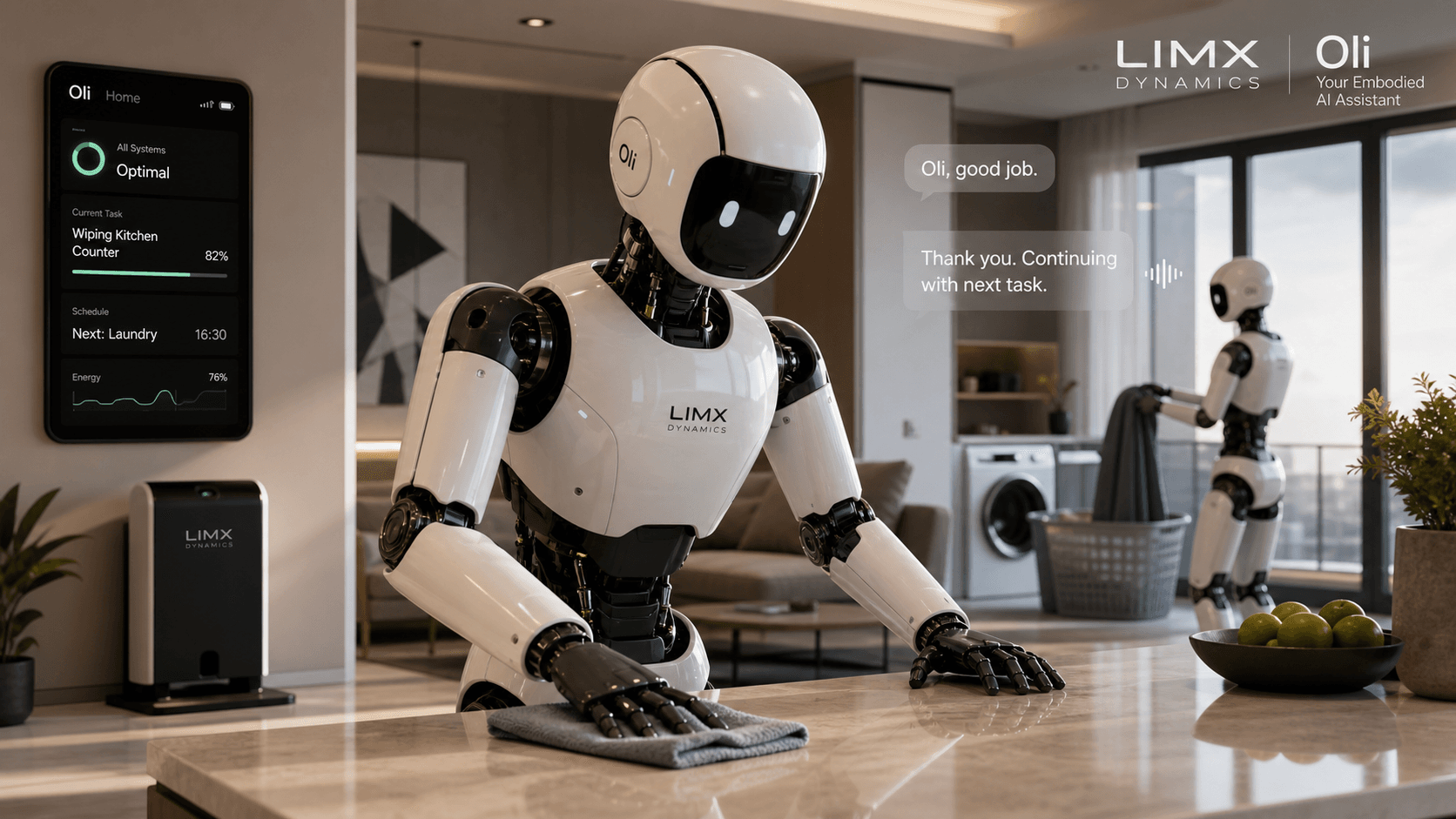
LimX Dynamics Unveils New Demo Showcasing Oli Robot's Household Chores Skills
LimX Dynamics has released a demonstration video featuring its Oli robot performing household chores for three minutes without interruption. This achievement follows a significant funding round of $200 million, which enhances the company's position in the humanoid robotics sector. The demonstration highlights the capabilities of the Oli robot, positioning it as a competitor to Silicon Valley's Figure. This development is crucial as it signifies the advancements in China's humanoid robotics, showcasing that they can rival established players in the market. Looking ahead, industry observers will be keen to see how LimX Dynamics leverages this funding and demonstration to further enhance the capabilities of the Oli robot. No further timeline was disclosed at the time of publication.
Technology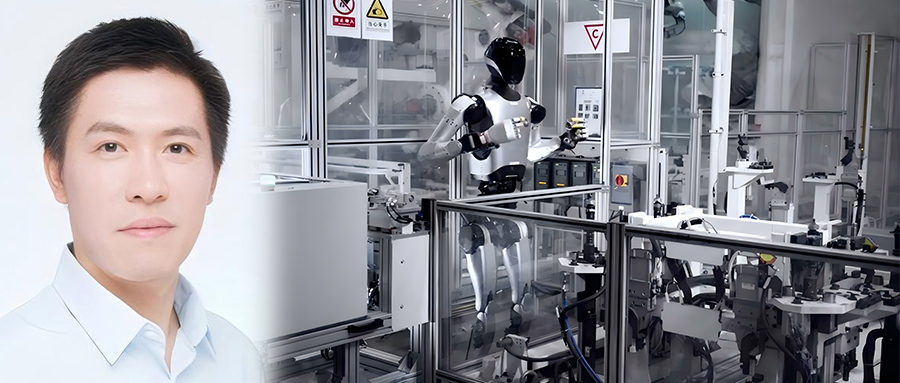
Xiaomi's Robotics Team Welcomes Key Figure: Can Wang Gang Replicate Xiao Ai's Success?
Xiaomi has announced a significant restructuring of its artificial intelligence team, with Wang Gang stepping down from his role as the head of the Xiao Ai voice assistant to concentrate on robotics initiatives. This strategic shift is designed to bolster the company's AI capabilities throughout its product ecosystem. By leveraging Wang's extensive experience in user-centric product development, Xiaomi aims to drive innovations in embodied intelligence and robotics, positioning itself for future advancements in these critical areas.
Robotics AI Voice Assistants User Experience Technology Development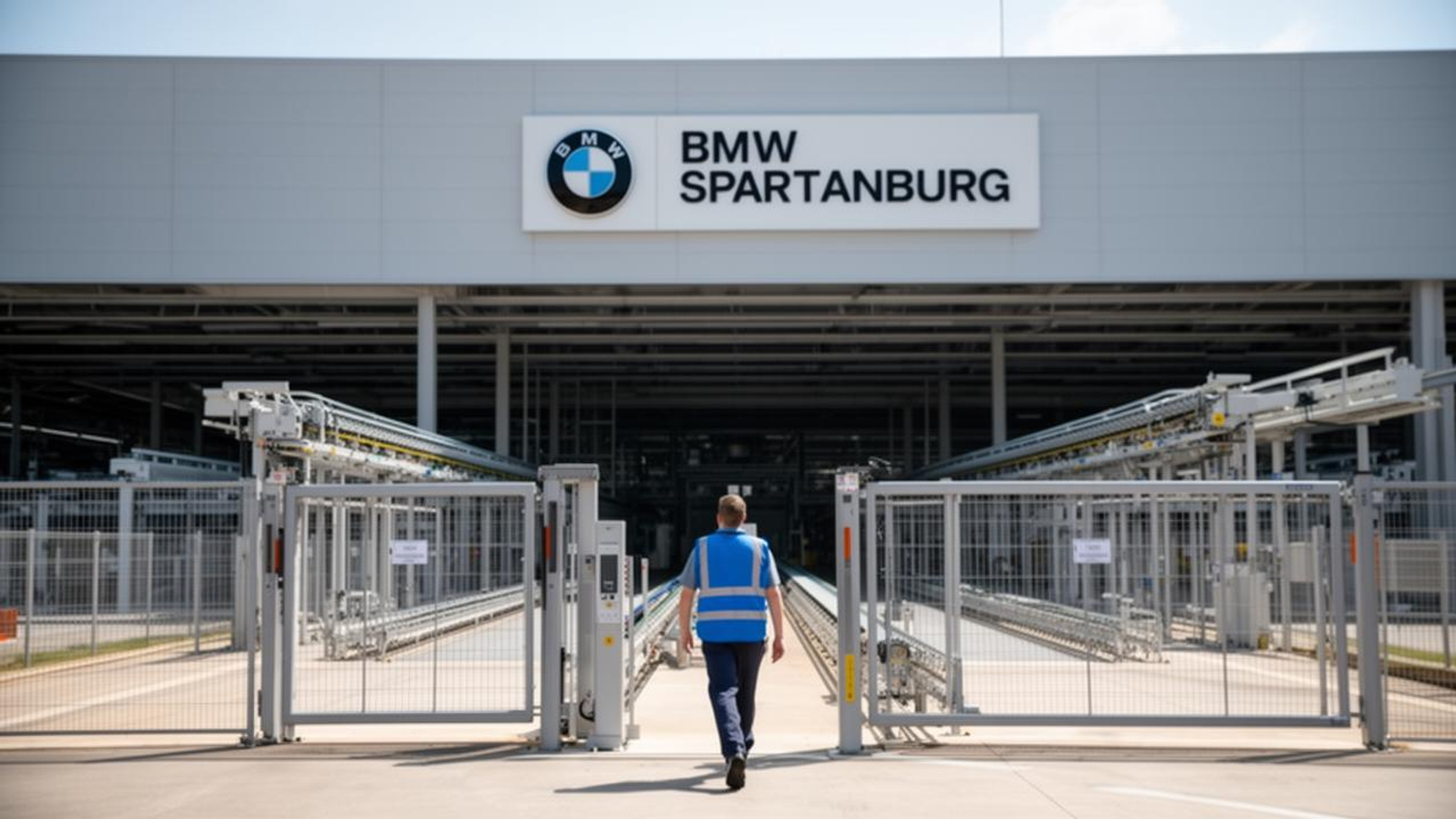
Figure 03 Launches at BMW Plant: Physical AI Moves to Mass Production
BMW has introduced the Figure 03 humanoid robot at its Spartanburg factory, a move that signifies a notable advancement in the integration of physical AI within the automotive sector. This state-of-the-art robot is designed to improve assembly line efficiency by handling repetitive tasks, thereby enabling human employees to concentrate on more complex and valuable processes. The deployment of the Figure 03 is part of BMW's broader strategy, which includes a $1.7 billion investment aimed at expanding electric vehicle production by 2026. This initiative underscores the company's commitment to innovation and efficiency in response to the evolving demands of the automotive market.
Humanoid Robots Automotive Manufacturing AI Warehouse Automation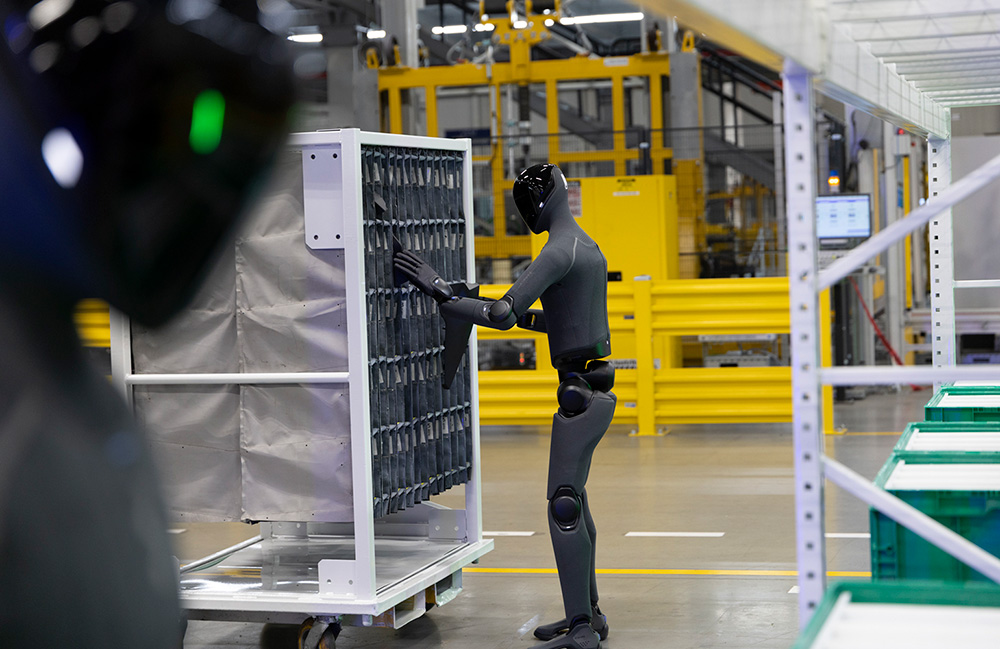
BMW Group deploys Figure 03 humanoid after tests with previous version
In a significant advancement for automotive manufacturing, BMW Group has successfully utilized the Figure 02 robot to aid in the production of over 30,000 X3 vehicles over an 11-month period at its South Carolina facility. This deployment highlights the company's commitment to integrating advanced robotics into its production processes, enhancing efficiency and output. Following extensive testing of the Figure 02, BMW is now set to introduce the next iteration, the Figure 03 humanoid robot, further indicating the company's focus on innovation in manufacturing technology. The initiative not only aims to streamline operations but also reflects a broader trend in the automotive industry towards automation and robotics to meet increasing demand.
Artificial Intelligence Artificial Intelligence / Cognition Assembly Automotive Design / Development Humanoids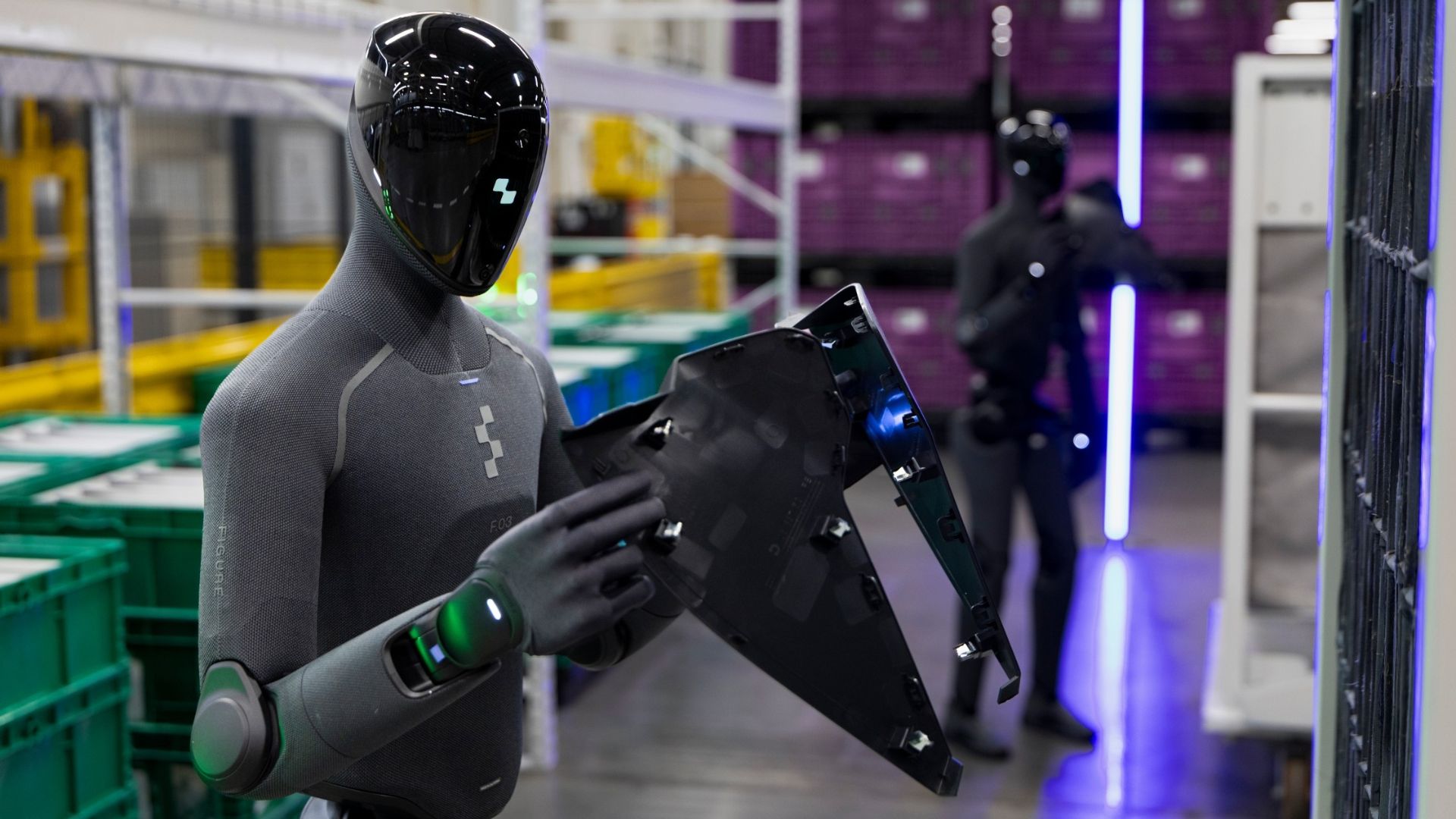
BMW’s smart factory in US gets Figure 03 humanoid robot for advanced logistics work
BMW Group has enhanced its manufacturing processes by integrating next-generation Physical AI technologies. This initiative, announced recently, aims to improve efficiency and precision in production lines. The implementation of these advanced AI systems is taking place at various BMW facilities worldwide, reflecting the company's commitment to innovation and modernization in the automotive industry. By leveraging Physical AI, BMW seeks to streamline operations, reduce costs, and enhance product quality, ultimately responding to the growing demand for smarter manufacturing solutions. The integration process involves upgrading existing machinery and training staff to work alongside AI systems, ensuring a seamless transition into this new era of manufacturing.
AI and Robotics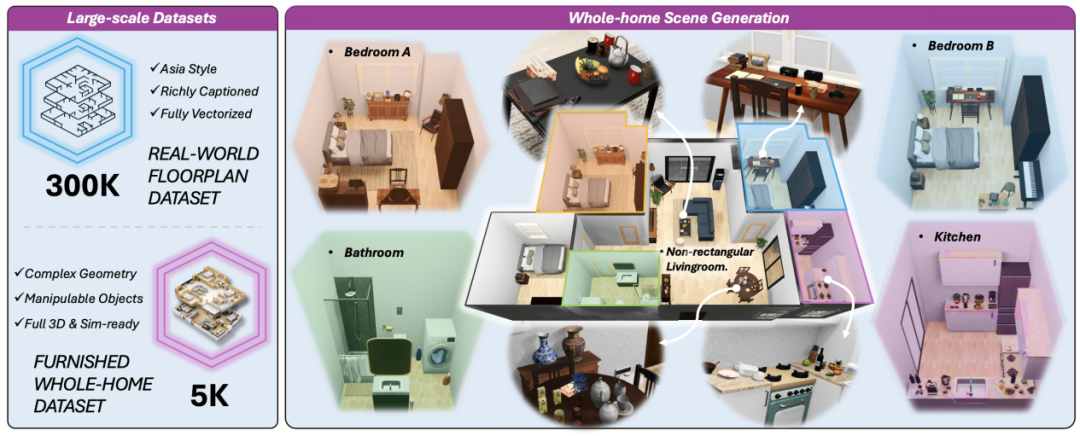
Daxiao Robotics Releases Open Source 3D Dataset for Chinese Home Designs, Challenging Figure AI
Daxiao Robotics, in partnership with the Chinese University of Hong Kong and Shenzhen He Tao College, has unveiled the world's first extensive 3D dataset specifically designed for Chinese households. This groundbreaking resource includes 300,000 authentic floor plans and 5,000 interactive simulation scenes, marking a significant advancement in the field of robotics. Launched recently, the dataset aims to improve the training of robots for various household tasks, thereby contributing to the evolution of embodied AI within the Chinese market. By providing this comprehensive data, the collaboration seeks to enhance the capabilities of robots in domestic environments, ultimately fostering innovation in the sector.
3D Data Sets Embodied AI Home Robotics Simulation Technology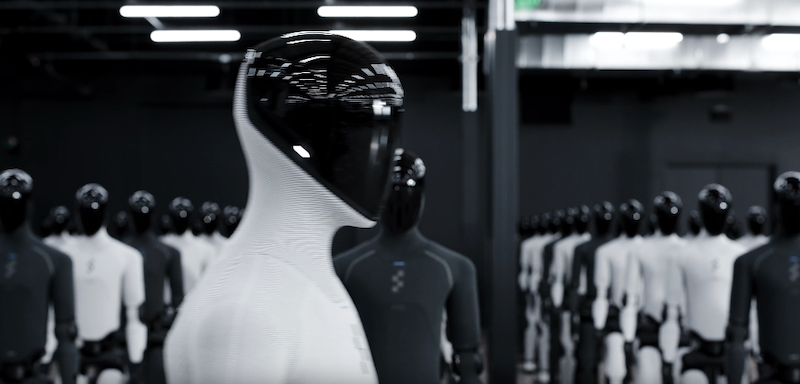
Figure ramps up humanoid robot manufacturing at unprecedented speed
Figure AI, a company specializing in humanoid robotics, has announced a significant breakthrough in manufacturing capabilities. After years of developing meticulously choreographed demonstrations and prototypes, the company claims to have overcome the challenges associated with producing humanoid robots at scale. This advancement is crucial, as the ability to manufacture hundreds of robots reliably and economically has long been a hurdle in the industry. The announcement comes amid growing interest in humanoid robotics, driven by the potential applications in various sectors. Figure AI's progress could pave the way for broader adoption and integration of humanoid robots into everyday tasks and industries.
Features Humanoids ai robotics automation news Autonomous robots botq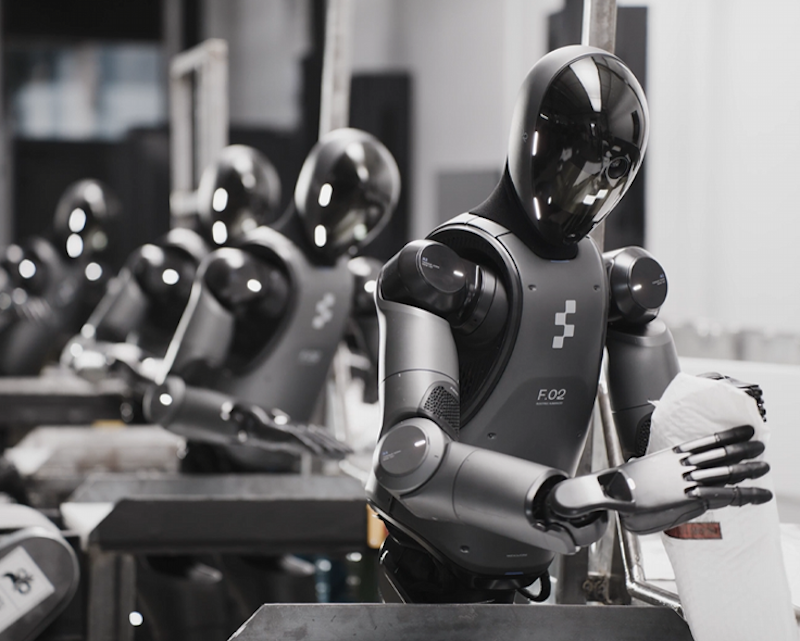
Figure partners with Catalyst Brands to deploy humanoid robots in logistics operations
Figure AI has entered into a commercial agreement with Catalyst Brands to implement humanoid robots within the retailer's distribution and logistics network. This collaboration will kick off at Catalyst Brands' distribution center located in Reno, Nevada, where the humanoid robots will be utilized to automate labor-intensive supply chain tasks. Catalyst Brands, known for its portfolio of popular retail chains, aims to enhance operational efficiency and reduce the physical strain on its workforce through this innovative technology. The deployment of these robots is expected to streamline processes and improve productivity within the distribution center.
Humanoids News ai robotics automation news Autonomous robots Catalyst Brands
Watch: Figure’s humanoid robots work for 200 hours, process 250k packages without failure
Figure AI, a robotics company based in the United States, has successfully conducted a groundbreaking 200-hour autonomous livestream featuring its advanced humanoid robot, the Figure 03. This significant achievement took place recently, showcasing the robot's capabilities in real-time interaction and operation without human intervention. The livestream aimed to demonstrate the potential applications of robotics in various fields, including entertainment, education, and remote assistance. By utilizing cutting-edge technology, Figure AI has positioned itself at the forefront of innovation in the robotics industry, highlighting the growing importance of autonomous systems in everyday life. The event not only marks a milestone for the company but also serves to inspire further advancements in robotic technology and its integration into society.

Figure AI's CEO just raised $700 million for his next big bet
Hark, a company established by Brett Adcock, the CEO of Figure AI, has successfully raised $700 million in funding. This significant investment positions Hark to compete with major players in the artificial intelligence sector, including OpenAI, Apple, Google, and Meta. The funding aims to accelerate the development of innovative AI hardware solutions, reflecting the growing demand for advanced technology in various industries. With this financial backing, Hark plans to enhance its capabilities and carve out a substantial presence in the competitive landscape of AI hardware innovation.
Tech AI Startups tech ai brett-adcock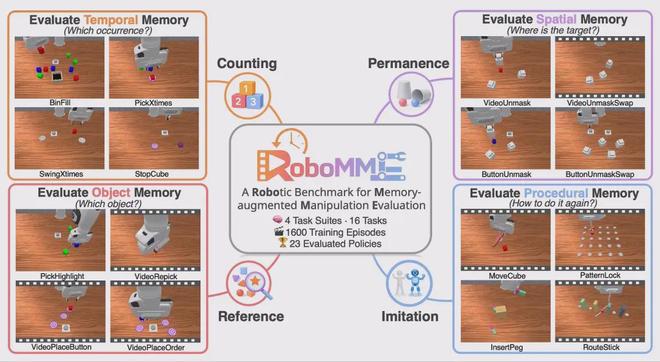
Michigan, Stanford, and Figure AI Collaborate to Launch the Groundbreaking RoboMME Robot Memory Benchmark!
A new standardized evaluation system for robot memory, known as the RoboMME benchmark, has been introduced by a collaborative effort involving Michigan University, Stanford University, and Figure AI. This innovative framework assesses robot memory across four key dimensions: temporal, spatial, object, and procedural. By addressing previous shortcomings in assessment methods, the RoboMME benchmark aims to improve robot performance in executing complex tasks. The initiative reflects ongoing advancements in robotics and artificial intelligence, highlighting the importance of effective memory evaluation in enhancing robotic capabilities.
Robot Memory Benchmarking Artificial Intelligence Robotics Machine LearningRobotics needs a service framework.
RSF defines a common language for robot service capability, lifecycle operations, certification pathways, and service-provider networks.
Join the RobotToday community on LinkedIn
Daily robotics news, in-depth analysis, conference highlights, and discussions with professionals worldwide.







