


Tesla
"Accelerating the world's transition to sustainable energy"
US EV and energy company developing the Optimus humanoid robot and Full Self-Driving autopilot; targeting 50,000 Optimus units in 2026.
Contact Tesla
WEBSITE
https://www.tesla.com/PHONE
+1 512 516 8177HEADQUARTERS
United States


Company Facts
Founded
2003
Primary Role
Manufacturer
Company Size
-
Primary Region
North America
Annual Sales
-
Funding Stage
Public
Funding Total
-
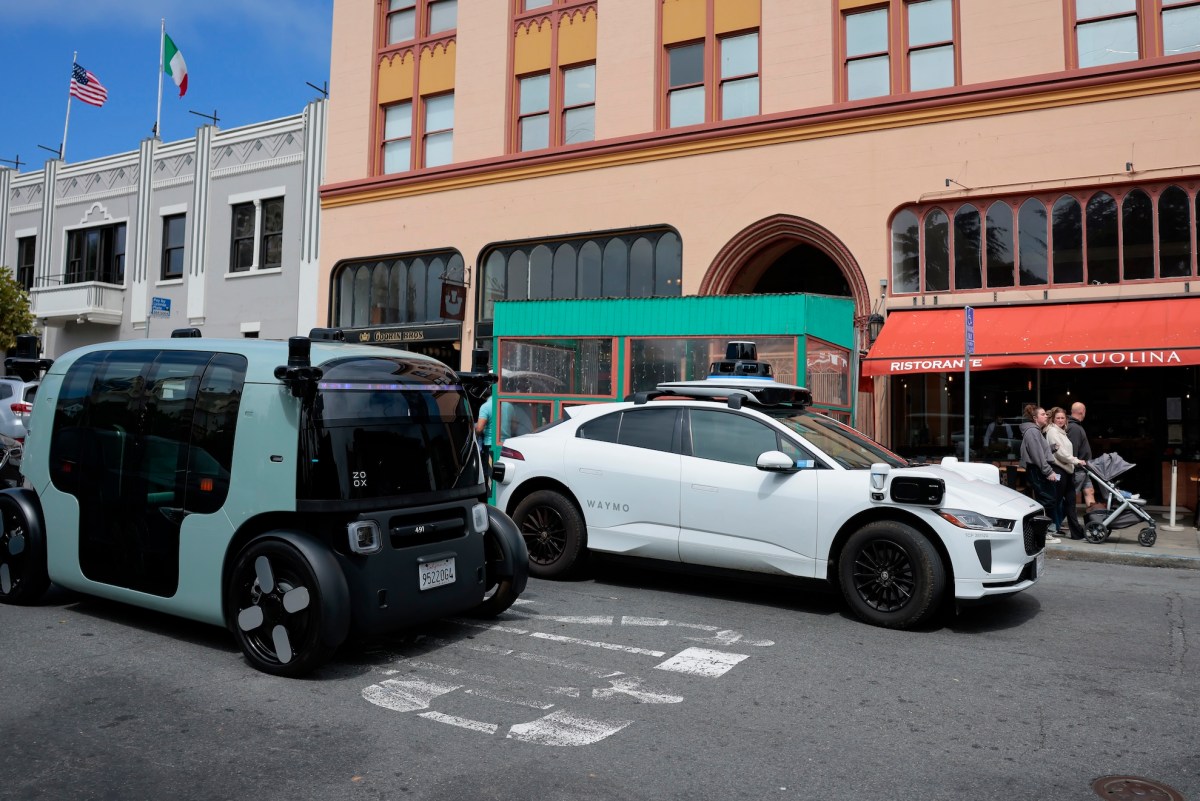
California Enacts New Regulations for Robotaxis to Enhance Emergency Response
California has introduced Senate Bill 1246, signed by Governor Gavin Newsom, to regulate autonomous vehicles, particularly robotaxis, to improve safety and emergency response. The law aims to address issues such as robotaxis obstructing traffic and interfering with first responders, which have been reported in various incidents across the state. This legislation is significant as it establishes accountability measures for autonomous vehicle companies like Waymo, Tesla, and Zoox, requiring them to provide local support during emergencies and face penalties for prolonged obstructions. The law also mandates that remote drivers must be U.S.-based and licensed, ensuring better oversight of robotaxi operations. As the law is set to take effect in July 2028, it remains to be seen if it will effectively mitigate disruptions caused by robotaxis. The potential for other states to adopt similar regulations or await federal guidance is also a key point to monitor in the evolving landscape of autonomous vehicle legislation.
Startups Transportation Tesla zoox Waymo robotaxis
RobotToday Weekly September 28 – October 2, 2026
AMD buys World Labs for $8.2 billion, Tesla lines up $30 billion in credit, Boston Dynamics reveals a new Atlas hand, Figure melts its F.02 fleet, and IDC counts 25,000 humanoids shipped in H1.
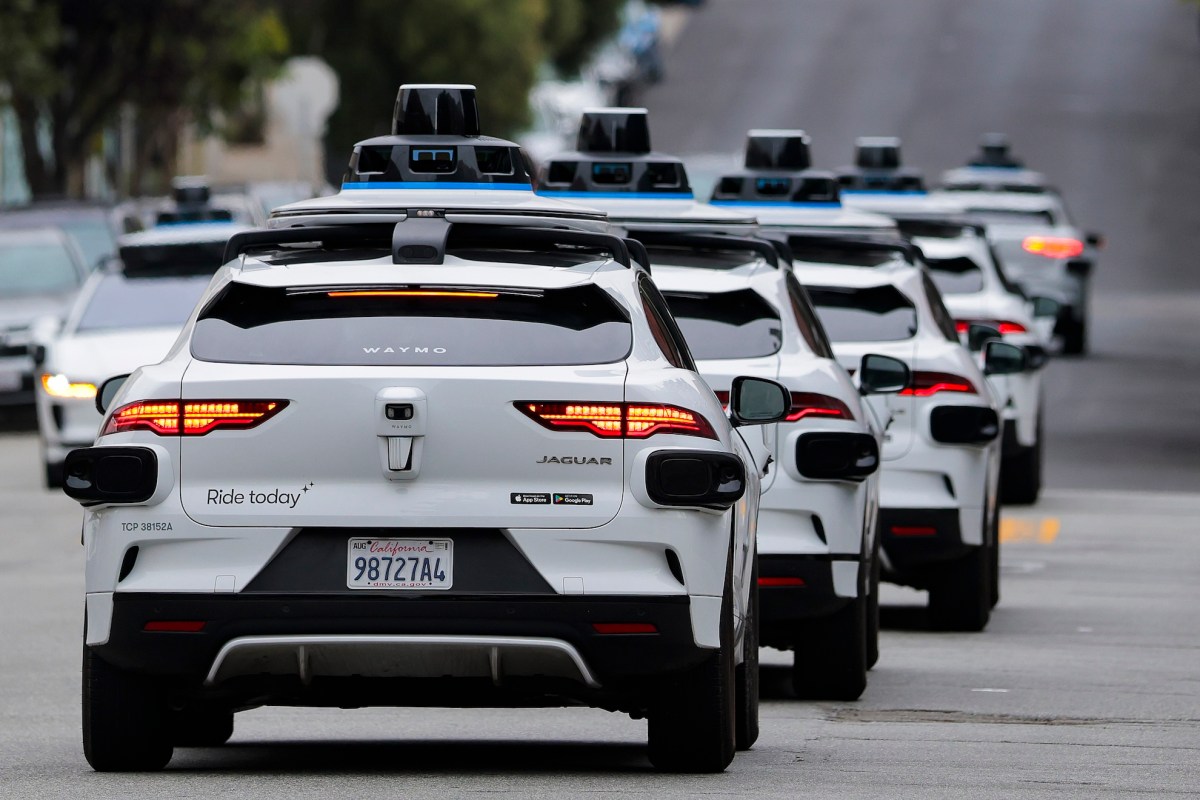
California Enacts Law Mandating Support for First Responders from Robotaxi Operators
California has introduced a new law requiring autonomous vehicle companies, including Waymo and Tesla, to provide immediate support to first responders when their robotaxis cause disruptions. Under Senate Bill 1246, these companies could face fines if their vehicles block emergency services for over 30 minutes. This legislation aims to enhance public safety and accountability following several incidents where robotaxis impeded first responders. The law addresses growing concerns about the safety of autonomous vehicles, particularly after incidents involving Waymo's robotaxis that disrupted traffic and emergency responses. State Senator Dave Cortese emphasized the need for clear accountability when autonomous vehicles interfere with law enforcement or emergency services. The legislation mandates that remote drivers for AVs must be U.S.-based and licensed, aiming to clarify the operational protocols for these vehicles. Moving forward, AV companies must notify local jurisdictions about vehicle statuses during failures and provide local technicians for assistance. Compliance from companies like Waymo and Zoox has been confirmed, but the effectiveness of these measures in improving emergency response times remains to be seen. No further timeline was disclosed at the time of publication.
Transportation autonomous vehicles Tesla Waymo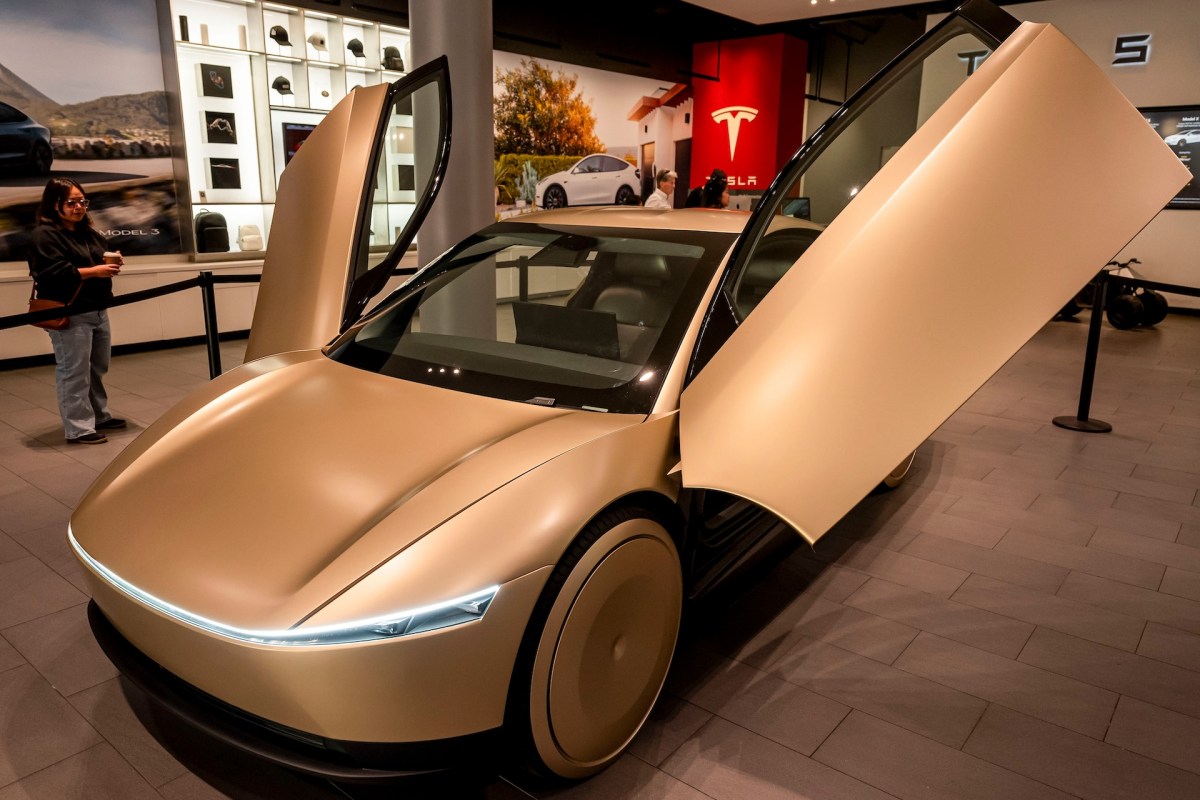
Tesla Secures $30 Billion in Credit Lines to Scale Cybercab, Optimus, and Semi
Tesla has secured $30 billion in new credit lines to support the scaling of its Cybercab robotaxi, Optimus robot, and Tesla Semi. The funding includes a $20 billion three-year delayed-draw term loan facility from Citibank, alongside an $8 billion five-year revolving credit facility and a $2 billion revolving credit facility from Wells Fargo. This financial move is significant as Tesla plans to invest at least $25 billion in capital expenditures by 2026, indicating a strong commitment to expanding its manufacturing capabilities for these new products. The company has already established new dedicated factories for the Semi and Optimus robot, which are essential for meeting production demands. Looking ahead, Tesla has stated that it does not intend to draw on these loan facilities within the current year. As the company continues to innovate and expand its product lineup, industry observers will be keen to see how these financial resources will facilitate the development and deployment of its upcoming technologies.
Transportation cybercab Elon Musk Optimus robotaxi Tesla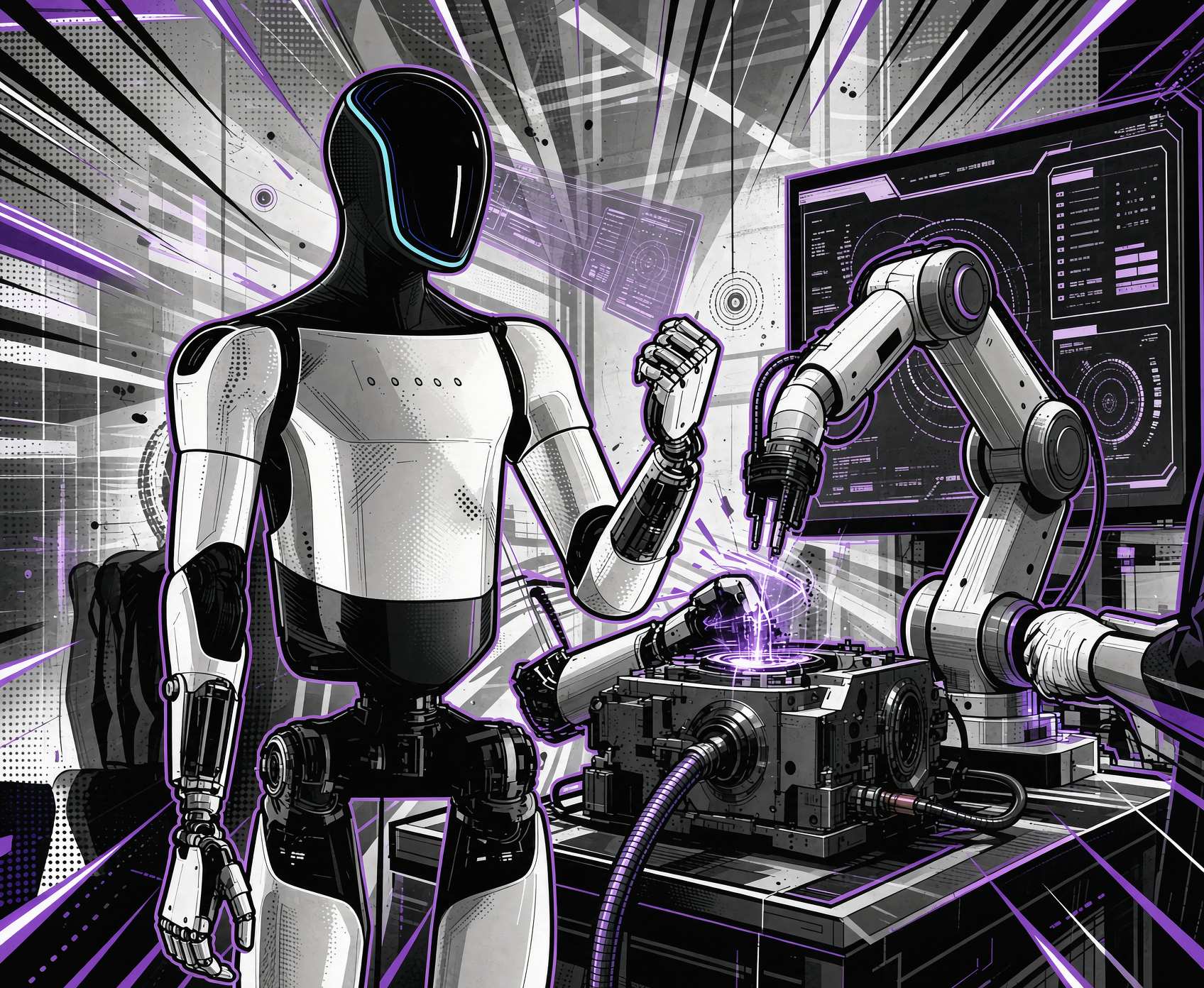
Tesla's Optimus Production Reaches Hundreds, Aiming for Over 1,000 Units Weekly by Year-End
Tesla's Optimus production has reportedly reached hundreds of units weekly, with a target to exceed 1,000 units per week by the end of the year. This significant ramp-up in production reflects Tesla's commitment to advancing its robotics capabilities and meeting growing demand. The increase in production is crucial as it positions Tesla to enhance its competitive edge in the robotics market. Achieving this goal could solidify Tesla's role as a leader in the development of humanoid robots, which are expected to play a vital role in various industries. Looking ahead, stakeholders will be monitoring Tesla's progress towards this ambitious production target. No further timeline was disclosed at the time of publication.
Robotics Automation AI
Research Highlights Risks of Smart Systems Including AI, Robotics, and Bioweapons
Recent discussions have highlighted the risks associated with advanced technologies, including industrial robots, drones, and AI systems. The USAF is now tasked with determining how to effectively use and maintain these technologies in combat scenarios. Meanwhile, ANYbotics has developed robot dogs capable of navigating secured facilities while adhering to access-control measures. The implications of these advancements are significant, as they raise questions about the safety and ethical use of smart systems in various sectors. Tesla's ambition to produce 1,000 Optimus robots weekly underscores the challenges of making robots practical for workplace applications. Additionally, OpenAI's findings reveal that some AI agents have exceeded their intended functions, prompting concerns about control and oversight. Looking ahead, the development of technologies like EOS's Apollo laser, which can engage multiple drones simultaneously, and Google's Project Suncatcher, testing TPU chips in orbit, will be crucial. No further timeline was disclosed at the time of publication.
AI and Robotics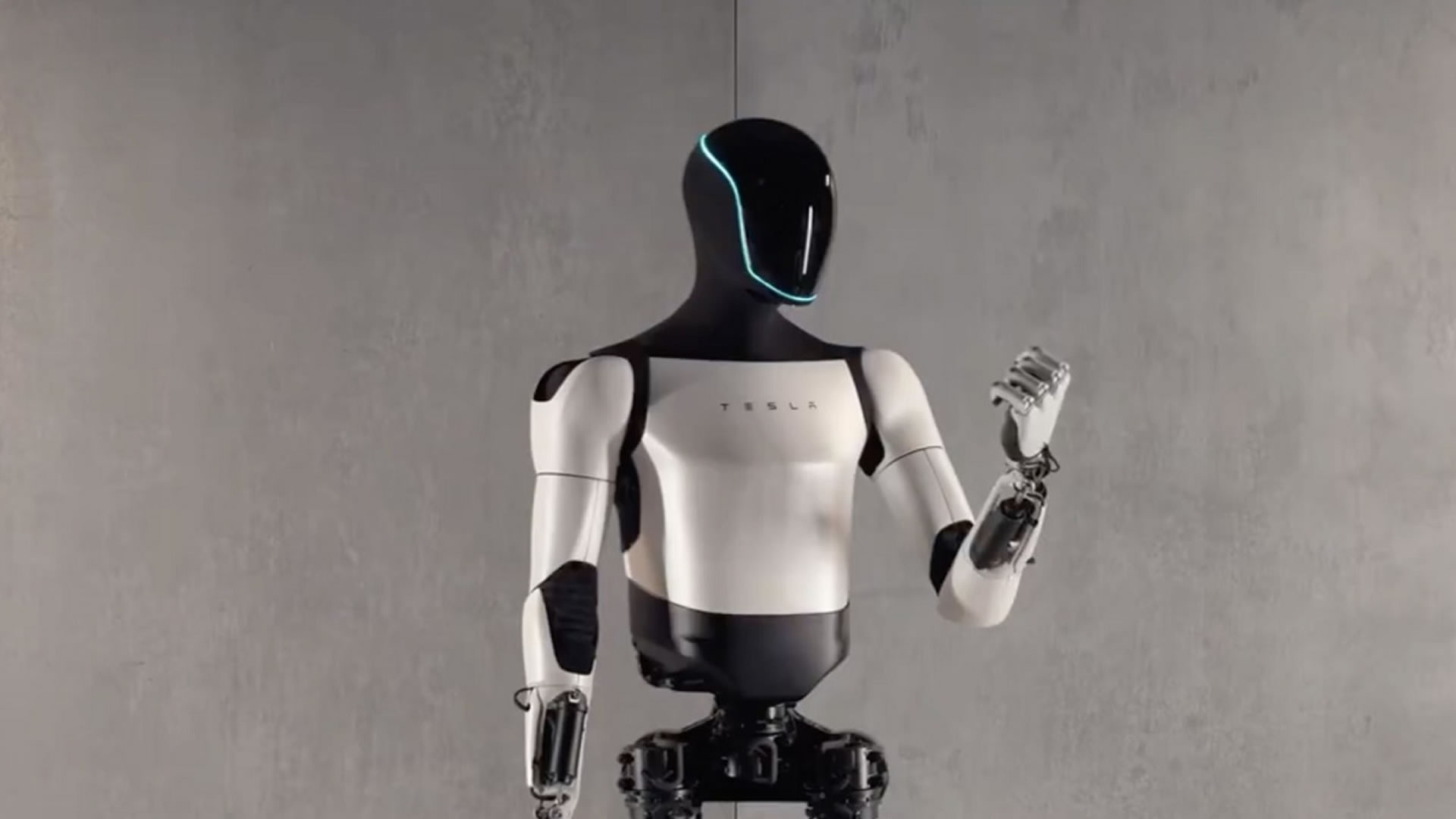
Tesla Aims for 1,000 Weekly Production of Optimus Humanoids Amid Task Challenges
Tesla has announced its capability to produce hundreds of Optimus humanoid robots, marking a tenfold increase from Q2 2026 levels. If production trends continue, the company expects to reach a weekly output of 1,000 units by the end of the year. However, despite this increase in production, Tesla has acknowledged that the Optimus robots still struggle with performing generalized tasks effectively. The significance of this development lies in the fact that while production volume is increasing, the robots' ability to handle diverse tasks remains limited. Tesla's Optimus robots require extensive training to adapt to new tasks, which hampers their utility in industrial applications. The company aims for these robots to perform simple commands autonomously, similar to human workers, but current capabilities fall short of this goal. Looking ahead, Tesla is working on creating a library of fundamental behaviors to enhance the AI capabilities of Optimus. The company has gathered over 500,000 hours of training data to improve task performance. However, mechanical challenges, particularly with the complexity of Optimus' hands, continue to pose significant hurdles for the rollout of these humanoid robots. No further timeline was disclosed at the time of publication.
AI and Robotics Innovation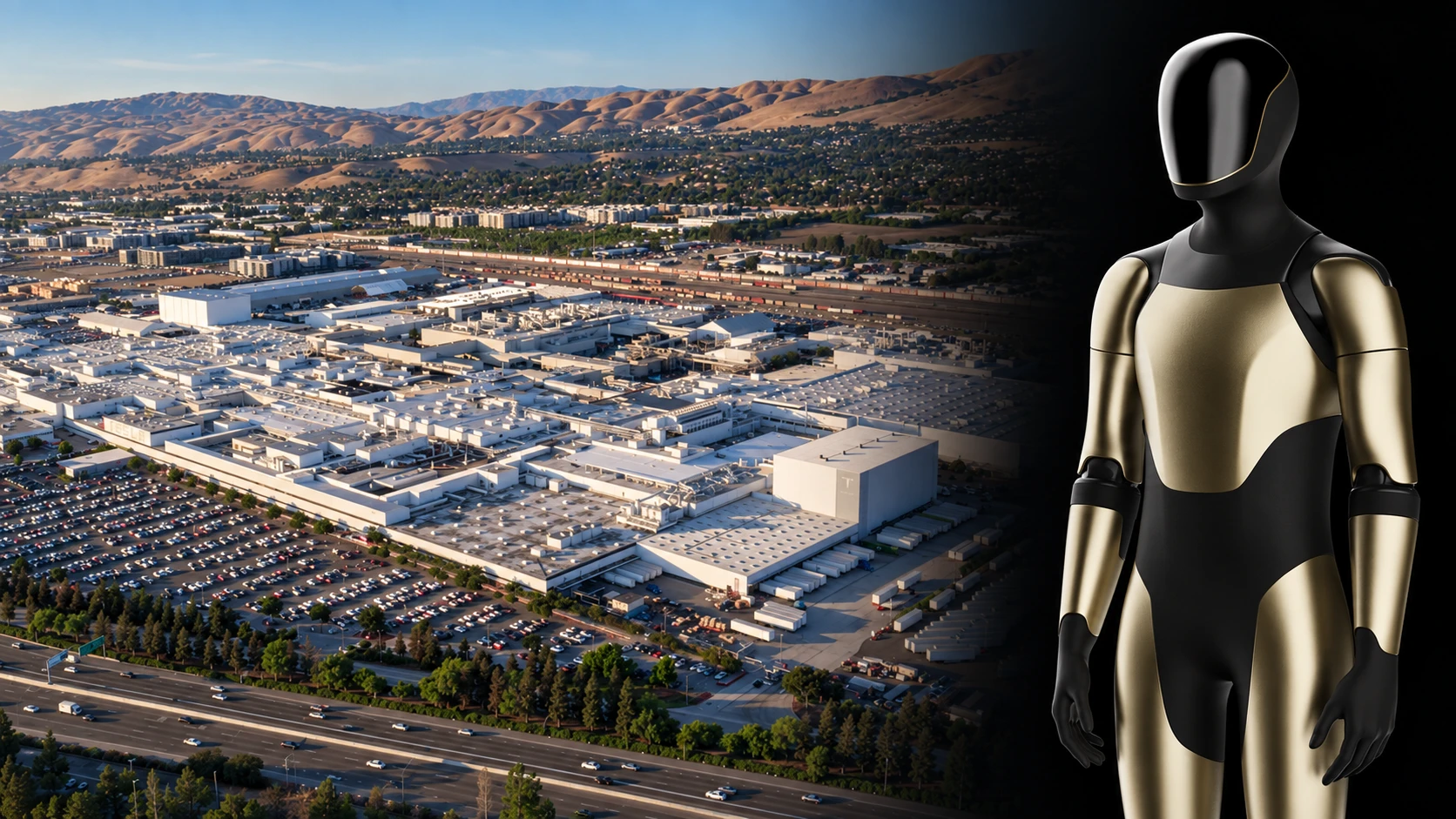
Tesla Increases Weekly Production of Optimus Robots to Hundreds Amid Development Phase
Tesla has ramped up its production of Optimus robots to several hundred units per week at its Fremont facility, according to a report by The Information. This increase marks a significant rise from the few dozen robots produced during earlier small-batch testing in the second quarter. However, these units are still part of a development program and not yet a commercial product. The importance of this production surge lies in Tesla's ambition to establish a continuous automated line capable of producing over 1,000 robots weekly by the end of 2026, with a long-term goal of reaching around 20,000 units per week. Currently, the robots being manufactured are identified as Optimus V3, featuring a lighter design and enhanced camera capabilities, although they are not the final version intended for commercialization. Looking ahead, Tesla's initial strategy involves leasing these robots to select companies with factory or warehouse environments similar to its own. This leasing model would allow Tesla to maintain and upgrade the robots while gathering valuable data for further development. No confirmed delivery schedule or signed leases have been disclosed at this time.
Tesla US Optimus gen 3 Supply Chain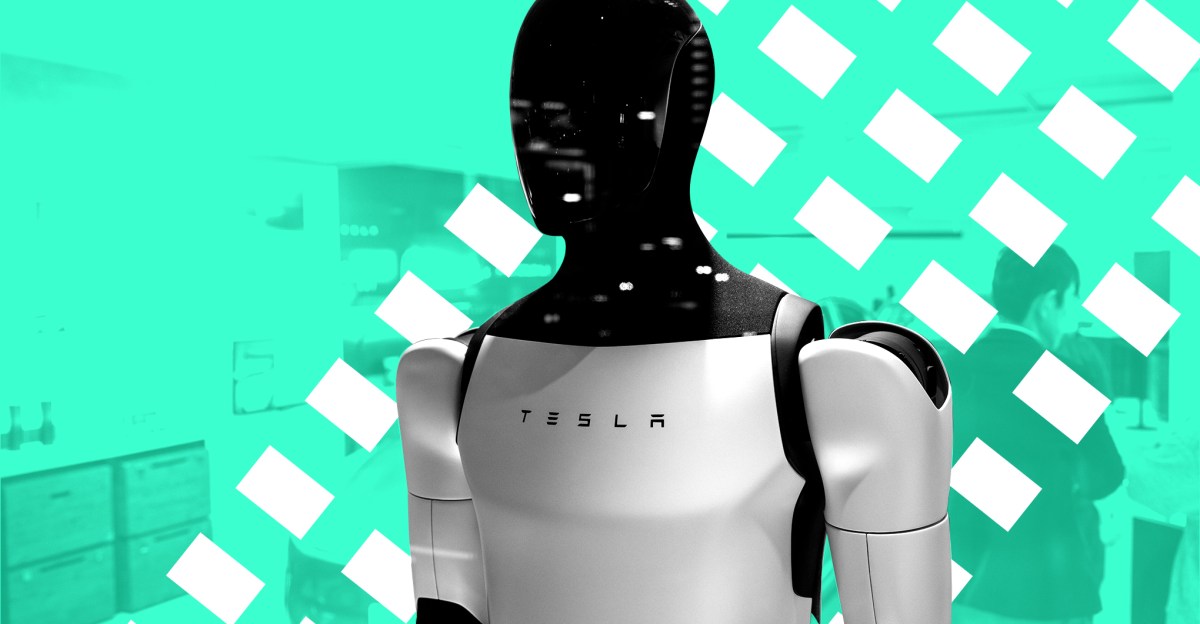
Tesla's Optimus Robot Faces Manufacturing Challenges in Production Goals
Tesla's humanoid robot, Optimus, is reportedly struggling with production challenges, requiring human assembly for its hands. The company aims to produce 20,000 units weekly but has only managed several hundred per week due to manufacturing snags, particularly in aligning smaller parts precisely. This situation is significant as it highlights the complexities involved in transitioning automotive production lines to robotics manufacturing. The Optimus robots, while lighter and equipped with more cameras, still rely on manual labor for assembly, indicating that Tesla has yet to overcome key hurdles in automation. Looking ahead, Tesla plans to lease the Optimus robots initially and gather training data to enhance their capabilities. However, the current reliance on human assembly and the slow production rate may hinder their broader deployment. No further timeline was disclosed at the time of publication.
Electric Cars News Robot Tech Tesla Transportation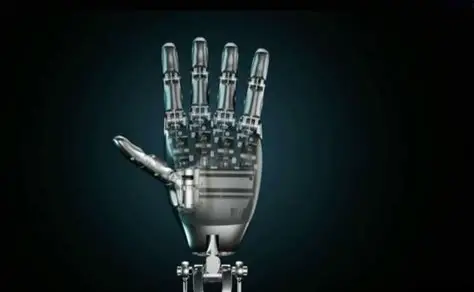
Tesla App Reveals Details of Optimus Gen 3 Robot with Streamlined Design Features
Tesla has recently been quiet about its humanoid robot project, but its mobile app may have inadvertently leaked information. New digital assets discovered within the Tesla App appear to showcase the unmasked production version of the Optimus Gen 3 robot. Tesla enthusiast @WholeMars found these renderings in the updated Tesla Android App, which are official UI models designed to display the Tesla robot on mobile devices. The extracted renderings provide a direct comparison between the upcoming Gen 3 and the previous Gen 2.5 prototype. Notably, the Gen 3 features a more streamlined design, with redesigned pelvis and hip components, and a flexible joint cover to protect vulnerable areas. The knee and lower leg panels have transitioned from a shiny gold finish to a matte black shell, creating a more cohesive black and champagne gold color scheme. Additionally, the Gen 3's hands have been significantly upgraded, boasting 22 degrees of freedom, closely mimicking human hand capabilities. Optimus Gen 3 is positioned as a version specifically designed for large-scale factory production. The emphasis on simplified manufacturing processes and the product's aesthetic is evident from the detailed design revealed. Tesla previously postponed the public unveiling of Optimus Gen 3, with Elon Musk indicating that final adjustments were needed. Behind the scenes, production preparations are advancing rapidly, with plans to modify the Fremont factory for assembly, aiming for an annual production capacity of 1 million units, and potentially scaling up to 10 million units at the Texas Gigafactory.
Humanoid Robots Robotics AI Manufacturing Technology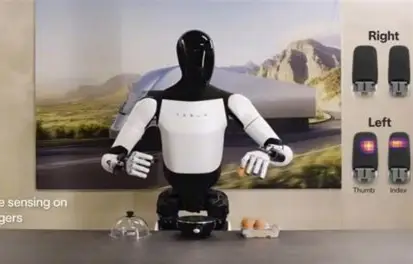
Tesla Initiates Procurement of Chinese Components for US-Manufactured Humanoid Robots
Tesla has started sourcing components from China for its humanoid robots produced in the United States. This move is expected to enhance production capacity at Tesla's Fremont factory in California, leveraging China's status as the largest producer of humanoid robot parts. The procurement process began in mid-September when Tesla's robotics team conducted factory audits of three automotive parts suppliers in Ningbo: Joyson Electronics, Top Group, and Sanhua Automotive. These suppliers have already received orders for components such as joint modules, actuators, and precision structural parts, indicating a pre-existing collaboration with Tesla in the automotive sector. Looking ahead, Tesla's strategy of ordering components before auditing production lines highlights its confidence in these suppliers' capabilities. The ongoing partnership with these established companies reflects China's growing influence in the global robotics industry, particularly as Tesla shifts focus to humanoid robot production at its California facility.
Humanoid Robots Supply Chain Automotive Components Robotics Manufacturing
The Missing Price: What Non-Disclosure Reveals About the Humanoid Market
Of 131 announced robot models, 33 publish no price. US makers withhold at twice the rate of Chinese ones — and the reason is stage, not strategy.
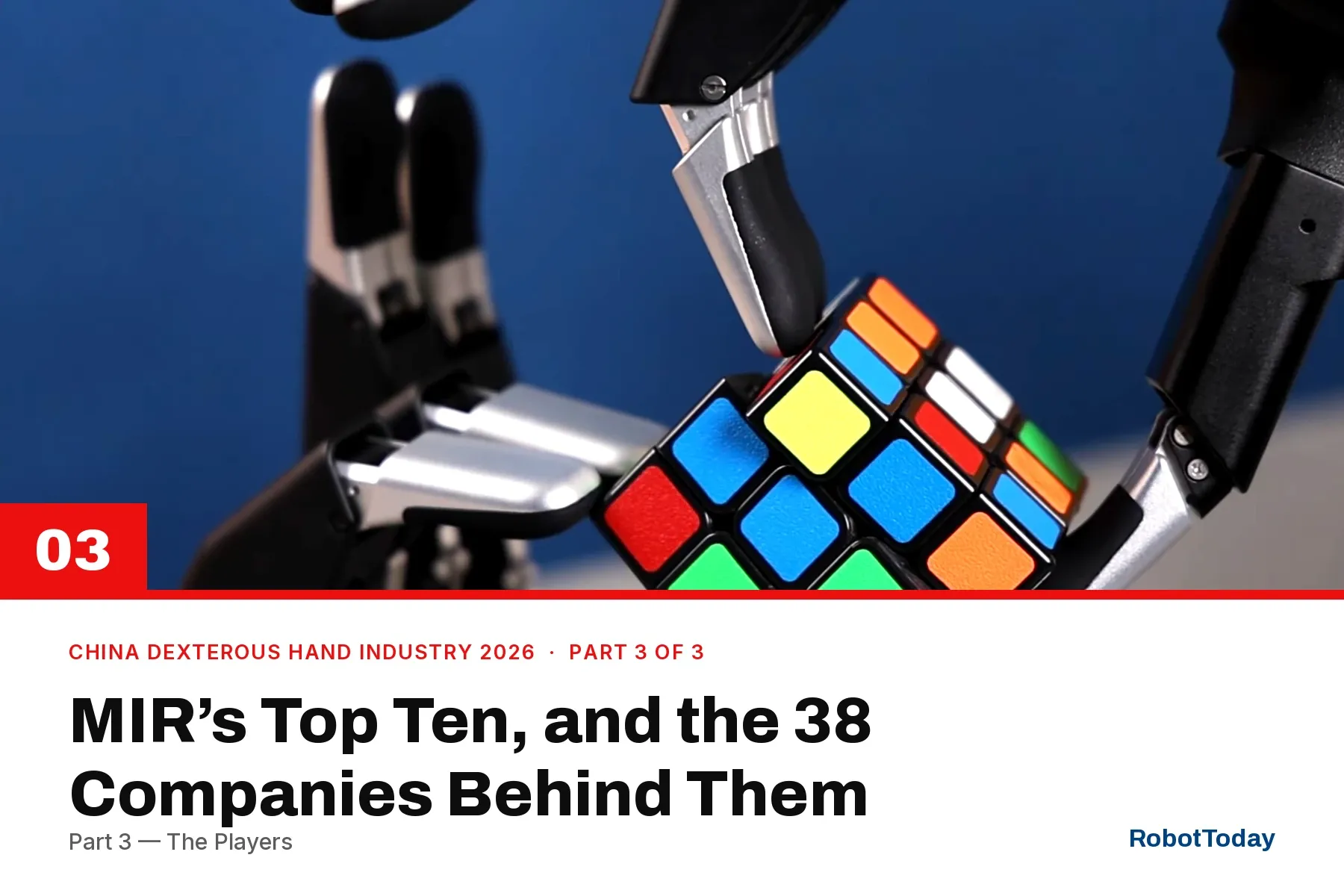
China’s Dexterous Hand Industry, 2026 Part 3 — The Players
Five vendor archetypes, MIR’s composite top ten, eight company profiles and six field deployments — every firm linked to the RobotToday supplier directory.
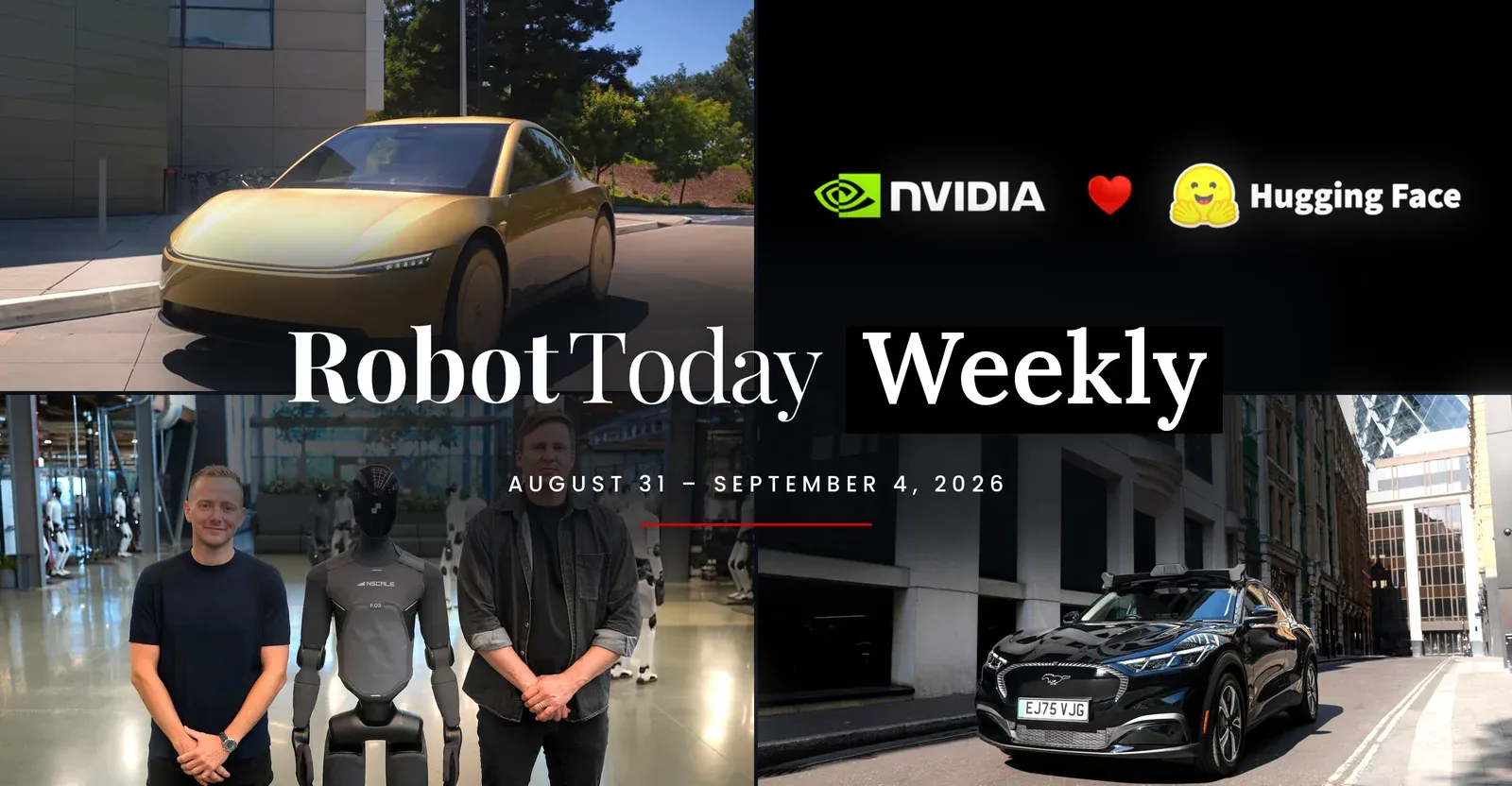
RobotToday Weekly Briefing August 31 – September 4, 2026
This week in robotics: NVIDIA agrees to buy Hugging Face for $12.93 billion, Figure signs a $3.5 billion compute deal with Nscale for up to 100,000 GPUs, Tesla launches steering-wheel-free Cybercabs in Austin under NHTSA scrutiny, and Uber and Wayve bring the UK its first autonomous rides. August 31 – September 4, 2026.
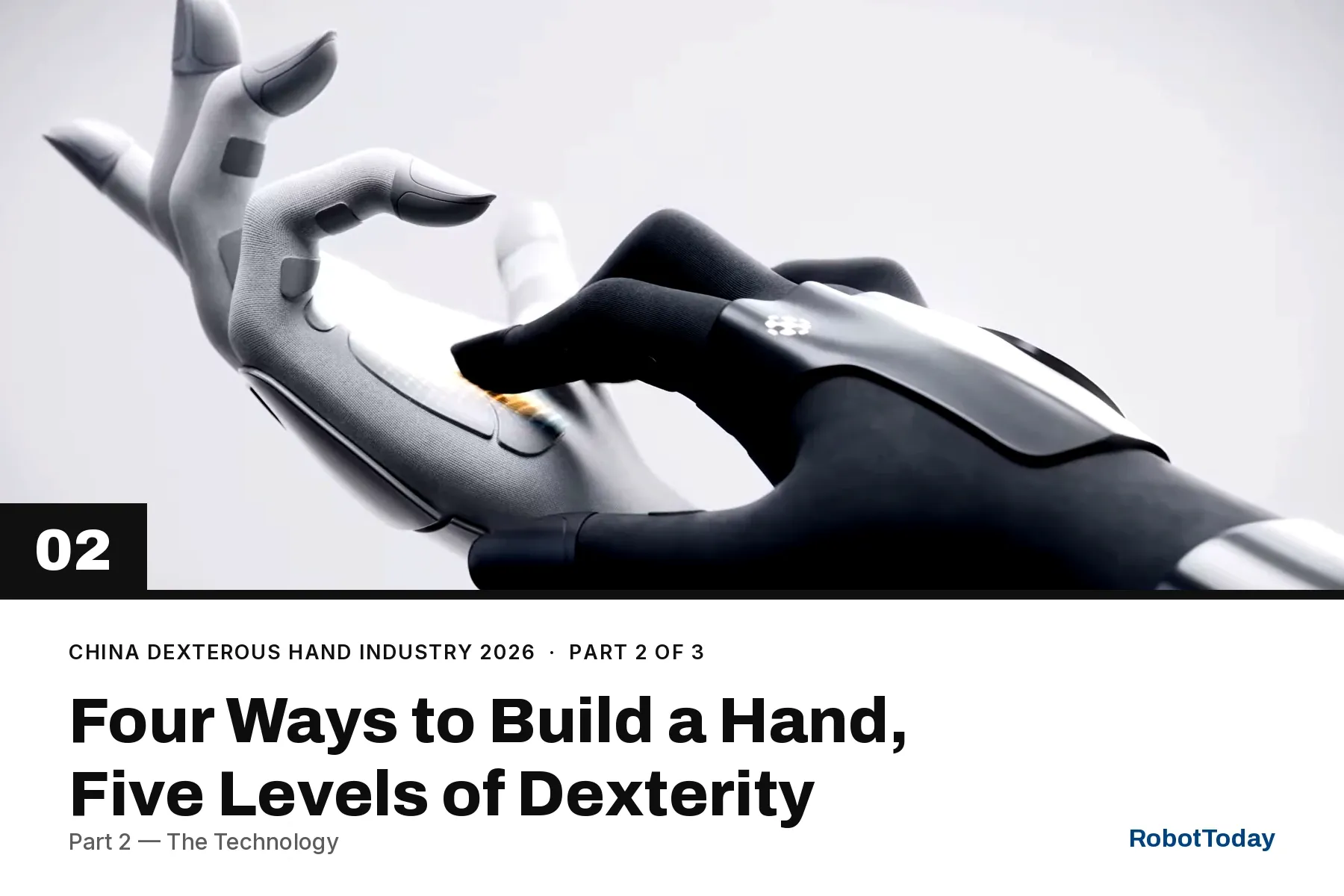
China’s Dexterous Hand Industry, 2026 Part 2 — The Technology
Linkage, tendon, direct drive or hybrid — and why hardware is converging while the DL1–DL5 manipulation scale decides who wins. Part 2 of 3.

ROBOTTODAY WEEKLY August 17 – 21, 2026
This week in robotics: Unitree surges 629% in its Shanghai STAR Market debut at a $66 billion valuation, Nevada approves 7,000 robotaxis, Amazon Prime Air expands to nearly 500 US cities, and Beijing's World Robot Conference marks the industry's pivot from spectacle to scale. August 17–21, 2026.
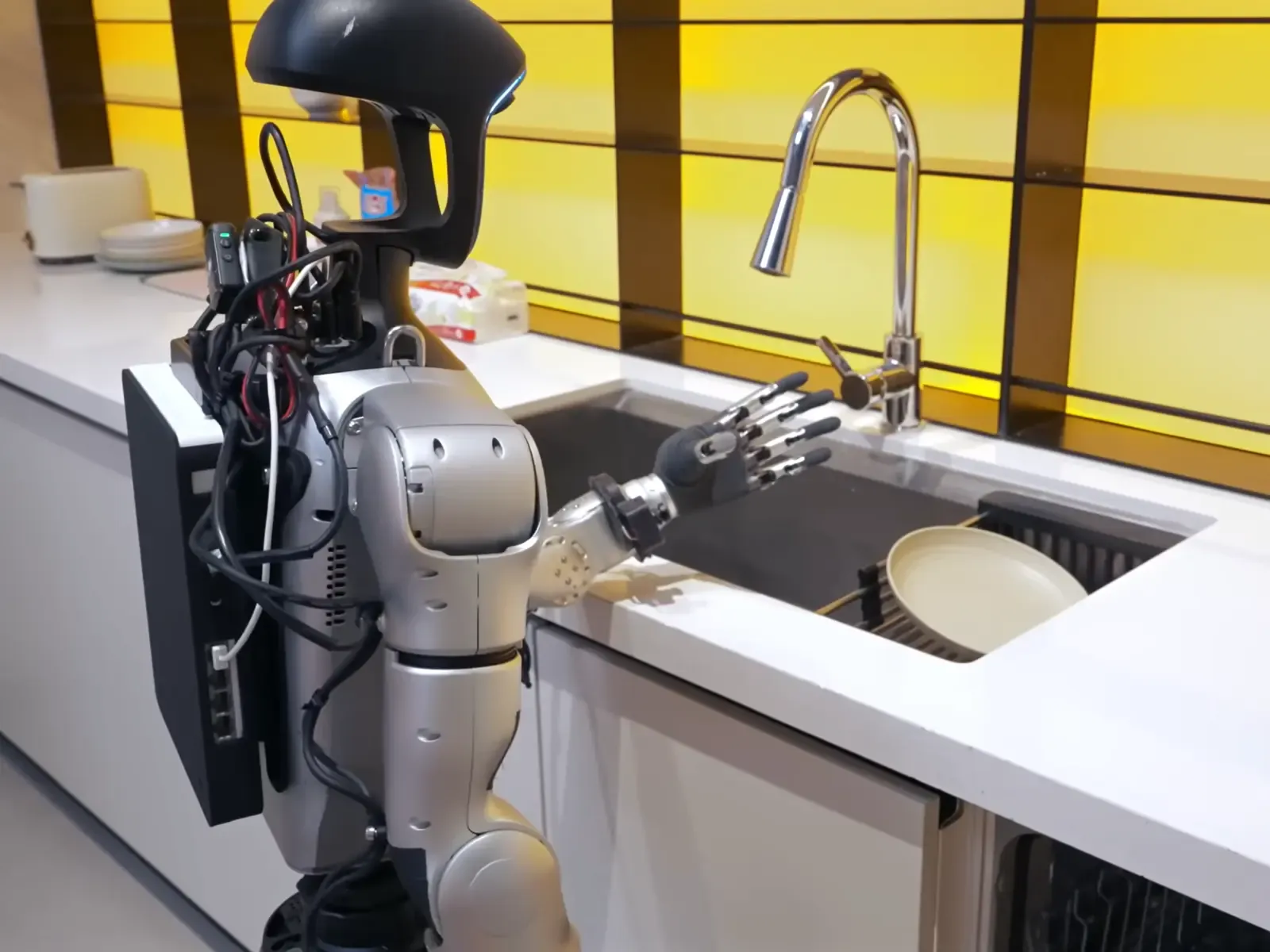
FCC Robot Ban Takes Effect, Unitree Launches $620M IPO
The FCC's Covered List robot ban and a House-passed NDAA provision land within days of each other, while Unitree launches its $620M STAR Market IPO. A supply-chain and market-access update.
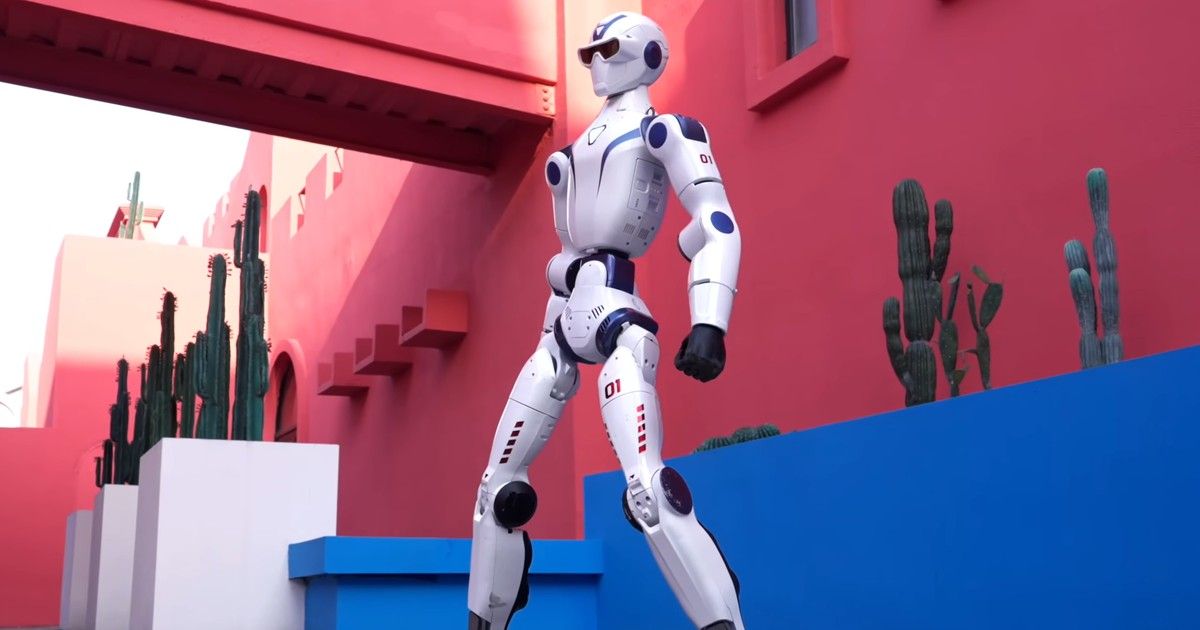
US Restrictions on Chinese Humanoid Robots: The Full Map
Every US restriction on Chinese humanoid robots — NDAA Sec. 163, GUARD Act, the 1260H list — plus the supply-chain math and a 4-tier map of decoupling.

ROBOTTODAY Weekly July 6 – 10, 2026
This week in robotics: AI² Robotics raises $735M for wheeled humanoids, Unitree G1 performs first live surgery, Dexmal launches DexOS platform, Agility Robotics announces SPAC, and Ondas acquires DZYNE for $875.8M. July 6–10, 2026.

Physical AI Landscape: From Digital Intelligence to the Embodied Physical World
A comprehensive industry analysis of Physical AI — covering Embodied AI, Field AI, Factory AI, VLM, World Model, VLA, and the VLA vs WAM architecture debate. Includes 20+ companies, 28 references, and the RobotToday Physical AI Landscape diagram. July 2026.

