Industry Briefing
A single destination for timely, editor-curated robotics news from around the world.
NVIDIA Collaborates with Australian Partners to Enhance AI Infrastructure Capacity
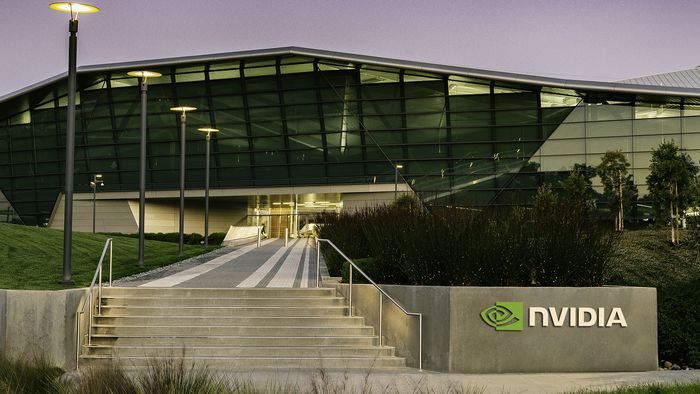
NVIDIA has announced a collaboration with a network of Australian NVIDIA Cloud Partners (NCPs) and AI infrastructure partners to expand land, power, and shell capacity for hosting NVIDIA DSX™ AI factories. This initiative aims to meet the increasing demand for AI compute in Australia, with a projected buildout of up to 2 gigawatts by 2027. The expansion is significant as it supports local innovators in developing AI models and applications, leveraging NVIDIA's full-stack DSX platform. This platform enhances productivity and durability, making AI factories a new asset class. The collaboration with Australian partners like Firmus and Sharon AI is expected to strengthen the local ecosystem and provide access to high-performance computing resources. Looking ahead, the initiative will enable Australian startups, researchers, and enterprises to harness world-class computing capabilities. No further timeline was disclosed at the time of publication.

AWS and NVIDIA Expand Collaboration with 2 Million Additional GPUs for AI Infrastructure
Amazon Web Services (AWS) and NVIDIA have announced a significant expansion of their partnership to address the increasing global demand for AI infrastructure. The companies plan to deploy an additional 2 million NVIDIA GPUs across AWS’s global infrastructure, enhancing their collaboration in AI factories, CPUs, networking, and robotics. This move aims to support the growing need for AI workloads, enabling customers to scale their operations in areas such as agentic AI and enterprise automation. This expansion is crucial as organizations transition from pilot projects to full-scale production, necessitating broader model choices and faster data processing capabilities. AWS and NVIDIA's joint efforts will provide customers with the confidence that their infrastructure can support innovative AI applications while maintaining security and reliability. The collaboration builds on 16 years of innovation, reflecting the increasing demand from various sectors, including frontier labs and governments. Looking ahead, AWS and NVIDIA's partnership is set to redefine AI compute capacity, with plans to introduce NVIDIA Blackwell Ultra GPUs and enhance networking performance for large-scale AI training. No further timeline was disclosed at the time of publication.

Putin Authorizes Temporary Seizure of Unprotected Commercial Infrastructure Amid Drone Threats
In response to escalating Ukrainian drone attacks, President Vladimir Putin has authorized the temporary seizure of commercial infrastructure deemed critical and inadequately protected. This decree aims to address the vulnerabilities exposed by recent strikes on Russian oil refineries and e-commerce centers, which have intensified economic pressures on the country. The significance of this action lies in the Russian government's acknowledgment of the threat posed by Ukrainian drones, prompting a shift in responsibility for infrastructure protection. The decree indicates that facilities failing to implement necessary repairs or defenses after attacks may be taken over by the state, reflecting a growing urgency to safeguard vital economic assets. Looking ahead, the effectiveness of this decree remains uncertain, particularly given the existing shortages in Russia's air defense systems. The flourishing civilian counter-drone industry may provide some solutions, but the specific requirements for infrastructure protection have yet to be detailed. No further timeline was disclosed at the time of publication.
News & Features Around The Globe Europe Russia Ukraine
NVIDIA Transitions to Infrastructure Builder for Physical AI with Comprehensive Solutions
NVIDIA is accelerating its transformation from an 'AI chip manufacturer' to an 'infrastructure builder for the physical AI era.' The company's strategy focuses on creating a full-stack 'operating system' for physical world agents, including robots, autonomous vehicles, and smart factories, encompassing simulation, training, and deployment. This strategic shift is driven by NVIDIA's assessment of market potential, with CEO Jensen Huang stating that 'physical AI is the next wave of growth.' The market for physical AI is estimated internally by NVIDIA to reach $100 trillion, significantly surpassing the current $2 trillion IT industry. The global labor shortage, projected to reach tens of millions by the end of the century, positions robots and AI agents as crucial solutions to fill this gap. NVIDIA aims to replicate its successful ecosystem-building approach from the PC and server era through its platforms. Key offerings include the Omniverse platform for high-fidelity virtual environments, the Cosmos series for foundational models, and the Isaac platform for comprehensive robot development tools. A strategic partnership with LG Group aims to develop humanoid robot technology, with plans to generate 100,000 hours of training data by the end of 2026.
AI Infrastructure Robotics Autonomous Vehicles Simulation Technology
NVIDIA Forms Partnerships to Mobilize Over $500 Billion for AI Compute Infrastructure Financing
NVIDIA has announced strategic partnerships with Apollo, BlackRock, Blackstone, Brookfield, Goldman Sachs, and KKR to create independent compute financing platforms. These platforms aim to mobilize over $500 billion in third-party capital to support the development of AI infrastructure, addressing the increasing demand from governments, enterprises, and startups. The significance of this initiative lies in its potential to transform AI infrastructure into a viable investment asset. NVIDIA's compute technology is designed to be flexible, widely adopted, and continuously improved, making it an attractive option for investors. The partnerships will enable the establishment of dedicated capital pools to facilitate the growth of AI factories across various industries. Looking ahead, the collaboration between NVIDIA and these financial institutions is expected to play a crucial role in the AI buildout, which requires substantial investment and skilled labor. No further timeline was disclosed at the time of publication.

LG Group and Nvidia CEOs to Meet for AI Infrastructure and Robotics Collaboration
LG Group Chairman Koo Kwang-mo is set to meet Nvidia CEO Jensen Huang in Silicon Valley next week to enhance their collaboration in artificial intelligence infrastructure and robotics. This meeting follows their previous discussion in Seoul in early June, where they outlined plans for partnerships in humanoid robots and next-generation data centers. The significance of this meeting lies in the potential for substantial investments and advancements in technology development between the two companies. During their June meeting, Huang emphasized the importance of this partnership, which aims to leverage Nvidia's expertise in AI and LG's capabilities in robotics to create innovative solutions for the market. As both companies prepare for this crucial discussion, stakeholders will be watching closely for updates on investment sizes and timelines for technology development. No further timeline was disclosed at the time of publication.
All News
NAVER, NVIDIA, and Brookfield Plan Major Expansion of Korea's AI Factory Infrastructure
NAVER, NVIDIA, and Brookfield have announced a significant expansion of Korea's AI factory infrastructure, aiming to increase the NVIDIA DSX AI factory deployment to 200 megawatts, more than tripling the previously announced 55 megawatts. This expansion, revealed during President Jae Myung Lee's AI Summit visit to San Francisco, underscores Korea's commitment to enhancing its national AI capabilities. The collaboration will see NAVER expand its NVIDIA AI infrastructure deployment to 1 gigawatt, with NVIDIA investing $1 billion and Brookfield potentially funding up to $9 billion. This initiative aims to provide AI innovators in Korea and the U.S. with access to advanced production-scale AI compute resources, fostering a robust AI ecosystem and enhancing South Korea's competitiveness in the global AI landscape. Looking ahead, the 200-megawatt AI factory will utilize advanced NVIDIA platforms, including Vera Rubin and Blackwell, to support the development of competitive AI models. No further timeline was disclosed at the time of publication.
NVIDIA and Noetra Corp. Launch Japan's First National AI Infrastructure for Physical AI
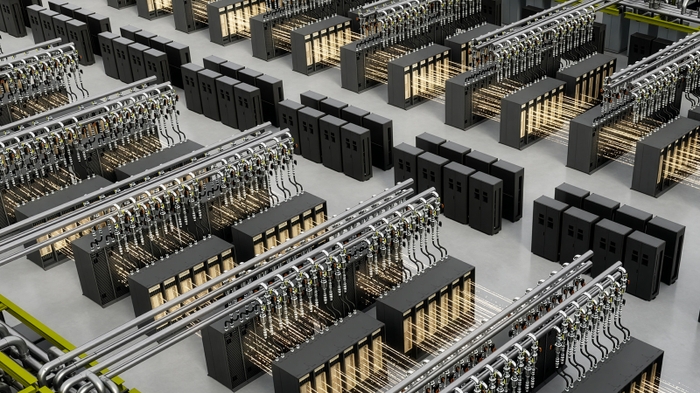
NVIDIA has partnered with Noetra Corp. to establish the NVIDIA Vera Rubin AI factory, featuring 13,750 NVIDIA Vera CPUs and 27,500 NVIDIA Rubin GPUs. This initiative, supported by Japan’s AI and industrial leaders, represents the world’s first national AI infrastructure dedicated to physical AI, enhancing the country’s capabilities across various sectors including manufacturing and healthcare. The establishment of this AI factory is significant as it aims to strengthen Japan's AI ecosystem and support the FRONTia Project, which focuses on developing multimodal foundation models for AI robotics and physical AI. The collaboration is expected to leverage Japan's manufacturing expertise and real-world industrial data to create reliable AI models that can address global social challenges. Looking ahead, the AI factory is designed to support the training of trillion-parameter-scale AI models, positioning Japan to capture over 30% of the global AI robotics market by 2040. As the factory expands, it will provide organizations with access to advanced AI environments, paving the way for innovations in intelligent manufacturing and robotics.
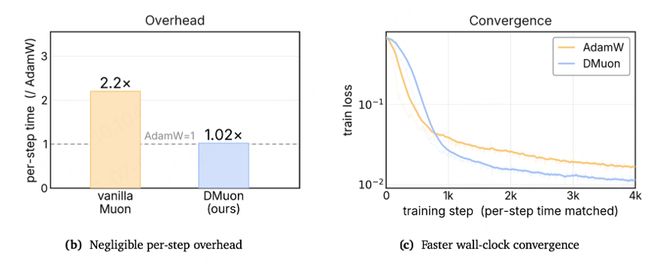
Variable Launches DMuon Optimizer to Improve Distributed Muon Model Infrastructure Efficiency by 30%
Variable Robotics has introduced the DMuon optimizer, enhancing the distributed Muon model infrastructure's efficiency by approximately 30%. This new optimizer addresses the additional computational and communication costs associated with using Muon in distributed training, which previously resulted in an end-to-end step time 2.2 times longer than AdamW. The significance of DMuon lies in its ability to maintain the faster convergence benefits of the Muon optimizer while reducing the end-to-end step time to just 1.02 times that of AdamW. This improvement is achieved through fine-grained communication optimization, computation-aware load balancing, and a high-performance kernel system, making DMuon a viable option for embodied model training without requiring changes to parameter update rules or training frameworks. Looking ahead, DMuon is expected to become a new default choice for embodied model training, as it effectively mitigates the redundant computations and communication overhead that previously hindered Muon's performance in distributed environments. No further timeline was disclosed at the time of publication.
Neural Network Optimization Distributed Training Machine Learning Infrastructure AI Models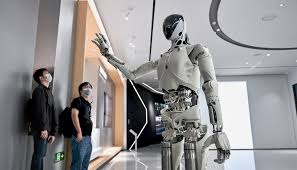
Terra Drone Partners with DEFTECH to Enhance Malaysia's Defense and Develop C-UAS Solutions
On August 31, 2026, Terra Drone Corporation announced a strategic collaboration with DRB-HICOM Defence Technologies (DEFTECH) to bolster defense capabilities in Malaysia. This partnership aims to provide ISR drones for maritime, coastal, and border surveillance, alongside counter-UAS solutions and integrated systems for the Malaysian Armed Forces. The significance of this collaboration lies in Terra Drone's strategic positioning within the ASEAN defense market, following its entry into the defense sector in March 2026. The partnership not only enhances Malaysia's defense infrastructure but also establishes the country as Terra Drone's regional hub, with plans for expansion into Thailand, the Philippines, and Indonesia, supported by Japan's Official Security Assistance program. Additionally, Terra Drone has initiated the development of a counter-unmanned aircraft system targeting civilian critical infrastructure, including oil and gas facilities and airports. This system aims to enhance operational safety and integrate with existing security measures, reflecting the growing need for advanced drone defense solutions in light of recent incidents in Europe. No further timeline was disclosed at the time of publication.
Drone News Drone News Feeds News aerospace news 2026 airport C-UAS ASEAN defense market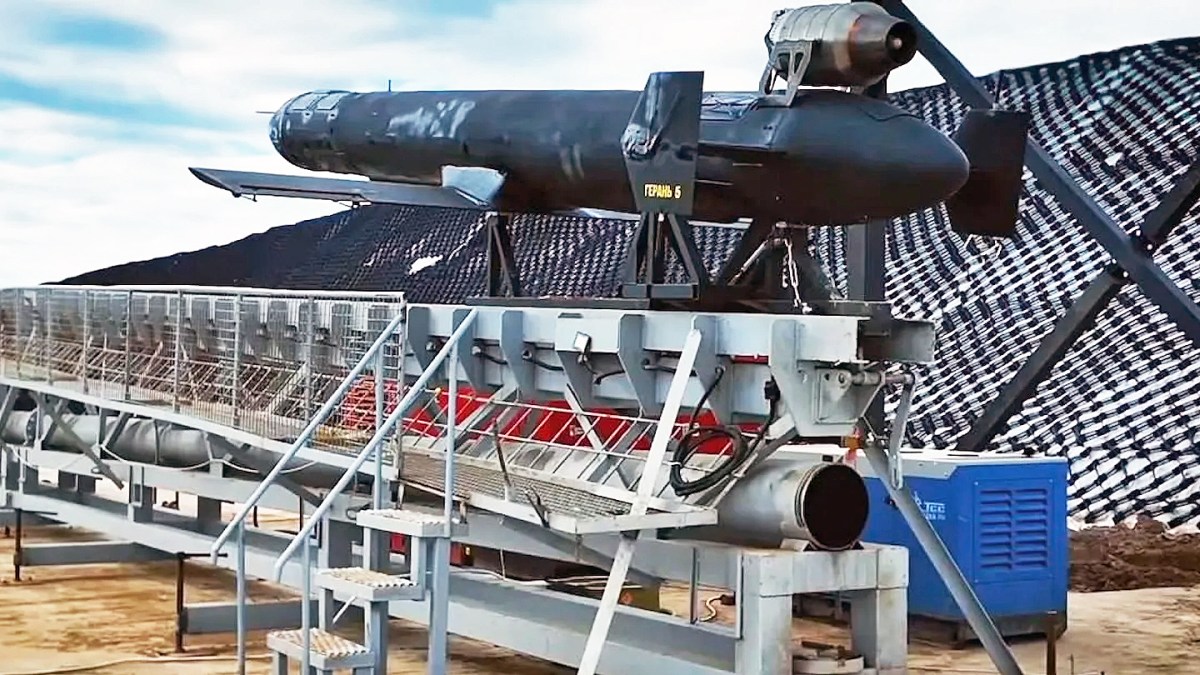
Russia Expands Infrastructure for Long-Range Strike Drones Near Ukraine and NATO
Russia is enhancing its long-range strike drone capabilities by constructing new launch infrastructure, including extended rails for larger Geran variants. This development indicates an increase in Russia's ability to deploy drones from various locations, posing a potential threat to NATO territories. The expansion includes at least 10 bases with 59 launch rails, some already utilized in attacks on Ukraine. The significance of this expansion lies in its implications for regional security, as the new launch sites increase the range of Russian drones, potentially allowing them to target NATO countries. The construction of these facilities, some converted from military bases and civilian airfields, demonstrates Russia's commitment to enhancing its military capabilities amid ongoing tensions in the region. Looking ahead, the focus will be on the operational deployment of these drones and their impact on the conflict in Ukraine and NATO's response. No further timeline was disclosed at the time of publication.
News & Features Around The Globe Drones Europe NATO Russia
NVIDIA Partners with Major Firms to Mobilize $500 Billion for AI Infrastructure
NVIDIA has announced partnerships with major financial firms including Apollo, BlackRock, and Goldman Sachs to create independent financing platforms aimed at mobilizing over $500 billion in third-party capital for AI infrastructure development. This marks a significant shift in the AI industry, transitioning from individual chip purchases to financing AI factories as productive infrastructure. The establishment of these financing platforms is crucial as AI moves from research to production, creating tangible value and transforming compute into a revenue-generating asset. NVIDIA's AI factory platform encompasses accelerated computing, networking, and a global developer ecosystem, allowing it to support a wide range of AI models and applications across various sectors. Looking ahead, the demand for AI infrastructure is expected to grow, but access to capital remains inconsistent. NVIDIA's AI factories, which improve over time through software innovations like CUDA, are positioned as a viable investment asset class, capable of generating revenue and adapting to changing customer needs. No further timeline was disclosed at the time of publication.

SwissDrones Expands Long-Range Drone Inspection Platform for US Critical Infrastructure
SwissDrones Operating AG and its subsidiary Xplorate Pacific announced on August 7 their expansion of a long-range drone inspection platform into the United States. This initiative aims to support energy, utility, and transportation operators in managing critical infrastructure such as pipelines and powerlines across extensive areas. The significance of this expansion lies in addressing the limitations of small drones, which often lack the necessary range and payload capacity for inspecting long-linear assets. The integrated platform combines SwissDrones’ turbine-powered uncrewed helicopters with Xplorate’s expertise in beyond-visual-line-of-sight (BVLOS) operations, enhancing operational capabilities for industrial customers. Looking ahead, the companies plan to introduce US programs under Federal Aviation Administration approvals as regulations evolve toward more routine BVLOS operations. No further timeline was disclosed at the time of publication.
Innovation
Firebird Unveils Largest AI Factory in CIS Region, Boosting Armenia's AI Infrastructure
Firebird has launched the largest AI factory in the CIS region in Armenia, marking a significant milestone in AI infrastructure development. This facility, powered by NVIDIA and Dell Technologies, aims to provide the necessary computing capacity for training and deploying AI models tailored to local needs. The establishment of this AI factory is crucial as it enables Armenia to develop and run AI solutions that cater to its unique languages and industries. With plans to deploy over 70,000 NVIDIA GPUs and 300 megawatts of AI infrastructure by 2027, Firebird is positioning Armenia as a key player in AI research and innovation. Looking ahead, Firebird's ambitions extend beyond Armenia, with a roadmap for a 2-gigawatt AI infrastructure across multiple markets. The rapid deployment of this facility, supported by Schneider Electric and Vertiv, showcases Firebird's capability to deliver advanced AI computing solutions efficiently. No further timeline was disclosed at the time of publication.

Atoms and Joby Aviation Partner to Develop Air Taxi Infrastructure in Four States
Atoms, an industrial AI and infrastructure company, has partnered with Joby Aviation to acquire and develop vertiports across the United States. The initial focus will be on Florida, New York, Texas, and California as Joby prepares for early electric air taxi operations. This strategic partnership aims to create multimodal hubs that facilitate aircraft landings, recharging, servicing, and passenger connections to ground transportation. The collaboration is significant as it addresses the infrastructure challenges facing electric aviation, which is crucial for the successful launch of commercial services. Joby has already flown its first FAA-conforming aircraft and is nearing the final stage of type certification. The development of these vertiports will support Joby's early operations in the targeted states, enhancing the integration of air taxis with existing transport systems. Looking ahead, the partnership will focus on creating urban infrastructure that combines air taxis, autonomous vehicles, and ridesharing services. Atoms plans to treat vertiports as essential urban hubs rather than mere landing sites. No further timeline was disclosed at the time of publication.
Transportation
Yujian's 'Embodied Ecology' Advances Robotics Beyond Traditional Biomimicry
In the past two years, the robotics industry has reached a consensus that the next phase of robotics is to become increasingly human-like. Companies are focusing on developing robots that can mimic human bodies and movements, aiming for integration into human production and daily life. Yujian's foray into hyper-biomimetic creatures, showcased at CES, includes lifelike models like a walking Chinese dinosaur and a breathing dinosaur hatchling, emphasizing interaction and realism. This shift is significant as it moves beyond traditional biomimicry, which primarily addresses appearance and movement fluidity, to a new paradigm that emphasizes the replication of life behaviors. Yujian aims to redefine hyper-biomimetic organisms as embodied intelligent agents capable of perception, decision-making, and action, rather than mere mechanical constructs. This approach opens up new markets and applications beyond consumer toys, targeting larger intellectual property opportunities. Looking ahead, Yujian's focus on cognitive reenactment raises questions about what qualifies as a hyper-biomimetic organism. Their innovative approach integrates embodied cognition, allowing these creatures to respond dynamically to their environment, thus creating a closed loop of perception, understanding, decision-making, and action. No further timeline was disclosed at the time of publication.
Bio-inspired Robotics Embodied Cognition Consumer Robotics Educational Technology
Lu Siyuan Leaves Xiaopeng Motors to Join OpenAI Robotics as AI Infrastructure Head
Lu Siyuan, head of AI Infrastructure at Xiaopeng Motors, is transitioning to OpenAI Robotics, as confirmed by sources close to the matter. His departure is significant, given Xiaopeng's focus on self-developed chips and AI technology, which are crucial for the company's transformation into 'physical AI'. Lu's expertise in high-performance computing and large-scale data processing has been pivotal in Xiaopeng's AI initiatives. This move highlights the competitive landscape in the AI and robotics sectors, where top talent is increasingly sought after by leading companies. Lu's role involved overseeing a team of around 200, responsible for critical components such as model training frameworks and GPU cluster scheduling. His departure raises concerns about Xiaopeng's ability to maintain its technological edge, especially in the development of its proprietary Turing chips. Looking ahead, the implications of Lu's transition to OpenAI Robotics could reshape both companies' trajectories. OpenAI is building a comprehensive framework for robotics that emphasizes distributed training and real-world data integration. As Xiaopeng restructures its team to mitigate the impact of Lu's exit, the industry will be watching closely to see how both organizations adapt to these changes.
AI Infrastructure Robotics Smart Vehicles Chip Development
SK Group and NVIDIA Forge $500 Billion Partnership for AI Infrastructure and Memory Solutions
SK Group and NVIDIA have announced a comprehensive partnership valued at over $500 billion to develop AI infrastructure in response to rising global compute demands. This collaboration includes plans for AI factory construction and the supply of next-generation AI memory, with the first AI factory expected to launch in 2027. The partnership builds on a longstanding relationship between SK Group and NVIDIA, aiming to enhance AI infrastructure across the Asia-Pacific region, particularly in South Korea. The initiative will leverage NVIDIA's DSX platform and SK hynix's advanced memory technologies to create efficient, large-scale AI services. Looking ahead, the collaboration will not only expand AI infrastructure but also focus on co-developing next-generation AI memory solutions. No further timeline was disclosed at the time of publication.
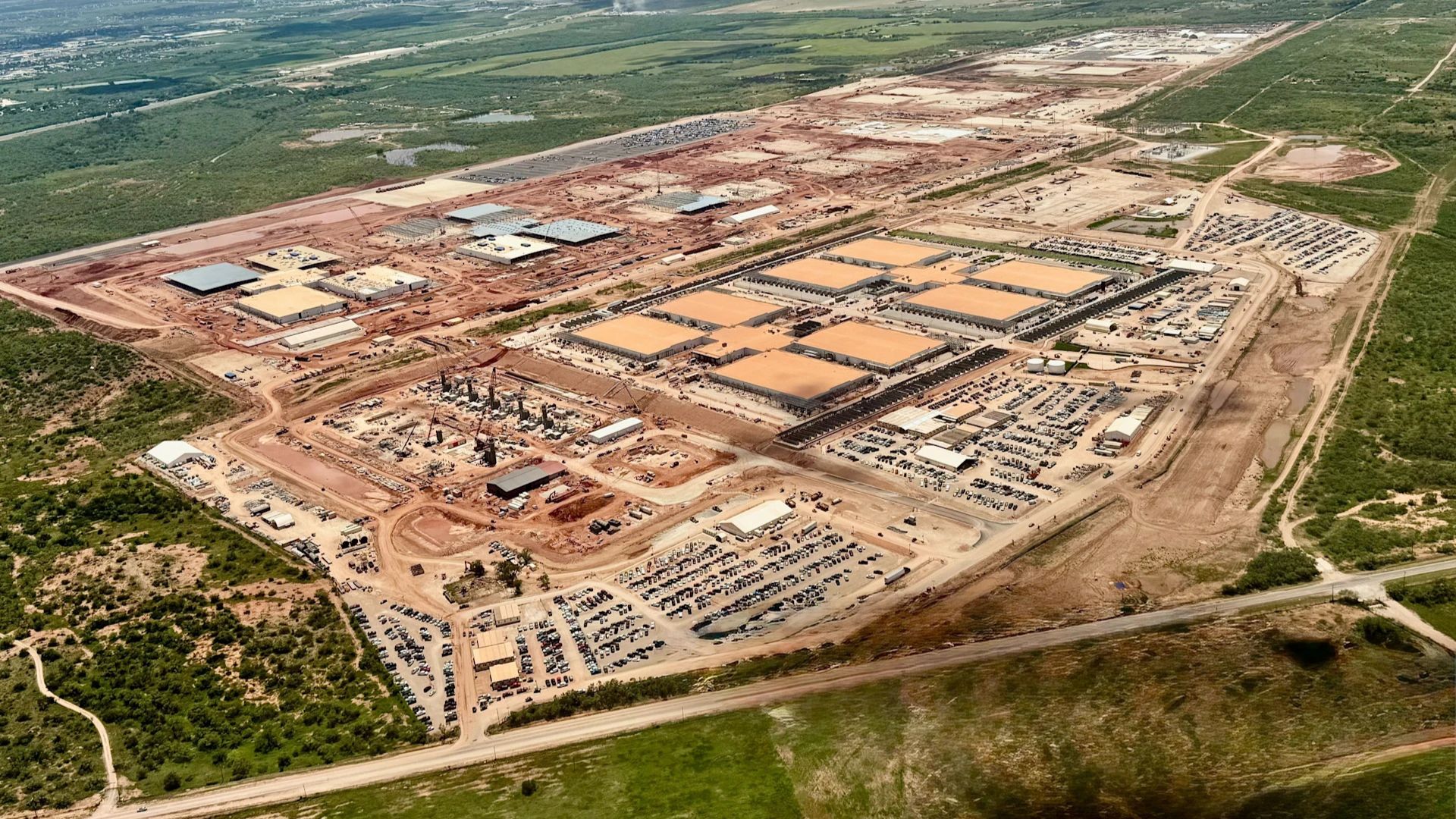
OpenAI Invests Over $30 Billion in 3.2GW Data Center in Georgia
OpenAI is set to invest more than $30 billion in a large data center campus in coastal Georgia, aiming to provide up to 3.2 gigawatts of computing capacity over the next decade. This significant investment positions OpenAI among leading tech companies expanding hyperscale AI infrastructure in the U.S. The project is crucial as it addresses the increasing demand for AI computing resources, with the electricity capacity equivalent to the needs of approximately 2.4 million U.S. homes. OpenAI's CEO, Sam Altman, is expected to discuss next-generation AI models with U.S. lawmakers, highlighting the importance of regulatory frameworks in the evolving AI landscape. Looking ahead, the first several hundred megawatts of power are anticipated to be available by 2028, with construction continuing until 2032. OpenAI's strategic shift in infrastructure planning and its commitment to sustainable practices will be key factors to monitor as the project progresses.
AI and Robotics
Toyota and Nvidia Enhance Collaboration to Advance AI in Vehicles, Manufacturing, and Urban Infrastructure
Toyota and Nvidia have broadened their partnership to develop physical AI technologies that encompass next-generation vehicles, manufacturing, robotics, and urban infrastructure. This collaboration builds on a previous agreement, focusing on advanced driver-assistance systems using Nvidia's DRIVE AGX platform and DriveOS operating system. The significance of this partnership lies in its potential to revolutionize mobility and manufacturing. Rishi Dhall, Nvidia's vice president of automotive, emphasized that physical AI will enhance the intelligence of various machines, making vehicles more autonomous and urban environments safer and more responsive. Toyota aims to implement Level 2++ functionality in its future vehicles while leveraging Nvidia AI models for efficient software engineering. Additionally, Toyota is integrating AI into its manufacturing processes through factory simulations using Nvidia's Omniverse and Isaac Sim frameworks. The partnership also extends to urban mobility technologies via Woven by Toyota, which is developing models to analyze traffic conditions. No further timeline was disclosed at the time of publication.
Computing News advanced driver assistance systems ai automotive AI digital twins
Ardian to invest €5 billion in digital infrastructure in France; Kuaishou creates 189 new jobs, 15 from AI; China allocates
On June 2, 2023, in Beijing, Gaode Map and the Singapore Tourism Board signed a strategic cooperation memorandum, marking the launch of the first collaborative tourism ranking list between a Chinese company and an overseas national tourism board. This initiative will feature the Singapore Street Ranking, utilizing Gaode's advanced aerial street view technology to provide a 360-degree perspective of local attractions, hotels, neighborhoods, and restaurants. The goal is to enhance the travel experience by allowing visitors to assess their destinations before arrival. In a separate development, the Jiangxi National Rare Earth Technology Innovation Center was established with a registered capital of 1.25 billion yuan, focusing on mineral resource exploration and scientific research. Additionally, WeRide and Uber announced plans to introduce Spain's first commercial Robotaxi service in Madrid, expanding WeRide's presence to its twelfth global city. The initiative aims to deploy hundreds of Robotaxis in the city center as operational benchmarks are met. In France, Ardian, a private equity firm, revealed a partnership with Verne to invest up to 5 billion euros in developing a next-generation digital infrastructure park in the Île-de-France region, with a target capacity of 500 megawatts by 2030. Other notable news includes a collaboration between Google and Telstra to build a fiber and submarine cable network in Australia, updates on the recovery timeline for Blue Origin's launch facilities following a recent rocket explosion, and a reduction in fuel surcharges for domestic flights in China starting June 5.

Ethernet Cabling: Essential Infrastructure for Data Management in Manufacturing
The rapid growth of artificial intelligence and digital technology is driving significant infrastructure development to manage increasing data volumes. This trend is particularly evident in manufacturing, where real-time data connectivity enhances operational efficiency and decision-making. As global electricity demand from data centers is projected to double by 2030, the need for reliable Ethernet cabling becomes critical to support advanced edge computing and maintain operational stability. Manufacturers are increasingly recognizing the importance of Ethernet cabling as the backbone of their data management systems. The evolution of Ethernet technology has led to solutions capable of handling higher speeds and greater data volumes, essential for modern industrial environments. With the rise of edge computing, which allows for real-time data processing on the plant floor, the demand for robust Ethernet infrastructure is more pressing than ever. Looking ahead, manufacturers must be proactive in safeguarding their network systems against potential disruptions, such as power surges, which can severely impact performance. As the demand for accelerated servers is expected to rise by 30% annually, ensuring the reliability of Ethernet cabling will be crucial for maintaining seamless operations in data-intensive manufacturing environments. No further timeline was disclosed at the time of publication.
Process / Communication
Microsoft Announces Update to Windows Code Signing Infrastructure Ahead of 2026 Changes
On August 20, 2026, Microsoft announced plans to update its Windows code signing infrastructure due to the expiration of the current certification authority on October 19, 2026. This transition will begin in the coming weeks, with a phased enhancement of code signing expected to continue through 2027, including a shift to post-quantum cryptography standards. This update is significant as it addresses potential compatibility issues that may arise from fixed certificates and cryptographic methods in applications. Microsoft has urged IT departments to verify the reliability of signatures using standard Windows APIs and to avoid relying on specific certification authorities or certificate details. Looking ahead, IT administrators are encouraged to ensure that their software sources utilize standard APIs and have plans for post-quantum cryptography compliance. No further timeline was disclosed at the time of publication.

Microsoft Investigates AI System Breaches Targeting Internal Infrastructure and Security Risks
On August 26, 2026, Microsoft’s Threat Intelligence team released findings on attacks targeting AI-related systems exposed on the internet. They observed three distinct breaches involving an LLM gateway, a RAG infrastructure, and a workflow automation platform, highlighting a structural risk concentrated on the foundational role of these systems. The breaches aimed at stealing authentication credentials, maintaining stealth, and monetizing stolen computing resources through cryptocurrency mining. Microsoft emphasized that these AI infrastructures should be treated with the same vigilance as other critical corporate infrastructures, as they serve as control points for accessing sensitive data and services. To mitigate these risks, Microsoft recommends treating AI gateways as high-security assets, implementing strict authentication measures, and regularly updating systems. The company also suggests monitoring AI infrastructures as control points to detect unusual behaviors that could indicate an attack. No further timeline was disclosed at the time of publication.

Five Essential Metals Driving the Growth of AI Data Center Infrastructure
Artificial intelligence relies heavily on physical infrastructure, particularly data centers that require substantial electrical systems and cooling equipment. A 2026 study indicates that copper is the most critical metal, accounting for 83% of the modeled mineral mass needed for AI data-center infrastructure. Other important metals include gallium, germanium, rare earth elements, and aluminum, each playing a vital role in the AI hardware ecosystem. The significance of these metals extends beyond mere supply; they are integral to the functionality and efficiency of AI systems. For instance, copper's excellent thermal conductivity aids in cooling, while gallium and germanium are essential for semiconductor applications. The concentration of production for these materials, particularly gallium and germanium, raises concerns about supply chain vulnerabilities, which could impact the growth of AI technologies. Looking ahead, the demand for these metals is expected to rise as AI infrastructure expands. The reliance on rare earth elements, particularly from China, poses additional supply risks. As AI processors evolve and generate more heat, the importance of effective thermal management through materials like aluminum will only increase. No further timeline was disclosed at the time of publication.
AI and Robotics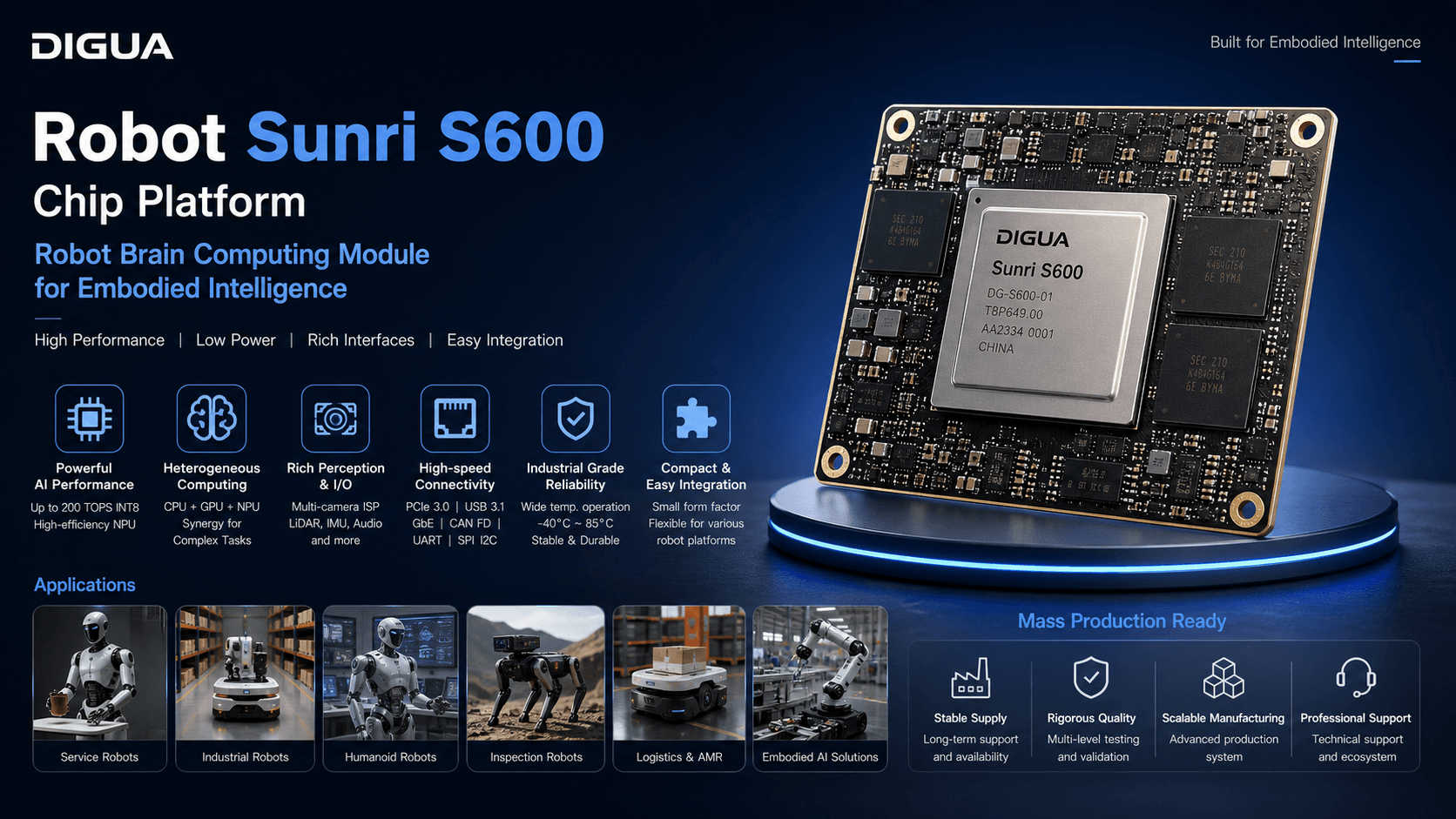
Digua Robot Expands Sunri S600 Production Ecosystem Ahead of 2026 Milestones
Digua Robot, an affiliate of Horizon Robotics, has announced significant milestones for its Sunri S600 platform. As 2026 approaches, the company is positioning itself for mass production in embodied intelligence, aiming to tackle the three critical challenges of deploying models on robots. This development is crucial as it signifies a shift towards the industrialization of embodied intelligence, which is expected to enhance operational efficiencies and broaden the application of robotics across various sectors. The focus on overcoming deployment challenges indicates a strategic move to ensure the successful integration of advanced robotic systems into real-world environments. Looking ahead, stakeholders should monitor the progress of the Sunri S600 platform and its impact on the robotics landscape as 2026 approaches. The emphasis on addressing deployment issues will be key to the platform's success and the broader acceptance of embodied intelligence in industrial applications. No further timeline was disclosed at the time of publication.
Technology
Microsoft and Mistral Expand Strategic Partnership to Accelerate AI Infrastructure in Europe
On July 21, 2026, Microsoft and Mistral announced an expansion of their strategic partnership aimed at enhancing AI infrastructure in Europe. This collaboration allows enterprises and regulatory sectors to implement cutting-edge AI while maintaining control over their data and operations, deploying Mistral's models across Microsoft platforms such as Microsoft Foundry, Copilot Studio, and Azure. The partnership includes a multi-billion dollar contract focused on expanding AI infrastructure in Europe, with Mistral enhancing its GPU capabilities by integrating thousands of NVIDIA's latest Vera Rubin GPUs. This infrastructure will support training, inference, and large-scale deployments, aligning with Microsoft's European Digital Commitments announced in 2025. Mistral's latest models, Mistral Medium 3.5 and OCR 4, are now available on Microsoft Foundry and Copilot Studio, respectively. The deployment options through Azure and Azure Local will enable users to manage their data and operations in various environments, including fully offline setups. The companies plan to collaborate on market development and support customer adoption through funding for proof of concepts and workshops. No further timeline was disclosed at the time of publication.
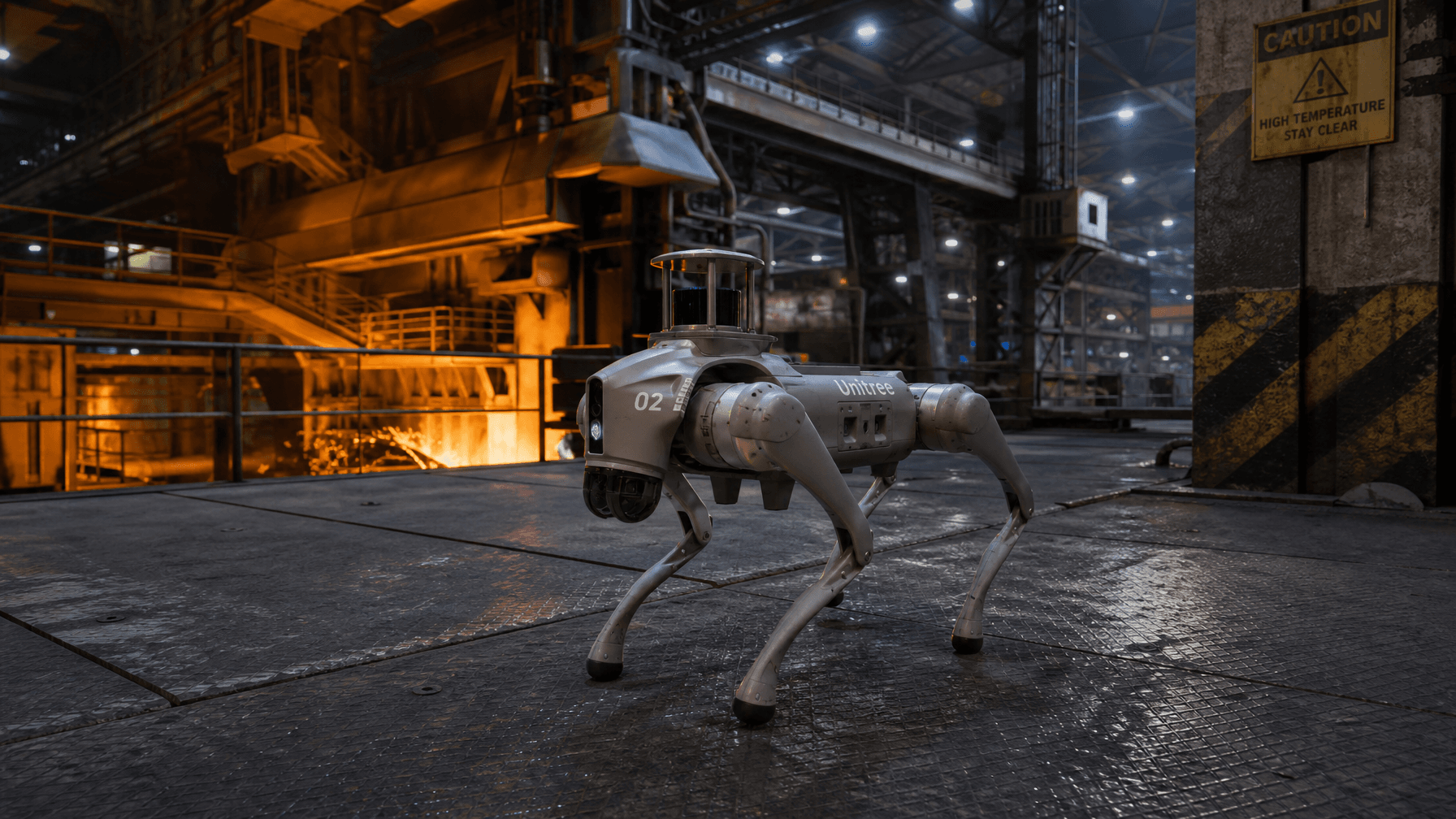
Unitree Robotics, Hunan Steel, and Looper Robotics Form Alliance for Steel Plant Inspections
Unitree Robotics has partnered with Hunan Steel and Looper Robotics to create a tripartite alliance aimed at deploying legged robots for inspections in steel plants. This collaboration signifies a notable entry of embodied AI technology into the heavy industry sector. The partnership is significant as it highlights the increasing integration of advanced robotics and AI in traditional industries such as steel manufacturing. By utilizing legged robots, the alliance aims to enhance inspection processes, improve safety, and increase operational efficiency within the steel plant environment. Looking ahead, the deployment of these legged robots could set a precedent for further advancements in industrial automation. No further timeline was disclosed at the time of publication.
Technology
SpaceX's Starmind Project: Supplier Strategy and Chip Manufacturing Plans for 2026
SpaceX's Starmind project, aimed at deploying up to 1 million AI satellites, was filed with the FCC on January 30, 2026. The initiative is designed to minimize reliance on external suppliers, with CEO Elon Musk stating that current chip production capabilities only meet 2% of the projected needs. The first satellite, AI1, is set for prototype launches in early 2027, featuring a 70-meter wingspan and a modular payload system that allows for interchangeable chips from various suppliers. The significance of Starmind lies in its ambitious supply chain strategy, which seeks to transition from external hardware suppliers to a fully integrated Musk-owned facility by 2028. The Gigasat manufacturing site in Bastrop, Texas, is expected to be operational by the end of 2027, with plans for high-volume production of the D3 chip, specifically designed for space applications. This approach aims to consolidate chip manufacturing processes under the Terafab joint venture, which has an estimated initial investment of $55 billion. Looking ahead, the next milestone for Starmind is the launch of AI1 prototypes in early 2027, while the full-scale chip production at Terafab is projected to ramp up significantly thereafter. However, analysts express skepticism regarding the feasibility of achieving Musk's ambitious compute goals, which may require substantial investment and time to establish the necessary manufacturing capabilities.

SpaceX's Starmind Targets AI Labs with $6.3 Billion Compute Contracts
SpaceX's Starmind is designed to provide wholesale AI compute services to businesses, particularly AI labs and cloud customers, rather than individual consumers. The service operates similarly to AWS, where users benefit from applications running on Starmind without direct subscriptions. The compute capacity of a single AI1 satellite is comparable to one NVIDIA GB300 rack, emphasizing its enterprise-grade capabilities. The significance of Starmind lies in its positioning as a potential fourth hyperscaler, joining the ranks of AWS, Microsoft Azure, and Google Cloud. The Reflection AI contract, valued at $150 million per month, exemplifies the enterprise-focused model, with total payments potentially reaching $6.3 billion through 2029. This contract highlights the growing demand for AI compute resources, particularly from AI-native startups and labs. Looking ahead, the focus will remain on securing additional enterprise contracts as Starmind expands its offerings. No consumer-facing products or subscriptions have been announced, and the current strategy is to cater to businesses with substantial AI workloads. No further timeline was disclosed at the time of publication.

Tesla's Optimus Robots to Support Starmind Satellite Production, Not Maintenance
Tesla's Optimus robots will not be used to repair Starmind satellites in orbit, as confirmed by recent statements from Elon Musk. Instead, these robots are intended to assist in the construction and operation of the Terafab chip manufacturing facility in Texas. The AI1 satellites, designed to disintegrate upon reentry, highlight the company's swap-and-replace strategy rather than traditional maintenance practices. This approach is significant as it reflects a broader trend in satellite management, where mass-produced satellites are replaced rather than repaired. The economics of servicing missions are prohibitive, with the cost of launching a replacement satellite being significantly lower than conducting a repair mission. This model aligns with SpaceX's operational history, where rapid replacement of satellites is more efficient than attempting to maintain them in orbit. Looking ahead, the focus will remain on the production capabilities of the Gigasat factory, which is expected to support the continuous replacement of satellites. No further timeline was disclosed at the time of publication, but the demand for rapid satellite turnover suggests a robust future for Optimus robots in terrestrial manufacturing rather than in-space servicing.
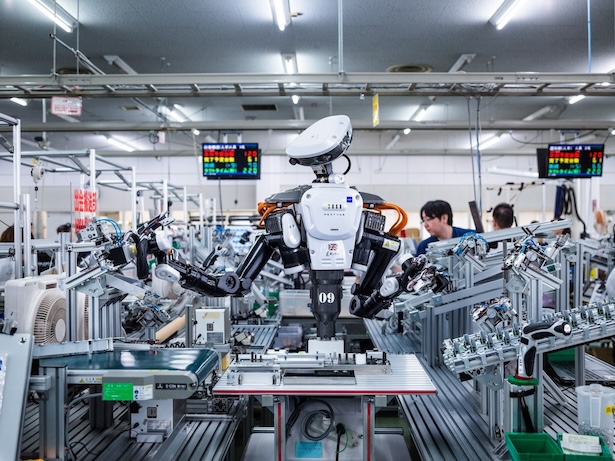
SpaceX's Starship V3 Plans for 1 Million Starmind Satellites by 2030
SpaceX's Starship V3 is set to revolutionize satellite deployment, aiming to launch 1 million Starmind satellites by 2030. The spacecraft can carry over 100 tonnes to low Earth orbit (LEO), significantly more than the Falcon 9's capacity. As of May 2026, Starship has completed 12 flights, with the next mission scheduled for late July 2026, focusing on operational payloads including AI1 prototypes in early 2027. This ambitious plan is crucial for expanding orbital compute capacity, targeting an annual addition of 100 GW through a million tonnes of satellite hardware. SpaceX's strategy hinges on achieving a launch cadence of approximately 12,000 flights, equating to about three launches per day. The company has invested over $15 billion in the Starship program, with expectations to begin payload deliveries in the second half of 2026, starting with Starlink V3 satellites. Looking ahead, the successful deployment of the Starmind constellation will depend on Starship's ability to meet its cost targets of $10–20 million per flight. If achieved, this would make launching satellites more economical than building ground data centers. The next significant milestone will be the launch of AI1 prototypes in early 2027, with full-scale deployments commencing in 2028 from the new Gigasat factory in Texas.
NVIDIA Unlocks AI Compute at Scale, Inviting Capital Partners to Power the AI Infrastructure Buildout
As artificial intelligence transitions from model development to production inference, the demand for computing power is rapidly increasing. This surge is driving the establishment of continuously operating AI factories that are capable of generating tokens at scale. The shift towards these large-scale, multi-tenant accelerated computing environments is essential to meet the growing needs of AI applications. This transformation is occurring as organizations recognize the necessity for robust infrastructure to support the evolving landscape of AI technology. The move towards these advanced facilities is expected to enhance efficiency and scalability, enabling businesses to leverage AI more effectively in various sectors.

ANRA Technologies Surpasses 55,000 Commercial Drone Operations Per Month, Demonstrating Growing Demand for Digital Airspace Infrastructure
A leading drone platform has announced that it now facilitates over 1,800 commercial drone operations beyond visual line of sight each day. This significant milestone encompasses a variety of applications, including delivery services, critical infrastructure monitoring, utility management, and public sector missions. The increase in operational capacity reflects the growing demand for advanced drone technology in various industries, driven by the need for efficient and effective solutions. The platform's capabilities enable businesses and government agencies to leverage drones for tasks that require extended range and precision, ultimately enhancing operational efficiency and safety. The announcement comes as the drone industry continues to evolve, with advancements in technology and regulatory frameworks supporting the expansion of drone usage in everyday operations.

Schneider Electric Launches Industrial Automation Service Built on HPE Infrastructure
A new service has been launched to assist industrial operators in modernizing their operations without interrupting production. This initiative, powered by HPE's cloud infrastructure and software, aims to streamline the modernization process, enabling businesses to enhance efficiency and adopt advanced technologies. The service is designed to cater to the unique needs of the industrial sector, ensuring that upgrades can be implemented seamlessly. By leveraging HPE's robust cloud solutions, operators can transition to modern systems while maintaining continuous production flow. This development comes at a time when many industries are seeking innovative ways to improve their operations and stay competitive in a rapidly evolving market.
Factory / Digital Transformation
Microsoft and Europol dismantle infrastructure of malware "StealC" and "Amadey," shutting down over 200 C2 servers.
Microsoft and Europol have announced the successful takedown of the information-stealing malware known as "StealC" and its loader, "Amadey." This operation was part of an international crackdown dubbed "Operation Endgame," during which Microsoft disabled over 200 command and control servers and identified approximately 18,000 compromised devices for protection. The malware is particularly concerning as it can serve as a gateway for ransomware attacks by stealing authentication credentials, prompting businesses to heighten their security measures.

Mibee Technology and Zhangjiang Group Form Strategic Partnership for Embodied Data Infrastructure
Mibee Technology has entered into a strategic cooperation agreement with Zhangjiang Group to advance embodied intelligence data technology. This collaboration, announced recently, seeks to tackle significant industry challenges, including data shortages and the high costs associated with data collection. By combining Zhangjiang's innovative ecosystem with Mibee's expertise in data services, the partnership aims to foster the growth of the robotics industry in Shanghai. The initiative reflects a commitment to enhancing technological capabilities and addressing critical issues within the sector.
Embodied Intelligence Data Infrastructure Robotics AI Technology
Can Tesla beat Nvidia? New trademark reveals ambitious ‘megapod’ infrastructure plan
Elon Musk is expanding his vision beyond electric vehicles and humanoid robots, aiming to revolutionize multiple industries through advanced technology. At a recent event, Musk outlined his ambitious plans for the future of transportation, artificial intelligence, and sustainable energy. He emphasized the importance of innovation in addressing global challenges, such as climate change and resource scarcity. Scheduled for implementation over the next few years, Musk's initiatives will take place primarily at Tesla's headquarters in California, where the company is ramping up research and development efforts. By integrating cutting-edge AI and robotics into everyday life, Musk hopes to enhance productivity and improve living standards. The motivation behind these projects stems from Musk's belief in creating a sustainable future and reducing humanity's reliance on fossil fuels. He envisions a world where technology not only serves as a means of transportation but also contributes to a cleaner and more efficient way of living. Through strategic partnerships and investments in new technologies, Musk plans to accelerate the development and deployment of these innovations, making them accessible to a broader audience. As he continues to push the boundaries of what is possible, Musk's endeavors are set to reshape the landscape of various sectors, ultimately aiming to create a more sustainable and technologically advanced society.
AI and Robotics
Eco Wave Power Turns Waves Into Watts With NVIDIA AI Infrastructure and Digital Twins
The future of artificial intelligence (AI) is poised to be shaped not just by computational power but significantly by energy resources. As AI technologies evolve, particularly in areas such as agentic AI, industrial AI, edge computing, and robotics, the demand for sustainable energy solutions will become increasingly critical. This shift highlights the importance of integrating energy efficiency into the development of AI systems, ensuring that as these technologies scale and become more prevalent, they do so in an environmentally responsible manner. The emphasis on energy will drive innovation and investment in renewable resources, ultimately influencing the trajectory of AI advancements.

NAIRR Science Program Reshapes Scientific Research, Powered by NVIDIA AI Infrastructure
The U.S. National Science Foundation’s National Artificial Intelligence Research Resource (NAIRR) pilot program has been instrumental in advancing innovative research over the past two years, supporting more than 700 projects across the country. These initiatives cover a wide range of topics, including protein prediction and infectious disease modeling. By providing essential resources and funding, the NAIRR program aims to enhance the capabilities of researchers and institutions in the field of artificial intelligence. This initiative not only fosters collaboration among scientists but also addresses pressing challenges in health and technology, showcasing the potential of AI to drive significant advancements in various sectors.

No driver, no operator: Inside redundant sensor infrastructure of a commercial robot bus
A significant initiative to expand the use of driverless shuttles beyond corporate campuses and testing sites is gaining momentum. This effort, which has been in progress for several years, aims to integrate autonomous vehicles into public transportation systems, thereby enhancing mobility options for urban residents. The push is particularly relevant as cities seek innovative solutions to address traffic congestion and reduce carbon emissions. Recent developments indicate that several municipalities are collaborating with technology companies to pilot driverless shuttle programs in urban environments. These trials are designed to assess the feasibility and safety of autonomous vehicles in real-world settings, with the goal of eventually implementing them as a regular mode of transport for the public. The motivation behind this initiative stems from the increasing demand for efficient and sustainable transportation solutions. By leveraging advancements in artificial intelligence and vehicle technology, proponents believe that driverless shuttles can provide a reliable alternative to traditional public transit, particularly in underserved areas. As cities prepare for these trials, stakeholders are focused on ensuring regulatory compliance and addressing public concerns regarding safety and privacy. The successful deployment of driverless shuttles could mark a transformative shift in urban mobility, paving the way for smarter, more sustainable cities.
Innovation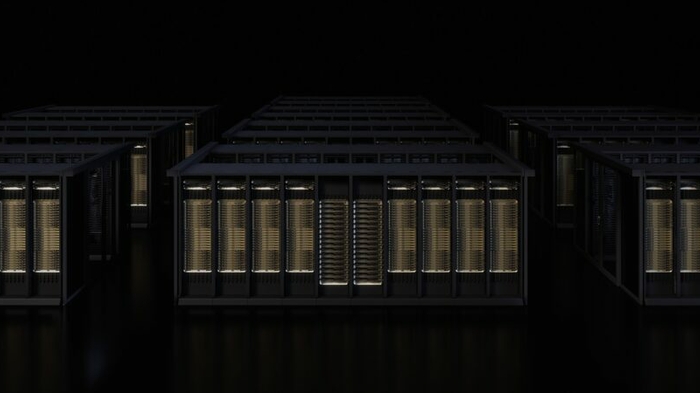
NVIDIA Blackwell Leads on First Agentic AI Infrastructure Benchmark
Artificial Analysis has launched AgentPerf, the industry's first benchmark for agentic AI, aimed at providing developers, enterprises, and infrastructure providers with a standardized method to evaluate and compare various systems designed for agentic AI capabilities. The initial results have highlighted NVIDIA's Blackwell as a leading performer in this emerging field. This development comes as the demand for advanced AI systems continues to grow, prompting the need for reliable metrics to assess their effectiveness and efficiency. By establishing a clear framework for comparison, AgentPerf seeks to facilitate informed decision-making among stakeholders in the AI sector.

NVIDIA and LG Group Build an AI Factory to Advance Physical AI, Mobility and AI Infrastructure
NVIDIA and LG Group have announced plans to establish an AI factory aimed at enhancing LG's upcoming AI-driven initiatives, which include advancements in robotics, autonomous driving, data center technologies, and GPU cloud services. This collaboration is set to significantly accelerate the development of these technologies, positioning LG Group at the forefront of the AI industry. The factory's establishment reflects both companies' commitment to innovation and their strategic focus on harnessing artificial intelligence to drive future business growth. The partnership is expected to leverage NVIDIA's expertise in AI and GPU technology, facilitating the creation of cutting-edge solutions that will benefit various sectors.

NAVER Expands AI Infrastructure With NVIDIA to Serve Surging Global AI Demand
NVIDIA and NAVER have joined forces to enhance sovereign AI infrastructure, initiating a project that will start with a capacity of 55 megawatts and aims to scale up to gigawatt levels. This collaboration leverages the NVIDIA DSX™ platform, which will facilitate the rapid design, construction, and scaling of comprehensive AI platforms. The announcement marks a significant step in advancing AI capabilities, reflecting both companies' commitment to expanding their technological influence in the AI sector.

SK Telecom and NVIDIA Build AI Infrastructure to Power Korea’s AI Innovation
NVIDIA and SK Telecom have revealed plans for a significant advancement in artificial intelligence infrastructure in South Korea. The telecommunications company intends to construct a gigawatt-scale AI Cloud utilizing the NVIDIA DSX™ platform, with the inaugural AI factory expected to commence operations in 2027. This initiative aims to enhance the country's AI capabilities and support various industries by leveraging cutting-edge technology. The collaboration between NVIDIA and SK Telecom underscores a commitment to innovation and positions South Korea as a key player in the global AI landscape.

NVIDIA and Doosan Group Collaborate to Advance Physical AI and AI Factory Infrastructure
NVIDIA and Doosan Group have announced an expansion of their collaboration aimed at enhancing advancements in physical AI, robotics, and AI factory infrastructure. This partnership will encompass various sectors within Doosan, including Doosan Robotics, Doosan Bobcat, Doosan Enerbility, and Doosan Corporation Electro-Materials. The initiative, which reflects a strategic move to leverage NVIDIA's AI technology alongside Doosan's diverse industrial capabilities, is expected to create new opportunities and innovations in the rapidly evolving fields of robotics and AI-driven manufacturing. The collaboration is set to unfold in the coming months, with both companies committed to integrating cutting-edge AI solutions into their operations to improve efficiency and productivity.

Taiwan’s Industry Titans Turbocharge World’s AI Infrastructure Buildout With NVIDIA
Taiwan has emerged as a crucial hub for NVIDIA's operations, boasting over 500 ecosystem partners and contributing significantly to the production of NVIDIA MGX rack components. More than 1 million of these components are being assembled across 25 factory sites in the region to support the NVIDIA Vera Rubin infrastructure. As production ramps up, this initiative aims to enhance the capabilities of advanced computing systems, reflecting NVIDIA's commitment to expanding its technological footprint in Taiwan. The collaboration underscores the importance of Taiwan in the global tech supply chain, particularly in the development of cutting-edge technologies.

NVIDIA DSX Gives Infrastructure Builders the Playbook for AI Factories
NVIDIA has unveiled its new DSX™ platform, designed to provide infrastructure builders with a comprehensive guide for establishing AI factories. This announcement was made today, marking a significant step in the company's efforts to streamline the development and deployment of artificial intelligence technologies. The DSX™ platform aims to facilitate the integration of AI into various industries by offering tools and resources that simplify the construction of AI-driven infrastructures. By equipping builders with a structured approach, NVIDIA seeks to accelerate the adoption of AI solutions across multiple sectors, ultimately enhancing operational efficiency and innovation.
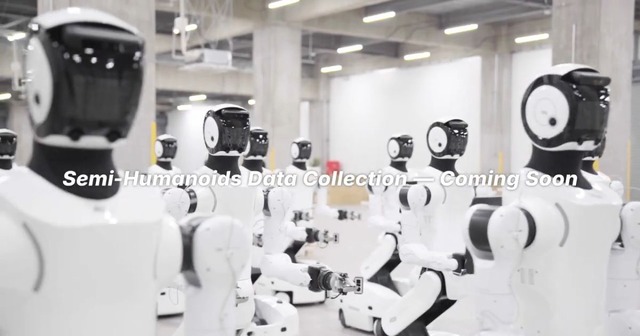
AIRoA collects 80,000 hours of robot operation data through industry-academia collaboration for physical AI infrastructure.
The AI Robot Association (AIRoA) released a YouTube video on May 29, 2026, showcasing a groundbreaking initiative titled "A Massive Collaborative Physical AI Data Initiative." The video highlights the ongoing operations of robots across various universities and research institutions, illustrating the accumulation of a global data infrastructure. This initiative aims to enhance the development of artificial intelligence by creating a comprehensive database that supports collaborative research and innovation in robotics. Through this project, AIRoA seeks to foster advancements in AI technology and improve its applications in real-world scenarios.
Romania deploys F-16s after Russian drone strike on civilian infrastructure
Romania has formally requested the deployment of allied anti-drone capabilities to enhance its national defense and strengthen NATO's eastern flank. This initiative comes amid growing security concerns in the region, particularly in light of recent geopolitical tensions. The request underscores Romania's commitment to bolstering its military readiness and collaborating with NATO allies to address potential threats. The deployment aims to provide advanced technological support to protect Romanian airspace and deter any hostile actions. The move reflects a broader strategy within NATO to reinforce its eastern defenses in response to evolving security dynamics in Europe.
Air Warfare Global Air Force counter drone drone EuropeRobotics needs a service framework.
RSF defines a common language for robot service capability, lifecycle operations, certification pathways, and service-provider networks.
Join the RobotToday community on LinkedIn
Daily robotics news, in-depth analysis, conference highlights, and discussions with professionals worldwide.