

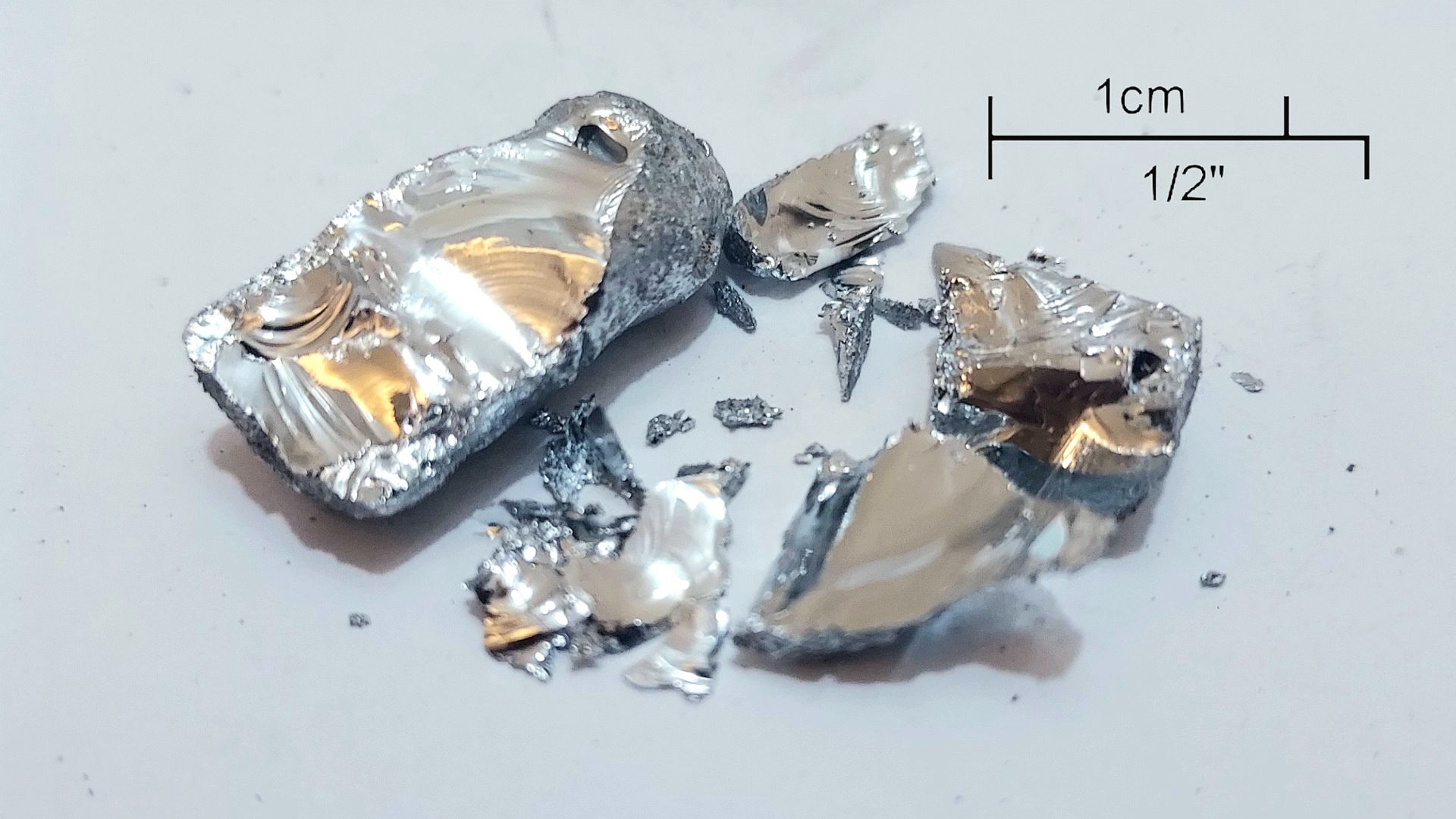
Artificial intelligence relies heavily on physical infrastructure, particularly data centers that require substantial electrical systems and cooling equipment. A 2026 study indicates that copper is the most critical metal, accounting for 83% of the modeled mineral mass needed for AI data-center infrastructure. Other important metals include gallium, germanium, rare earth elements, and aluminum, each playing a vital role in the AI hardware ecosystem.
The significance of these metals extends beyond mere supply; they are integral to the functionality and efficiency of AI systems. For instance, copper's excellent thermal conductivity aids in cooling, while gallium and germanium are essential for semiconductor applications. The concentration of production for these materials, particularly gallium and germanium, raises concerns about supply chain vulnerabilities, which could impact the growth of AI technologies.
Looking ahead, the demand for these metals is expected to rise as AI infrastructure expands. The reliance on rare earth elements, particularly from China, poses additional supply risks. As AI processors evolve and generate more heat, the importance of effective thermal management through materials like aluminum will only increase. No further timeline was disclosed at the time of publication.
Editor's Note
The growing demand for AI technologies is reshaping the landscape of materials sourcing and supply chains. As data centers expand, the reliance on specific metals highlights the need for strategic procurement and investment in mining and refining capabilities. Companies must navigate potential supply risks associated with concentrated production and geopolitical factors that could affect access to these critical materials.
Copyright Notice
This briefing is an independently written summary based on publicly available reporting and is provided for industry information and news discovery. The original report and source publication are credited and linked where applicable. RobotToday does not claim ownership of third-party source material.
Rights concerns? If you believe any material in this briefing infringes your copyright or other rights, please contact [email protected] with the relevant URL and details. We will review the matter and take appropriate action where warranted.
































Leave a comment