

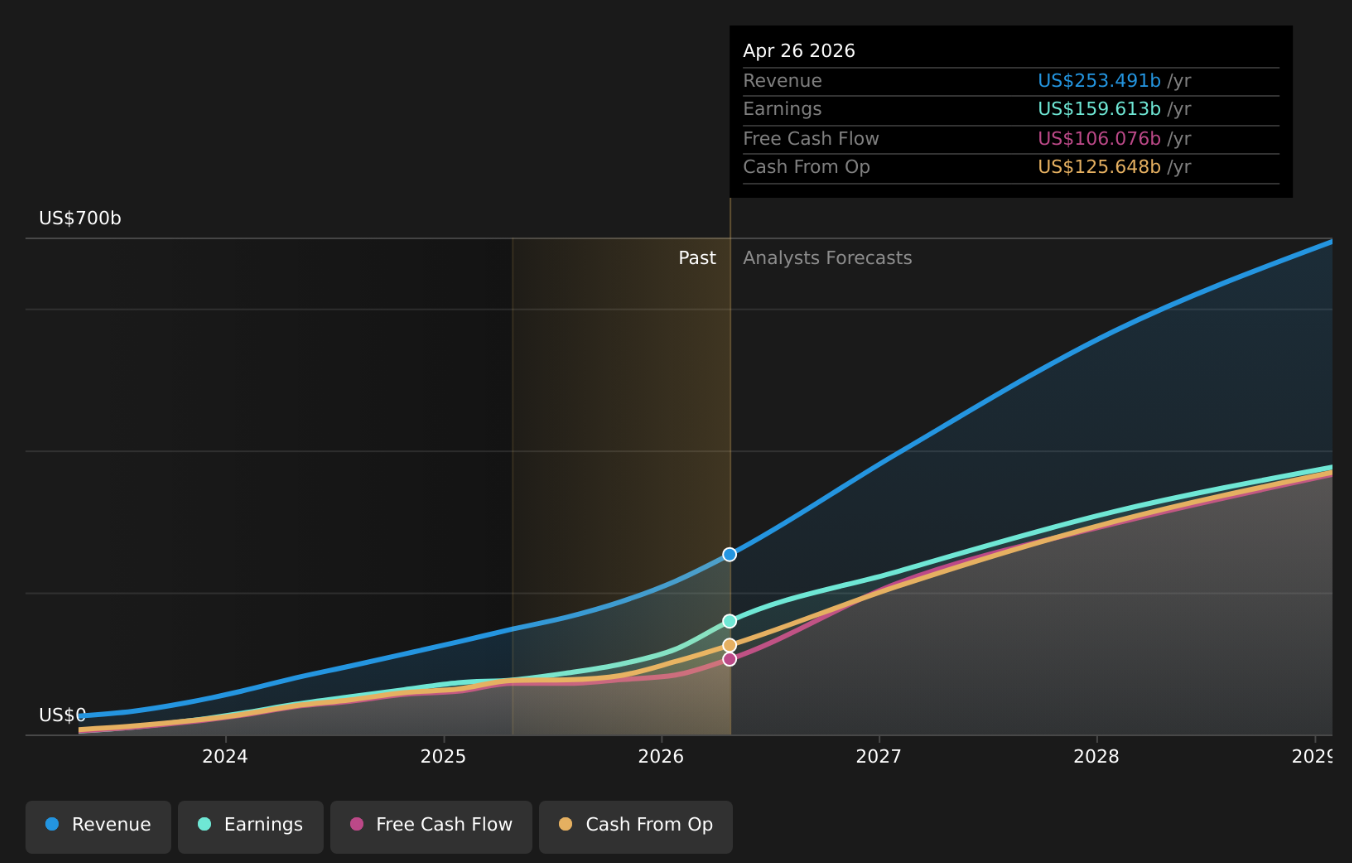
NVIDIA is accelerating its transformation from an 'AI chip manufacturer' to an 'infrastructure builder for the physical AI era.' The company's strategy focuses on creating a full-stack 'operating system' for physical world agents, including robots, autonomous vehicles, and smart factories, encompassing simulation, training, and deployment.
This strategic shift is driven by NVIDIA's assessment of market potential, with CEO Jensen Huang stating that 'physical AI is the next wave of growth.' The market for physical AI is estimated internally by NVIDIA to reach $100 trillion, significantly surpassing the current $2 trillion IT industry. The global labor shortage, projected to reach tens of millions by the end of the century, positions robots and AI agents as crucial solutions to fill this gap.
NVIDIA aims to replicate its successful ecosystem-building approach from the PC and server era through its platforms. Key offerings include the Omniverse platform for high-fidelity virtual environments, the Cosmos series for foundational models, and the Isaac platform for comprehensive robot development tools. A strategic partnership with LG Group aims to develop humanoid robot technology, with plans to generate 100,000 hours of training data by the end of 2026.
Editor's Note
NVIDIA's pivot towards becoming an infrastructure provider for physical AI reflects broader trends in automation and labor shortages. As industries increasingly adopt AI and robotics, the demand for integrated solutions that streamline development and deployment will grow. This shift may reshape competitive dynamics in the robotics and AI sectors, emphasizing the importance of robust platforms and partnerships.
Copyright Notice
This briefing is an independently written summary based on publicly available reporting and is provided for industry information and news discovery. The original report and source publication are credited and linked where applicable. RobotToday does not claim ownership of third-party source material.
Rights concerns? If you believe any material in this briefing infringes your copyright or other rights, please contact [email protected] with the relevant URL and details. We will review the matter and take appropriate action where warranted.






Leave a comment