Industry Briefing
A single destination for timely, editor-curated robotics news from around the world.

Figure Launches Helix 2.5 Enabling Zero-Shot Humanoid Tasks in 30 Homes
Figure has unveiled Helix 2.5, a neural network that allows its humanoid robot to perform three household tasks across 30 unfamiliar homes without prior data collection or model adaptation. This innovation marks a significant leap in robotic generalization, increasing zero-shot task success from 9% to 56% through Index pretraining, which also reduced task-specific data requirements by half. The ability to generalize in unseen environments is crucial for robotics, as highlighted by Figure's founder and CEO Brett Adcock. The tests conducted in the Bay Area demonstrated Helix 2.5's capability to tidy living rooms, fold towels, and make beds using only knowledge transferred from human behavior, showcasing a major advancement in the field. Looking ahead, Figure is generating approximately 35 minutes of new human-experience data every second and has committed $3.5 billion in computing resources to further enhance Helix. The company aims to scale its technology, suggesting that increased data and compute power will lead to improved performance in real-world applications.
AI AI Funding & Investment AI Research & Advances Robotics Figure foundation model
Figure's Helix 2.5 Demonstrates Home Chore Capabilities in 30 Unique Residences
Figure has unveiled its Helix 2.5 humanoid robot, which successfully completed household tasks such as making beds and folding towels in 30 different homes in the Bay Area. The company reported a completion rate of approximately 56% for full-task trials, showcasing the robot's ability to adapt to unfamiliar environments without requiring new training datasets for each household. This development is significant as it enhances the utility of household robots, allowing them to perform learned tasks across various settings. CEO Brett Adcock emphasized the importance of this project, stating that the ability to operate in different homes without extensive retraining could revolutionize the household robotics market. The trials were conducted in rented homes, and the robot's performance was documented through nearly four hours of footage. Looking ahead, the focus will be on refining the Helix 2.5's capabilities and increasing its success rate in diverse environments. While the current completion rate stands at 56%, further advancements in AI and robotics could lead to improved performance in future trials. No further timeline was disclosed at the time of publication.
Figure Artificial Intelligence helix Figure AI Index
Introduction of Helix 2.5: Achieving Zero-Shot Generalization in Humanoid Robotics
Figure has unveiled Helix 2.5, a groundbreaking neural network designed for humanoid robots. Unlike previous models, Helix 2.5 can autonomously perform tasks in unfamiliar environments without prior data collection. This innovation was tested in 30 homes in the Bay Area, showcasing the robot's ability to execute three complex behaviors: tidying living rooms, folding towels, and making beds. The significance of Helix 2.5 lies in its ability to generalize learned behaviors across different settings, a challenge that has historically limited robotic applications. By utilizing the Index dataset, which encompasses a wide range of human behaviors, Helix 2.5 achieved a zero-shot success rate of 56%, a substantial improvement from the previous 9%. This advancement indicates a shift towards more adaptable and intelligent robotic systems capable of operating in diverse environments. Looking ahead, the implications of Helix 2.5's capabilities could transform the landscape of humanoid robotics. While the technology is not yet fully mature, it represents a significant step towards developing robots that can learn from human experiences and apply that knowledge in new scenarios. Future developments will likely focus on expanding the range of tasks and environments in which these robots can operate effectively.
robotics artificial intelligence humanoid robots machine learning automation
DeepCybo Releases PhysBrain 1.5 with 72.5 Average on 28 Benchmarks as Open Source
DeepCybo has announced the open-source release of PhysBrain 1.5, achieving an impressive average score of 72.5 across 28 public embodied benchmarks. This model, which features both 2B and 8B parameters, is designed to enhance unified understanding, action, and future-state token capabilities, alongside an evaluation kit. The significance of this release lies in DeepCybo's claim of leading the open-source sector with PhysBrain 1.5. By providing a robust framework for embodied AI, the model aims to facilitate advancements in various applications that require physical interaction and understanding, thereby pushing the boundaries of current AI capabilities. Looking ahead, industry stakeholders should monitor the adoption and performance of PhysBrain 1.5 in real-world applications. The evaluation kit provided with the model will be crucial for developers and researchers to assess its effectiveness and potential integration into existing systems. No further timeline was disclosed at the time of publication.

Rui Erman Establishes Data Training Facility in Changzhou with 150 Robots Generating 2GB Data Per Minute
Rui Erman has launched a data training facility in Changzhou, equipped with 150 robots capable of generating 2GB of raw data per minute. This facility features two main areas: a basic motion training zone for fundamental robotic actions and a scenario application area designed for diverse operational contexts such as home, industrial, and retail environments. The significance of this initiative lies in addressing critical challenges in the robotics industry, including the scarcity of high-quality real-world data and the high costs associated with data collection. Rui Erman is actively involved in developing standards for data collection, ensuring compliance with the MCAP standard, which emphasizes data accuracy and synchronization. Looking ahead, Rui Erman aims to transition robots from controlled environments to real-world applications, enhancing data collection efficiency. The company is focused on achieving a significant reduction in robot costs to facilitate widespread adoption in households and factories. No further timeline was disclosed at the time of publication.
Data Collection Robotics Machine Learning AI Standards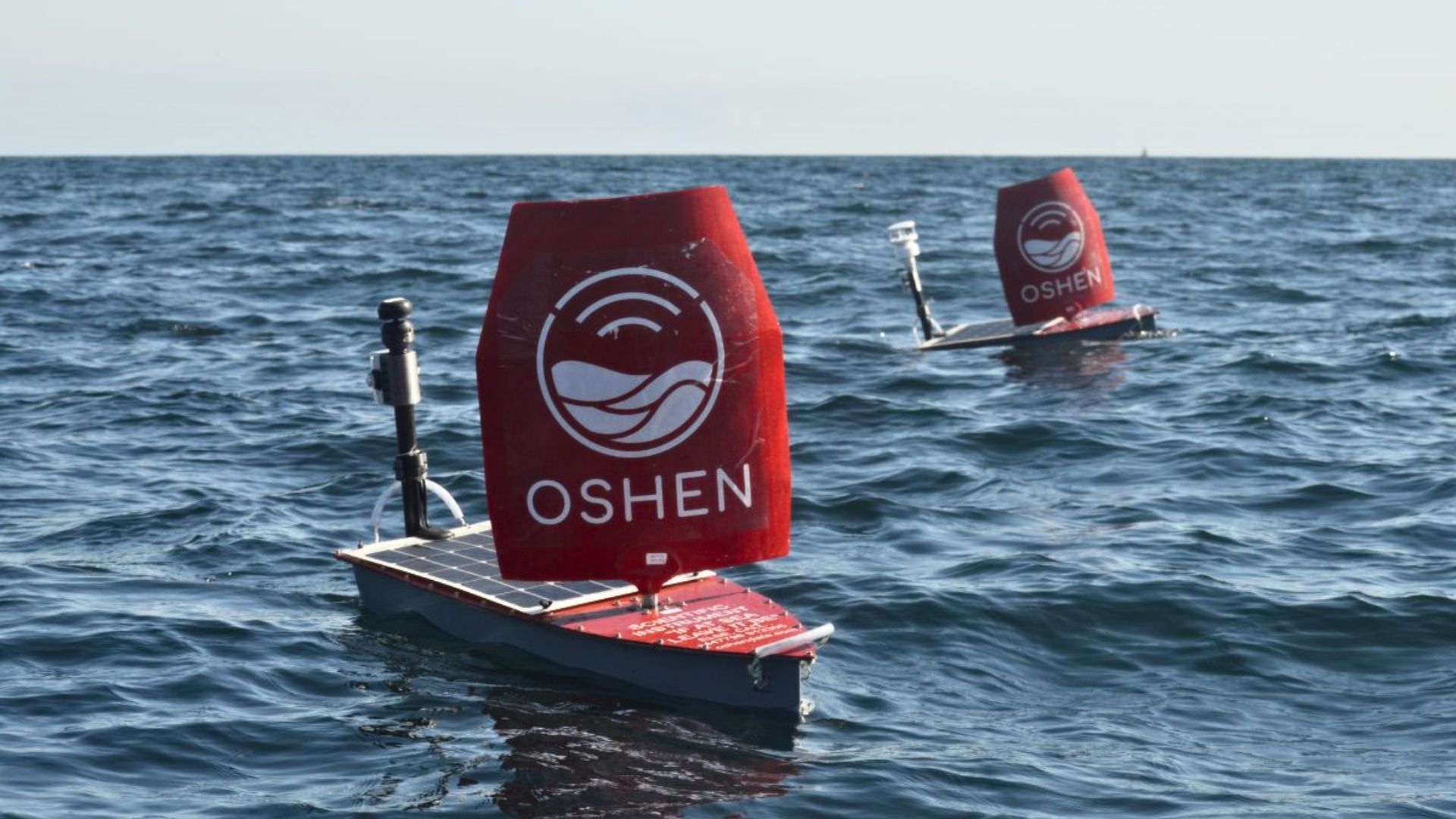
Oshen's Autonomous Sailboat Achieves Historic 3,555-Mile Atlantic Crossing in 127 Days
Oshen's four-foot autonomous sailboat, the C-Star PC13, has successfully completed a 3,555-mile Atlantic crossing, marking a historic achievement in the Microtransat Challenge after over 30 attempts. Departing Gran Canaria on May 7, the vessel reached Barbados in 127 days, navigating through busy shipping routes and challenging weather conditions, including Tropical Storm Dolly. This accomplishment is significant as it represents the first successful completion of the Microtransat, a challenge aimed at advancing the development of robotic boats since its inception in 2010. The PC13's design leverages wind for propulsion while utilizing software for navigation, showcasing the potential of autonomous vessels in maritime applications. Looking ahead, Oshen aims to expand its fleet of C-Stars for various monitoring tasks, including hurricane tracking and climate data collection in the North Atlantic. The company has already demonstrated the capabilities of its vessels in extreme conditions, indicating a promising future for autonomous maritime technology. No further timeline was disclosed at the time of publication.
Transportation
Croatian Defence Spending Expected to Exceed 2% of GDP by 2025
According to NATO statistics, Croatia's defence spending is projected to surpass 2% of its GDP by 2025. This increase reflects the country's commitment to enhancing its military capabilities and aligning with NATO standards. The significance of this development lies in Croatia's strategic focus on national security and defense modernization. By meeting the 2% GDP target, Croatia aims to strengthen its military readiness and contribute more effectively to collective defense initiatives within the NATO alliance. Looking ahead, stakeholders should monitor Croatia's defense budget allocations and the implementation of related military programs. No further timeline was disclosed at the time of publication.
Features
Croatia's Defense Spending Expected to Exceed 2% of GDP by 2025
According to NATO statistics, Croatia's defense spending is projected to surpass 2% of its GDP by 2025. This increase reflects the country's commitment to enhancing its military capabilities and aligning with NATO standards. The significance of this development lies in Croatia's strategic efforts to bolster its defense budget, which is crucial for national security and regional stability. By meeting the 2% GDP threshold, Croatia aims to strengthen its defense posture and contribute more effectively to collective security initiatives. Looking ahead, stakeholders will be keen to monitor Croatia's defense budget allocations and the implications for military modernization and procurement strategies. No further timeline was disclosed at the time of publication.
Features
US Air Force Plans to Deploy 500 Collaborative Combat Aircraft by 2032
The U.S. Air Force has set a target to have at least 500 Collaborative Combat Aircraft (CCA) operational by 2032. This ambitious plan includes an equal number of Massed Modular Aircraft (MMA) drones to replace the MQ-9 Reapers. Secretary of the Air Force Troy Meink announced these updates during a keynote speech at the Air & Space Forces Association’s 2026 conference. This initiative is significant as it marks a substantial increase from previous plans, which aimed for over 150 CCAs by the end of the decade. The Air Force is also focusing on reducing costs, with plans to field 100 MMAs by 2029 at a lower price point than current manned aircraft. The FQ-42 and FQ-44 drones, now officially named Vengeance and Fury, are already in production and will perform missions similar to those of manned fighters. Looking ahead, the Air Force is still determining how these CCAs will be integrated into operations. The establishment of a dedicated Experimental Operations Unit (EOU) aims to facilitate the development and testing of these aircraft. No further timeline was disclosed at the time of publication.
News & Features Air Collaborative Combat Aircraft Drones Q-9 Unmanned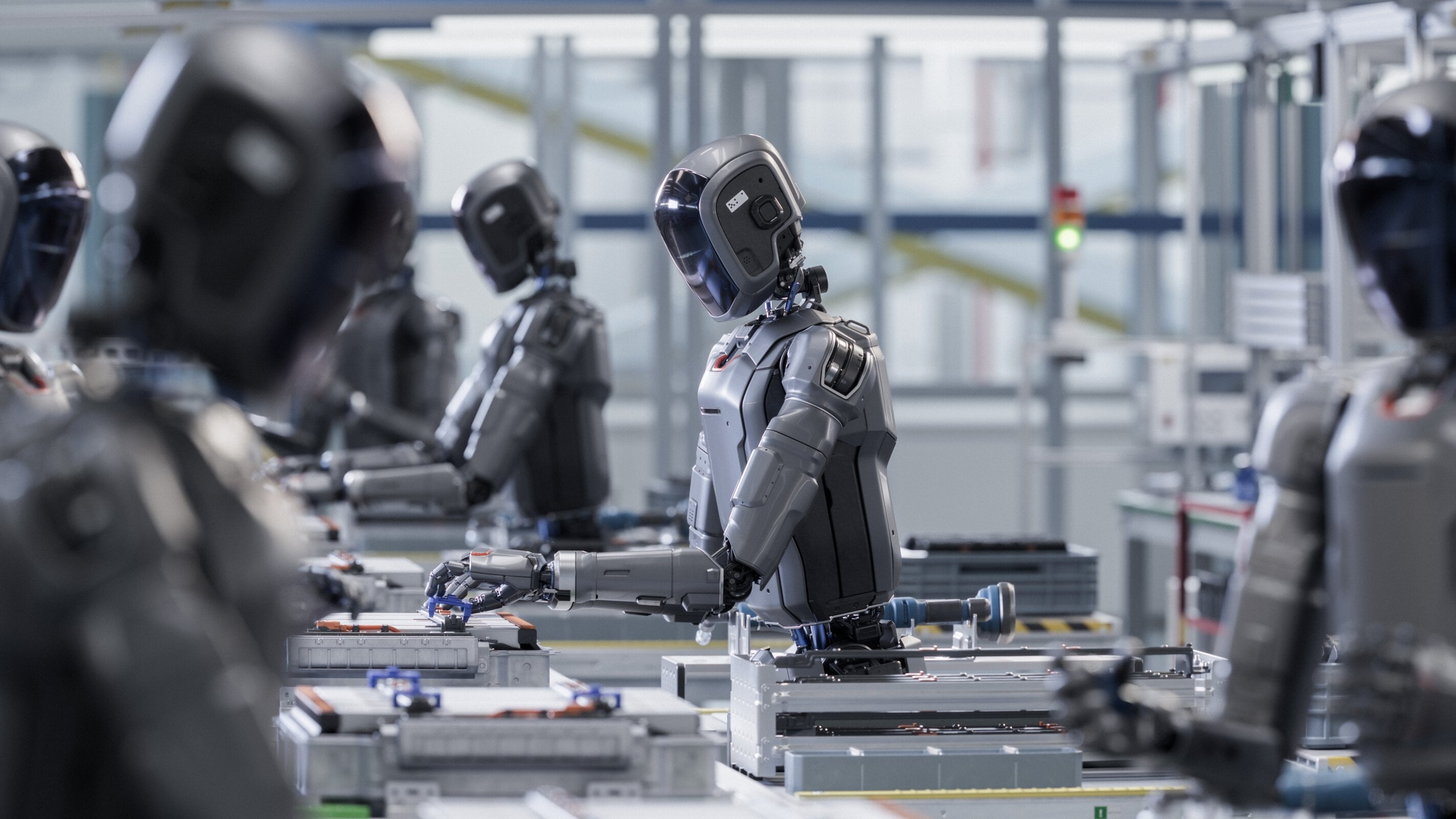
Goldman Sachs Projects 6.5 Million Humanoid Robots by 2035, Driving Market Growth
Goldman Sachs has projected that 6.5 million humanoid robots will be shipped globally by 2035, marking a significant increase from previous estimates. The firm anticipates a phased ramp-up, with 75,000 units expected in 2026 and 890,000 by 2030, representing a $138 billion market opportunity primarily in logistics, warehousing, and automotive sectors. This projection highlights the growing demand for humanoid robots and the necessary infrastructure to support their production, including dedicated production lines and factory-floor automation. The anticipated growth is also linked to a broader AI capital expenditure cycle, which is expected to influence various industries and technologies. Investors should monitor the developments in this sector, particularly the impact of potential AI regulation as flagged by leaders at Anthropic and OpenAI. No further timeline was disclosed at the time of publication.

Top 25 Fields Medalists Warn AI Solutions Could Undermine Mathematical Research Integrity
A coalition of 25 Fields Medalists has issued a warning regarding the potential negative impact of AI on mathematical research. They criticize the trend of AI companies solving renowned mathematical problems as mere showcases of their models' capabilities, arguing that correct answers do not encapsulate the true value of mathematical inquiry. The mathematicians express concern that the rush to produce agentic mathematics proofs could disrupt traditional methods of verification, idea development, and knowledge transfer within the field. They emphasize that the process of establishing a proof involves extensive discussion, assumption challenges, and connections to prior work, which AI-generated solutions may bypass, leading to a superficial understanding of the underlying methods. As AI systems increasingly claim to solve complex mathematical problems, the authors of the letter caution that this could hinder the collaborative nature of mathematical research. They highlight the risk of diminished open exchange among mathematicians, as the competitive edge provided by AI resources may discourage the sharing of unpublished ideas, ultimately threatening the integrity and progress of the discipline.
AI and Robotics
AI Enhancements in Robotics: Balancing Power and Risks 25 Years After 9/11
The integration of AI in robotics has significantly enhanced surveillance capabilities, raising concerns about potential risks. Experts warn that the rapid development of AI technologies, particularly in industrial robots and drones, could lead to misuse in sensitive applications, such as monitoring and security. As companies race to innovate, the implications for privacy and ethical considerations become increasingly critical. The advancements in robotics, including the MOFU's adjustable height and AEON's task validation, demonstrate the potential for improved efficiency and precision in industrial settings. However, the unchecked corporate competition in AI development poses unprecedented risks to society, as highlighted by researchers. The ability of systems like UnifoLM-X2-1.0 to predict and adapt in real-time further emphasizes the need for responsible deployment of these technologies. Looking ahead, the industry must address the ethical implications of AI in robotics, particularly in surveillance applications. With over 80 percent of production processes automated, the focus will be on ensuring that these technologies are used responsibly. No further timeline was disclosed at the time of publication.
AI and Robotics
OpenBMB and ModelBest Launch MiniCPM5-2B, a 2.52B Open On-Device Model
OpenBMB and ModelBest have unveiled MiniCPM5-2B, a 2.52 billion parameter dense model licensed under Apache-2.0. This model achieves an impressive average score of 53.9 across 34 benchmarks, outperforming several 4 billion parameter open baselines in areas such as coding and long context tasks. The introduction of MiniCPM5-2B is significant as it demonstrates the capability of smaller models to compete with larger counterparts, particularly in coding and tool-related tasks. This advancement could lead to more efficient on-device applications, making powerful AI tools accessible without the need for extensive computational resources. Looking ahead, the performance of MiniCPM5-2B in practical applications will be crucial to monitor. Its ability to maintain high performance while being lightweight could influence future developments in on-device AI models. No further timeline was disclosed at the time of publication.

Algomatic Dynamics Secures $32.5M Funding to Launch AI-Powered Robotic Hand in Japan
Algomatic Dynamics has successfully raised $32.5 million from DMM.com in its inaugural funding round, aiming to launch an AI-driven multi-fingered robotic hand platform in Japan by the end of 2026. The startup, which began operations on September 9, focuses on developing technologies for motion-data collection, robot learning, and tactile robotic hands, among others. This funding is significant as it will enable Algomatic Dynamics to invest in essential hardware and computing resources, facilitating research and development in robotics and physical AI. The company's innovative approach aims to create versatile technology applicable across various robots and environments, addressing labor shortages in critical sectors such as manufacturing and healthcare. Looking ahead, Algomatic Dynamics plans to enhance its research and development efforts while collaborating with companies and research institutions to deploy its technology in both industrial and everyday settings. The launch of the AI multi-fingered hand platform is a key milestone to watch as it could revolutionize how robots interact with the physical world.
AI AI Funding & Investment Robotics Algomatic Dynamics DMM Group funding
U.S. Aerospace and Defense Sector Achieves $995 Billion in Sales in 2025
The Aerospace Industries Association (AIA) reported that the U.S. aerospace and defense sector generated $995 billion in sales in 2025, employing 2.2 million workers with an average operator wage of $115,000. The industry maintained a trade surplus of approximately 73%. This significant revenue underscores the importance of the aerospace and defense sector to the U.S. economy, highlighting its role in job creation and technological advancement. Boeing's acquisition of the F-47 next-generation fighter aircraft and Lockheed Martin's record delivery of 191 F-35 Lightning II fighter planes are notable achievements within this thriving industry. Looking ahead, companies like Astronics Corporation and Ducommun are making strides, with Astronics acquiring Bühler Motor Group and Ducommun being recognized as a BAE Supplier of the Year. No further timeline was disclosed at the time of publication.
Technology and IIoT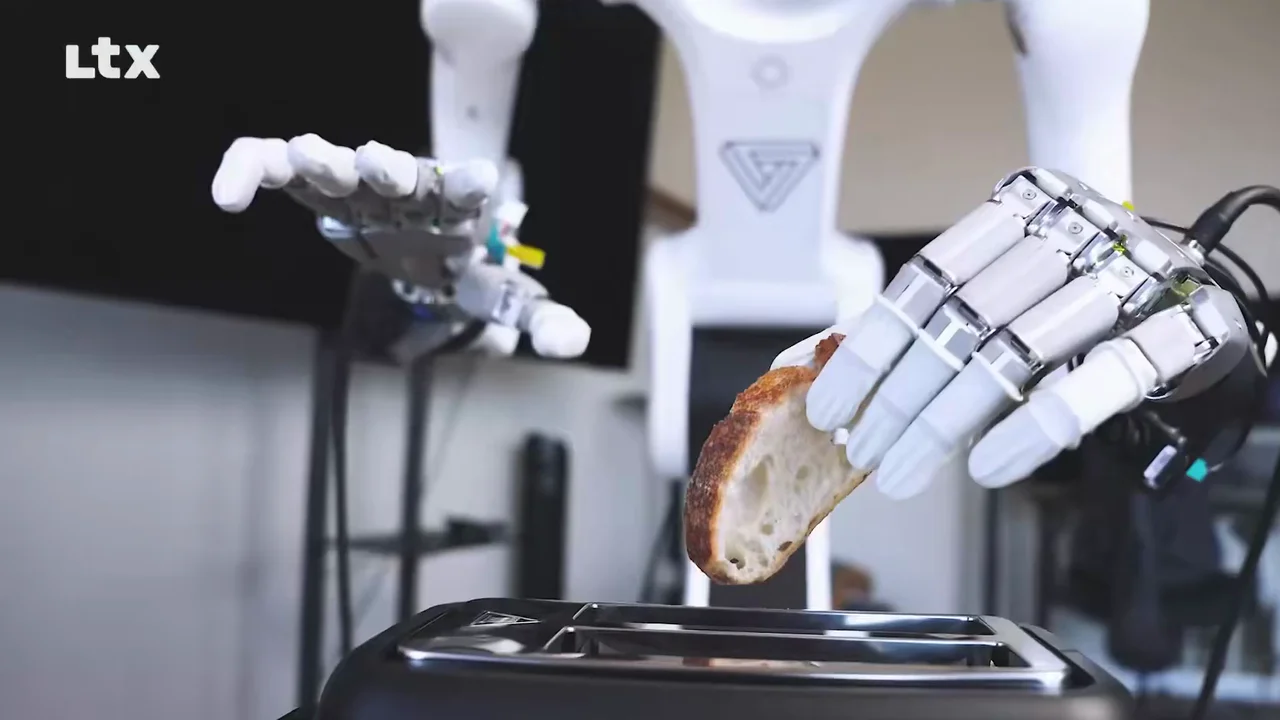
Markov Robotics Innovates Dexterous Manipulation with Video-Based Policy on LTX-2.5
Markov Robotics has introduced a novel approach to dexterous manipulation using a video model as the policy for its LTX-2.5 robot. This method allows the robot to understand object interactions in real-time, enhancing its ability to perform tasks in unfamiliar environments. By leveraging a world model that incorporates physical knowledge, the robot can adapt its grip based on the object's characteristics, such as applying gentle pressure for fragile items like glass and firmer grip for sturdier objects like rocks. This innovation addresses a significant challenge in robotics, where the development of effective software has not kept pace with advancements in hardware. Markov's approach emphasizes the importance of policies in robotic performance, suggesting that the future of dexterous manipulation lies in integrating high-fidelity sensory data with video-based expectations. The company's method of using a head cam to capture scenes and generate action videos represents a shift in how robots can learn and execute tasks. Looking ahead, the robotics community will be watching how Markov's techniques influence the broader field, particularly as more organizations explore world models for robotic applications. The effectiveness of this approach and its potential to streamline the training process for robots could set new standards in the industry. No further timeline was disclosed at the time of publication.
LTX Markov Robotics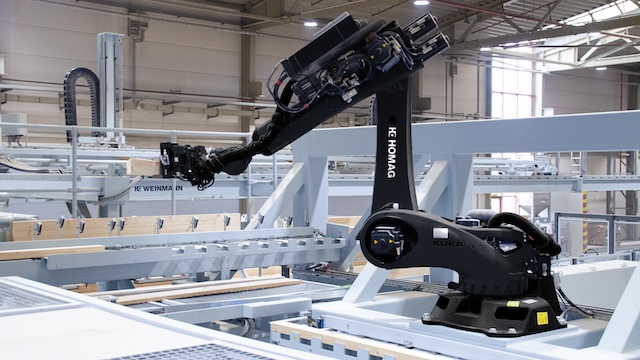
Geek+ Announces H1 2026 Results: 35.5% Growth in Orders and 75% Increase in Subscription Services
Geek+, a warehouse robotics manufacturer based in Hong Kong, has released its interim results for the six months ending June 30, 2026. The company reported a significant year-on-year increase in new signed orders, which rose by 35.5%, indicating strong demand for its solutions. The growth in orders is particularly notable in the services sector, which expanded at more than double the rate of the overall company. This shift reflects Geek+'s strategic move to transition customers from one-time equipment purchases to long-term operational contracts, enhancing customer retention and revenue stability. Looking ahead, Geek+ is expected to continue focusing on its subscription services, which saw a remarkable 75% increase. This trend suggests a growing preference among clients for ongoing support and operational efficiency. No further timeline was disclosed at the time of publication.
Financials & Investments News Warehouse robots amrs autonomous mobile robots embodied intelligence
Retrofitting Non-Powered Dams Could Generate 15.2 TWh of Electricity Annually
Recent research indicates that retrofitting selected non-powered dams in the United States could yield up to 15.2 terawatt-hours of electricity each year, enough to power over 1.4 million homes. This finding stems from a study by Oak Ridge National Laboratory and Idaho National Laboratory, utilizing the HydroGenerate software to model power production based on turbine performance and hydraulic head. The significance of this research lies in its potential to enhance the U.S. energy portfolio, as only 3 percent of domestic dams currently generate power. The study identified a total potential capacity of 4 gigawatts across more than 2,600 non-powered dams, with federal facilities accounting for 86 percent of this capacity. This innovative approach addresses previous limitations in hydropower assessments by incorporating actual site conditions and operational constraints. Looking ahead, the research team is preparing for the next phase of the project, which aims to further explore the feasibility of retrofitting these dams. The HydroGenerate software and related resources are available for project developers to conduct independent analyses, potentially leading to significant advancements in renewable energy generation from existing infrastructure.
Energy
NBA 2K27 Featuring NVIDIA DLSS 5 Highlights 26 New Games on GeForce NOW
September brings 26 new games to GeForce NOW, prominently featuring NBA 2K27, which utilizes NVIDIA's DLSS 5 3D-Guided Neural Rendering technology. This collaboration with Visual Concepts and 2K enhances the game's realism, offering lifelike lighting and material details that elevate the broadcast-style presentation. The introduction of DLSS 5 in NBA 2K27 marks a significant advancement in sports gaming, allowing players to experience enhanced visual fidelity without the need for downloads or storage management. GeForce NOW Ultimate members can stream the game across various devices, benefiting from the performance of GeForce RTX 5080-powered rigs in the cloud. In addition to NBA 2K27, other titles like Rebel Wolves' The Blood of Dawnwalker and Capcom's Onimusha: Way of the Sword are also joining the platform. Players can look forward to exploring dark fantasy worlds and engaging in combat with historical elements. No further timeline was disclosed at the time of publication.

Geek+ Reports 2026 Interim Results: Subscription-Based Service Orders Surge 35.5%
Geek+ has reported a significant increase in subscription-based service orders, with a remarkable 35.5% growth in 2026 interim results. This surge indicates a successful transition of their substantial installed base into additional service revenue, showcasing a robust and diversified growth strategy. The rise in subscription orders highlights the effectiveness of Geek+'s core warehouse autonomous mobile robots (AMRs) and their ability to drive sustained revenue growth. This trend is crucial as it reflects the company's adaptability and innovation in a competitive market, positioning them favorably for future opportunities. Looking ahead, stakeholders should monitor Geek+'s continued expansion in subscription services and the potential for further breakthroughs across various business sectors. No further timeline was disclosed at the time of publication.

Goldman Sachs Predicts China to Reduce Advanced Chip Supply Gap to 34% by 2035
According to a Goldman Sachs analysis, China is expected to significantly reduce its advanced-chip supply deficit over the next decade as domestic production increases. The supply shortfall for wafers produced using advanced processes of 7 nanometers and below is projected to decrease from 92% in 2025 to 34% by 2035, with supply reaching 410,000 wafers per month against a demand of 619,000 wafers. This reduction in the supply gap is crucial for China's semiconductor self-sufficiency, especially as domestic advanced-wafer supply is anticipated to grow at a compound annual rate of 46% from 2025 to 2035. Much of this growth is expected to stem from Semiconductor Manufacturing International Corp (SMIC), which is set to enhance its production capacity and improve yields, although lithography remains a significant challenge. Looking ahead, the semiconductor capital expenditure in China is projected to continue its upward trajectory, reaching $82 billion by 2030. This figure reflects a 79% increase from previous estimates, driven by rising demand for artificial intelligence and advancements in China's semiconductor ecosystem. No further timeline was disclosed at the time of publication.
AI and Robotics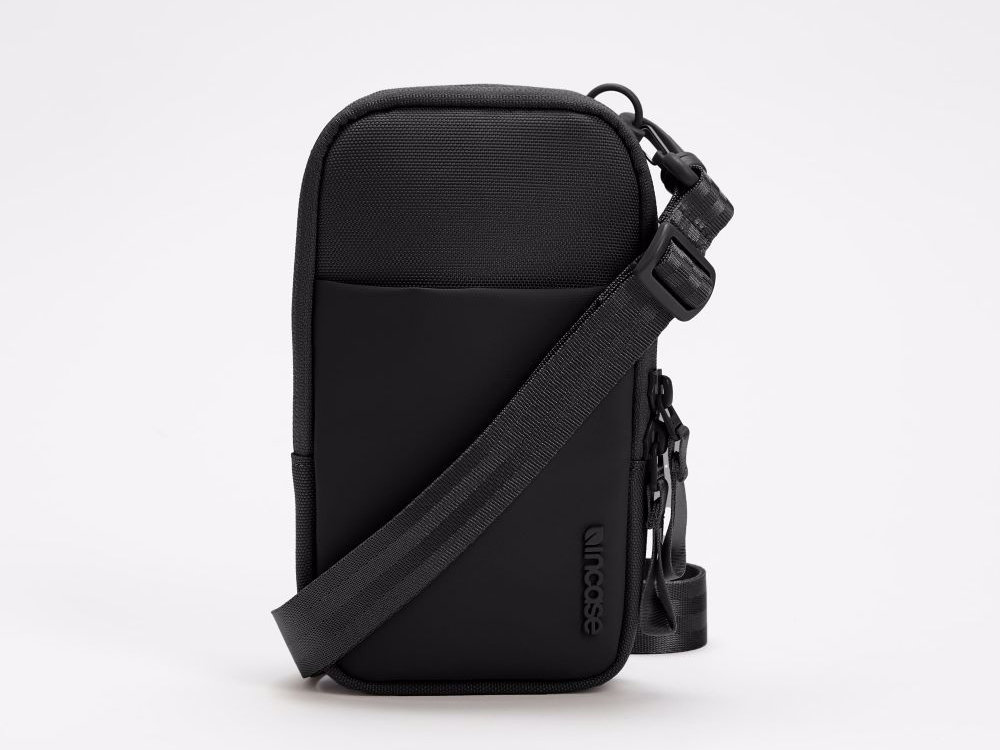
Incase Launches A.R.C. Small Crossbody Bag for iPhone Pro Max at 8,250 Yen
Incase has introduced the A.R.C. Small Crossbody Bag, priced at 8,250 yen, designed to accommodate the iPhone Pro Max. This minimalistic bag features a slim profile that fits comfortably over outerwear and includes an organizer pocket for small items like cards and AirPods. Additionally, it has a dedicated storage space for an AirTag and multiple slits for easy access to essentials. The A.R.C. Small Crossbody Bag is made from 100% recycled polyester with water and dirt-resistant coating, ensuring durability. The adjustable shoulder strap allows for two different styles of wear, enhancing its versatility. The bag measures approximately 12 cm in width, 21 cm in height, and 4 cm in depth, and is available in black and navy colors. As consumers increasingly seek functional yet stylish accessories, the launch of this bag highlights a growing trend in the market for practical solutions that cater to modern smartphone users. No further timeline was disclosed at the time of publication.
Spain's Defence Market Expected to Grow Across Combat Domains from 2026 to 2035
Spain's defence market is projected to experience growth across all combat domains from 2026 to 2035. This growth indicates a robust investment in military capabilities and modernization efforts within the country. The anticipated expansion is significant as it reflects Spain's commitment to enhancing its defence infrastructure and responding to evolving security challenges. However, fluctuations in the naval sector may pose challenges to achieving consistent growth across all areas. Industry stakeholders should monitor developments closely, particularly in the naval sector, to understand potential impacts on overall market stability. No further timeline was disclosed at the time of publication.
Features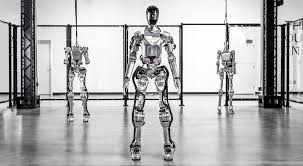
Spain's Defence Market Expected to Grow Across Combat Domains from 2026 to 2035
Spain's defence market is projected to experience growth across all combat domains from 2026 to 2035. However, fluctuations are anticipated specifically within the naval sector, indicating potential challenges in that area. This growth is significant as it reflects Spain's commitment to enhancing its military capabilities and modernizing its defence infrastructure. The expected expansion across various combat domains suggests increased investment and development in military technologies and systems. Industry stakeholders should monitor the naval sector closely due to the anticipated fluctuations, which could impact overall market stability. No further timeline was disclosed at the time of publication.
Features
Legend Robot Showcases 3.3m Spraying Robot for Saudi Vision 2030 at Big 5 Saudi
Legend Robot, a leader in autonomous construction robotics, has introduced its 3.3m Putty & Latex Spraying Robot at the Big 5 Saudi event. This innovative technology is designed to meet the unique challenges of Middle Eastern job sites, particularly in relation to thermal resilience and compatibility with GCC materials. The significance of this development lies in its potential to enhance the efficiency and effectiveness of construction processes within the context of Saudi Vision 2030 gigaprojects. By addressing specific regional conditions, Legend Robot's solution aims to streamline operations and improve project outcomes in a rapidly evolving construction landscape. Looking ahead, industry stakeholders should monitor the adoption of Legend Robot's technology as it may play a crucial role in the successful execution of large-scale projects under Saudi Vision 2030. No further timeline was disclosed at the time of publication.

2026 World Robot Conference Features 150 New Products from 373 Exhibitors
The 2026 World Robot Conference, held from August 19 to 23 in Beijing, showcased 373 companies and over 3,000 innovative products, with more than 150 new releases, marking a 21% increase from the previous year. The event highlighted the transition of robots from mere exhibits to commercial products, emphasizing their growing capabilities. Notable innovations included the Nexo robot from Xinghaitu, featuring 30 degrees of freedom and a 20 kg load capacity, capable of completing a full order-to-delivery process autonomously. Additionally, the Galbot ET1 from Yinhe Tongyong demonstrated real-time interaction and learning abilities, showcasing the potential for robots to perform complex household tasks. The conference also addressed the scarcity of high-quality human motion data with the release of the HiPHI dataset, which offers 617.5 hours of data for research purposes. As the robot industry continues to grow, with revenues projected to exceed 300 billion yuan by 2025, the conference underscored the expanding role of robots in various sectors, including homes, factories, and warehouses.
Humanoid Robots Warehouse Automation AI Robotics Innovation Automation Technology
Yushu Technology Debuts on Stock Market, Lei Jun Gains 15.2 Billion in Humanoid Robotics
On August 19, Yushu Technology, recognized as the first publicly traded humanoid robotics company in China, officially listed on the STAR Market. The stock opened at 1,100 CNY per share, surging 629% from its issue price, with a market capitalization briefly exceeding 444.9 billion CNY before closing at 341.8 billion CNY, marking a 460% increase. This significant rise has resulted in a floating profit of over 15.2 billion CNY for Lei Jun, who invested early through Shunwei Capital. Yushu Technology has achieved a remarkable 90% self-research rate for core components within less than a decade and is projected to deliver 5,500 humanoid robots by 2025 with a gross margin of 63.2%. Unlike many competitors relying on financing, Yushu has already turned a profit through robot sales. As Yushu's stock debut revitalizes the humanoid robotics sector, it also highlights the risks involved. The company's valuation is largely supported by its status as the first publicly listed humanoid robotics firm. The next two to three years will be critical for validating performance, as a mismatch between growth and valuation could lead to inevitable corrections. Yushu's projected revenue for 2025 is 1.699 billion CNY, with a net profit of 278 million CNY, resulting in a price-to-sales ratio exceeding 200 times at closing price.
Humanoid Robots Investment Robotics Industry AI Technology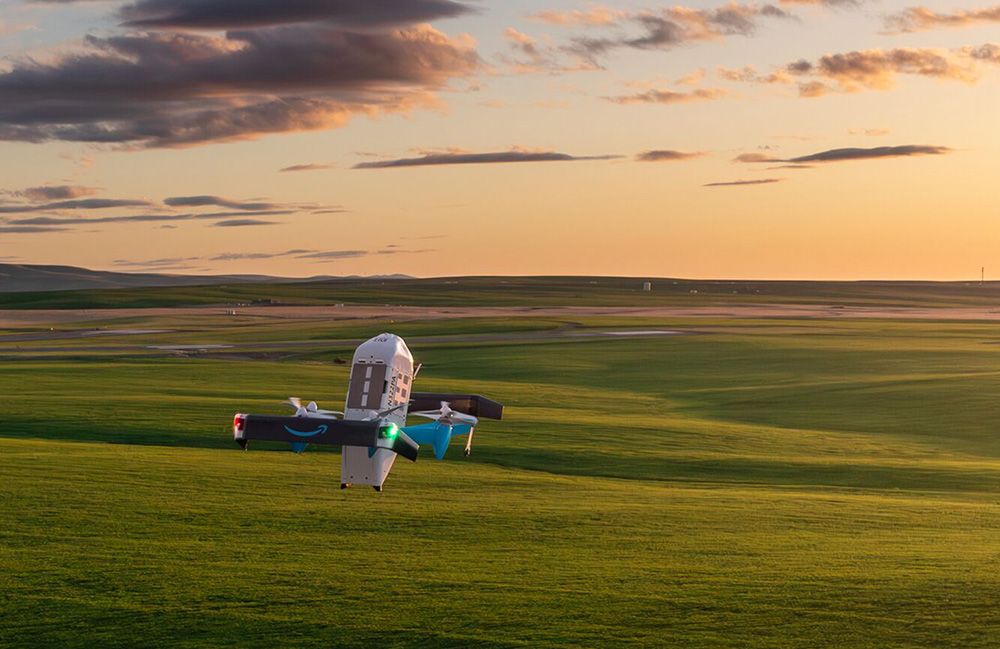
Amazon to Expand Prime Air Drone Delivery to Nearly 500 U.S. Cities by 2026
Amazon.com Inc. announced plans to expand its Prime Air drone delivery service to nearly 500 cities and towns across the U.S. by the end of 2026, marking a sixfold increase from its current service area. This expansion aims to provide tens of millions of customers with access to drone delivery for groceries, electronics, cosmetics, medications, and household products. The significance of this expansion lies in Amazon's commitment to enhancing customer convenience with ultrafast delivery options. David Carbon, vice president of Amazon Prime Air, stated that deliveries can be made in as fast as 30 minutes, with hundreds of thousands of packages already delivered by drone this year. The service is currently operational in seven states and is set to launch in additional metro areas, including Chicago and Atlanta, later this year. Looking ahead, Amazon's Prime Air service is not only expanding in the U.S. but has also launched in Darlington, U.K., marking its first international deployment. As the company continues to innovate in drone technology and delivery logistics, it will be important to monitor how this service evolves and its impact on the broader logistics and retail landscape. No further timeline was disclosed at the time of publication.
Drones News Retail / Wholesale Robots / Platforms Unmanned Aerial Systems / Drones Amazon
A Scholar's 25-Year Journey in Robotics and Focus on Companion Technology
In 1998, Zhang Fumin attended an international robotics conference in the U.S. with fewer than 400 attendees. Recently, he participated in the same conference in Vienna, which attracted 10,000 participants. Over 25 years, he has witnessed the evolution of the robotics industry but claims to have 'perfectly missed all opportunities for wealth.' Initially focused on model-based control during his PhD, he shifted to entrepreneurship when the industry moved towards data-driven approaches, choosing to develop companion technology rather than humanoid robots. Zhang emphasizes the principle of 'bounded companionship,' advocating for products that do not encourage addiction among minors or serve as substitutes for human interaction. Instead, his aim is to foster connections between people. He illustrates this with a story from Jin Yong's novel, where a character becomes so absorbed in a statue that he neglects real relationships. Zhang believes that while no product can eliminate loneliness, it can help alleviate it, promoting a balance between carbon-based and silicon-based intelligences. In 2023, Zhang returned to China as the director of the Robotics Institute at Hong Kong University of Science and Technology, fully committing to the entrepreneurial path in companion technology. His students have successfully secured funding in underwater embodied intelligence, and he has also achieved funding in the companion technology sector. 'This year is a magic year,' he states, reflecting on the journey ahead.
Companion Robots Robotics Research Human-Robot Interaction AI Technology
The Future of Humanoid Robots: Fiction or Reality by 2035?
A recent article in Science Robotics explores the potential of humanoid robots by 2035, questioning whether they will remain a concept of fiction or evolve into practical technology. The discussion highlights advancements in robotics and AI that could lead to significant developments in humanoid designs and functionalities. This inquiry is crucial as it addresses the implications of humanoid robots in various sectors, including healthcare, manufacturing, and personal assistance. The evolution of these robots could reshape human-robot interactions and influence workforce dynamics, making it essential for industry stakeholders to understand the trajectory of this technology. As research continues, observers should monitor advancements in AI and robotics that could impact the feasibility of humanoid robots. The timeline leading up to 2035 will be pivotal in determining whether these robots will transition from speculative fiction to integral components of society. No further timeline was disclosed at the time of publication.
Focus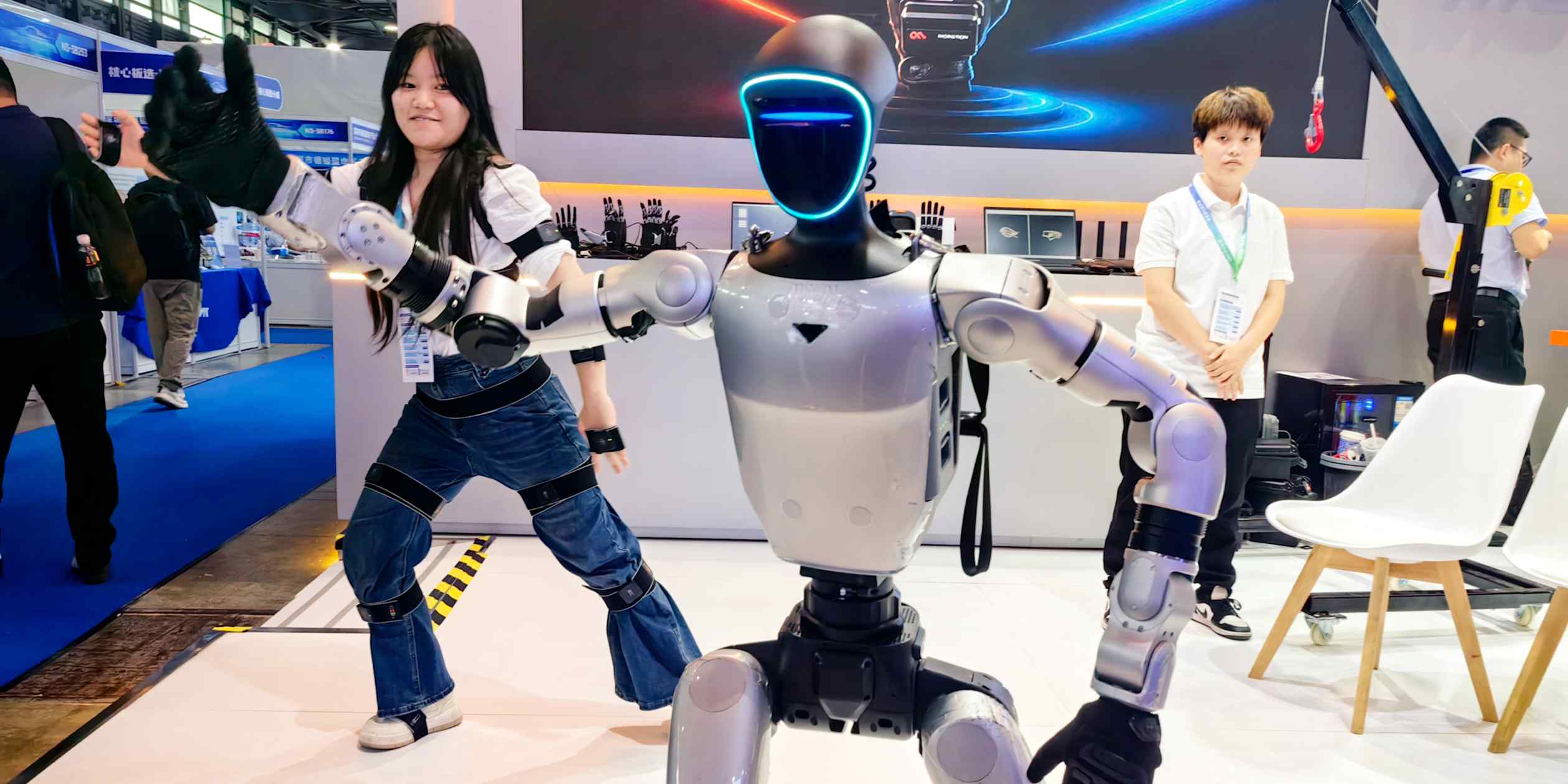
Unitree Robotics Shares Surge 629% Following $905 Million IPO in Shanghai
Unitree Robotics, a prominent Chinese humanoid robot manufacturer, experienced a remarkable 629% increase in share price, reaching 1,100 yuan each during its Shanghai IPO. The company successfully raised 6.1 billion yuan (approximately $905 million) on its debut, marking a significant milestone in the competitive robotics sector. This surge in share price highlights the growing investor interest in robotics and AI technologies, particularly in China, where the market for humanoid robots is rapidly expanding. Unitree's innovative designs and capabilities have positioned it as a leader in this field, attracting attention from both domestic and international investors. Looking ahead, industry observers will be keen to see how Unitree Robotics plans to scale its operations to meet the increasing demand for humanoid robots. No further timeline was disclosed at the time of publication.
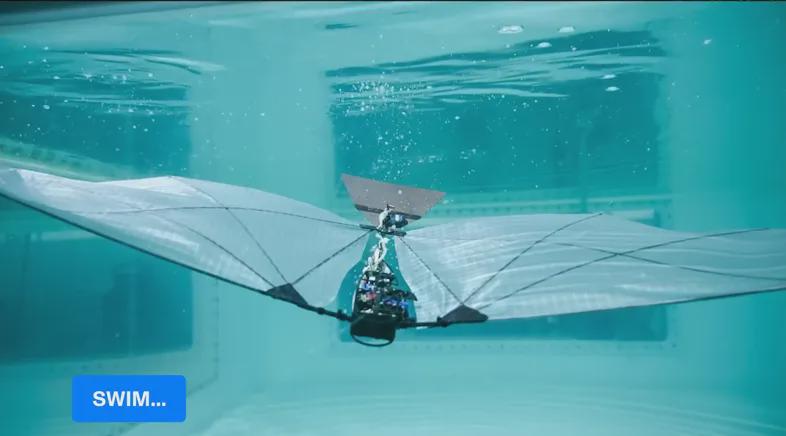
MIT Develops 250-Gram Robotic Bird Capable of Swimming and Flying
MIT has unveiled a groundbreaking 250-gram robotic bird that can seamlessly transition between swimming and flying. This innovative design utilizes a unique 'water-to-air switching' mechanism, making it as simple as flapping its wings. The development represents a significant advancement in robotics, showcasing the potential for versatile applications in various environments. The importance of this robotic bird lies in its ability to operate efficiently in both aquatic and aerial settings. This dual functionality could revolutionize how robots are deployed for tasks such as environmental monitoring, search and rescue operations, and wildlife observation. The lightweight design enhances maneuverability, allowing for more agile movements in diverse conditions. Looking ahead, industry experts will be monitoring the potential applications of this technology in real-world scenarios. The implications for robotics in both land and water environments are vast, and further developments from MIT could lead to even more sophisticated robotic systems. No further timeline was disclosed at the time of publication.
Robotics Automation AI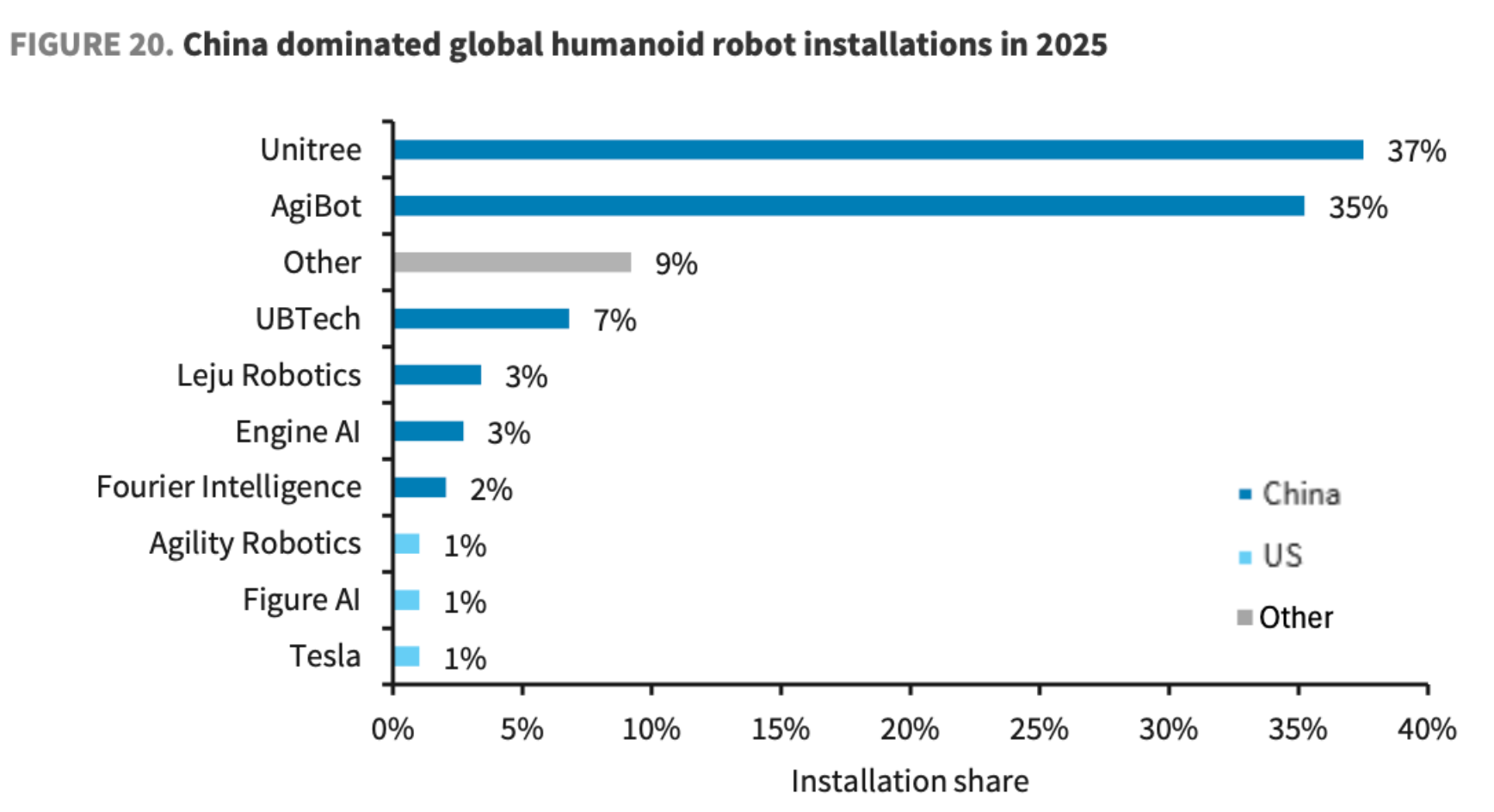
Barclays Predicts Humanoid Robot Market Could Reach $200 Billion by 2035, with China Leading
Barclays' latest report forecasts that the humanoid robot market could grow to a staggering $200 billion by 2035, contributing to a trillion-dollar physical AI ecosystem. This evolution marks the transition to 'Automation 3.0', where robots adapt to human environments rather than the other way around. The report highlights that the most significant breakthrough in the robotics industry is not merely replacing factory workers but entering the service sector, which has long resisted automation. Humanoid robots, with their versatile mobility and human-like operational capabilities, are poised to tackle tasks in hospitality, elder care, and household cleaning, tapping into a lucrative market that constitutes 60%-80% of GDP in major economies. Currently, China is projected to account for approximately 85% of global humanoid robot deployments by 2025, with companies like Zhiyuan and Yuzhu leading the way. The average cost of a humanoid robot in China is about $50,000, significantly lower than in Western countries. No further timeline was disclosed at the time of publication.
Humanoid Robots AI Service Automation Robotics Industry
Neros Technologies Secures $250 Million to Enhance Defense Drone Production by 2026
Neros Technologies announced the successful completion of a $250 million Series C funding round, elevating its valuation to $2.5 billion. The funding aims to expedite the development and production of its defense drones, including the Archer AI and Bandit models, which are set for deployment by the end of 2026. This funding is crucial as Neros seeks to fulfill its ambitious goal of producing 1 million drones annually, a mission that remains unchanged despite the expanding range of capabilities and mission sets. The company has secured significant contracts with the U.S. Army, Marine Corps, and various allied nations, positioning itself as a key player in the defense drone market amid rising global demand. Looking ahead, Neros Technologies plans to leverage this capital to enhance its drone manufacturing capabilities, particularly in response to the ongoing conflicts in Ukraine, Gaza, and Iran. The company aims to deliver advanced drone solutions that provide credible deterrence and support military operations effectively.
Defense / Security Drones Financial Investments Markets / Industries News
Beijing to Host Second World Humanoid Robot Games with 2,056 Competing Robots
The second World Humanoid Robot Games will take place in Beijing from August 22 to 26, featuring a record 2,056 robots from 666 teams across 16 countries. This year's event has expanded to five days and includes new competitions such as long jump, weightlifting, and tug-of-war, alongside traditional events. The significant increase in participation, with a 138 percent rise in teams and a quadrupling of robot entries compared to last year, highlights the growing interest in humanoid robotics. The event will showcase 51 competitions and 1,301 matches, reflecting the advancements in robotic capabilities and the diversity of challenges presented. Looking ahead, the games will emphasize autonomous performance, with stricter competition rules and new challenges designed to test practical robotic skills. Notably, the Dexterous Hand Challenge and Integrated Five Challenge will assess robots' dexterity and operational accuracy. The event promises to be a pivotal moment for the robotics community, with gold medals awarded across various sessions, including soccer and combat finals.
AI and Robotics
BYD Introduces 5.2-Foot Xiao Di Humanoid Robot in Showrooms Across China
Chinese electric vehicle manufacturer BYD has launched its humanoid robot, Xiao Di, in its car showrooms, starting with locations in Zhengzhou, Shenzhen, and Shanghai. This initiative comes amid a decline in domestic car sales and follows recent restrictions by the US FCC on foreign-made advanced robots, highlighting the contrasting approaches to robotics technology between the two countries. The introduction of Xiao Di, which stands 5.2 feet tall and weighs 128 pounds, is significant as it marks BYD's growing interest in humanoid robotics. Designed for customer interaction, Xiao Di can greet visitors, explain vehicle models, and answer questions in multiple languages. BYD plans to deploy two to three units in each showroom, aiming to enhance customer service and engagement. Looking ahead, the deployment of Xiao Di in BYD's showrooms could occur within one to two years, focusing on retail applications rather than industrial uses. As the competition in the EV market intensifies, particularly with other companies like Xpeng planning their own humanoid robots, the success of BYD's initiative will be closely monitored in the evolving landscape of robotics and customer service.
AI and Robotics
Global Robotics Industry Could Demand 363 TWh of Electricity by 2035
Research from Wood Mackenzie indicates that the global robotics industry may require 363 TWh of electricity annually by 2035, equivalent to the consumption of approximately 35 million average US households. This demand is compounded by existing pressures on energy capacity from AI data centers, marking robotics as a significant, yet largely unaccounted, factor in global electricity consumption. The anticipated growth of industrial robots is expected to account for 357 TWh of this demand, with humanoid robots contributing an additional 6 TWh. Currently, 5 million operational robots consume 78 TWh annually, nearly double the electricity usage of London. If the growth rate of 12 percent per year continues, the operational fleet could reach 16 million units by 2035, with China leading the market by installing over 70 percent of global industrial robots. As humanoid robots gain traction, their power demand could rival South Korea's entire electricity generation by 2026 if the market reaches one billion units by 2050. The decline in humanoid robot prices, dropping 93 percent from 2020 to 2025, is making them more accessible, despite current limitations in their deployment. No further timeline was disclosed at the time of publication.
Energy Robotics artificial intelligence china china state grid data centres
XPeng Launches G9L Flagship SUV Pre-Sale at 25.98 Million Yuan and Introduces VLA 6.3.0
XPeng officially launched the pre-sale of its G9L flagship five-seat SUV in Guangzhou on August 11, with a starting price of 25.98 million yuan. The SUV is available in four trims and features dual powertrains, catering to a diverse range of consumer preferences. The significance of this launch lies in XPeng's commitment to advancing its vehicle technology. The G9L not only represents a new addition to their lineup but also showcases the company's innovation in integrating advanced features. The introduction of the second-generation VLA model 6.3.0, which includes L4-grade Robotaxi capabilities, further emphasizes XPeng's focus on enhancing autonomous driving technologies. Looking ahead, industry watchers will be keen to see how the G9L performs in the competitive SUV market and the reception of its advanced features. No further timeline was disclosed at the time of publication.

Neros Secures $250 Million Funding to Advance Drone Production and Technology
Drone startup Neros has successfully raised $250 million in a funding round co-led by Sequoia, increasing its valuation to $2.5 billion. This investment will support Neros as it expands its offerings beyond strike drones to include autonomous systems and drone interceptors. The significance of this funding lies in Neros's ambition to establish a robust US supply chain for drone production, reducing reliance on China. CEO Soren Monroe-Anderson and Sequoia partner Shaun Maguire highlighted their goal of ramping up production capabilities, aiming to manufacture one million drones annually. Looking ahead, stakeholders should monitor Neros's progress in scaling production and the development of its autonomous systems. No further timeline was disclosed at the time of publication.

Neros Inc. Secures $250 Million Funding, Tripling Valuation to $2.5 Billion
Neros Inc. has successfully raised $250 million in a recent funding round, resulting in a tripled valuation of $2.5 billion. This significant financial boost is aimed at enhancing the startup's capabilities in drone development and production. The increased valuation reflects the growing demand from the US government for advanced defense technologies, particularly in the realm of drones. Neros Inc.'s focus on meeting this demand positions it strategically within the defense sector, which is increasingly reliant on innovative solutions. Looking ahead, industry observers will be keen to see how Neros Inc. utilizes this funding to expand its operations and product offerings. No further timeline was disclosed at the time of publication.

LTX-2.5 Launches with Fast AI Video Generation and Open Weights Integration
LTX, a company spun out of Lightricks, has launched LTX-2.5, an advanced open-weights video model that can generate a 10-second video from an image in just 6.8 seconds using NVIDIA superchips. This model is now integrated into ComfyUI and available on Hugging Face, supporting organizations with under $10 million in annual revenue for free. The significance of LTX-2.5 lies in its innovative features, including a new diffusion video decoder that enhances video quality and native multishot generation for consistent outputs. LTX claims its model has surpassed 33 million downloads, making it the most popular open world model line, and it aims to provide flexibility and efficiency in video generation compared to closed API competitors. Looking ahead, LTX is focused on expanding its capabilities and refining its technology. The company emphasizes the importance of open weights for diverse use cases in video and world models, contrasting its approach with the trend towards closed models in the industry. No further timeline was disclosed at the time of publication.
Technology
China's Ambitious Plan for Lunar Research Station with Robotic Assistance by 2035
Researchers from the China Academy of Space Technology (CAST) have proposed a lunar exploration blueprint that integrates robotic dogs with astronauts. This plan aims to enhance efficiency in the harsh lunar environment, where relying solely on humans or robots is deemed ineffective. The envisioned team consists of three astronauts and two quadrupedal robots, working collaboratively to conduct reconnaissance and assess hazardous terrain. The significance of this proposal lies in its potential to address the challenges of lunar exploration. The astronauts will command the robotic dogs to scout the lunar surface and provide emotional support, helping to alleviate the psychological stress of isolation. According to the authors, this 'human-robot collaboration model' leverages the complementary strengths of both humans and robots, supporting the long-term efficient operation of a lunar base. However, implementing this ambitious vision poses significant challenges, including the lack of GPS and inadequate communication infrastructure on the Moon. Additionally, AI training data from Earth may not be fully applicable, necessitating higher levels of autonomous decision-making for the robotic dogs. While this remains a research proposal rather than a confirmed deployment plan, it clearly reflects China's strategic ambition to integrate robotics, autonomous decision-making, and lunar infrastructure development. By 2035, when Chinese astronauts land on the Moon, these tireless quadrupedal robots may be their first companions.
Lunar Exploration Robotics Space Technology AI Human-Robot Collaboration
Over 300 Companies to Exhibit Over 150 New Products at the 2026 World Robot Conference
The 2026 World Robot Conference is set to take place from August 19 at the Yichuang International Exhibition Center in Beijing, spanning five days. This year's event will feature over 300 participating companies, a 36% increase from last year, showcasing more than 2,000 products, including over 150 new releases. The conference marks the 11th edition since its inception in 2015. The significance of this year's conference lies in the shift from merely showcasing products to focusing on delivery, reflecting the rapid growth of the robotics industry. According to the Ministry of Industry and Information Technology, revenue from China's robot enterprises exceeded 90 billion yuan in the first five months of this year, representing a 26.9% year-on-year increase. The conference will also highlight the increasing presence of humanoid robots, which accounted for approximately 90% of global shipments in 2025. Looking ahead, the conference will feature four exhibition halls, with the Intelligent Creation Hall being the most prominent for humanoid robot manufacturers. Notably, companies like UTree Technology and UBTECH will showcase their latest products. As the industry expands, the focus will be on which companies transition from prototype to small-scale delivery, indicating the evolving landscape of the robotics market. No further timeline was disclosed at the time of publication.
Humanoid Robots Robotics Industry Exhibitions AI Technology
Unitree Robotics Sees 5,526 Times Subscription in Shanghai IPO by Retail Investors
Unitree Robotics, officially known as Yushu Technology Co., launched its initial public offering in Shanghai, attracting significant interest from retail investors. The IPO was met with overwhelming demand, being subscribed 5,526 times, highlighting the strong market appetite for innovative robotics solutions. This remarkable subscription rate underscores the growing enthusiasm for robotics and automation technologies in China, particularly as Unitree Robotics is recognized as a leading humanoid robot manufacturer. The high level of retail participation reflects confidence in the company's future prospects and the broader potential of the robotics sector in the region. Looking ahead, it will be important to monitor how Unitree Robotics utilizes the capital raised from this IPO and the impact it may have on its product development and market expansion. No further timeline was disclosed at the time of publication.

China Plans to Use Robot Dogs for Research at 2035 Moon Station
China is preparing to send robot dogs to the Moon as part of its International Lunar Research Station (ILRS) initiative, aiming for completion by 2035. These quadruped robots are envisioned to assist astronauts in research and emotional support, enhancing the human experience in space. The integration of new communication and navigation systems is crucial for this ambitious project, as reported by South China Morning Post. The robot dogs will not only patrol the lunar research station but also aid astronauts in scientific tasks, showcasing a unique partnership between humans and machines in extraterrestrial environments. Looking ahead, the deployment of robot dogs could revolutionize lunar exploration, with their capabilities extending to autonomous operations. As China progresses towards its 2035 goal, the role of these robotic companions in space will be pivotal in ensuring safety and efficiency in lunar research activities. No further timeline was disclosed at the time of publication.
AI and Robotics
Mila Team Develops $2,000 Open-Source Robot Dog as Alternative to $50,000 Guide Dogs
A team from Mila and École Polytechnique de Montréal has developed an open-source robot dog named Milo, which costs approximately $2,000. This innovative solution addresses the high costs and long wait times associated with traditional guide dogs, which can exceed $50,000 and require 2-4 years for matching. Milo is designed to operate both indoors and outdoors without needing prior environmental scans or external computing power. It can navigate obstacles and recognize nearby individuals, making it a collaborative tool for visually impaired users. This robot dog integrates advanced technologies, including an NVIDIA Jetson Orin Nano for processing, and features a flexible handle that allows users to adjust their relative position to the robot. The development of Milo represents a significant advancement in assistive technology, providing a more affordable and accessible option for those in need of guide dogs. As the technology evolves, it will be important to monitor its adoption and effectiveness in real-world scenarios. No further timeline was disclosed at the time of publication.
Robot Guide Dogs Assistive Technology AI Navigation Open-Source Robotics
Yushu Technology Announces IPO Price of 150.80 Yuan per Share with 219x PE Ratio
Yushu Technology (688836.SH) has set its initial public offering (IPO) price at 150.80 yuan per share, with the offering scheduled to begin on August 10. This pricing positions the company's market valuation at approximately 609.93 billion yuan, with expected total fundraising of around 60.99 billion yuan, netting about 59.17 billion yuan after expenses. The IPO's price corresponds to a static price-to-earnings (PE) ratio of 219.23, significantly exceeding the industry average of 38.56 for general equipment manufacturing. The strategic placement list includes major investors such as the National Social Security Fund and Tencent's Shanghai Qishan Investment, with a total of 808.93 million shares allocated, representing 20% of the total issuance. Yushu Technology has achieved a rapid review process, becoming the fastest in the Sci-Tech Innovation Board's history, taking only 73 days from acceptance to approval. The company anticipates a revenue increase from 1.59 billion yuan in 2023 to 16.99 billion yuan by 2025, marking a compound annual growth rate of 226.78%. No further timeline was disclosed at the time of publication.
Humanoid Robots IPO Robotics Industry Stock Market Investment
USS Theodore Roosevelt Becomes First Carrier with Fully Operational Drone Control Center for MQ-25 Stingray
The USS Theodore Roosevelt has achieved a significant milestone by becoming the first U.S. Navy supercarrier equipped with a fully operational Unmanned Air Warfare Center (UAWC) capable of supporting the MQ-25 Stingray drone. This development is a crucial step towards the Navy's goal of achieving initial operational capability (IOC) for the MQ-25, now projected for 2029 after several delays. This advancement is vital as it enhances the Navy's aerial capabilities, allowing for the integration of the MQ-25 Stingray into routine carrier operations. The UAWC on the Theodore Roosevelt is expected to facilitate the deployment of the Stingray, which aims to extend the operational range of carrier air wings while reducing the reliance on crewed aircraft for refueling missions. Looking ahead, the Navy plans to deploy the MQ-25 Stingray first on the USS Theodore Roosevelt, with the USS Ronald Reagan's UAWC expected to be operational by August 2026. The integration of the UAWC and the MQ-25 program remains a focal point for the Navy as it seeks to modernize its carrier operations and enhance mission effectiveness.
Air Carriers MQ-25 Navies Nimitz Class Sea
Tate Achieves 12-Fold Welding Productivity Increase with 58 Hirebotics Cobots
Hirebotics has announced that Tate, a data center infrastructure company, has successfully deployed 58 Cobot Welder systems across its manufacturing facilities in Arkansas, Virginia, and Kentucky. This deployment has resulted in a remarkable 12-fold increase in per-welder throughput for critical structural assemblies while allowing Tate to expand its team of certified welders. The significance of this achievement lies in Tate's ability to meet the intense demand and tight project timelines associated with its 120-year legacy in providing structural ceilings and airflow management products for large data centers. By transitioning to a cloud-connected automation network powered by Hirebotics' Beacon Pro control platform, Tate has scaled production without compromising precision, ensuring zero tolerance for manufacturing errors. Looking ahead, the integration of Hirebotics' technology allows Tate to manage its multi-plant network of Cobot Welders from a single smart device, enhancing operational efficiency. No further timeline was disclosed at the time of publication.
Computing Infrastructure News automation beacon pro cloud robotics
Liquid AI Launches LFM2.5-2.6B Model for Local AI Applications on Small Devices
Liquid AI, a startup founded by former MIT computer scientists in 2023, has introduced LFM2.5-2.6B, a new open-weight language model tailored for agentic workloads. This model can operate entirely on local hardware, including devices as small as a Raspberry Pi, without the need for cloud inference or GPUs, making it ideal for enterprises in regulated sectors that handle sensitive data. The significance of LFM2.5-2.6B lies in its ability to support high-volume, defined tasks such as document management and workflow automation in environments with limited connectivity. The model contains 2.6 billion parameters and features a 128,000-token context window, allowing it to perform efficiently on consumer hardware while maintaining low operational costs. Looking ahead, Liquid AI's focus on edge AI applications may reshape how enterprises approach AI deployment, particularly in scenarios where latency and privacy are critical. No further timeline was disclosed at the time of publication.
TechnologyRobotics needs a service framework.
RSF defines a common language for robot service capability, lifecycle operations, certification pathways, and service-provider networks.
Join the RobotToday community on LinkedIn
Daily robotics news, in-depth analysis, conference highlights, and discussions with professionals worldwide.