

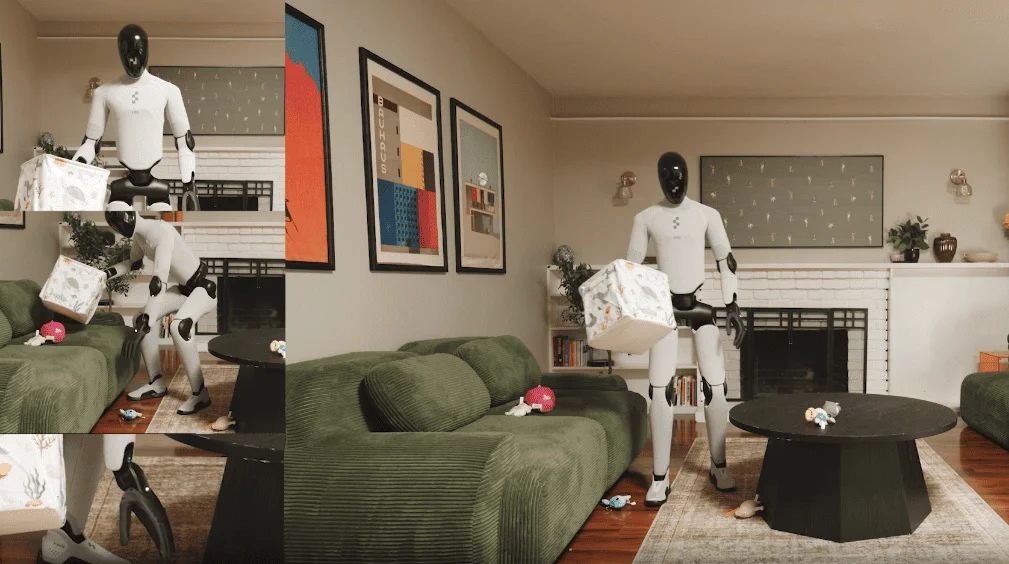
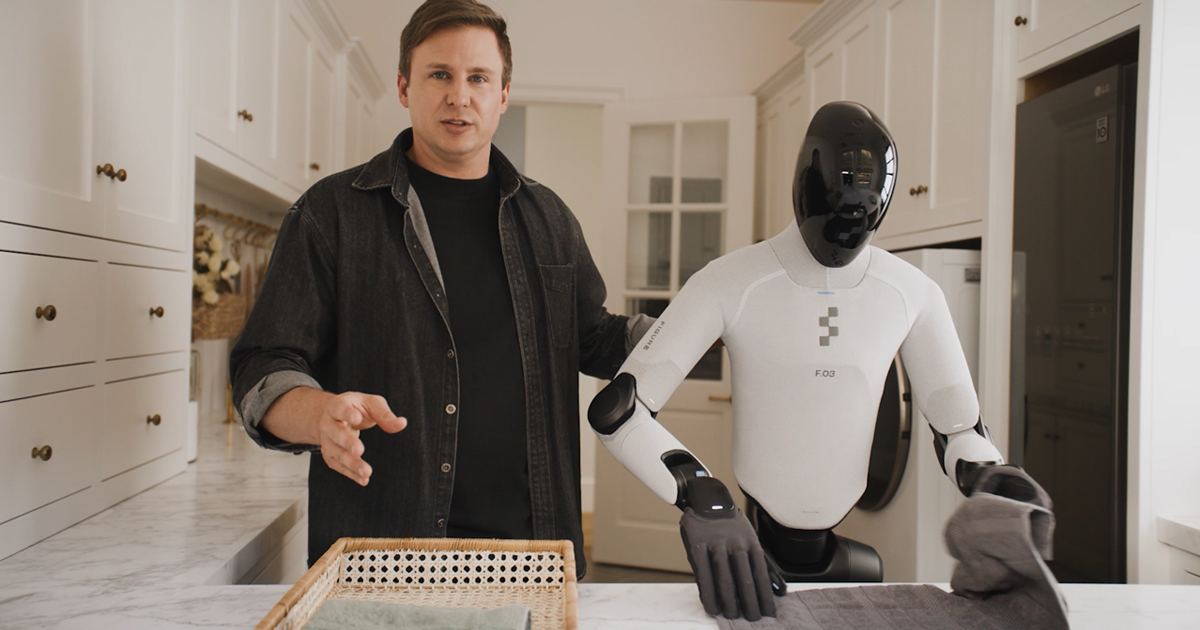
Figure has unveiled Helix 2.5, a neural network that allows its humanoid robot to perform three household tasks across 30 unfamiliar homes without prior data collection or model adaptation. This innovation marks a significant leap in robotic generalization, increasing zero-shot task success from 9% to 56% through Index pretraining, which also reduced task-specific data requirements by half.
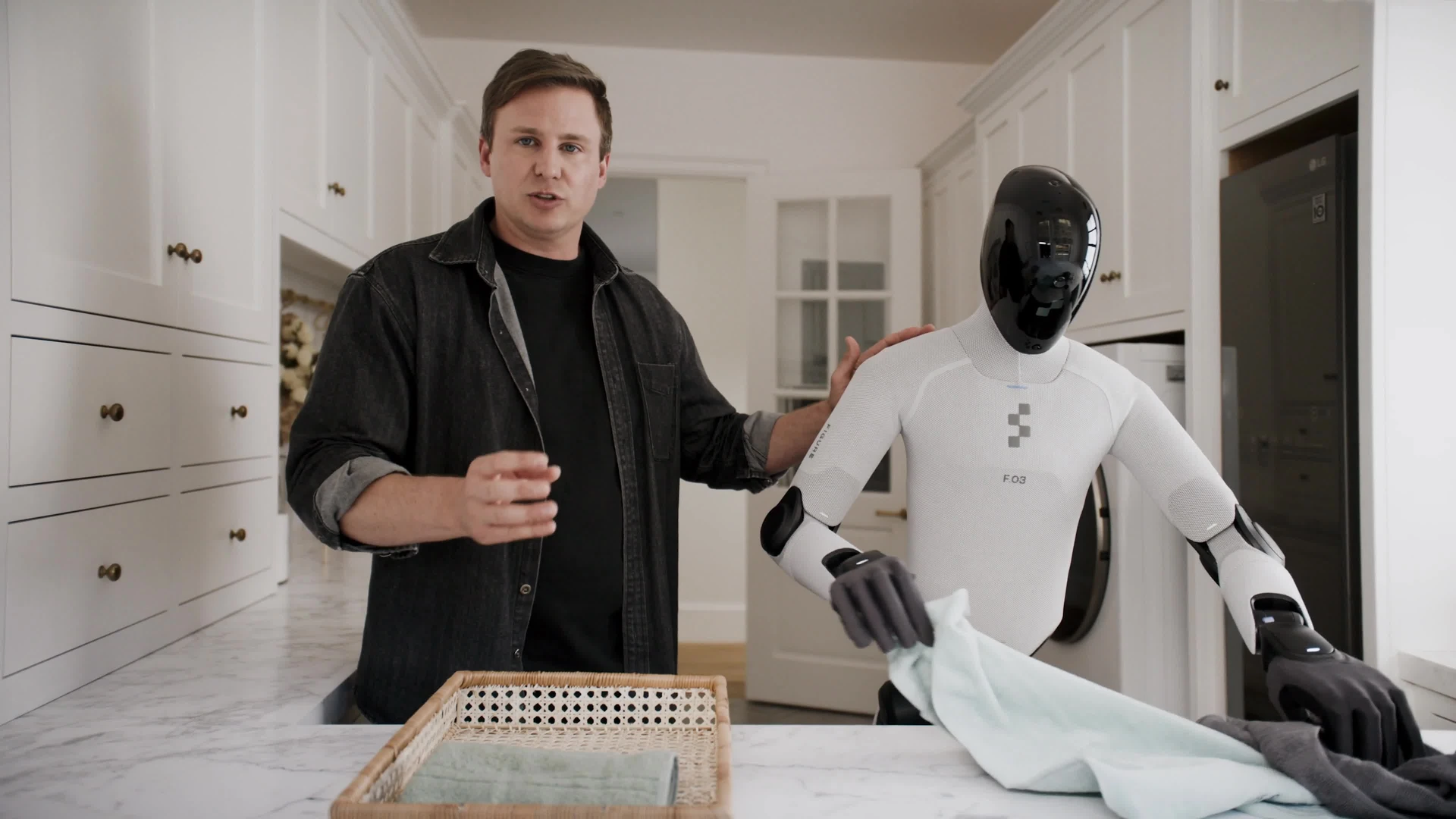
The ability to generalize in unseen environments is crucial for robotics, as highlighted by Figure's founder and CEO Brett Adcock. The tests conducted in the Bay Area demonstrated Helix 2.5's capability to tidy living rooms, fold towels, and make beds using only knowledge transferred from human behavior, showcasing a major advancement in the field.
Looking ahead, Figure is generating approximately 35 minutes of new human-experience data every second and has committed $3.5 billion in computing resources to further enhance Helix. The company aims to scale its technology, suggesting that increased data and compute power will lead to improved performance in real-world applications.
Editor's Note
The introduction of Helix 2.5 by Figure represents a pivotal moment in the robotics sector, particularly in the context of humanoid robots performing complex tasks in diverse environments. This advancement could reshape the landscape of household automation and influence investment strategies in AI and robotics, as companies seek to leverage such technologies for efficiency and cost-effectiveness.





















Leave a comment