

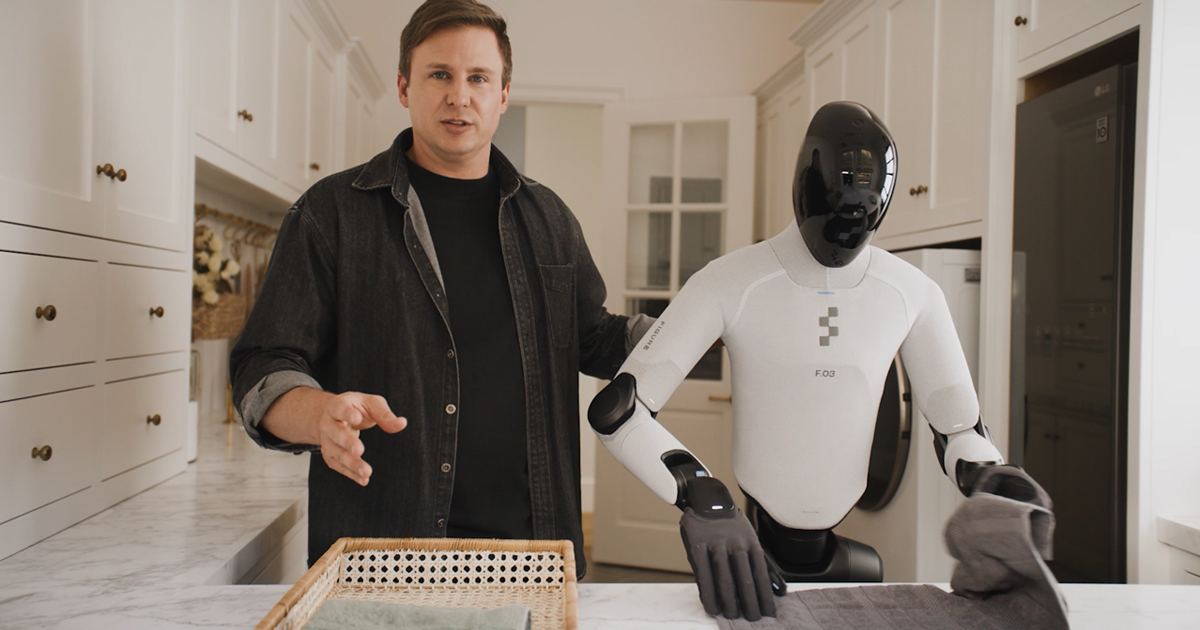
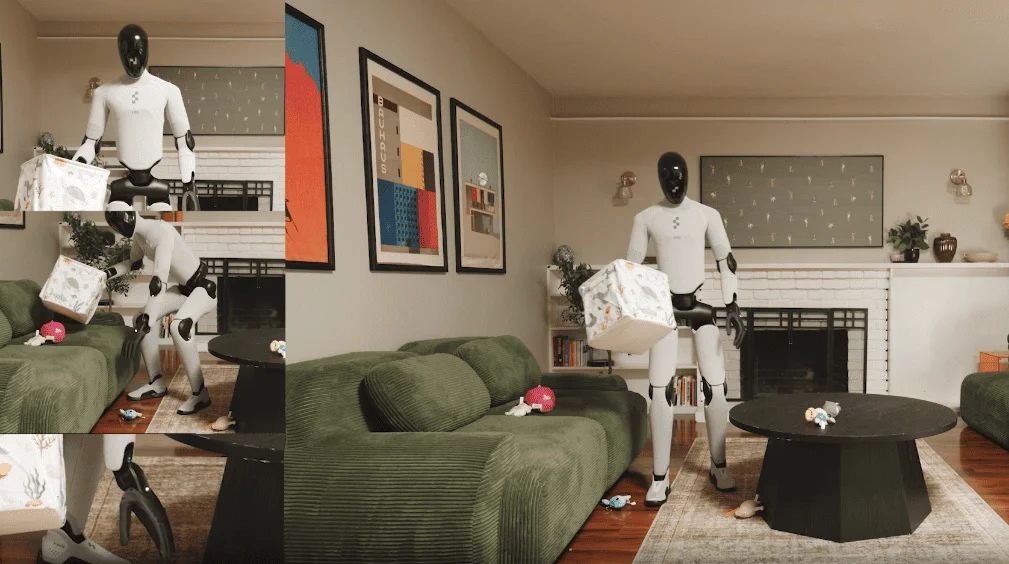
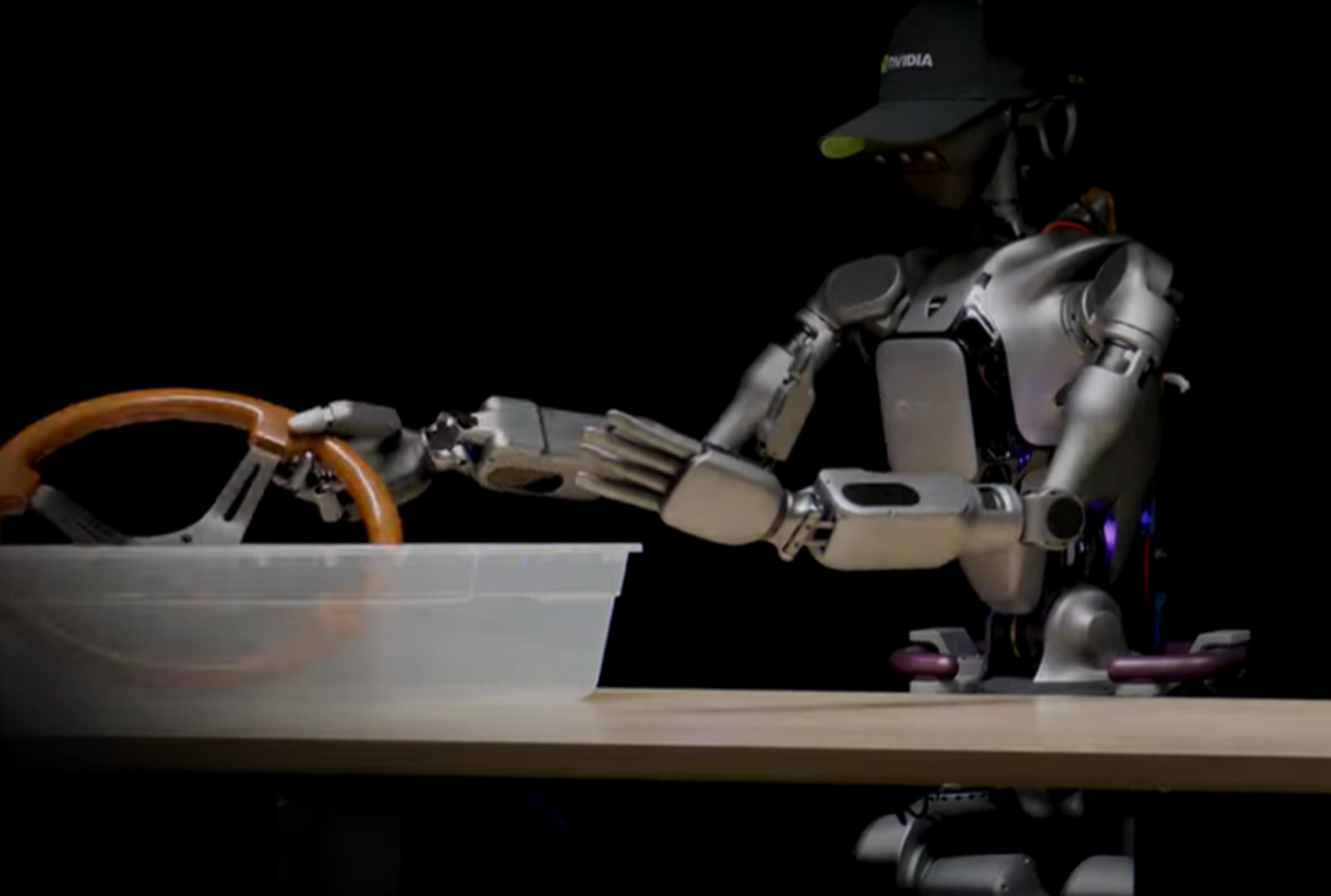
Figure has unveiled Helix 2.5, a groundbreaking neural network designed for humanoid robots. Unlike previous models, Helix 2.5 can autonomously perform tasks in unfamiliar environments without prior data collection. This innovation was tested in 30 homes in the Bay Area, showcasing the robot's ability to execute three complex behaviors: tidying living rooms, folding towels, and making beds.
The significance of Helix 2.5 lies in its ability to generalize learned behaviors across different settings, a challenge that has historically limited robotic applications. By utilizing the Index dataset, which encompasses a wide range of human behaviors, Helix 2.5 achieved a zero-shot success rate of 56%, a substantial improvement from the previous 9%. This advancement indicates a shift towards more adaptable and intelligent robotic systems capable of operating in diverse environments.
Looking ahead, the implications of Helix 2.5's capabilities could transform the landscape of humanoid robotics. While the technology is not yet fully mature, it represents a significant step towards developing robots that can learn from human experiences and apply that knowledge in new scenarios. Future developments will likely focus on expanding the range of tasks and environments in which these robots can operate effectively.
Editor's Note
The introduction of Helix 2.5 marks a pivotal moment in humanoid robotics, emphasizing the importance of adaptability and generalization in robotic systems. As industries increasingly seek automation solutions that can seamlessly integrate into various environments, advancements like these will be crucial for enhancing operational efficiency and reducing the need for extensive retraining.




























Leave a comment