Ventus Geospatial
Ventus Geospatial (formerly Isis Geophysics) is a Canadian UAV survey company specializing in aerial mapping, geophysical surveying, and GIS data.
Contact Ventus Geospatial
WEBSITE
https://ventusgeo.caPHONE
403-332-6058HEADQUARTERS
Canada

Company Facts
Founded
2011
Primary Role
Manufacturer
Company Size
-
Primary Region
North America
Annual Sales
-
Funding Stage
-
Funding Total
-
Certifications & Memberships
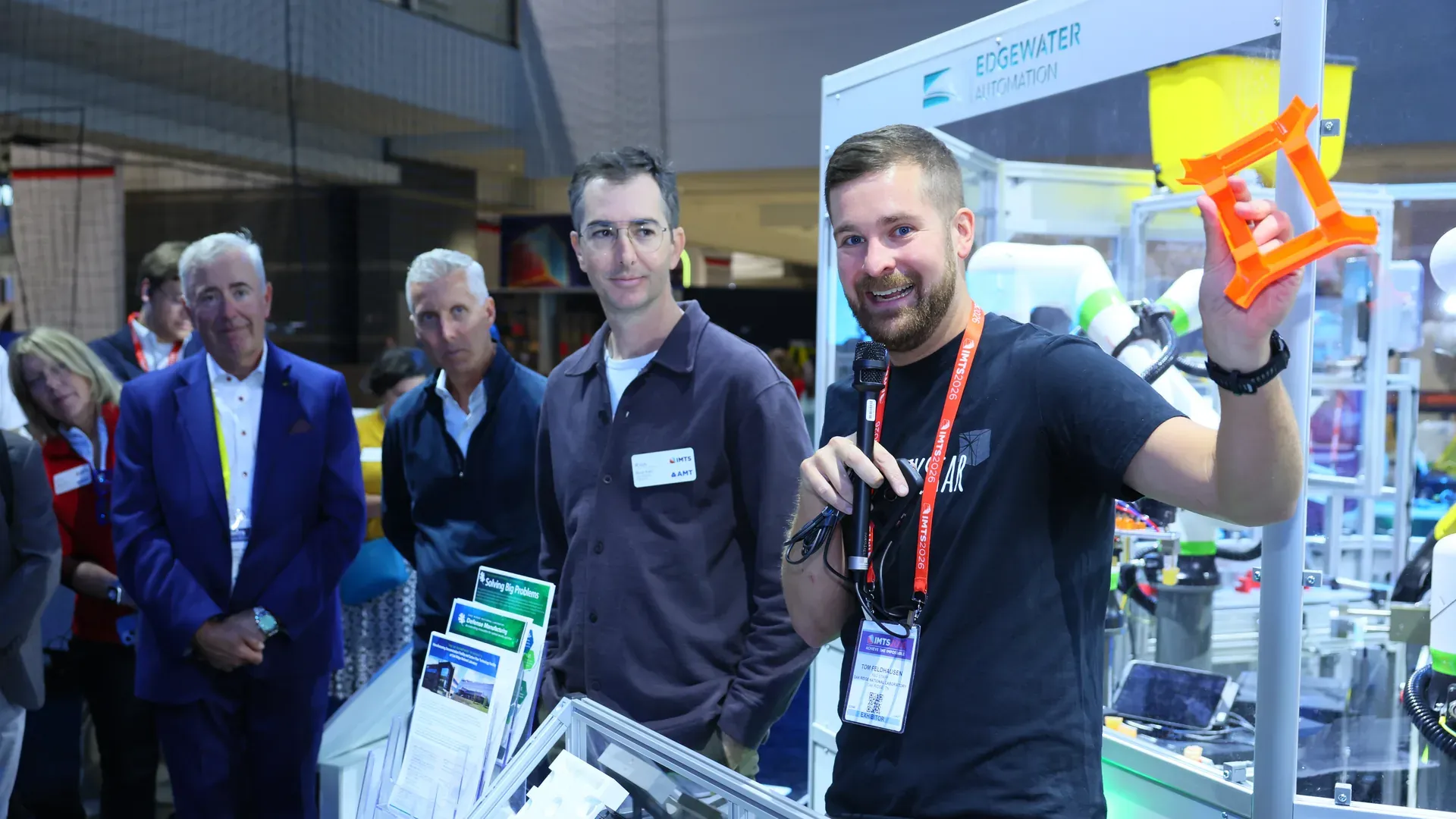
IMTS 2026 Preview: Record Orders and the Automation Story
IMTS 2026 opens in Chicago with 1,788 exhibitors and record H1 machine tool orders. What the USMTO data says about automation, and the booths to see.
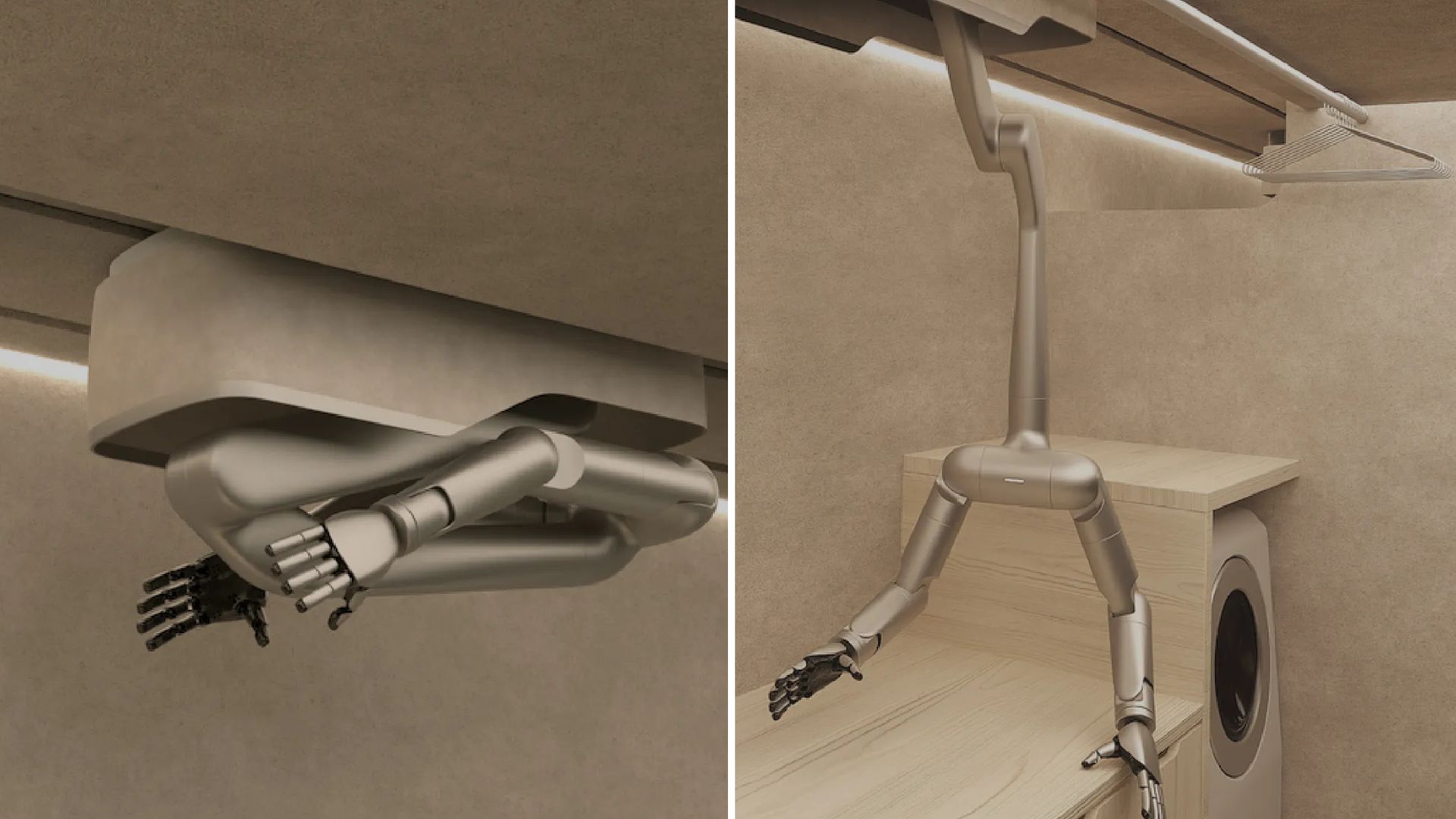
MW Develops Robotic Arm-Equipped Homes to Automate Household Chores by 2028
Tokyo-based startup MW is innovating residential living by creating homes with integrated ceiling-mounted robotic arms designed to automate household chores. This approach offers an alternative to traditional bipedal humanoid robots, focusing on custom architecture, the MW bot, and MW Intelligence software. MW aims to debut these automated homes in Tokyo by 2028, with plans to scale production to 10,000 units annually by 2035. The significance of MW's initiative lies in its potential to transform the Japanese housing market, targeting a five percent share of new home construction. The company has already completed its first generation of the MW bot and received over 1,000 applications for its homes. The design addresses the limitations of bipedal robots in compact living spaces, opting for wall- and ceiling-mounted systems that can perform tasks like grocery handling and laundry folding. Looking ahead, MW's strategy includes selling its first fully functional robot-equipped home by 2028, with a focus on high-end real estate. The startup has secured ¥3 billion in seed funding and is pursuing a ¥10 billion Series A round, positioning itself as a comprehensive provider of automated housing solutions, from land acquisition to robot development.
AI and Robotics
Lockheed Martin Reveals New Details on Vectis Collaborative Combat Aircraft Design
Lockheed Martin's Skunk Works has unveiled new information about its Vectis Collaborative Combat Aircraft (CCA), emphasizing its advanced stealth features. The aircraft boasts a unique submerged air inlet design that enhances survivability, setting it apart from other CCA models. With a length of approximately 34 feet and a wingspan of around 38 feet, Vectis is designed to meet diverse mission requirements, with prototype construction already underway and plans for additional units. The significance of the Vectis lies in its innovative design and operational capabilities, particularly its focus on stealth and flexibility. The submerged air inlet configuration is intended to reduce drag and improve performance, which is crucial for missions in challenging environments. Lockheed Martin's commitment to developing a tailless drone reflects a strategic move towards enhancing the survivability of future combat operations. Looking ahead, the first prototype of Vectis is expected to take flight by the end of next year, with four more prototypes planned. As the Air Force continues to emphasize Agile Combat Employment, the Vectis may play a vital role in future military operations, adapting to various mission needs while maintaining low observability.
News & Features Air Collaborative Combat Aircraft Drones Loyal Wingman Unmanned
Atlas Building Composites Converts Plastic Waste into Durable Building Materials
Atlas Building Composites, a spinout from MIT, is addressing the dual challenges of housing shortages and plastic waste through an innovative solution. The company has created an AI-powered robotic manufacturing platform that transforms single-use plastics into resilient building materials, including components for homes such as foundations and trusses. Their mission aims to convert waste plastic pollution into durable composites to support the construction of 1 billion homes. The significance of Atlas's work lies in its potential to revolutionize both the construction and recycling industries. By utilizing waterless plastic recycling and large-scale composite additive manufacturing, Atlas is not only providing sustainable building solutions but also democratizing recycling efforts globally. This approach allows countries with limited water resources to effectively manage plastic waste, thereby reducing environmental impact. Looking ahead, Atlas co-founders A.J. Perez and Matt Pouliot envision deploying thousands of their AI robotic production systems worldwide. Their recent collaboration with the U.S. Army Corps of Engineers to construct a bridge using recycled composite trusses highlights the practical applications of their technology. No further timeline was disclosed at the time of publication.
3-D printing Alumni/ae Housing Sustainability Cleaner industry Startups
Robotics and Automation Address America's Housing Shortage Amid Labor Challenges
The U.S. housing market faces a deficit of approximately 1.2 million homes and nearly 300,000 open construction jobs. Labor shortages are costing homebuilders around $11 billion annually, extending construction timelines by about two months. Robotics and automation are emerging as potential solutions, yet their impact on productivity remains limited and focused on specific tasks rather than full labor replacement. Industry experts highlight that while robotics can enhance precision and reduce errors in construction, the variability of job sites poses significant challenges for widespread automation. Current advancements are primarily seen in repetitive tasks such as layout and material handling, rather than in humanoid robots performing complex construction activities. The National Association of Home Builders emphasizes that the industry must attract around 740,000 workers annually to address labor gaps and improve productivity. Looking ahead, the integration of robotics in construction is expected to evolve, but experts caution that significant advancements are still years away. The focus will likely remain on improving specific processes rather than achieving full automation of construction sites. No further timeline was disclosed at the time of publication.

Monumental's Salar al Khafaji Discusses Robotics in Construction and 'Walls as a Service
Salar al Khafaji, founder and CEO of Monumental, recently appeared on Episode 261 of The Robot Report Podcast to discuss the concept of 'Walls as a Service' and the potential for robotics in the construction sector. He emphasized the need for scalable automation in construction, a field known for its limited digitization and reliance on traditional methods. The discussion highlights the significance of integrating robotics and AI into construction processes, aiming to transform it into a more efficient and technology-driven industry. Al Khafaji's vision focuses on making construction software-defined and hardware-enabled, which could lead to substantial improvements in productivity and cost-effectiveness. Listeners should keep an eye on Monumental's developments as they continue to innovate in the construction space. No further timeline was disclosed at the time of publication.
Artificial Intelligence Autonomous Mobile Robots (AMRs) Construction News Opinion Podcast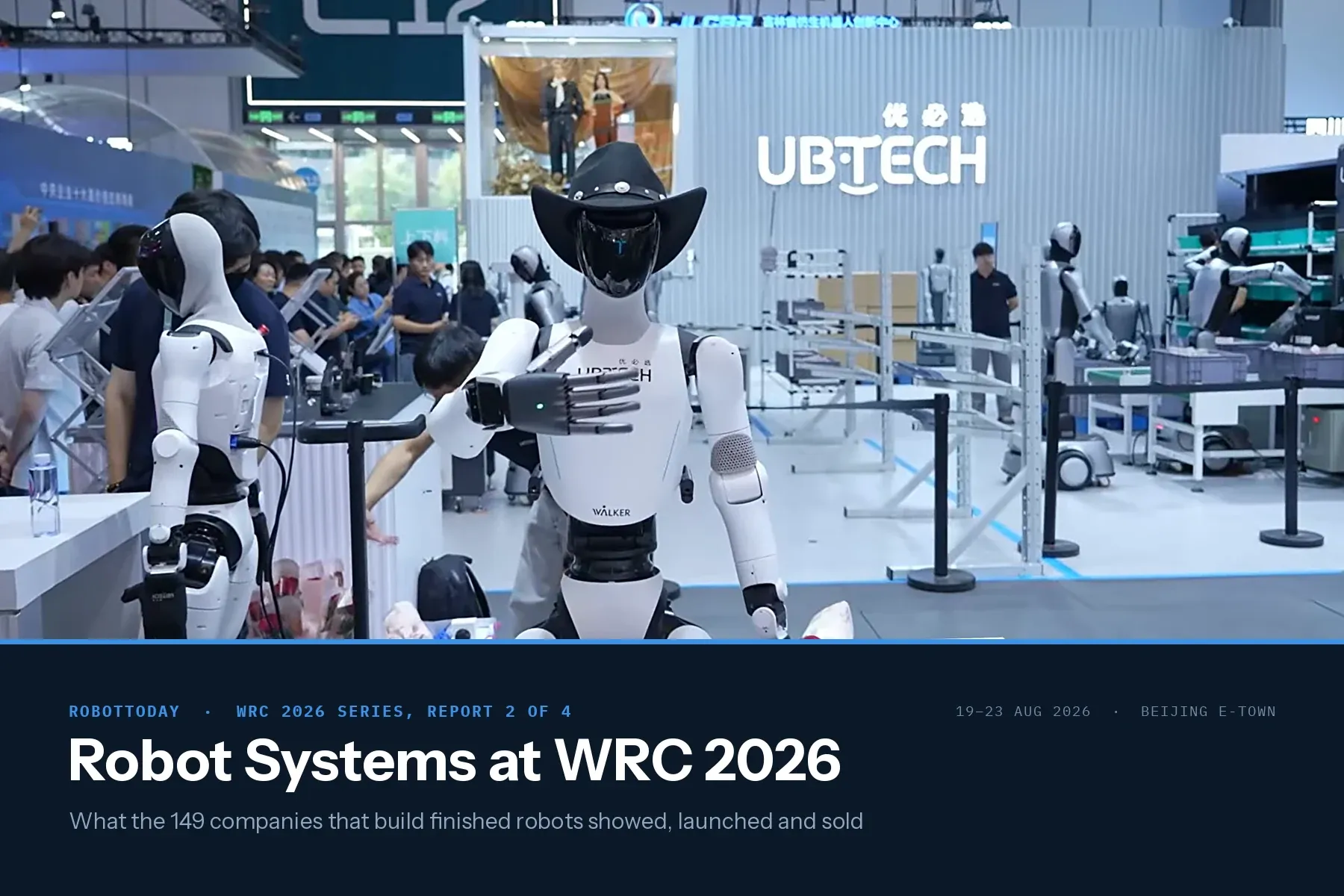
WRC 2026 Robot Systems: 149 Companies That Build Robots
149 of the 248 classified WRC 2026 exhibitors build finished robots. 93 build humanoid or legged machines. The audited humanoid sales number is one unit.

WRC 2026 Exhibitor Map: 248 Robotics Companies Mapped
We classified 248 WRC 2026 exhibitors with the RobotToday taxonomy. Motion & Actuation leads at 75 companies, Humanoid at 72, and compute stays thin at 12. (Modified 2026-08-27)

Aetina Enhances Edge AI with Support for NVIDIA Jetson Orin Nano 2 Platform
Aetina Corporation has announced its support for the NVIDIA Jetson Orin Nano 2, enhancing its edge AI capabilities. This new platform allows for higher-performance generative AI and multimodal inference, which are crucial for compact Physical AI systems. The introduction of the Jetson Orin Nano 2 marks a significant advancement in entry-level edge AI robotics computers. It enables developers to create sophisticated applications such as delivery and inspection drones, robots, and vision AI systems that can perceive their environment and respond in real time. Looking ahead, the integration of the Jetson Orin Nano 2 into Aetina's offerings is expected to drive innovation in the edge AI sector. No further timeline was disclosed at the time of publication.

Perceptual Robotics Secures Over £4 Million for Wind Turbine Inspection Drone Expansion
Perceptual Robotics, a Bristol-based drone company, has successfully raised over £4 million (approximately $5.3 million) as of July 28, 2026. This funding, which includes investment from Innovate UK, Loggerhead Ventures, One Planet Capital, and new investor Investing for Purpose, will be used to enhance its wind turbine inspection platform. The significance of this funding lies in its potential to bolster the company's capabilities in both onshore and offshore wind turbine inspections. Matthew Jellicoe from One Planet Capital highlighted the strong investor support and the company's momentum, indicating that Perceptual Robotics is well-positioned for expansion into various verticals over the next two years. Looking ahead, Perceptual Robotics aims to accelerate product development and deepen its offshore support. The company plans to leverage this funding to enhance its autonomous drones and AI services, which are crucial for managing wind turbine blade inspections and extending service life for operators. No further timeline was disclosed at the time of publication.
Drone News Drone News Feeds Inspection News UK Drone Industry UK Drone Space
ROBOTTODAY Weekly July 13 – 17, 2026
This week in robotics: Hyundai takes full ownership of Boston Dynamics, Xpeng targets 1,000 Iron humanoids a month, LimX Dynamics raises $200M pre-IPO, and Agility opens a Silicon Valley physical-AI hub. July 13–17, 2026.

Physical AI Landscape: From Digital Intelligence to the Embodied Physical World
A comprehensive industry analysis of Physical AI — covering Embodied AI, Field AI, Factory AI, VLM, World Model, VLA, and the VLA vs WAM architecture debate. Includes 20+ companies, 28 references, and the RobotToday Physical AI Landscape diagram. July 2026.
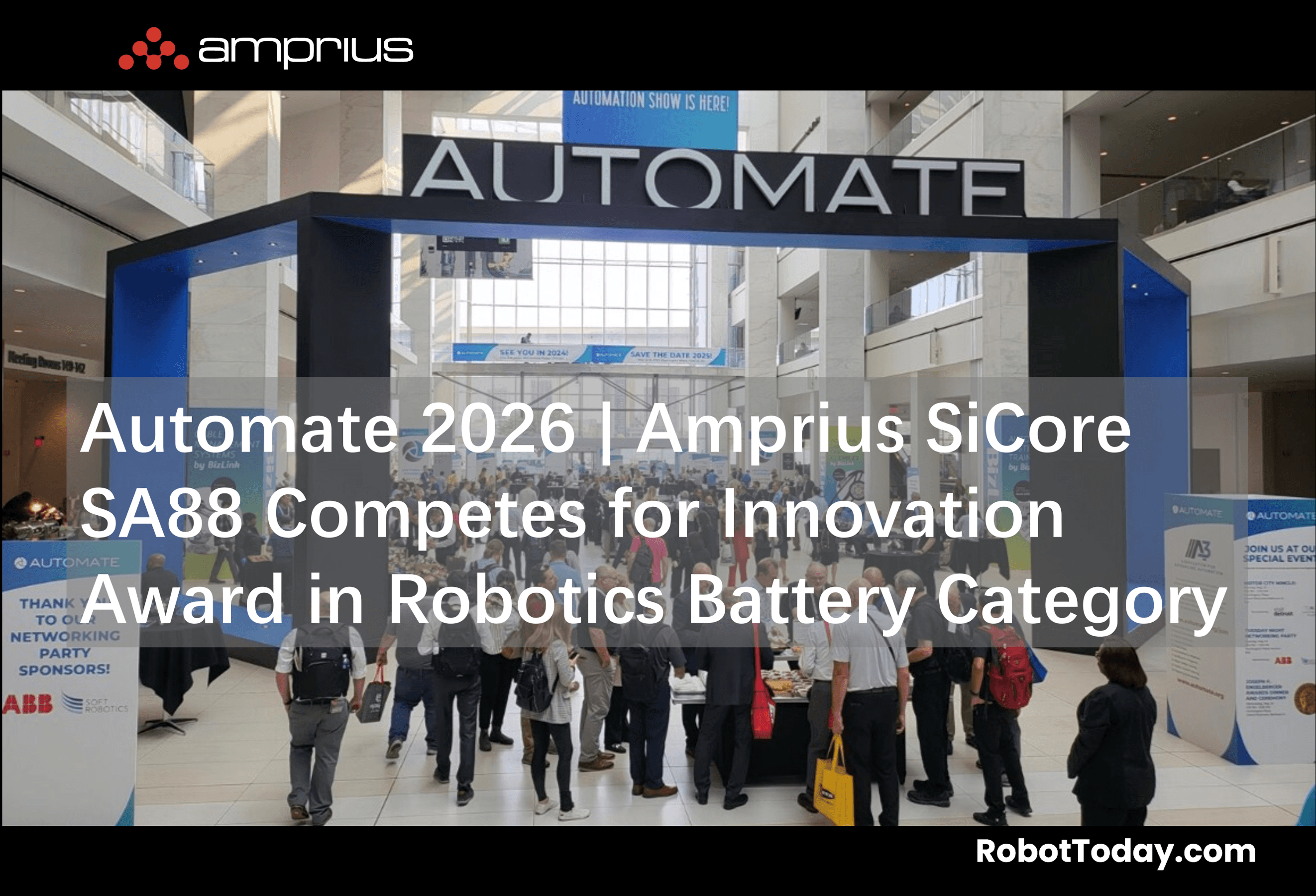
Automate 2026 | Amprius SiCore SA88 Competes for Innovation Award in Robotics Battery Category
At Automate 2026 in Chicago, Amprius Technologies exhibited its SiCore SA88 silicon-anode pouch cell — 358 Wh/kg, 750 Wh/L — as a finalist in the Components, Hardware & Enabling Technologies category. Analysis of implications for AMR, UAV, and aerial mobility platforms.

Robot 'Floaty' rides the wind like a bird, staying stable without propellers
Current aerial vehicles, such as drones and airplanes, exhibit distinct advantages and disadvantages in their design and functionality. Drones, equipped with propellers, offer remarkable agility and the ability to hover, making them ideal for tasks requiring precise maneuverability. However, this agility comes at a cost, as drones consume significant amounts of energy during operation. In contrast, airplanes utilize fixed wings that enable them to achieve high levels of efficiency in flight, allowing for longer distances and reduced fuel consumption. The trade-off, however, is their inability to remain suspended in the air, unlike birds such as kestrels that can effortlessly hover while scanning for prey. This divergence in capabilities highlights the ongoing challenges in the development of flying objects, as engineers and designers strive to balance efficiency with versatility in aerial technology.
Robotics
Vietnam Robotics Industry Report 2026
Comprehensive analysis of Vietnam's robotics industry: market size, industrial policy, key companies (Vingroup, Apicoo, Phenikaa-X), geopolitical dynamics, and 2030 growth opportunities.
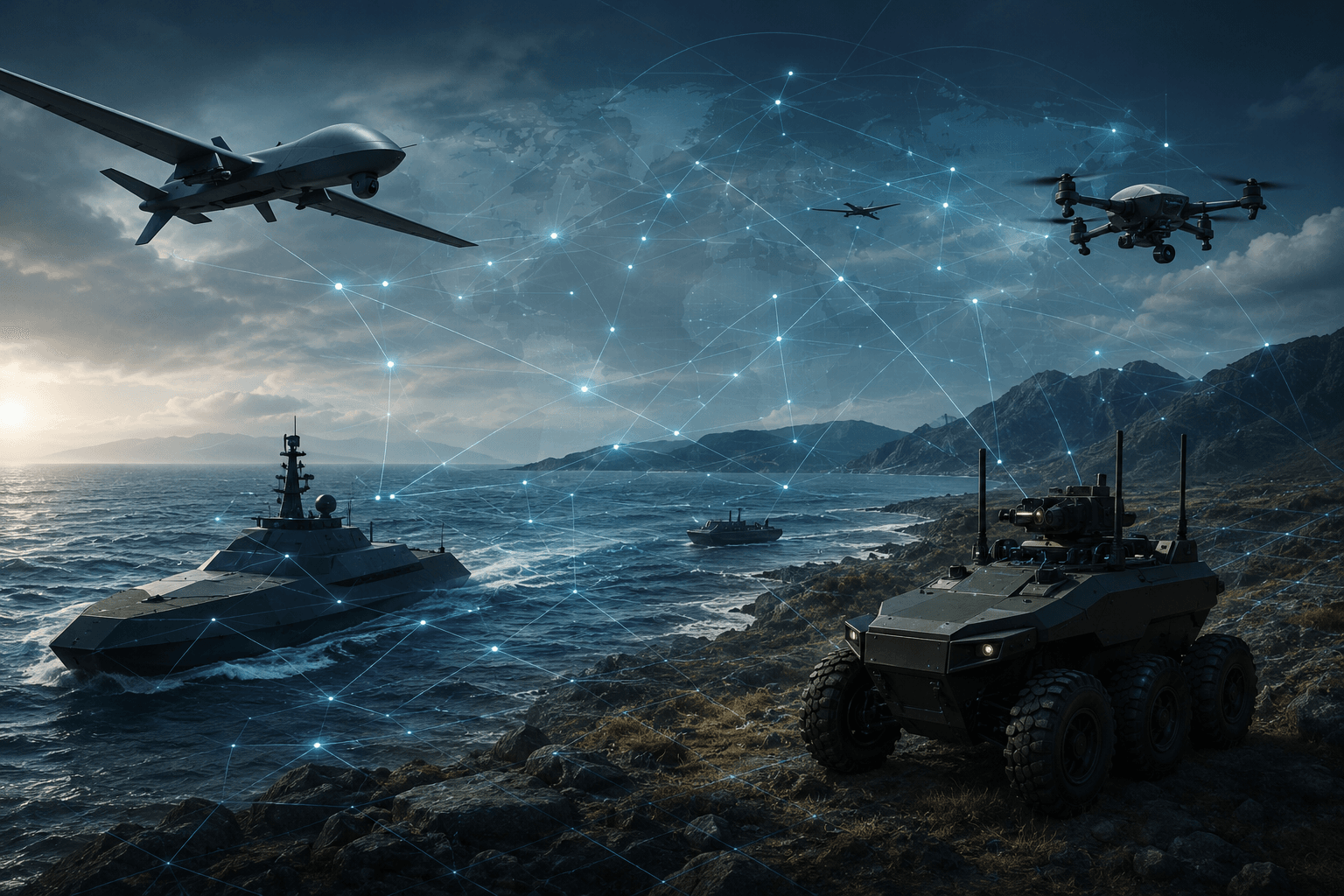
FUTURE WARFARE | Cross-Domain Integration - Integration How Land, Sea, Air and Software Are Converging Into a Single Kill Chain
Cross-domain robotics is reshaping modern warfare as drones, UGVs, AI targeting systems, and autonomous logistics converge into a single networked kill chain across land, sea, air, and software.
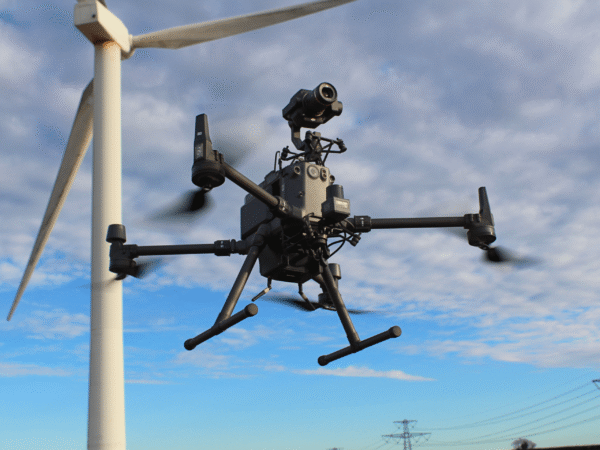
Perceptual Robotics Raises Funding to Automate Wind Turbine Inspection Drones
Perceptual Robotics, a Thessaloniki-based company, has successfully secured new funding to enhance its autonomous wind turbine inspection platform. The investment round, announced on May 5, 2026, was led by Loggerhead Ventures, with additional support from One Planet Capital. This financial backing aims to advance the development of AI-powered drones designed for wind farm maintenance, reflecting the growing demand for innovative solutions in renewable energy infrastructure. The funding will enable Perceptual Robotics to scale its operations and improve the efficiency of wind turbine inspections, ultimately contributing to the sustainability of wind energy production.
Drone News Drone News Feeds Europe Drone Industry European Union infrastructure Inspection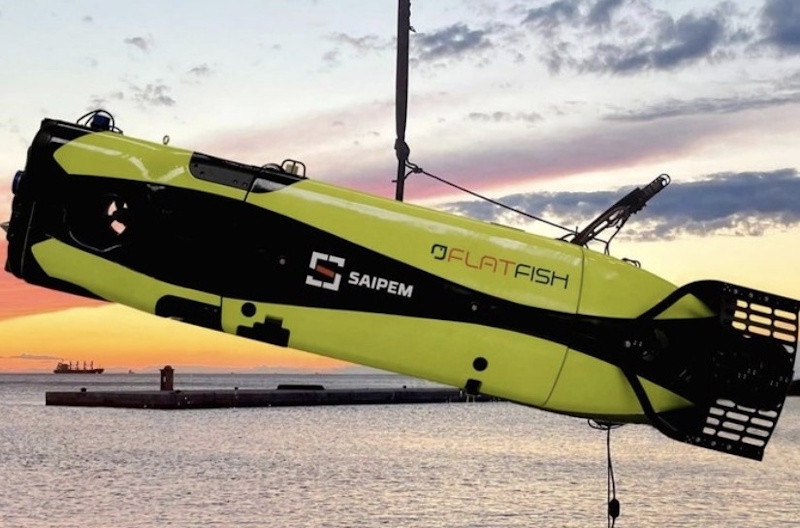
Saipem’s Subsea Drone Clears Tests with Petrobras Ahead of Offshore Deployment
Saipem's advanced underwater inspection drone, FlatFish, has successfully completed a significant milestone in its contract with Petrobras, awarded in 2023. The recent Functional Acceptance Tests were conducted in a controlled environment to ensure that the drone meets the technical and operational standards required for its autonomous robotic solution. These tests focused on verifying mission autonomy and data quality, essential components before the drone's deployment in the field. This achievement marks a critical step in the development and testing process, demonstrating Saipem's commitment to delivering innovative underwater inspection technology.
saipem subsea drone tests petrobras offshore deployment flatfish
RobotToday Weekly Industry Briefing: Feb 2 – 6, 2026
Robotics shifted from demos to deployment post-CES 2026, led by China’s humanoid scale, AI robot brains, and accelerating industrial adoption.
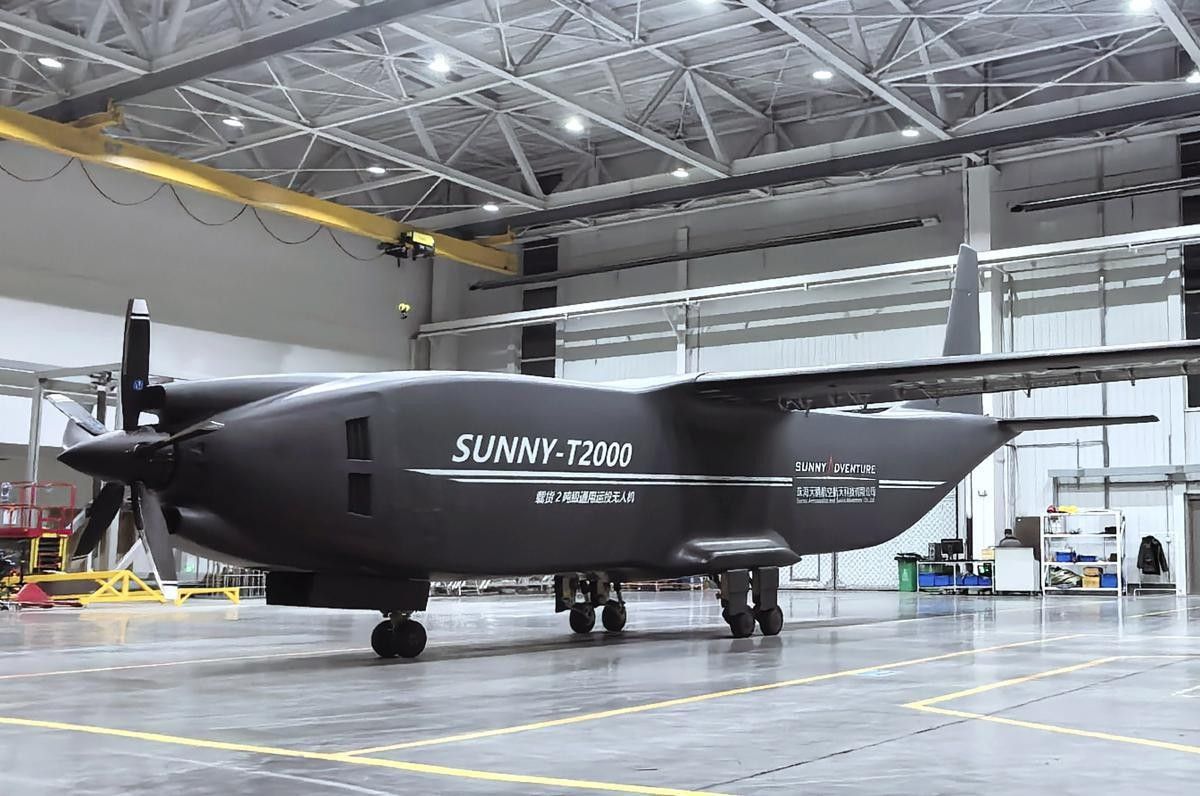
Sunny t2000 china s first 2 ton turboprop cargo uav signals a new era for heavy unmanned logistics
The SUNNY-T2000 signals a shift in heavy cargo UAVs, showing how two-ton unmanned aircraft are reshaping regional and industrial air logistics.