


This week, U.S. lawmakers intensified discussions surrounding the GUARD Act, a bipartisan bill aimed at enforcing strict security reviews for humanoid and quadruped robots from foreign adversaries. The legislation has ignited a significant divide within the U.S. tech community, balancing national security concerns against the realities of global research and innovation.
Proponents argue that the rise of Chinese humanoids poses serious threats to both economic stability and cybersecurity. Michael Robbins, President and CEO of AUVSI, highlighted that Chinese firms dominate approximately 90% of global humanoid shipments, drawing parallels to the U.S. drone market's capture by DJI. This situation raises alarms about potential surveillance capabilities of compromised robots within critical infrastructure.
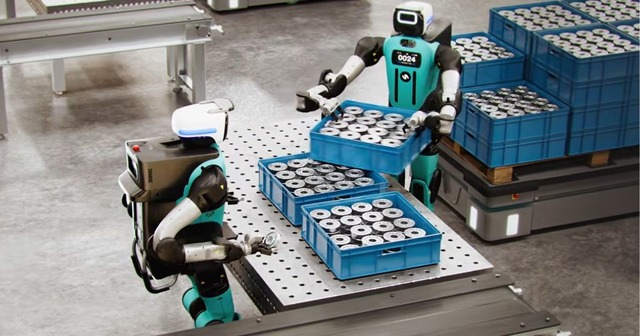
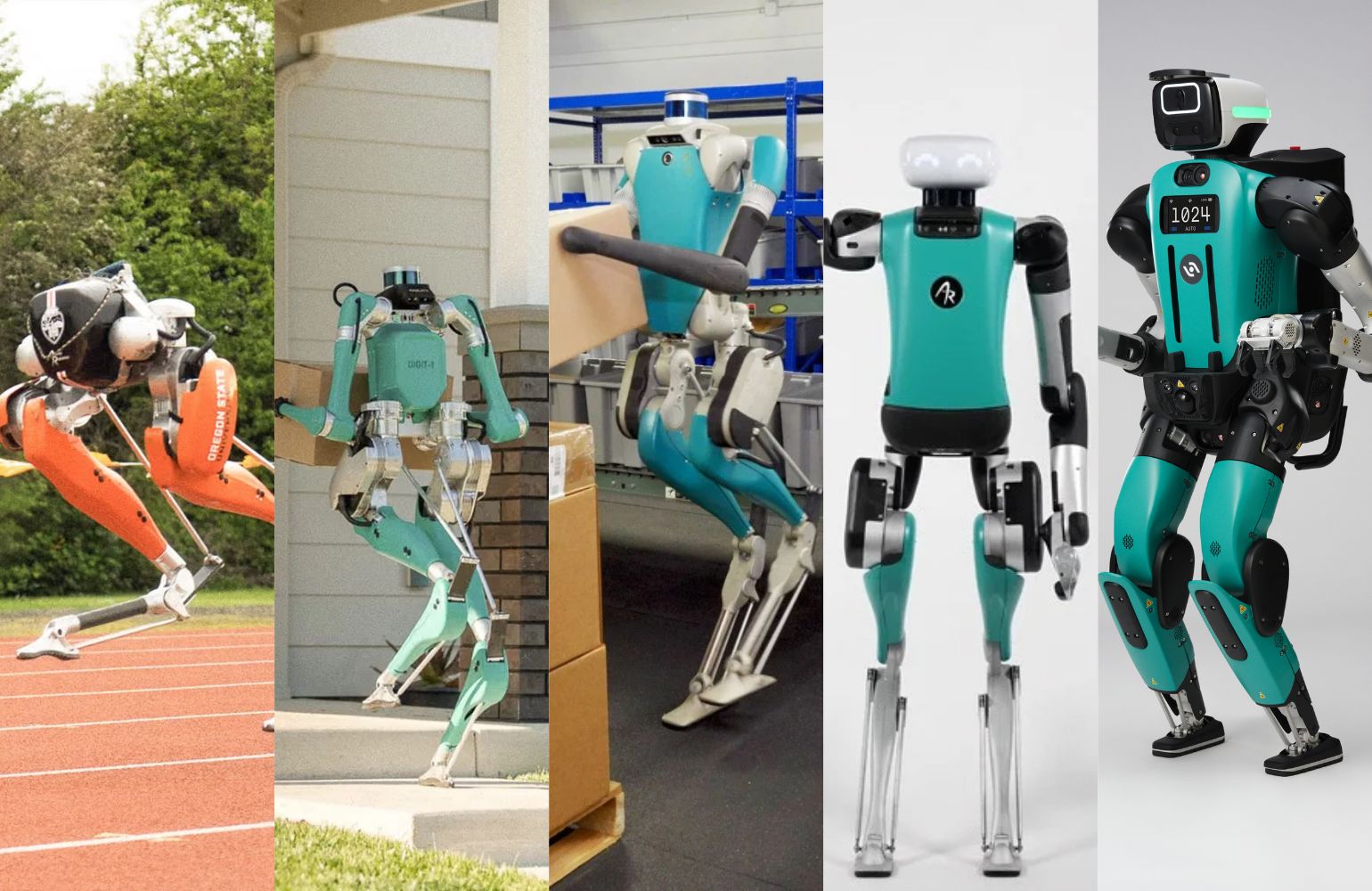
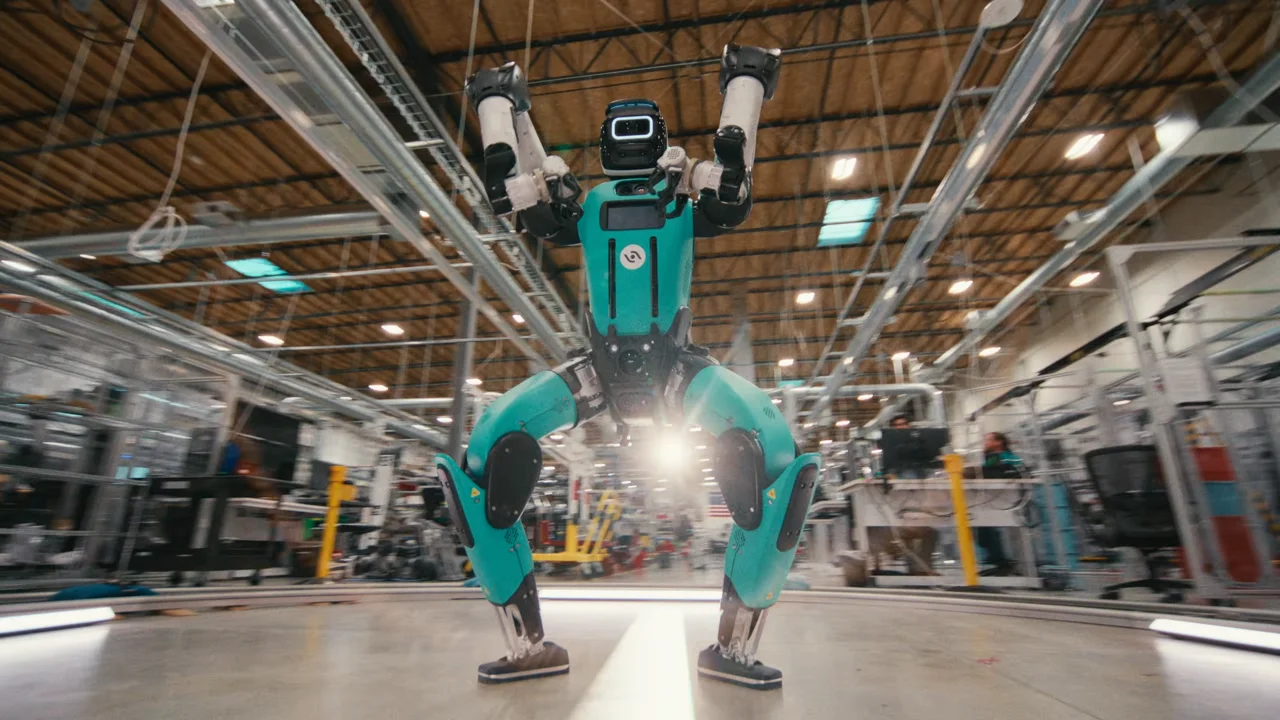
As the GUARD Act gains traction, industry leaders like Peggy Johnson, CEO of Agility, advocate for its passage to safeguard foundational technologies from falling into adversarial hands. The ongoing debate will likely shape the future landscape of robotics and AI, with significant implications for domestic manufacturers and national security. No further timeline was disclosed at the time of publication.
Editor's Note
The GUARD Act's implications extend beyond national security, influencing the competitive landscape for U.S. robotics firms. As domestic companies like Agility seek to establish themselves in a protected market, the balance between innovation and security will be crucial. Stakeholders must navigate these complexities to ensure sustainable growth while addressing geopolitical challenges.






















Leave a comment