Industry Briefing
A single destination for timely, editor-curated robotics news from around the world.

Transforming Industrial Maintenance: The Role of Agentic and Physical AI in Repair Efficiency
The industrial sector has long relied on predictive maintenance to foresee equipment failures, but this approach often leads to administrative bottlenecks. Alerts generated by AI models trigger slow, manual processes that hinder timely repairs. To overcome these challenges, industries are shifting towards a model that incorporates agentic AI and physical AI, enabling autonomous orchestration of logistics and execution of repairs. Agentic AI allows for the autonomous management of maintenance tasks, optimizing scheduling and logistics without human intervention. This transition is crucial for enhancing operational efficiency, as it transforms maintenance from a reactive process into a self-optimizing engine. For instance, in high-volume manufacturing, agentic AI can immediately address issues flagged by predictive models, significantly reducing downtime and improving return on investment. Looking ahead, the integration of agentic and physical AI is set to redefine maintenance operations. As organizations adopt these technologies, they must ensure safety through deterministic bounding to mitigate risks associated with autonomous decision-making. The future of industrial maintenance will likely see a seamless blend of AI-driven logistics and physical execution, paving the way for more efficient and effective repair processes.
Factory / Analytics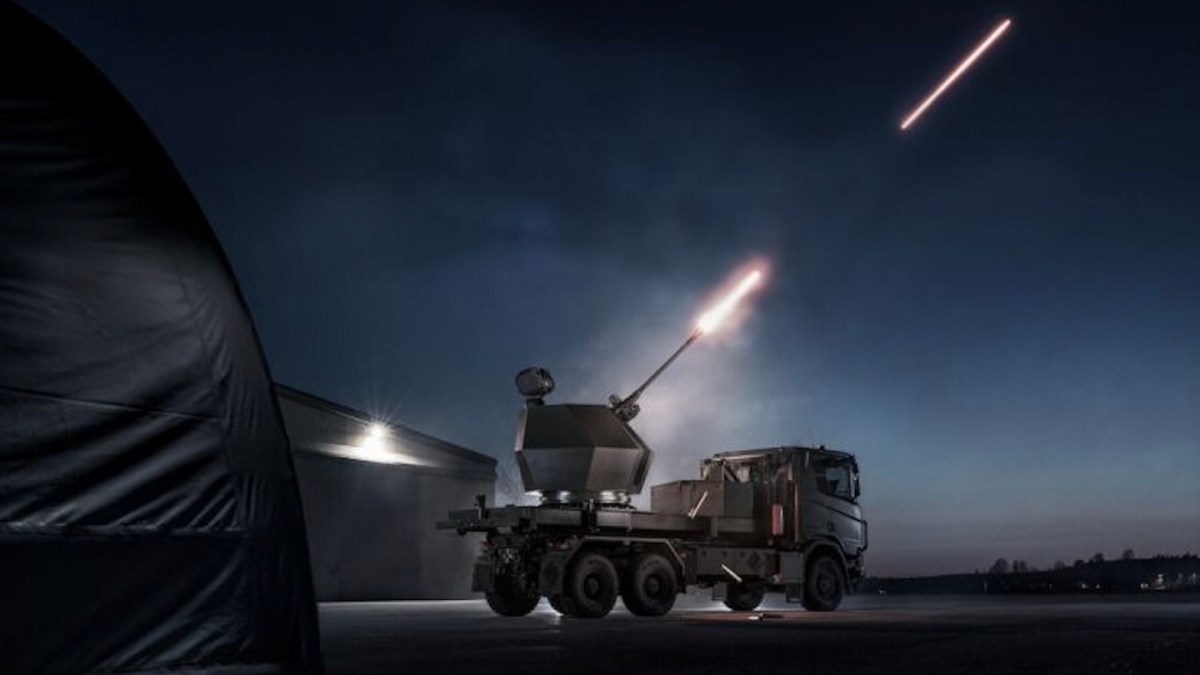
UK Conservative Party Proposes £10 Billion Britannia Shield for Air Defense Expansion
The UK Conservative Party has announced a significant proposal for a £10 billion air defense initiative called 'Britannia Shield'. This plan aims to address the growing air threat and military deficiencies in the UK, particularly in light of recent conflicts that have highlighted the need for enhanced defense capabilities. The proposal underscores the urgency of improving the UK's air defense systems, which have been deemed inadequate against evolving threats such as drones and missiles. With the Conservatives currently in opposition, the plan remains a policy commitment pending future government approval, emphasizing the necessity for robust defense funding and procurement strategies. Looking ahead, if the Conservative Party returns to power, the Britannia Shield initiative could transition into the Ministry of Defense's acquisition system, with an initial capability expected to be operational within the first term. The proposal aims to integrate various defense components to create a comprehensive air defense network tailored to the UK's specific threats.
Land Around The Globe Drones Europe News & Features Short-Range Air Defense Systems (SHORADS)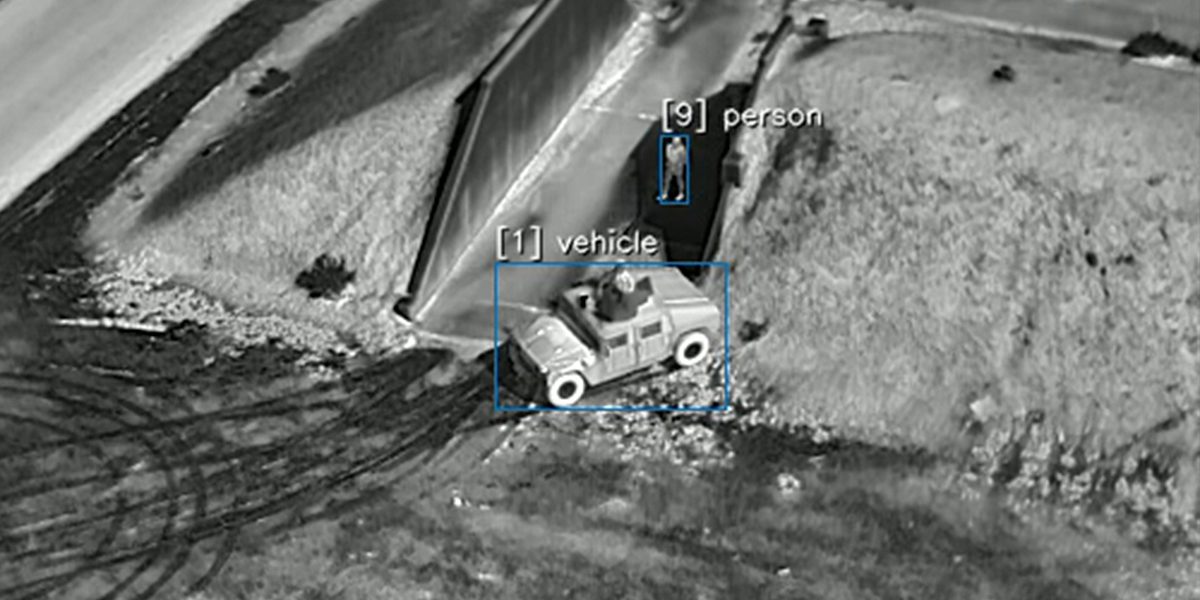
Teledyne FLIR Introduces AI-Driven Air-to-Ground Tracking Software for UAS
Teledyne FLIR OEM has unveiled Prism A-ISR, a cutting-edge software module aimed at enhancing air-to-ground detection and tracking for uncrewed aircraft systems (UAS) and airborne intelligence, surveillance, and reconnaissance (ISR) platforms. Announced on October 6, this software leverages artificial intelligence to detect, classify, and track multiple ground objects in real time, utilizing data from various sensor types including midwave infrared (MWIR) and visible electro-optical (EO) sensors. The significance of Prism A-ISR lies in its ability to perform edge processing, enabling airborne systems to analyze sensor data independently of remote computing resources. This capability is crucial for applications requiring persistent surveillance and defense missions, as it enhances long-range situational awareness while minimizing false alarms. Teledyne FLIR's advanced image processing tools, including patented denoise and super-resolution technology, further improve detection capabilities in challenging conditions. Looking ahead, Teledyne FLIR's AIMMGen synthetic model-training service allows developers to quickly adapt the software for new target classes, streamlining the creation of mission models. The software is compatible with NVIDIA and Qualcomm embedded AI platforms and several Teledyne FLIR camera modules, including the NDAA-compliant Boson+ and Neutrino thermal camera families. No further timeline was disclosed at the time of publication.
AI Applications C-UAS Defense defense Drone News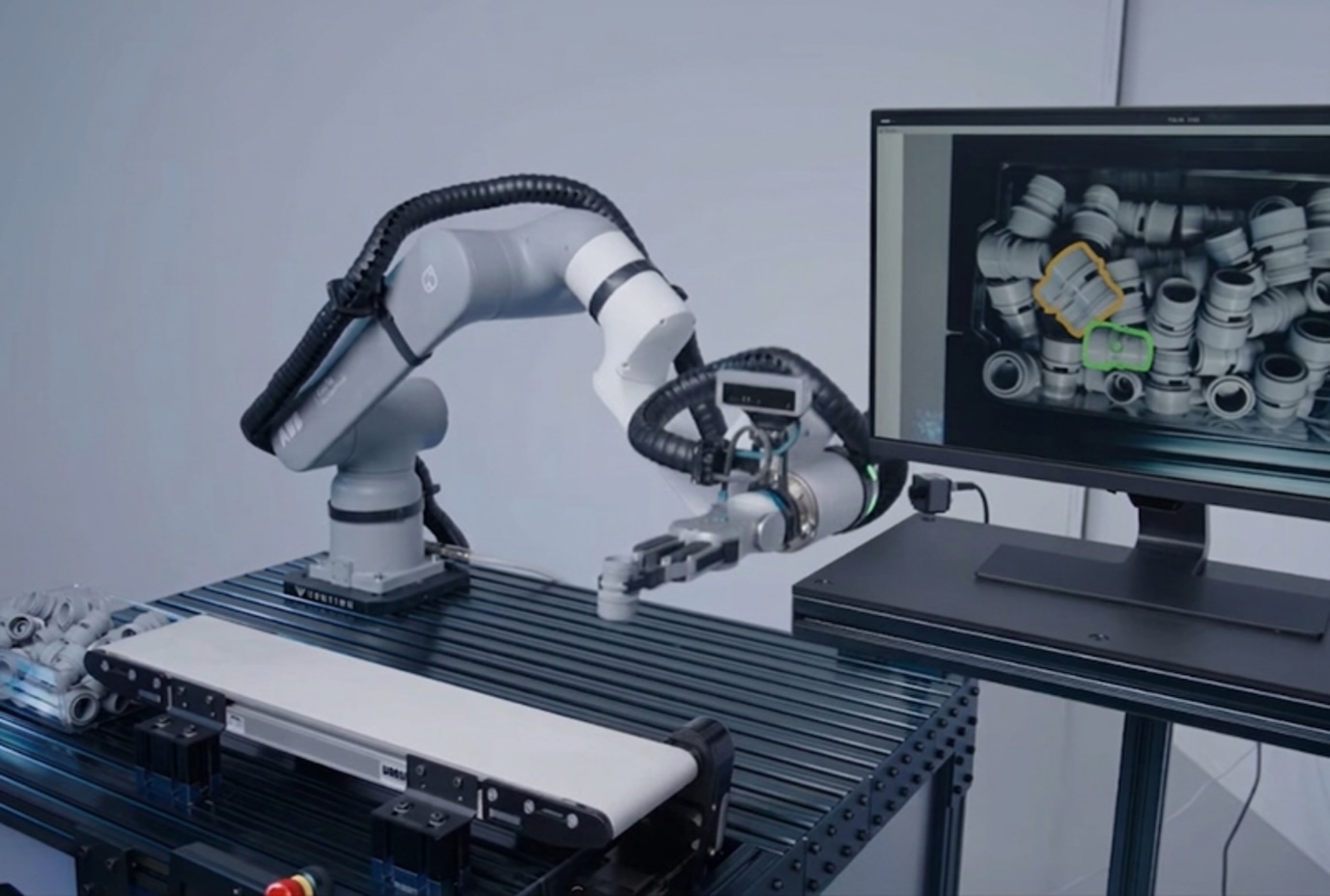
S&K Aerospace Secures $4.3 Billion Contract for US Air Force PROS 7 Program
S&K Aerospace has been awarded a substantial $4.3 billion contract by the US Air Force to manage the Parts and Repair Ordering System 7 (PROS 7). This contract will enable S&K Aerospace to provide essential supply and logistics support for foreign military sales (FMS) customers over a potential duration of 10 years. This contract is significant as it underscores the US Air Force's commitment to enhancing its logistics and supply chain capabilities, particularly in support of international military partnerships. By leading the PROS 7 initiative, S&K Aerospace will play a crucial role in ensuring that foreign military sales are efficiently managed and executed, which is vital for maintaining strong defense relationships. Looking ahead, industry observers will be keen to monitor the implementation of the PROS 7 program and its impact on foreign military sales logistics. The 10-year timeline suggests a long-term engagement that could influence future contracts and partnerships within the defense sector. No further timeline was disclosed at the time of publication.
News
Michigan Medical Drone Delivery Project Expands Testing with Multiple Aircraft and Locations
A medical drone delivery initiative in northern Michigan is set to enter its second phase on October 6, expanding its pilot program first launched in 2025. This phase will involve test flights between Munson Medical Center and Crystal Lake Health Center, simulating the delivery of medical supplies and laboratory samples. The significance of this project lies in its potential to enhance healthcare logistics in rural areas, where transportation can be challenging. The introduction of multiple drones and sensor technology aims to streamline operations and improve clinical workflows, as noted by Warren Call, president and CEO of Traverse Connect. Looking ahead, the project will gather critical operational data to inform best practices for drone integration in healthcare. No further timeline was disclosed at the time of publication.
Applications Delivery Drone News Drone News Feeds News AAM
Aselsan Pursues Partnerships with Japan in Air Defense and Underwater Drones
Aselsan, Turkey's largest state-linked defense company, is actively seeking collaborations with Japanese firms to develop underwater drones and air defense systems. This initiative comes as regional security threats escalate, prompting Aselsan to expand its presence in Asian markets. The alignment of Turkey and Japan politically presents a unique opportunity for closer cooperation in defense technologies. Aselsan's president and CEO, Ahmet Akyol, emphasizes the importance of exploring these partnerships to enhance both nations' defense capabilities amid increasing regional tensions. Looking ahead, industry observers should monitor the developments of this partnership, particularly in the context of Turkey's defense exports to Asia, which are contingent on advancements in engine development. No further timeline was disclosed at the time of publication.
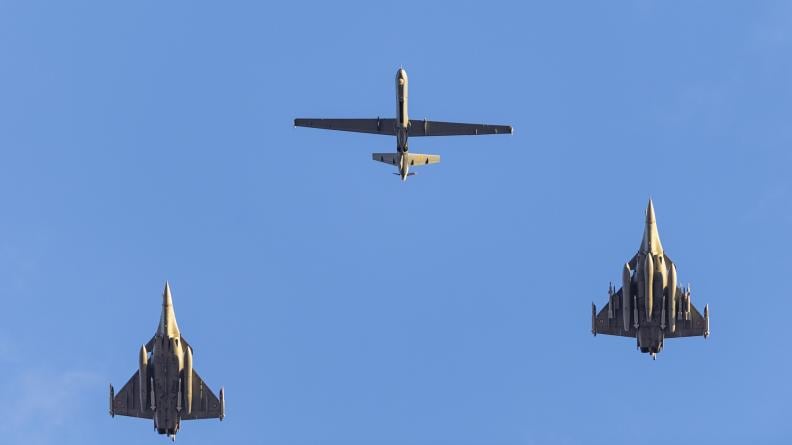
French Air Force to Integrate AI-Enhanced Combat Drones and Rafales by 2028
The French Air and Space Force is set to advance its combat aviation capabilities through the HypAIRion project, launched in collaboration with the DGA and AMIAD. The initiative aims to enable the operation of AI-equipped combat aircraft and collaborative drones by 2028, with modifications currently underway on two Mirage 2000 jets at Mont-de-Marsan airbase. This project is crucial for achieving air superiority, leveraging lessons learned from recent conflicts, particularly in Ukraine and the Middle East. The integration of AI and autonomous systems will enhance tactical decision-making and operational efficiency, allowing for optimized flight paths and improved engagement strategies against adversaries. Looking ahead, the HypAIRion project will establish an industrial hub to foster collaboration between major defense contractors and startups, ensuring rapid adaptation to evolving aerial threats. The insights gained from this initiative are expected to directly benefit the Rafale fighter jet, with a significant upgrade, the F5 standard, anticipated by 2033.
Défense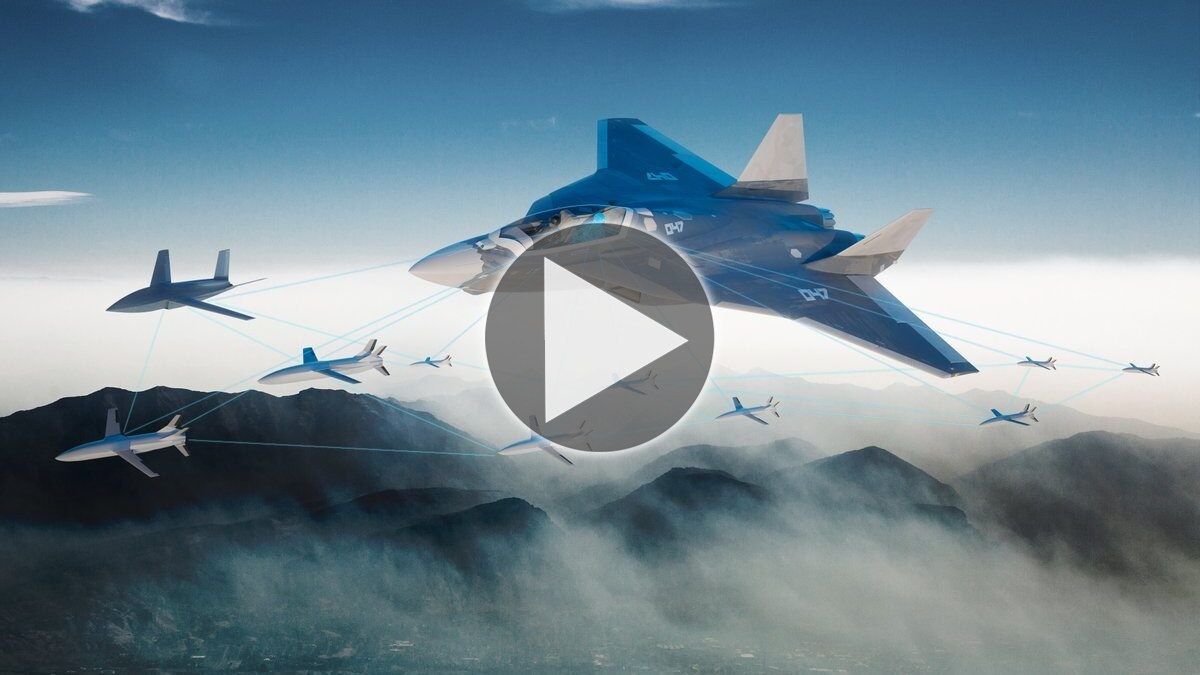
Future Projections for European Military Air Fleets Over the Next 30 Years
A panel of experts discusses the future of European military airpower, focusing on next-generation fighters, unmanned systems, and advanced technologies. The conversation highlights the uncertainty surrounding the evolution of air fleets, including the potential integration of lasers and electronic warfare capabilities. This discussion is crucial as it addresses the strategic direction of European defense, emphasizing the need for modernization in response to evolving threats. The insights from the panel, including Breaking Defense Editor-in-Chief Aaron Mehta and aviation expert Douglas Barrie, underscore the importance of adapting military capabilities to future challenges. Looking ahead, stakeholders in the defense sector should monitor developments in military aviation technology and strategic partnerships. The panel's predictions suggest that the landscape of European airpower will be shaped by both legacy platforms and innovative solutions. No further timeline was disclosed at the time of publication.
Air Warfare Air Force collaborative combat aircraft Drones Europe European Airpower Roundtable
ALBATROSS: A Bio-Inspired Robot Transitions from Airborne to Autonomous Sailboat
Researchers at Singapore University of Technology and Design and MIT have developed ALBATROSS, a hybrid robot that combines aerial and aquatic capabilities. This innovative design mimics the natural descent of a maple seed and the swimming motion of a fish, allowing the robot to transition seamlessly from flying to sailing. In field trials, ALBATROSS demonstrated autonomous sailing after being deployed from a height of 150 meters. The significance of ALBATROSS lies in its ability to operate efficiently in both air and water without the need for heavy motors or complex systems. By utilizing a passive autorotation mechanism during descent, the robot reduces impact energy and ensures a soft landing. Once on the water, it transforms its wings into sails and employs a fish-inspired tail rudder for propulsion, achieving a remarkable 91 percent effective mass usage. Looking ahead, ALBATROSS's design showcases the potential of bio-inspired engineering to create lightweight, multifunctional robots. Future developments may include the integration of Reinforcement Learning algorithms for advanced navigation capabilities, enabling the robot to autonomously complete complex missions. No further timeline was disclosed at the time of publication.
AI and Robotics
DIU Initiates $100 Million Challenge for Scalable Low-Cost ISR Aircraft Solutions
The Defense Innovation Unit (DIU) has launched a $100 million competition aimed at identifying low-cost intelligence, surveillance, and reconnaissance (ISR) aircraft that can be produced and deployed at scale. The Low Cost ISR (LC-ISR) Challenge opened on September 29, 2026, with submissions due by October 14. DIU is looking for mature unmanned aerial systems or other platforms capable of medium- or long-endurance ISR missions. This initiative is crucial as current ISR systems are often expensive and challenging to deploy, relying on vulnerable airfields and limited manufacturing capacity. The challenge presents a significant opportunity for drone manufacturers, with DIU not only offering a $100 million prize but also budgeting up to $250 million for further development and production based on government needs. The challenge encompasses two endurance categories: medium-endurance aircraft with 3 to 12 hours of flight time and long-endurance systems with 12 to 24 hours or more. Participants are expected to provide aircraft that support various sensors for operational decisions and can operate with minimal dependence on established infrastructure. Desired capabilities include open architectures, autonomy, and beyond visual line of sight operations. Affordability is a key focus, with DIU evaluating mission effectiveness against total lifecycle costs. The competition is open to both U.S. and non-U.S. manufacturers, broadening the scope for innovative solutions.
Applications Blue UAS Defense defense Drone Manufacturing Drone News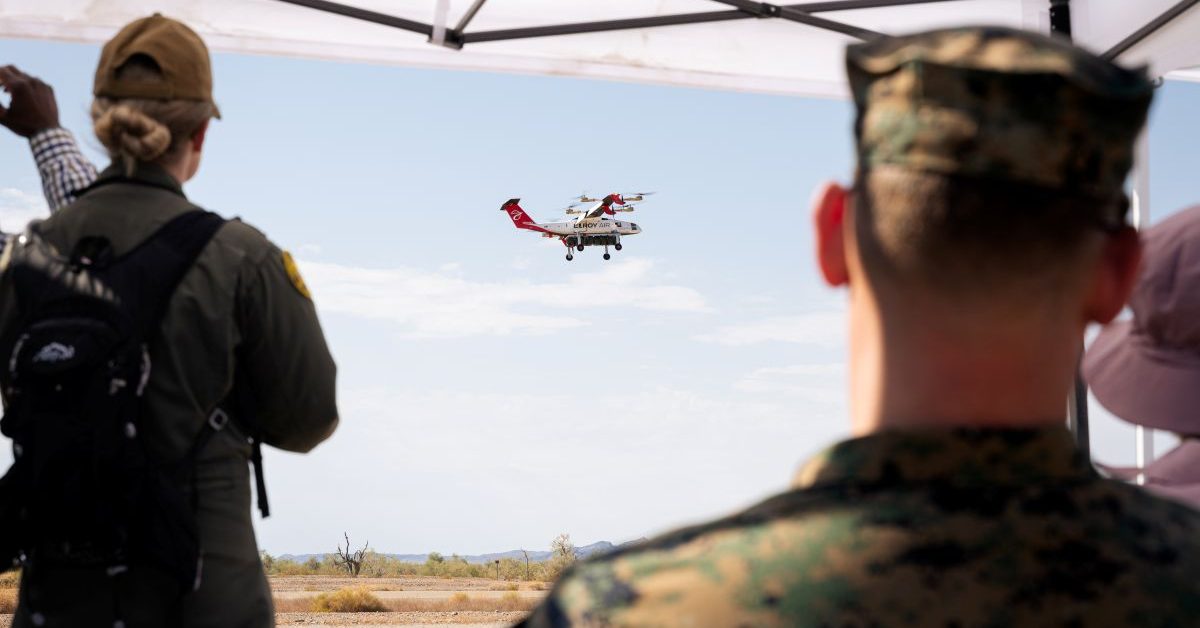
Elroy Air Raises $175 Million to Advance Chaparral Drone Production
Elroy Air has secured $175 million in expanded private investment commitments to scale production of its Chaparral autonomous cargo drone. This funding, which includes contributions from Lockheed Martin Ventures and Inflection Point, will support the transition from testing to large-scale manufacturing for military and commercial applications. The significance of this funding lies in Elroy Air's goal to enhance the Chaparral's capabilities, allowing it to carry over 500 pounds of cargo up to 450 miles without traditional infrastructure. The investment will accelerate production and enable the delivery of Chaparral drones to commercial and defense partners, particularly following a recent $46 million contract with the US Army. Looking ahead, Elroy Air aims to produce its first aircraft by late 2026, with manufacturing handled by Kratos Defense & Security Solutions in Sacramento, California. The company is focused on transforming successful demonstrations into large-scale production, leveraging its new financial resources to meet growing demand in logistics and defense sectors.
News
Robots Transition from Showcase to Work at the Digital Trade Fair
At the recent Digital Trade Fair, robots showcased their capabilities alongside human performers, marking a shift from mere exhibition to practical application. This transition highlights the growing integration of robotics in various sectors, emphasizing the need for advanced technologies to enhance productivity and efficiency. The event underscored the importance of robotics in addressing real-world challenges, as companies like TianGong Robotics demonstrated collaborative performances with human dancers. This collaboration signifies a new era where robots are not just tools but partners in creative and operational tasks. Looking ahead, the industry is poised for further advancements as companies explore innovative applications of robotics. No further timeline was disclosed at the time of publication.
Robotics Automation AI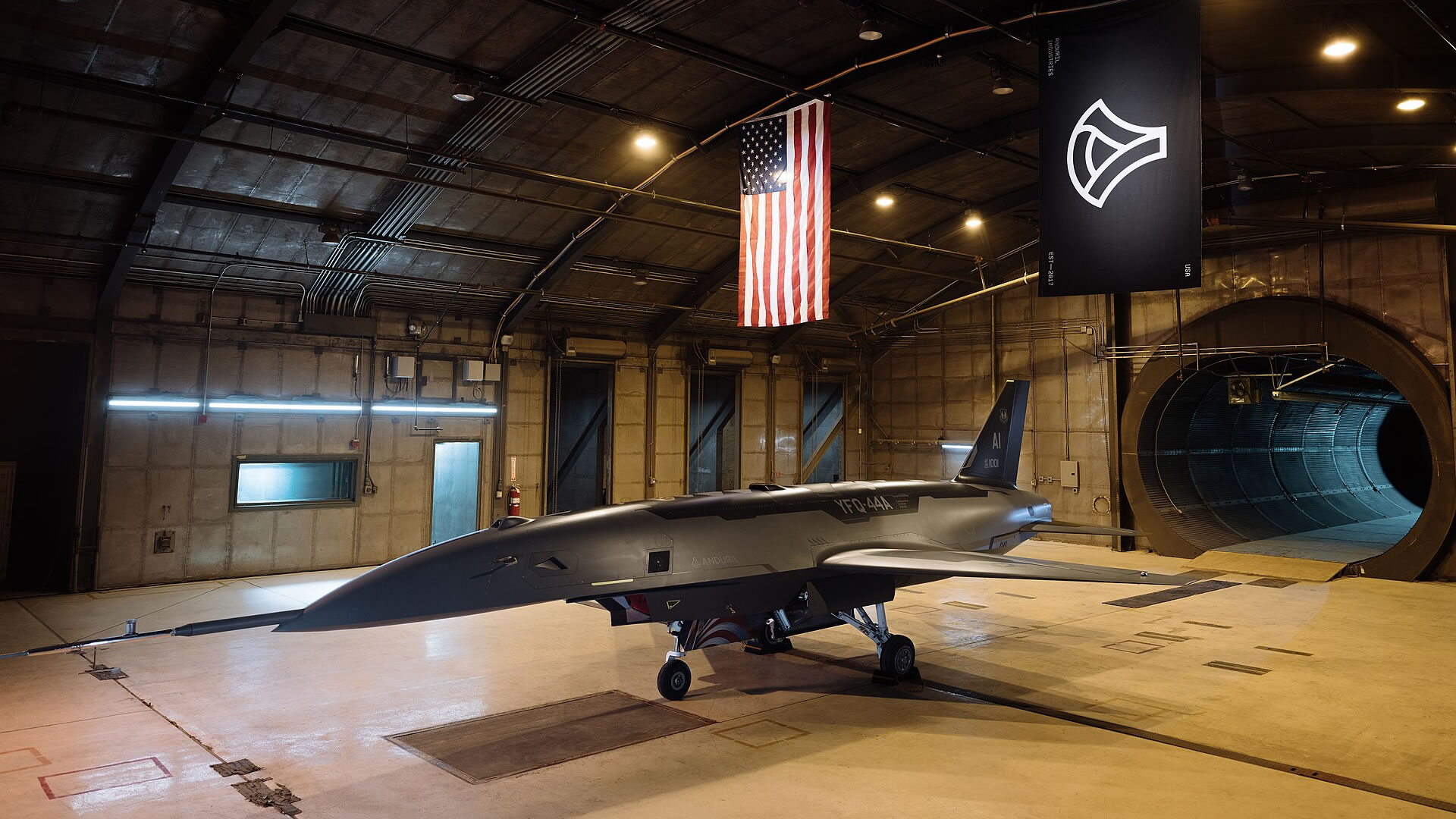
US Air Force Receives First Collaborative Combat Aircraft for Autonomous Warfare Trials
The United States Air Force (USAF) has received its first two Collaborative Combat Aircraft (CCA) designs, the YFQ-44A 'Fury' and YFQ-42A 'Vengeance', at Creech Air Force Base, Nevada. These aircraft will be tested for their operational capabilities alongside crewed fighters in contested airspace. The introduction of CCAs is significant as they are designed to be semi-autonomous and provide a cost-effective solution for missions in high-risk environments. They can carry payloads for offensive and defensive actions, allowing crewed aircraft like the F-35 to operate more safely while coordinating with the CCAs. Moving forward, the USAF will focus on operational experimentation with the CCAs, determining logistics such as the number of personnel required for operation and the optimal handling of multiple CCAs by a single pilot. No further timeline was disclosed at the time of publication.
AI and Robotics Military
South Korea's Air Force Welcomes First Locally Developed KF-21 Fighter Jet
South Korea has officially inducted the KF-21 fighter jet into its air force, marking a significant milestone for the nation's defense industry. This development showcases South Korea's growing capabilities in military aviation and its commitment to enhancing national security. The introduction of the KF-21 is crucial as it represents a leap forward in South Korea's defense technology, reducing reliance on foreign military equipment. This advancement is expected to bolster the country's defense posture amid regional security challenges. Looking ahead, the KF-21's operational deployment will be closely monitored, as it could influence defense strategies in the region. No further timeline was disclosed at the time of publication.
Air Warfare Global Air Force Asia Indo-Pacific KF-21
Air Force Maintains China Aerospace Studies Institute Despite Director's Concerns
The Air Force has asserted that the China Aerospace Studies Institute (CASI) will continue its operations without civilian personnel. However, Brendan Mulvaney, the director of CASI, expressed skepticism about this claim, stating that the institute's functionality without civilian staff is 'not credible.' This situation highlights the ongoing debate regarding the viability of military think-tanks and their reliance on civilian expertise. Mulvaney's comments suggest that the Air Force's position may overlook critical operational needs, raising questions about the future effectiveness of CASI in providing insights on aerospace developments in China. Observers should monitor how the Air Force addresses these concerns moving forward. The ongoing discussions around CASI's operational structure may influence its ability to contribute meaningfully to U.S. defense strategies regarding China. No further timeline was disclosed at the time of publication.
Air Warfare Air Education and Training Command Air Force Asia China civilian workforce
Airion Launches No-Code Physical AI Development Platform 'Physical AI Studio' for Yazaki
On September 24, 2026, Airion Inc. announced the launch of its Physical AI development platform, 'Physical AI Studio,' for Yazaki Corporation. This initiative aims to enhance the development and utilization of Physical AI in manufacturing environments, with Airion's engineers initially supporting the creation of use cases and technical validation. The significance of this platform lies in its ability to bridge the gap between manufacturing personnel and AI expertise. As the demand for automation and advanced applications grows, 'Physical AI Studio' allows users to independently manage data collection, AI model validation, and implementation processes, ultimately facilitating a more efficient production workflow. Looking ahead, Airion plans to refine 'Physical AI Studio' based on real-world feedback from Yazaki's manufacturing processes. The platform's no-code capabilities will enable users to construct and modify workflows without specialized knowledge, ensuring adaptability and continuous improvement in the automation of wire harness manufacturing tasks.

Royal Australian Air Force Achieves Key Milestones in Air Surveillance Capabilities
The Royal Australian Air Force (RAAF) has announced significant advancements in its air surveillance and reconnaissance capabilities. This enhancement comes with the confirmation of key milestones across three crucial aircraft fleets, marking a pivotal moment for Australia's defense operations. These developments are vital as they strengthen Australia's ability to monitor and respond to aerial threats, ensuring national security. The RAAF's progress in upgrading its aircraft fleets underscores the commitment to maintaining a robust defense posture in an increasingly complex geopolitical landscape. Looking ahead, stakeholders will be keen to observe further advancements in the RAAF's capabilities and any additional milestones that may be achieved. No further timeline was disclosed at the time of publication.
News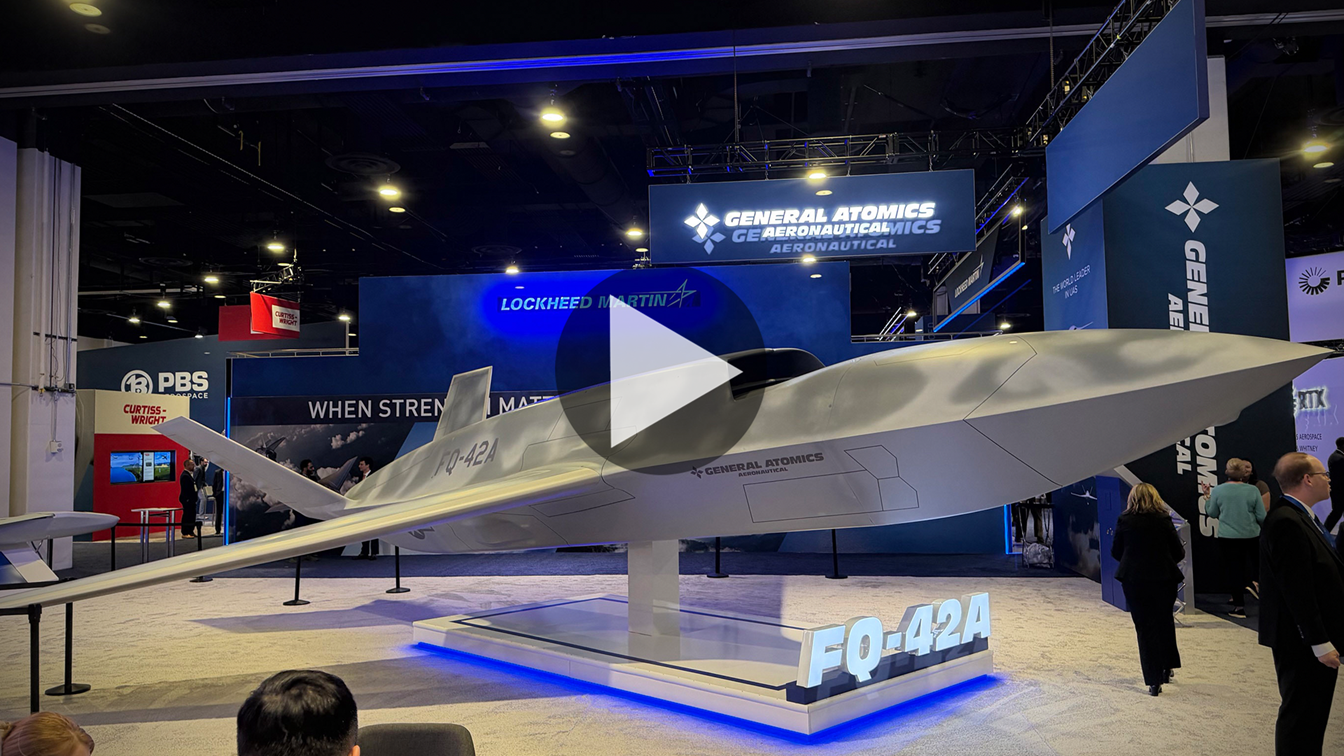
European Airpower's Future May Lean Towards Unmanned Systems Over Manned Fighters
European air programs have traditionally emphasized sixth-generation manned fighters, but there is a growing shift towards unmanned systems. This includes larger Collaborative Combat Aircraft (CCA) and smaller quadcopters, particularly highlighted by their use in the ongoing conflict in Ukraine. The decline of one sixth-generation fighter program raises questions about the viability of manned aircraft in future European airpower strategies. Experts, including Douglas Barrie from the International Institute for Strategic Studies, suggest that the trend may increasingly favor drones as a more effective solution for modern aerial warfare. As discussions continue in the European Airpower roundtable, stakeholders are encouraged to monitor developments in unmanned systems. Future episodes of this series will provide insights into how these technologies may reshape air combat strategies in Europe.
Air Warfare Air Force collaborative combat aircraft Drones Europe European Airpower Roundtable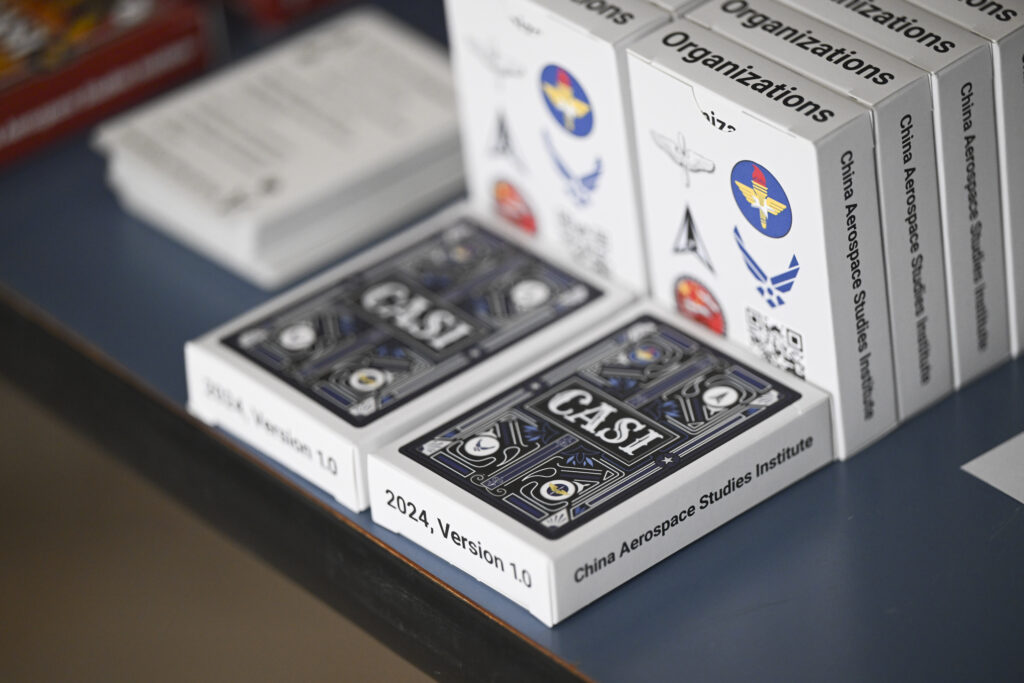
Air Force Confirms Continuation of China Aerospace Studies Institute Amid Civilian Staff Cuts
The Air Force has announced that it will eliminate civilian staff roles at the China Aerospace Studies Institute (CASI) but will not close the organization. An Air Force spokesperson stated that military service members will take over the institute's mission, which focuses on studying Chinese airpower. Affected civilian employees will remain in their positions until further notice and will be considered for reassignment. This decision comes as part of a broader civilian restructure within the Air Force’s Air Education and Training Command. CASI serves as a key think tank that publishes research on China's military capabilities, aiming to inform U.S. military strategy and policy. The institute's latest publication discusses how technologies intended for space exploration may enhance military operations in the Pacific region. As the Air Force navigates these changes, questions arise regarding similar research initiatives within the Army and Navy. While the Naval War College confirmed no anticipated changes at its China Maritime Studies Institute, the status of the Army's China Landpower Studies Center remains unclear. No further timeline was disclosed at the time of publication.
Air Warfare Global Air Education and Training Command Air Force Asia China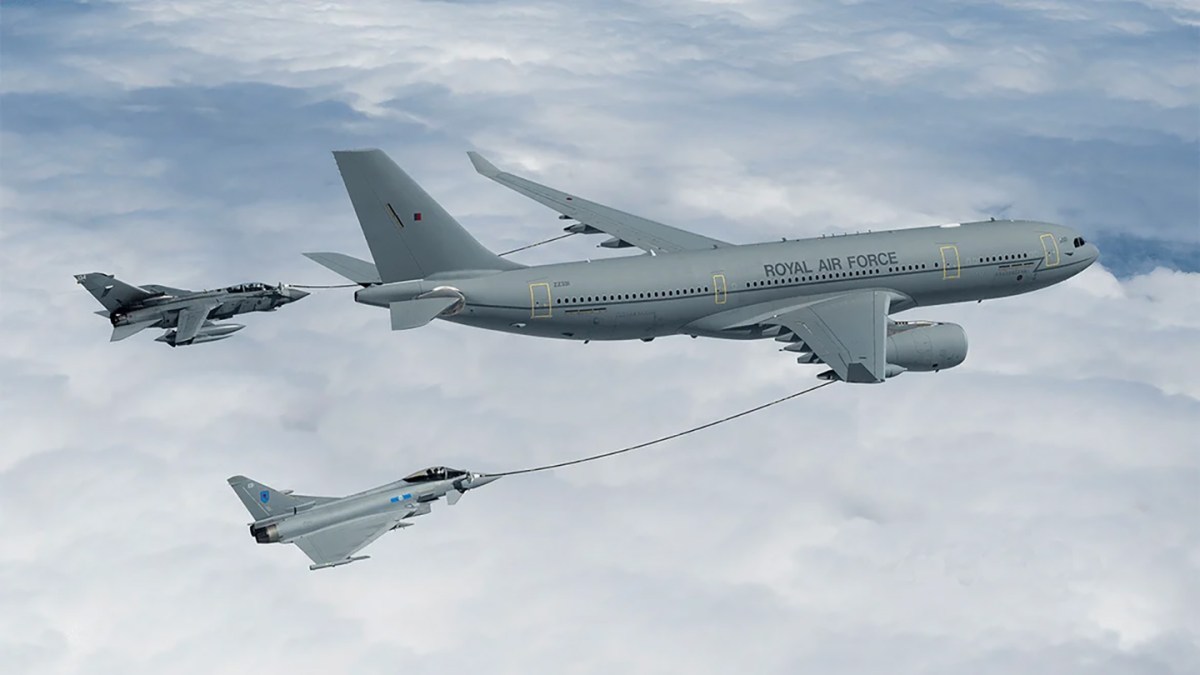
Royal Air Force Deploys Voyager Tanker to Support Saudi Arabia Against Houthi Attacks
The Royal Air Force (RAF) is deploying a Voyager aerial refueling jet to assist Saudi Arabia in defending against Houthi attacks from Yemen. This marks the first known international military support specifically aimed at countering the Houthi threat, which has escalated since the summer. This deployment is significant as it highlights the UK's commitment to Saudi Arabia amidst ongoing regional tensions. While the RAF's action involves only one tanker, it underscores the urgency of the situation, especially as other allies have not yet provided military assistance to the Kingdom in its fight against the Houthis. Looking ahead, the RAF's Voyager will operate from a UK air base in Cyprus and is set to begin air-to-air refueling operations shortly. The Ministry of Defense emphasized the importance of preventing Houthi success, as it poses a threat to stability in the Middle East and could lead to economic repercussions in the UK, including rising energy prices and supply disruptions.
Air Air Forces Around The Globe Iran Middle East News & Features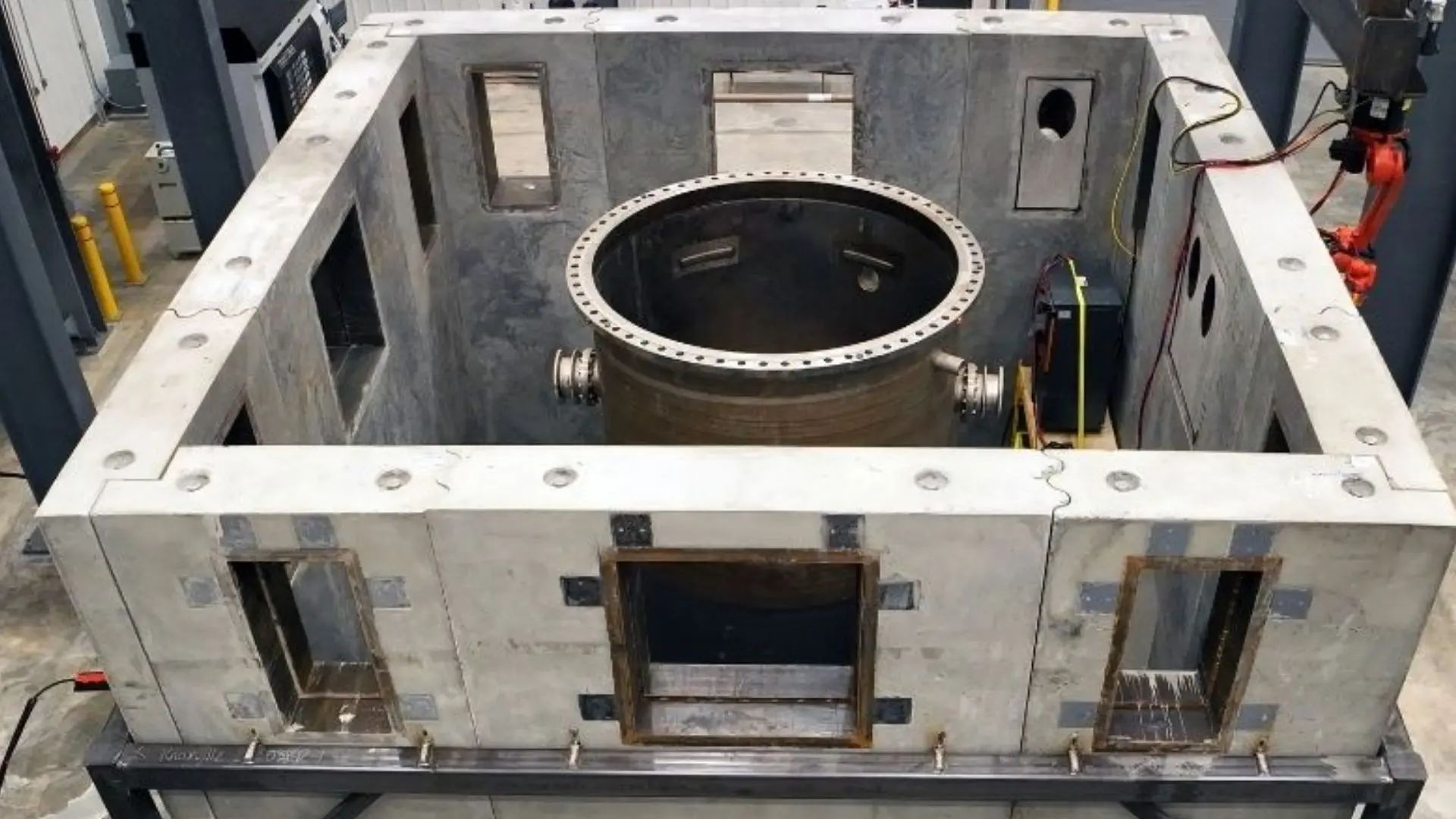
Kairos Power Partners with Samsung to Develop 50-Megawatt Nuclear Reactor for Google
Kairos Power has selected Samsung Construction and Trading to assist in constructing its 50-megawatt nuclear demonstration plant in Oak Ridge, Tennessee. This collaboration, announced on Monday, involves an investment of up to $100 million and aims to launch the Hermes 2 reactor by 2030, supporting Kairos Power's initiative to develop advanced nuclear technology for Google. The partnership is significant as it addresses the increasing electricity demand from AI data centers, with Google previously agreeing to purchase around 500 megawatts of nuclear power from Kairos by 2035. Samsung's investment and engineering services will enhance Kairos Power's capabilities, as the firm has extensive experience in major construction projects, including the development of numerous nuclear reactors globally. Looking ahead, Kairos Power began construction of Hermes 2 in April 2026, following a construction permit from the U.S. Nuclear Regulatory Commission in December 2024. The project will utilize fluoride salt-cooled, high-temperature reactor technology, which is designed to operate at lower pressures, enhancing safety compared to traditional nuclear systems. No further timeline was disclosed at the time of publication.
Energy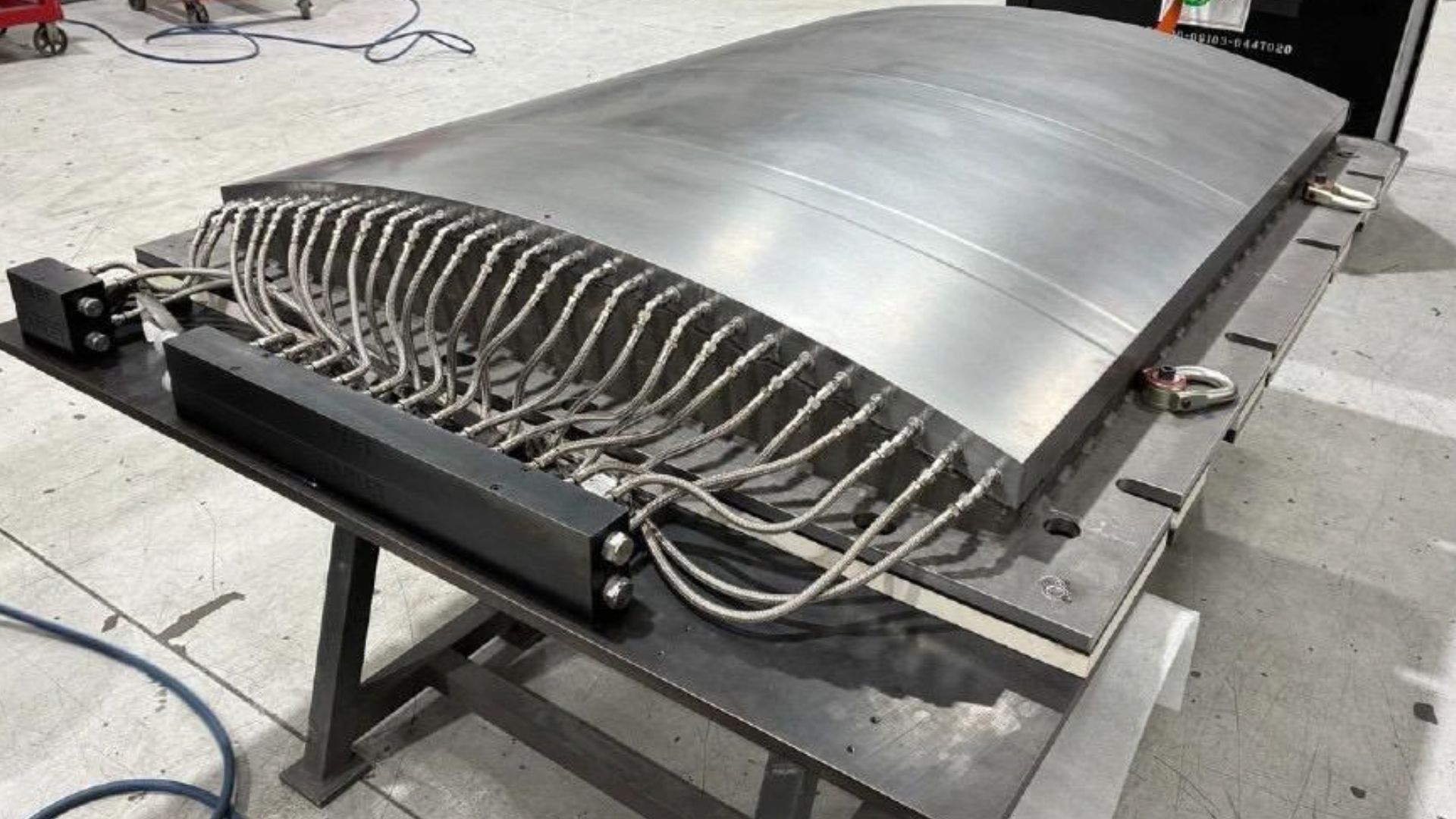
Oak Ridge National Laboratory and Boeing 3D-Print Two-Ton Steel Mold for Aircraft Doors
Engineers at Oak Ridge National Laboratory (ORNL) and Boeing have successfully 3D-printed a two-ton, six-foot-tall Stamp Form Die (SFD) mold. This innovative mold, crafted from molten steel, is intended for shaping lightweight thermoplastic composite doors for next-generation aircraft. The project utilized advanced wire-arc additive manufacturing, combining mild and stainless steel to enhance strength and thermal control. This development is significant as it supports NASA's Hi-Rate Composite Aircraft Manufacturing (HiCAM) project, which aims to reduce aircraft weight and improve fuel efficiency. According to Richard Young, NASA HiCAM project manager, increasing the production rate of composite aircraft is crucial for meeting the rising demand for air travel and maintaining the U.S. competitive edge in the commercial aircraft sector. Looking ahead, the successful implementation of this 3D-printing technique could lead to broader applications in manufacturing. The project demonstrated that additive manufacturing can produce complex molds faster and more cost-effectively than traditional methods, potentially transforming how large-scale tools are created across various industries. No further timeline was disclosed at the time of publication.
Innovation
Kairos Power Secures Up to $100M from Samsung C&T for Google Nuclear Reactor Project
Kairos Power has partnered with Samsung C&T to develop a 50-megawatt demonstration reactor for Google, with completion targeted by 2030. The collaboration includes an equity investment of $70 million and additional engineering services, totaling up to $100 million, aimed at enhancing nuclear power capabilities. This partnership is significant as it aligns with the increasing demand for power from AI data centers, positioning Kairos Power among a new generation of nuclear startups. The deal builds on a previous agreement with Google, which seeks to generate approximately half a gigawatt of electricity by 2035, highlighting the urgency for innovative nuclear solutions in the energy sector. Looking ahead, Kairos Power is currently constructing two reactors in Oak Ridge, Tennessee, with Hermes 2 expected to begin operations in 2030. The company is utilizing advanced technologies, including fluoride salt cooling and TRISO fuel, to ensure safety and efficiency. The success of this project could pave the way for further developments in nuclear energy, particularly in meeting the growing energy needs of tech giants like Google.
Climate Kairos Power nuclear power
Unauthorized Drone Activity Halts Flights at Luxembourg Airport on September 18
On the night of September 18, unauthorized drone activity temporarily halted operations at Luxembourg Airport, diverting 19 incoming flights. The Luxembourg government confirmed that unidentified drones were visually observed in the airspace around Findel, prompting immediate airspace closure for safety reasons. Operations resumed around 1:20 a.m. on September 19 after inspections deemed no immediate risk to aviation safety. This incident highlights the significant impact unauthorized drone activity can have on airport operations, affecting passenger safety and airline schedules. The airport operator, lux-Airport, noted that delays could persist as airlines worked to restore normal operations. The Luxembourg government activated its interministerial drone assessment group to address the situation, with Prime Minister Luc Frieden coordinating with various ministers and agencies. Authorities continue to investigate the incident, having deployed additional detection resources and monitoring reports of suspected drones. As of September 21, the assessment group remains active, emphasizing the need for vigilance regarding unauthorized drone activity in airspace. No further timeline was disclosed at the time of publication.
Drone News Drone News Feeds News airport drone disruption Airport Security aviation safety
Beijing Implements Citywide Drone Ban, Owners Sell Aircraft Before Deadline
Drone owners in Beijing are actively selling or relocating their aircraft ahead of a comprehensive citywide ban set to begin on November 15. This ban prohibits individuals and businesses from possessing or storing drones and key components within the city limits, reflecting the extensive nature of the new regulations. The significance of this ban lies in its strict enforcement, which includes potential confiscation of prohibited equipment and fines for violations. Owners are given options to sell their drones through designated channels, recycle them, or move them outside the city. Additionally, subsidies have been announced to assist with the disposal of affected aircraft, while visitors are also barred from bringing drones into Beijing. Looking ahead, the restrictions build upon earlier regulations approved in March and implemented in May, which required drone registration under real identities. No further timeline was disclosed at the time of publication.
Drone News Drone News Feeds Drones in the News News Beijing drone ban Beijing drone rules
Feisi Lab Launches Air-Ground Collaborative Intelligence Lab for Undergraduate Talent Development
Feisi Lab has established an Air-Ground Collaborative Embodied Intelligence Lab aimed at enhancing undergraduate education in emerging interdisciplinary fields. This initiative aligns with the Ministry of Education's 2025 plan to revamp curriculum systems and introduce new majors, including embodied intelligence and low-altitude technology. The lab focuses on developing high-level engineering skills in collaborative perception, swarm control, and system integration. It offers tailored solutions for universities, integrating simulation and real-world applications to bridge the gap between fragmented knowledge and systematic projects, thus optimizing practical teaching. The program has already been implemented in several universities, including Zhengzhou University of Aeronautics and Jilin Chemical Engineering College. It emphasizes the integration of theoretical learning, simulation development, hardware validation, and real-world collaboration, fostering a comprehensive educational loop for students in the low-altitude and embodied intelligence sectors.
Embodied Intelligence Low-Altitude Technology Educational Innovation Engineering Skills Collaborative Robotics
Joby Aviation Achieves 3,100-Mile Autonomous Flight, Expanding Beyond Air Taxis
Joby Aviation successfully completed an autonomous flight exceeding 3,100 miles across the United States, showcasing its advanced autonomy technology. This flight, described as the 'first-ever autonomous flight across the United States,' highlights Joby's ambitions beyond electric air taxis, indicating a strategic shift towards military and logistics applications. The significance of this achievement lies in Joby's demonstration of its autonomy technology's versatility, capable of handling various missions such as medical transport and disaster response. The aircraft, remotely supervised from Joby's California headquarters and Shaw Air Force Base, performed all operations autonomously, with a pilot present solely for compliance. Looking ahead, Joby plans to return the aircraft to the West Coast, with scheduled stops in cities like Louisville and Salt Lake City. The company is also focused on developing a regional airframe equipped with its autonomy stack, supported by a $17 million Air Force contract, and is expanding its defense capabilities following its acquisition of Resonant Sciences for $500 million.
Transportation autonomous flight Joby Aviation
AIROBO and Huafa Property Establish Long-Term Partnership for Robot Integration in Smart Communities
AIROBO has entered into a strategic partnership with Huafa Property to enhance smart community development through robot deployment. The collaboration aims to identify representative projects within Huafa's properties to initiate pilot applications of robots, establishing a benchmark for smart community robotics. This partnership is significant as it addresses the unique operational environment of property management, where robots can perform standardized tasks such as patrolling, cleaning, and delivery. With Huafa's extensive portfolio, which includes over 12 listed companies and assets exceeding 760 billion yuan by the end of 2025, the scale of potential robot deployment is substantial. Looking ahead, the collaboration will explore areas such as unified scheduling, human-robot collaboration, and digital operations. The success of the pilot projects will determine the scalability of this initiative, as the operational demands in property management differ from those in industrial settings, requiring robots to navigate complex environments effectively.
Robotics Smart Communities Property Management AI Integration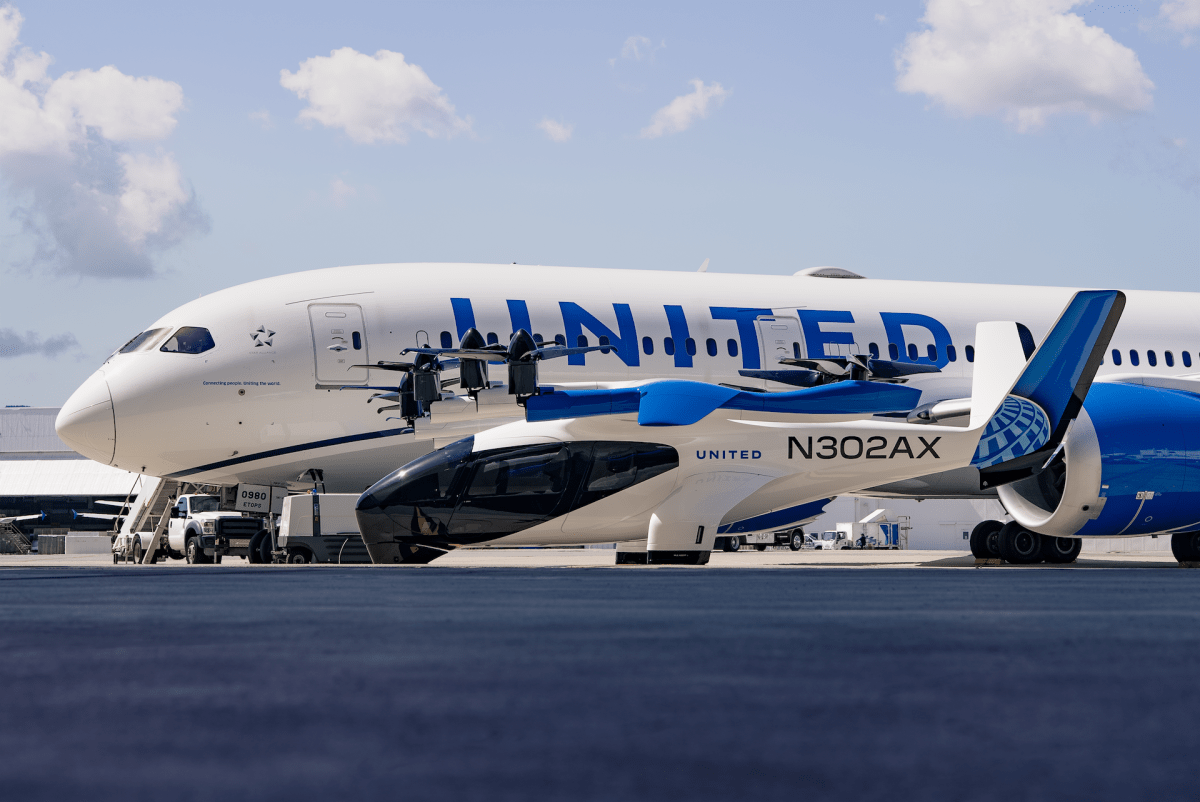
FAA to Implement $875 Million AI Program to Enhance Air Traffic Management
The Federal Aviation Administration (FAA) is addressing a nationwide air traffic control shortage with an innovative solution: an $875 million AI software program. This initiative, known as SMART (Strategic Management of Airspace, Routes, and Trajectories), aims to assist air traffic controllers in managing workflows and ensuring safer flight navigation. The significance of this program lies in its potential to transform air traffic operations by utilizing AI to analyze various factors such as airline schedules, weather conditions, and airport capacity. By predicting traffic flows and identifying conflicts before they arise, SMART is expected to enhance the efficiency and safety of air traffic management across the country. The rollout of SMART will begin in the Washington, D.C., metropolitan area, with plans for expansion to other regions. Additionally, the FAA has introduced a new hiring plan to address staffing shortages and is actively working on modernizing the nation's air traffic systems. No further timeline was disclosed at the time of publication.
AI Government & Policy air traffic control In Brief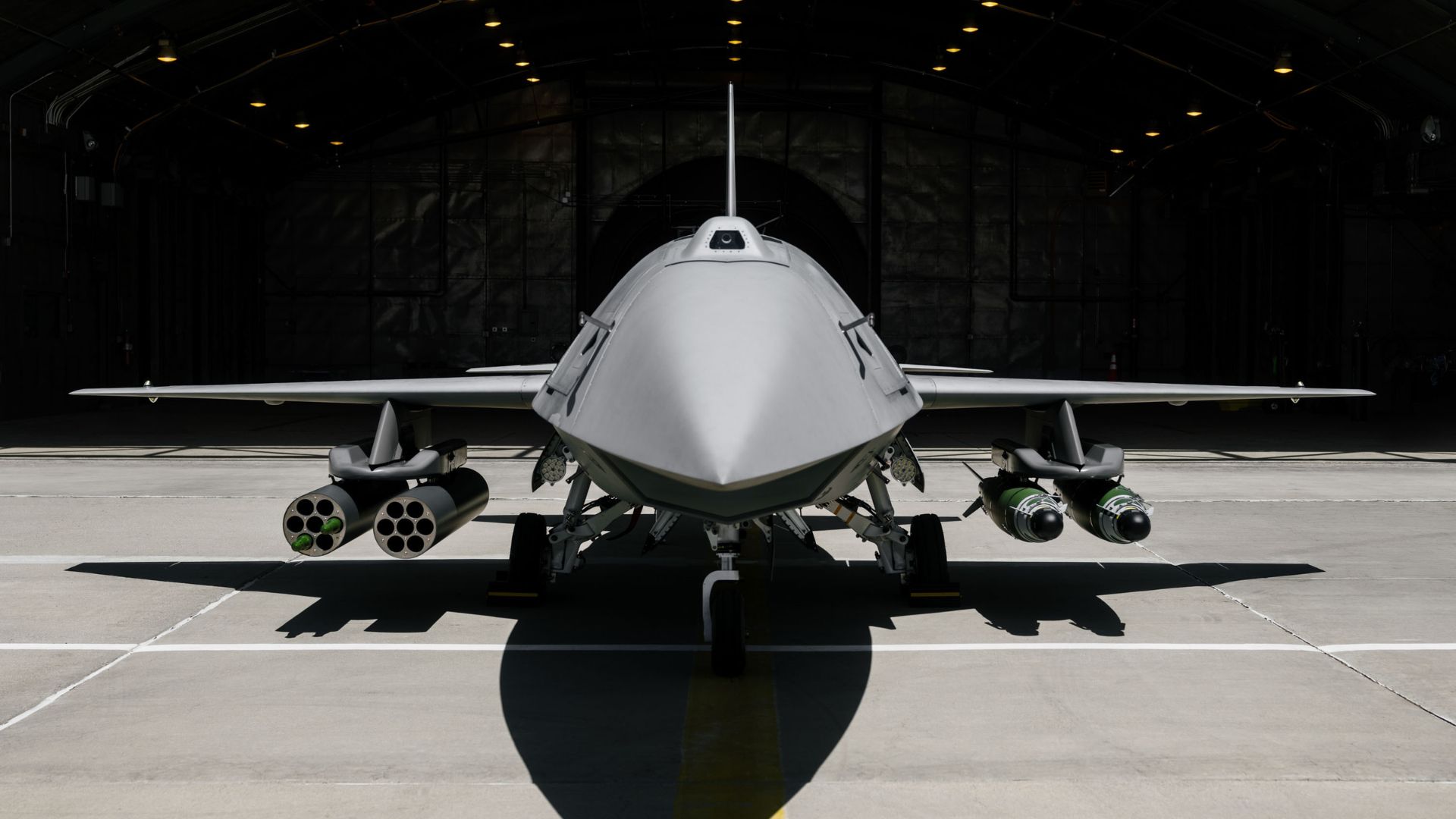
Anduril Industries Unveils Weapon Configurations for FQ-44A Fury Drone for US Air Force
Anduril Industries has released new images of its FQ-44A Fury uncrewed combat aircraft during weapons fit checks, showcasing its capability to carry guided bombs, rocket pods, and other external munitions. This development is part of the U.S. Air Force’s Collaborative Combat Aircraft (CCA) program, aimed at integrating uncrewed aircraft with crewed fighters. The FQ-44A Fury, previously known as YFQ-44A, was selected by the Air Force in April 2024 as one of the first aircraft for the CCA initiative. The program seeks to enhance mission flexibility by allowing uncrewed aircraft to operate alongside existing fighter jets, such as the F-22 and F-35, without the need for additional pilots. Looking ahead, the Air Force plans to acquire at least 500 CCA aircraft, with an initial order of 100 to 150. The specific number of FQ-44s versus YFQ-42As has not been disclosed. No further timeline was disclosed at the time of publication.
Military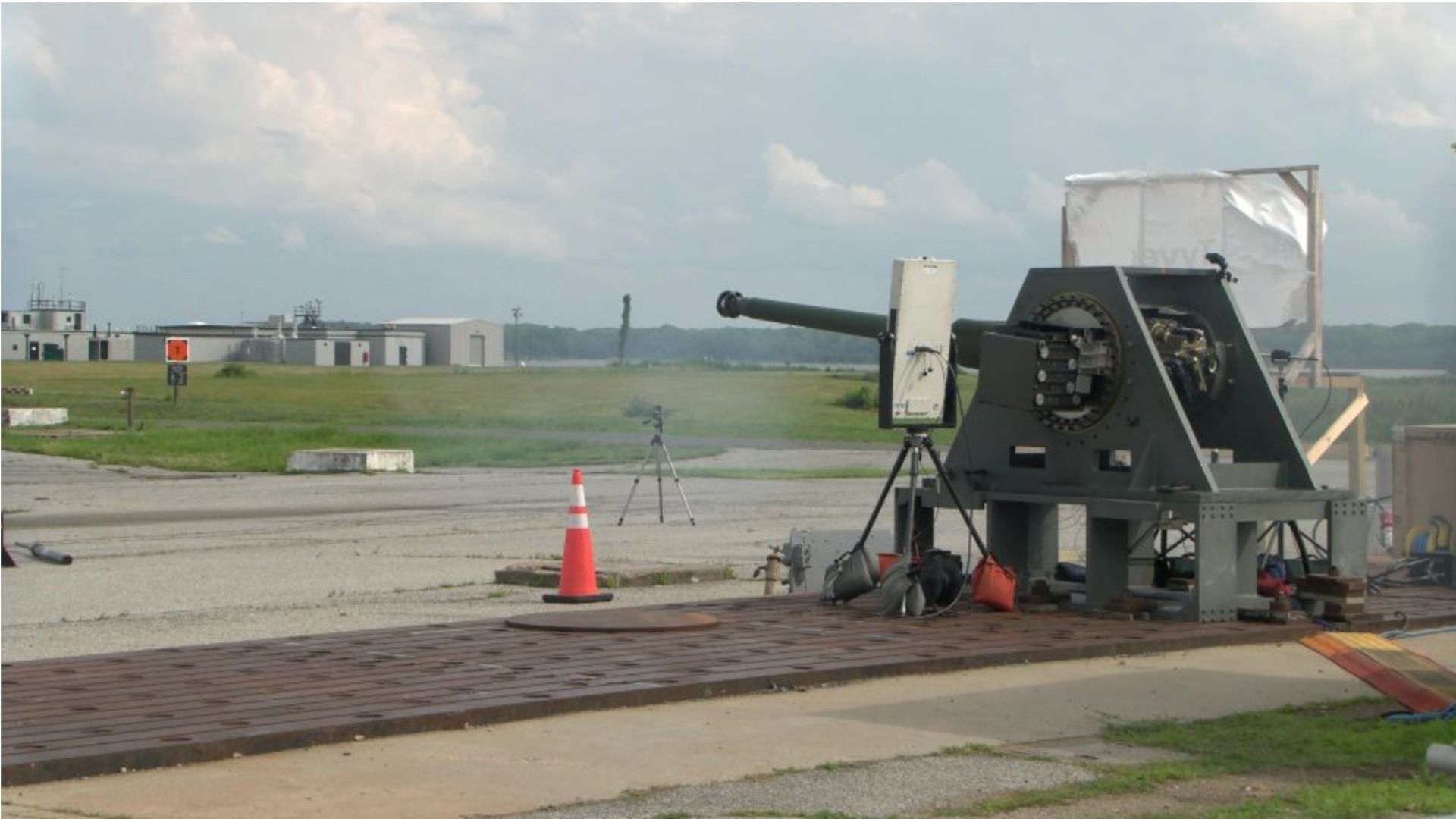
Northrop Grumman Advances 50mm Projectile Testing for Raid Hunter Air Defense System
Northrop Grumman has successfully conducted an aeroballistic test of a new 50mm round for its Raid Hunter air defense system. The test involved firing the projectile from an XM913 Chain Gun to validate its performance and gather flight data, which will aid in developing a guided, proximity-fuzed projectile. This development is significant as it enhances the Raid Hunter's capability to counter coordinated attacks from various aerial threats, including drone swarms and cruise missiles. The high-fidelity data collected during the test matched pre-test predictions, confirming the projectile's design and performance, which is crucial for the next development phase focused on guidance and proximity fuzing. Looking ahead, Northrop Grumman aims to integrate this advanced ammunition with its Bushmaster Chain Gun technology to create a high-rate defensive system. This combination is designed to effectively respond to mixed aerial threats, positioning Raid Hunter as a scalable and cost-effective solution for short-range air defense challenges.
Military
Xingcan Intelligent Secures Funding for Innovative Wheelchair Robot XcanMateX
Xingcan Intelligent has successfully completed four rounds of funding within a year, focusing on the development of its wheelchair robot, XcanMateX. This rapid funding pace is notable in the hard tech startup sector. The company aims to build a robust mass production team and a clear industrial logic, leveraging its core team’s extensive experience in autonomous driving and robotics. The significance of Xingcan Intelligent's approach lies in its focus on hardware-centric supply chain systems from the outset, contrasting with many companies that prioritize financial investment first. By collaborating with industry capital, the company can develop products at mass production prices and quality standards, thereby minimizing production risks and reducing costs. The XcanMateX is designed to transform traditional wheelchairs into smart mobility companions, featuring advanced navigation and interaction capabilities. Looking ahead, Xingcan Intelligent plans to expand its market presence in Europe, targeting the aging population's needs for smart mobility solutions. The company is also preparing for its Pre-A round of funding, aiming to raise between 50 million to 60 million RMB. The effectiveness of its deployments in hospitals and care institutions will be crucial in determining its success in addressing the mobility and social needs of the elderly.
Wheelchair Robots Healthcare Technology Aging Population Solutions Autonomous Navigation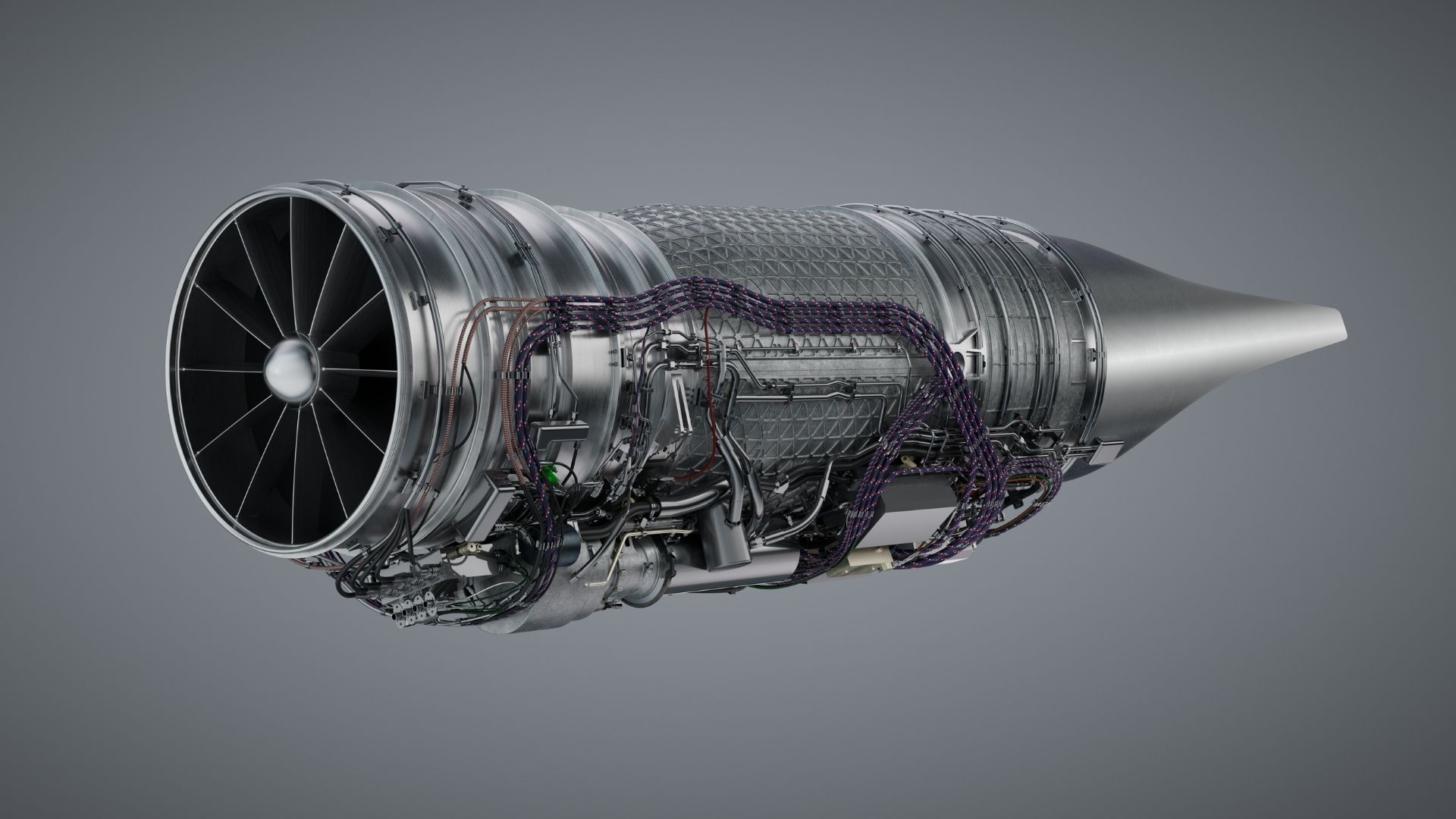
GE Aerospace Advances in XA102 Engine Development for U.S. Air Force Program
GE Aerospace is progressing towards the assembly of its XA102 adaptive cycle engine, a crucial component for the U.S. Air Force's Next Generation Adaptive Propulsion (NGAP) program. The company is currently collaborating with suppliers to procure hardware and test components in preparation for the assembly of the first XA102 test asset. This initiative builds on GE's previous XA100 engine program, introducing a digitally driven design and manufacturing approach. Notably, GE is employing model-based definition (MBD) to streamline the process, allowing for a machine-readable digital model that integrates engineering, manufacturing, and inspection, potentially reducing errors and accelerating the transition from design to hardware. While the XA102 is not yet operational, its development signifies a shift towards physical engine hardware, leveraging insights from the XA100 program. The successful implementation of this digital approach could enhance the aerospace industry's ability to adapt to future propulsion needs, particularly as military aircraft evolve to accommodate advanced technologies and systems.
Military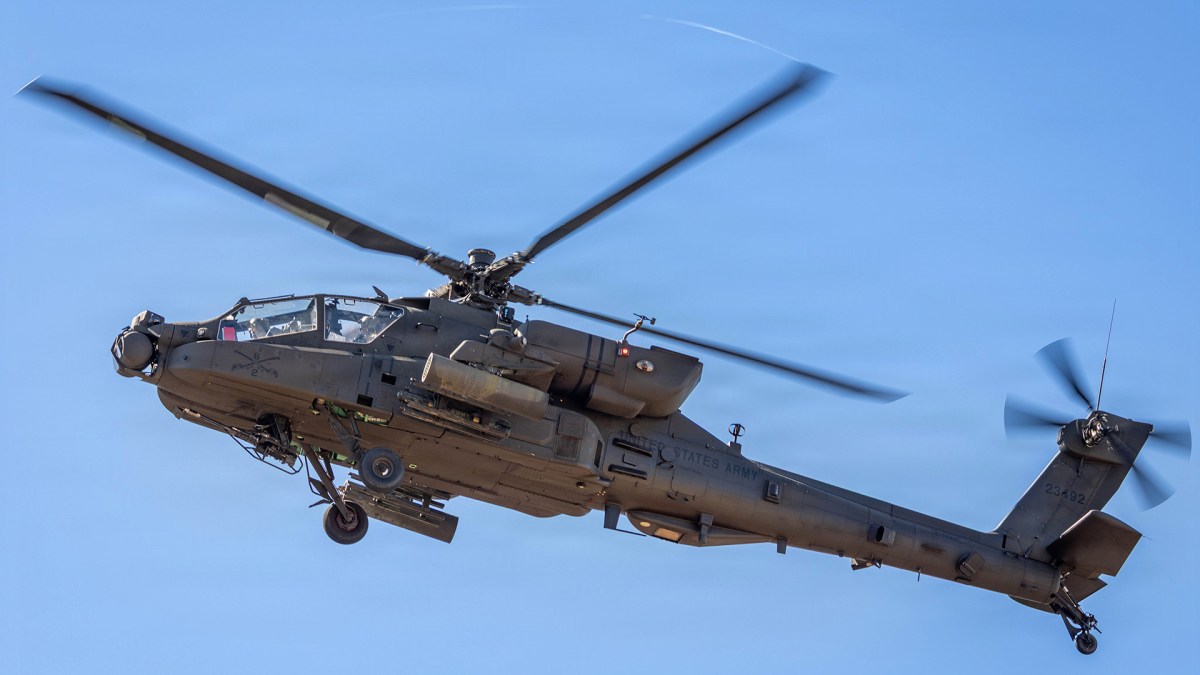
Joint Chiefs Chairman Discusses AI's Role in Modern Warfare After Apache Rescue
The U.S. military's top officer, Air Force Gen. Dan Caine, highlighted the transformative impact of artificial intelligence (AI) on warfare during a recent conference. He shared insights from the rescue of two U.S. Army Apache crew members shot down by an Iranian drone near Oman, marking the first use of an uncrewed surface vessel (USV) in a personnel recovery operation. Caine emphasized that the rapid evolution of AI is compressing decision-making timelines in military operations, with the advantage going to those who can quickly gather and analyze information. The successful recovery mission on June 8 involved a coordinated effort by U.S. CENTCOM and the deployment of a U.S. Navy Corsair USV, showcasing the integration of unmanned systems and AI in complex environments. Looking ahead, Caine warned that while AI enhances military capabilities, it also accelerates the evolution of threats, as seen in Ukraine with AI-enabled drones. He noted the stark implications of low-cost precision warfare, urging the joint force to adapt swiftly to these technological changes to maintain operational effectiveness.
Air AH-64 Air Forces Armies Helicopters Land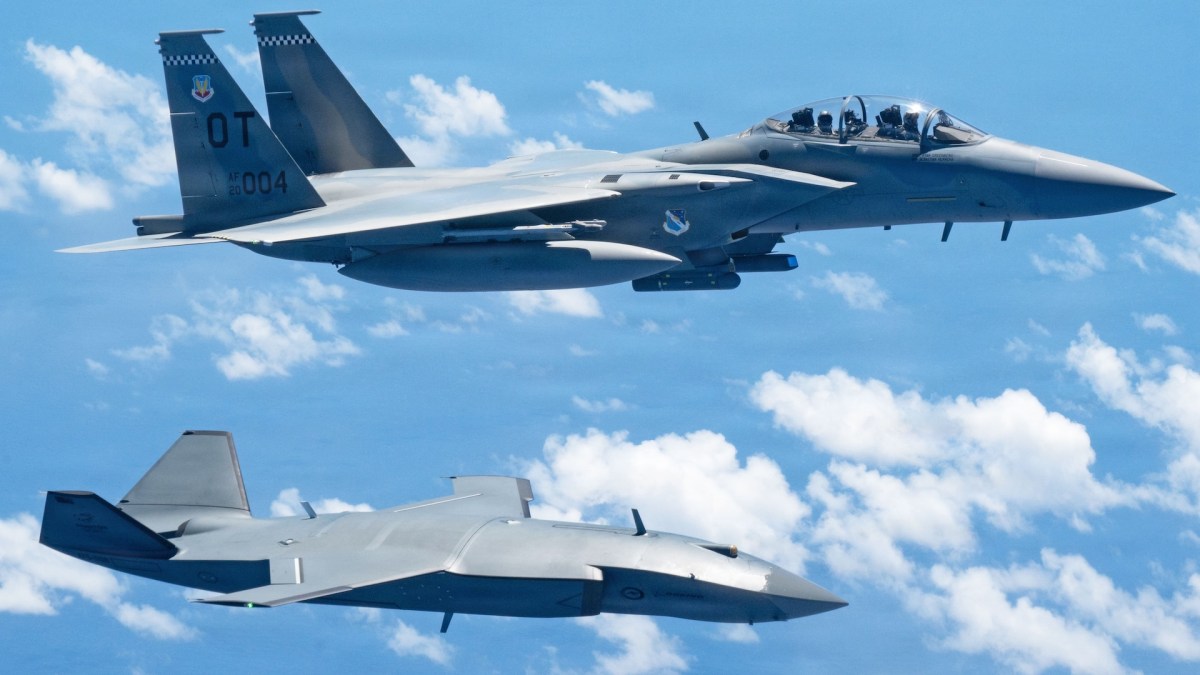
US Air Force Prepares for European Allies' Involvement in Collaborative Combat Aircraft Development
Senior leaders from the U.S. Air Force in Europe report that NATO allies are increasingly interested in participating in the development of collaborative combat aircraft (CCAs). This interest comes as many of these countries also pursue their own fighter and drone programs. The U.S. Air Force is optimistic that CCAs will enhance the alliance's overall capabilities, particularly in light of shrinking fleets of crewed combat aircraft among NATO allies. The significance of CCAs is underscored by the current geopolitical climate, with rising tensions with Russia and new threats emerging. Autonomous aircraft could provide NATO with additional combat capabilities without necessitating a larger number of crewed aircraft stationed in Europe. Lt. Gen. Jason T. Hinds and Chief Master Sgt. Joshua J. Wiener highlighted the potential for at least 500 CCAs to be operational by 2032, with growing interest from European nations such as Germany, Sweden, and the Netherlands. Looking ahead, the U.S. Air Force is utilizing two operational scenarios to illustrate how CCAs could integrate into NATO's force structure: defensive and offensive missions. Allies are keen to incorporate CCAs into their military strategies, indicating a collaborative future in defense capabilities. No further timeline was disclosed at the time of publication.
Air Around The Globe Collaborative Combat Aircraft Europe NATO News & Features
Airwise Solutions Partners with UAS Sentry to Enhance Remote ID Detection Capabilities
Airwise Solutions has announced a partnership with UAS Sentry to integrate the Nexus Remote ID detection system with its Nexus platform. This collaboration aims to provide enterprise customers with a comprehensive operational view of both their drone fleets and other Remote ID-equipped drones in their airspace. The integration enhances situational awareness for airports, utilities, and critical infrastructure operators. The significance of this partnership lies in its ability to offer a unified operational picture that includes drone location, pilot position, and other vital data alongside telemetry and weather information. This is crucial for organizations that require insights into the low-altitude airspace, as simply detecting a drone does not provide context about its presence or relevance to ongoing operations. Looking ahead, the integration of UAS Sentry’s detection capabilities into Airwise’s Nexus platform is expected to improve operational awareness for various sectors, including public safety and industrial facilities. No further timeline was disclosed at the time of publication.
News
Airwise Solutions Partners with UAS Sentry for Enhanced Drone Detection and Airspace Intelligence
Airwise Solutions and UAS Sentry have established a partnership aimed at improving low-altitude airspace awareness. This collaboration will integrate UAS Sentry Nexus detection capabilities with the Airwise Nexus platform, allowing users to visualize detected Remote ID signals alongside their drone operations. The integration will also enable the connection of this data with airspace information, mission activity, aircraft telemetry, weather, and FAA services. This partnership is significant as it supports critical infrastructure, utilities, airports, and industrial sites, while also catering to public safety agencies managing drone operations near sensitive areas. UAS Sentry Nexus is capable of detecting and identifying drones that transmit Remote ID signals, providing essential information about a drone's location and control station. The Airwise integration enhances this data by adding operational context, helping organizations differentiate between authorized and unauthorized drone activities. Looking ahead, the integration of UAS Sentry's detection capabilities with Airwise's operational tools could transform how organizations manage their airspace. No further timeline was disclosed at the time of publication. As the demand for drone operations continues to rise, the ability to understand and manage low-altitude airspace effectively will be crucial for various sectors.
Drone News Drone News Feeds News Remote ID UTM airspace awareness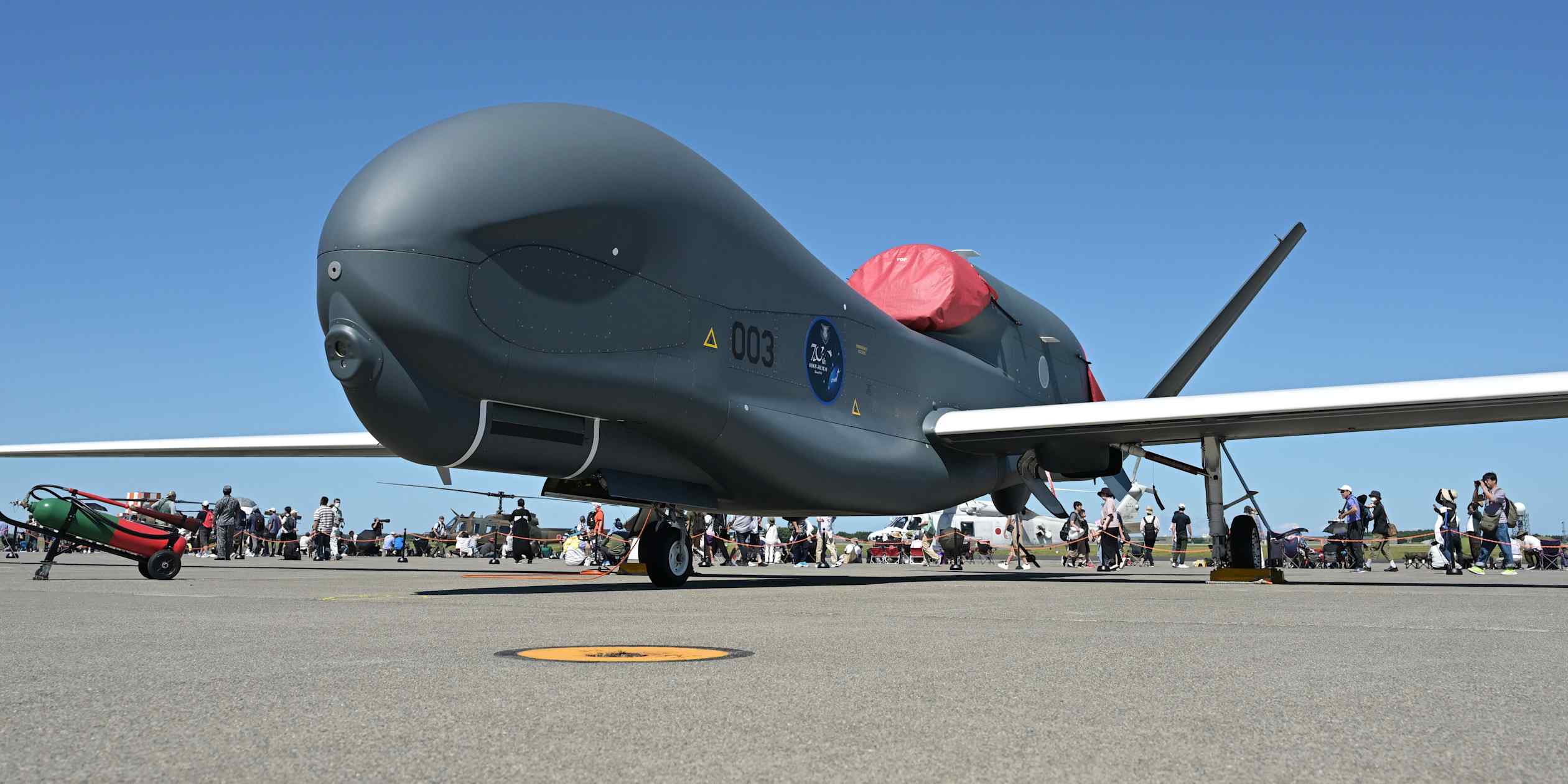
Japan Air Self-Defense Force Confirms Crash of Global Hawk Drone Off Tottori Coast
The Japan Air Self-Defense Force (JASDF) has confirmed that its Global Hawk RQ-4B unmanned reconnaissance drone crashed after losing ground contact. The confirmation came after debris was found floating off the coast of Tottori prefecture, identified as belonging to the drone. This incident is significant as it raises concerns about Japan's surveillance capabilities and overall defense posture. The loss of the Global Hawk, known for its advanced reconnaissance capabilities, may impact Japan's ability to monitor regional threats effectively. Moving forward, the JASDF has dispatched an investigation team to determine the cause of the crash. No further timeline was disclosed at the time of publication.
U.S. Air Force Leader in Europe to Implement NATO's New Air Defense Strategy
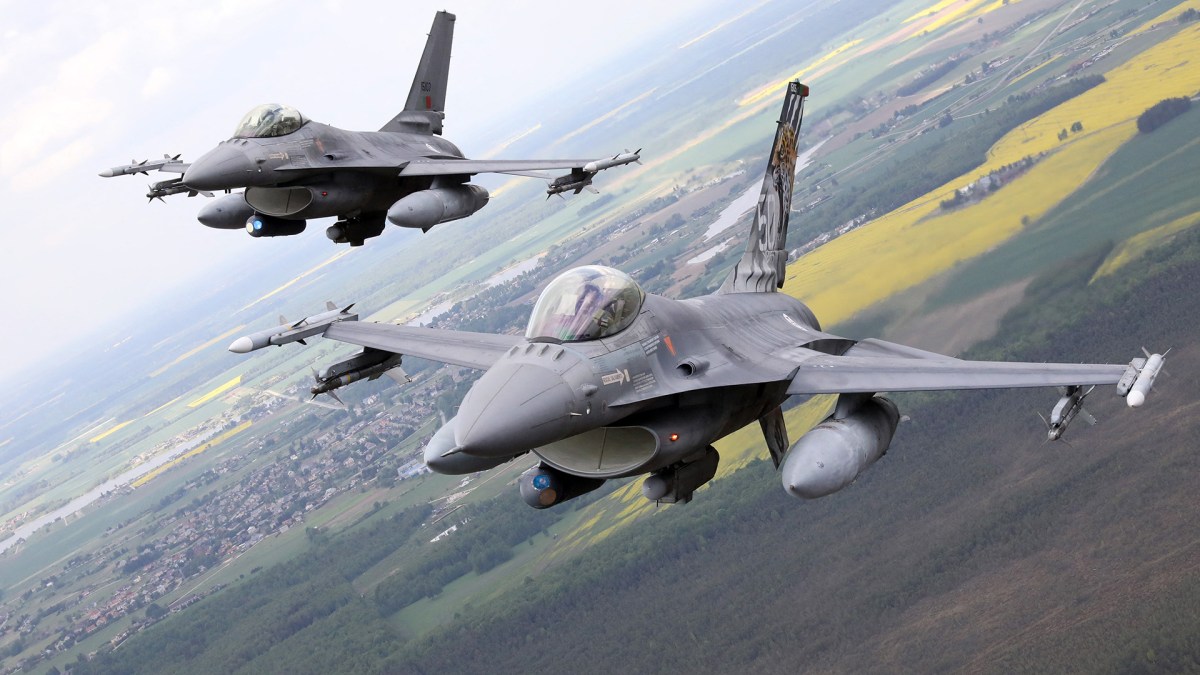
The top U.S. Air Force officer in Europe, Lt. Gen. Jason T. Hinds, has been assigned to implement NATO's new air defense plans aimed at countering threats from cruise missiles and drones. This directive follows a recent incident where NATO had to intercept a drone that entered Lithuanian airspace, highlighting ongoing security concerns amid Russian aggression in Europe. The significance of this initiative lies in NATO's response to increasing hybrid threats from Russia, particularly in light of the ongoing conflict in Ukraine. European Commission President Ursula von der Leyen emphasized that such incidents are indicative of a broader pattern of Russian provocations, testing NATO's readiness and resolve. Lt. Gen. Hinds noted that the Enhanced Vigilance Activity (EVA) Eastern Sentry and Standing Defense Plan 12000 are crucial for providing member nations with the necessary capabilities to defend their airspace. Looking ahead, NATO aims to enhance its integrated air and missile defense systems, which currently rely heavily on air power to counter drone threats. Lt. Gen. Hinds expressed the need for more efficient and cost-effective solutions, such as lower-cost interceptors. No further timeline was disclosed at the time of publication.
Air Air Force Munitions Air Forces Air-To-Air Around The Globe Europe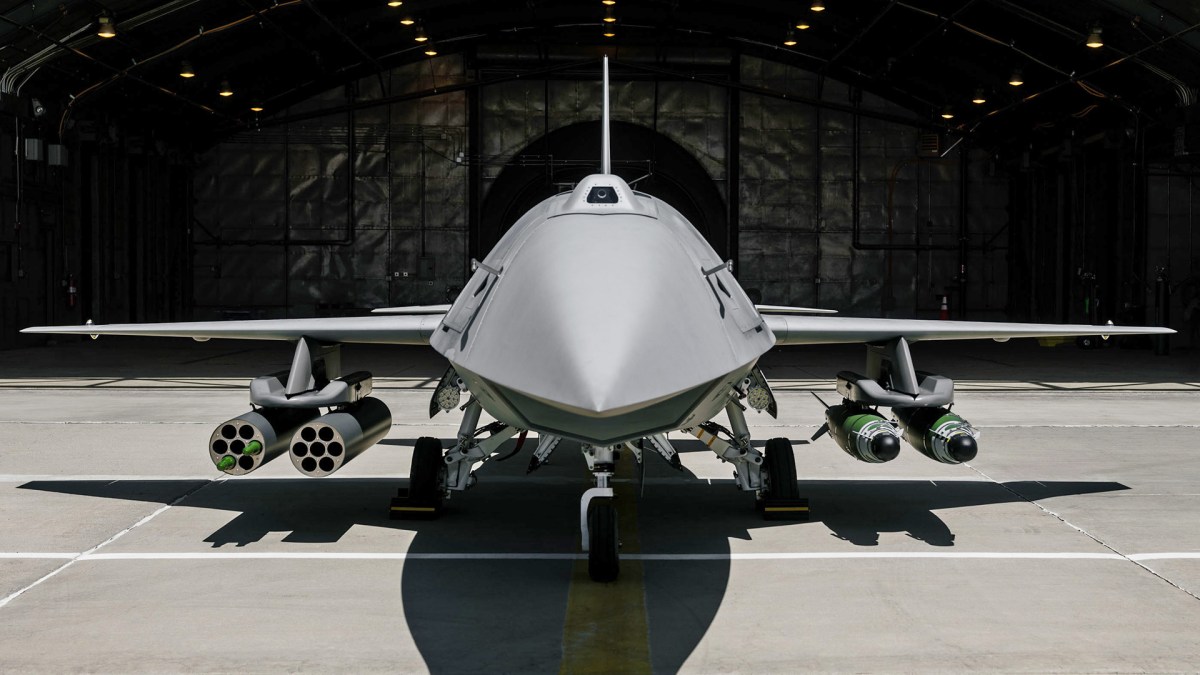
Anduril's YFQ-44A Fury Completes Fit Checks for Air-to-Ground Munitions
Anduril has shared new imagery of its YFQ-44A Fury Collaborative Combat Aircraft (CCA) equipped with air-to-ground munitions, indicating a potential shift in its operational role. The company has initiated integration and fit checks for various air-to-ground weapons, although flight testing has not yet occurred. The YFQ-44A, selected for the Air Force's CCA Increment 1 program, currently focuses on air dominance but is being adapted for broader mission capabilities. This development is significant as it expands the operational versatility of the YFQ-44A, allowing it to undertake air-to-ground missions alongside its primary air-to-air focus. The integration of weapons such as 500-pound Joint Direct Attack Munitions and 250-pound Small Diameter Bombs enhances its potential as a multi-role platform. Anduril's approach to diversify the weaponry could enable the Fury to serve in various roles, including counter-UAS and air-to-surface strike missions, thereby increasing its value to the Air Force. Looking ahead, Anduril plans to continue testing the Fury with additional air-to-air weapons and targeting pods. The flexibility of the YFQ-44A to adapt to different mission profiles by changing external stores and sensors will be crucial as the Air Force evaluates the integration of CCAs with crewed fighters. No further timeline was disclosed at the time of publication.
Air Air Forces Collaborative Combat Aircraft Drones News & Features U.S. Air Force
Paradromics Enables Communication for Woman with Severe Speech Impairment Using Brain-Computer Interface
Paradromics has announced a breakthrough in brain-computer interface technology, allowing a woman with severe speech impairment to communicate freely. The participant, a woman in her 60s from Michigan suffering from progressive motor neuron disease, had the Connexus system implanted, which features over 400 electrodes to capture neural activity at a single-neuron level. This advancement is significant as it enables the user to express her thoughts and engage in real-time conversations, rather than merely completing predefined tasks. The first sentence she communicated was 'Okay, I have a lot to say,' demonstrating the system's ability to decode spontaneous speech accurately without prior preparation. Looking ahead, Paradromics plans to recruit 10 patients with speech and motor paralysis due to conditions like stroke and ALS for further studies. The results from the initial participant are promising, but the broader applicability of the system remains to be validated with additional participants in future trials.
Brain-Computer Interfaces Neural Communication Assistive Technology Speech Decoding
BD Deploys Vmax 160 to Enhance Pharmacy Automation and Care at Fairview
BD has initiated the first U.S. deployment of its Vmax 160 system at Fairview, marking a significant advancement in pharmacy automation. This innovative technology expands beyond traditional dispensing methods, addressing the increasing demand for specialty therapies and complex medication fulfillment requirements. The deployment of the BD Vmax 160 is crucial as health systems face challenges in managing the growing need for refrigerated medications and specialized treatments. By enhancing pharmacy automation, BD aims to streamline operations and improve patient care, ultimately transforming the future of pharmacy services. Looking ahead, the impact of the Vmax 160 on pharmacy operations will be closely monitored. As health systems adapt to evolving medication management needs, further developments in pharmacy automation technology are expected. No further timeline was disclosed at the time of publication.

University of Manchester Leverages NVIDIA Earth-2 for UK Air Pollution Forecasting
The University of Manchester has developed a new air pollution forecasting model using NVIDIA Earth-2 technology, addressing a significant public health issue in the UK. With air pollution contributing to approximately 30,000 deaths annually, the integration of generative frameworks from NVIDIA aims to enhance the accuracy and frequency of air quality predictions. This innovative approach allows for modeling potential future scenarios based on government policy changes and could provide proactive insights for healthcare organizations to assist patients with respiratory conditions. The collaboration between the University of Manchester and NVIDIA has resulted in the creation of Earth-2 CorrDiff and Earth-2 StormCast models, which utilize advanced AI capabilities to process extensive pollution data. By training these models on the Isambard-AI supercomputer, the team has achieved a detailed UK-wide pollution model with a resolution of 2-3 square kilometers. This development is crucial for understanding environmental stressors and their impact on public health, enabling better decision-making in response to air quality changes. Looking ahead, the team is exploring the integration of real-time air quality data from edge AI devices to enhance decision-making processes, particularly in emergency situations like wildfires. The rapid training capabilities of the Earth-2 models signify a transformative shift in air quality science, making it more accessible and efficient for researchers and healthcare providers alike. No further timeline was disclosed at the time of publication.
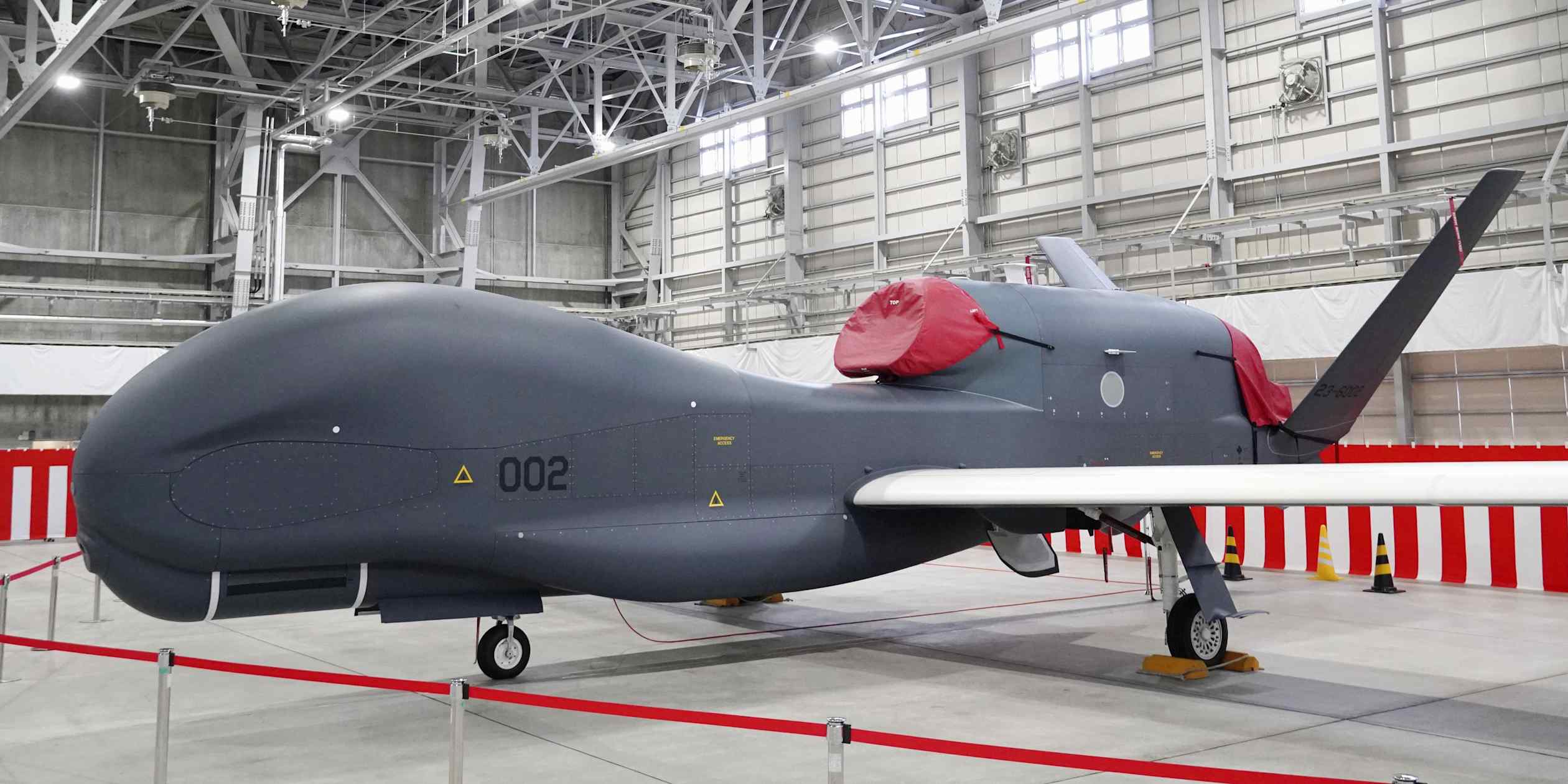
Japan Air Self-Defense Force Loses Communication with Global Hawk Drone in Tottori
The Japan Air Self-Defense Force reported the loss of communication with a Global Hawk unmanned reconnaissance drone operating off the coast of Tottori prefecture. The aircraft is now considered missing, prompting an active search operation in the area. This incident highlights the challenges faced by military forces in maintaining operational control over advanced unmanned systems. The loss of the Global Hawk drone raises concerns regarding the reliability of communication systems and the potential implications for surveillance operations in the region. As the search continues, it will be important to monitor the developments surrounding the recovery efforts and any findings related to the incident. No further timeline was disclosed at the time of publication.

US Space Force Deploys Space Control Weapons in Orbit, Air Force Secretary Confirms
The US Space Force has officially launched 'space control weapons' into orbit, marking a significant acknowledgment from Air Force Secretary Troy Meink. During a keynote address at the Air and Space Forces Association conference, Meink emphasized the importance of these weapons in defending against evolving threats from adversaries. This announcement highlights a shift in the US government's stance on discussing orbital weaponry, which has historically been a sensitive topic due to concerns about a potential arms race in space. The deployment of space control weapons is part of a broader strategy to ensure the United States can protect its interests in space. Meink noted that these weapons could include both kinetic and non-kinetic systems, although specific details were not disclosed. The discussion around space control is crucial for establishing deterrence against nations like China and Russia, which have been developing their own orbital weapon capabilities. Looking ahead, the Space Force is also preparing to launch space-based interceptors as part of the Golden Dome initiative, aimed at countering missile threats from orbit. Additionally, the first air-moving target indication satellites are set to be launched this month, enhancing the US's ability to monitor air-based adversary platforms globally. No further timeline was disclosed at the time of publication.
Air Warfare Space AFA 2026 Air Force airborne moving target indication (AMTI) Anduril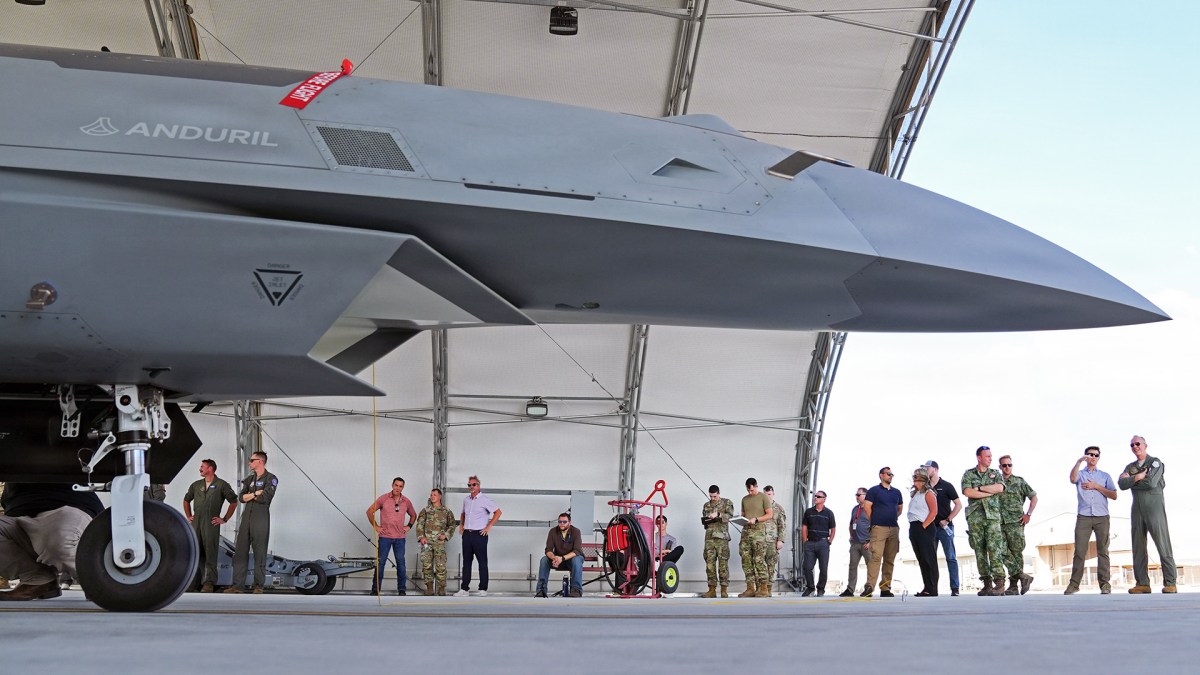
US Air Force Plans to Deploy 500 Collaborative Combat Aircraft by 2032
The U.S. Air Force has set a target to have at least 500 Collaborative Combat Aircraft (CCA) operational by 2032. This ambitious plan includes an equal number of Massed Modular Aircraft (MMA) drones to replace the MQ-9 Reapers. Secretary of the Air Force Troy Meink announced these updates during a keynote speech at the Air & Space Forces Association’s 2026 conference. This initiative is significant as it marks a substantial increase from previous plans, which aimed for over 150 CCAs by the end of the decade. The Air Force is also focusing on reducing costs, with plans to field 100 MMAs by 2029 at a lower price point than current manned aircraft. The FQ-42 and FQ-44 drones, now officially named Vengeance and Fury, are already in production and will perform missions similar to those of manned fighters. Looking ahead, the Air Force is still determining how these CCAs will be integrated into operations. The establishment of a dedicated Experimental Operations Unit (EOU) aims to facilitate the development and testing of these aircraft. No further timeline was disclosed at the time of publication.
News & Features Air Collaborative Combat Aircraft Drones Q-9 Unmanned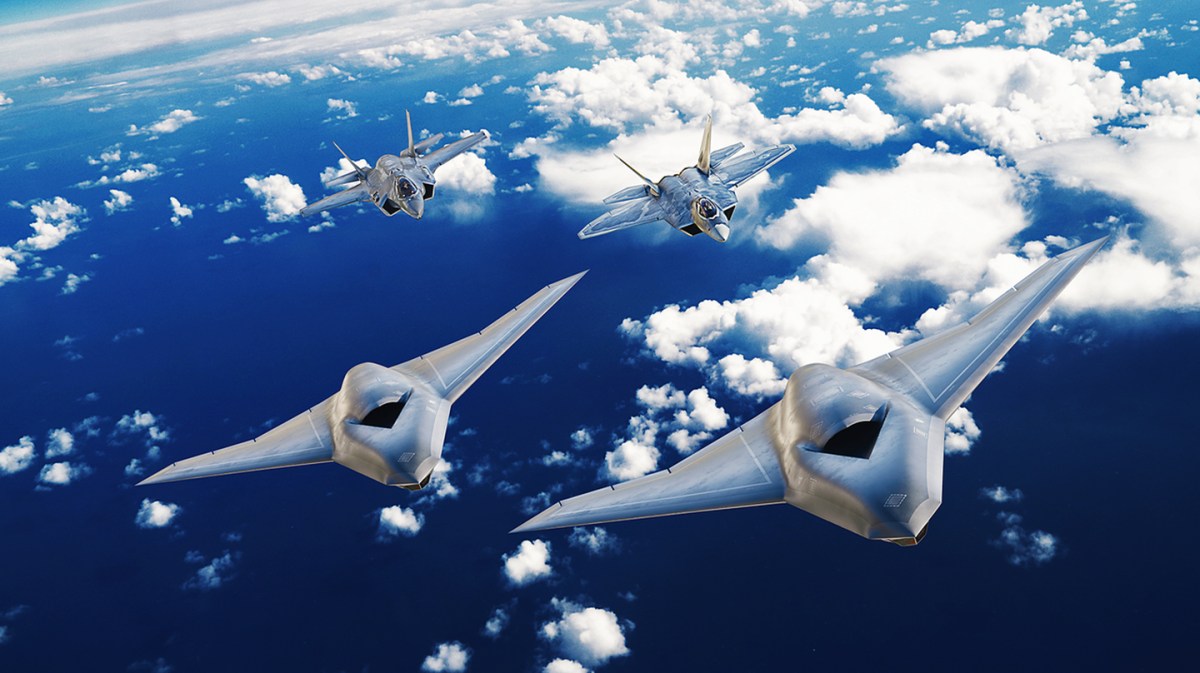
Lockheed Martin Reveals New Details on Vectis Collaborative Combat Aircraft Design
Lockheed Martin's Skunk Works has unveiled new information about its Vectis Collaborative Combat Aircraft (CCA), emphasizing its advanced stealth features. The aircraft boasts a unique submerged air inlet design that enhances survivability, setting it apart from other CCA models. With a length of approximately 34 feet and a wingspan of around 38 feet, Vectis is designed to meet diverse mission requirements, with prototype construction already underway and plans for additional units. The significance of the Vectis lies in its innovative design and operational capabilities, particularly its focus on stealth and flexibility. The submerged air inlet configuration is intended to reduce drag and improve performance, which is crucial for missions in challenging environments. Lockheed Martin's commitment to developing a tailless drone reflects a strategic move towards enhancing the survivability of future combat operations. Looking ahead, the first prototype of Vectis is expected to take flight by the end of next year, with four more prototypes planned. As the Air Force continues to emphasize Agile Combat Employment, the Vectis may play a vital role in future military operations, adapting to various mission needs while maintaining low observability.
News & Features Air Collaborative Combat Aircraft Drones Loyal Wingman Unmanned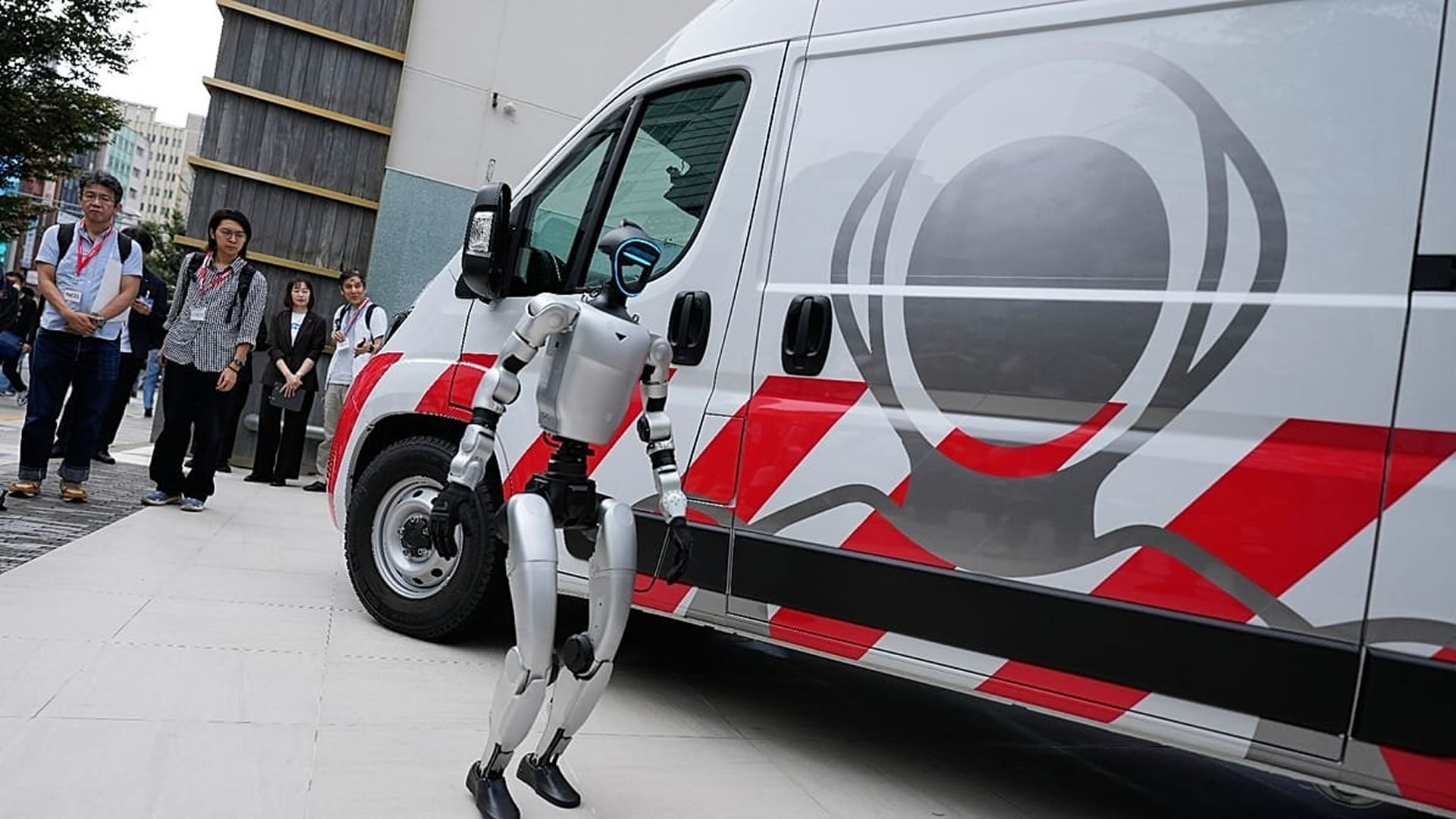
Japan Launches First Robot Ambulance for On-Site Humanoid Repairs
GMO Internet Group has introduced Japan's first 'robot ambulance' designed for humanoid robots. This vehicle will operate in Tokyo, providing on-site repairs and carrying engineers, equipment, and spare humanoids to assist in emergencies. The service aims to minimize downtime for humanoid robots used in various sectors, such as hospitality and warehousing, by allowing engineers to diagnose and repair issues on-site. If repairs cannot be completed, the ambulance will provide a replacement robot, ensuring continued service for customers. Currently, only one robot ambulance is in operation at GMO Air's Tokyo headquarters, serving as a pilot project. The company plans to expand the fleet based on customer demand, highlighting the growing need for maintenance services as humanoid robots become more prevalent in commercial applications.
Innovation Transportation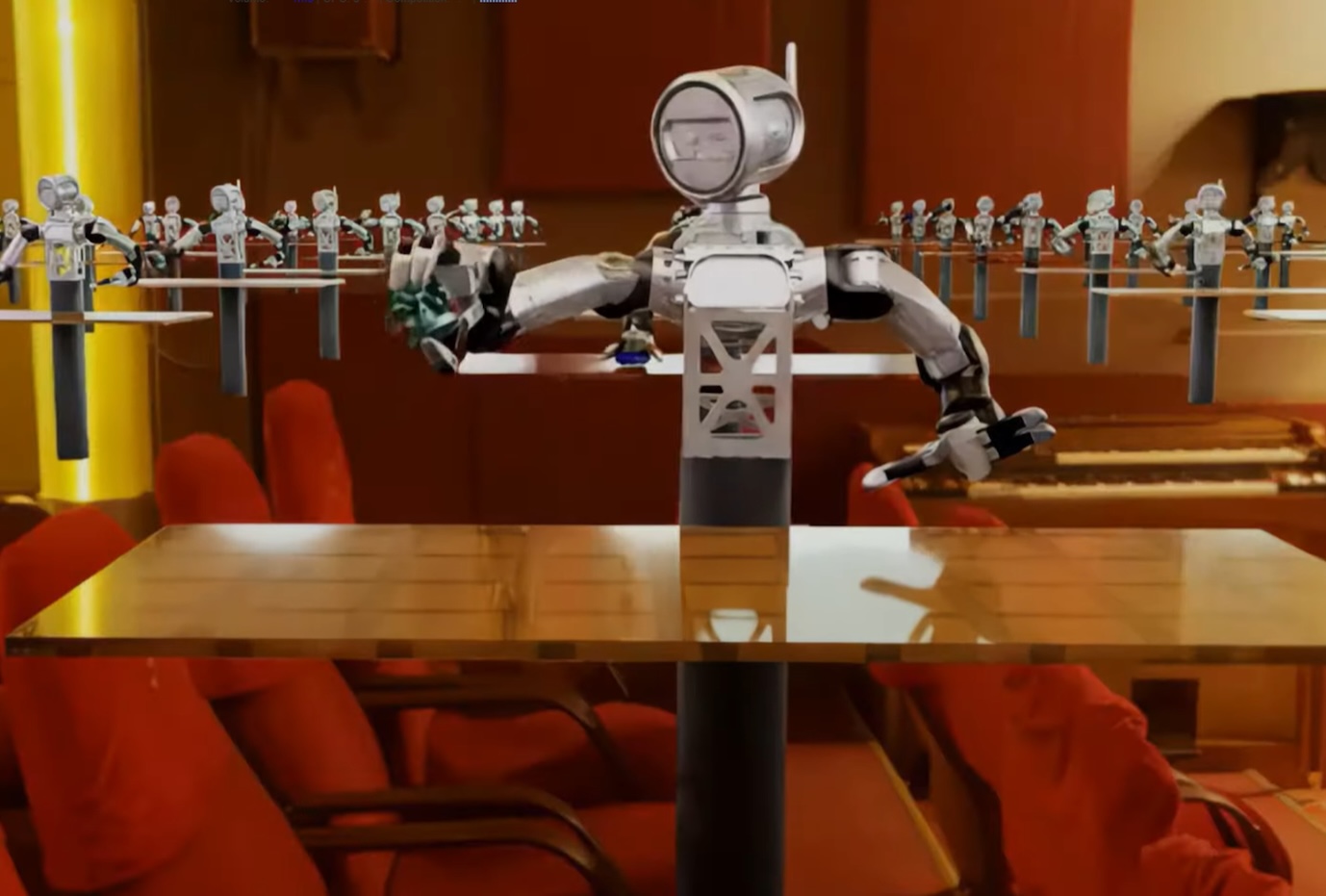
Rethinking Air and Missile Defense Due to Concurrent Attacks on US Bases
Recent attacks on US bases during the Iran conflict have highlighted vulnerabilities in air-and-missile-defense systems. Despite high overall effectiveness, these incidents reveal significant gaps that need to be addressed to enhance security measures. The implications of these vulnerabilities are critical for national defense strategies. As threats evolve and become more sophisticated, it is essential for military planners to reassess current defense capabilities and consider upgrades or new technologies to mitigate risks. Looking ahead, the focus will likely shift towards developing more robust air-and-missile-defense systems. Continuous evaluation and adaptation will be necessary to counteract emerging threats effectively. No further timeline was disclosed at the time of publication.
Air Warfare air and missile defense Air Force AMD strategy Counter UAS Counter UAS cUAS
US Air Force Conducts Sentinel Dragon 26-02 Exercise to Test Nuclear Missile Readiness
The US Air Force executed a four-day exercise named Sentinel Dragon 26-02 from August 4 to 7, 2026, to evaluate its nuclear missile force's readiness under unexpected conditions. The drill involved a simulated drone threat and the recapture of a missile launch facility, testing the transition from routine operations to high-pressure scenarios without prior notice. This exercise is significant as it emphasizes the necessity for a nuclear deterrent to maintain constant readiness, as highlighted by Maj. Gen. Colin Connor of the 20th Air Force. The lack of traditional preparation time forced operational units to rely on their command-and-control systems and adapt to unforeseen challenges, showcasing their ability to perform under pressure. Looking ahead, the exercise's focus on integrating security forces with air units and managing complex scenarios indicates a shift towards a more cohesive operational approach. The results will likely influence future training and operational strategies, particularly in how the Air Force prepares for potential threats involving unmanned aerial vehicles. No further timeline was disclosed at the time of publication.
MilitaryRobotics needs a service framework.
RSF defines a common language for robot service capability, lifecycle operations, certification pathways, and service-provider networks.
Join the RobotToday community on LinkedIn
Daily robotics news, in-depth analysis, conference highlights, and discussions with professionals worldwide.