


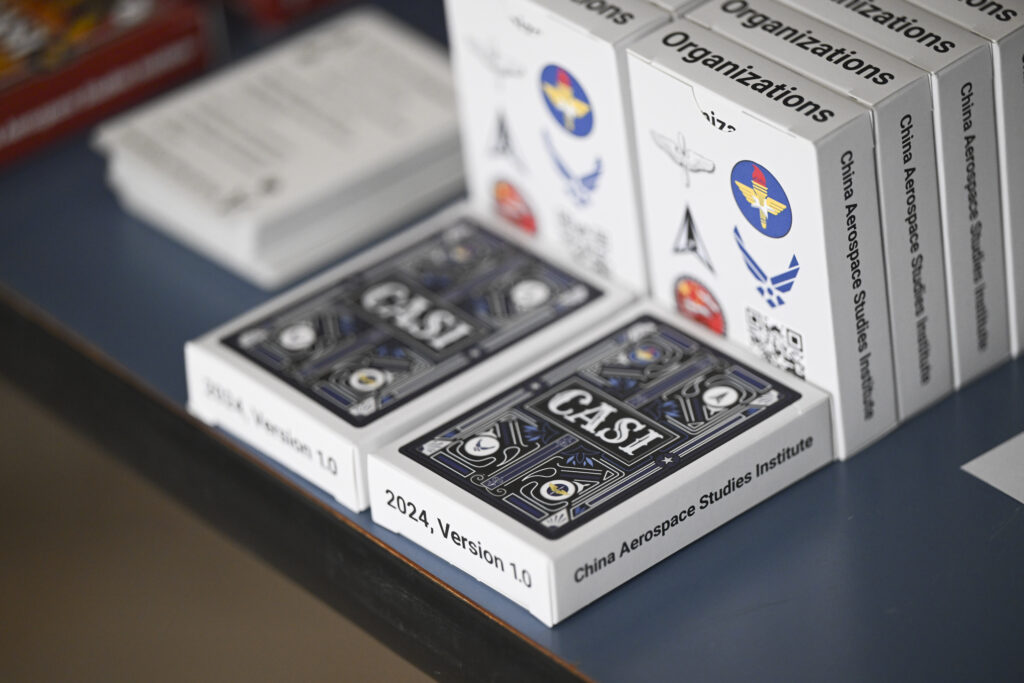
The Air Force has asserted that the China Aerospace Studies Institute (CASI) will continue its operations without civilian personnel. However, Brendan Mulvaney, the director of CASI, expressed skepticism about this claim, stating that the institute's functionality without civilian staff is 'not credible.'
This situation highlights the ongoing debate regarding the viability of military think-tanks and their reliance on civilian expertise. Mulvaney's comments suggest that the Air Force's position may overlook critical operational needs, raising questions about the future effectiveness of CASI in providing insights on aerospace developments in China.
Observers should monitor how the Air Force addresses these concerns moving forward. The ongoing discussions around CASI's operational structure may influence its ability to contribute meaningfully to U.S. defense strategies regarding China. No further timeline was disclosed at the time of publication.
Editor's Note
The dynamics between military think-tanks and civilian expertise are crucial in shaping defense strategies. The Air Force's commitment to the China Aerospace Studies Institute, despite internal skepticism, reflects broader challenges in technology and intelligence gathering in a rapidly evolving geopolitical landscape.

























Leave a comment