

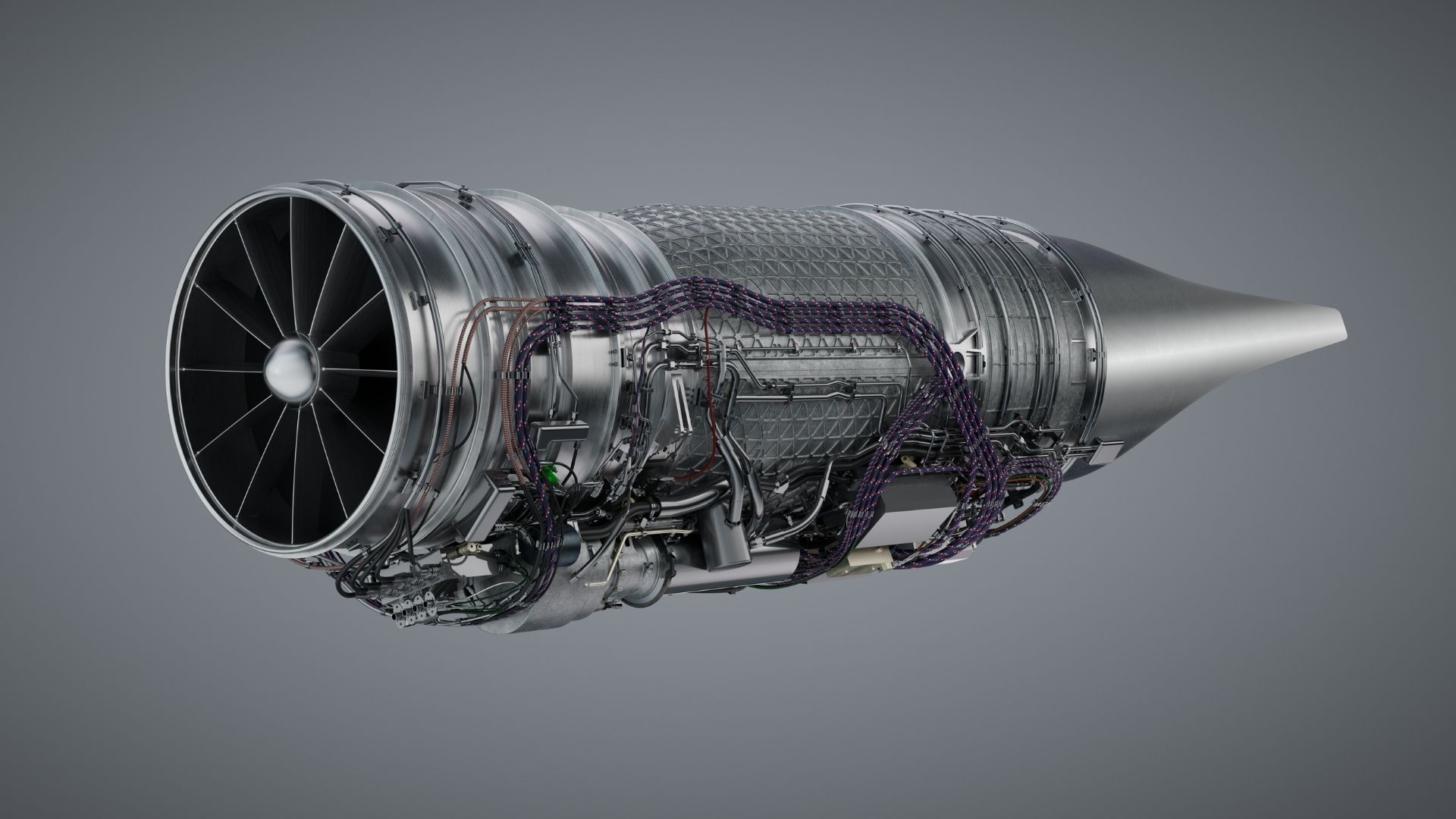
GE Aerospace is progressing towards the assembly of its XA102 adaptive cycle engine, a crucial component for the U.S. Air Force's Next Generation Adaptive Propulsion (NGAP) program. The company is currently collaborating with suppliers to procure hardware and test components in preparation for the assembly of the first XA102 test asset.
This initiative builds on GE's previous XA100 engine program, introducing a digitally driven design and manufacturing approach. Notably, GE is employing model-based definition (MBD) to streamline the process, allowing for a machine-readable digital model that integrates engineering, manufacturing, and inspection, potentially reducing errors and accelerating the transition from design to hardware.
While the XA102 is not yet operational, its development signifies a shift towards physical engine hardware, leveraging insights from the XA100 program. The successful implementation of this digital approach could enhance the aerospace industry's ability to adapt to future propulsion needs, particularly as military aircraft evolve to accommodate advanced technologies and systems.
Editor's Note
The aerospace sector is witnessing a significant shift towards digital manufacturing processes, particularly in the development of advanced military engines. GE Aerospace's XA102 program exemplifies this trend, as it integrates model-based engineering to enhance efficiency and reduce production timelines. This could reshape how future propulsion systems are designed and manufactured, addressing the increasing complexity of modern combat aircraft.




























Leave a comment