

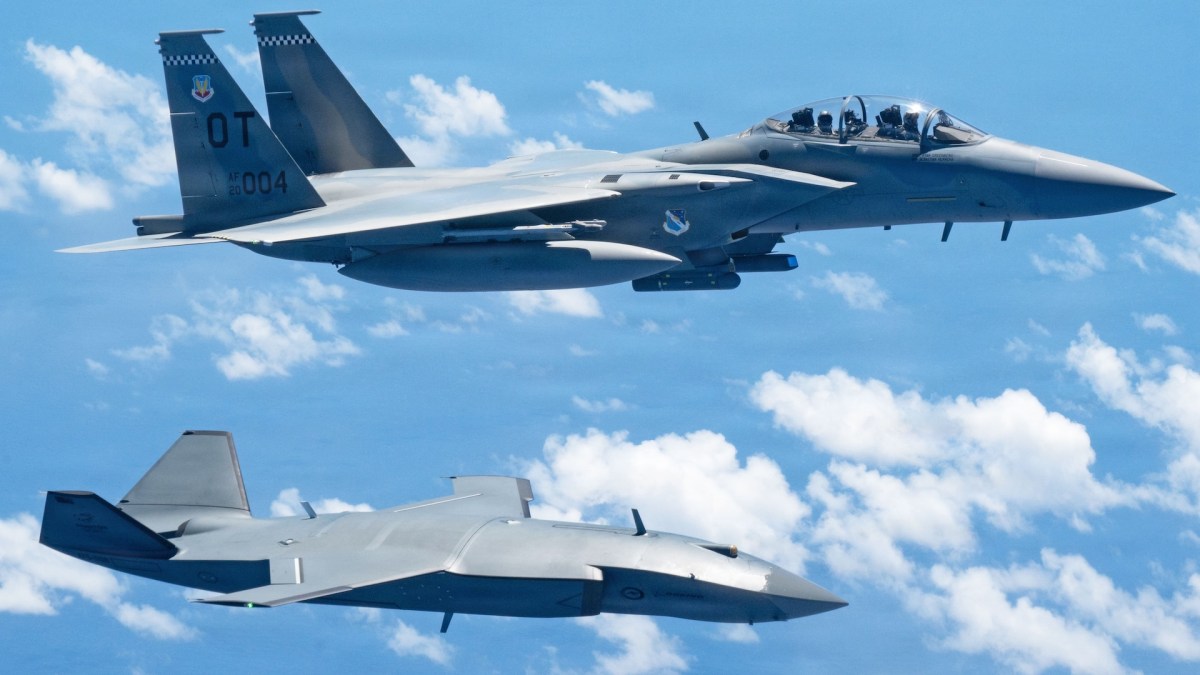
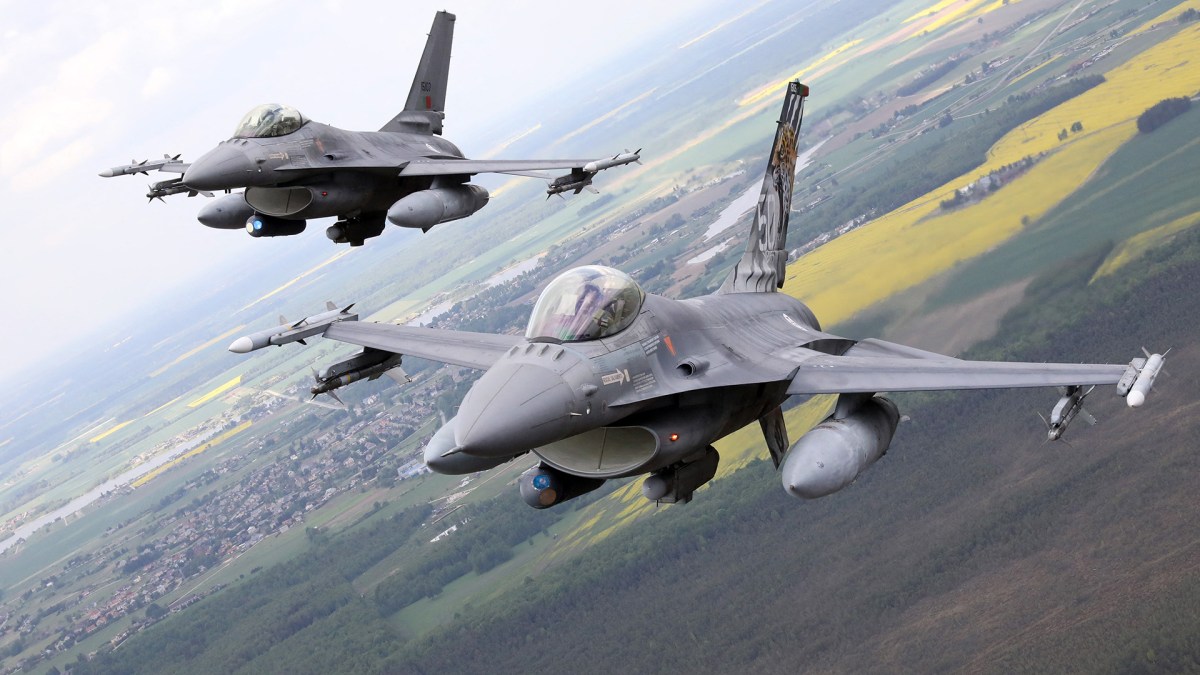
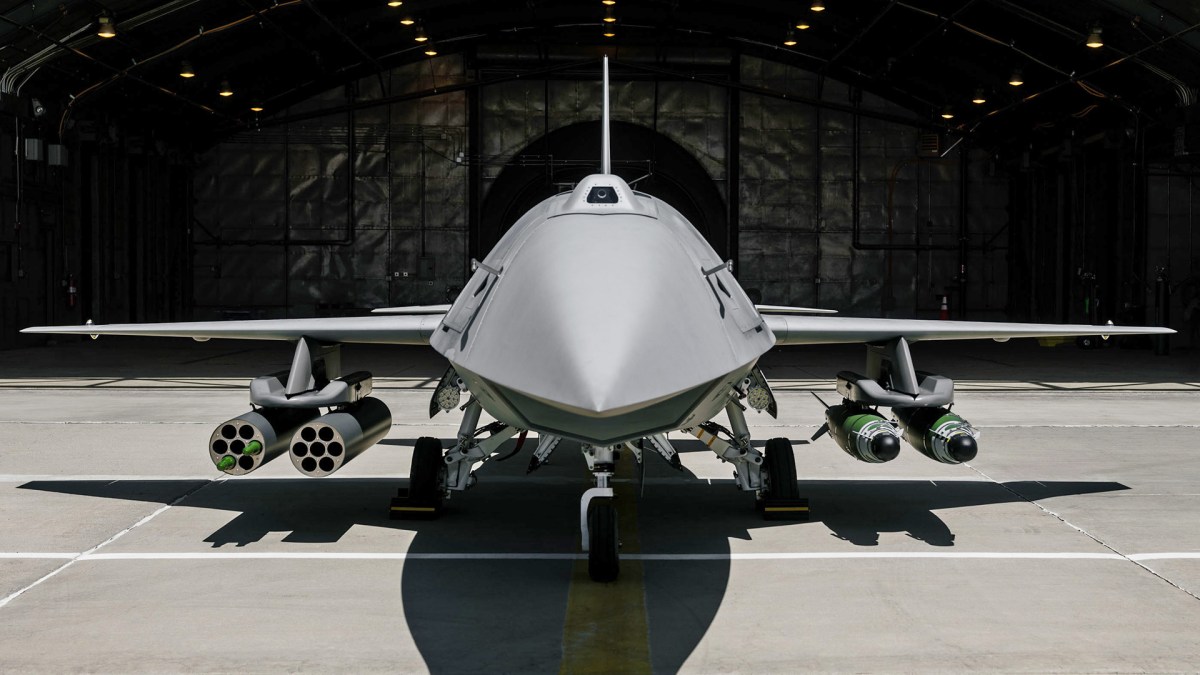
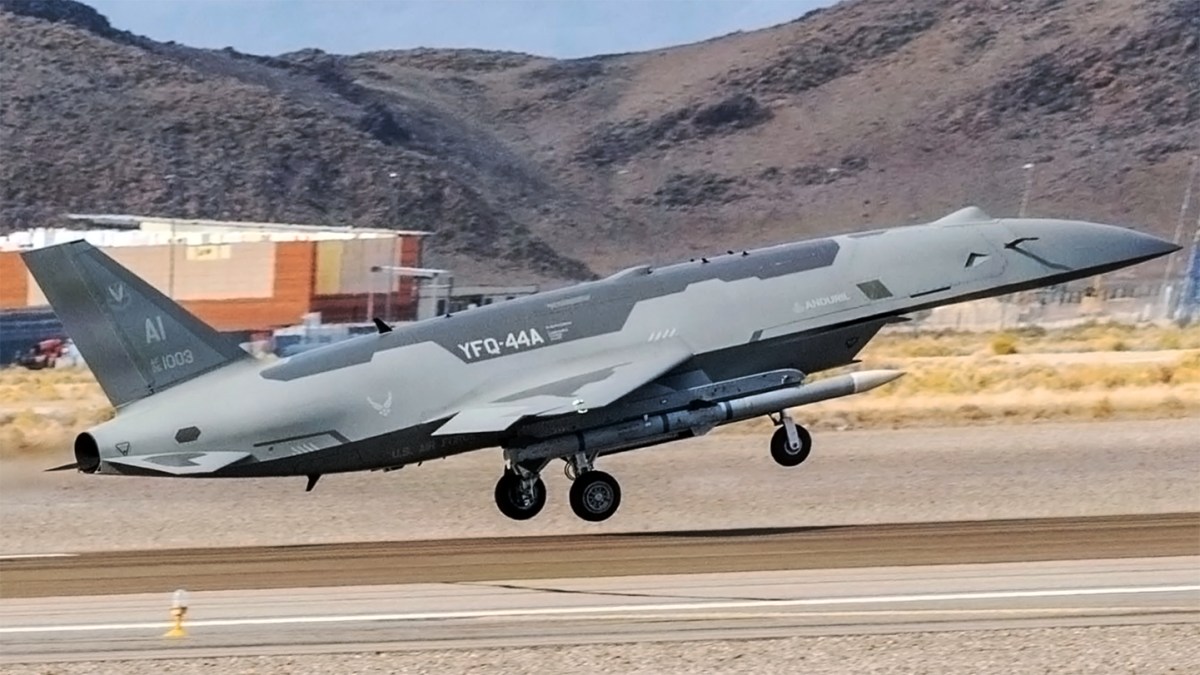
Senior leaders from the U.S. Air Force in Europe report that NATO allies are increasingly interested in participating in the development of collaborative combat aircraft (CCAs). This interest comes as many of these countries also pursue their own fighter and drone programs. The U.S. Air Force is optimistic that CCAs will enhance the alliance's overall capabilities, particularly in light of shrinking fleets of crewed combat aircraft among NATO allies.
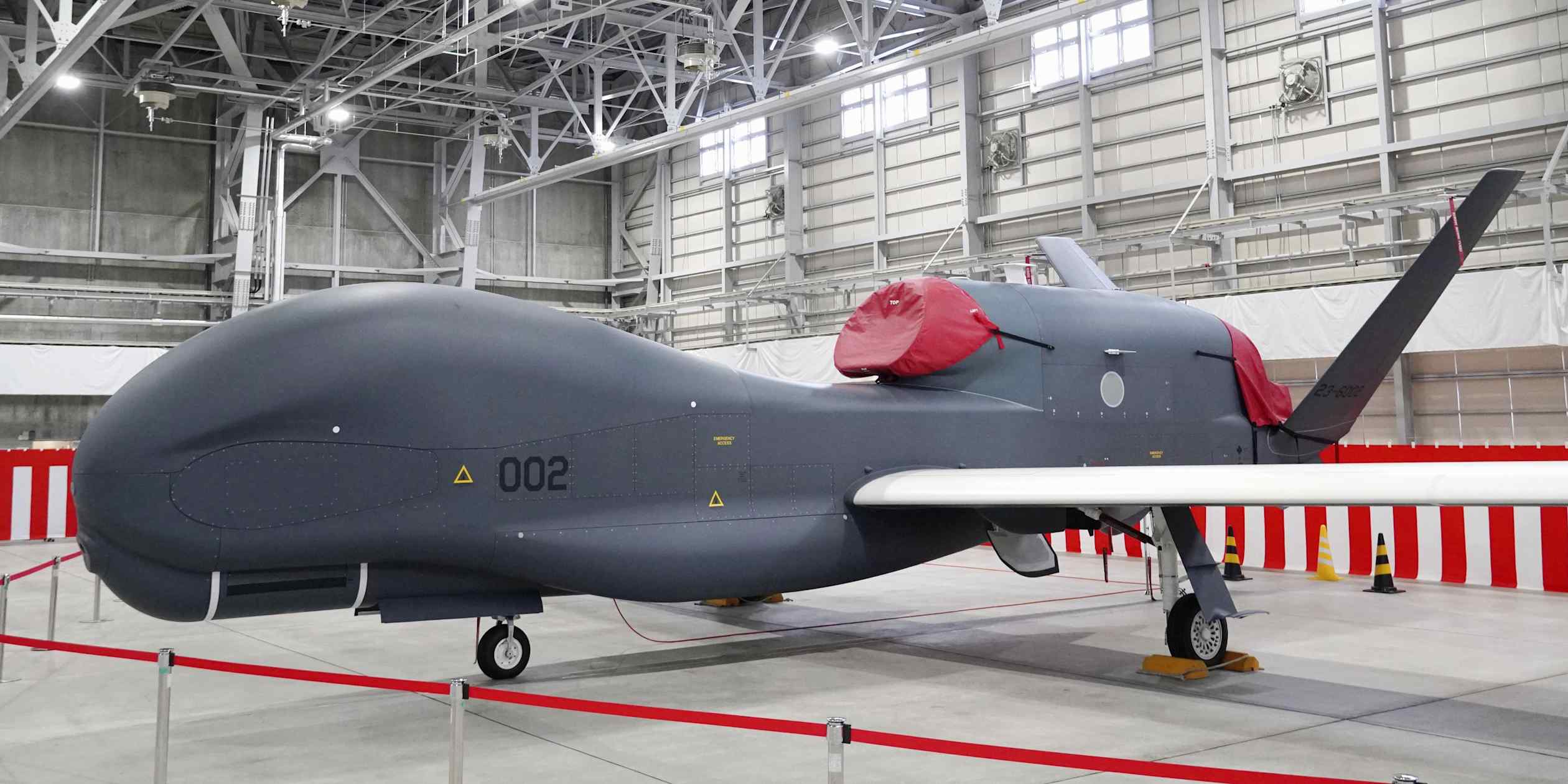
The significance of CCAs is underscored by the current geopolitical climate, with rising tensions with Russia and new threats emerging. Autonomous aircraft could provide NATO with additional combat capabilities without necessitating a larger number of crewed aircraft stationed in Europe. Lt. Gen. Jason T. Hinds and Chief Master Sgt. Joshua J. Wiener highlighted the potential for at least 500 CCAs to be operational by 2032, with growing interest from European nations such as Germany, Sweden, and the Netherlands.
Looking ahead, the U.S. Air Force is utilizing two operational scenarios to illustrate how CCAs could integrate into NATO's force structure: defensive and offensive missions. Allies are keen to incorporate CCAs into their military strategies, indicating a collaborative future in defense capabilities. No further timeline was disclosed at the time of publication.
Editor's Note
The growing interest in collaborative combat aircraft among NATO allies reflects a significant shift in defense strategies amid evolving threats. As countries like Germany and Sweden explore their own CCA capabilities, the U.S. Air Force's initiative could reshape military collaboration in Europe. This trend highlights the importance of integrating advanced technologies into national defense frameworks, particularly in a landscape marked by reduced crewed aircraft fleets.






















Leave a comment