

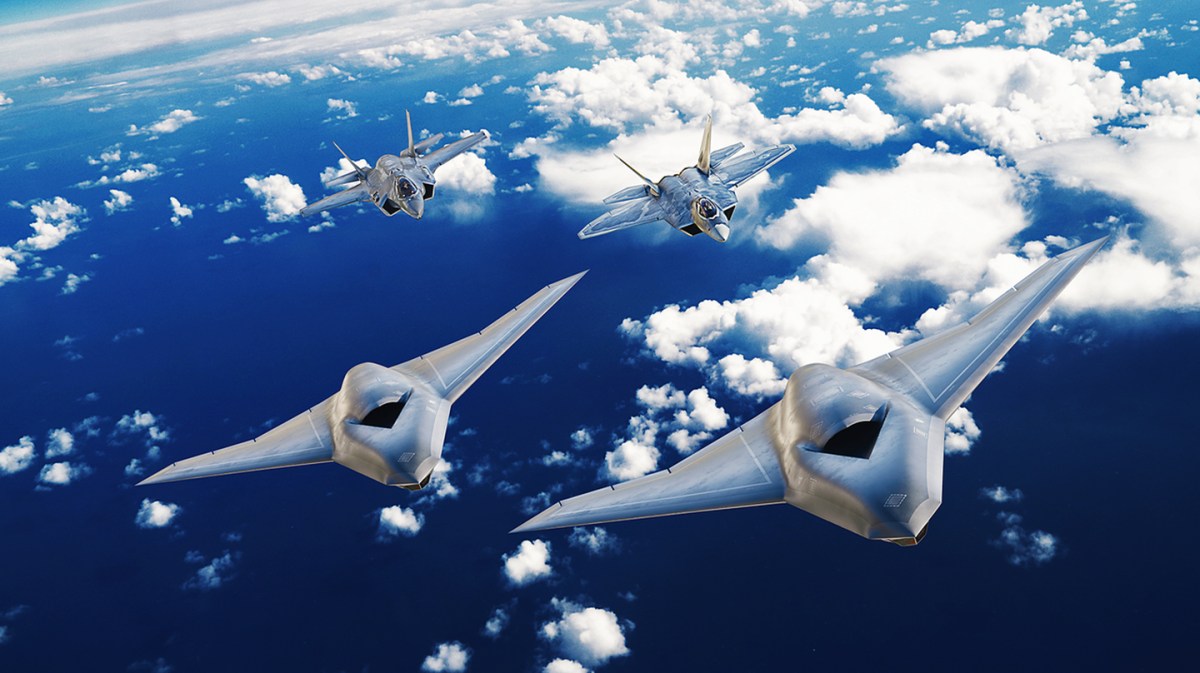
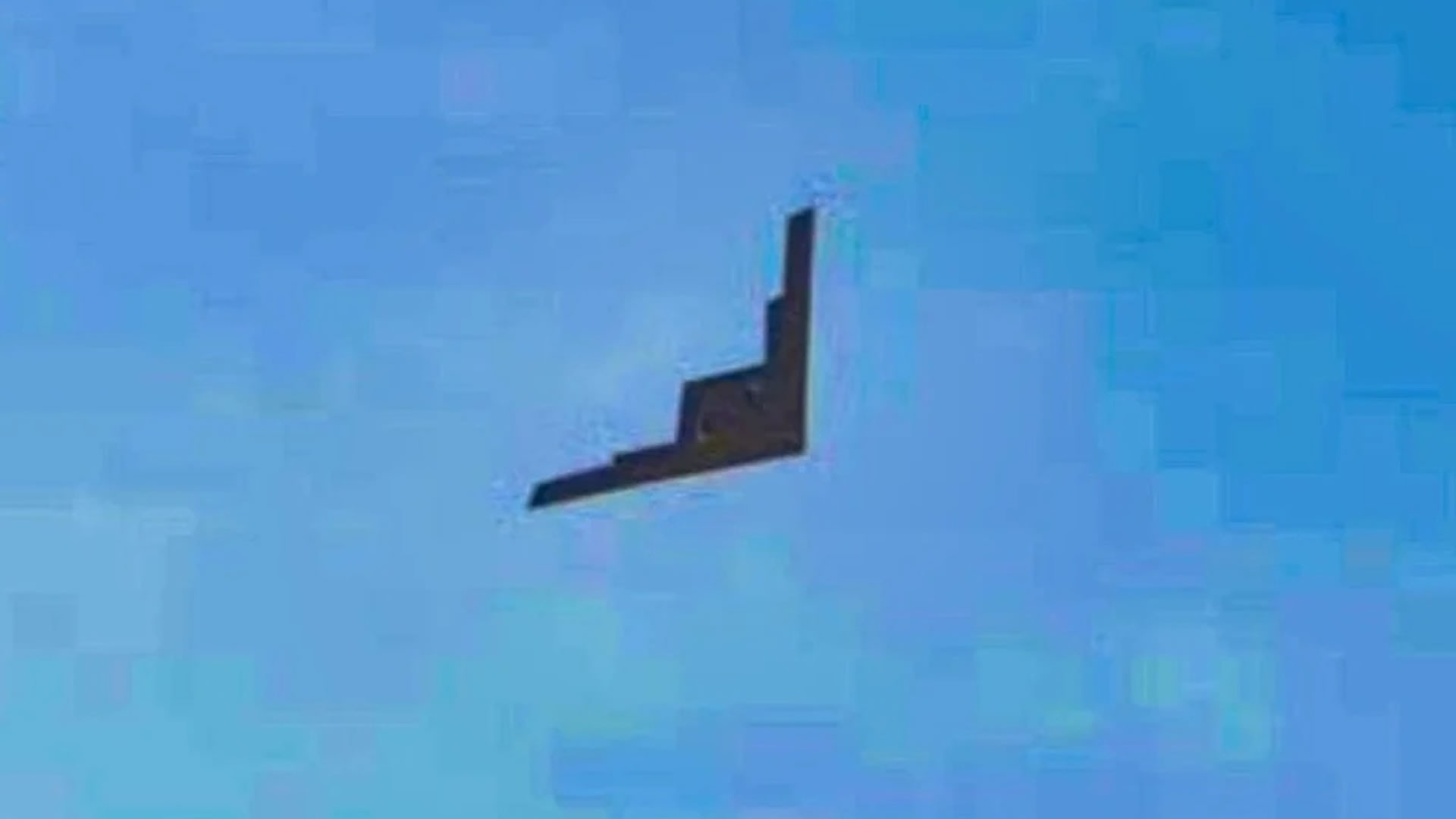
Lockheed Martin's Skunk Works has unveiled new information about its Vectis Collaborative Combat Aircraft (CCA), emphasizing its advanced stealth features. The aircraft boasts a unique submerged air inlet design that enhances survivability, setting it apart from other CCA models. With a length of approximately 34 feet and a wingspan of around 38 feet, Vectis is designed to meet diverse mission requirements, with prototype construction already underway and plans for additional units.
The significance of the Vectis lies in its innovative design and operational capabilities, particularly its focus on stealth and flexibility. The submerged air inlet configuration is intended to reduce drag and improve performance, which is crucial for missions in challenging environments. Lockheed Martin's commitment to developing a tailless drone reflects a strategic move towards enhancing the survivability of future combat operations.
Looking ahead, the first prototype of Vectis is expected to take flight by the end of next year, with four more prototypes planned. As the Air Force continues to emphasize Agile Combat Employment, the Vectis may play a vital role in future military operations, adapting to various mission needs while maintaining low observability.
Editor's Note
The development of the Vectis Collaborative Combat Aircraft highlights the increasing focus on stealth and adaptability in military aviation. As defense contractors like Lockheed Martin innovate in drone technology, the implications for procurement and operational strategies in the military sector are significant. The emphasis on survivability and performance in austere environments aligns with current military priorities, particularly in the context of Agile Combat Employment.

























Leave a comment