

Industry Briefing
A single destination for timely, editor-curated robotics news from around the world.

The Unique Characteristics of the Harvest Moon and Its Timing This Year
The Harvest Moon, which occurs closest to the autumnal equinox, will be fully illuminated on September 26 this year. Its name reflects its historical significance for farmers who relied on its light to harvest crops after sunset. Unlike other full moons, the Harvest Moon rises shortly after sunset for several consecutive evenings, particularly noticeable in northern latitudes. This phenomenon occurs due to the shallow angle at which the ecliptic meets the eastern horizon during the autumn equinox, allowing the moon to rise more frequently. For instance, in Edinburgh, moonrise times from September 24-28 will range from 6:23 p.m. to 6:52 p.m., while in New York City, the times will vary from 5:50 p.m. to 7:27 p.m. This unique timing is crucial for those who wish to capture the moon's beauty against the twilight sky. As the Harvest Moon approaches, observers should note the optimal times for viewing. In Edinburgh, the best time will be on September 28, while in New York City, the ideal viewing will be on the night of the full moon, September 26. The interplay of moonrise and sunset creates a picturesque scene that is highly anticipated by photographers and moon enthusiasts alike.
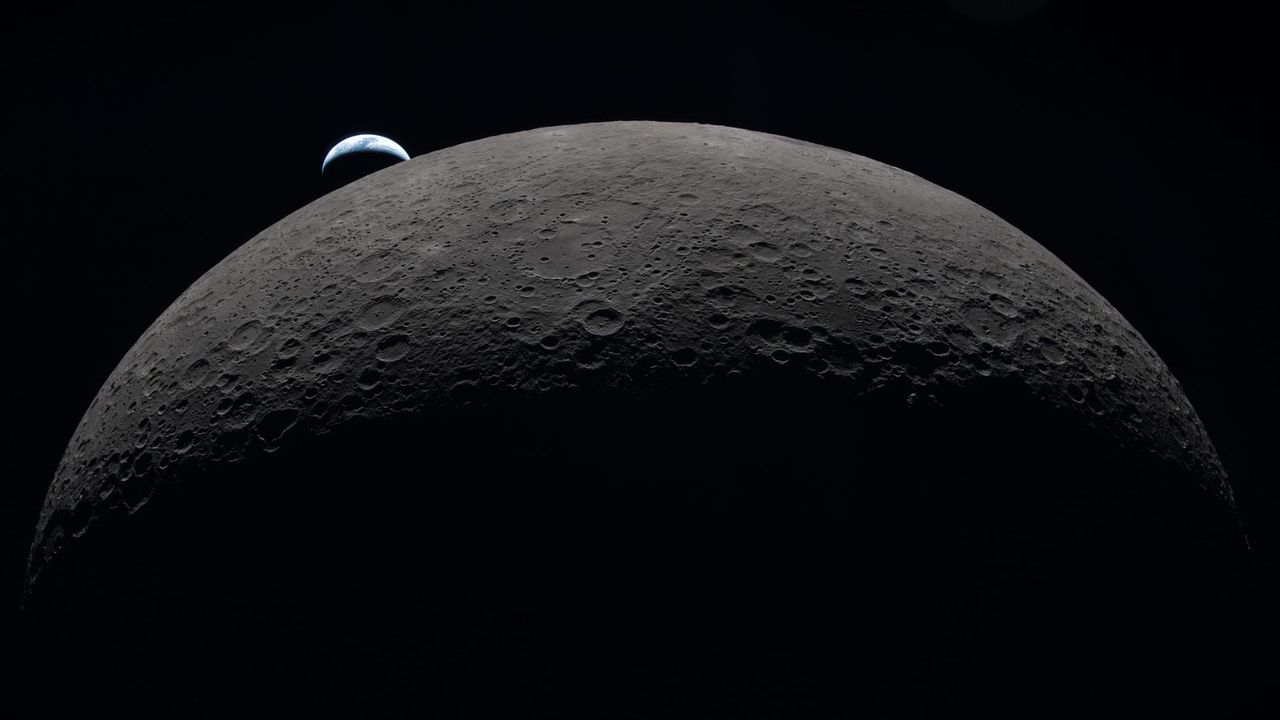
SETI Institute Proposes Searching Moon Dust for Microscopic Alien Technology
The SETI Institute has proposed a novel idea to search for microscopic technosignatures in moon dust, which may indicate the presence of alien technology. Led by Affiliate Scientist Lewis Pinault, the research suggests that the moon has been accumulating material from space for billions of years, potentially containing traces of ancient technologies. This initiative is significant as it could enhance our understanding of interstellar dust and its effects on lunar geology. Although the study currently reports no evidence of extraterrestrial technology, it emphasizes that the search for these technosignatures is now scientifically testable, especially with upcoming lunar missions like NASA's Artemis program and China's Chang'e series. Researchers aim to analyze about 35 cubic feet of lunar regolith to investigate the presence of durable artificial materials from past civilizations. The findings could provide insights into how advanced technologies might have left behind microscopic debris embedded in the lunar surface over billions of years.
Search for Life Space Exploration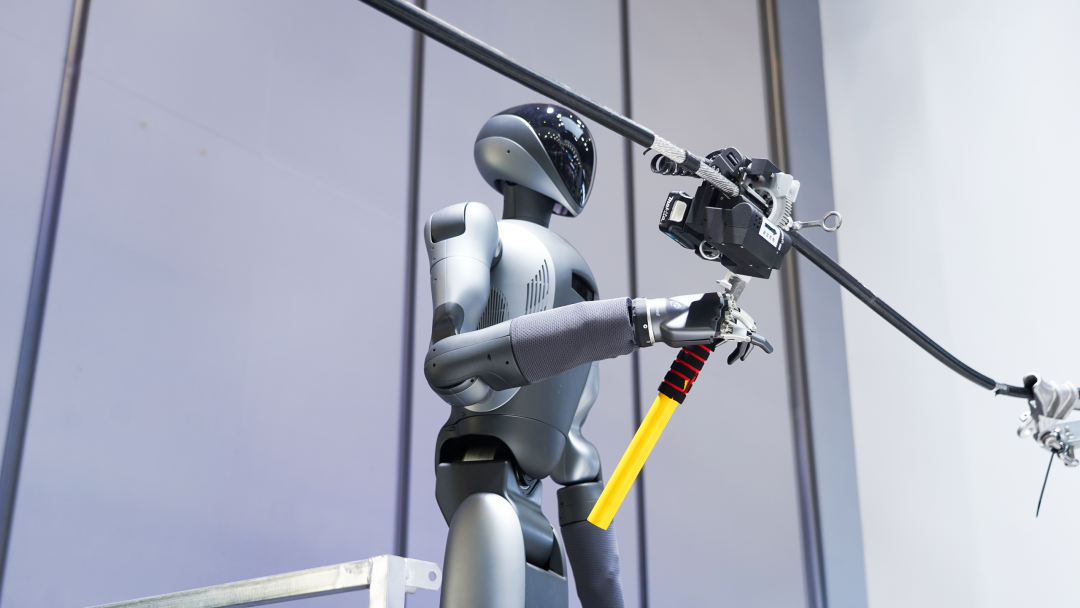
Moon Spring's W-Bot 2.0 Advances from Demonstration to Live Electrical Operations
The humanoid robotics industry is at a pivotal transition from performance-based demonstrations to practical applications. For too long, humanoid robots have been criticized for being visually impressive yet impractical, with a focus on showmanship rather than real-world utility. The recent World Robot Conference showcased Moon Spring's W-Bot 2.0, which successfully performed live electrical operations, indicating a shift towards addressing industry needs. This transition is significant as it highlights the core value of humanoid robots in real-world scenarios, particularly in high-risk environments like urban power grid maintenance. The W-Bot 2.0, designed to operate in hazardous conditions, demonstrates the potential to reduce risks associated with manual labor in dangerous settings, addressing the urgent need for intelligent equipment in the industry. Looking ahead, the successful deployment of the W-Bot 2.0 at the Hefei State Grid marks a crucial step in integrating humanoid robots into operational roles. The robot's ability to navigate confined spaces, withstand environmental challenges, and perform precise tasks positions it as a vital asset in enhancing safety and efficiency in electrical maintenance operations. No further timeline was disclosed at the time of publication.
Humanoid Robots Electrical Maintenance Robotics Technology Automation
Moonshot AI Launches Kimi K2.8 Preview for Kimi Code and Work Users
Moonshot AI has announced that the Kimi K2.8 Preview is now fully available for users of Kimi Code and Work. This update brings significant improvements, including coding and agent enhancements that are comparable to the flagship K3 model, adjustable thinking capabilities, and a context limit of 1 million across all tiers. The introduction of Kimi K2.8 Preview is significant as it enhances the functionality of Kimi Code and Work, allowing users to leverage advanced coding features and improved agent performance. The unchanged API ID, kimi-for-coding, ensures continuity for developers integrating these tools into their workflows. Looking ahead, users should monitor how the Kimi K2.8 Preview impacts productivity and efficiency in coding tasks. No further timeline was disclosed at the time of publication.
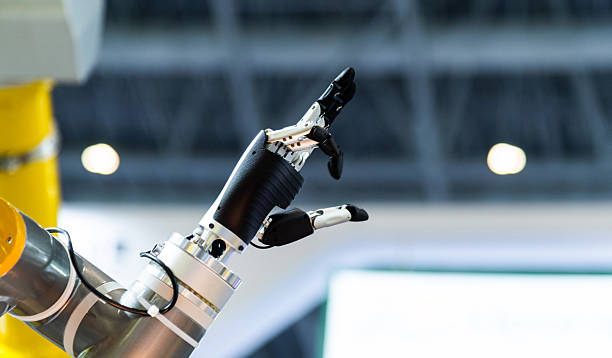
RoboBall: A Novel Inflatable Robot for Moon Exploration and Challenging Terrain Navigation
A team from Texas A&M University has developed RoboBall, a 1.8-meter diameter inflatable robot designed to traverse diverse terrains on the Moon. This innovative approach, which began as a NASA project in 2003, aims to address the critical challenge of tipping over faced by traditional wheeled or legged rovers. RoboBall's spherical design allows it to roll over obstacles while protecting its internal components from harsh lunar conditions. The significance of RoboBall lies in its potential to enhance lunar exploration, particularly in the Moon's south polar region, where permanent shadow areas may contain water ice and ancient geological layers. Scheduled for a paper presentation at an IEEE conference in December 2025, the team is also developing a dual lidar module named Remora to help the robot navigate slopes without compromising its sealed structure. This innovation could provide crucial data for autonomous navigation in challenging environments. As global interest in lunar exploration intensifies, with NASA's $20 billion lunar base plan set for completion by 2032, RoboBall could play a vital role in future missions. The research team is also investigating terrestrial applications for RoboBall, such as disaster response, showcasing the robot's versatility in extreme conditions. No further timeline was disclosed at the time of publication.
Lunar Exploration Robotic Innovation Terrain Navigation Disaster Response Space Robotics
Moonshot AI Negotiates Up to 30% Revenue Share for Kimi K3 with US Cloud Giants
Moonshot AI is in discussions with major cloud providers Microsoft, Amazon, and Google to secure a revenue share of up to 30% from the deployment of its Kimi K3 model. This initiative marks a significant milestone as it represents the first time a Chinese AI model is being introduced to US hyperscalers. The importance of this negotiation lies in the potential for Moonshot AI to establish a foothold in the competitive US cloud market. By partnering with leading companies like Microsoft, Amazon, and Google, Moonshot AI aims to leverage their extensive infrastructure and customer base, which could enhance the visibility and adoption of Kimi K3 in the region. Looking ahead, industry observers will be keen to see how these negotiations unfold and whether Moonshot AI can successfully finalize agreements with these tech giants. No further timeline was disclosed at the time of publication.
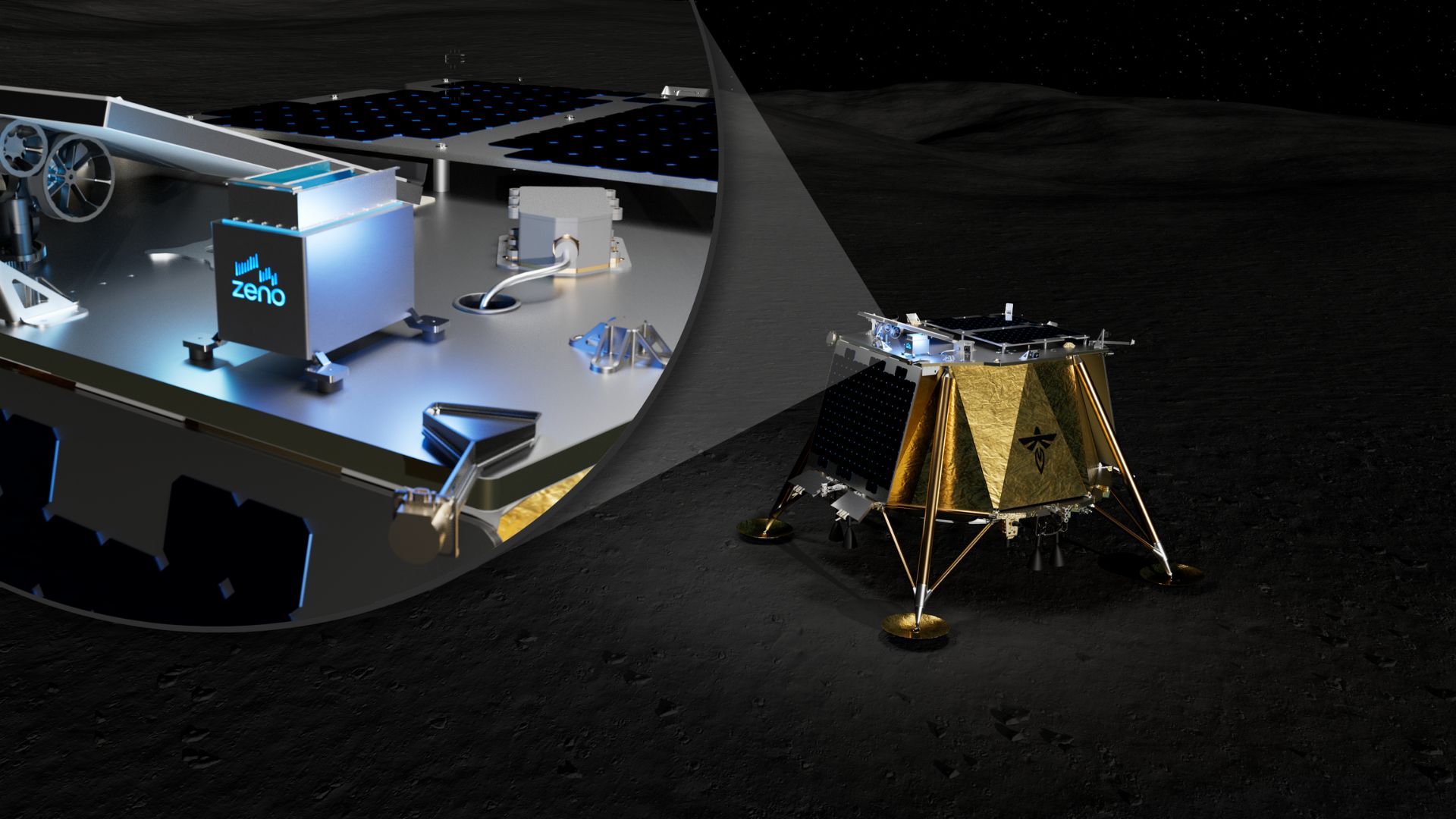
Firefly Aerospace to Test Nuclear-Powered Heating Technology on Moon by 2028
Firefly Aerospace plans to send a nuclear-powered heating technology to the Moon in 2028, aiming to test spacecraft survival during the lunar night’s extreme cold. This initiative involves Zeno Power Systems' Survive-the-Night Package, which will be launched aboard the Blue Ghost mission, addressing a significant challenge for lunar exploration. The importance of this experiment lies in its potential to ensure spacecraft can operate beyond the lunar day, where temperatures can plummet below minus 275°F. As solar-powered systems face limitations after sunset, the nuclear heating solution could be crucial for sustaining operations during the two-week lunar night, especially in permanently shadowed regions that never receive sunlight. Looking ahead, the demonstration will provide valuable data on the performance of nuclear heating technology in harsh lunar conditions. This information is vital as NASA and commercial entities aim to establish long-term lunar infrastructure and conduct missions in areas with extreme thermal environments. No further timeline was disclosed at the time of publication.
Space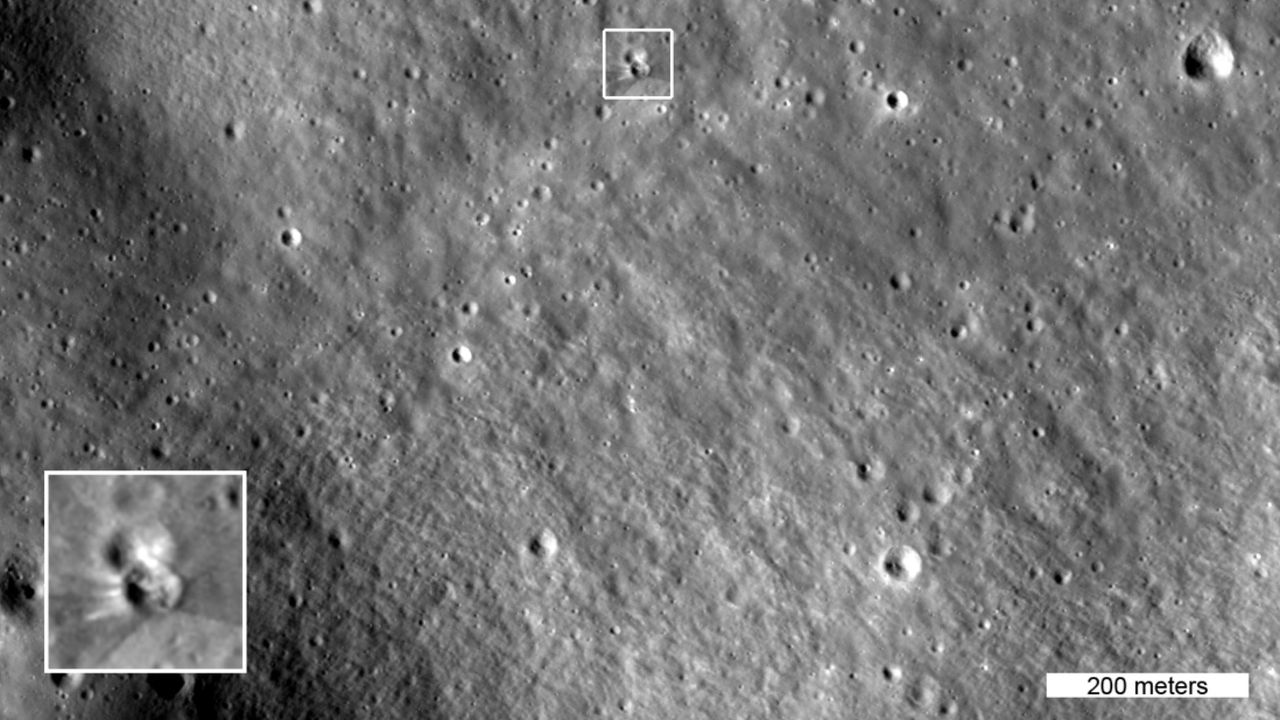
NASA's Lunar Reconnaissance Orbiter Captures Impact Site of SpaceX Falcon 9 on Moon
NASA's Lunar Reconnaissance Orbiter (LRO) has successfully imaged the impact site of the Falcon 9 upper stage that collided with the moon on August 5. The spacecraft captured detailed photos of the newly formed crater near Einstein Crater, measuring approximately 60 feet wide and less than 10 feet deep, shortly after the incident. This event is significant as it highlights the ongoing interactions between space debris and celestial bodies, as well as the capabilities of lunar observation technology. The LRO's high-resolution camera system, LROC, provided various angles of the impact site, revealing distinct ejecta patterns and surface alterations caused by the collision. Looking ahead, researchers will continue to analyze the crater and its features, with insights potentially informing future lunar missions. The LRO's imaging efforts were complemented by data from the Korea Pathfinder Lunar Orbiter, which previously identified the impact site, showcasing international collaboration in lunar exploration. No further timeline was disclosed at the time of publication.
The moon Astronomy Solar System
SpaceX Rocket Crash on Moon Raises Operational Risks for Future Lunar Settlements
On August 5, a 4.5-ton SpaceX rocket body impacted the moon near Einstein Crater, an event recorded by South Korea's Danuri spacecraft and NASA's Lunar Reconnaissance Orbiter. The Falcon 9 upper stage, which had been in space for over a year, previously launched Firefly Aerospace's Blue Ghost-1 lander and ispace's Hakuto-R Mission 2's Resilience lander. The uncontrolled collision underscores significant operational risks as lunar infrastructure develops. Dean Sladen from Accu Components highlighted that as more agencies and companies establish permanent bases on the moon, the presence of uncontrolled rocket stages could evolve from a minor issue to a serious threat, potentially damaging sensitive equipment. Looking ahead, the implications of this incident may prompt further discussions on space debris management and safety protocols for lunar missions. No further timeline was disclosed at the time of publication.
The moon Astronomy Solar System
China Plans to Use Robot Dogs for Research at 2035 Moon Station
China is preparing to send robot dogs to the Moon as part of its International Lunar Research Station (ILRS) initiative, aiming for completion by 2035. These quadruped robots are envisioned to assist astronauts in research and emotional support, enhancing the human experience in space. The integration of new communication and navigation systems is crucial for this ambitious project, as reported by South China Morning Post. The robot dogs will not only patrol the lunar research station but also aid astronauts in scientific tasks, showcasing a unique partnership between humans and machines in extraterrestrial environments. Looking ahead, the deployment of robot dogs could revolutionize lunar exploration, with their capabilities extending to autonomous operations. As China progresses towards its 2035 goal, the role of these robotic companions in space will be pivotal in ensuring safety and efficiency in lunar research activities. No further timeline was disclosed at the time of publication.
AI and Robotics
Soviet Luna 24 Launches on August 9, 1976, for Final Moon Sample Return Mission
On August 9, 1976, the Soviet Union launched Luna 24, its last moon mission, from the Baikonur Cosmodrome. This robotic sample return mission successfully landed on the lunar surface nine days later, collecting 6 ounces (170.1 grams) of soil samples from Mare Crisium. The significance of Luna 24 lies in its contribution to lunar science, revealing traces of water in the samples collected. Although the Soviet Union did not achieve the first manned moon landing, its Luna program was notable for its robotic achievements, including the first spacecraft to land on the moon and the first soft landing. Looking ahead, while Luna 24 marked the end of the Soviet sample return missions, Russia's Roscosmos agency attempted to revive lunar exploration with the Luna 25 mission in August 2023. However, Luna 25 ultimately crashed during its mission, highlighting the ongoing challenges in space exploration.
Space Exploration
Korean Lunar Orbiter Danuri Captures SpaceX Falcon 9 Rocket's Moon Impact Crater
The Korea Pathfinder Lunar Orbiter, Danuri, has successfully identified the impact crater created by SpaceX's Falcon 9 upper stage on the moon. This event occurred early on August 5, 2026, when the Falcon 9, which had launched on January 15, 2025, collided with the lunar surface. Danuri conducted eight imaging sessions around the impact site, providing valuable pre- and post-collision data. This discovery is significant as it allows researchers to analyze the changes in the lunar terrain caused by the impact, which occurred at approximately 5,400 mph (8,690 kph) and created a crater up to 89 feet (27 meters) wide. The data collected by Danuri will be integrated with future observations from NASA's Lunar Reconnaissance Orbiter, enhancing international collaborative research on lunar impacts. Looking ahead, the observations made by Danuri may be complemented by additional data from ground-based telescopes, which reportedly captured the ejected material from the impact. No further timeline was disclosed at the time of publication.
The moon Astronomy Solar System
SpaceX Falcon 9 Rocket Crashes into Moon, Scientists Seek Impact Imagery
In the early hours of August 5, a SpaceX Falcon 9 rocket's upper stage crashed into the moon at approximately 5,400 mph. This incident has prompted lunar orbiters, including NASA's Lunar Reconnaissance Orbiter and the Korea Pathfinder Lunar Orbiter, to capture imagery of the impact site. The availability of these images will depend on various factors such as lighting conditions and the spacecraft's orbital paths. The crash, which created a crater estimated to be up to 89 feet wide, was not the intended outcome for the Falcon 9 upper stage, which was meant to burn up in Earth's atmosphere. Instead, due to its mission parameters, the upper stage was unable to deorbit and was instead directed towards the moon. This event presents a unique opportunity for researchers to study the effects of artificial impacts on the lunar surface, as noted by NASA officials. Looking ahead, NASA's Meteoroid Environments Office plans to use ground-based telescopes to attempt to capture the impact flash and plume. However, the faintness of these phenomena and potential weather conditions may hinder observations. No further timeline was disclosed at the time of publication.
The moon Astronomy Solar System
SpaceX Falcon 9 Rocket to Impact Moon This Week After 18 Months in Orbit
On August 5, 2025, the upper stage of a SpaceX Falcon 9 rocket is set to collide with the moon, creating a crater approximately 89 feet wide. This unexpected trajectory change occurred after the rocket, which launched two lunar landers, was left in a high-Earth orbit due to fuel constraints. The significance of this event lies in its potential to enhance our understanding of lunar impacts and the risks posed by space debris. Astronomers are eager to observe the collision, which will help test methods for measuring impact events and assessing hazards for future lunar missions. Looking ahead, the impact will take place on the sunlit side of the moon, making it difficult for most Earth observers to see. However, it presents a valuable opportunity for researchers to study the effects of space debris on lunar infrastructure and astronaut safety. No further timeline was disclosed at the time of publication.
The moon Astronomy Solar System
Moonshot AI's Kimi K3 Now Accessible to Enterprises via Fireworks on Microsoft Foundry
Moonshot AI has made its Kimi K3 model available through Fireworks AI on Microsoft's Foundry platform, enabling Azure customers to utilize the model via OpenAI-compatible APIs. This integration allows companies to transition open models from evaluation to production without the need for managing their own GPU infrastructure. The significance of this development lies in the streamlined access it provides to enterprise users, facilitating the deployment of AI models in a managed environment. With Kimi K3 listed among over 20 open models on Foundry, organizations can leverage the capabilities of Fireworks AI's inference engine alongside Microsoft's governance and billing features. Looking ahead, the focus will be on how enterprises adopt the Kimi K3 model within their operations. As Moonshot AI continues to expand its distribution channels, the emphasis will be on enhancing the accessibility and usability of AI solutions for businesses. No further timeline was disclosed at the time of publication.
News Feed
Moonshot AI Unveils K3 Report Detailing Advanced Technologies for DeepSeek
Moonshot AI has released a comprehensive 47-page technical report on the K3 project, highlighting several innovative technologies. Key features include the KDA+Gated MLA hybrid attention mechanism, AttnRes cross-layer retrieval, and Stable LatentMoE, which utilizes 896 experts. Additionally, the report discusses the implementation of 51.2 million reinforcement learning sandboxes. The significance of this report lies in its potential to redefine the capabilities of DeepSeek through advanced AI methodologies. The introduction of hybrid attention and cross-layer retrieval could enhance the efficiency and effectiveness of AI systems, making them more adept at handling complex tasks. The large number of reinforcement learning sandboxes indicates a robust framework for training and testing AI models. Looking ahead, industry stakeholders should monitor how these technologies will be integrated into existing systems and their impact on AI development. The advancements presented in the K3 report may set new benchmarks in AI performance and scalability. No further timeline was disclosed at the time of publication.
Technology
Microsoft Tests Moonshot AI's Kimi K3 for Potential Copilot Integration
Microsoft is currently evaluating Moonshot AI's Kimi K3 for potential integration into its Copilot system, as reported by The Information. The company is assessing whether Kimi K3 could handle some inference requests currently managed by OpenAI and Anthropic models, although no final decision has been made regarding any model replacements. This evaluation is significant as it aligns with Microsoft's strategy to diversify its AI model usage and reduce reliance on a single supplier. The company estimates that transitioning part of Copilot's workload to Kimi K3 could lead to annual cloud infrastructure savings of up to $600 million, highlighting the financial implications of this potential shift. Looking ahead, Microsoft will need to address various challenges related to technical integration, data sovereignty, security, and export control before any deployment can occur. Initial implementations may focus on less sensitive workloads, and no further timeline was disclosed at the time of publication.
News Feed
U.S. Military's Top Officer Highlights Cislunar Space as New Battlefield
General Dan Caine, the chairman of the Joint Chiefs of Staff, emphasized the need for the U.S. military to prepare for engagements extending into cislunar space during a keynote address at the Air & Space Forces Association's conference on September 16. He noted that the modern battlefield now spans from the seabed to the vicinity of the moon, highlighting the strategic importance of this region as both the U.S. and China plan to establish bases near the moon's south pole. Caine's remarks underscore the urgency for the U.S. military to adapt to potential conflicts in cislunar space, where future operations may not guarantee uncontested access or secure areas. He stressed that maintaining U.S. dominance in space is crucial for ensuring the ability to strike globally and sustain military operations. The Space Force's strategy includes operating weapons in Earth orbit to defend against space-enabled attacks, as confirmed by General Douglas Schiess. As the competition for lunar resources intensifies, particularly with China's advancements in lunar exploration, the U.S. military's focus on cislunar operations will be pivotal. Observers should watch for developments in military strategies and technologies that address the challenges posed by this new frontier. No further timeline was disclosed at the time of publication.
Aerospace Technology
Employing AI for Navigation in Lunar Crater Environments
Navigating unfamiliar terrains can be difficult, particularly in environments like the Moon's surface. The use of AI technology is being explored to enhance navigation capabilities in such challenging landscapes. This advancement is significant as it could lead to improved exploration and research opportunities on the Moon. By utilizing AI for navigation, missions can become more efficient and safer, allowing for better data collection and analysis. Looking ahead, the integration of AI in lunar navigation systems will be crucial for future missions. Continued developments in this area may pave the way for more sophisticated exploration techniques and technologies in extraterrestrial environments. No further timeline was disclosed at the time of publication.
NASA's 'Slingshot' Project Aims to Map Minerals on Celestial Bodies for Future Exploration
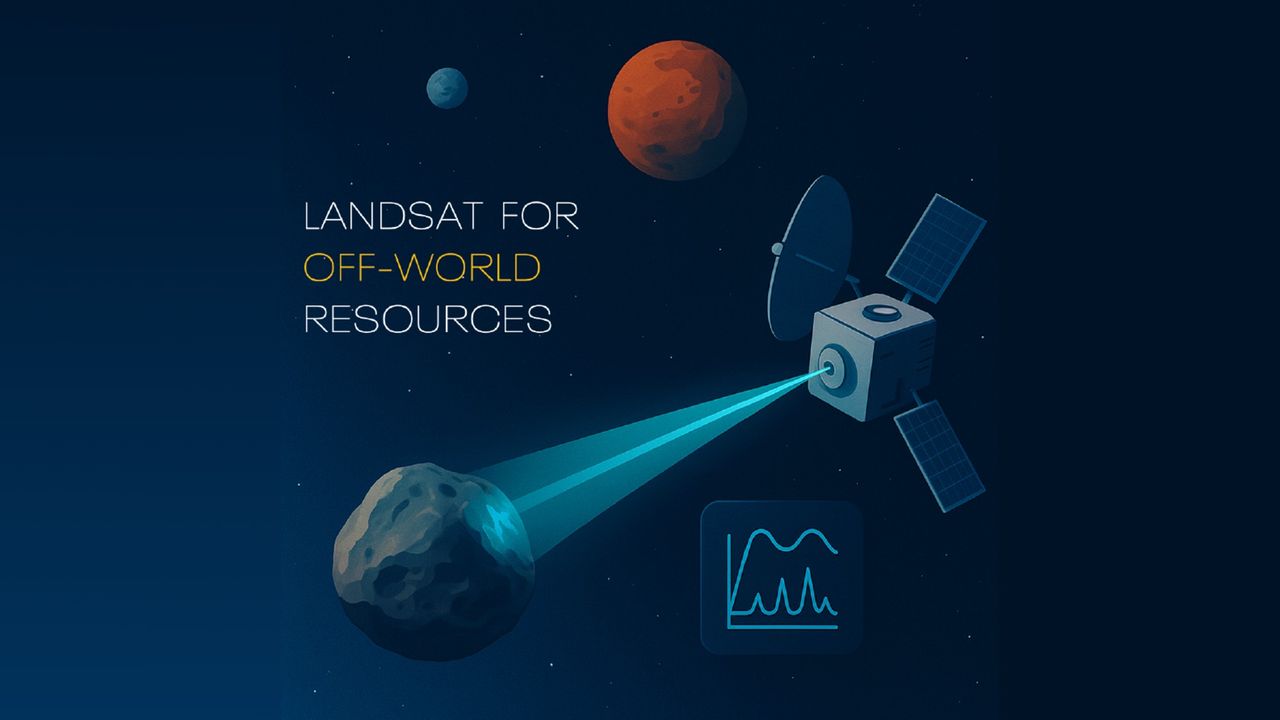
NASA has initiated a project named 'Interworld Slingshot Resource Surveys' to explore mineral mapping on celestial bodies, including the moon. This initiative aims to replicate the success of the Landsat satellites, which have been monitoring Earth for over 50 years, by providing crucial mineral intelligence for future lunar missions. The significance of this project lies in its potential to enhance the United States' lunar ambitions, particularly in securing access to valuable resources like helium-3. By scouting for minerals before establishing a lunar base, NASA hopes to mitigate risks associated with space mining and exploration, as highlighted by principal investigator Pablo Sobron. As the project progresses, it will focus on testing Raman spectroscopy from significant distances, which poses challenges due to the faint nature of Raman scattering. The initial Phase 1 funding of up to $175,000 will support studies on photon detection and spacecraft technology, with hopes of advancing to Phase 2 funding for further development. No further timeline was disclosed at the time of publication.
Technology
NASA's CADRE Mission to Test Autonomous Rovers for Lunar Exploration
NASA is set to launch the Cooperative Autonomous Distributed Robotic Exploration (CADRE) mission, sending three small rovers to the Moon in late 2026. These rovers will autonomously explore a designated area, coordinating tasks and electing a leader without human intervention. This mission aims to assess the feasibility of operating multiple autonomous rovers on the lunar surface, which is crucial for future explorations, especially at the lunar South Pole where water ice could support a lunar economy. The significance of the CADRE mission lies in its potential to revolutionize lunar exploration. By testing the rovers' ability to operate independently, NASA hopes to establish a framework for sustained lunar operations that do not require constant oversight from Earth. This capability is essential for future missions that aim to utilize lunar resources, such as ice for propellant and life support, which could pave the way for a more extensive lunar economy. Looking ahead, the success of the CADRE mission could lead to further advancements in autonomous robotic systems for space exploration. As the rovers face challenges such as communication disruptions and harsh lunar conditions, their performance will provide valuable insights into the development of resilient robotic teams capable of operating in remote environments. No further timeline was disclosed at the time of publication.

NASA's SPARK Project Aims to Deploy Ion-Powered Aerobots in Titan's Caves
NASA is funding the SPARK project, which aims to deploy swarms of silent, spherical aerobots to explore the underground caves of Titan, Saturn's largest moon. Led by Daniel Drew from the University of Hawaii at Mānoa, the project utilizes electrohydrodynamic (EHD) propulsion, allowing for maneuverability without disturbing the delicate surface layers. This initiative is significant as it seeks to navigate Titan's unique karst terrain, characterized by liquid methane lakes and intricate underground channels. The EHD thrusters are expected to be over 100 times more power-efficient on Titan than on Earth, making them suitable for long-duration missions in harsh environments. Looking ahead, while the timeline for the SPARK aerobots' deployment remains uncertain, the project holds promise for revolutionizing cave exploration on Titan, similar to how the Ingenuity helicopter has advanced Mars exploration. The development of these aerobots could open new avenues for understanding extraterrestrial environments.
Space
NASA Supports Development of SPARK Aerobots for Exploring Titan's Caves
NASA is funding the development of spherical 'Aerobots' known as SPARK, designed for exploring the caves of Titan, Saturn's moon. These small flying vehicles aim to navigate Titan's unique hydrocarbon terrain, which is challenging for traditional rovers. Project lead Daniel Drew from the University of Hawaii at Mānoa indicated that SPARK is currently in a nine-month Phase 1 grant, with further development needed before potential deployment. The significance of SPARK lies in its innovative use of ion propulsion technology, which could enhance exploration capabilities in Titan's icy conditions. Drew's design promises improved maneuverability and persistence, potentially allowing for extensive cave exploration similar to the Ingenuity helicopter's success on Mars. The timeline for SPARK's readiness remains uncertain, especially in relation to NASA's Dragonfly mission, targeted for a 2028 launch. Looking ahead, the development of SPARK could revolutionize our understanding of Titan's geology and atmosphere. As the project progresses through its phases, the potential for late-mission additions to Dragonfly may arise, depending on any delays. Drew's ongoing research into electrohydrodynamic propulsion could pave the way for future advancements in aerial exploration technologies on other celestial bodies.
Technology
MIT Lincoln Laboratory Develops LightHOUSE for Navigation in Cislunar Space
MIT Lincoln Laboratory is developing the Light High-Orbit Utility Signal Emitter (LightHOUSE) to enhance navigation in cislunar space. This initiative aims to address the limitations of current navigation systems, which rely on NASA's Deep Space Network (DSN) and can take hours for orbit determination. The LightHOUSE concept proposes a constellation of high-altitude satellites that will serve as optical beacons, providing timely navigation data to spacecraft. This system could significantly reduce the need for corrective maneuvers and conserve propellant, making it crucial as lunar missions become a strategic priority for national security. As the project progresses, the team is focused on refining the system through analysis and experimentation. The successful implementation of LightHOUSE could revolutionize navigation in cislunar space, offering a reliable alternative to existing ground-based systems and enhancing mission capabilities beyond geosynchronous orbit.
Research Space exploration Satellites Communications Spaceflight Lincoln Laboratory
SpaceX Plans Lunar Factories with Robotic Assistance for Starmind Satellite Production
During SpaceX's quarterly earnings call on August 4, Elon Musk announced plans to establish factories on the moon, utilizing robots for heavy lifting. This initiative aims to support the production of Starmind AI satellites, with a goal of deploying a million-satellite constellation in Earth's orbit and beyond. Musk emphasized the significance of off-Earth manufacturing, stating that robots will play a crucial role in scaling up lunar production. The factories will focus on creating essential components like solar panels and radiators for the Starmind satellites, which are expected to revolutionize space intelligence capabilities. Looking ahead, Musk's vision includes launching locally manufactured Starmind satellites from the moon using electromagnetic mass drivers. While specific details about the robotic workforce remain undisclosed, the use of Tesla's Optimus robots is anticipated. No further timeline was disclosed at the time of publication.
The moon Astronomy Solar System
NASA's Juno Probes Io's Subsurface Heat, Revealing Insights into Volcanic Activity
NASA's Juno spacecraft has successfully measured temperatures beneath the surface of Jupiter's moon Io, marking the first time scientists have glimpsed the hidden heat that drives its intense volcanic activity. During close flybys in late 2023 and early 2024, Juno's Microwave Radiometer (MWR) instrument probed depths of two to six meters, uncovering temperature increases of over 40 degrees Fahrenheit just below the surface. This groundbreaking discovery has significant implications for understanding volcanic processes on Earth. Scott Bolton, Juno's principal investigator, noted that similar MWR techniques could reveal subsurface temperature gradients near terrestrial volcanoes, enhancing our knowledge of how they function. The findings also indicated that Io's surface is largely smooth and covered with low-density materials, suggesting a continuous resurfacing process driven by volcanic activity. Looking ahead, the insights gained from Juno's observations could improve eruption forecasting on Earth and enhance our understanding of tidal heating across the cosmos. The techniques used could also aid in the exploration of icy moons like Europa and Ganymede, where subsurface oceans may exist, potentially harboring conditions suitable for life. No further timeline was disclosed at the time of publication.
Jupiter Astronomy Solar System
Moonshot AI Launches Kimi K3, the World's First Open 3T-Class AI Model
Moonshot AI has introduced Kimi K3, a groundbreaking 2.8 trillion-parameter open-source AI model, marking it as the largest of its kind to date. This model is designed to handle complex workflows and features a one-million-token context window, enabling it to perform tasks significantly faster than traditional methods. For instance, Kimi K3 can complete a task in about two hours that would typically take one to two weeks for an experienced researcher. The significance of Kimi K3 lies in its potential to enhance scientific research workflows, allowing for the creation of interactive reports and presentations. It incorporates advanced features such as Widgets and Dashboard capabilities, which facilitate persistent, interactive workspaces. Despite its impressive performance, Kimi K3 still falls short compared to proprietary models like Claude Fable 5 and GPT 5.6 Sol, indicating that while progress is being made, there is still a competitive gap to close. Looking ahead, the focus will be on how Kimi K3 can further evolve and compete with leading AI models. Moonshot AI's innovative architecture, including Kimi Delta Attention and a Mixture-of-Experts framework, has improved scaling efficiency significantly. No further timeline was disclosed at the time of publication.
AI and Robotics Innovation
Could humans someday explore Saturn's moon Titan, or will humanoid robots do it for us?
As humanity explores the possibility of reaching Titan, Saturn's largest moon, a debate has emerged regarding the potential for human presence versus the use of AI-powered humanoid robots for the journey. Experts in space exploration are considering the feasibility of sending humans to Titan, a location known for its intriguing atmosphere and surface lakes of methane. However, advancements in robotics and artificial intelligence have led to discussions about the advantages of deploying autonomous robots for such missions, which could mitigate risks associated with human travel in harsh extraterrestrial environments. The timeline for these missions remains uncertain, but ongoing research and technological developments are paving the way for future exploration. As scientists and engineers continue to evaluate the challenges of a Titan expedition, the conversation highlights the evolving role of AI in space exploration and the potential for robots to undertake complex tasks in environments that are inhospitable to humans.
Space Exploration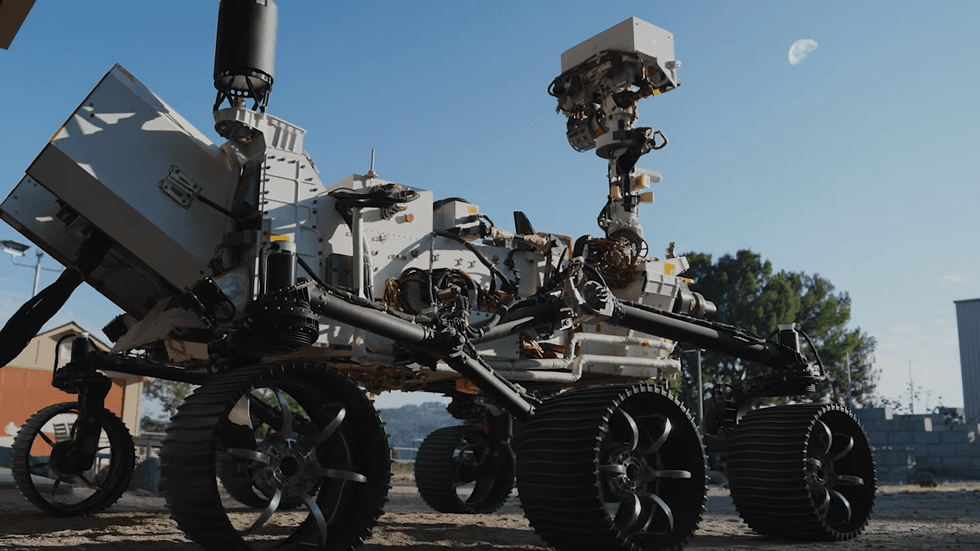
Video Friday: An Earthbound Mars Rover for the Moon
IEEE Spectrum robotics has released its latest edition of Video Friday, showcasing a variety of innovative robotics videos and announcing upcoming events in the field. Notable events include the RSS 2026 conference in Sydney from July 13-17, the Summer School on Multi-Robot Systems in Prague from July 29 to August 4, and IROS 2026 in Pittsburgh from September 27 to October 1. Among the featured projects is NASA's proposed PROMISE mission, which aims to send an advanced, nuclear-powered rover to the Moon's South Pole as part of its Moon Base initiative. This mission will utilize technology from the Curiosity and Perseverance Mars rovers, showcasing the adaptability of existing space exploration technology. In other developments, Weave Robotics is set to launch its home robot, Isaac 1, this fall, offering basic task autonomy for $500 per month. Meanwhile, UBTech Robotics has introduced a humanoid robot with lifelike features and emotional AI, reflecting a growing trend of integrating robots into domestic settings. Additionally, Carnegie Mellon’s Dr. Sebastian Scherer emphasizes the importance of developing robots capable of performing tasks in unpredictable environments, aiming to make them more functional and tool-like. The ongoing advancements in robotics, including soft, floating robots designed for social interaction and innovative applications like spatial audio technology from Georgia Tech, highlight the industry's commitment to enhancing human-robot collaboration and everyday life.
Video-friday Home-robots Rovers Humanoids
June's Strawberry Moon serves up a low-hanging treat for skywatchers worldwide. Here are our favorite photos
On June 3, 2023, stargazers around the globe were captivated by the sight of the full moon, which rose low in the sky, creating a breathtaking celestial spectacle. This event drew the attention of astronomy enthusiasts and casual observers alike, who shared their stunning photographs of the moon's ascent. The June full moon, often referred to as the "Strawberry Moon," is traditionally associated with the strawberry harvest season, adding a layer of cultural significance to the astronomical phenomenon. Observers took to social media to showcase their images, highlighting the beauty of the night sky and the communal joy of witnessing such natural wonders.
Stargazing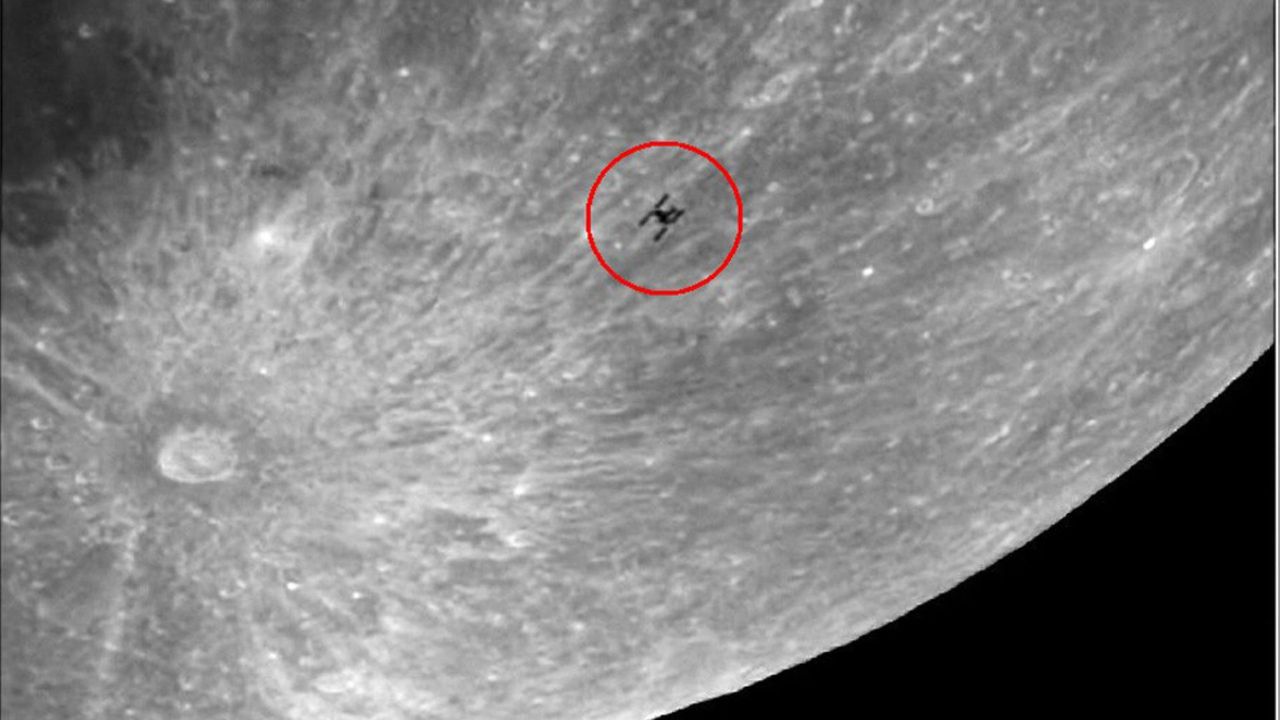
Watch China's Tiangong space station cross the moon in stunning amateur footage
Amateur astronomers captured remarkable footage of the Tiangong space station as it made its transit near Tycho Crater on the Moon. This event took place recently, showcasing the station's impressive journey across the lunar landscape. The footage highlights the growing interest and involvement of amateur astronomers in space observation, as they utilize advanced technology to document significant celestial events. The stunning visuals not only provide a unique perspective on the Tiangong space station but also emphasize the importance of amateur contributions to the field of astronomy.
Astrophotography Stargazing
June's Strawberry Moon is unlike any other full moon. Here's why
In June, the Northern Hemisphere will witness the rise and set of the Strawberry Moon, which is notable for its unusually low trajectory across the sky. This celestial event challenges the perception that all full moons appear identical, as the Strawberry Moon takes on a distinct path that highlights its unique characteristics. Observers are encouraged to take note of this phenomenon, as it offers a rare opportunity to appreciate the variations in lunar appearances throughout the year.
Stargazing
A SpaceX rocket will slam into the moon this August. Will we be able to see it?
A spent upper stage of a SpaceX Falcon 9 rocket is expected to collide with the moon in August, raising questions among experts about the visibility of the event from Earth. The impact, resulting from the upper stage's trajectory, highlights the growing concern over space debris and its potential effects on celestial bodies. While the exact timing of the crash is anticipated for later this summer, scientists are still assessing whether observers on Earth will be able to witness the event. The situation underscores the increasing frequency of space missions and the need for monitoring the remnants of these launches as they travel through space.
The moon Astronomy Solar System
Moon Surgical, SS Innovations International, and Microbot Medical Among Winners of the Surgical Robotics Industry Awards 2026
Surgical Robotics Technology announced the winners of the Surgical Robotics Industry Awards 2026 today, highlighting outstanding achievements in the field. The awards celebrate the significant contributions made by individuals, organizations, and innovative technologies that have advanced the surgical robotics sector. This annual event aims to acknowledge excellence and inspire further advancements within the industry, showcasing the vital role of robotics in enhancing surgical procedures. The recognition serves to motivate professionals and organizations to continue pushing the boundaries of technology in healthcare.
Europe builds robotic arm that can see, feel and handle samples for Moon missions
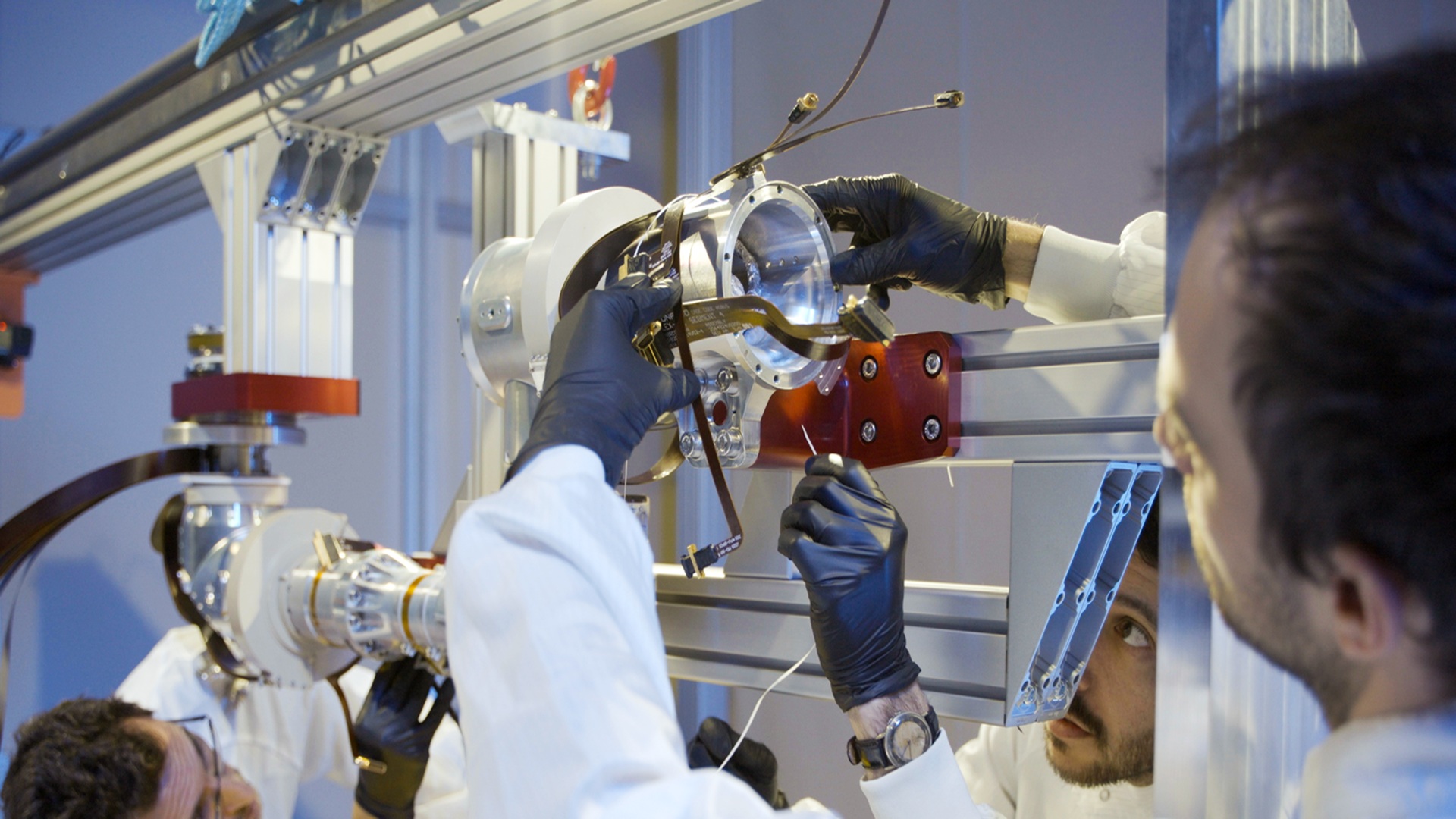
Engineers at the European Space Agency (ESA) are currently in the process of assembling a highly sophisticated robotic arm designed for future space missions. This advanced technology aims to enhance the capabilities of European spacecraft, allowing for more complex tasks in orbit and on planetary surfaces. The assembly is taking place at ESA's facilities in the Netherlands, where teams are meticulously working to ensure the arm meets stringent operational standards. The initiative is part of ESA's broader strategy to strengthen its role in international space exploration and to contribute to collaborative missions with other space agencies. By developing this cutting-edge robotic arm, ESA seeks to improve the efficiency and effectiveness of its missions, ultimately advancing scientific research and exploration beyond Earth.
AI and Robotics
Astrobotic unveils Griffin-1, NASA’s Moon Base lander with 1,377-lb payload, for 2026
Astrobotic has officially introduced its Griffin-1 lunar lander, which has been chosen by NASA for future lunar missions. The unveiling took place during a recent event, showcasing the lander's advanced technology and design aimed at facilitating exploration and research on the Moon. This selection is part of NASA's broader Artemis program, which seeks to return humans to the lunar surface and establish a sustainable presence there. The Griffin-1 is expected to play a crucial role in delivering payloads to the Moon, supporting scientific experiments and technology demonstrations. Astrobotic's commitment to lunar exploration underscores the growing interest in space commercialization and international collaboration in scientific endeavors.
Space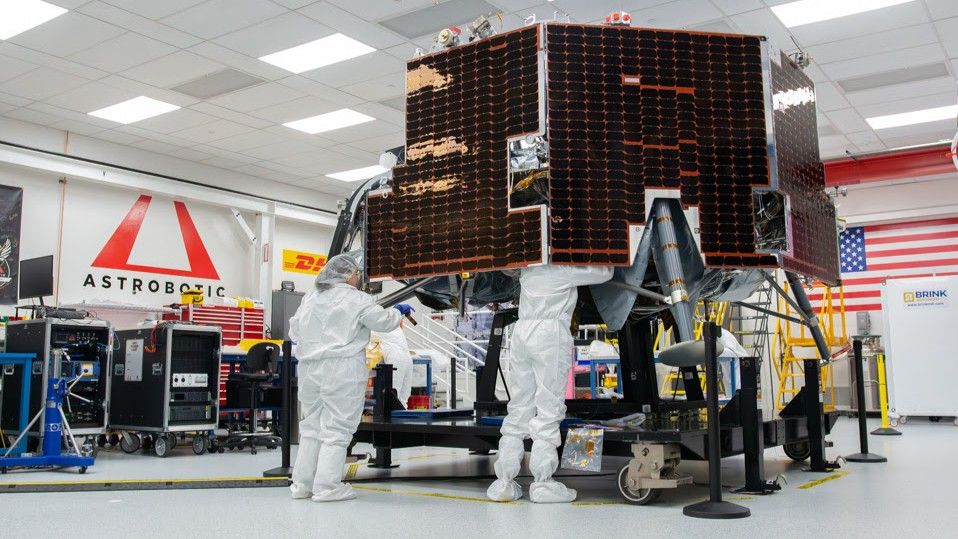
Astrobotic unveils Griffin-1 lunar lander for NASA Moon Base mission
Astrobotic has announced the launch of its latest lunar lander, Griffin-1, which is set to deliver one of the heaviest payloads to the moon's surface. This significant development was revealed recently, highlighting Astrobotic's ongoing commitment to advancing lunar exploration. The mission aims to support various scientific and commercial endeavors on the moon, showcasing the potential for future lunar activities. The Griffin-1 lander is expected to play a crucial role in expanding our understanding of the lunar environment and facilitating further exploration initiatives.
Space Exploration
SORA-Q: Transformable Lunar Rover Operates on Moon for 108 Minutes
The SORA-Q, a lightweight lunar rover weighing 228 grams, successfully operated autonomously on the Moon for 108 minutes following its release from the SLIM lander. During its mission, the rover transformed from a compact sphere into a two-wheeled vehicle, demonstrating advanced robotics and autonomous exploration capabilities. It captured high-resolution images and transmitted valuable data back to Earth without any human intervention. Developed by the Japan Aerospace Exploration Agency (JAXA) in collaboration with partners, this innovative rover represents a significant advancement in lunar exploration technology.
Lunar Exploration Transformable Robots Autonomous Systems Robotics Technology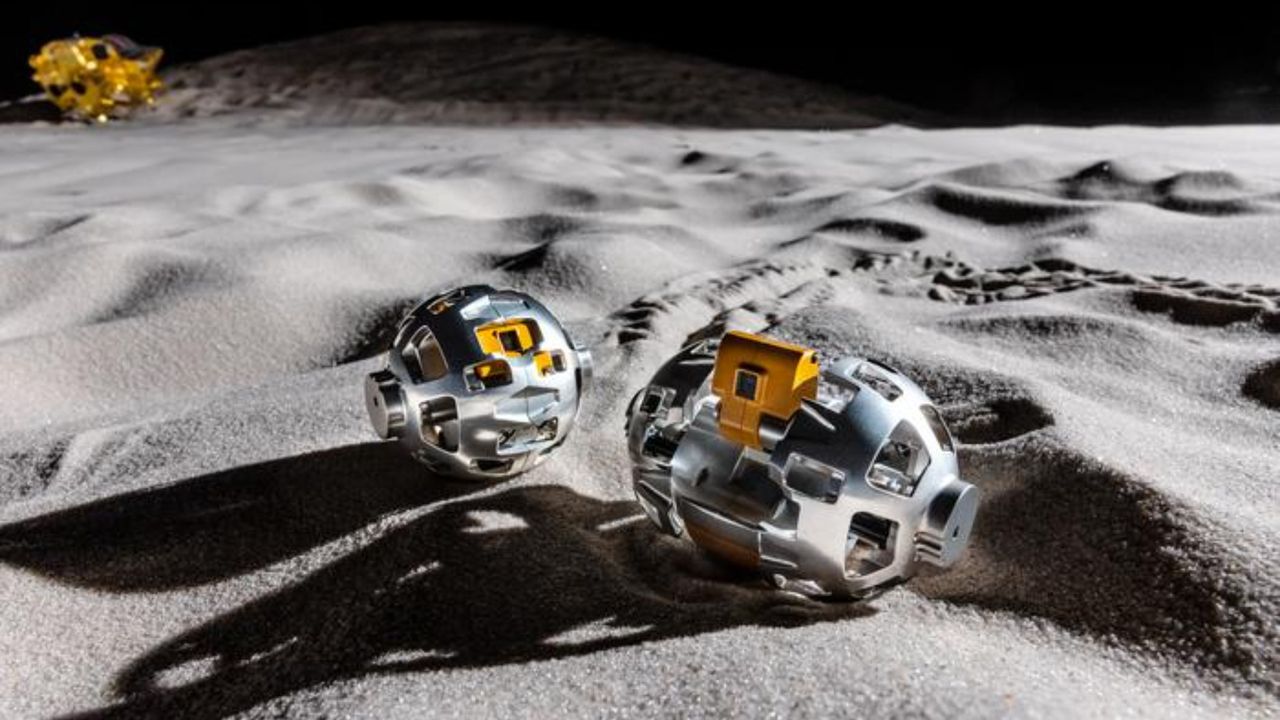
How Japanese scientists sent a real-life Transformer to the moon
In 2024, a groundbreaking autonomous rolling rover demonstrated its innovative design by transforming from a sphere into a robot during a successful exploration of the moon's surface. This mission marks a significant advancement in lunar exploration technology, showcasing the rover's ability to navigate diverse terrains effectively. The development of such versatile rovers aims to enhance our understanding of the moon's environment and potentially pave the way for future manned missions. The exploration was conducted as part of ongoing efforts to gather data that could inform scientific research and exploration strategies.
The moon Astronomy Solar System
SORA-Q: Baseball-sized shape-shifting rover that saved Japan’s SLIM moon mission
A groundbreaking development in robotics has emerged from Japan, where researchers have created a microscopic, shape-shifting robot inspired by children's toys. This innovative technology successfully demonstrated its potential by aiding in the preservation of Japan's rich historical narrative. The robot, which can alter its form and function, was unveiled during a recent scientific conference held in Tokyo. The motivation behind this invention lies in the desire to enhance preservation techniques for cultural artifacts and historical sites, making them more accessible and engaging for future generations. By utilizing advanced materials and engineering principles, the team was able to design a robot that can navigate intricate environments and perform delicate tasks, showcasing its versatility and effectiveness. This achievement not only highlights the intersection of technology and cultural heritage but also opens new avenues for research and application in the field of robotics.
Space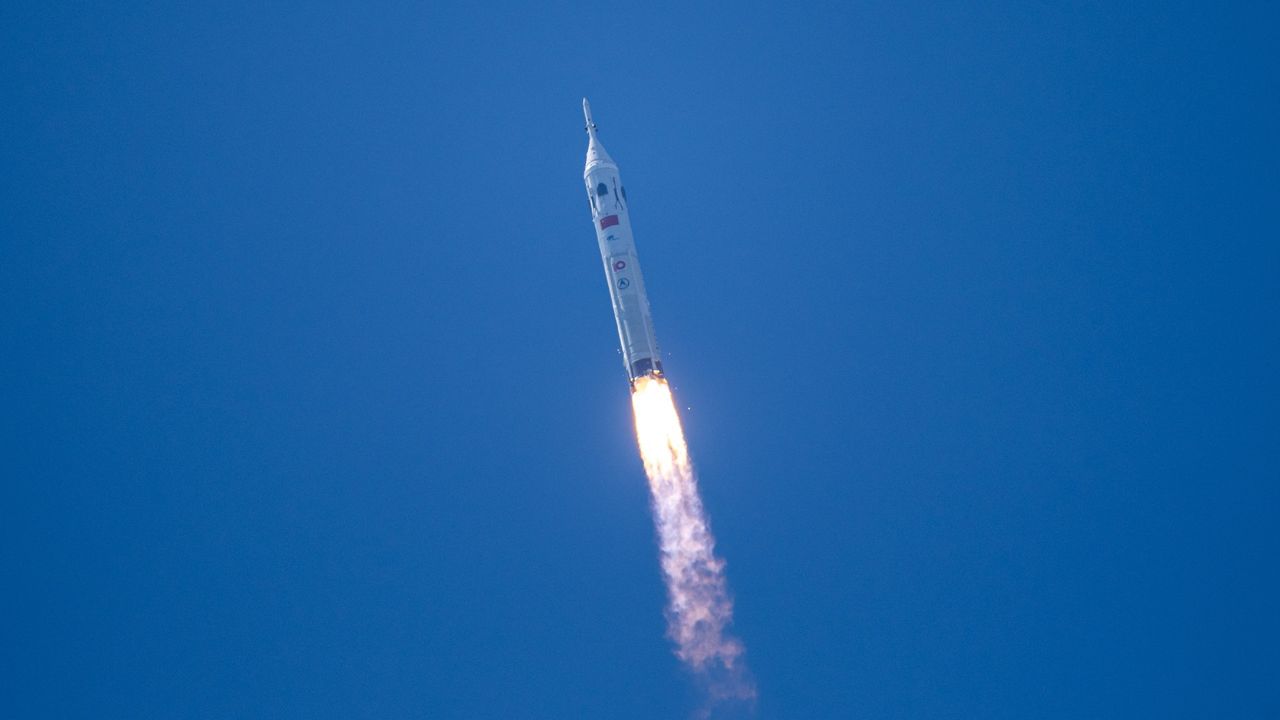
China shakes up its space programs to land astronauts on the moon by 2030: 'We will spare no effort'
China is integrating its robotic Chang'e lunar probe initiatives with its human spaceflight program, aiming to achieve a manned moon landing by 2030. This strategic move reflects the country's commitment to advancing its space exploration capabilities and establishing a more comprehensive approach to lunar missions. By combining robotic and human efforts, China seeks to enhance the efficiency and safety of its lunar exploration endeavors, paving the way for future scientific research and potential long-term lunar habitation. The initiative underscores China's ambition to become a leading player in space exploration, following a series of successful robotic missions that have already gathered valuable data about the moon's surface and resources.
Space Exploration
The Moon needs robots
In May 2026, a groundbreaking study published in Science Robotics highlights advancements in robotic technology aimed at enhancing human-robot collaboration in various industries. Researchers from leading universities and tech companies conducted extensive experiments to develop robots capable of adapting to dynamic work environments, thereby improving efficiency and safety in tasks ranging from manufacturing to healthcare. The study reveals that these advanced robots utilize artificial intelligence and machine learning algorithms to learn from their surroundings and make real-time decisions. This innovation is particularly significant as it addresses the growing demand for automation in response to labor shortages and the need for increased productivity in the wake of global economic challenges. The research team conducted trials in diverse settings, including factories and hospitals, demonstrating the robots' ability to work alongside human operators without compromising safety. The findings suggest that integrating these robots into the workforce could lead to substantial improvements in operational workflows and reduce the risk of workplace accidents. By showcasing the potential of these technologies, the study aims to encourage further investment in robotic systems that can seamlessly collaborate with humans, ultimately transforming the landscape of various sectors. As industries continue to evolve, the insights from this research could pave the way for a new era of enhanced human-robot interaction, fostering innovation and growth in the global economy.
Focus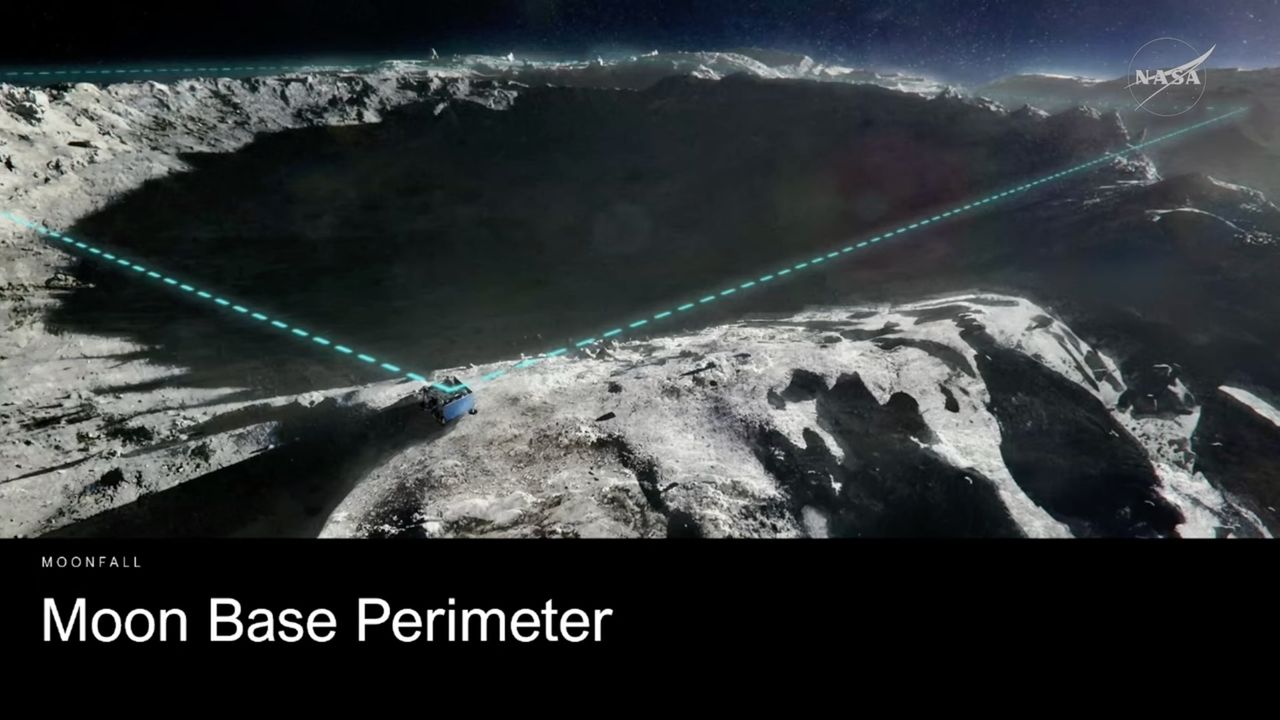
Artemis moon base will cover 'hundreds of square miles' with hopping drones and new lunar rovers, NASA says
NASA has announced ambitious plans for a moon base that will span hundreds of square miles, with the potential use of scout drones to monitor its perimeter. To kickstart this initiative, the agency has awarded contracts totaling $1 billion. This funding aims to facilitate the development and construction of the lunar facility, which is part of NASA's broader strategy to establish a sustainable human presence on the Moon. The contracts were awarded recently, marking a significant step forward in lunar exploration efforts. The project is expected to enhance scientific research and pave the way for future missions to Mars and beyond.
The moon Astronomy Solar System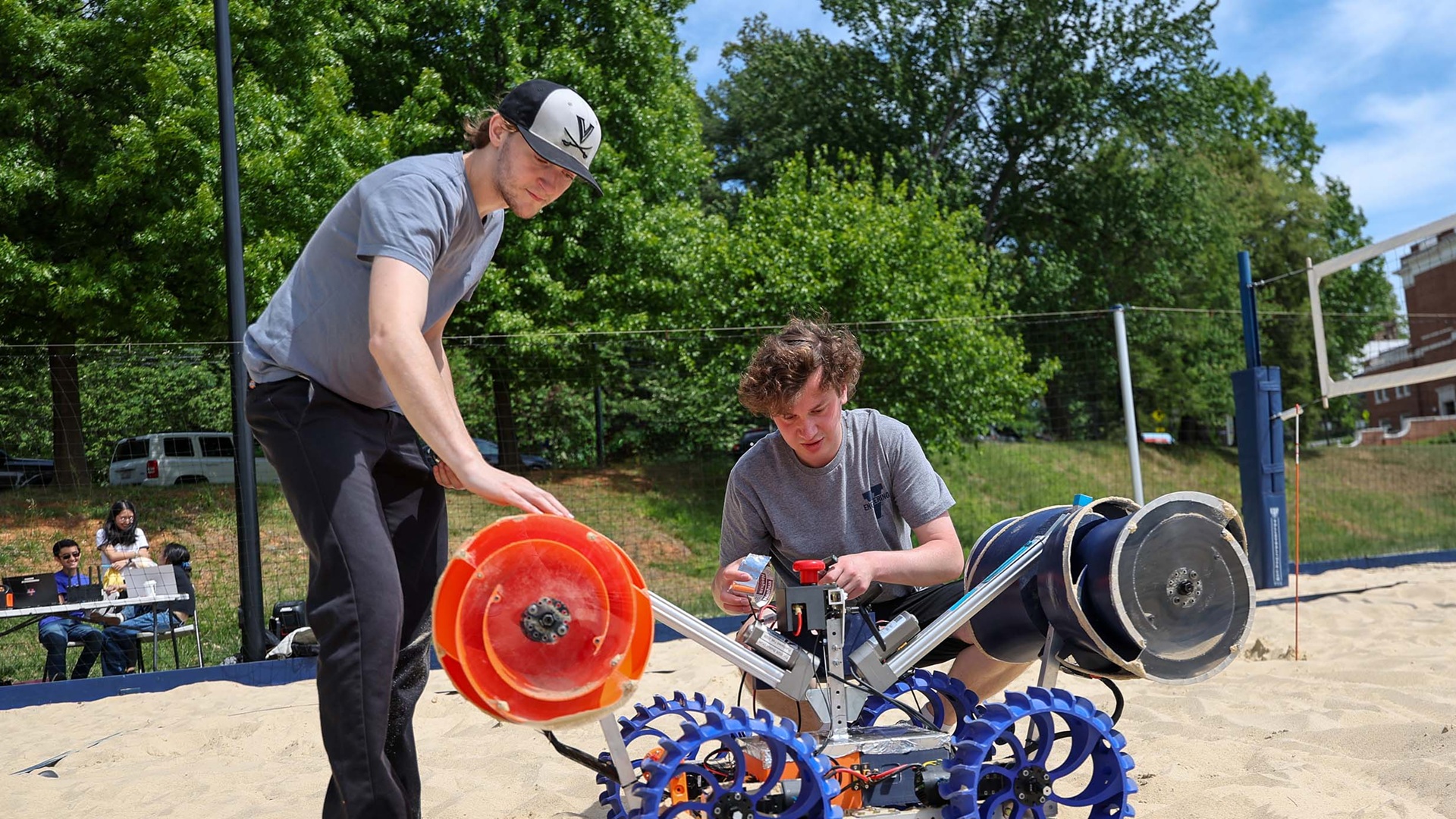
NASA tests 80-pound student-built robot designed to mine soil for Artemis moon bases
Students at the University of Virginia are developing innovative robots aimed at mining lunar soil and constructing habitats on the Moon. This ambitious project, which began in early 2023, is part of a broader initiative to explore sustainable living on extraterrestrial bodies. The students are motivated by the potential for lunar resources to support future space missions and the possibility of establishing a human presence beyond Earth. The team is utilizing advanced engineering techniques and collaborating with experts in robotics and space exploration to create machines capable of operating in the harsh lunar environment. Their work includes designing robots that can autonomously navigate the Moon's surface, extract regolith, and assemble structures using the mined materials. This initiative not only enhances the students' practical skills in engineering and robotics but also contributes to the growing field of space exploration, as NASA and other space agencies look to the Moon as a stepping stone for future missions to Mars and beyond. The project is expected to culminate in a demonstration of the robots' capabilities in simulated lunar conditions later this year.
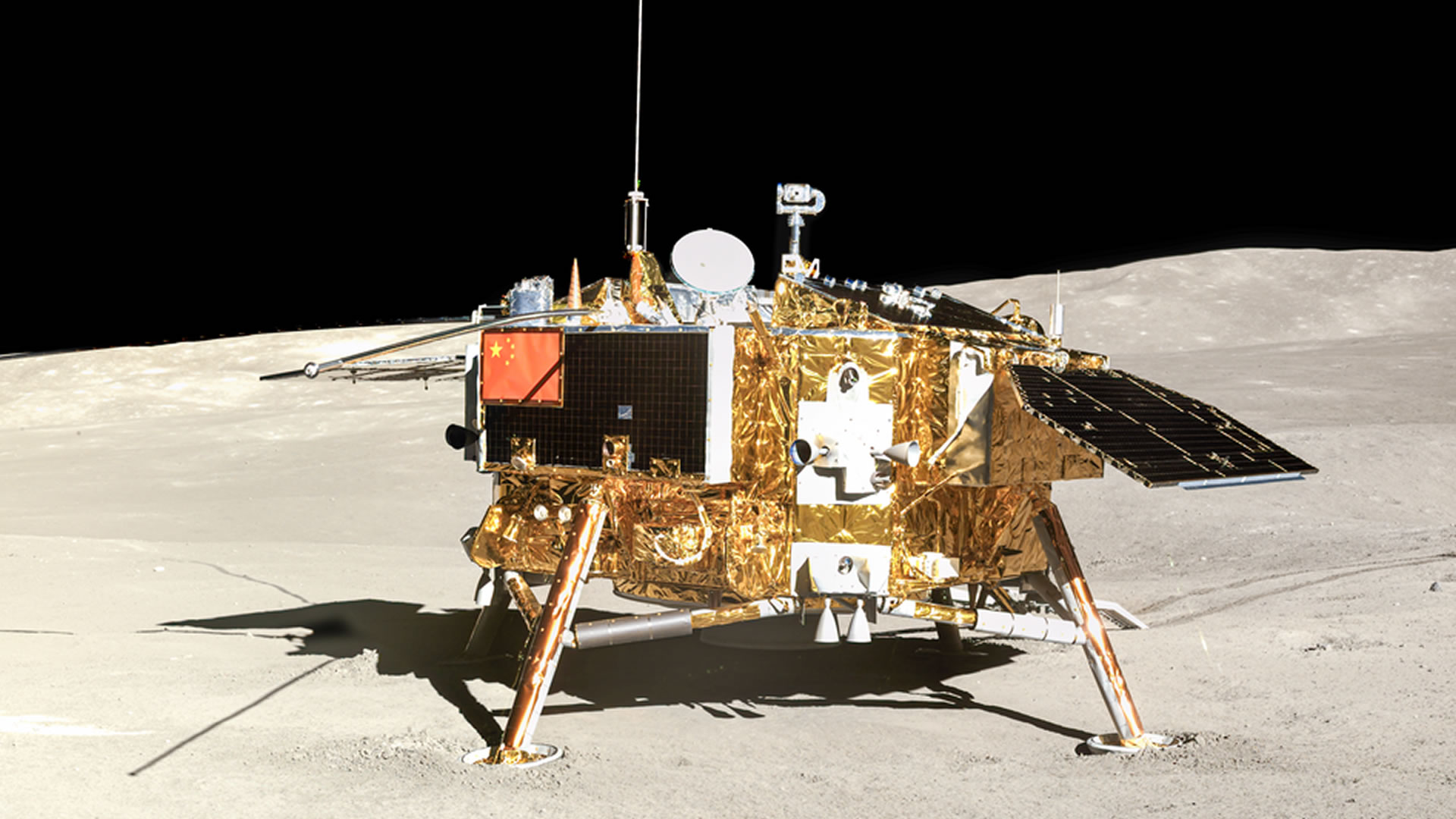
China unveils 220-pound robot ‘construction worker’ to use human tools on moon
China has unveiled plans for its upcoming Chang’e-8 mission, which will introduce an innovative robotic system designed to perform maintenance tasks on the lunar surface. This mission is set to take place in the near future, although specific dates have not been disclosed. The Chang’e-8 mission aims to enhance lunar exploration capabilities and support China's long-term goals for sustainable presence on the Moon. The introduction of the robotic “Moon mechanic” is expected to facilitate the construction of a lunar research station, showcasing advancements in space technology and robotics. This initiative reflects China's commitment to expanding its role in space exploration and developing infrastructure for future missions.
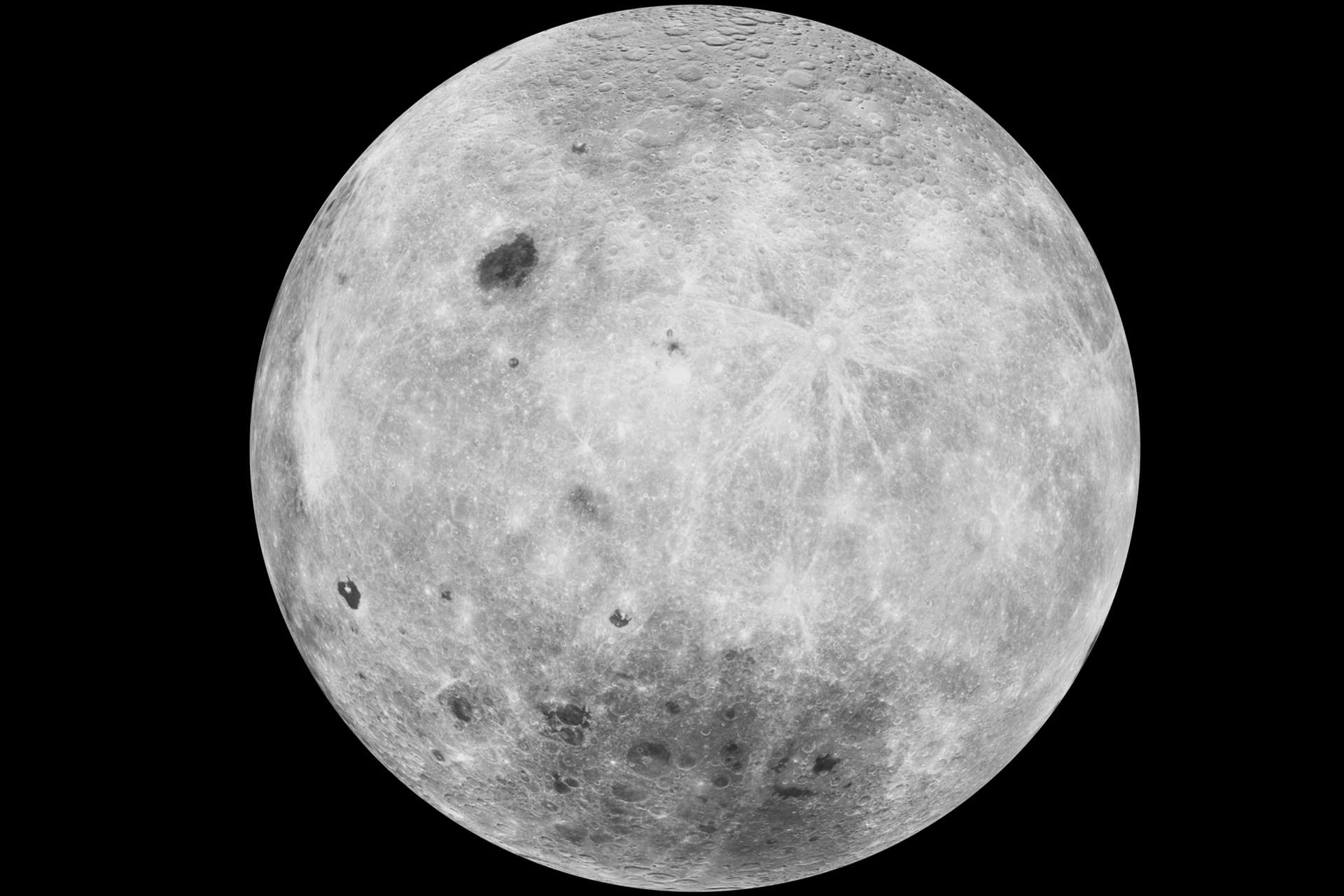
Moon’s largest impact basin may hide mantle material near Artemis landing zone
A significant impact event occurred on the moon over four billion years ago, resulting from a colossal object colliding with its surface. This cataclysmic event is believed to have played a crucial role in shaping the moon's geological history and surface features. Scientists have been studying the implications of this impact to better understand the moon's evolution and its relationship with Earth. The findings contribute to ongoing research in planetary science, shedding light on the early solar system's dynamics and the processes that led to the formation of celestial bodies. The research highlights the importance of impact events in the development of planetary surfaces and offers insights into the conditions that prevailed during the moon's formative years.
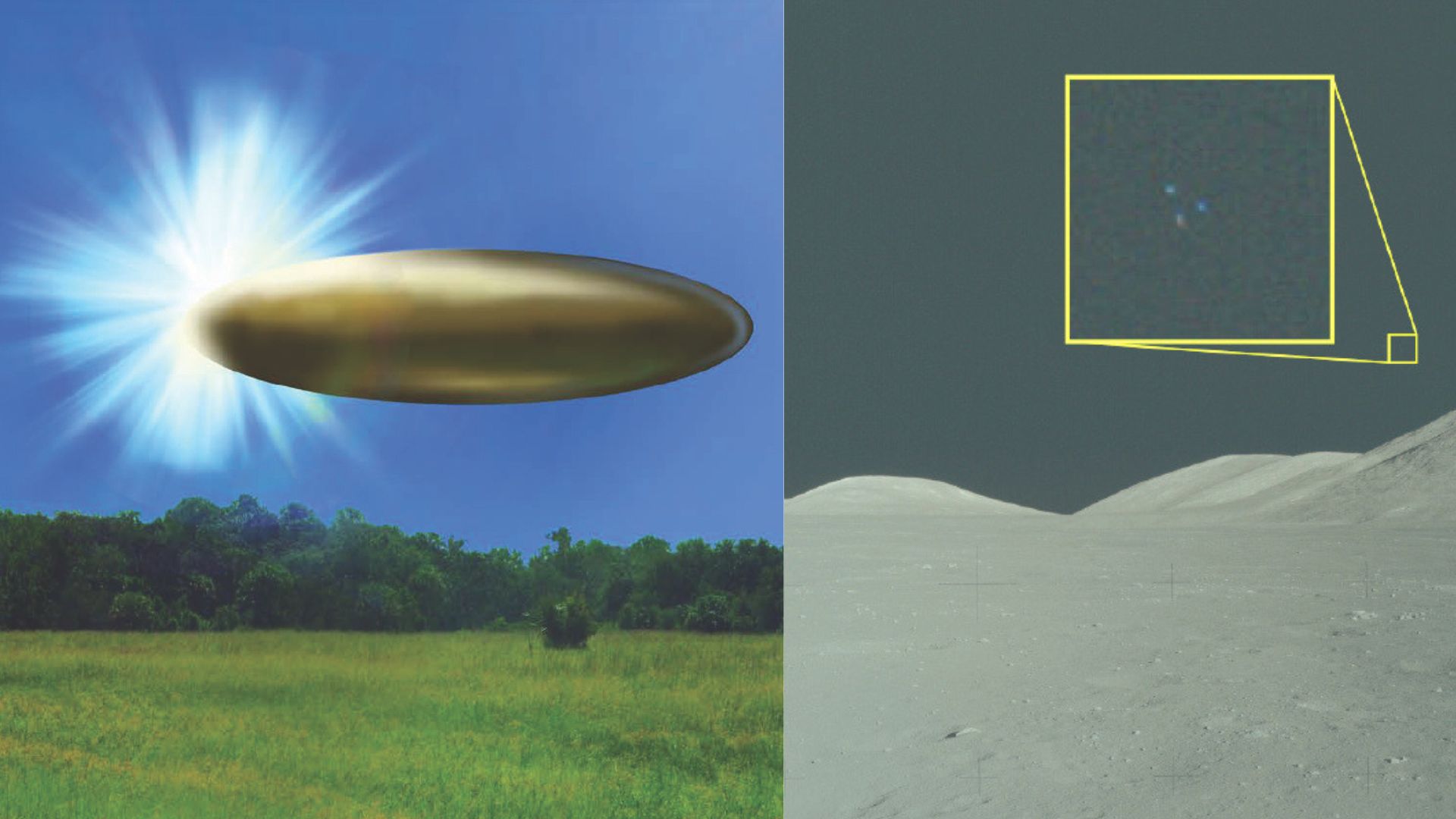
New Pentagon UFO archives detail Apollo 17 moon anomalies and strange drone lights
In recent months, a surge of interest in unidentified flying objects (UFOs) has emerged, fueled by a combination of conspiracy theorists, YouTubers, and enthusiasts who have long championed the topic. This renewed focus has coincided with a series of government disclosures and reports regarding aerial phenomena, prompting both skepticism and intrigue among the public. As various online platforms amplify these discussions, individuals are increasingly drawn to the idea that there may be more to the UFO narrative than previously acknowledged. The ongoing dialogue is not only about the existence of extraterrestrial life but also raises questions about government transparency and the implications of such phenomena on national security. This resurgence in UFO discourse is particularly notable as it aligns with significant events, including congressional hearings and the release of classified documents, which have reignited curiosity and debate. The combination of social media influence and official acknowledgment has created an environment ripe for speculation and exploration of the unknown, with many seeking answers to long-standing questions about what lies beyond our planet. As the conversation evolves, it reflects a broader societal fascination with the mysteries of the universe and humanity's place within it, encouraging both amateur and professional investigators to delve deeper into the enigma of UFOs.
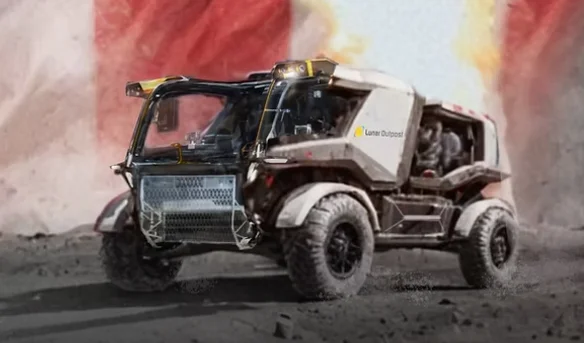
Lunar Outpost Raises $30M in Series B Funding for Moon Robotics Development
Lunar Outpost, a Colorado-based company specializing in lunar robotics and mobility systems, has successfully raised $30 million in a Series B funding round. The investment was spearheaded by Industrious Ventures, with additional contributions from Type One Ventures, Eniac Ventures, Promus Ventures, and Reliable Equity. This funding will be utilized to enhance the production capabilities of the company's robotic vehicles and infrastructure technologies, positioning Lunar Outpost to play a pivotal role in the future of lunar exploration.
AI AI Funding & Investment Robotics Artemis Moon Base Colorado Lunar Outpost
CMU Teams Recognized in Moonshots AI Competition
Researchers at Carnegie Mellon University have been recognized for their innovative tools aimed at improving various aspects of daily life, education, and work. Their work received top honors in the Laude Institute's Moonshots competition, which focuses on leveraging artificial intelligence to tackle significant societal challenges, including workforce reskilling and enhancing educational access. This recognition underscores the university's commitment to developing practical solutions that address pressing issues in today's world.
Uncategorized
KAIST Humanoid v0.7: High-Speed Locomotion and the "Moonwalk" of Technical Independence
KAIST’s DRCD Lab has introduced an advanced bipedal robot platform that can run at speeds of up to 12 km/h while exhibiting human-like agility. This innovative technology, revealed recently, utilizes proprietary 3K planetary gearboxes combined with hybrid reinforcement learning techniques. The development aims to enhance robotic mobility and adaptability, potentially paving the way for more sophisticated applications in various fields, including robotics research and human-robot interaction. The lab's efforts reflect a growing trend in robotics to create machines that can navigate environments with the same fluidity and responsiveness as humans.
South Korea k-humanoid-alliance KAISTRobotics needs a service framework.
RSF defines a common language for robot service capability, lifecycle operations, certification pathways, and service-provider networks.
Join the RobotToday community on LinkedIn
Daily robotics news, in-depth analysis, conference highlights, and discussions with professionals worldwide.







