

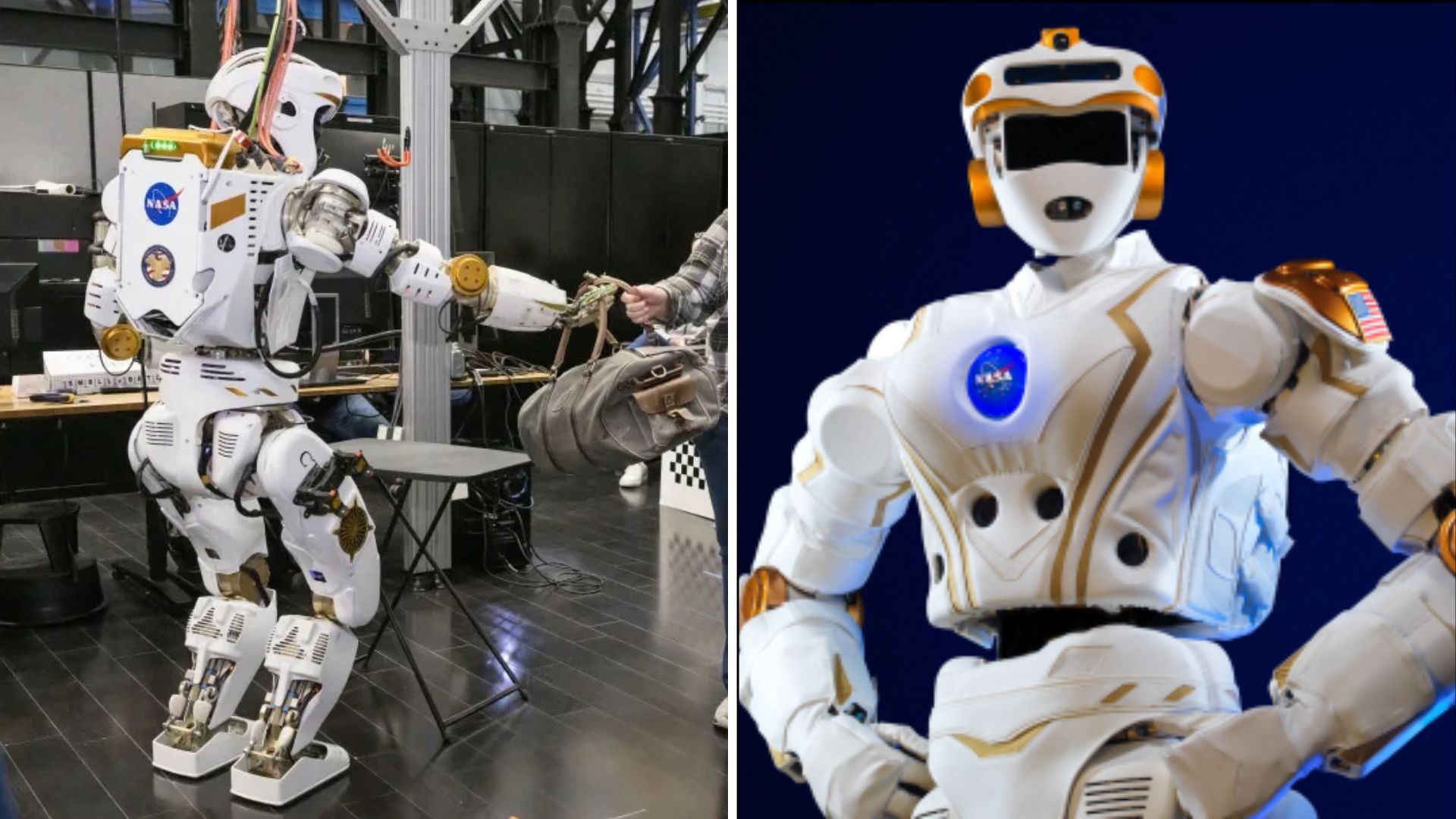
NASA's Dexterous Robotics Team is preparing humanoid robots to assist in future lunar and Martian missions. These robots will take on dangerous tasks, allowing human explorers to focus on their strengths. The initiative aims to enhance safety and sustainability in extreme environments, reducing risks associated with crewed missions.
The importance of this development lies in the robots' ability to operate in conditions that are fatal to humans, such as intense radiation and extreme temperatures. By assigning high-risk tasks to robots, NASA aims to keep human crews safe while maximizing their effectiveness. Team lead Shaun Azimi emphasizes that the goal is not to replace humans but to complement their efforts in exploration.
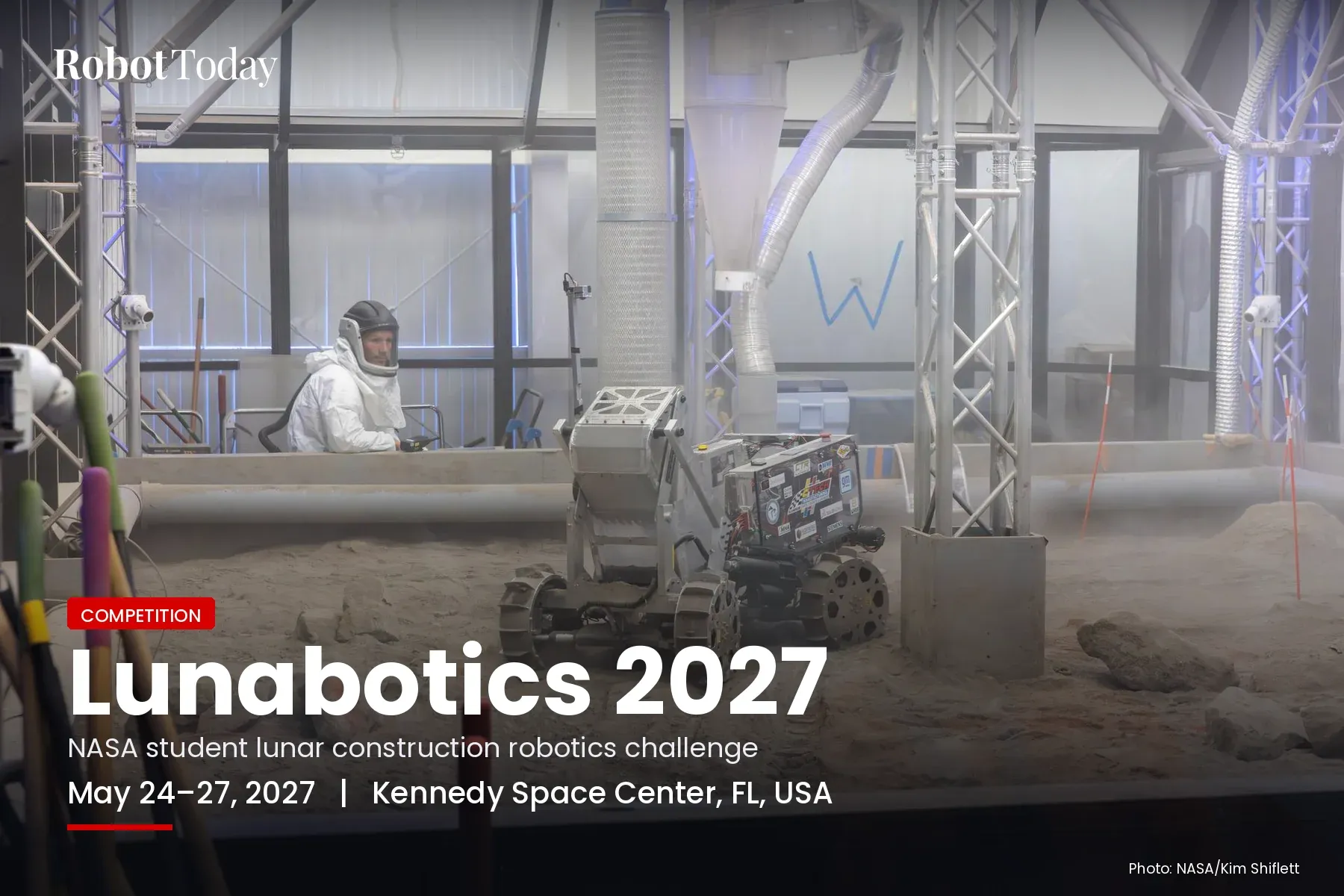
Looking ahead, the Integrated Mobile Evaluation Testbed for Robotics Operations (iMETRO) will play a crucial role in testing robotic capabilities. This facility allows for practical evaluations of robotic hardware and software, addressing challenges like radio delay during missions. No further timeline was disclosed at the time of publication.
Editor's Note
The integration of humanoid robots into space exploration represents a significant advancement in the robotics field, particularly in terms of enhancing safety and efficiency in extreme environments. As NASA continues to develop these technologies, the implications for future missions to the Moon and Mars could reshape our approach to human-robot collaboration in space.
Copyright Notice
This briefing is an independently written summary based on publicly available reporting and is provided for industry information and news discovery. The original report and source publication are credited and linked where applicable. RobotToday does not claim ownership of third-party source material.
Rights concerns? If you believe any material in this briefing infringes your copyright or other rights, please contact [email protected] with the relevant URL and details. We will review the matter and take appropriate action where warranted.



































Leave a comment