

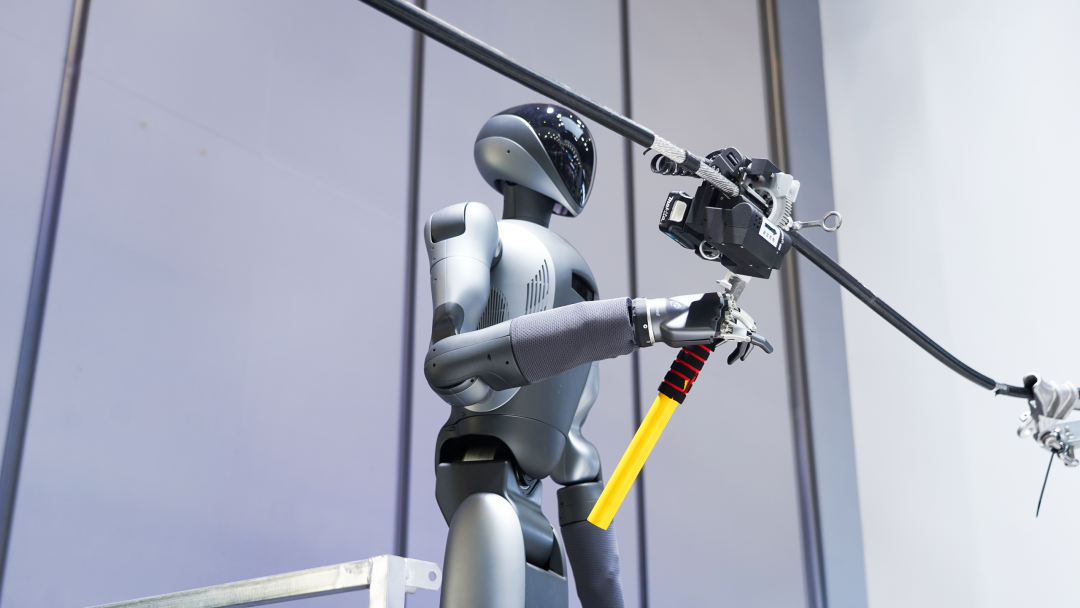
The humanoid robotics industry is at a pivotal transition from performance-based demonstrations to practical applications. For too long, humanoid robots have been criticized for being visually impressive yet impractical, with a focus on showmanship rather than real-world utility. The recent World Robot Conference showcased Moon Spring's W-Bot 2.0, which successfully performed live electrical operations, indicating a shift towards addressing industry needs.
This transition is significant as it highlights the core value of humanoid robots in real-world scenarios, particularly in high-risk environments like urban power grid maintenance. The W-Bot 2.0, designed to operate in hazardous conditions, demonstrates the potential to reduce risks associated with manual labor in dangerous settings, addressing the urgent need for intelligent equipment in the industry.
Looking ahead, the successful deployment of the W-Bot 2.0 at the Hefei State Grid marks a crucial step in integrating humanoid robots into operational roles. The robot's ability to navigate confined spaces, withstand environmental challenges, and perform precise tasks positions it as a vital asset in enhancing safety and efficiency in electrical maintenance operations. No further timeline was disclosed at the time of publication.
Editor's Note
The evolution of humanoid robots from exhibition pieces to functional tools reflects a broader trend in the robotics industry towards practical applications. As companies like Moon Spring innovate, the focus on real-world utility will likely drive investment and development in intelligent automation solutions, particularly in high-risk sectors such as energy and utilities.


























Leave a comment