

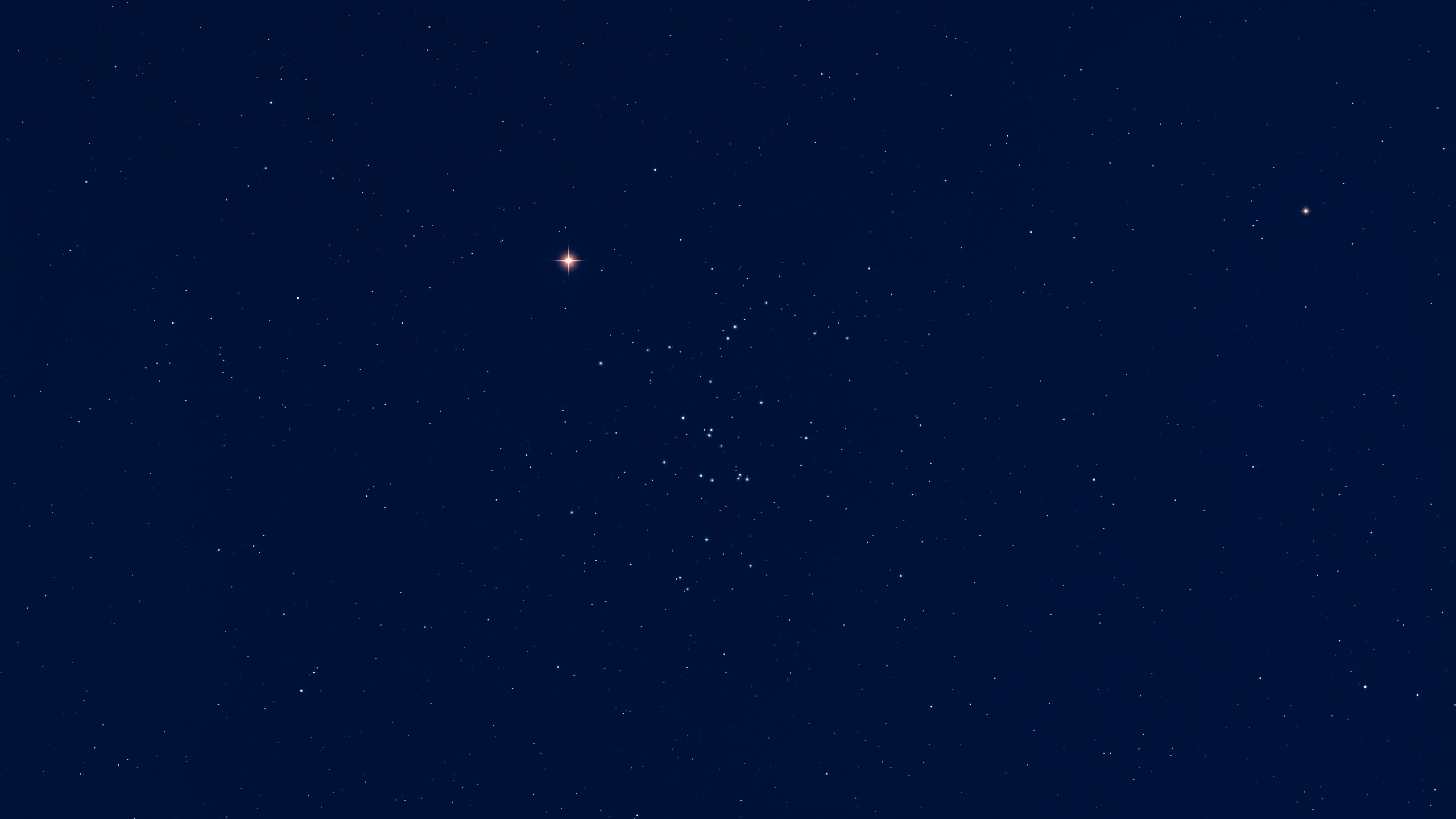
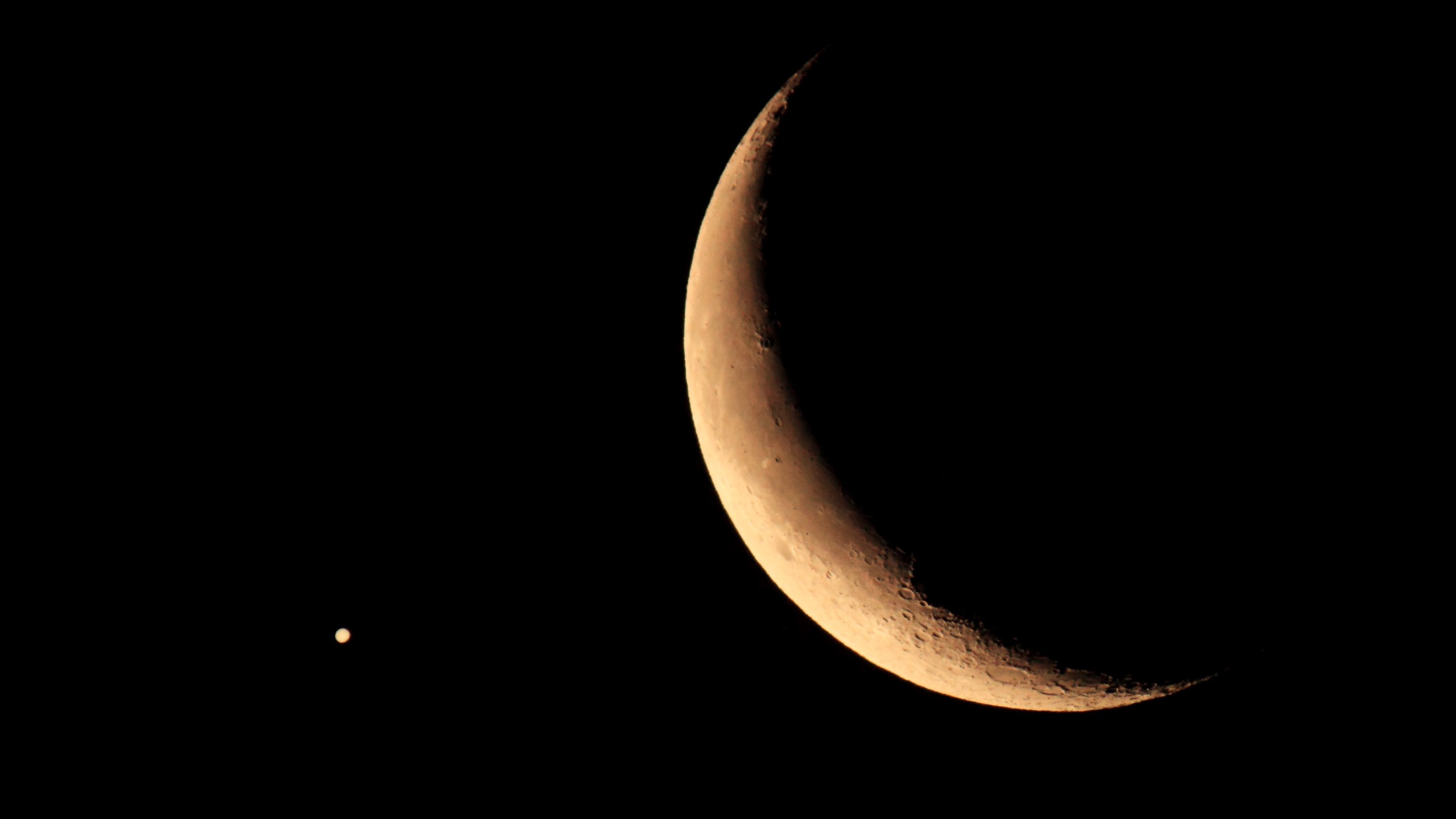
On October 5, early risers can witness a close alignment of Mars and a 30% illuminated crescent moon in the east-northeast sky after 2 a.m. local daylight time. Mars, currently 152 million miles from Earth, has been gradually becoming more prominent in the morning sky since summer began.
This celestial event is significant as it precedes Mars' approach to the Beehive star cluster, where it will be positioned near the cluster on October 10 and move through it until October 12. The Beehive, also known as Messier 44, is one of the brightest open star clusters and has historical significance dating back to ancient Greek astronomy.
Looking ahead, Mars will continue to brighten and move toward the star Regulus, crossing into the constellation Leo by Halloween. Observers should note that while Mars will be more visible, it may still appear as a small dot through telescopes, with its closest approach to Earth occurring on February 19, when it will be 63 million miles away.
Editor's Note
The upcoming celestial events involving Mars and the Beehive star cluster highlight the importance of astronomical observations for both amateur and professional astronomers. As Mars approaches Earth, its visibility will increase, offering opportunities for enhanced observation and study of planetary movements and alignments.
Copyright Notice
This briefing is an independently written summary based on publicly available reporting and is provided for industry information and news discovery. The original report and source publication are credited and linked where applicable. RobotToday does not claim ownership of third-party source material.
Rights concerns? If you believe any material in this briefing infringes your copyright or other rights, please contact [email protected] with the relevant URL and details. We will review the matter and take appropriate action where warranted.
































Leave a comment