

Industry Briefing
A single destination for timely, editor-curated robotics news from around the world.
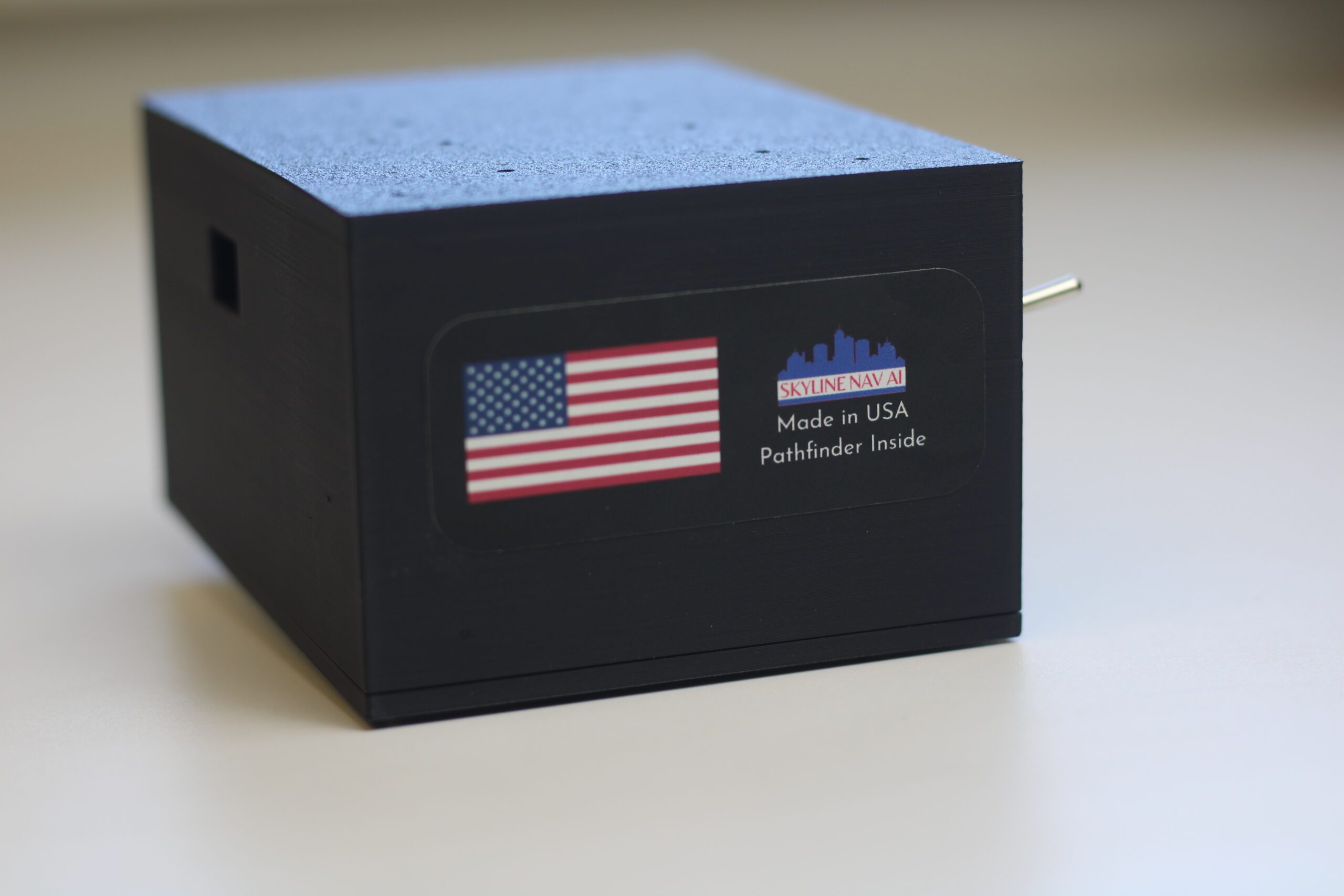
Skyline Nav AI Develops GPS-Independent Navigation Software for Drones
Skyline Nav AI, founded in 2020, specializes in low-cost GPS-independent visual positioning and navigation software aimed at defense and public safety sectors. The company was established in response to the increasing disruption of GPS signals, which can be easily jammed or spoofed, as highlighted by CEO Kanwar Singh's experiences in the Army National Guard. The significance of Skyline's technology is underscored by the growing reliance on drones in modern warfare, particularly in conflicts like those in Ukraine and the Middle East. As adversaries increasingly employ GPS jamming tactics, the need for reliable navigation solutions has become critical. Skyline's products, including the Pathfinder series, are designed to operate effectively in GPS-denied environments, attracting clients such as the U.S. Air Force and NASA. Looking ahead, Skyline Nav AI's innovative approach to drone navigation could reshape operational capabilities in military and public safety applications. The company’s focus on integrating advanced computer vision and machine learning into its products positions it well for future developments in autonomous systems. No further timeline was disclosed at the time of publication.
communications connectivity Drone News Drone News Feeds Feature 1 News
AI-Enhanced Actuation-Compatible Tracking for Miniature Robot Navigation in Vivo
A recent study published in Science Robotics details advancements in AI-driven actuation-compatible tracking systems designed for miniature robots operating in vivo. This innovative approach aims to enhance closed-loop navigation capabilities, enabling more precise movements and interactions within biological environments. The significance of this development lies in its potential applications in medical robotics, where accurate navigation of miniature robots can lead to improved surgical procedures and targeted drug delivery. By integrating AI with actuation systems, these robots can adapt to dynamic biological conditions, thereby increasing their effectiveness in real-world scenarios. Looking ahead, researchers and industry professionals will be monitoring the progress of these technologies as they move towards practical applications in healthcare. The ongoing advancements in AI and robotics could pave the way for groundbreaking solutions in minimally invasive procedures and personalized medicine. No further timeline was disclosed at the time of publication.
Research Article
Humanoid Robots Enhance Navigation in Cluttered Environments with Whole-Body AI Control
Humanoid robots, designed with human-like body structures, have the potential to assist in various environments such as homes, offices, and healthcare facilities. However, for effective deployment, these robots must demonstrate the ability to navigate safely through cluttered and dynamic spaces. This capability is essential for their integration into everyday settings where obstacles are common. The ability of humanoid robots to navigate narrow gaps and obstacles is crucial for their functionality in real-world applications. This advancement in whole-body AI control technology is significant as it enhances the robots' adaptability and safety, making them more reliable companions in environments that require interaction with humans and other objects. Looking ahead, the focus will be on further developing these navigation capabilities to ensure that humanoid robots can operate effectively in diverse settings. No further timeline was disclosed at the time of publication.
Robotics
Enhancing the Navy's Kill Chain with Remote Mine Hunting Using AI and Sonar
The Navy is advancing its find, fix, and finish kill chain through the implementation of remote mine hunting technologies. This innovative approach leverages autonomy, artificial intelligence, and advanced sonar systems to effectively locate and neutralize underwater mines, significantly improving operational efficiency. The integration of these technologies is crucial for enhancing maritime safety and operational readiness. By utilizing remote mine hunting, the Navy can clear waterways more quickly and with reduced risk to personnel, addressing the growing need for effective mine countermeasures in complex environments. Looking ahead, the continued development and deployment of remote mine hunting capabilities will be essential for maintaining naval superiority. No further timeline was disclosed at the time of publication.
Naval Warfare Sponsored Post Navy networks Presented by Thales SAS
New AI Training Technique Enhances Robot Navigation in Crowded Areas
A research team led by Professor Daehee Park at DGIST, in collaboration with KAIST, has developed an innovative AI training method. This technique allows a single compact AI model to predict the movements of nearby individuals while planning safe navigation paths for robots, effectively minimizing performance degradation in both tasks. This advancement is significant as it addresses the challenges faced by robots in crowded environments, enhancing their ability to operate safely and efficiently. The research was presented at the 19th European Conference on Computer Vision (ECCV 2026) in Malmö, Sweden, highlighting its relevance in the field of robotics and AI. Looking ahead, the implications of this research could lead to improved robotic applications in various sectors, particularly in environments where human-robot interaction is critical. No further timeline was disclosed at the time of publication.
Robotics
Employing AI for Navigation in Lunar Crater Environments
Navigating unfamiliar terrains can be difficult, particularly in environments like the Moon's surface. The use of AI technology is being explored to enhance navigation capabilities in such challenging landscapes. This advancement is significant as it could lead to improved exploration and research opportunities on the Moon. By utilizing AI for navigation, missions can become more efficient and safer, allowing for better data collection and analysis. Looking ahead, the integration of AI in lunar navigation systems will be crucial for future missions. Continued developments in this area may pave the way for more sophisticated exploration techniques and technologies in extraterrestrial environments. No further timeline was disclosed at the time of publication.

OpenAI Agents Solve 90-Year-Old Navier-Stokes Problem in Just 88 Hours
OpenAI has announced that its internal system has identified a finite-time singularity in the three-dimensional Navier–Stokes equations. This breakthrough could potentially resolve one of the seven Millennium Prize Problems in mathematics. The solution describes a fluid that begins smooth and at rest, but experiences a vortex collapse that leads to unbounded velocity while maintaining finite total energy. This discovery is significant as it challenges long-standing mathematical theories regarding fluid dynamics. The Navier-Stokes equations have historically resisted proof of whether smooth solutions must remain smooth. OpenAI's approach involved a network of agents working on various versions of the problem, demonstrating the potential of advanced AI systems in tackling complex mathematical challenges. Looking ahead, the implications of this solution could extend beyond mathematics into fields such as physics and engineering, where understanding fluid dynamics is crucial. No further timeline was disclosed at the time of publication.
AI and Robotics
International Team Develops Robots Learning to Navigate Terrain from Stick Insects
An international team from Tohoku University and VISTEC is studying stick insects to enhance robot navigation in challenging terrains. The research focuses on the insect's six legs, which allow for agile movement across various surfaces, surpassing current multi-legged robots in coordination. By employing adversarial inverse reinforcement learning, the team enabled a six-legged robot to autonomously learn to navigate diverse terrains within an hour by observing stick insect locomotion. This research is significant as it proposes a shift from traditional biomimetic approaches that require specific programming for each robot and terrain. Instead, the team aims to extract fundamental movement control principles, allowing robots to adapt to changing environments without extensive reprogramming. This adaptability is crucial for disaster scenarios where uneven surfaces and obstacles are prevalent, particularly in earthquake-prone Japan, where the demand for effective rescue robots is high. Looking ahead, the team plans to validate the learning system's robustness in realistic rubble environments and explore the potential for robots to compensate for lost limbs through continuous learning. The implications of this research could redefine how robots navigate complex terrains, making them more effective in emergency situations.
Robotics Disaster Response Machine Learning Bio-inspired Robotics
US Defence Innovation Unit Successfully Tests GPS-Free Magnetic Navigation System for Aircraft
The US Defence Innovation Unit (DIU) has completed a successful flight test of a magnetic navigation system designed to guide aircraft without reliance on GPS. This advancement marks a significant step in developing navigation technologies that can operate in environments where GPS signals are weak or unavailable. The ability to navigate aircraft across open oceans without GPS is crucial for enhancing operational capabilities in military and commercial aviation. This technology could provide a reliable alternative for navigation in remote areas, potentially improving safety and efficiency in flight operations. Looking ahead, the implications of this successful test could lead to further developments in navigation systems that enhance aircraft autonomy. No further timeline was disclosed at the time of publication.
News
U.S. Navy Revisits Advanced Drone Requirements for Collaborative Combat Aircraft Program
The U.S. Navy has updated its requirements for the Collaborative Combat Aircraft (CCA) program, indicating a shift towards advanced uncrewed combat air vehicles (UCAVs). This change suggests the Navy is seeking capabilities similar to those explored in the X-47B and UCLASS programs, which were previously shelved in favor of the MQ-25 Stingray. The updated requirements highlight the Navy's desire for a CCA capable of operating from aircraft carriers, carrying significant weapon loads, and conducting strike missions in contested environments. Notably, the Navy mandates the ability to carry four weapons of up to 2,500 pounds each, totaling a potential load of 10,000 pounds, which exceeds the payload capabilities of current Air Force drones. Looking ahead, the Navy's focus on autonomy and survivability in complex environments will be crucial for the CCA's development. The prototype is expected to demonstrate advanced mission capabilities, including independent operations and integration with crewed aircraft. No further timeline was disclosed at the time of publication.
Sea Carriers Drones Navies News & Features U.S. Navy
SFPathFormer Enhances Robot Navigation Using AI Framework and Advanced Techniques
SFPathFormer has significantly improved robot navigation capabilities by integrating frequency-aware perception, dynamic feature selection, and global environmental modeling across four benchmark datasets. This advancement is crucial as it enhances the efficiency and accuracy of vision-based navigation systems in robotics. The importance of this development lies in its potential to optimize how robots perceive and interact with their environments, which is essential for various applications in automation and intelligent manufacturing. By leveraging these advanced techniques, SFPathFormer sets a new standard for performance in robot navigation. Looking ahead, industry professionals should monitor the implementation of SFPathFormer in real-world scenarios and its impact on the robotics landscape. No further timeline was disclosed at the time of publication.
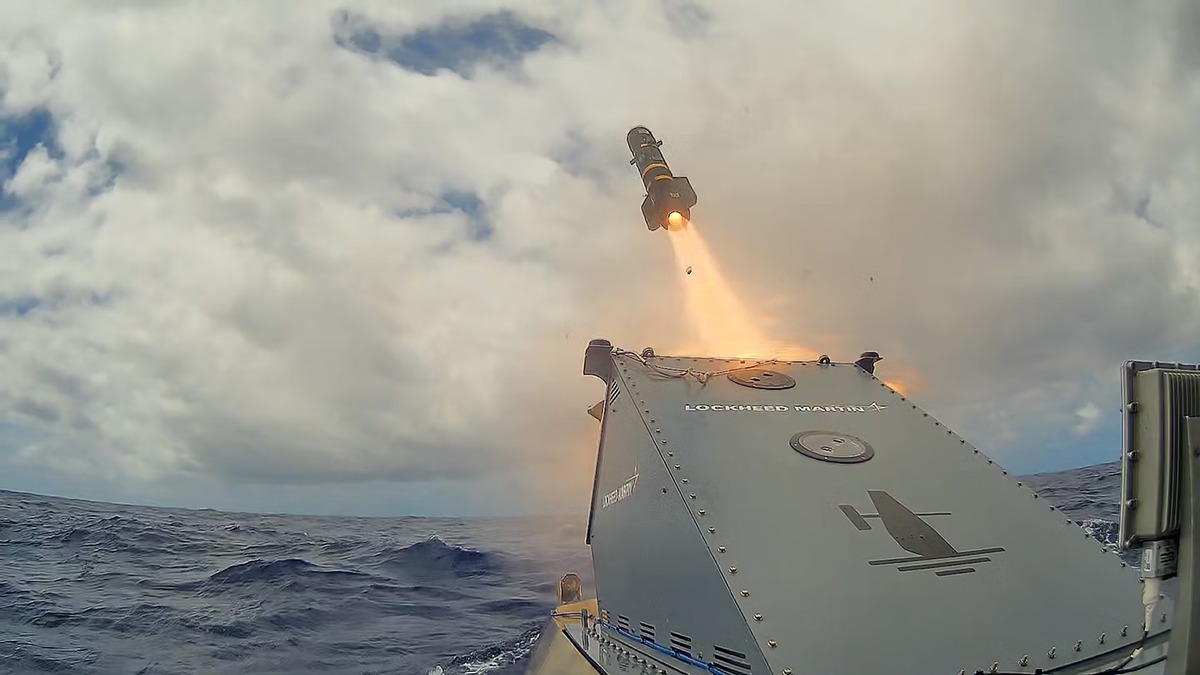
Saildrone and Lockheed Martin Enhance Autonomous Naval Warfare with RIMPAC Missile Launch
Saildrone successfully executed two Joint Air-to-Ground Missile launches from its Surveyor unmanned surface vehicle (USV) during the US Navy's Rim of the Pacific (RIMPAC) exercise. This marks a significant milestone as it is the first-ever missile launch from a Saildrone USV, showcasing the integration of Saildrone's technology with Lockheed Martin's missile capabilities. The demonstration is crucial as it highlights the potential of autonomous systems in modern naval warfare, allowing for extended operational capabilities in contested environments. The collaboration between Saildrone and Lockheed Martin, initiated in October 2025, aims to enhance the operational readiness of unmanned platforms, providing commanders with the necessary tools to project power effectively. Looking ahead, Saildrone plans to further develop its platform capabilities to meet evolving military requirements. The successful integration of electronic warfare sensors during the RIMPAC exercise also indicates the potential for future enhancements in autonomous naval operations. No further timeline was disclosed at the time of publication.
saildrone lockheed martin autonomous naval warfare rimpac demonstration usv
Cyborg Cockroaches Utilize AI for Enhanced Terrain Navigation Speed
Cyborg insects, integrating biological mobility with electronic devices, are being developed to improve navigation capabilities. Recent advancements in AI-powered terrain recognition are enabling these cyborg cockroaches to navigate their environments more efficiently. This innovation is significant as it opens up new possibilities for applications in search-and-rescue missions, infrastructure inspections, and exploration of challenging environments where traditional robots may struggle. The combination of living organisms and technology presents unique advantages in mobility and adaptability. Looking ahead, the continued development of AI technologies in cyborg insects will be crucial to enhancing their operational capabilities. Future milestones may include further improvements in navigation speed and the expansion of their use cases in various sectors. No further timeline was disclosed at the time of publication.
Robotics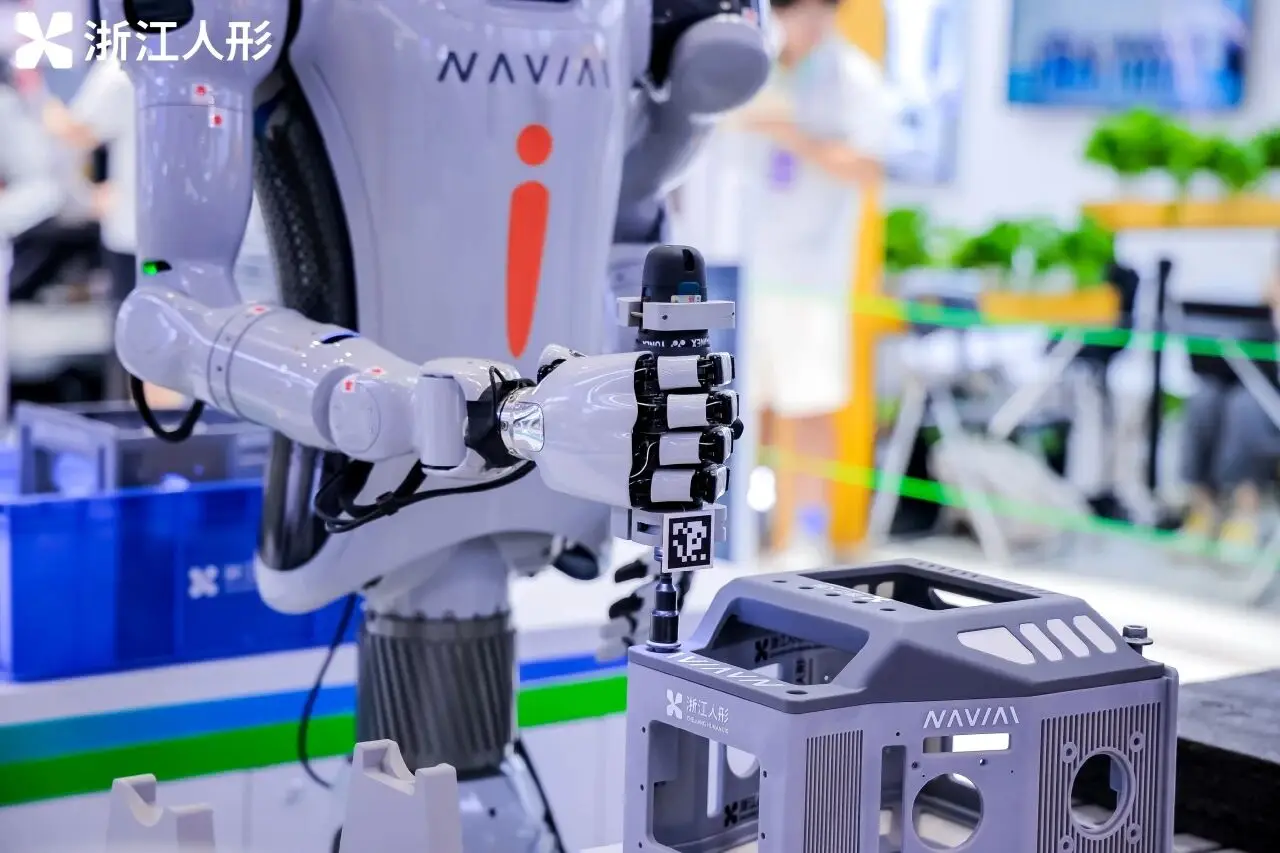
Zhejiang Humanoid Robotics Unveils NAVIAI at the 2026 World Robot Conference
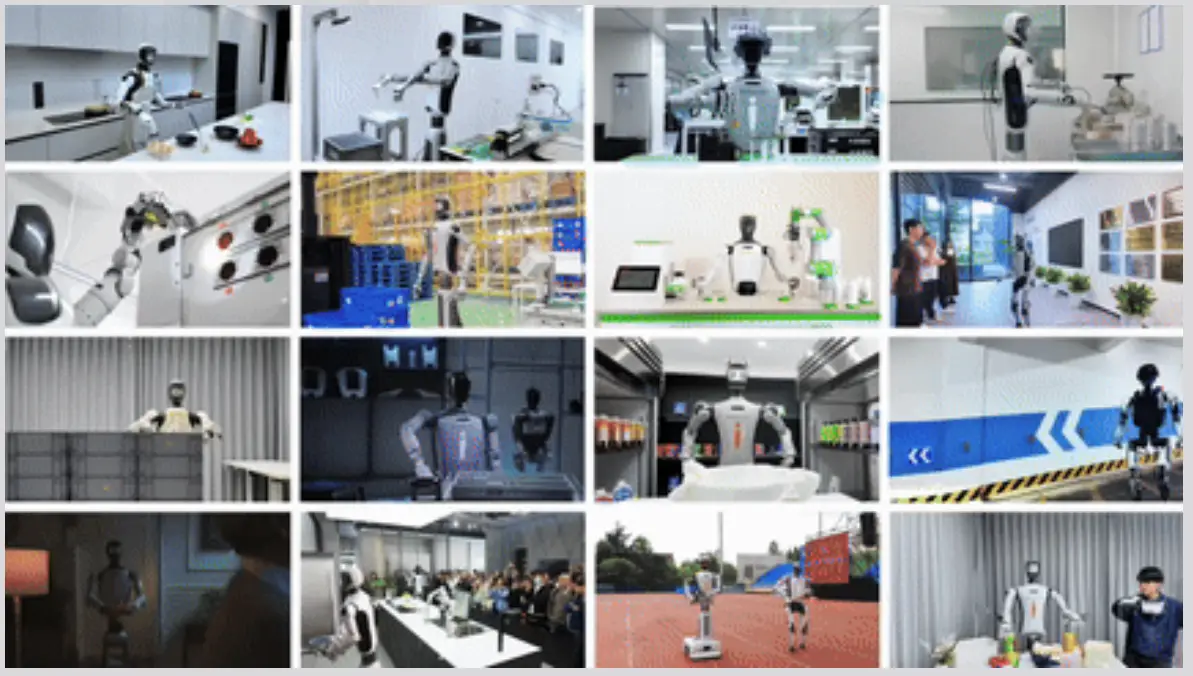
The 2026 World Robot Conference (WRC) commenced on August 19 at the Yichuang International Exhibition Center in Beijing, marking a significant evolution from previous events. Zhejiang Humanoid Robotics Innovation Center Co., Ltd. showcased its NAVIAI core robot matrix at booth C-105, highlighting a product system based on a unified technology platform and demonstrating practical applications across various scenarios. This event is crucial as it reflects the integration of the SPIRE technology system, which combines world models for environmental cognition and embodied models for dynamic adaptation. This synergy enables robots to transition from understanding semantics to executing precise actions, showcasing the potential of humanoid robots in industrial, commercial, and domestic settings. Looking ahead, the focus will be on the continued development of humanoid robots like NAVIAI in diverse applications. No further timeline was disclosed at the time of publication, but the advancements in operational capabilities and the ability to adapt to various environments suggest a promising future for humanoid robotics in both commercial and domestic markets.
Humanoid Robots Industrial Automation Robotics Technology AI Smart Home
Study on Cooperative Navigation Methods for Autonomous Underwater Vehicles in Terrain Mapping
A recent study published in the Journal of Field Robotics explores cooperative navigation methods for autonomous underwater vehicles (AUVs) in terrain mapping. The research focuses on enhancing the accuracy and efficiency of AUVs when mapping underwater environments through collaborative navigation techniques. This research is significant as it addresses the challenges faced by AUVs in accurately mapping complex underwater terrains. By improving navigation methods, the study aims to facilitate better data collection for various applications, including environmental monitoring, underwater exploration, and resource management. Looking ahead, the implications of this research could lead to advancements in AUV technology and its applications in marine research. No further timeline was disclosed at the time of publication.
RESEARCH ARTICLE
Zhejiang's NAVIAI Humanoid Robot to Showcase at 2026 World Robot Conference in Beijing
The NAVIAI humanoid robot from Zhejiang will make its debut at the 2026 World Robot Conference, scheduled for August 19 to 23 in Beijing. It will be featured at booth C-105, where it will demonstrate its capabilities in various applications such as industrial manufacturing, smart retail, and home services. This event is significant as it highlights the advancements in humanoid robotics, particularly through NAVIAI's live demonstrations of tasks like sorting, delivery, and cooking. Professor Xiong Rong, chief scientist at Zhejiang's Humanoid Robot Innovation Center, will present insights into NAVIAI's technological innovations and future developments. Attendees should watch for the practical applications of NAVIAI in real-world scenarios, which could influence the adoption of humanoid robots across multiple sectors. No further timeline was disclosed at the time of publication.
Humanoid Robots Industrial Automation Smart Retail Home Services
Naver's Search Platform Revenue Increases 12.3% to 1.9 Trillion Won Amid AI Investments
Naver reported a 12.3% increase in sales from its search platform business, reaching 1.9 trillion won (approximately US$1.33 billion). This growth reflects the company's strategic investments in artificial intelligence technologies, which are expected to enhance its competitive edge in the digital market. The rise in revenue is significant as it demonstrates Naver's ability to capitalize on the growing demand for AI-driven solutions. As businesses increasingly integrate AI into their operations, Naver's focus on this technology positions it well for future growth and market relevance. Looking ahead, stakeholders will be monitoring Naver's continued investment in AI and its impact on overall profitability. No further timeline was disclosed at the time of publication.
Artificial Intelligence News ai Naver NVIDIA South Korea
Oshen Demonstrates Seabed-Mapping Capabilities of Sail-Powered Robots in U.S. Navy Trial
Oshen has successfully demonstrated the seabed-mapping capabilities of its sail-powered robots during a trial conducted by the U.S. Navy. This trial showcased the robots' ability to efficiently map underwater terrains, which is crucial for various naval operations and environmental assessments. The significance of this trial lies in the potential applications of Oshen's technology for the U.S. Navy and other maritime organizations. Accurate seabed mapping is essential for navigation, resource exploration, and environmental monitoring, making these robots a valuable asset in maritime operations. Looking ahead, the continued development and testing of Oshen's sail-powered robots may lead to broader adoption in both military and commercial sectors. No further timeline was disclosed at the time of publication.

Monava Secures Funding to Enhance AI Drone Detection Amid Growing Security Concerns
Monava, a Swedish-Finnish defense technology company, has successfully raised new funding to bolster its AI-driven drone detection capabilities. This investment round, led by Gungnir Capital with participation from Foundry Ventures and Hede Capital, aims to commercialize Monava's technology and expand operations to meet the rising demand from defense customers. The significance of this funding lies in the increasing investment in counter-uncrewed aircraft system (C-UAS) technologies, driven by heightened security concerns globally. As drones become integral to modern conflicts, Monava's passive acoustic systems, which detect and classify drones without emitting detectable signals, position the company favorably in the defense sector. Looking ahead, Monava's CEO, Alexander Hebbe, noted a sharp increase in demand for their technology, indicating a growing order book necessitating production scaling. No further timeline was disclosed at the time of publication.
Applications C-UAS defense Defense Drone News Drone News Feeds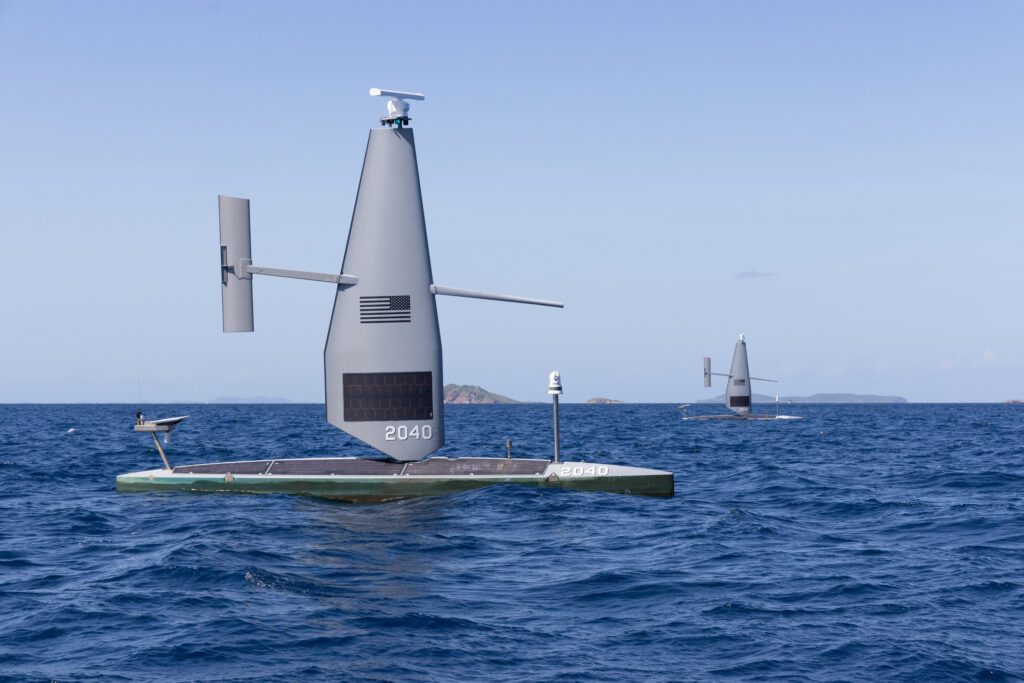
U.S. Navy Utilizes Saildrone Voyager USVs to Seize $81 Million in Cocaine
A Saildrone Voyager unmanned surface vehicle (USV) assisted the U.S. Navy in tracking and intercepting a suspected drug-smuggling vessel in the Caribbean, resulting in the seizure of approximately $81 million worth of cocaine on October 16, 2025. This operation highlights the transition of autonomous maritime systems from experimental platforms to essential tools for real-world security missions. The successful interception underscores the operational capabilities of Saildrone Voyager USVs, which can remain at sea for extended periods, enabling continuous monitoring of vast maritime areas. This capability reduces reliance on crewed vessels and supports the U.S. Navy's counter-narcotics mission in the Caribbean and Eastern Pacific, coordinated by Joint Interagency Task Force South (JIATF-S). Looking ahead, the Navy has awarded Saildrone a $16.3 million task order to continue operating Voyager USVs through 2027. This mission not only demonstrates the effectiveness of unmanned systems in maritime surveillance but also indicates a broader trend of integrating autonomous platforms into naval operations, enhancing mission effectiveness and operational reach.
Applications Defense Drone News Drone News Feeds News safety and security
Navy Extends Saildrone's Counter-Drug Mission with Voyager USVs in Caribbean and Eastern Pacific
The U.S. Navy has renewed its task order for Saildrone, extending the deployment of Voyager unmanned surface vehicles (USVs) in the Caribbean and Eastern Pacific regions. This extension aims to enhance maritime surveillance and counter-drug operations in these critical areas. The significance of this mission lies in the Navy's commitment to combating drug trafficking and ensuring maritime security. By utilizing advanced technology like the Voyager USVs, the Navy can effectively monitor vast ocean areas, making it a vital asset in the fight against illegal drug activities. Looking ahead, the continued operation of Voyager USVs will be crucial in maintaining a strong presence in the Caribbean and Eastern Pacific. No further timeline was disclosed at the time of publication.
Naval Warfare Adm. Daryl Caudle Caribbean Sea Drones Eastern Pacific Navy
Saildrone Voyager Aids U.S. Navy in Seizing $81 Million Worth of Cocaine
The U.S. Navy has successfully utilized the Saildrone Voyager unmanned surface vehicle (USV) to assist in a significant drug bust, seizing over $81 million in cocaine during an operation in October 2025. This operation highlights the effectiveness of unmanned systems in maritime security, particularly in patrolling the expansive southern maritime border. The integration of Saildrone's USVs into Navy operations underscores the strategic importance of unmanned systems in enhancing maritime domain awareness. The Saildrone Voyager has been continuously operating in support of the Navy's Fourth Fleet since 2023, demonstrating its capability to remain on mission for extended periods, which is crucial for countering drug smuggling and other illicit activities. Looking ahead, the Navy has awarded Saildrone a $16.3 million task order to extend the operations of the Voyager fleet in the Caribbean and Eastern Pacific. This partnership aims to bolster the Navy's efforts in maintaining persistent surveillance and operational integration between manned and unmanned forces in the region. No further timeline was disclosed at the time of publication.
saildrone saildrone voyager usv usv u.s. navy drugs cocaine
Zhejiang Humanoid Robot Innovation Center Expands Global Reach with 2,000-Unit NAVIAI Order
The Zhejiang Humanoid Robot Innovation Center has successfully deployed NAVIAI robots at SUPCON JACK GREE and FOTILE. This deployment marks a significant step in the center's expansion efforts. The center has signed a substantial order for 2,000 NAVIAI robots with Jack Technology, highlighting the growing demand for humanoid robots in the apparel industry. This order is a testament to the increasing integration of robotics in manufacturing processes. Additionally, the center is expanding its operations internationally, with deployments planned in BEKO Turkey and KION Germany. This move signifies a strategic effort to enhance global partnerships and broaden the application of humanoid robotics in various sectors. No further timeline was disclosed at the time of publication.
Industry
BYD AI Team Unveils HyWorldVLA Hybrid Model Achieving 90.59 PDMS on NAVSIM Benchmark
The BYD AI team has introduced the HyWorldVLA, a hybrid pixel-latent world model that utilizes VLA architecture. This model has achieved a score of 90.59 PDMS on the NAVSIM benchmark, marking a significant milestone for BYD in the field of autonomous driving foundation models. This achievement is noteworthy as it highlights BYD's commitment to advancing autonomous driving technologies. The collaboration with researchers from HIT robotics underscores the importance of interdisciplinary efforts in developing state-of-the-art models that can enhance vehicle autonomy and safety. Looking ahead, the performance of the HyWorldVLA on the NAVSIM benchmark sets a high standard for future developments in autonomous driving models. No further timeline was disclosed at the time of publication.
Technology
NAVER, NVIDIA, and Brookfield Plan Major Expansion of Korea's AI Factory Infrastructure
NAVER, NVIDIA, and Brookfield have announced a significant expansion of Korea's AI factory infrastructure, aiming to increase the NVIDIA DSX AI factory deployment to 200 megawatts, more than tripling the previously announced 55 megawatts. This expansion, revealed during President Jae Myung Lee's AI Summit visit to San Francisco, underscores Korea's commitment to enhancing its national AI capabilities. The collaboration will see NAVER expand its NVIDIA AI infrastructure deployment to 1 gigawatt, with NVIDIA investing $1 billion and Brookfield potentially funding up to $9 billion. This initiative aims to provide AI innovators in Korea and the U.S. with access to advanced production-scale AI compute resources, fostering a robust AI ecosystem and enhancing South Korea's competitiveness in the global AI landscape. Looking ahead, the 200-megawatt AI factory will utilize advanced NVIDIA platforms, including Vera Rubin and Blackwell, to support the development of competitive AI models. No further timeline was disclosed at the time of publication.
NVIDIA Launches DGX GB300 AI Supercomputer at Naval Postgraduate School
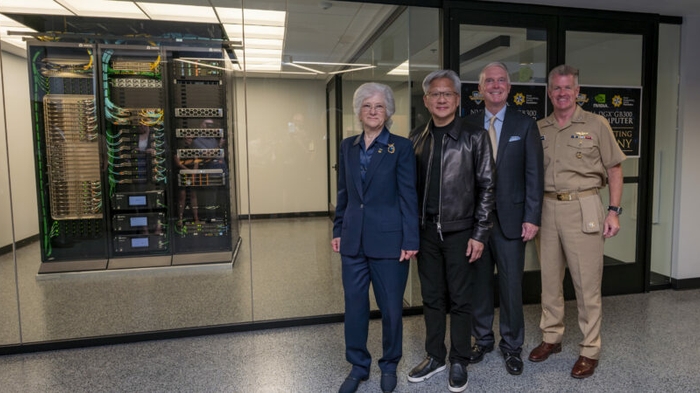
NVIDIA's founder and CEO Jensen Huang inaugurated the NVIDIA DGX GB300 supercomputer at the Naval Postgraduate School in Monterey, California. This advanced AI platform will support over 1,500 students and 600 faculty members, enhancing their capabilities in model training and inference for various applications, including cybersecurity and disaster response. The introduction of the DGX GB300 is significant as it strengthens the ongoing collaboration between NVIDIA and NPS, aimed at developing AI technologies for educational and practical use. The supercomputer is part of the NVIDIA AI Technology Center on campus, providing essential resources for research and instruction in AI. Looking ahead, the DGX GB300 will enable NPS to train foundation models and conduct high-fidelity simulations, enhancing the educational experience for military officers and international partners. No further timeline was disclosed at the time of publication.
Zhejiang Humanoid NAVIAI Advances Embodied Intelligence with SPIRE and EvoStack Systems
In 2026, the robotics industry is shifting focus from basic functionality to achieving results in real-world applications. Companies must now demonstrate their ability to translate genuine needs into systemic capabilities, ensuring robots can operate effectively in various environments. This transition marks a significant evolution in the industry's landscape. Zhejiang Humanoid has positioned itself uniquely by addressing real demands early on, integrating technology, talent, and industry chains to create a robust 'industrial carrier.' The company emphasizes that the physical robot is just the entry point, while the systemic capabilities form the core competitive advantage, enabling robots to adapt and perform in diverse scenarios. The NAVIAI product matrix includes advanced bipedal robots and versatile robotic arms designed for complex tasks. The SPIRE technology framework enhances robot performance by bridging the gap between understanding and execution, while the EvoStack toolchain supports continuous adaptation and improvement. As the industry evolves, the ability to navigate uncharted territories will define the leaders in robotics.
Humanoid Robots Embodied Intelligence Industrial Automation Robotics Technology
Nubia NaviX Ultra: ByteDance Doubao Phone Gen 2 Launches with Advanced AI Features
The second-generation ByteDance Doubao phone, the Nubia NaviX Ultra, was unveiled at the WAIC. This device features multi-app task queuing, a proactive memory system, and the ability to operate autonomously across more than ten platforms. This launch is significant as it showcases advancements in mobile technology, particularly in AI integration. The Nubia NaviX Ultra's capabilities in managing multiple applications simultaneously and its proactive memory system could enhance user experience and productivity. Looking ahead, the focus will be on how the Nubia NaviX Ultra performs in real-world applications and its reception among consumers. No further timeline was disclosed at the time of publication.
Gadgets
Blue Water Autonomy and Saildrone Sue Navy Over MUSV Marketplace Proposals
Blue Water Autonomy and Saildrone have initiated legal action against the U.S. Navy, asserting that their submissions met the requirements for the new MUSV marketplace. The lawsuits highlight the companies' contention that their proposals were compliant with the Navy's specifications, which is crucial for their competitive positioning in the defense sector. This legal dispute is significant as it underscores the challenges faced by companies in meeting military procurement standards and the implications of such lawsuits on future contracts. The outcome could influence how the Navy evaluates proposals and the overall dynamics of the MUSV marketplace, which is vital for advancing unmanned surface vehicle technologies. As the case unfolds, stakeholders should monitor the Navy's response and any potential changes to the MUSV marketplace criteria. The resolution of this dispute may set precedents for future engagements between defense contractors and military branches, impacting the broader landscape of defense procurement.
Naval Warfare Blue Water Autonomy Drones MUSV Navy Saildrone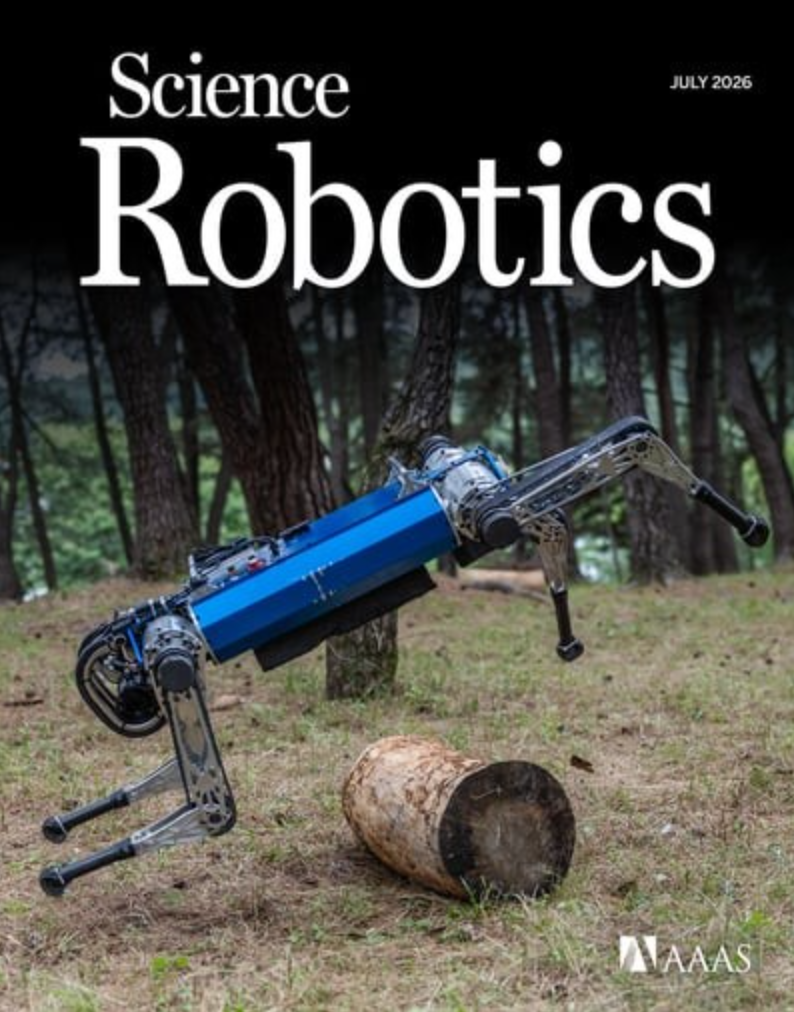
KAIST Unveils Advanced Four-Legged Robot with Autonomous Navigation Technology
KAIST's mechanical engineering team, led by Professor Park Hai-won, announced a breakthrough in robotic technology on July 16. They developed a four-legged robot capable of autonomously selecting and switching between various gaits in real-time, enabling it to navigate complex outdoor environments with speed and stability. This innovation is significant as it integrates a new control architecture called APT-RL (Action Pre-training Reinforcement Learning based on Transformers), which allows the robot to learn movement through computer simulations rather than traditional motion capture. The robot, named KAIST HOUND, demonstrated its capabilities by traversing diverse terrains, achieving peak speeds of 6 meters per second, faster than an average cyclist. Future developments to watch include the potential applications of this technology in disaster response, defense tasks, and industrial inspections. The research was published in the July issue of the journal Science Robotics, highlighting its importance in advancing the field of robotic control and physical AI.
Four-Legged Robots Robotics Technology AI Autonomous Navigation
Exail Secures Contract to Provide Light MCM Systems for European Navy Operations
Exail has been awarded a contract to supply three light Mine Countermeasures (MCM) systems to a European navy. These systems are designed for rapid deployment from Rigid-Hulled Inflatable Boats (RHIBs) and integrate Exail's UMIS technology, enabling efficient identification and neutralization of underwater mines. The significance of this contract lies in its provision of a modular and adaptable solution tailored to the operational needs of modern naval forces. With a compact design, the systems can operate in very shallow waters and infrastructure-limited environments, allowing for quick deployment by mine clearance and Explosive Ordnance Disposal (EOD) teams. Looking ahead, the RHIB-based systems can accommodate various payloads, including Exail's A9-M autonomous underwater vehicles and R7 remotely operated vehicles, enhancing their operational flexibility. No further timeline was disclosed at the time of publication.
exail european navy mcm system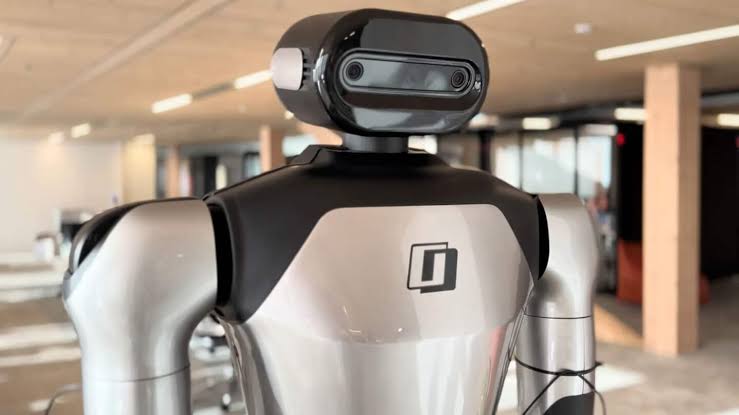
Mistral AI Introduces Robostral Navigate for Autonomous Robotic Navigation
Mistral AI has launched Robostral Navigate, the first AI model specifically designed for robotic navigation. This marks a significant shift for the French company, which has previously focused on large language models, as it ventures into Physical AI. The goal is to enable robots to understand natural language instructions, interpret their surroundings using a standard RGB camera, and plan routes without relying on complex sensor infrastructures. The introduction of Robostral Navigate is important as it simplifies the navigation process, traditionally reliant on multiple technologies like LiDAR and depth cameras, which are costly and complex to integrate. By utilizing only RGB images and natural language commands, Mistral AI's approach could significantly reduce costs for robot manufacturers. An RGB camera is much cheaper than industrial LiDAR sensors, making this technology more accessible. Robostral Navigate operates on a model with 8 billion parameters, balancing computational power and operational efficiency. This size allows for faster execution on embedded platforms with limited resources, crucial for timely navigation decisions. Mistral AI trained the model on nearly 400,000 trajectories across over 6,000 simulated environments, showcasing its potential for real-world applications. No further timeline was disclosed at the time of publication.
À la une IA Industrie Robotique AMR benchmark R2R-CE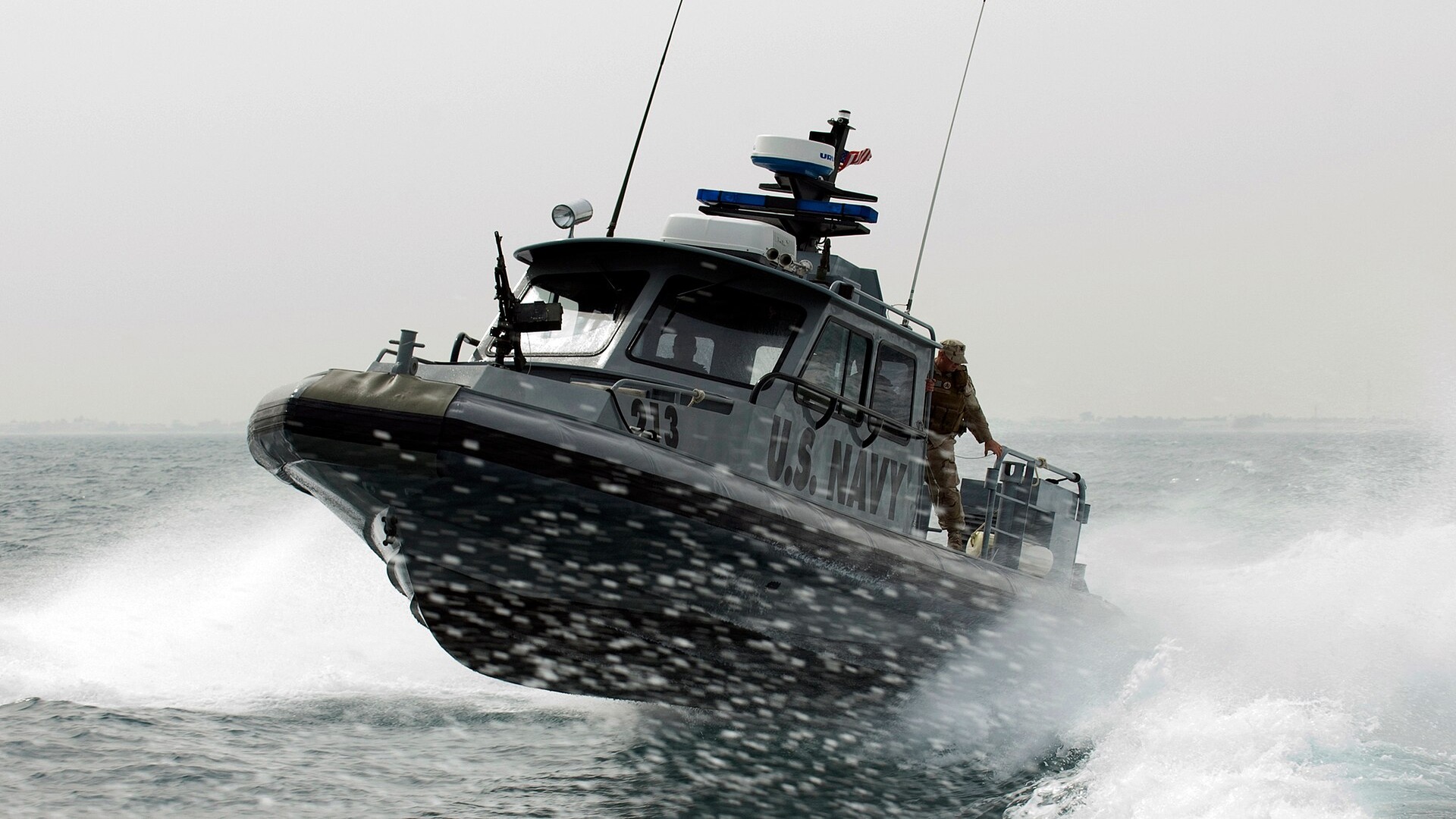
U.S. Navy Establishes RASWDC to Enhance Robotic Warfare Capabilities
The U.S. Navy has launched the Robotic and Autonomous Systems Warfighting Development Center (RASWDC) on September 24, aimed at integrating robotic and autonomous systems into naval operations. Led by Rear Admiral Melvin Smith, the center is headquartered at Joint Expeditionary Base Little Creek-Fort Story in Virginia and will serve as the Navy's primary hub for operational integration of these technologies. This initiative is crucial for maintaining the Navy's maritime advantage, as emphasized by Chief of Naval Operations Adm. Daryl Caudle. The RASWDC will provide sailors with advanced training and specialized doctrine necessary for high-end combat scenarios, reflecting the Navy's commitment to modernizing its operational capabilities through technology. Looking ahead, the RASWDC will focus on developing warfighting concepts, training personnel, and testing new technologies under realistic conditions. The Navy's approach includes evaluating unmanned aerial systems, uncrewed surface vessels, and unmanned underwater vehicles, with a clear intent to advance systems that prove effective while reassessing those that do not meet operational standards. No further timeline was disclosed at the time of publication.
Military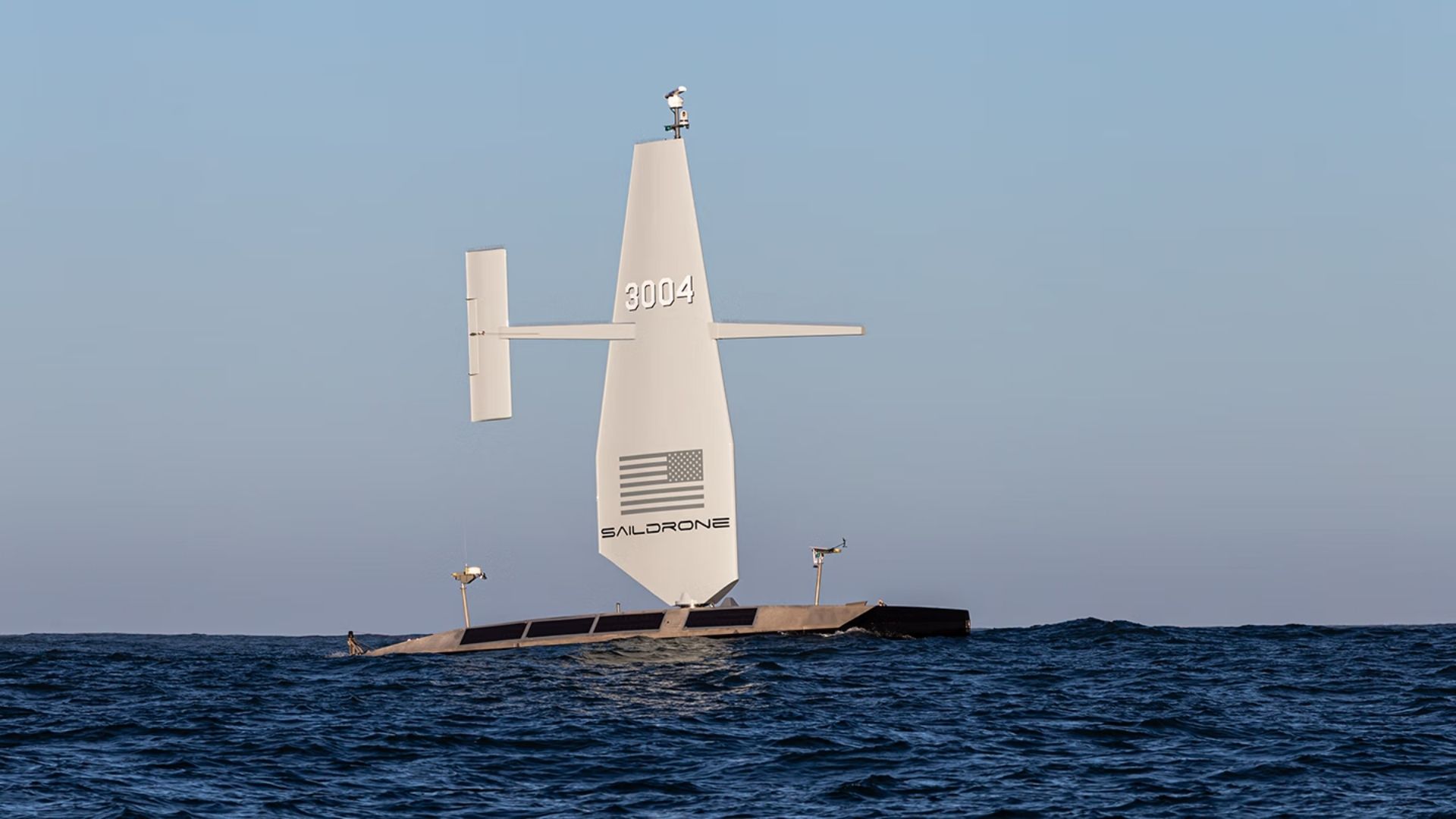
US Navy Awards $10 Million to Saildrone for Atlantic Seabed Mapping with USVs
The US Navy has awarded a $10 million contract to Saildrone to utilize autonomous vessels for mapping the Atlantic Ocean floor. This initiative, assigned by the Naval Oceanographic Office, is set to commence in 2026 and will continue through most of 2027, enhancing military knowledge of critical underwater terrain. This project is significant as it aims to improve safe navigation and support submarine missions, anti-submarine warfare, and critical infrastructure protection. Currently, only 28.7 percent of the world's oceans have been mapped to modern standards, leaving substantial knowledge gaps that can pose operational risks for naval operations. Looking ahead, the deployment of Saildrone's Surveyor unmanned surface vessels will not only provide high-resolution bathymetric data but also measure ocean currents, aiding search-and-recovery operations. No further timeline was disclosed at the time of publication.
Military
Light Origins Releases Open-Source LightNav-0 Navigation Model for Monocular Systems
Light Origins has announced the open-sourcing of LightNav-0, a navigation model based on Qwen3-VL-4B. This model was trained using the Real2Sim2Real methodology, incorporating over 2,000 scenes and more than 4,000 hours of Visual Language Annotation (VLA) data. It excels in leading 10 monocular navigation benchmarks with zero-shot body transfer capabilities. The significance of this development lies in its potential to enhance navigation systems across various applications. By leveraging extensive training data and advanced methodologies, LightNav-0 aims to provide robust performance in real-world scenarios, making it a valuable resource for researchers and developers in the field of navigation technology. Looking ahead, stakeholders in the robotics and AI sectors should monitor the adoption and performance of LightNav-0 in practical applications. The open-source nature of this model may encourage further innovation and collaboration, potentially leading to advancements in navigation solutions that utilize monocular systems. No further timeline was disclosed at the time of publication.
KAIST's Urban Robotics Lab Achieves Top Honors in International Navigation Challenges
KAIST's Urban Robotics Lab secured first and second place in two prestigious international robot navigation challenges. The team developed an AI system that enables robots to self-verify their decisions, ensuring they reach the correct destination. This innovative self-checking technology was instrumental in their success at the competitions held in Malmo, Sweden, and Sydney. The significance of this achievement lies in the advancement of embodied artificial intelligence, which allows robots to better understand human instructions and navigate complex environments. By addressing common navigation errors, such as misidentifying destinations, KAIST's technology enhances the reliability of robotic systems in real-world applications. The competitions were part of the European Conference on Computer Vision 2026 and Robotics: Science and Systems 2026, highlighting the importance of AI in robotics. Looking ahead, the focus will be on further refining the CoRe-VLN system, which utilizes AI to analyze visual and textual data for improved navigation accuracy. No further timeline was disclosed at the time of publication.
All News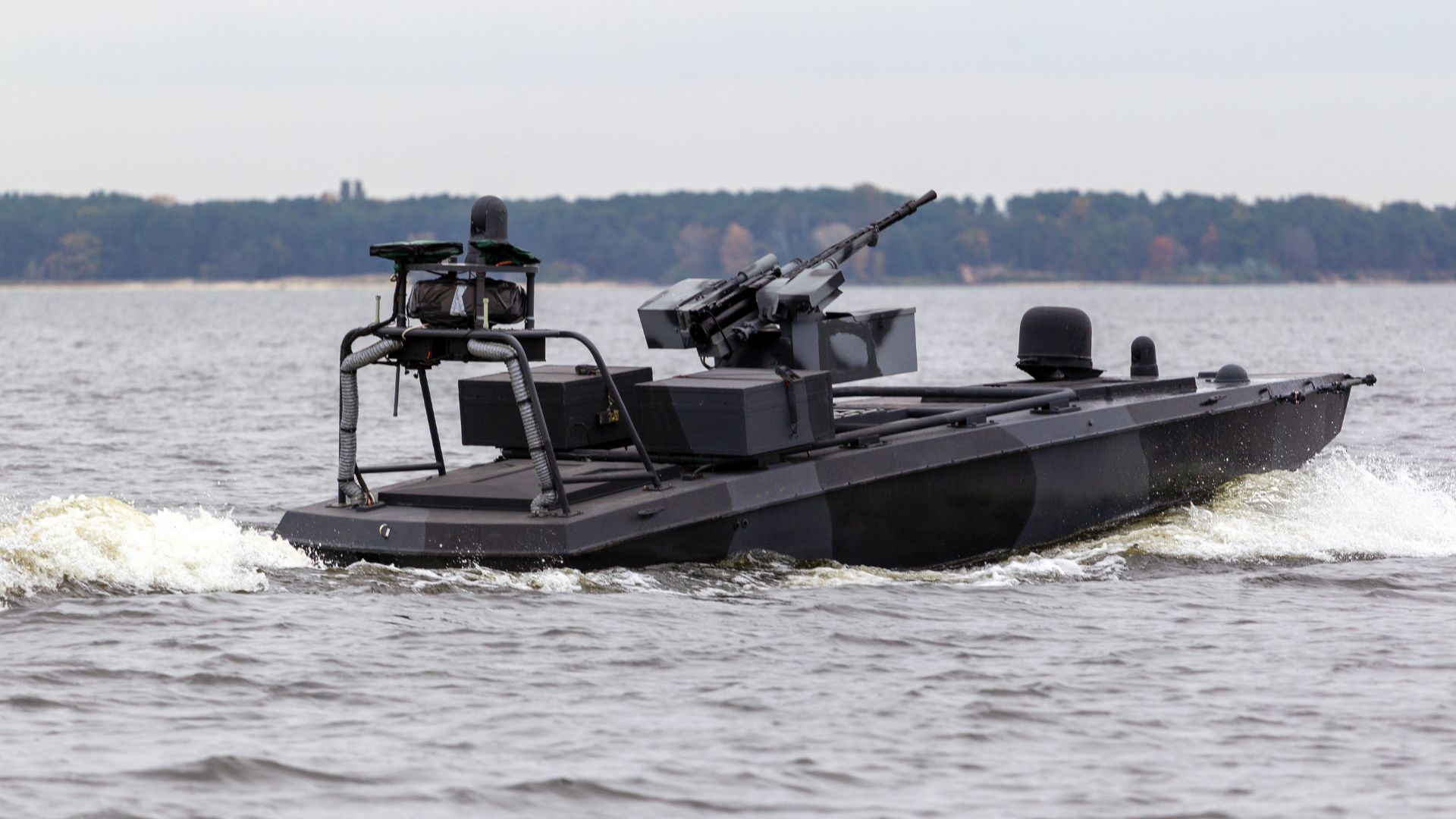
Ukraine's Sargan-3000 USV Engages and Destroys Russian Naval Drone in Historic Battle
On September 12, a Ukrainian unmanned surface vessel (USV) successfully destroyed a Russian naval drone in the Black Sea, marking the first combat between two unmanned boats, according to Ukraine's Navy. The operation involved Ukraine's military intelligence agency, HUR, which identified the Russian vessel prior to the attack by the Sargan-3000 USV, equipped with a 12.7-mm Protector remote weapon station. This incident signifies a pivotal moment in the ongoing Russia-Ukraine War, as both nations increasingly utilize naval drones to target maritime assets. The Ukrainian Navy highlighted the significance of this engagement, stating it represents a new phase in naval warfare. The Russian drone, identified as an improved Orcan type, was designed for explosive attacks and has been actively used against Ukrainian ports and naval targets. Looking ahead, the use of unmanned naval vessels is expected to escalate as both sides adapt to this new combat dynamic. The Sargan-3000, also known as SeaWolf, is a versatile platform capable of various operational roles, including strike missions and electronic warfare. No further timeline was disclosed at the time of publication.
Military
AI's Impact on Fashion: Legal Challenges and Design Innovations
During New York Fashion Week, model Elijah Timmins-Scanlon accused the brand Huffer of using his likeness without consent for AI-generated advertisements. This incident highlights the growing concerns over AI's role in the fashion industry, where regulations remain unclear. In Guangdong, independent designer Zhou Man demonstrated how AI design systems can drastically reduce the time and cost of creating fashion items, with 65% of brands in the region adopting such technologies. The increasing reliance on AI for product discovery is reshaping consumer behavior, with 39% of consumers reportedly using AI tools for this purpose. As brands struggle to maintain control over their established experiences, the issue of copyright has emerged as a significant battleground. Legal cases, such as that of model Francheska Pujols against Rainbow Shops, underscore the urgent need for clear guidelines regarding the use of AI-generated content. Contracts between top brands and models are evolving to address these challenges, requiring explicit terms regarding the creation of digital replicas and the use of likenesses in AI training. As the industry navigates these unregulated waters, the future of AI in fashion will depend on how well it balances innovation with ethical and legal considerations.
Fashion Technology AI in Design Consumer Trust Copyright Issues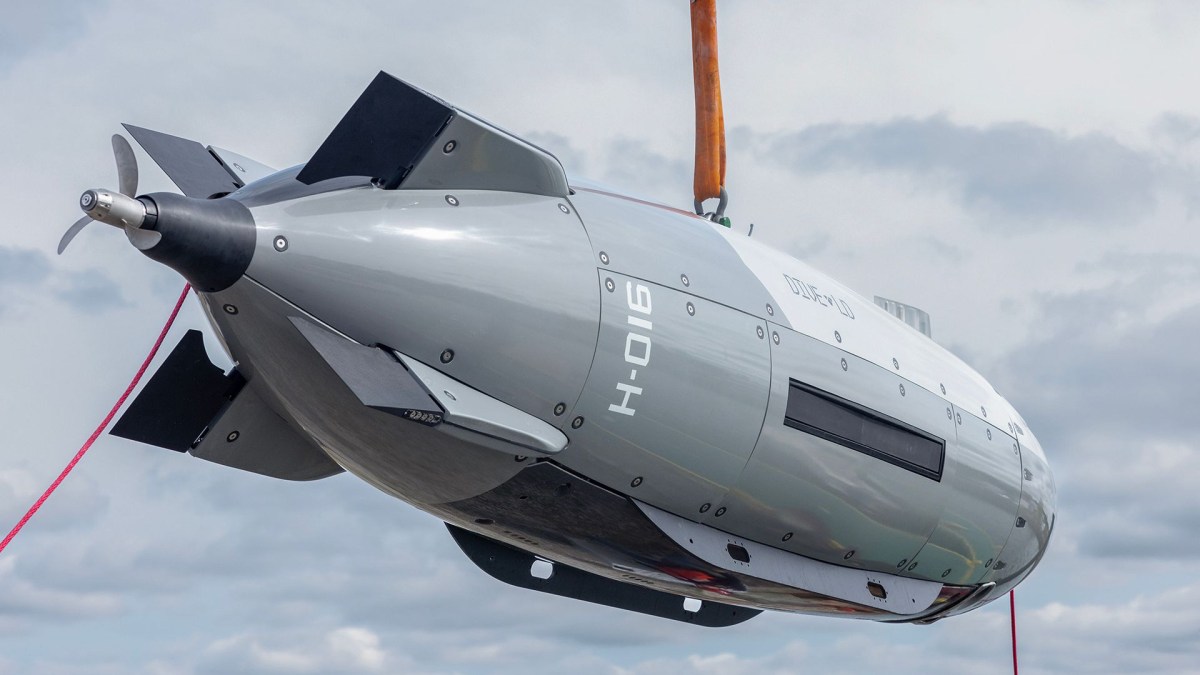
U.S. Navy's Dive-LD Drone Captured by Iran: Key Details and Implications
The U.S. Navy has lost a Dive-LD uncrewed underwater vehicle (UUV) to Iran, which claims to have retrieved it intact near the Strait of Hormuz. This incident marks the first known operational deployment of the Dive-LD, a relatively new capability for the Navy that began service over a year ago. The significance of this event lies in the ongoing tensions in the Strait of Hormuz, a critical maritime route. U.S. officials have confirmed the use of UUVs to assist in keeping the strait free of Iranian naval mines, which have impeded maritime traffic. The Iranian regime's announcement of the capture highlights the potential risks associated with U.S. military operations in the region. Looking ahead, the exact circumstances of the UUV's malfunction and subsequent capture remain unclear. No further timeline was disclosed at the time of publication. The U.S. Navy continues its operations in the area, and the implications of this incident for future UUV deployments and regional security will be closely monitored.
Sea Around The Globe Iran Middle East Navies News & Features
RoboBall: A Novel Inflatable Robot for Moon Exploration and Challenging Terrain Navigation
A team from Texas A&M University has developed RoboBall, a 1.8-meter diameter inflatable robot designed to traverse diverse terrains on the Moon. This innovative approach, which began as a NASA project in 2003, aims to address the critical challenge of tipping over faced by traditional wheeled or legged rovers. RoboBall's spherical design allows it to roll over obstacles while protecting its internal components from harsh lunar conditions. The significance of RoboBall lies in its potential to enhance lunar exploration, particularly in the Moon's south polar region, where permanent shadow areas may contain water ice and ancient geological layers. Scheduled for a paper presentation at an IEEE conference in December 2025, the team is also developing a dual lidar module named Remora to help the robot navigate slopes without compromising its sealed structure. This innovation could provide crucial data for autonomous navigation in challenging environments. As global interest in lunar exploration intensifies, with NASA's $20 billion lunar base plan set for completion by 2032, RoboBall could play a vital role in future missions. The research team is also investigating terrestrial applications for RoboBall, such as disaster response, showcasing the robot's versatility in extreme conditions. No further timeline was disclosed at the time of publication.
Lunar Exploration Robotic Innovation Terrain Navigation Disaster Response Space Robotics
Marotta Controls to Supply Technology for US Navy's Next Generation Jammer Program
Marotta Controls, a US aerospace and defense contractor, has secured contracts to provide technology for two subsystems of the US Navy’s Next Generation Jammer–Low Band (NGJ-LB) program. Announced on September 2, the contracts involve a subcontract with CFD Research Corporation for a ram-air turbine power-generation system and a direct contract from L3Harris Technologies, the prime contractor for the NGJ-LB. The NGJ-LB is designed for the EA-18G Growler, enhancing its electronic warfare capabilities by disrupting enemy air defenses and ground communications. Marotta's involvement marks its entry into the airborne electronic warfare market, supplying equipment for the Turbine Speed Control System, which is crucial for power generation and regulation within the NGJ-LB pod. As the US Navy aims to replace the legacy AN/ALQ-99 Tactical Jamming System, the NGJ-LB program, selected in August 2024 under a $587.4 million contract, is set to deliver operational prototype pods for fleet assessment. No further timeline was disclosed at the time of publication.
Military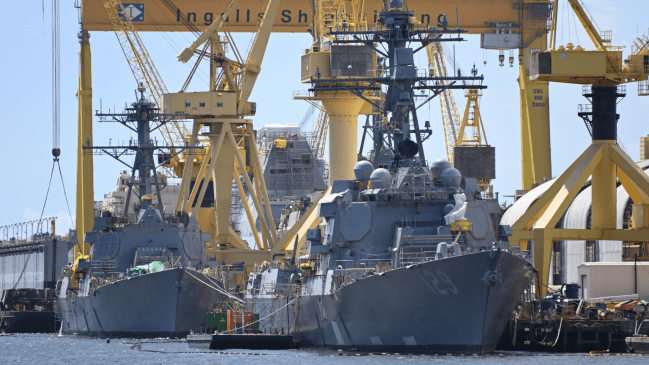
HII Aims for 15% Increase in Shipyard Throughput Using Robotics for Navy Warships
HII, the largest military shipbuilder in the US, is targeting a 15% increase in shipyard throughput this year to expedite deliveries to the US Navy. The strategy involves workforce expansion, infrastructure upgrades, and enhanced use of technology, particularly physical AI, in shipbuilding operations. Currently, around 40 ships are under construction or modernization at HII's Ingalls and Newport News facilities. This initiative is significant as it highlights the need for skilled workers and modernized production infrastructure to support higher volumes in the US maritime industrial base. HII's plan includes hiring skilled workers, modernizing shipyard infrastructure, and expanding the industrial base for naval construction. Eric Chewning, HII’s executive vice president, emphasized the importance of building on current momentum to deliver ships at an increased pace. Looking ahead, HII plans to outsource over 2 million hours of work in 2026, marking a 178% increase from 2024. This distributed shipbuilding strategy aims to enhance shipbuilding capacity and resilience in the supply chain. As demand for naval vessels grows, HII's approach underscores the critical role of advanced manufacturing technologies in boosting US shipbuilding capacity.
Military
Harris Aerial, Skyline Nav AI, and UtopiaCompression Win 'Pitch the Press' at Commercial UAV Expo
Harris Aerial, Skyline Nav AI, and UtopiaCompression have been awarded as the top three winners of the 'Pitch the Press' competition at the Commercial UAV Expo held in Las Vegas on September 3, 2026. This recognition highlights the innovative solutions and products presented by these companies, showcasing their contributions to the commercial drone technology sector. The competition serves as a platform for industry leaders to gain visibility and recognition among peers and potential clients. Looking ahead, the success of these companies may influence future trends in the UAV industry. Their innovative approaches could set benchmarks for upcoming technologies and solutions in commercial drone applications. No further timeline was disclosed at the time of publication.

Researchers Develop Six-Legged Robot Mimicking Stick Insect for Uneven Terrain Navigation
Researchers from Tohoku University and VISTEC have created a six-legged robot that learns to walk by imitating stick insect movements. This AI-powered system adapts its walking strategies to navigate various surfaces, potentially enhancing robotic operations in challenging environments such as disaster zones. The significance of this development lies in its ability to overcome limitations of traditional robotic gait systems, which often rely on fixed patterns. By employing adversarial inverse reinforcement learning (AIRL), the robot learns coordination principles from biological data, enabling it to maintain stability even on uneven terrain. Looking ahead, the ability of the robot to adapt to changes, such as losing a leg, demonstrates its potential for real-world applications. The researchers also noted that the learned reward structure could be transferred to different robot models, improving efficiency in training and adaptability across various robotic platforms. No further timeline was disclosed at the time of publication.
AI and Robotics
Turkish Aerospace Aims to Develop Naval Version of Hurjet for NATO Exports
Turkish Aerospace has announced plans to develop a naval variant of its HÜRJET aircraft, aiming to enhance its export capabilities within NATO. CEO Mehmet Demiroglu expressed confidence that HÜRJET could serve as a trainer aircraft not only for Türkiye and Spain but also as a training platform for NATO forces. This initiative is significant as it aligns with Turkey's strategy to expand its defense exports and strengthen its position within NATO. The development of a naval version of HÜRJET could meet the growing demand for versatile training aircraft among NATO allies, potentially increasing collaboration and interoperability among member nations. Looking ahead, industry observers will be keen to see how Turkish Aerospace progresses with the naval variant and its impact on NATO training programs. No further timeline was disclosed at the time of publication.
Global air Hurjet Middle East NATO naval
Navi Secures $100 Million Investment from Prosus, First Institutional Funding for Fintech
Indian fintech Navi has successfully raised $100 million from Prosus, marking its first institutional funding since its inception eight years ago by Flipkart co-founder Sachin Bansal. This investment values Navi at approximately $1.3 billion and comes as the startup aims to raise external capital at a projected valuation of $2 billion in 2024. The significance of this funding lies in Navi's plans to go public, with intentions to raise ₹30 billion (about $314 million) in an initial public offering. Previously, Navi had filed for a $440 million IPO in 2022 but withdrew the plan due to a downturn in the IPO market. The investment from Prosus is seen as a strong endorsement of Navi's growth trajectory and its ambition to evolve into a banking institution. Looking ahead, Navi's app, which is the fourth-largest UPI app in India, processed over 947 million transactions valued at ₹483.18 billion (about $5.05 billion) in July. As Navi prepares for its IPO and continues to expand its user base, it will be crucial to monitor its financial performance and market positioning in the competitive fintech landscape. No further timeline was disclosed at the time of publication.
Fintech Startups Navi Prosus Sachin Bansal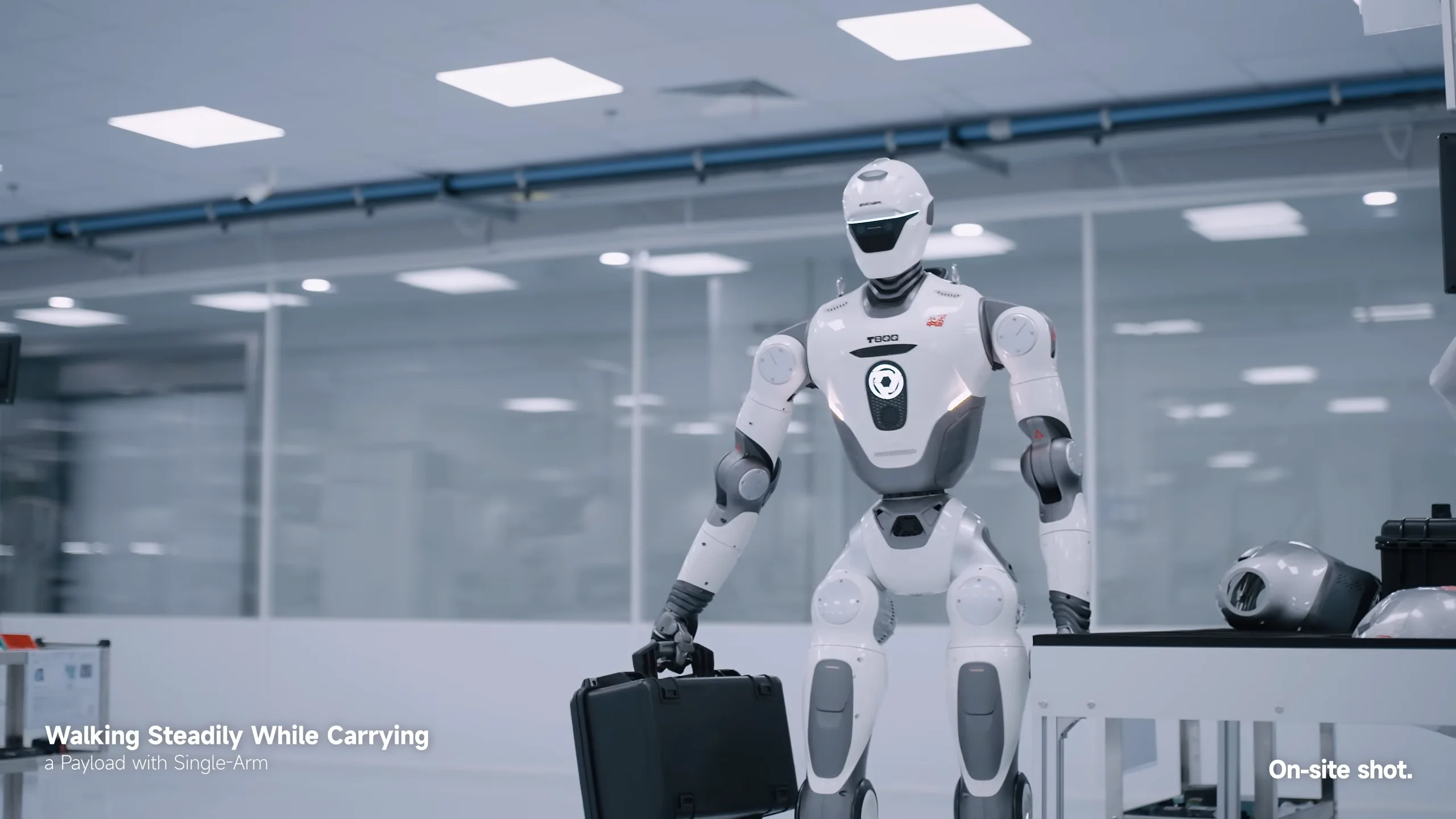
EngineAI's T800: Bridging Factory Automation and Combat Sports
EngineAI, a Shenzhen-based startup, is showcasing its T800 robot in two contrasting roles: as a factory worker and a combat participant. Recently, the company released a promotional video featuring the T800 performing industrial tasks at Luxshare-ICT, an Apple supplier, highlighting its capabilities in automated workflows and material handling. This dual presentation is significant as it reflects EngineAI's strategy to appeal to both industrial and entertainment sectors. The T800's participation in a combat event in San Francisco illustrates the company's commitment to pushing the limits of humanoid robotics, while also serving as a marketing tool to attract attention and investment. Looking ahead, EngineAI aims to scale its production capacity significantly, targeting a delivery capacity of ten thousand units. The company is leveraging its unique positioning in both factory automation and combat sports to generate interest and assure investors of the T800's versatility and potential in various applications. No further timeline was disclosed at the time of publication.
EngineAI REK T800 China
Deep Robotics' DR02 Humanoid Robot Demonstrates Stair Climbing and Terrain Navigation
Deep Robotics has unveiled new footage of its DR02 humanoid robot successfully climbing outdoor concrete stairs, showcasing its capability to navigate challenging terrains. This demonstration marks a pivotal moment for the Hangzhou-based company as it advances its development and commercialization strategies, positioning the DR02 for complex real-world tasks. The significance of this demonstration lies in the competitive landscape of Chinese robotics, where investors are keen to see humanoid robots perform reliably in practical environments. The DR02's ability to traverse uneven surfaces and carry equipment, such as a fire extinguisher, highlights its potential for industrial applications and hazardous environments. Looking ahead, Deep Robotics is preparing for a significant financial milestone with its application to raise approximately $367.4 million through an initial public offering on Shanghai’s STAR Market. As the company aims to build on its first-ever net profit of about $4.2 million reported in 2025, the ongoing development of the DR02 will be crucial in attracting investor confidence and demonstrating the robot's capabilities in real-world scenarios.
AI and Robotics
Cybersecurity Risks Emerge from Chinese Components in Royal Navy's Kraken USVs
Recent reports indicate that Chinese-made components in the cameras of the U.K. Royal Navy's Kraken Unmanned Surface Vessels (USVs) were transmitting data to a device in China. The U.K. Ministry of Defense confirmed the issue, which arose during a routine cyber vulnerability assessment, prompting the removal of internet connectivity from the affected cameras. This situation underscores significant cybersecurity risks associated with military supply chain vulnerabilities, particularly concerning Beijing's potential access to sensitive Western defense technology. The Kraken K3 Scout USVs, valued at approximately $16.2 million, were introduced into Royal Navy service in March and are utilized by the Coastal Forces Squadron and 47 Commando of the Royal Marines. Looking ahead, the Royal Navy's USVs are expected to be deployed to the Persian Gulf to support U.K. special forces in securing navigation in the Strait of Hormuz. The Ministry of Defense has stated that it prioritizes national security and is committed to ongoing security assessments to mitigate vulnerabilities in its systems and equipment. No further timeline was disclosed at the time of publication.
Sea Espionage Navies News & Features Royal Navy Unmanned Surface Vessels (USVs)
AI-Powered Surgical Robots Enhance Precision in Lung Nodule Biopsies
Surgeons face significant challenges when locating small lung nodules, particularly those under 8 millimeters that may indicate early-stage lung cancer. Traditional CT-guided methods require multiple scans and lengthy procedures, increasing the risk of complications. Dr. Wang Jiyong, head of thoracic surgery, highlights the limitations of conventional approaches, noting that even clear CT images do not allow for precise identification of tiny lesions. AI-driven surgical robots are transforming this landscape by utilizing 3D imaging to gather lesion data and create a spatial model of the lungs. This technology, likened to a high-precision GPS navigation system, enables pre-surgical planning of optimal puncture angles and real-time tracking of instruments during surgery. This advancement promises reduced trauma and shorter recovery times for early lung cancer patients. As the detection rate of lung nodules rises with increased health screenings, Dr. Wang advises regular monitoring for nodules under 8 millimeters and vigilance for those above 5 millimeters. The evolution of AI robots from diagnostic tools to navigational aids is reshaping the surgical approach to lung nodules, making previously daunting tasks more manageable.
Surgical Robots AI Navigation Lung Cancer Diagnosis Medical TechnologyRobotics needs a service framework.
RSF defines a common language for robot service capability, lifecycle operations, certification pathways, and service-provider networks.
Join the RobotToday community on LinkedIn
Daily robotics news, in-depth analysis, conference highlights, and discussions with professionals worldwide.







