


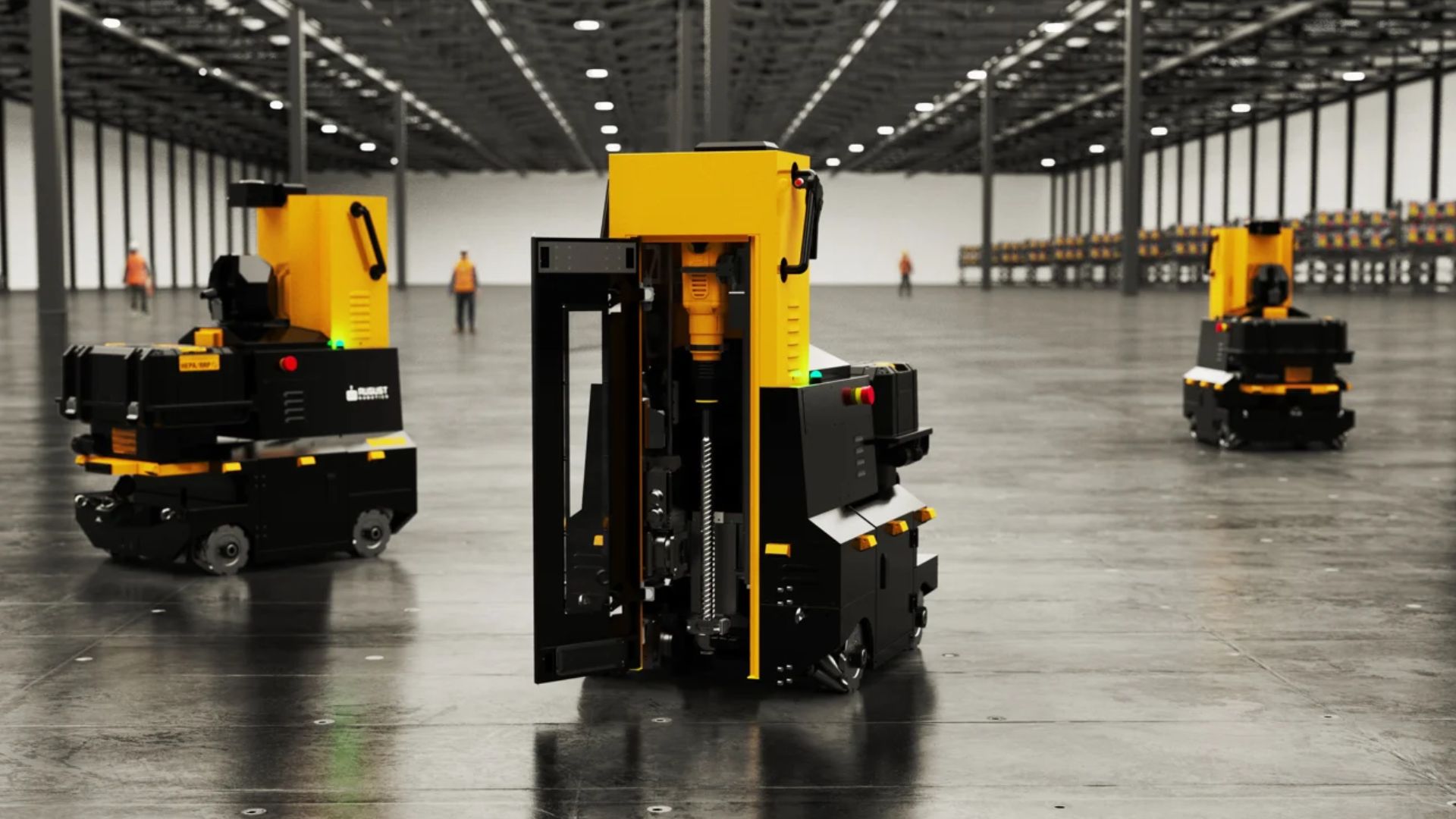
OpenAI's recent mathematical findings, spanning number theory, complexity theory, and physics, have prompted calls for expert engagement in the robotics field. These results are part of a broader initiative that includes advancements in industrial robots, cobots, and autonomous systems, such as the DALE robot, which automates high-volume concrete drilling in data centers.
The significance of these developments lies in their potential to enhance robotic capabilities, particularly through mechanical intelligence that enables 3D movement with fewer actuators. The initiative, valued at nearly $1.8 billion, aims to create predictive 'virtual cells' and improve operational efficiency in various applications, including construction and service robots.
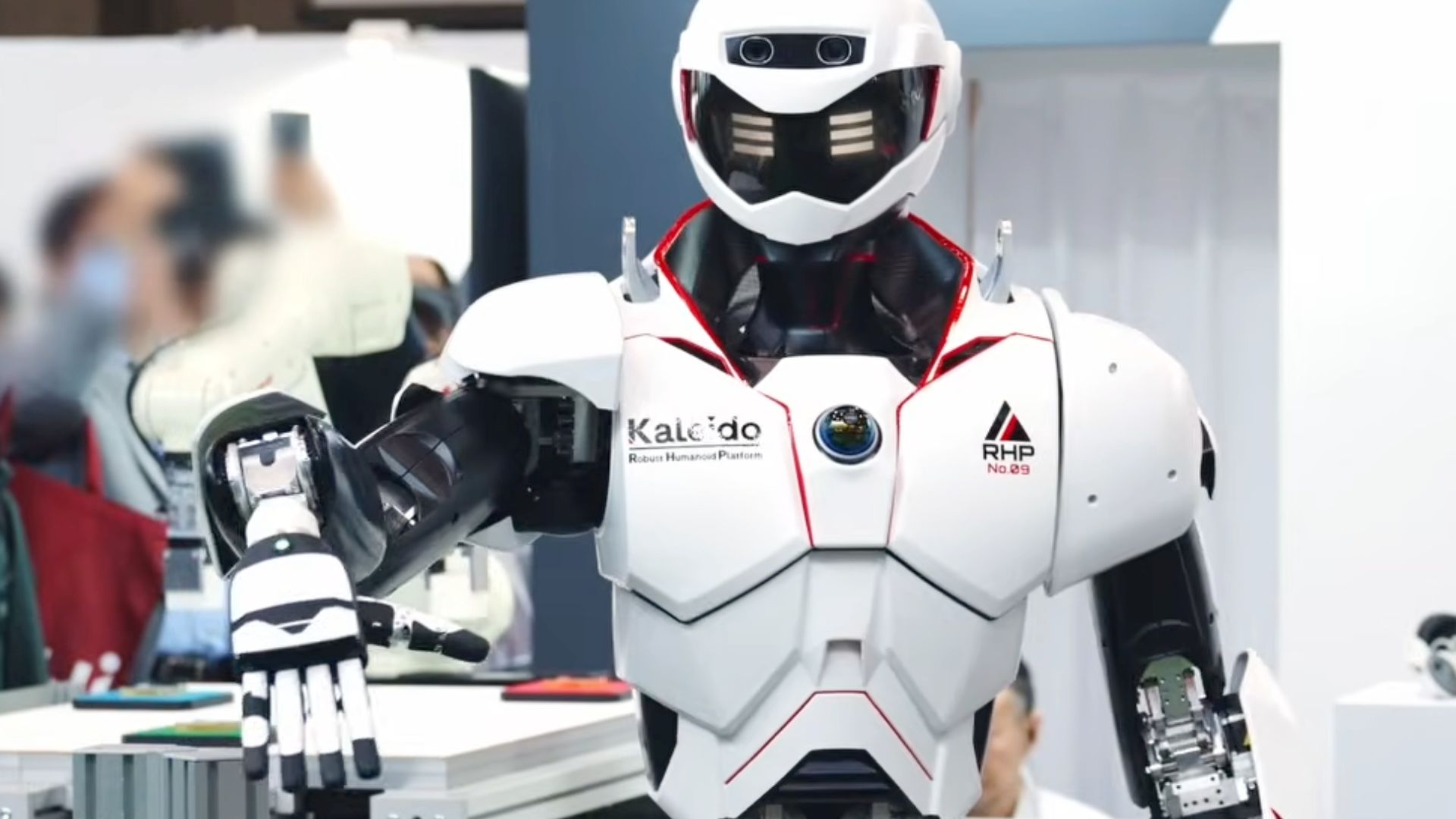
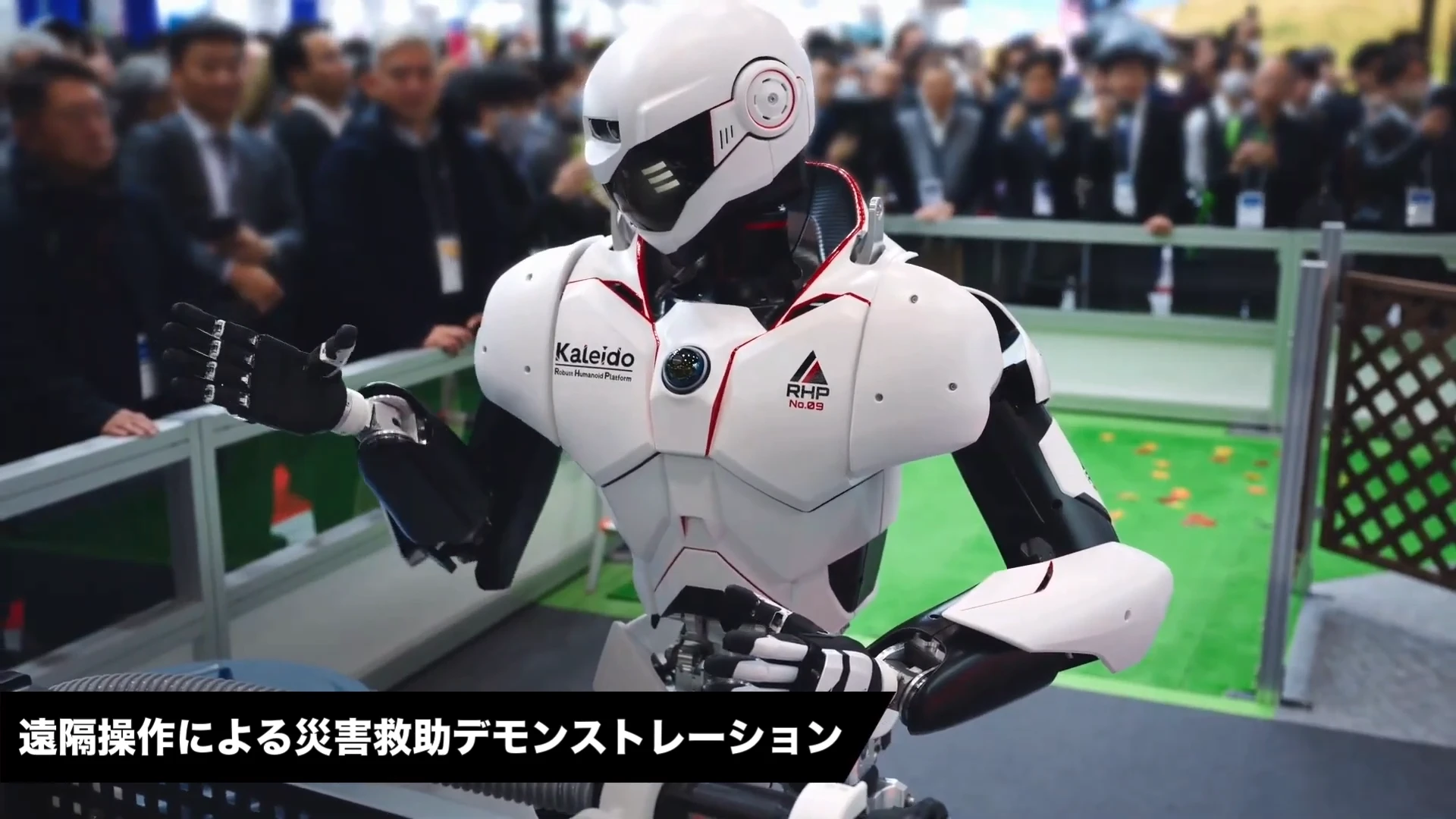
Looking ahead, the industry is poised for a shift towards greater AI autonomy, as seen in projects like Kaleido, which aims to transition from remote control to fully autonomous operations. No further timeline was disclosed at the time of publication.
Editor's Note
The integration of advanced mathematical models into robotics is reshaping the landscape of automation and intelligent systems. As companies like OpenAI push the boundaries of what robots can achieve, the demand for expert insights becomes critical to navigate the complexities of these technologies and their applications in various sectors.
Copyright Notice
This briefing is an independently written summary based on publicly available reporting and is provided for industry information and news discovery. The original report and source publication are credited and linked where applicable. RobotToday does not claim ownership of third-party source material.
Rights concerns? If you believe any material in this briefing infringes your copyright or other rights, please contact [email protected] with the relevant URL and details. We will review the matter and take appropriate action where warranted.























Leave a comment