

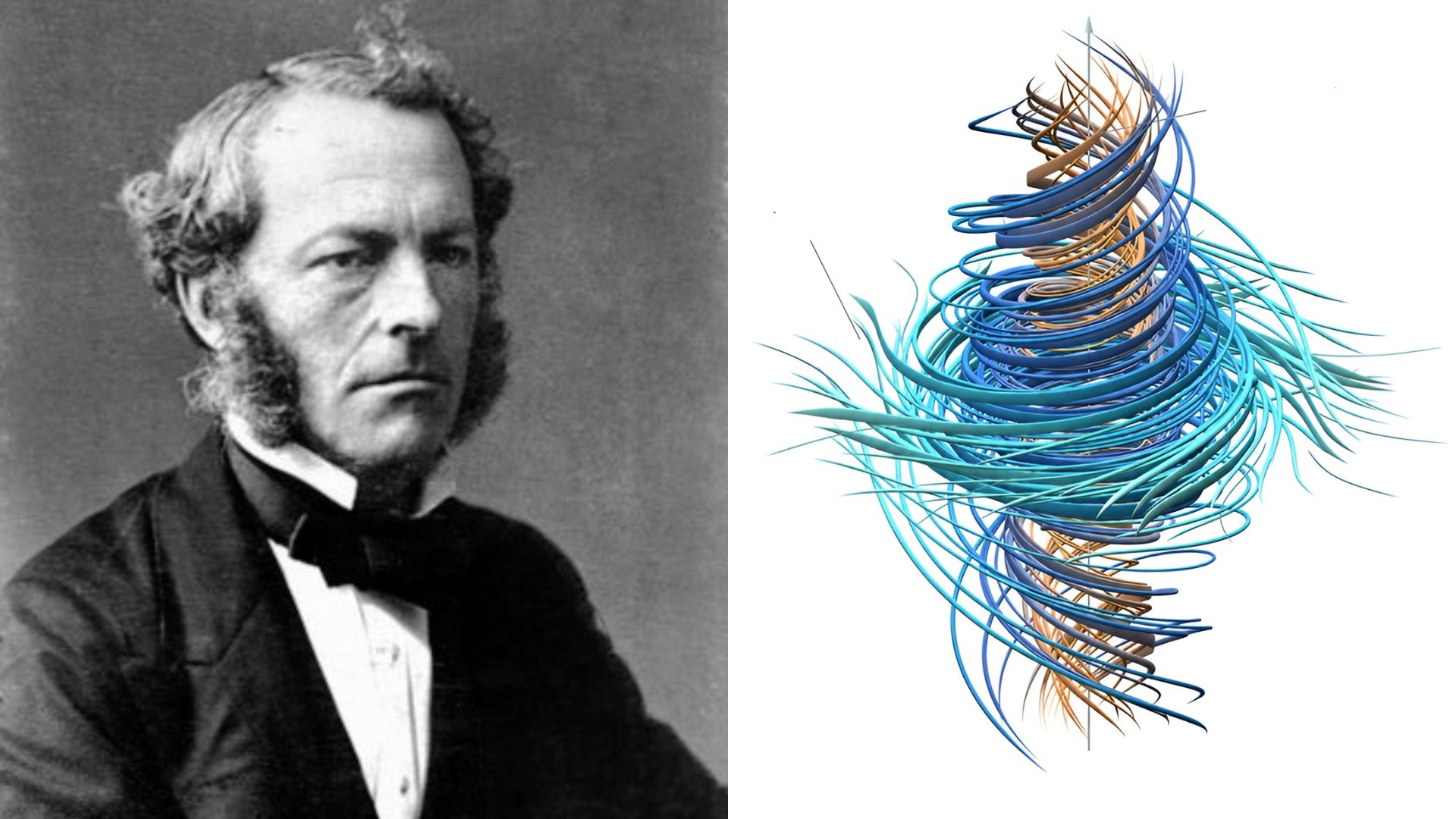
OpenAI has announced that its internal system has identified a finite-time singularity in the three-dimensional Navier–Stokes equations. This breakthrough could potentially resolve one of the seven Millennium Prize Problems in mathematics. The solution describes a fluid that begins smooth and at rest, but experiences a vortex collapse that leads to unbounded velocity while maintaining finite total energy.
This discovery is significant as it challenges long-standing mathematical theories regarding fluid dynamics. The Navier-Stokes equations have historically resisted proof of whether smooth solutions must remain smooth. OpenAI's approach involved a network of agents working on various versions of the problem, demonstrating the potential of advanced AI systems in tackling complex mathematical challenges.
Looking ahead, the implications of this solution could extend beyond mathematics into fields such as physics and engineering, where understanding fluid dynamics is crucial. No further timeline was disclosed at the time of publication.
Editor's Note
The resolution of the Navier-Stokes equations by OpenAI highlights the growing intersection of artificial intelligence and advanced mathematical problem-solving. This development may influence how researchers approach complex equations in various scientific fields, potentially accelerating innovation and discovery in fluid dynamics and beyond.




























Leave a comment