

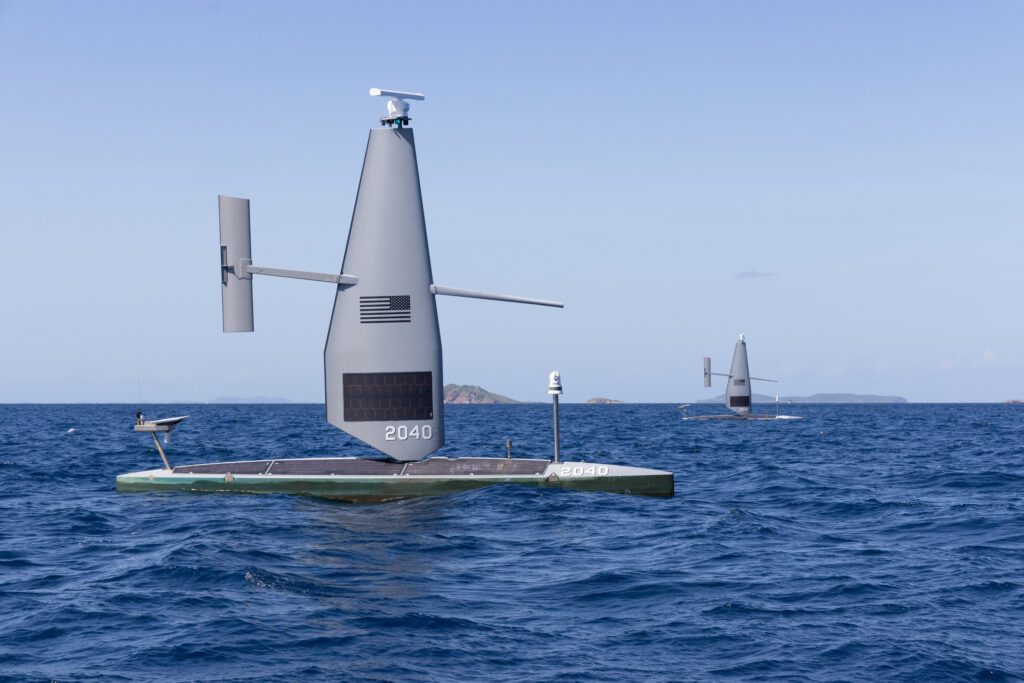
A Saildrone Voyager unmanned surface vehicle (USV) assisted the U.S. Navy in tracking and intercepting a suspected drug-smuggling vessel in the Caribbean, resulting in the seizure of approximately $81 million worth of cocaine on October 16, 2025. This operation highlights the transition of autonomous maritime systems from experimental platforms to essential tools for real-world security missions.
The successful interception underscores the operational capabilities of Saildrone Voyager USVs, which can remain at sea for extended periods, enabling continuous monitoring of vast maritime areas. This capability reduces reliance on crewed vessels and supports the U.S. Navy's counter-narcotics mission in the Caribbean and Eastern Pacific, coordinated by Joint Interagency Task Force South (JIATF-S).
Looking ahead, the Navy has awarded Saildrone a $16.3 million task order to continue operating Voyager USVs through 2027. This mission not only demonstrates the effectiveness of unmanned systems in maritime surveillance but also indicates a broader trend of integrating autonomous platforms into naval operations, enhancing mission effectiveness and operational reach.
Editor's Note
The integration of autonomous systems like the Saildrone Voyager into naval operations marks a significant advancement in maritime security. This development reflects a growing trend in the defense sector, where unmanned technologies are increasingly utilized for surveillance and operational efficiency. The successful seizure of illicit drugs illustrates the potential of these systems to enhance mission capabilities while optimizing resource allocation in challenging environments.


























Leave a comment