Industry Briefing
A single destination for timely, editor-curated robotics news from around the world.
Cyberhawk Expands Drone Inspection Services with SSE for Offshore Wind and Infrastructure
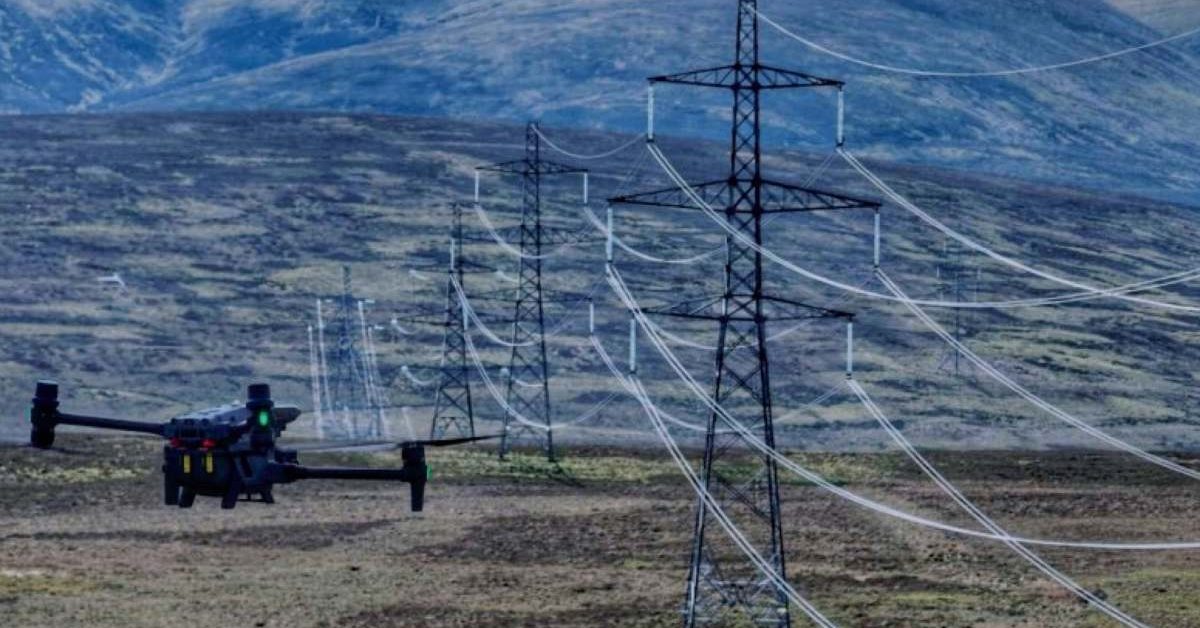
Cyberhawk, a subsidiary of Ondas, has secured a multi-year agreement with SSE’s regulated electricity network businesses, SSEN Transmission and Distribution. This three-year deal, with a potential two-year extension, allows Cyberhawk to provide drone inspection and surveying services across SSE’s electricity networks in mainland Britain and now includes offshore wind turbine inspections. The partnership is significant as it marks an expansion into SSE’s offshore renewable energy assets, addressing the growing importance of offshore wind farms in the energy sector. Cyberhawk's drone services will enhance inspection capabilities for large numbers of turbines in challenging environments, reducing the need for hazardous field inspections. Additionally, Cyberhawk has renewed its agreement for iHawk as a Service, a digital platform that centralizes inspection data and utilizes AI-assisted analytics. This integration aims to streamline the management of inspection information, helping utility operators prioritize maintenance tasks effectively. No further timeline was disclosed at the time of publication.
News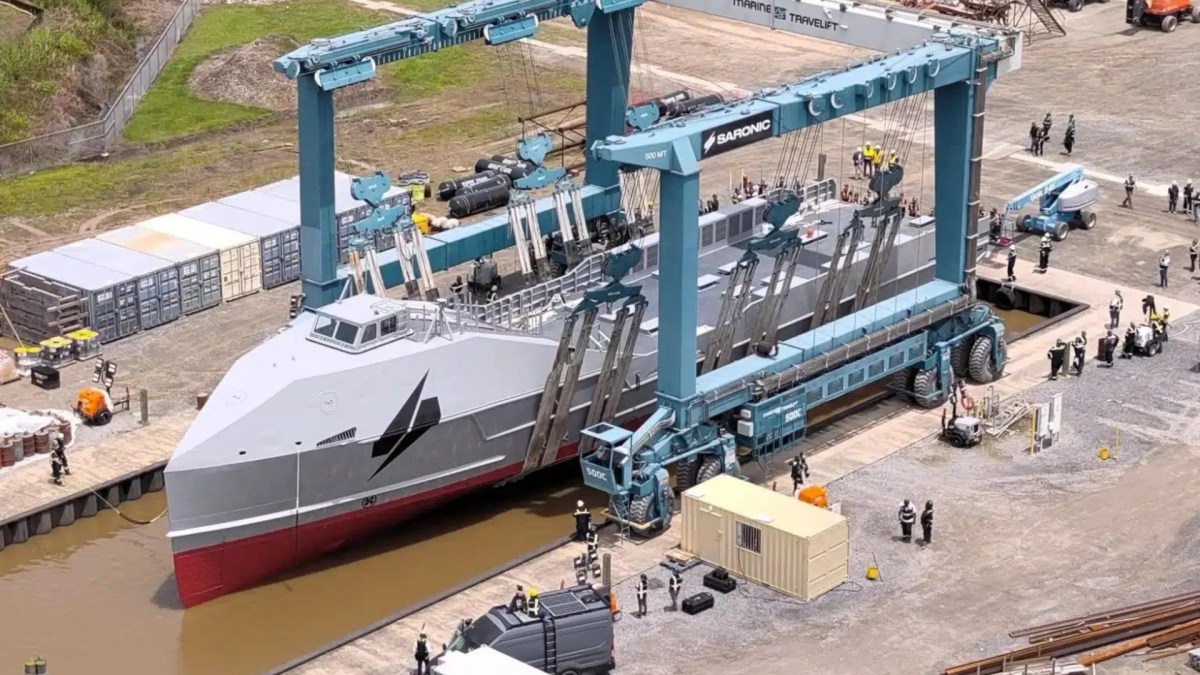
Navy Announces Order for 30 Medium Unmanned Surface Vessels from Three Companies
The Navy has revealed plans to procure 30 new drone ships, allocating 10 units each to Galliano Marine Services, Huntington Ingalls Industries, and Saronic Technologies under its Medium Unmanned Surface Vessel (MUSV) program. This initiative marks a significant advancement in the Navy's efforts to deploy larger unmanned surface vessels after facing numerous challenges in the past. These contracts, awarded through Other Transaction Authority agreements, aim to accelerate the development of these vessels, with an average cost of $40 million each, totaling $1.2 billion for the entire order. Chris Miller, the Navy’s Acting Direct Reporting Portfolio Manager for Robotic and Autonomous Systems, emphasized the importance of these agreements in transforming strategic visions into operational capabilities. Production is set to commence immediately at shipyards in Louisiana, with deliveries expected to start in the fourth quarter of Fiscal Year 2027. As the Navy continues to refine its definition of medium USVs, the operational capabilities and requirements for these vessels will be critical to their success in various maritime missions.
Sea Navies News & Features U.S. Navy Unmanned Surface Vessels (USVs)
The Importance of AI Security in Food and Beverage Manufacturing Processes
The integration of AI in food and beverage manufacturing presents both opportunities and risks, particularly concerning cybersecurity. As AI enhances connectivity on the factory floor, it simultaneously exposes sensitive data to potential cyberattacks, which can have severe financial and reputational consequences. Scott Alldridge, a board advisor at the Cybersecurity Association of the Food Industry, emphasizes that any alteration to systems can compromise food safety, regardless of data theft. With the increasing complexity of manufacturing facilities, traditional systems are inadequate to combat modern cyber threats. AI technologies, while improving efficiency through applications like drones and data collection, necessitate stringent cybersecurity measures to protect sensitive information. Food and beverage companies must ensure that customer data is not shared with external AI providers and that all data processing occurs within secure environments to maintain compliance and data sovereignty. Looking ahead, manufacturers must prioritize AI governance to ensure safety and accuracy in outputs. This includes implementing robust validation controls and technical guardrails to prevent unsafe AI responses. As the reliance on AI grows, the responsibility for security and data integrity will increasingly fall on both manufacturers and SaaS providers, necessitating rigorous audits and adherence to best practices.
Process / Analytics
PrismML Unveils 1-Bit Bonsai LLM for Qualcomm-Powered AI Smart Glasses
PrismML, an AI lab founded by Caltech researchers, has introduced its 1-bit Bonsai language model tailored for smart glasses utilizing Qualcomm's Snapdragon chips. This model, showcased at Qualcomm's Snapdragon Summit, is designed to operate locally on AI glasses built on the Snapdragon AR1 Gen 1 platform, featuring a 2-billion-parameter model optimized for vision and language interaction. The significance of this development lies in PrismML's ability to reduce the size of larger models by four times while maintaining performance on standard benchmarks. This approach aims to promote open-weight AI that leverages existing device computing power, positioning itself as a viable alternative to proprietary AI solutions that depend on external computing resources. Looking ahead, while the Qualcomm announcement marks progress towards this vision, no specific smart glasses equipped with PrismML's model have been disclosed yet. The industry will be watching for future product launches that could integrate this innovative technology into consumer devices.
Models & LLMs Physical AI Technology & Infrastructure Wearables 1-Bit Bonsai LLM AI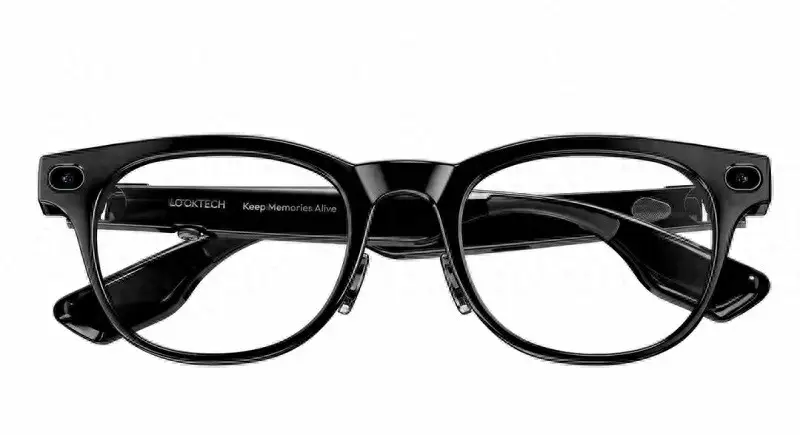
Looktech Unveils AI Glasses Featuring Brain-Computer Interface for Monitoring Emotions and Fatigue
At a recent exhibition in France, Looktech introduced a groundbreaking product, claiming to be the world's first consumer-grade AI glasses equipped with a brain-computer interface. These glasses not only provide visual and auditory capabilities but also interpret the user's thoughts through embedded EEG sensors that collect brainwave data in real-time. The AI analyzes this data to assess emotional states, fatigue levels, and even conduct preliminary brain health monitoring. This innovation signifies a shift in smart glasses from merely being external displays to becoming personal companions that can interact with the brain. In addition to brainwave monitoring, the glasses offer all-day health tracking, such as sunlight exposure reminders for vitamin D intake and alerts to stretch the neck when the user looks down for too long. Weighing less than 30 grams and featuring carbon fiber arms, the glasses have a more refined aesthetic, resembling traditional eyewear rather than typical smart glasses. The introduction of brain-computer interfaces in consumer devices presents new opportunities for proactive health management. However, challenges remain regarding privacy, accuracy, and ethics, particularly in the collection and analysis of physiological data. As Looktech's product indicates, the future of smart glasses may involve them becoming an extension of human sensory perception.
AI Glasses Brain-Computer Interface Health Monitoring Wearable Technology
Yushu's Market Value Declines from 444.9 Billion to 203.6 Billion Amid Reassessment
Yushu's market value has significantly decreased from 444.9 billion to 203.6 billion, prompting a reassessment of its market position. This decline highlights the volatility in the market and raises questions about the sustainability of its previous valuation. The reduction in market value is crucial as it reflects broader trends in investor sentiment and market dynamics. Stakeholders are now closely monitoring Yushu's strategic responses to this downturn, which could influence future investment decisions and market confidence. Looking ahead, industry observers will be watching for Yushu's next moves and any potential recovery strategies. No further timeline was disclosed at the time of publication.
Robotics Automation AI
InVia Robotics Advises Mid-Sized Warehouses to Focus on Workflow for Automation Assessment
InVia Robotics has recommended that mid-sized warehouse operators prioritize workflow complexity over facility size when evaluating automation options. In a blog post dated September 25, 2026, the company emphasized that automation does not always require significant capital investment or a large fleet of robots. Instead, it suggested that operators utilize warehouse execution system (WES) software to enhance task prioritization and coordination. The approach encourages logistics professionals to analyze operational data, including daily order volumes and labor efficiency, rather than merely focusing on headcount. InVia highlighted that even smaller warehouses can incur high operating costs due to inefficient workflows, such as excessive labor travel and poorly organized inventory. By identifying bottlenecks and measuring their costs, operators can implement targeted automation solutions effectively. InVia's phased approach to automation begins with baseline measurements and task orchestration through WES, allowing operators to consider hardware like autonomous mobile robots (AMRs) only after identifying constraints. This model is particularly relevant for UK and European retailers and logistics providers aiming to enhance throughput without extensive facility redesigns. No further timeline was disclosed at the time of publication.
WMS & SCM Software AMR and AGV warehouse automation warehouse operations WES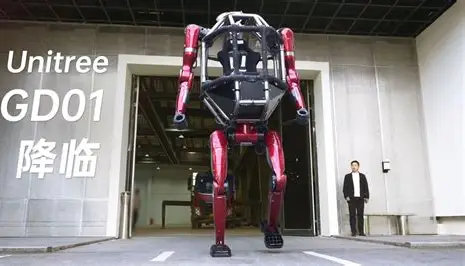
Wang Xingxing Discusses 3.9 Million Passenger Mecha and Future of Large Robots
Wang Xingxing has addressed the development of a 3.9 million passenger mecha, emphasizing that if Yushu fails to succeed, other companies will take the lead in this technology. He highlighted that large robots are becoming an inevitable trend in the industry, reflecting a shift towards more advanced robotic solutions. This statement is significant as it underscores the competitive landscape in the robotics sector, where innovation and technological advancements are crucial for success. The mention of Yushu indicates a specific player in the market, while Wang's comments suggest a broader acceptance of large robots as a necessary evolution in robotics. Looking ahead, the industry will likely see increased investment and development in large robotic systems. No further timeline was disclosed at the time of publication, but the emphasis on large robots suggests that companies will need to adapt quickly to remain competitive in this evolving market.
Robotics Automation AI
Laurent Chesseret Appointed to Oversee Construction of Arabelle's New Nuclear Plant
Catherine Cornand, the president of Arabelle Solutions, has appointed Laurent Chesseret to supervise the construction and commissioning of a new nuclear heat exchanger factory in Chalon-sur-Saône. This facility represents a significant investment of 100 million euros. The establishment of this factory is crucial for Arabelle Solutions as it aims to enhance its capabilities in the nuclear sector. The investment reflects the company's commitment to advancing nuclear technology and meeting the growing demand for efficient heat exchangers in the industry. As the project progresses, stakeholders will be keen to monitor the development timeline and any potential challenges that may arise during the construction phase. No further timeline was disclosed at the time of publication.
Nucléaire
Vals Secures $40M Series A Funding Led by Andreessen Horowitz for AI Benchmarking
Vals, an AI benchmarking startup founded in 2024, has successfully raised $40 million in a Series A funding round led by Andreessen Horowitz. This follows a previous seed round backed by 8VC and Bloomberg Beta. Co-founder Rayan Krishnan highlighted that Vals aims to address the shortcomings of traditional academic benchmarks, which struggle to keep pace with advanced AI models. The significance of Vals' approach lies in its undisclosed evaluation materials, which prevent companies from training their models to pass specific tests. Instead of focusing on general knowledge, Vals evaluates models based on their performance in real-world tasks across various sectors, including law, finance, and coding, while also considering potential negative impacts in areas like cybersecurity and mental health. Looking ahead, Vals has launched a program to provide model evaluations to federal agencies, and Krishnan anticipates that such benchmarks will become increasingly important as AI companies aim for public offerings. No further timeline was disclosed at the time of publication.
AI Funding & Investment AI AI-driven platform Andreessen Horowitz capital markets funding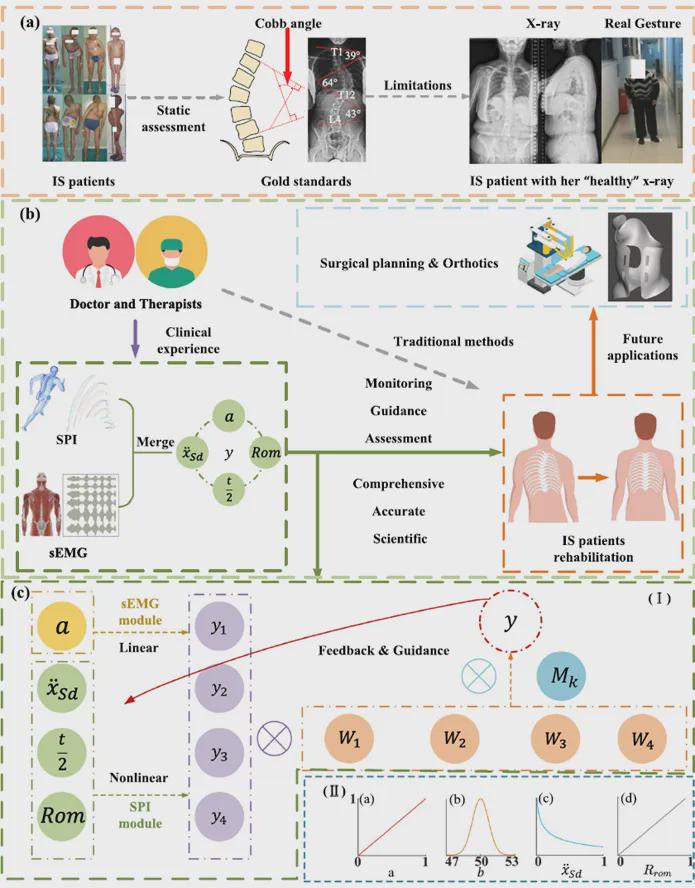
New Multi-Modal Dynamic Assessment Method for Idiopathic Scoliosis Rehabilitation Developed
A research team led by Professor Jianfeng Li from Beijing University of Technology has developed a novel multi-modal dynamic assessment method for patients with idiopathic scoliosis (IS). This method integrates surface electromyography (sEMG) and spatial positioning information (SPI) to monitor and evaluate rehabilitation movements, addressing the limitations of traditional static imaging methods that fail to capture dynamic spinal function during movement. The significance of this development lies in its ability to provide a quantitative assessment of rehabilitation quality, muscle coordination, and dynamic balance, which are critical for effective treatment of IS. The study, published in 'Medical & Biological Engineering & Computing,' demonstrates that the new system can accurately evaluate the quality of rehabilitation movements by analyzing muscle activation and spatial movement data, offering insights into the effectiveness of rehabilitation exercises. Looking ahead, the research team aims to enhance the system by exploring wearable assessment solutions using inertial measurement units (IMUs) and portable sEMG devices. They plan to expand their patient sample size and conduct long-term clinical validations to advance the technology towards portable, intelligent, and clinically applicable solutions for IS rehabilitation.
Rehabilitation Technology Scoliosis Assessment Dynamic Evaluation Surface Electromyography Medical Engineering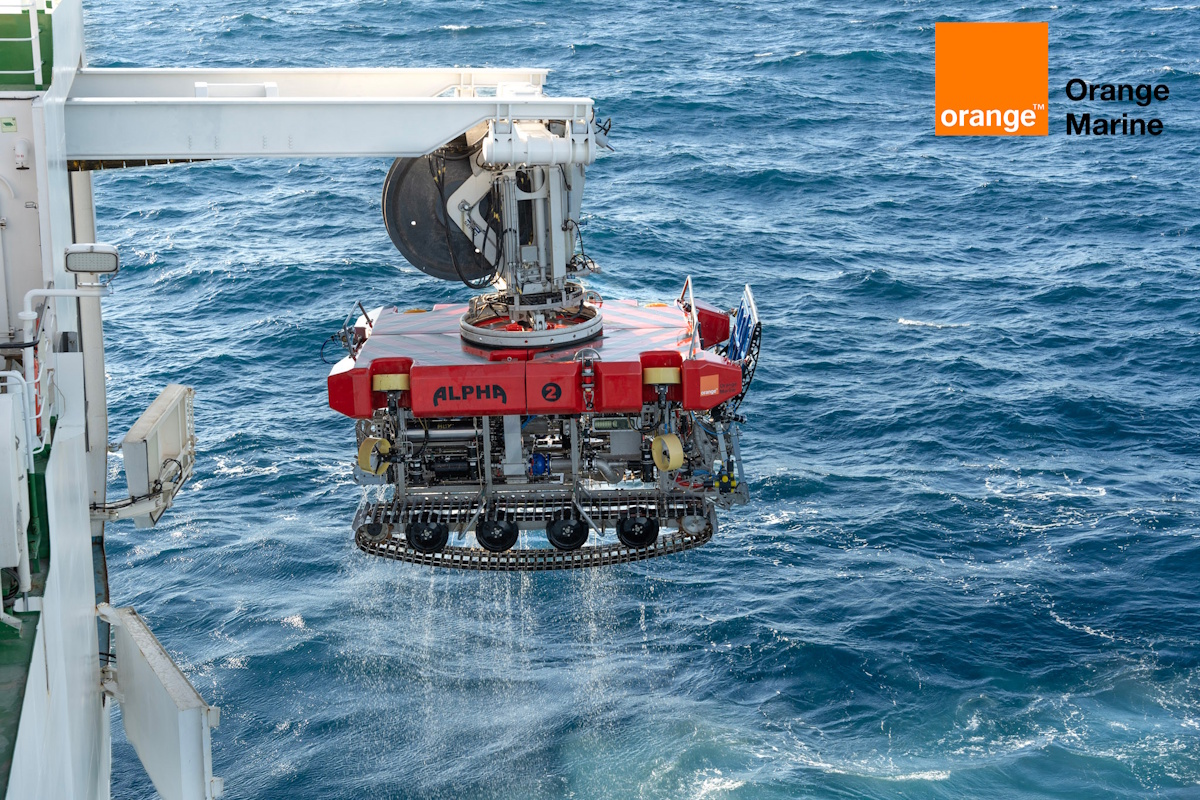
Global Marine Collaborates with Orange Marine for Advanced Alpha ROV on New Vessel
Global Marine has partnered with Orange Marine to supply a next-generation Alpha Remotely Operated Vehicle (ROV) for its new cable maintenance vessel, currently under construction. This collaboration merges Global Marine's extensive subsea cable maintenance experience with Orange Marine's specialized vehicle manufacturing expertise. The Alpha ROV is designed to meet the rigorous demands of telecommunications and power subsea cable operations, featuring 450 kW of power and the capability to operate at depths of 3,000 meters. This advanced vehicle will enhance Global Marine's operational flexibility and efficiency in subsea cable inspection, maintenance, and repair tasks. The new ROV will be deployed on a hybrid-powered cable maintenance vessel, set for delivery in Q4 2029, which signifies a substantial investment in fleet modernization. This initiative positions Global Marine to better support long-term maintenance agreements and capitalize on the growing subsea cable market, as noted by CEO Simon Hibberd.
global marine partnership orange marine alpha rov cable maintenance vessel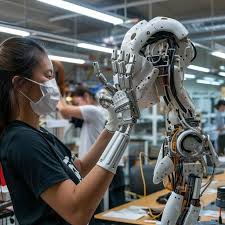
Geekplus Launches European Innovation Lab in Düsseldorf
Geekplus has inaugurated a new European Innovation Lab located in Düsseldorf. This facility aims to enhance the company's research and development capabilities in the region. The establishment of the lab is significant as it underscores Geekplus's commitment to innovation and its strategic expansion within the European market. This move is expected to foster collaboration with local partners and accelerate the development of advanced robotics solutions. Looking ahead, it will be important to monitor the lab's contributions to Geekplus's product offerings and its impact on the European robotics landscape. No further timeline was disclosed at the time of publication.
Allgemein Humanoide Robotik Mobile Robotik Newsarchiv Veranstaltungs-Highlights
Odyssey Launches Odyssey-3 World Model for Robots, Humanoids, and Drones
Odyssey has unveiled Odyssey-3, a versatile world model designed to control robots, humanoids, autonomous vehicles, and drones using a unified AI system. This autoregressive diffusion transformer is trained on a diverse set of visual observations, allowing it to adapt with minimal task-specific data. The model has been pre-trained to understand physics, motion, and human behavior, enabling developers to create tailored action decoders for various systems. The significance of Odyssey-3 lies in its potential to streamline the training process for humanoid robots. In collaboration with Flexion, Odyssey is exploring how pretraining can minimize the data required for teaching new skills. Flexion has successfully developed control policies for tasks like object manipulation using only a small amount of teleoperation data, demonstrating improved generalization over traditional models. Looking ahead, Odyssey plans to publicly release Odyssey-3 in the coming weeks. The company is also collaborating with Poke & Wiggle to assess the model's adaptability across different robot types and control systems. This initiative could reshape how robots learn and adapt to new environments, enhancing their operational capabilities significantly.
AI AI Funding & Investment Robotics autonomous vehicles Flexion humanoid robotics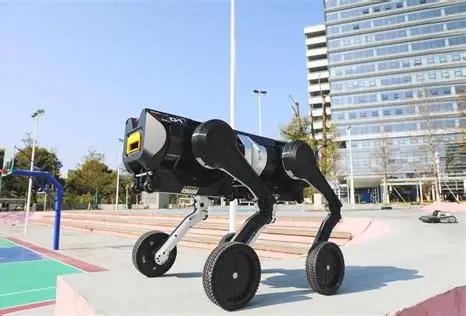
Benmo Power Successfully Passes HK Listing Hearing as Student of Li Zexiang Launches IPO
On September 17, Benmo Power (Beijing) Technology Co., Ltd. successfully passed its listing hearing with the Hong Kong Stock Exchange. Founded by Zhang Di, a graduate of Beijing Institute of Technology and a master's student under Li Zexiang at Hong Kong University of Science and Technology, the company focuses on robot technology with direct drive technology as its core capability. Benmo Power primarily engages in the sales of robot power modules in China, with projections indicating that by 2025, the company will achieve a total revenue of 282 million yuan, with approximately 97.4% of this revenue coming from direct drive modules for consumer products like robotic vacuum cleaners. According to Frost & Sullivan, the company ranks eighth in China's consumer robot power module industry with a 2.4% market share and holds the top position in the direct drive module sector with a 61.1% market share. Looking ahead, Benmo Power's product line is set to expand, with the upcoming release of the P0610 series embodied joint modules in 2026. The company's ability to transition from component sales to complete robot systems will be crucial in capturing the humanoid robot market, which represents a significant growth opportunity in the robotics sector.
Robotics Direct Drive Technology Consumer Robotics IPO Automation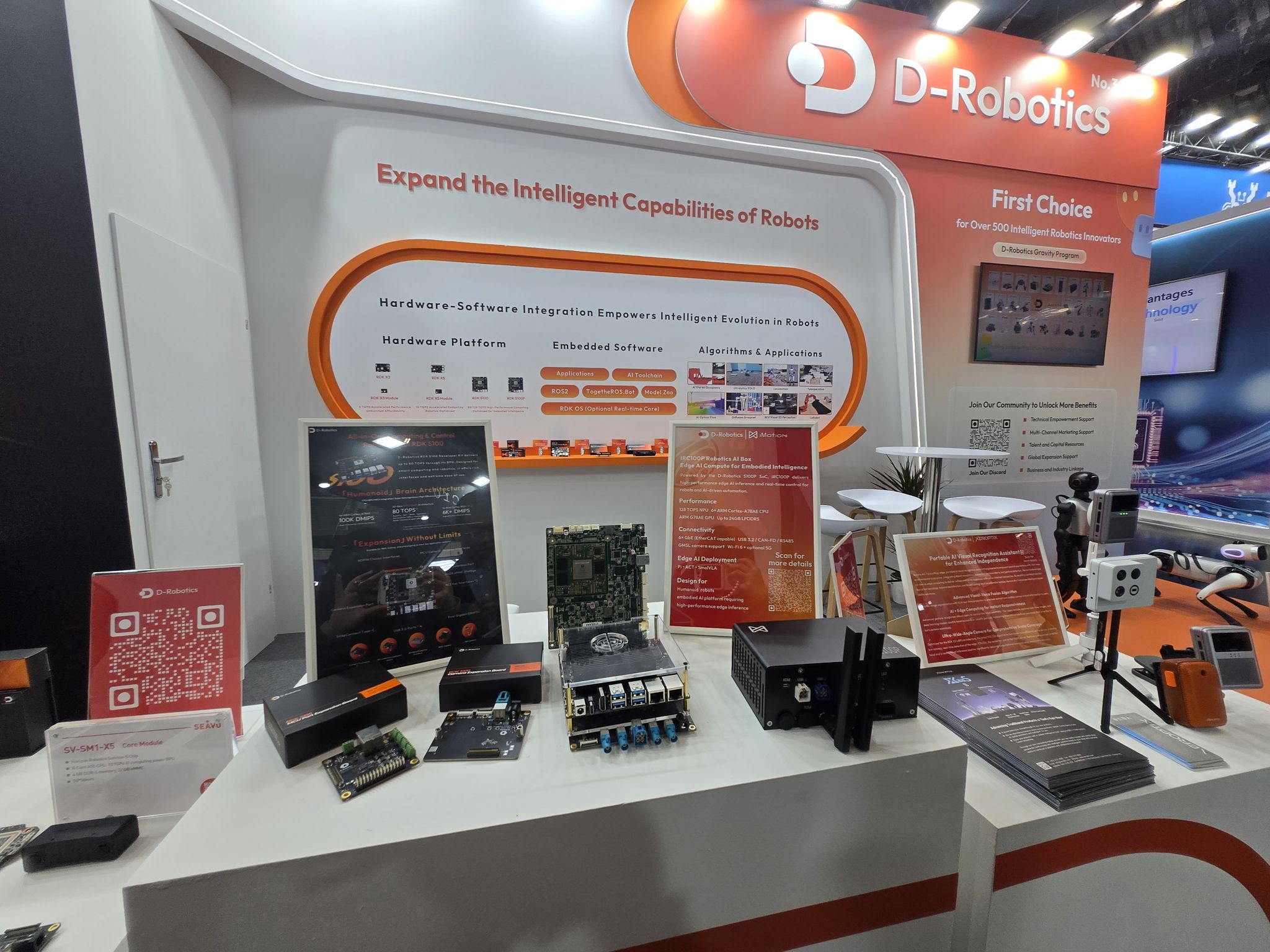
Mirae Asset Leads $400 Million Funding Round for D-Robotics' Robot Development Platform
D-Robotics announced that it has secured $400 million in funding, led by Mirae Asset. This investment aims to enhance the company's platform designed to support the development of robots across established categories and general-purpose humanoid robots. The funding is significant as it underscores the growing interest and investment in robotics technology, particularly in the realm of humanoid robots. D-Robotics' focus on developing a versatile platform could position it favorably in a competitive market, attracting further partnerships and innovations in robot design and functionality. Looking ahead, industry observers will be keen to see how D-Robotics utilizes this funding to advance its platform and what new developments may emerge in the humanoid robotics sector. No further timeline was disclosed at the time of publication.
Artificial Intelligence Investments News Robotics China d-robotics
He Xiaopeng Discusses the Embodied Intelligence Bubble and Genuine Innovation
At a Tsinghua University presentation on September 16, He Xiaopeng addressed concerns regarding the pace of embodied intelligence commercialization, acknowledging an overzealous investment climate. He emphasized that while bubbles exist in every industry, the true innovation lies beneath the surface. He highlighted the potential for rapid advancements in physical AI, suggesting that its impact on daily life may exceed expectations. He Xiaopeng revealed that 98% of the Xiaopeng Robotics team holds advanced degrees, with 18% being PhD students. The company plans to hire over 8,000 employees annually from 2025 to 2027, with more than half of these positions focused on campus recruitment. Approximately 40% of this year's job openings are related to physical AI, alongside roles in modeling, robotics, autonomous driving, and manufacturing. Looking ahead, He Xiaopeng advised companies to focus on core competencies and collaboration rather than spreading resources too thin. He noted that larger companies should embrace uncertainty and invest in cutting-edge projects while maintaining a keen awareness of market trends. He underscored the importance of identifying long-term goals and aligning with the right teams in a rapidly evolving landscape.
Embodied Intelligence AI Development Recruitment Strategy Technology Innovation
Yin Fangming Addresses Embodied Intelligence at SCO Forum; Chinese Team Evaluates GPT-6 Astra
Yin Fangming, Chairman of Galaxy General, spoke on embodied intelligence at the SCO Digital Economy Forum, emphasizing open collaboration. He proposed two main approaches: providing mature technology and product solutions, and partnering with local industries to tailor robotic solutions to regional needs. This perspective highlights China's strategy to address data scale disparities in the context of significant investments in embodied intelligence by companies like OpenAI. In less than two weeks since its release, a Chinese team was the first to systematically assess the capabilities of GPT-6 Astra. The report, authored by a doctoral student of Professor Wang He, founder and CTO of Galaxy General, compared OpenAI's GPT-6 Astra with the π0.5 model. The hybrid architecture achieved a score of 62.60 and a 48% success rate on ten dual-arm tasks in the Robo Dojo benchmark, nearly double the score of the top entry on the public leaderboard. The report indicates breakthroughs in the generalization of American large models for embodied control, with the pace of advancements in the embodied intelligence domain exceeding expectations. Industry insiders revealed that OpenAI has invested over 10 billion yuan to acquire vast amounts of embodied data, surpassing any Chinese company. As the industry evolves, metrics such as operational duration, repurchase rates, and unit economics may redefine rankings in the embodied intelligence sector in the coming years.
Embodied Intelligence Robotics AI Machine Learning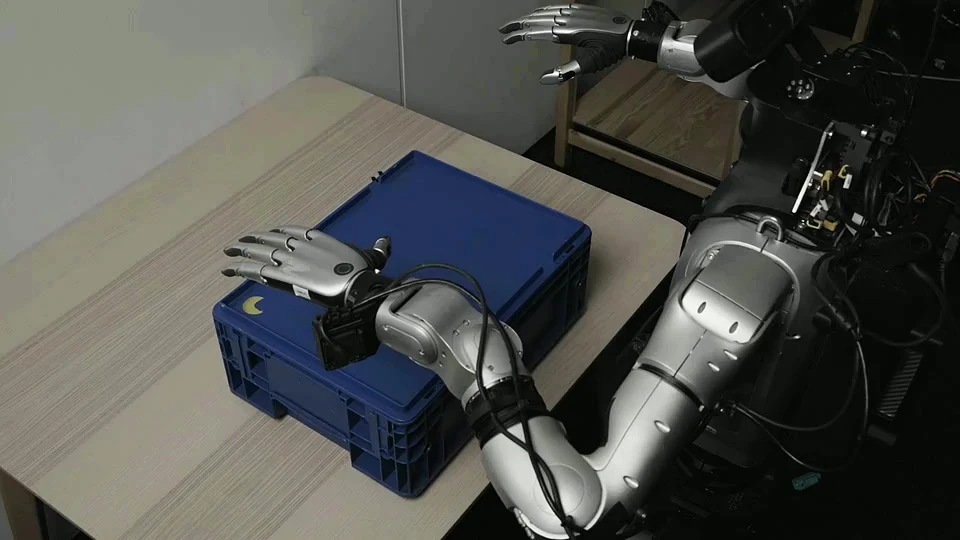
Odyssey Introduces Odyssey-3, Collaborates with Flexion for Humanoid Control Advancements
Odyssey has launched Odyssey-3, a foundational world model designed to enhance robot control and interactive simulated environments. This development is part of a research collaboration with Swiss autonomy firm Flexion, which has utilized extensive humanoid teleoperation data to create control policies based on Odyssey's model. The partnership aims to integrate Odyssey's visual pretraining with Flexion's expertise in robot learning and whole-body control. The significance of this announcement lies in its potential to advance humanoid robotics. Odyssey-3 is capable of performing real-time tasks, even under varying lighting conditions that typically challenge existing vision-language-action systems. The collaboration with Flexion is pivotal, as it combines their efforts in developing a world action model for practical applications, showcasing humanoids executing tasks such as opening containers and arranging tableware. Looking ahead, the collaboration between Odyssey and Flexion represents a significant step in the evolution of humanoid robotics. The development of control policies using extensive teleoperation data indicates a promising direction for future advancements. No further timeline was disclosed at the time of publication.
Europe Flexion
WaiV Robotics Achieves First Autonomous Nighttime Landing on Moving Vessel
WaiV Robotics has successfully conducted a series of open-sea demonstrations showcasing its autonomous drone launch and recovery system. Notably, the company achieved the first-ever autonomous maritime takeoff and landing at night, marking a significant milestone in maritime technology. This achievement is crucial as it demonstrates the capabilities of WaiV's patented catch-lock-release mechanism and AI-powered predictive algorithms. These technologies enable drones to land on moving vessels, enhancing operational efficiency and safety in maritime operations. Looking ahead, the advancements made by WaiV Robotics could pave the way for further innovations in autonomous maritime systems. No further timeline was disclosed at the time of publication.
Drones News autonomous drones autonomous landing autonomous systems drone landing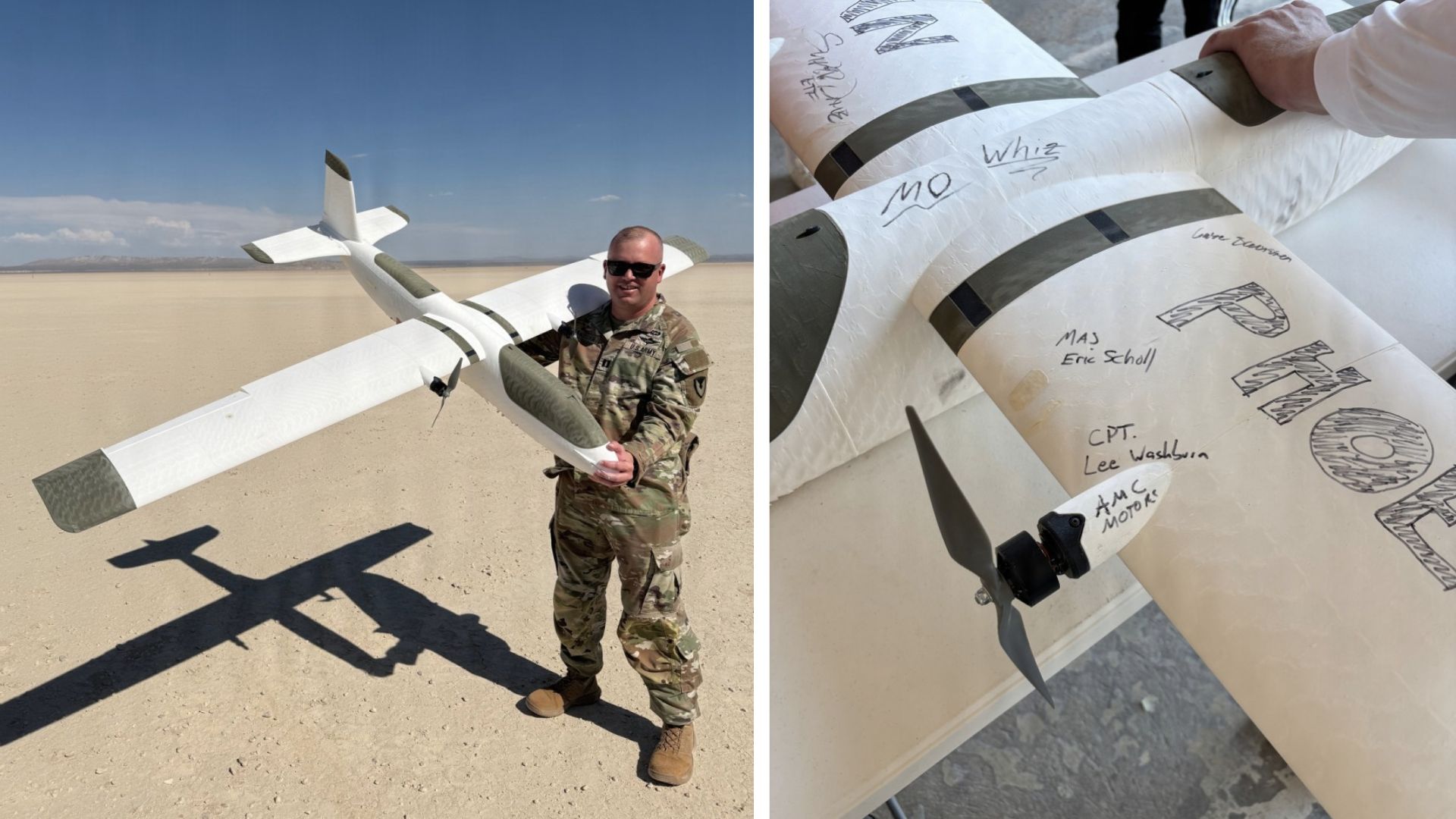
Battery-Powered Drone Sets New Endurance Record with Army-assembled Propulsion System
A battery-powered drone has set a new world endurance record by flying for over eight hours in desert conditions. This achievement was made possible by propulsion components assembled at the Army’s organic industrial base, specifically two brushless direct current motors from Tobyhanna Army Depot. The drone, which flew for 300 miles, surpassed the previous record by 50 minutes during the Game of Drones 26-2 demonstration at Edwards Air Force Base, California. This milestone is significant as it showcases the Army's commitment to innovation in uncrewed systems and highlights the importance of domestic production capabilities. Army Capt. Lee Washburn emphasized the role of the Army in providing material solutions to support drone dominance and refining components for operational use. The rapid on-site manufacturing process involved designing the drone in under 10 minutes and fabricating it within 24 hours using commercial 3D printers. Looking ahead, the Army aims to continue enhancing its organic industrial base to reduce foreign dependencies on critical parts. The success of this event illustrates the potential for collaboration between industry and government to achieve remarkable results in defense technology. No further timeline was disclosed at the time of publication.
Military
Gaode's Two Decades of Traffic Data Transforms into AI's Key Asset
On September 10, Gaode launched ABot-Earth 0.7, a 3D native city world model covering 196 countries and regions. This model leverages two decades of accumulated spatiotemporal data, including trillions of data points from roads, buildings, and user interactions. The significance of this data is underscored by the challenges faced by autonomous driving companies, which spend heavily to gather real-world data, and robotics firms that rely on costly manual data collection. Gaode's extensive dataset positions it uniquely in the competitive landscape of world models, where real-world data is becoming increasingly critical. The ABot-Earth 0.7 model enables real-time interactive 3D digital twin experiences, enhancing navigation and travel recommendations. However, while the model showcases impressive capabilities, it primarily serves Gaode's own applications, raising questions about its broader applicability in interactive environments. The future of Gaode's AMAP-AI Inside strategy is pivotal. With partnerships in smart vehicles and other technologies, Gaode could transition from a mapping company to a foundational infrastructure provider for physical AI. The true test will be whether Gaode is willing to share its valuable data capabilities with companies striving to enhance robots' understanding of the physical world. No further timeline was disclosed at the time of publication.
AI Spatial Data 3D Modeling Navigation Technology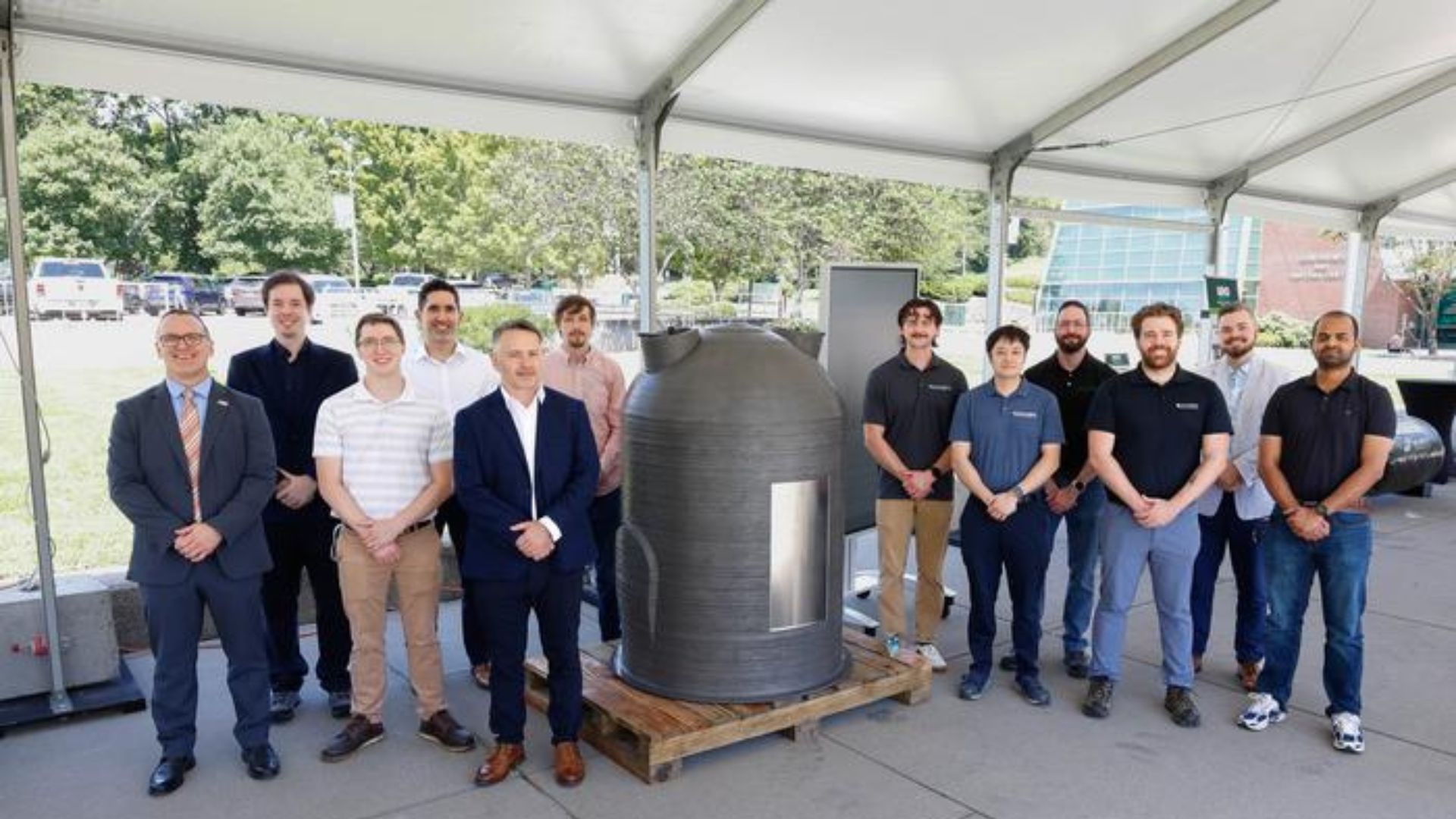
Oak Ridge National Laboratory Utilizes Robotics to 3D Print Steel Pressure Vessel for Nuclear Applications
Oak Ridge National Laboratory (ORNL) and its industry partners are leveraging advanced manufacturing technologies, including heavy 3D printing and AI-driven automation, to address challenges in the U.S. industrial supply chain. A notable achievement includes the creation of a three-by-five-foot nuclear pressure vessel using a three-armed robot named MedUSA, showcasing the potential of additive manufacturing in producing large metal components. This initiative is crucial as the U.S. industrial sector grapples with significant operational challenges, including irregular supply chains and a shortage of skilled labor, which have led to delays in critical infrastructure projects. The Materials and Manufacturing Innovation Days event at ORNL brought together over 350 leaders to discuss accelerating the adoption of advanced manufacturing technologies, aiming to transform laboratory innovations into practical applications for U.S. manufacturers. Looking ahead, the focus will be on overcoming certification hurdles for 3D-printed components, as highlighted by participants at the event. The collaboration between ORNL and various industry stakeholders aims to enhance supply chain resilience and expedite the qualification of alternative materials and manufacturing processes, ensuring that advancements in technology translate effectively to the factory floor.
Energy Innovation
Meltio Introduces US-Assembled Meltio Robot Cell for Industrial Metal 3D Printing
Meltio has unveiled a US-assembled version of its Meltio Robot Cell, designed for industrial metal 3D printing. This initiative targets industrial customers throughout the Americas, aiming to enhance accessibility and efficiency in additive manufacturing. The decision to assemble the system in the United States is significant as it aims to minimize shipping and customs delays that typically arise from importing equipment from Spain. This strategic move is expected to streamline operations for customers and improve the overall user experience. Looking ahead, Meltio's focus on local assembly may lead to further innovations and adaptations of the Meltio Robot Cell to meet specific regional demands. No further timeline was disclosed at the time of publication.
Design Engineering Manufacturing News Robotics abb robotics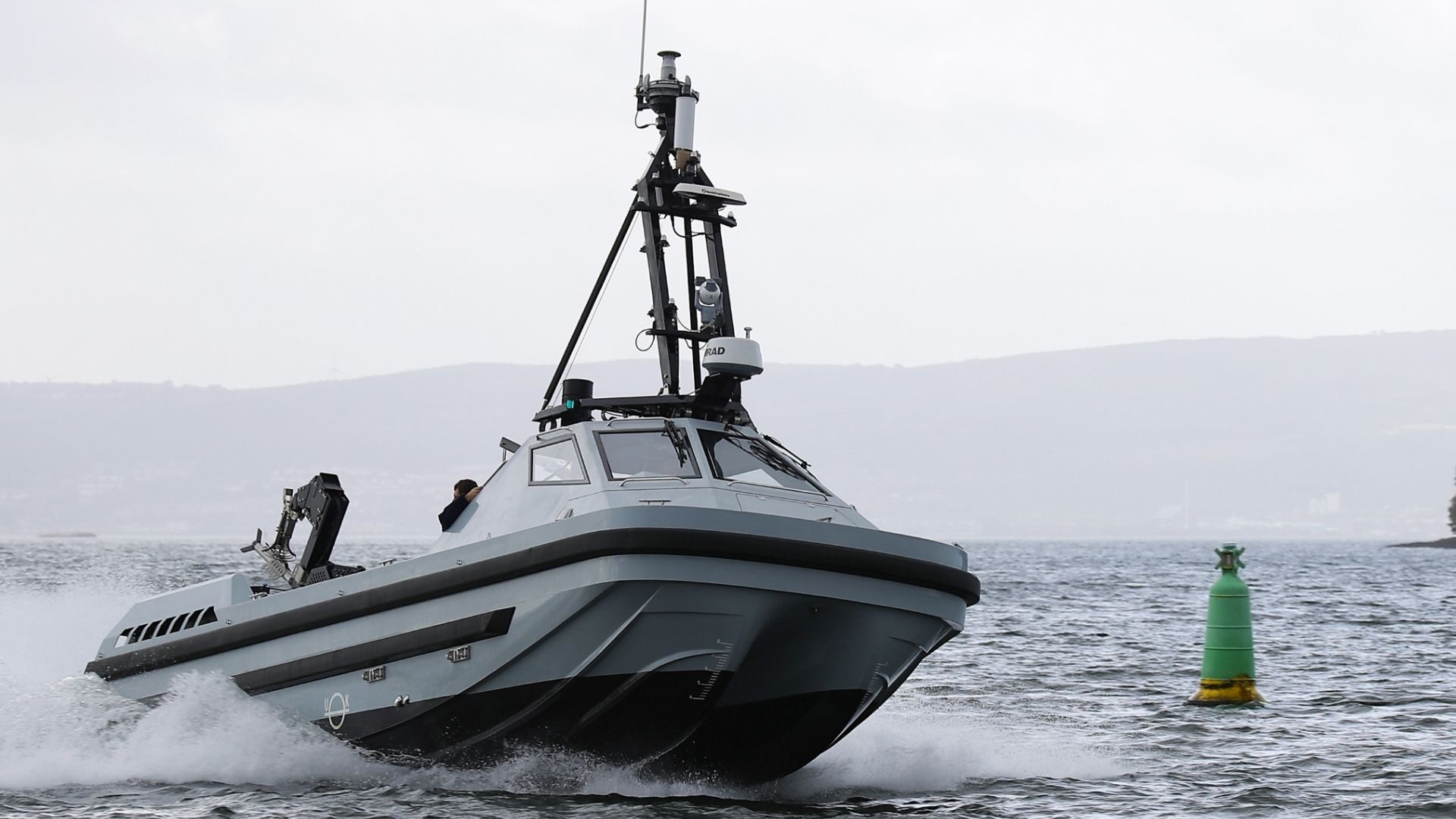
US Navy Demonstrates Robotic Refueling System for Unmanned Vessels at Sea
The US Navy has successfully showcased a robotic system capable of capturing, refueling, and releasing an unmanned surface vessel (USV) at sea. This demonstration, led by the Naval Air Warfare Center Weapons Division, took place off Joint Expeditionary Base Little Creek-Fort Story, Virginia, and involved the T38 USV and a towable refueling system. This innovative capability is significant as it allows USVs to remain deployed for extended missions without the need to return to port for fuel. By reducing the frequency of refueling stops, the Navy can enhance sensor coverage during operations and decrease reliance on crewed support vessels, which is crucial for ongoing testing and operational efficiency. Looking ahead, the robotic refueling system is expected to support the Blue Water Instrumentation program, particularly in trials related to hypersonic systems and precision long-range fires. No further timeline was disclosed at the time of publication.
Innovation Military Science
Mehler Protection to Launch SCILT NAVAL Counter-Drone System for Naval Vessels
German company Mehler Protection is preparing to introduce its new ship-mounted counter-drone system, SCILT NAVAL, at SMM 2026. This system is specifically designed to protect naval vessels from threats posed by FPV drones, loitering munitions, and other unmanned aircraft that can bypass conventional air defenses. SCILT NAVAL aims to serve as a last line of defense, particularly in high-risk areas such as ports and confined waters where response time is critical. The increasing prevalence of low-cost drones presents significant challenges for naval forces, as even well-equipped ships can be vulnerable to simultaneous drone attacks. Traditional long-range air defense systems may struggle to engage targets that approach closely or operate in restricted environments. SCILT NAVAL addresses this gap by providing a comprehensive onboard solution that can engage both individual and multiple drone threats effectively. Looking ahead, SCILT NAVAL's capabilities include a three-stage response process: detection, warning, and engagement. The system utilizes commercially available shotgun calibers for close-range strikes and offers various ammunition types for different operational needs. While human operators will initially make engagement decisions, Mehler Protection indicates that future automation may be possible as regulations evolve. No further timeline was disclosed at the time of publication.
Military
NAWCWD Demonstrates Robotic Towed Connector for Refueling Unmanned Surface Vessel at Sea
The Naval Air Warfare Center Weapons Division (NAWCWD) has successfully demonstrated a robotic towed connector that enables the refueling of unmanned surface vessels (USVs) at sea. This innovation is part of the Blue Water Instrumentation program, aimed at enhancing the operational capabilities of USVs during long-range weapons testing. This advancement is significant as it addresses the challenge of maintaining USVs on station for extended periods without the need for crewed support ships. According to Spencer Holloway, director of BWI’s Future Capabilities Office, the ability to refuel USVs at sea increases mission persistence and coverage, which is crucial for testing hypersonic and precision long-range capabilities. Looking ahead, the successful demonstration, which included the transfer of 400 gallons of fuel during multiple connection cycles, highlights the potential for unmanned refueling to enhance fleet readiness. As noted by Ronald Raymer from U.S. Fleet Forces Command, this capability allows for greater reliance on unmanned vessels in high-threat areas, reducing risks to personnel and enabling more efficient operations.
us navy
Air Force Accelerates Replacement of MQ-9A Reaper Drone Amid Combat Losses
The U.S. Air Force is expediting the replacement of the MQ-9A Reaper drone following significant losses in recent operations against Iran. Lt. Gen. Christopher Niemi highlighted that the accelerated timeline is a response to the concerning depletion of the Reaper fleet, with at least 45 units lost since February's Operation Epic Fury. This urgency underscores the Air Force's need for a new unmanned aircraft, with plans for the Mass Modular Aircraft (MMA) program initiated in July. The Pentagon aims to develop a drone with a one-way range of 8,000 nautical miles and modular capabilities, targeting 20 mission-ready units by fiscal 2031. However, officials are now exploring options to expedite this timeline. Looking ahead, the Air Force intends to procure at least 180 MMA drones, with cost targets set at approximately $10 million each. The DIU aims to prototype within a year and achieve large-scale deployment within three years. The evolving landscape of drone warfare necessitates rapid adaptation and innovation in unmanned systems.
Air Warfare Air Force collaborative combat aircraft Defense Innovation Unit DIU Drones General Atomics
Direct Drive's Modular D1 Robots Self-Recognize Configurations After Assembly
Direct Drive has introduced a modular approach with its D1 robots, allowing multiple units to physically connect. This innovative design enables the robots to automatically recognize their new configurations, adjusting their dynamics models accordingly to accommodate different loads and terrains. This advancement is significant as it enhances the adaptability and versatility of robotic systems in various environments. By enabling self-recognition of configurations, Direct Drive's D1 robots can optimize their performance based on the specific requirements of the task at hand, which is crucial for applications in dynamic settings. Looking ahead, the focus will be on how this technology can be further developed and integrated into broader robotic applications. No further timeline was disclosed at the time of publication.

NexCOBOT Addresses Challenges and Growth in the Physical AI Market
NexCOBOT, showcased at the Robotics Summit & Expo, is navigating the evolving landscape of physical AI. The company, which specializes in motion and safety controllers, has noted a surge in interest from developers of legged robots and mobile manipulators. This trend is underscored by significant acquisitions in the sector, such as Mobileye's $900 million purchase of Mentee Robotics. The implications of these acquisitions are profound for industrial adoption, as highlighted by Jenny Shern, NexCOBOT's general manager. She emphasized that smaller robotics firms possess specialized expertise, while larger tech companies bring the necessary resources to scale innovations. This dynamic is shaping the future of intelligent systems, making acquisitions a strategic move for major players in the tech industry. Looking ahead, NexCOBOT remains focused on scaling its functional safety robotic controllers and fulfilling a robust backlog of global orders. While funding for physical AI has seen fluctuations, the company maintains a stable financial position, indicating resilience amid changing investment landscapes. No further timeline was disclosed at the time of publication.
Artificial Intelligence / Cognition Controllers Healthcare Robotics Human Robot Interaction / Haptics Humanoids Investments
California Assembly Approves 400-Foot Drone Operation Ban Near Entertainment Events
The California State Assembly has passed AB 2113, a bill prohibiting drone operations within 400 feet of outdoor ticketed events and amusement parks. This legislation, which received a unanimous 76-0 vote, aims to enhance safety for attendees and protect intellectual property at major events. The bill's proponents argue that it falls within the state's authority to regulate drone flights to ensure public safety, especially in light of recent concerns regarding unauthorized drone operations. California Assembly Member Tina McKinnor emphasized that the legislation does not conflict with FAA regulations and is crucial for safeguarding large gatherings, including the upcoming 2028 Olympic Games and major music festivals. AB 2113 targets recreational drone pilots and those capturing images for personal or commercial use, while exempting authorized commercial operators and emergency personnel. Violators of this law would face fines of $500. No further timeline was disclosed at the time of publication.
DL Exclusive Drone News Drone News Feeds Feature 1 Legal News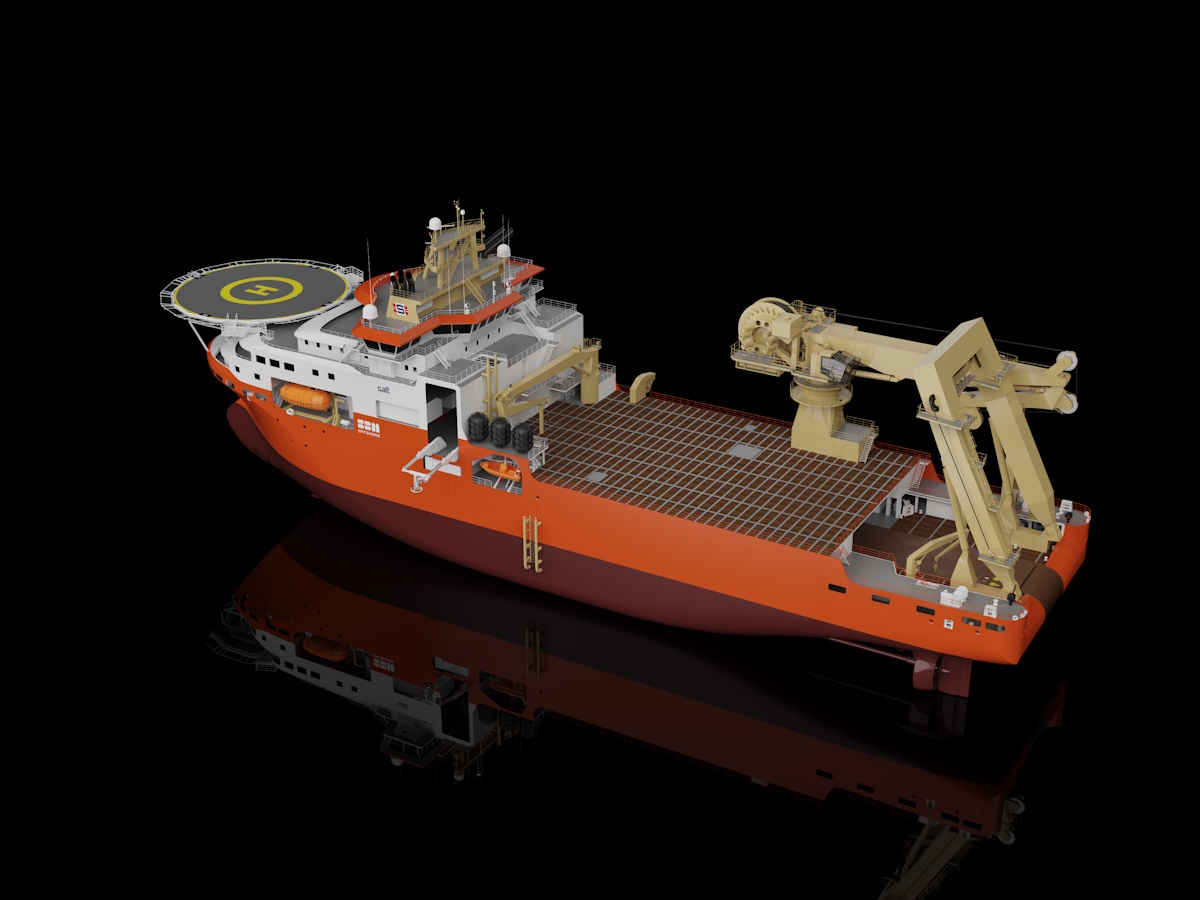
Kongsberg Maritime Wins Contract for Advanced Systems on New Vessel from Solstad/SBM Offshore
Kongsberg Maritime has secured a contract to provide advanced systems for a new vessel being developed by Solstad and SBM Offshore. This collaboration highlights Kongsberg's commitment to enhancing maritime technology and operational efficiency. The contract is significant as it underscores the growing demand for advanced maritime systems that improve safety and performance in offshore operations. Kongsberg's expertise in this area positions it as a key player in the maritime industry, particularly in the context of increasing competition and technological advancements. Looking ahead, industry stakeholders should monitor the implementation of these advanced systems and their impact on operational capabilities. No further timeline was disclosed at the time of publication.
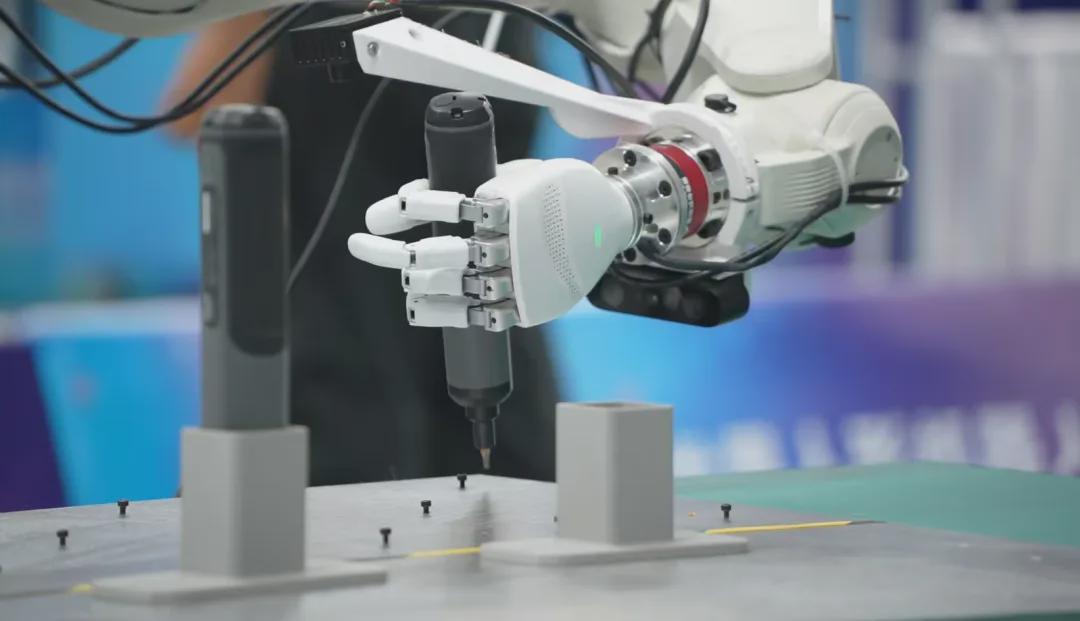
Autonomous Robot Team Achieves Gold in Precision Assembly Challenge
On August 23, the second World Humanoid Robotics Competition featured a critical contest in precision assembly. The Lingxin Qiaoshou team completed the assembly of 18 screws in five minutes, achieving a score of 17 out of 18, winning the gold medal with an 8-point lead over the second place. This team was the only one to participate in all eight events using a fully autonomous mode, while most competitors opted for remote control to navigate environmental uncertainties. The significance of this achievement lies in the team's commitment to fully autonomous operations, which allows robots to independently perceive, decide, and execute tasks in complex environments. This approach not only showcases the robot's capabilities but also addresses the challenges of transitioning from laboratory conditions to real-world industrial applications. The competition environment simulated real industrial conditions, emphasizing the importance of stability and adaptability in robotic operations. The core hardware supporting this success is the Linker Hand O6, a high-performance dexterous hand developed by Lingxin Qiaoshou. Weighing only 370 grams, it can handle loads up to 50 kilograms, demonstrating a significant advantage in both lightweight design and heavy-duty performance. The team's advancements in precision positioning, robust visual capabilities, and closed-loop force control systems are crucial for the future of intelligent manufacturing and automation in various industries.
Robotic Hands Autonomous Robotics Industrial Automation Precision Assembly
Hormuz Commodity Vessel Crossings Reach Lowest Level in Three Months
Recent data indicates that traffic through the Hormuz Strait has significantly decreased, with only two vessels crossing in the latest report. This is a stark contrast to the 10-day average of 14 daily commodity vessels, highlighting a notable decline in maritime activity in this critical shipping lane. The reduction in vessel traffic is significant as the Hormuz Strait is a vital route for global oil and gas shipments. The presence of only one very large gas carrier and one very large crude carrier underscores potential disruptions in supply chains and may impact global commodity prices. Looking ahead, stakeholders in the shipping and energy sectors will be monitoring traffic patterns closely. No further timeline was disclosed at the time of publication, but continued low vessel crossings could signal ongoing challenges in maritime logistics and trade dynamics in the region.
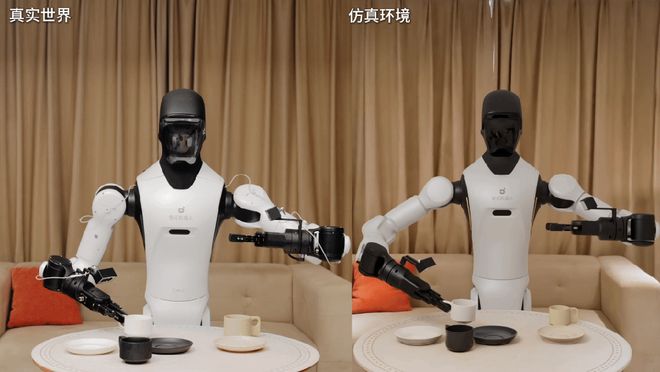
RoboColiseum Unveils Evaluation Platform for Assessing Embodied Intelligence Models
RoboColiseum has launched an evaluation platform for embodied intelligence models, aimed at providing a multidimensional assessment system. This platform, set to be fully operational by August 2026, allows developers to identify strengths and weaknesses in their models through simulations that closely mimic real-world performance. The significance of this platform lies in its ability to bridge the gap between simulated and real-world environments, with a reported correlation of 89.5% between simulation assessments and actual deployments. This high fidelity in simulation helps developers quickly filter models and pinpoint issues before moving to more costly and time-consuming real-world testing. Looking ahead, RoboColiseum plans to continuously update its tasks and assessment dimensions based on industry needs. The platform currently features four capability subcategories and 78 high-fidelity simulation tasks, focusing on instruction following, spatial reasoning, robustness, and general manipulation, ensuring comprehensive evaluation of model performance across various scenarios.
Embodied Intelligence Simulation Evaluation AI Development Robotics Model Assessment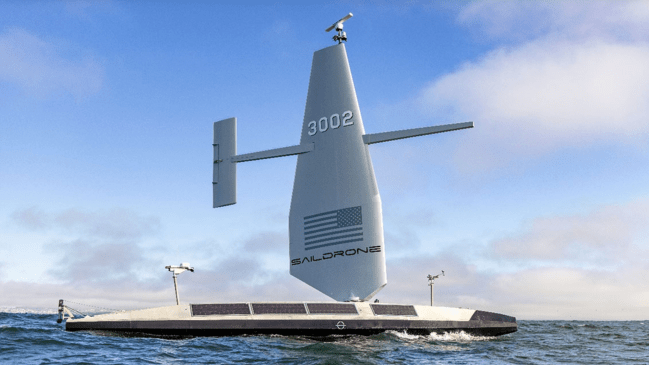
Lockheed Martin and Saildrone Test Missile System on Unmanned Vessel During RIMPAC 2026
Lockheed Martin and Saildrone successfully demonstrated missile launches from an unmanned surface vessel during the RIMPAC 2026 exercise near Hawaii. This integration of Lockheed Martin’s Joint-Air-to-Ground Missile (JAGM) Dual Launcher and Adjunct Remote Engagement System (ARES) on a Surveyor-class Saildrone marks a significant advancement in adapting commercial autonomous platforms for military applications. The demonstration highlights the potential for unmanned vessels to operate alongside traditional naval forces, as evidenced by the vessel's engagement with a surrogate high-speed surface craft while coordinating with the USS Theodore Roosevelt Carrier Strike Group. The rapid development of this system, from concept to live demonstration in just six months, underscores the efficiency of integrating existing defense technologies with commercial platforms. Looking ahead, both companies plan to expand testing capabilities on Saildrone platforms, including the larger Spectre-class vessel. This initiative aims to enhance the operational use of unmanned systems in naval missions, with a focus on integrating advanced weaponry and reducing technical risks associated with deploying new military technologies.
Military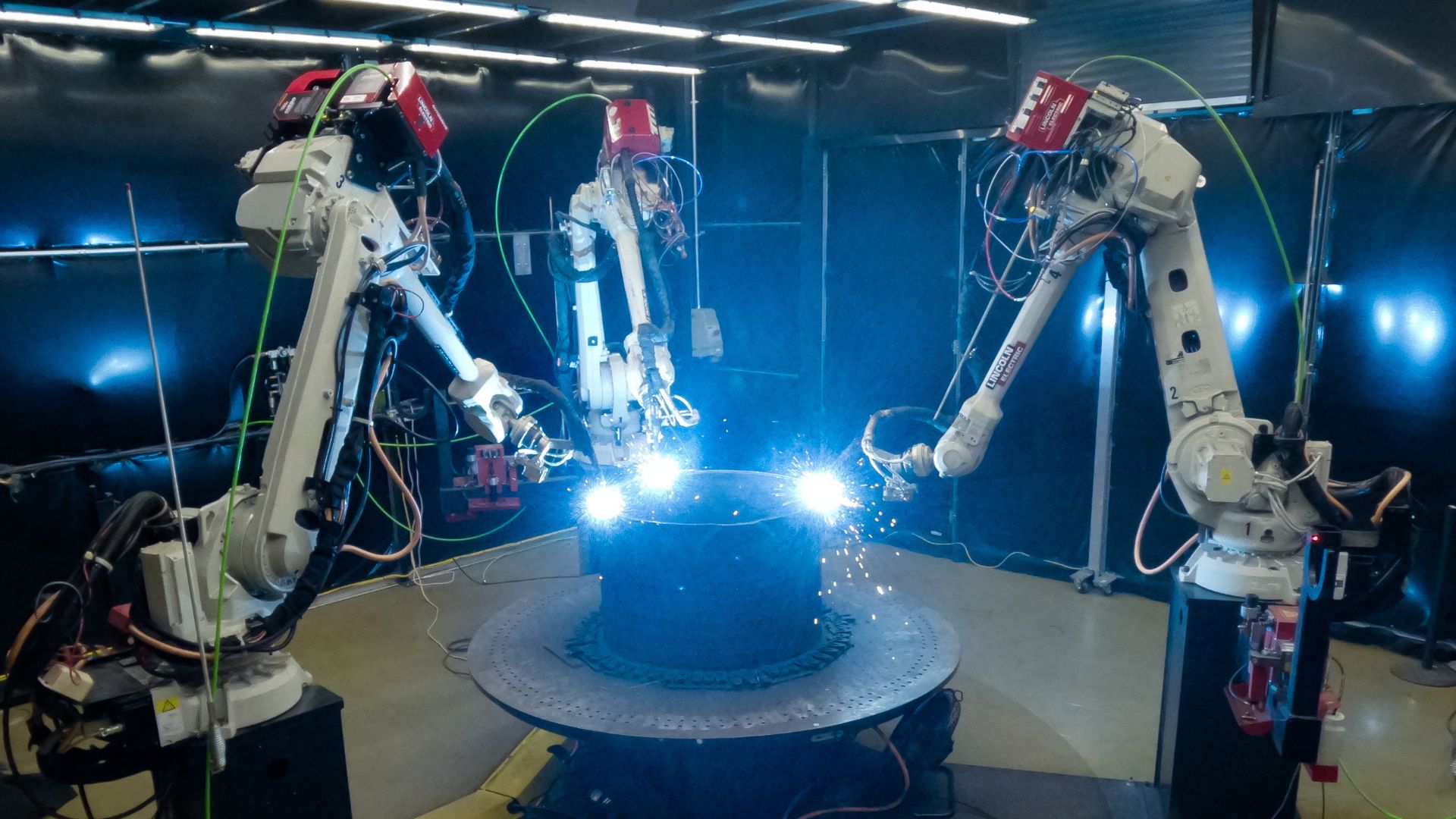
Oak Ridge and Idaho National Labs 3D Print Nuclear Pressure Vessel for US Reactor Expansion
The United States is leveraging large-scale metal 3D printing to overcome manufacturing challenges in its nuclear expansion efforts. Oak Ridge National Laboratory (ORNL) and Idaho National Laboratory (INL) are collaborating to develop wire arc additive manufacturing for industrial pressure vessels, which are essential for withstanding extreme conditions in nuclear applications. This innovative technology addresses the limited domestic forging capacity that could hinder the country's nuclear projects. ORNL recently showcased the process by successfully printing a nuclear-relevant pressure vessel using the MedUSA platform, which coordinates three robotic arms to create complex metal structures. The collaboration aims to ensure that these components meet stringent nuclear requirements while reducing qualification timelines through real-time monitoring and data analysis. Looking ahead, ORNL and INL are focused on integrating large-scale additive manufacturing with digital engineering to produce high-integrity pressure vessels. This approach could not only support the nuclear sector but also have implications for aerospace, defense, and other industries requiring robust components. No further timeline was disclosed at the time of publication.
AI and Robotics Energy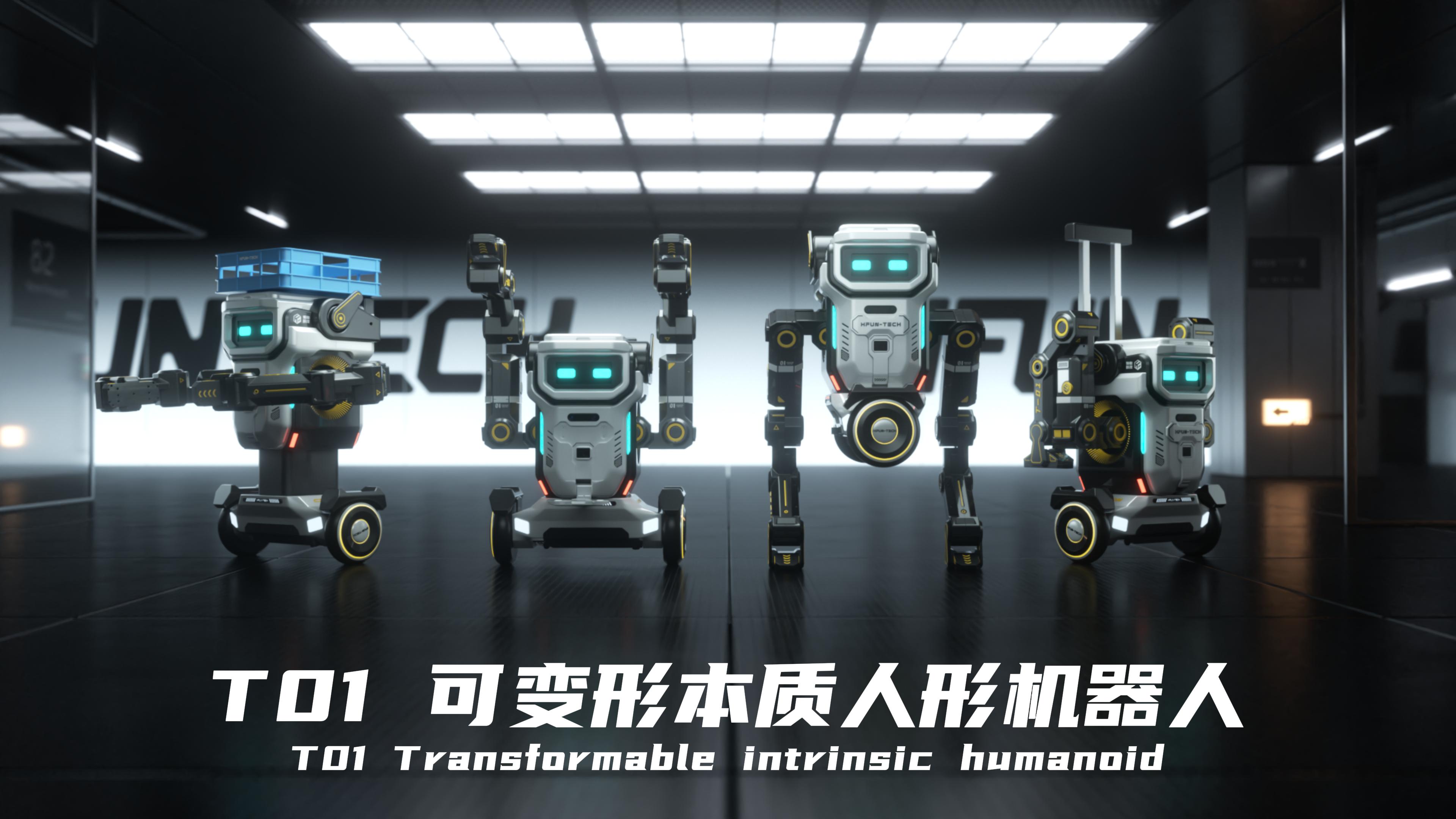
Introducing T01: The World's First Essential Humanoid Robot for Integrated Logistics
Aiyu Technology has unveiled the T01, the world's first essential humanoid robot, at the WRC. This innovative robot shifts the focus from merely mimicking human appearance to enhancing operational capabilities in logistics. Unlike traditional humanoid robots that prioritize human-like features, the T01 emphasizes functional abilities such as bipedal locomotion and dual-arm manipulation. The introduction of the T01 is significant as it challenges the industry's obsession with aesthetics over functionality. Aiyu Technology aims to redefine the capabilities and cost boundaries of humanoid robots, arguing that true efficiency in human environments comes from operational effectiveness rather than superficial resemblance. This approach addresses the structural challenges faced by existing humanoid robots that often incur high costs without improving task efficiency. Looking ahead, the T01 represents a paradigm shift in humanoid robotics, focusing on essential capabilities rather than appearance. As the industry evolves, it will be crucial to monitor how this new approach influences the development and deployment of humanoid robots in various sectors, particularly in logistics and automation. No further timeline was disclosed at the time of publication.
Humanoid Robots Logistics Automation Robotics Technology AI
Trossen Robotics Collaborates with Stereolabs to Enhance Physical AI Data Collection
Trossen Robotics has announced a partnership with Stereolabs to integrate high-fidelity stereo vision into its Physical AI platforms. The collaboration features the Stereolabs ZED X Mini scene camera and dual ZED X Nano wrist cameras, providing synchronized, training-grade visual data for robot-learning teams. This integration is significant as it enhances Trossen's offerings in the Physical AI sector, allowing for improved data collection and analysis. The inclusion of advanced stereo cameras is expected to elevate the capabilities of Trossen's hardware suite, which includes the Trossen Workbench and Rivet platforms designed for bimanual manipulation. Looking ahead, the collaboration aims to streamline the development of robot learning applications by providing robust visual data. No further timeline was disclosed at the time of publication.
Mech-Mind Successfully Passes Hong Kong Listing Hearing with Over 50% Overseas Revenue
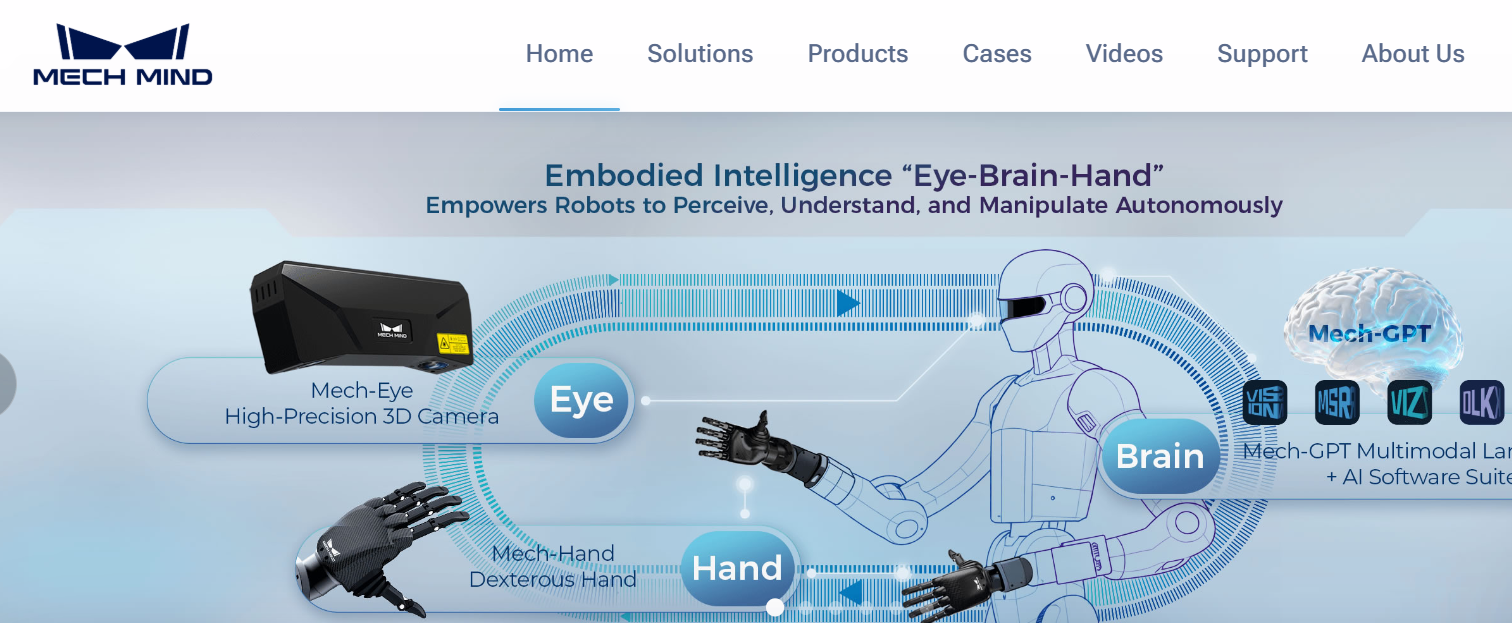
Mech-Mind, a Chinese machine-vision and robotics firm, has successfully passed the listing hearing for the Hong Kong Stock Exchange. Notably, the company's overseas revenue represented 50.3% of its total revenue in 2025. This achievement highlights Mech-Mind's growing international presence and the increasing demand for its innovative 3D-vision systems and software tailored for industrial robots. The applications of these technologies span across logistics, manufacturing, and automotive production, showcasing the company's versatility in various sectors. Looking ahead, stakeholders should monitor Mech-Mind's market performance post-listing and its ability to leverage its overseas revenue streams for future growth. No further timeline was disclosed at the time of publication.
News Feed
First Standing Passenger Drone Urban Launches with No License Required
The world's first standing passenger drone, named Urban, was launched by KuFly, showcasing its capabilities during a global product release event in Hangzhou. This innovative flying device allows users to stand on a flat platform, avoiding ground traffic and significantly reducing commute times. For instance, a journey from Hangzhou's Citizen Center to Wulin Square takes only 10 minutes in the air compared to 40 minutes by car during peak hours. This launch is significant as it represents a shift in urban mobility solutions, addressing common commuting challenges faced by many workers. The Urban drone can reach speeds of up to 36 km/h and has a flight duration of approximately 11 minutes with a standard weight of 70 kg. The design includes safety features such as a protective grid and a 360-degree view for the pilot, enhancing the overall flying experience. Looking ahead, KuFly plans to target urban short-distance travel with the Urban model, while also offering the Dream series for broader applications in tourism and outdoor exploration. The company aims to make these drones accessible, with a production price goal of under 100,000 RMB. No further timeline was disclosed at the time of publication.
Passenger Drones Urban Mobility Aerial Transportation eVTOL Drone Technology
Robot 'Dongfang Yu' Transforms Health Assessments for the Elderly in Beijing
A robot named 'Dongfang Yu' is actively working in the internal medicine ward of Xuanwu Hospital in Beijing. Developed by a neurology team, it recently excelled at the Beijing Smart Health Robot Application Competition. The robot is set to pilot in community hospitals by the end of the year, addressing delays in elderly health assessments. The significance of 'Dongfang Yu' lies in its ability to autonomously conduct comprehensive evaluations across five dimensions: movement, cognition, nutrition, perception, and psychology, without the need for healthcare personnel. This innovation aims to standardize assessments and provide personalized intervention plans, enhancing elderly care in both hospitals and nursing facilities. Looking ahead, 'Dongfang Yu' is already operational in health institutions in Yunnan and Sichuan, receiving positive feedback. The development team envisions it as a remote assistant for doctors, helping to bridge gaps in primary healthcare and improve access to quality medical resources. No further timeline was disclosed at the time of publication.
Elderly Care Healthcare Robotics Health Assessment Technology AI in Medicine
FCC Revokes Drone Authorizations for Odyssey Robot LLC Over False Claims
The Federal Communications Commission (FCC) has revoked equipment authorizations for a drone and remote controller from Odyssey Robot LLC due to false statements regarding production and compliance with FCC Covered List rules. The revocation, effective immediately, applies to an uncrewed aircraft system and its remote controller, identified by FCC IDs 2BSYT-FMAWZOD and 2BSYT-YMAWZOD, respectively. This decision highlights the FCC's stringent enforcement of regulations concerning foreign-produced drones and critical components, which were added to the Covered List on December 22, 2025. Odyssey had previously received FCC certifications for its products on April 20, 2026, claiming they were not covered equipment. However, allegations surfaced regarding the accuracy of these claims, prompting an investigation by the FCC. Moving forward, the FCC's actions may signal increased scrutiny on drone manufacturers and their compliance with federal regulations. As the agency continues to enforce its rules, companies in the drone industry should be prepared for potential audits and ensure that their claims regarding equipment production and assembly are fully substantiated. No further timeline was disclosed at the time of publication.
Drone News Drone News Feeds Drones in the News Feature 1 News US Government
Honda Advances Development of Multi-Fingered Robotic Hands for Assembly Precision
Honda is advancing the development of multi-fingered robotic hands aimed at tackling the most challenging tasks in factory assembly, such as screwing, connecting, and handling parts designed for human hands. These actions, while routine for humans, present significant control challenges for robots. According to researcher Kenichiro Sugiyama, many existing robotic hands are essentially extensions of traditional robotic arms, lacking the necessary strength, responsiveness, and precision for fine manipulation. Honda's approach involves the collaborative development of mechanical hardware, control systems, and artificial intelligence, emphasizing the importance of embodied AI, which learns through physical interactions with objects. Despite advancements, dexterous manipulation remains a significant challenge, particularly with deformable or slippery objects. Sugiyama describes the remaining issues as the 'last millimeter' problem, which, if solved, could enable robots to replace tasks traditionally performed by humans. Honda's exploration of multi-fingered hands aims to push the boundaries of automation in manufacturing.
Robotic Hands Embodied AI Manufacturing Automation Precision Control
Mojia Robot Surpasses 2,000 Units in 60 Countries, Highlighting Chery's Globalization Strategy
Mojia, a robot brand developed by Chery, has successfully delivered over 2,000 units across more than 60 countries, with significant markets including Malaysia, the UAE, Thailand, and South Africa. This achievement underscores the brand's growing international presence and operational capabilities. The general manager of Mojia, Zhang Guibing, emphasizes that the company's competitive advantage lies not in the robot hardware but in Chery's comprehensive global R&D, manufacturing, supply chain, sales, and after-sales support system. This strategic framework enables Mojia to effectively penetrate diverse markets and cater to varying customer needs. Looking ahead, the focus will be on how Mojia continues to leverage Chery's globalization stack to expand its reach and enhance its product offerings. No further timeline was disclosed at the time of publication.

Tencent's SkillHub Surpasses 100,000 Skills and Ten Million Monthly Downloads with TRACE Framework
Tencent's SkillHub, part of the OpenClaw AI skill community, has achieved a significant milestone by surpassing 100,000 AI skills and recording over 10 million monthly downloads. This growth highlights the platform's increasing popularity among users seeking AI capabilities. The importance of SkillHub lies in its TRACE evaluation framework, which effectively identifies the 20 percent of skills that deliver real value. This ensures that users can access high-quality AI skills, enhancing their experience and productivity within the community. Looking ahead, it will be crucial to monitor how Tencent continues to develop and refine the SkillHub platform. No further timeline was disclosed at the time of publication.

HII and MetalCraft Marine's Autonomous ROMULUS USV Passes Critical DoW Test for U.S. Navy
HII announced that its autonomous Watcher small Unmanned Surface Vessel (sUSV), based on the ROMULUS-25, has successfully passed a critical test recognized by the U.S. Defense Innovation Unit (DIU). This achievement marks the completion of the Production-Ready, Inexpensive, Maritime Expeditionary (PRIME) prototype project, which aims to develop smaller autonomous vessels for the U.S. Marine Corps. The successful testing of the Watcher sUSV is significant as it meets the operational needs of the Department of the Navy for interceptors capable of autonomous operations in contested waters. HII's Odyssey Autonomous Control System (ACS) enhances the vessel's capabilities, allowing for intelligent navigation and mission planning, which are crucial for modern naval operations. Looking ahead, HII is positioned for a potential transition to production under Other Transaction Authority (OTA) agreements. The company aims to continue delivering innovative autonomous solutions that enhance naval readiness and operational flexibility, as stated by HII's leadership and MetalCraft Marine's General Manager.
hii metalcraft romulus usv autonomy critical dow test
PIA Automation Develops BMW E-Drive Assembly Line Featuring 46 Robots and Digital Twin Technology
PIA Automation is constructing a highly automated assembly line for E-Drive units at the BMW Group facility in Steyr, Austria. This project includes 78 processing stations, 27 robotic cells, and 46 industrial robots spread over 5,600 square meters across two levels, marking one of PIA Automation's largest undertakings to date. The significance of this assembly line lies in its role in the transition to electric mobility, which necessitates advanced automation, robotics, and quality monitoring systems. Although electric drivetrains have fewer mechanical components than traditional combustion engines, their assembly is complex and requires precise coordination, making automation essential for efficiency and accuracy. Looking ahead, the commissioning of the final sections of the production line is scheduled for 2027. PIA Automation's use of digital twin technology and Virtual Commissioning aims to streamline the development process by identifying potential issues early, thereby reducing costly modifications during physical commissioning and enhancing overall project reliability.
Automation Engineering Manufacturing News austria automotive manufacturing
UK Businesses Vulnerable to Cyber Threats in Supply Chains, RSM UK Reports
Recent research by RSM UK reveals that only 55% of UK businesses actively monitor cyber risks in their supply chains. Alarmingly, just 39% feel very confident in their ability to withstand a cyber-attack, despite 22% having experienced such incidents in the past year. The findings highlight a significant gap in awareness and preparedness, particularly among operations staff compared to senior leaders. The implications of these findings are critical, especially in light of recent AI-related cyber breaches involving companies like Open AI. With only 37% of businesses considering the impact of a major cyber-attack on critical suppliers, the potential for widespread disruption is evident. RSM UK's Sheila Pancholi emphasizes the necessity for businesses to adopt a proactive approach to cyber resilience across their entire supply chain. Looking ahead, companies must prioritize building robust cyber resilience strategies to mitigate risks. RSM UK recommends documenting key third-party suppliers, identifying potential cyber threats, and ensuring comprehensive incident response plans are in place. No further timeline was disclosed at the time of publication.
Computing and Scanners IT in Logistics Cyber threat physhing research risk
Completion of Main Structure for First China-Russia Cross-Border Passenger Ropeway Announced
Chinese officials announced the completion of the main structure of the first cross-border passenger ropeway linking China and Russia. This project, which began construction in July 2019, is set to be completed by the end of 2026 and will connect Heihe in Heilongjiang Province with Blagoveshchensk in Russia. The ropeway aims to enhance travel efficiency between the two border cities, reducing travel time to just six to eight minutes. It is expected to facilitate tourism, trade, and cross-border exchanges, significantly strengthening the economic ties between Heihe and Blagoveshchensk, which have a long history of collaboration. Looking ahead, the remaining tasks include equipment installation and system testing before the ropeway opens to passengers. The project is designed to accommodate up to 2.6 million one-way trips annually, contributing to a comprehensive transport network that includes a highway bridge and ferry services, promoting coordinated development in the region.
TransportationRobotics needs a service framework.
RSF defines a common language for robot service capability, lifecycle operations, certification pathways, and service-provider networks.
Join the RobotToday community on LinkedIn
Daily robotics news, in-depth analysis, conference highlights, and discussions with professionals worldwide.