

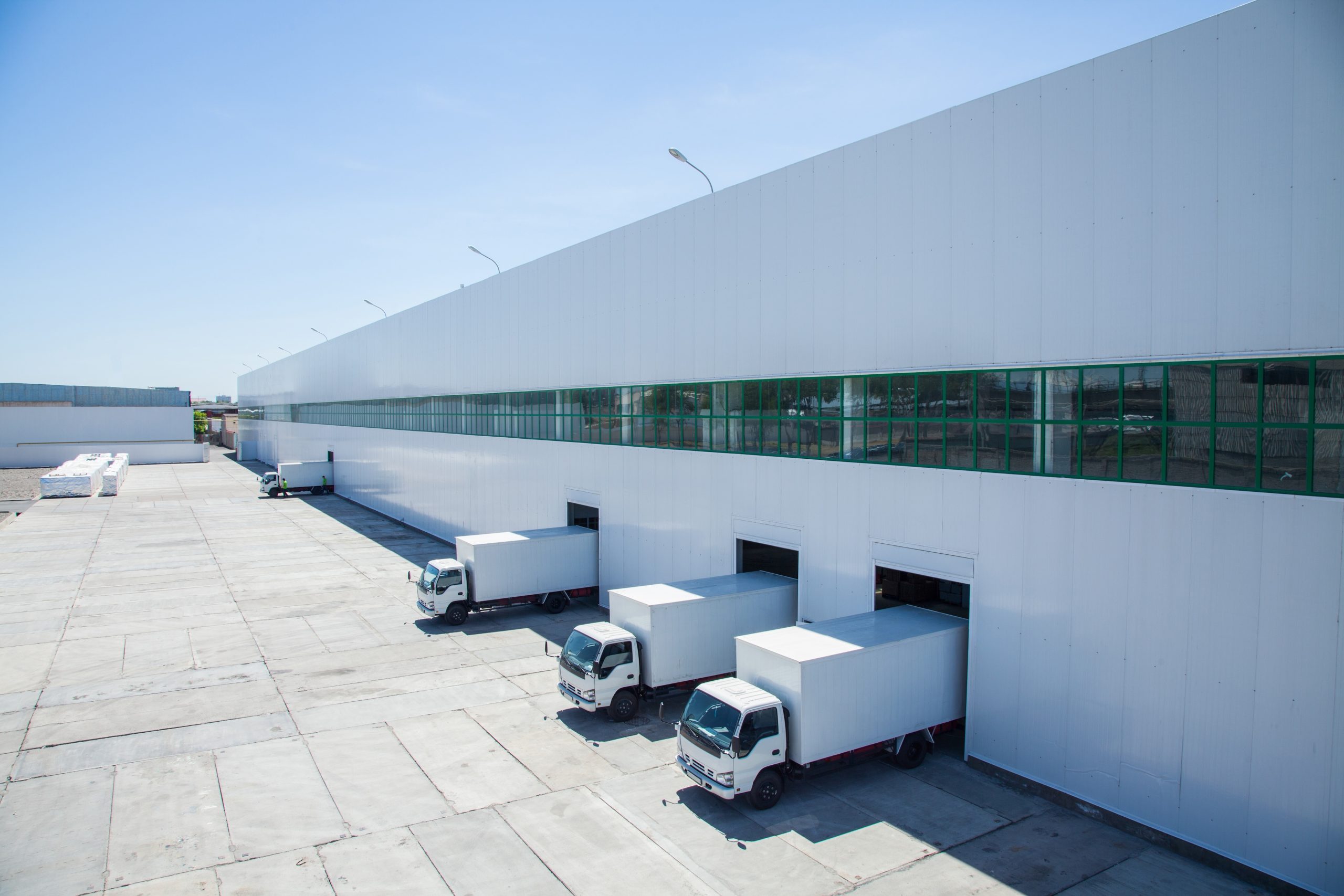
InVia Robotics has recommended that mid-sized warehouse operators prioritize workflow complexity over facility size when evaluating automation options. In a blog post dated September 25, 2026, the company emphasized that automation does not always require significant capital investment or a large fleet of robots. Instead, it suggested that operators utilize warehouse execution system (WES) software to enhance task prioritization and coordination.
The approach encourages logistics professionals to analyze operational data, including daily order volumes and labor efficiency, rather than merely focusing on headcount. InVia highlighted that even smaller warehouses can incur high operating costs due to inefficient workflows, such as excessive labor travel and poorly organized inventory. By identifying bottlenecks and measuring their costs, operators can implement targeted automation solutions effectively.
InVia's phased approach to automation begins with baseline measurements and task orchestration through WES, allowing operators to consider hardware like autonomous mobile robots (AMRs) only after identifying constraints. This model is particularly relevant for UK and European retailers and logistics providers aiming to enhance throughput without extensive facility redesigns. No further timeline was disclosed at the time of publication.
Editor's Note
The logistics sector is increasingly recognizing the importance of workflow optimization in automation strategies. By focusing on operational data rather than just facility size, companies can make more informed decisions that enhance efficiency and reduce costs. This shift in perspective may lead to greater adoption of software solutions and targeted hardware investments in the industry.






























Leave a comment