

Industry Briefing
A single destination for timely, editor-curated robotics news from around the world.

Huachao Shenkong Raises $20 Million for Non-Invasive Brain-Machine Interfaces with Ultrasound and AI
Huachao Shenkong, founded by Li Xin in Shanghai in 2025, has successfully secured 200 million yuan (approximately $20 million) in Pre-A funding. This round was led by Sequoia China and Yunqi Capital, with participation from several other investors. The company aims to develop non-invasive brain-machine interfaces (BMIs) utilizing ultrasound and AI technologies, addressing a growing demand for safer alternatives to invasive BMIs. The significance of this funding lies in Huachao's focus on non-invasive solutions, which expand the potential user base and application scenarios compared to invasive methods. Li Xin emphasizes that the technology has matured, and the market demand has become clearer, making this an opportune time for development. The company has made advancements in precision and response time for ultrasound applications, achieving a localization accuracy of under 1 millimeter. Looking ahead, Huachao Shenkong plans to roll out products in three main lines: research, clinical applications, and consumer enhancements. Their current focus is on research, with systems already deployed in laboratories for various cognitive studies. Future applications may include treatments for conditions such as Parkinson's disease and Alzheimer's, as well as consumer products aimed at enhancing cognitive functions like sleep and focus. No further timeline was disclosed at the time of publication.
Brain-Machine Interfaces Neurotechnology AI Ultrasound Technology Healthcare Innovation
China's Brain-Computer Interface Sector Gains Momentum with Government and Corporate Support
In the first half of 2026, China's brain-computer interface (BCI) industry is transitioning from top-level design to implementation and acceleration. In March, BCI was included in the government work report alongside future industries like quantum technology and 6G, marking it as a key area for development. The 14th Five-Year Plan also identifies BCI as a priority sector, prompting national departments to advance supportive policies and clarify standards and regulations. This push began in July 2025 with the issuance of a national-level document aimed at fostering innovation in the BCI sector, setting ambitious goals for 2027 and 2030. However, as of the end of 2025, the industry faces structural challenges, including a lack of standards and payment mechanisms. The first half of 2026 marks a turning point, with BCI being formally recognized in government planning and the establishment of a regulatory framework. In June 2026, the National Medical Products Administration released guidelines for classifying BCI medical devices, which will facilitate product registration and insurance coverage. State-owned enterprises are evolving from laboratory collaborations to becoming integrators of the industry chain. By June 2026, there were 64 financing cases in the BCI field, totaling 7.253 billion yuan, significantly surpassing the previous year's performance.
Brain-Computer Interfaces Healthcare Technology Government Policy State-Owned Enterprises
Surge in Humanoid Robot Sales Driven by High-Performance Models, Reports Frost & Sullivan
Sales of humanoid robots are experiencing a significant surge, primarily driven by high-performance models, according to a recent report by Frost & Sullivan. The report, released on September 28, indicates a shift in the industry from technology validation and small-scale deliveries to large-scale production and commercialization. Notably, revenue is increasingly concentrated among a few high-intelligence, high-priced models. The report forecasts that global humanoid robot sales will reach 35,000 units in 2025, generating $500 million in revenue, with sales in the first half of 2026 expected to surpass 36,000 units and $540 million in revenue. The data reveals that embodied intelligent humanoid robots will account for 8,800 units sold in 2025, representing about 25% of total sales but generating 75% of revenue, highlighting the growing demand for advanced models. Looking ahead, the report emphasizes the importance of production operations transitioning from pilot validation to paid deployment, which could significantly impact revenue generation. As the market expands, the speed of delivery from leading manufacturers like UBTECH is being outpaced by market growth, indicating a potential shift in competitive dynamics. No further timeline was disclosed at the time of publication.
Humanoid Robots Market Trends AI Robotics Industry
ETRI's Medical Humanoid Robot Interface NAMI.I Receives IDEA Design Award in 2023
The Electronics and Telecommunications Research Institute (ETRI) of South Korea announced that its medical humanoid robot interface, NAMI.I, has won the prestigious IDEA Design Award. This recognition highlights ETRI's commitment to developing user-centered robotic interfaces, following its previous accolades for the MOBY collaborative robot. NAMI.I allows healthcare professionals to assign tasks to the NAMI humanoid robot without needing to learn complex programming or specialized operation methods. This user-friendly interface is expected to lower the barriers for healthcare workers, enhancing the deployment of humanoid robots in real medical environments rather than just in labs. ETRI plans to demonstrate NAMI.I at Kyung Hee University Dongshan Hospital, where healthcare staff will use the robot directly. Researchers will analyze its convenience and gather feedback to improve usability and stability, paving the way for the commercialization of medical humanoid robots. No further timeline was disclosed at the time of publication.
Humanoid Robots Medical Robotics User Interface Design Healthcare Technology
Performance Optimization and Kinematics Analysis of Reconfigurable Parallel Ankle-Rehabilitation Mechanism
The article discusses the kinematics analysis and performance optimization of a multimode reconfigurable parallel ankle-rehabilitation mechanism. This mechanism is designed to enhance rehabilitation processes for patients recovering from ankle injuries. Understanding the kinematics and optimizing the performance of such mechanisms is crucial for improving rehabilitation outcomes. The study highlights the importance of reconfigurability, which allows the mechanism to adapt to various rehabilitation needs, thereby increasing its effectiveness. Future research may focus on further refining the mechanism's design and exploring its application in different rehabilitation scenarios. No further timeline was disclosed at the time of publication.
RESEARCH ARTICLE
Looktech Unveils AI Glasses Featuring Brain-Computer Interface for Monitoring Emotions and Fatigue
At a recent exhibition in France, Looktech introduced a groundbreaking product, claiming to be the world's first consumer-grade AI glasses equipped with a brain-computer interface. These glasses not only provide visual and auditory capabilities but also interpret the user's thoughts through embedded EEG sensors that collect brainwave data in real-time. The AI analyzes this data to assess emotional states, fatigue levels, and even conduct preliminary brain health monitoring. This innovation signifies a shift in smart glasses from merely being external displays to becoming personal companions that can interact with the brain. In addition to brainwave monitoring, the glasses offer all-day health tracking, such as sunlight exposure reminders for vitamin D intake and alerts to stretch the neck when the user looks down for too long. Weighing less than 30 grams and featuring carbon fiber arms, the glasses have a more refined aesthetic, resembling traditional eyewear rather than typical smart glasses. The introduction of brain-computer interfaces in consumer devices presents new opportunities for proactive health management. However, challenges remain regarding privacy, accuracy, and ethics, particularly in the collection and analysis of physiological data. As Looktech's product indicates, the future of smart glasses may involve them becoming an extension of human sensory perception.
AI Glasses Brain-Computer Interface Health Monitoring Wearable Technology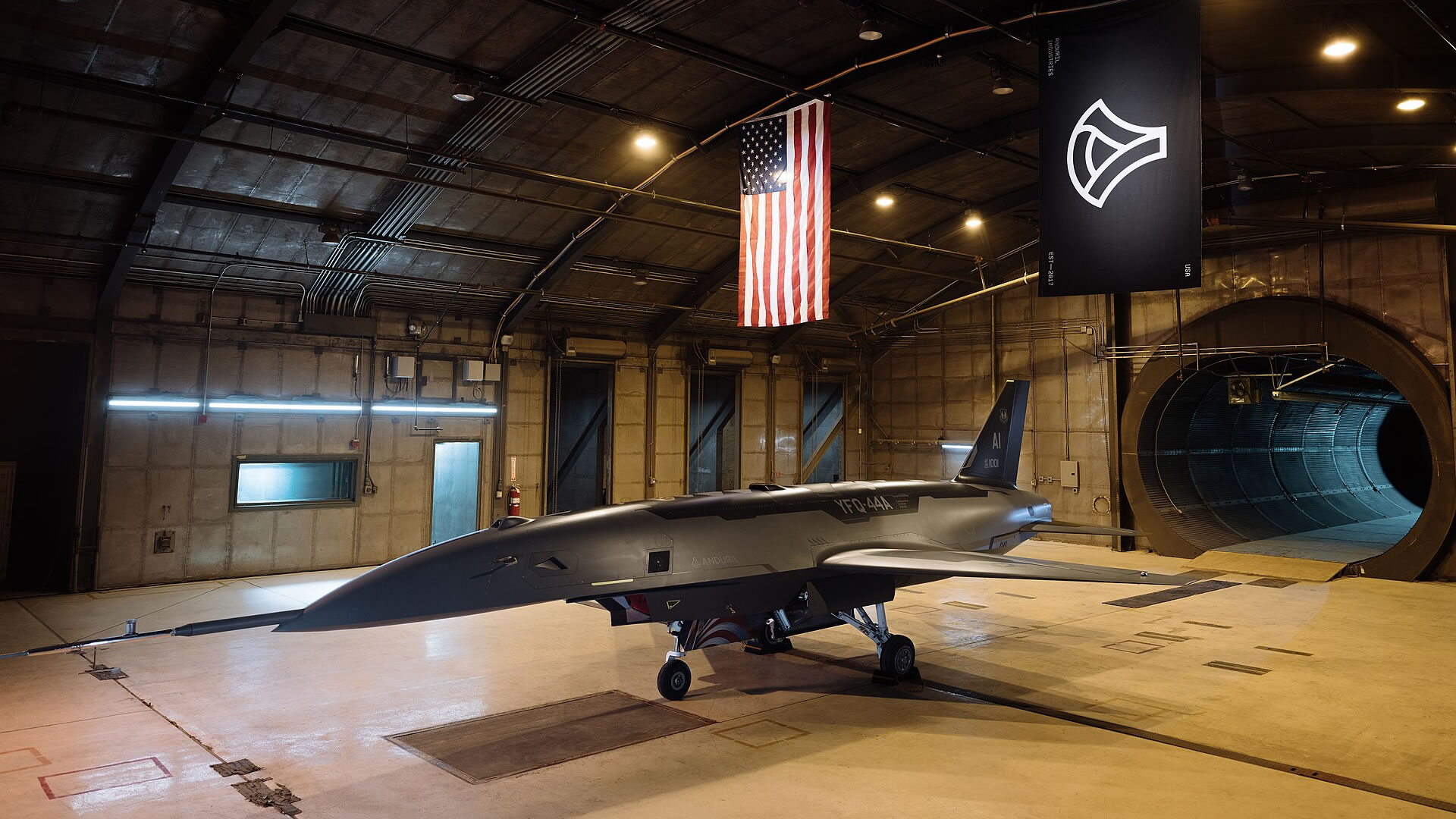
US Air Force Receives First Collaborative Combat Aircraft for Autonomous Warfare Trials
The United States Air Force (USAF) has received its first two Collaborative Combat Aircraft (CCA) designs, the YFQ-44A 'Fury' and YFQ-42A 'Vengeance', at Creech Air Force Base, Nevada. These aircraft will be tested for their operational capabilities alongside crewed fighters in contested airspace. The introduction of CCAs is significant as they are designed to be semi-autonomous and provide a cost-effective solution for missions in high-risk environments. They can carry payloads for offensive and defensive actions, allowing crewed aircraft like the F-35 to operate more safely while coordinating with the CCAs. Moving forward, the USAF will focus on operational experimentation with the CCAs, determining logistics such as the number of personnel required for operation and the optimal handling of multiple CCAs by a single pilot. No further timeline was disclosed at the time of publication.
AI and Robotics Military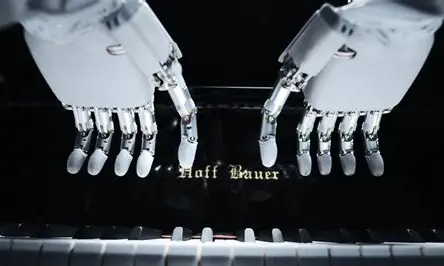
Jingzhi Technology Unveils Agile Hand VIVA in Collaboration with Pianists for Four-Hand Performances
Jingzhi Technology has launched its new Agile Hand VIVA, designed specifically for collaborative four-hand piano performances. This innovative robotic hand aims to enhance musical expression and performance capabilities by working alongside human pianists. The introduction of the Agile Hand VIVA is significant as it represents a step forward in the integration of robotics in the arts, particularly in music. By collaborating with pianists, Jingzhi Technology is not only showcasing the potential of robotics in creative fields but also addressing the growing interest in human-robot interaction in performance settings. Looking ahead, industry observers will be keen to see how the Agile Hand VIVA is received in the music community and whether it can lead to further advancements in robotic applications within the performing arts. No further timeline was disclosed at the time of publication.
Robotics Automation AI
U.S. Navy Establishes RASWDC to Enhance Robotic Warfare Capabilities
The U.S. Navy has launched the Robotic and Autonomous Systems Warfighting Development Center (RASWDC) on September 24, aimed at integrating robotic and autonomous systems into naval operations. Led by Rear Admiral Melvin Smith, the center is headquartered at Joint Expeditionary Base Little Creek-Fort Story in Virginia and will serve as the Navy's primary hub for operational integration of these technologies. This initiative is crucial for maintaining the Navy's maritime advantage, as emphasized by Chief of Naval Operations Adm. Daryl Caudle. The RASWDC will provide sailors with advanced training and specialized doctrine necessary for high-end combat scenarios, reflecting the Navy's commitment to modernizing its operational capabilities through technology. Looking ahead, the RASWDC will focus on developing warfighting concepts, training personnel, and testing new technologies under realistic conditions. The Navy's approach includes evaluating unmanned aerial systems, uncrewed surface vessels, and unmanned underwater vehicles, with a clear intent to advance systems that prove effective while reassessing those that do not meet operational standards. No further timeline was disclosed at the time of publication.
Military
Ukraine's Army of Robots Initiative Aims to Enhance Warfare with Humanoid Systems
Former Ukrainian defense minister Mykhailo Fedorov has launched the 'Army of Robots' initiative, aiming to deploy humanoid and autonomous systems for high-risk military tasks. This project seeks to reduce soldier exposure to danger by utilizing robots for logistics, reconnaissance, and combat operations. The initiative is a continuation of Ukraine's technology-driven approach, building on the success of the Army of Drones. Fedorov is actively seeking partnerships with engineers, robotics teams, and investors to create a robust ecosystem that integrates humanoid robots with existing military technologies, including drones and unmanned ground vehicles. Fedorov has set ambitious goals, including the deployment of a humanoid robot capable of lethal action within six months and the first combined operation of robots and drones within a year. The initiative represents a significant shift towards integrating advanced robotics into military operations, reflecting the urgent need for innovation in response to evolving threats.
Military
Robot Football Challenge Showcases Imperfections at Global Digital Trade Expo 2026
The 2026 Global Digital Trade Innovation Competition featured a robot football challenge at the Global Digital Trade Expo from September 23 to 27 in Hangzhou. The event highlighted moments of imperfection, such as robots losing balance and misjudging football plays, which became integral to the competition. Over 100 teams from domestic universities and tech companies participated in 14 events, testing various dimensions like speed, agility, and endurance. This competition is significant as it simulates real-world scenarios that robots may encounter, moving beyond controlled laboratory tests. Events like 60m and 100m sprints, obstacle courses, and dynamic sports challenges assess robots' movement control, decision-making, and collaborative capabilities. The aim is to gather data and identify engineering issues to enhance embodied intelligence technologies for practical applications. Looking ahead, the focus will be on how these imperfections can inform future developments in robotics. The competition emphasizes that robots are not yet at a stage where they can consistently perform all tasks flawlessly. Instead, it serves to expose challenges and drive advancements in the field, highlighting the industry's realistic assessment of current technological capabilities.
Robot Competitions Embodied Intelligence Robotics Technology AI in Robotics
Advancements in Brain-Computer Interfaces: Insights from Duan Shumin
Recent advancements in brain-computer interfaces (BCIs) were showcased at a competition held on September 21-22, where a team from Tsinghua University, led by doctoral student Li Xiaoyang, demonstrated a brain-controlled wheelchair. The team achieved a time of 4 minutes and 19 seconds, securing second place in the competition. With nearly a decade of research, the accuracy of non-invasive BCIs has significantly improved, allowing even untrained individuals to operate the wheelchair safely. The importance of these developments is underscored by the Chinese government's strategic initiatives, including the implementation of guidelines for BCI industry innovation and the inclusion of BCIs in the national development plan alongside quantum technology and 6G. By September 2025, the National Medical Products Administration plans to release industry standards for medical devices utilizing BCI technology, marking a significant step in the formalization of this emerging field. Challenges remain, particularly in the areas of brain signal decoding and the standardization of BCI products for broader patient use. Despite successful cases in clinical settings, the high costs and limited applicability hinder widespread adoption. As noted by Duan Shumin, the BCI industry in China has yet to experience explosive growth, but breakthroughs in non-invasive technology could lead to substantial benefits for the general public and foster a large-scale industry.
Brain-Computer Interfaces Medical Technology Neuroscience Rehabilitation Devices
Xi'an Jiaotong University's Brain-Computer Interface Rehabilitation System Attracts Attention at Digital Trade Expo
At the fifth Global Digital Trade Expo, a brain-computer interface rehabilitation system developed by Xi'an Jiaotong University drew significant crowds, particularly among youth. The system, showcased by Xi'an Zhentai Intelligent Technology Co., Ltd., aims to transform rehabilitation through active thought control, moving away from traditional passive methods. This innovation is crucial as stroke incidence rates in China have been rising, with a reported average annual increase of 8.3% among individuals aged 40 to 74. Approximately 70% of stroke survivors experience varying degrees of disability, highlighting the urgent need for effective rehabilitation solutions. The brain-computer interface system leverages visual motion-induced brain signals to create a collaborative rehabilitation training environment. Looking ahead, Xi'an Zhentai Intelligent Technology is set to lead the development of a brain-computer interface system for hand function rehabilitation, having been recognized as a top unit in a national initiative. The company has established a comprehensive product matrix that includes wireless EEG analysis systems and various rehabilitation training systems, now implemented in over 300 medical institutions across the country.
Brain-Computer Interface Rehabilitation Technology Medical Innovation Digital Health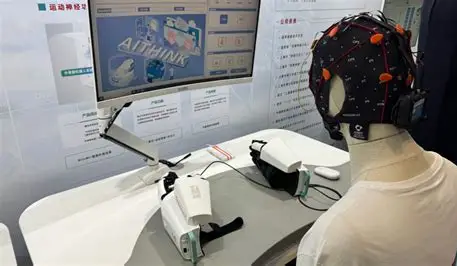
CITIC Securities Identifies Turning Point in Medical Device Sector with Focus on Brain-Computer Interfaces and AI Healthcare
CITIC Securities has reported that the medical device sector is reaching a turning point, with opportunities for performance and valuation recovery expected by 2026. The report emphasizes the importance of focusing on companies that are improving their performance and exploring international markets, particularly those listed in Hong Kong. The long-term outlook for the medical device sector is driven by innovation, international expansion, and mergers and acquisitions. The report highlights that the sector's innovative capabilities are gaining recognition, leading to a reconstruction of valuations. Short-term opportunities include capitalizing on performance recovery in high-value consumables and IVD segments, with several leading companies poised for accelerated growth by 2026. Investors are advised to keep an eye on emerging technologies such as surgical robots and brain-computer interfaces, as breakthroughs in these areas are expected to catalyze interest in the sector. The report also notes potential risks, including policy changes, research and development setbacks, and geopolitical uncertainties in the Middle East.
Medical Devices AI Healthcare Brain-Computer Interfaces Surgical Robots Innovation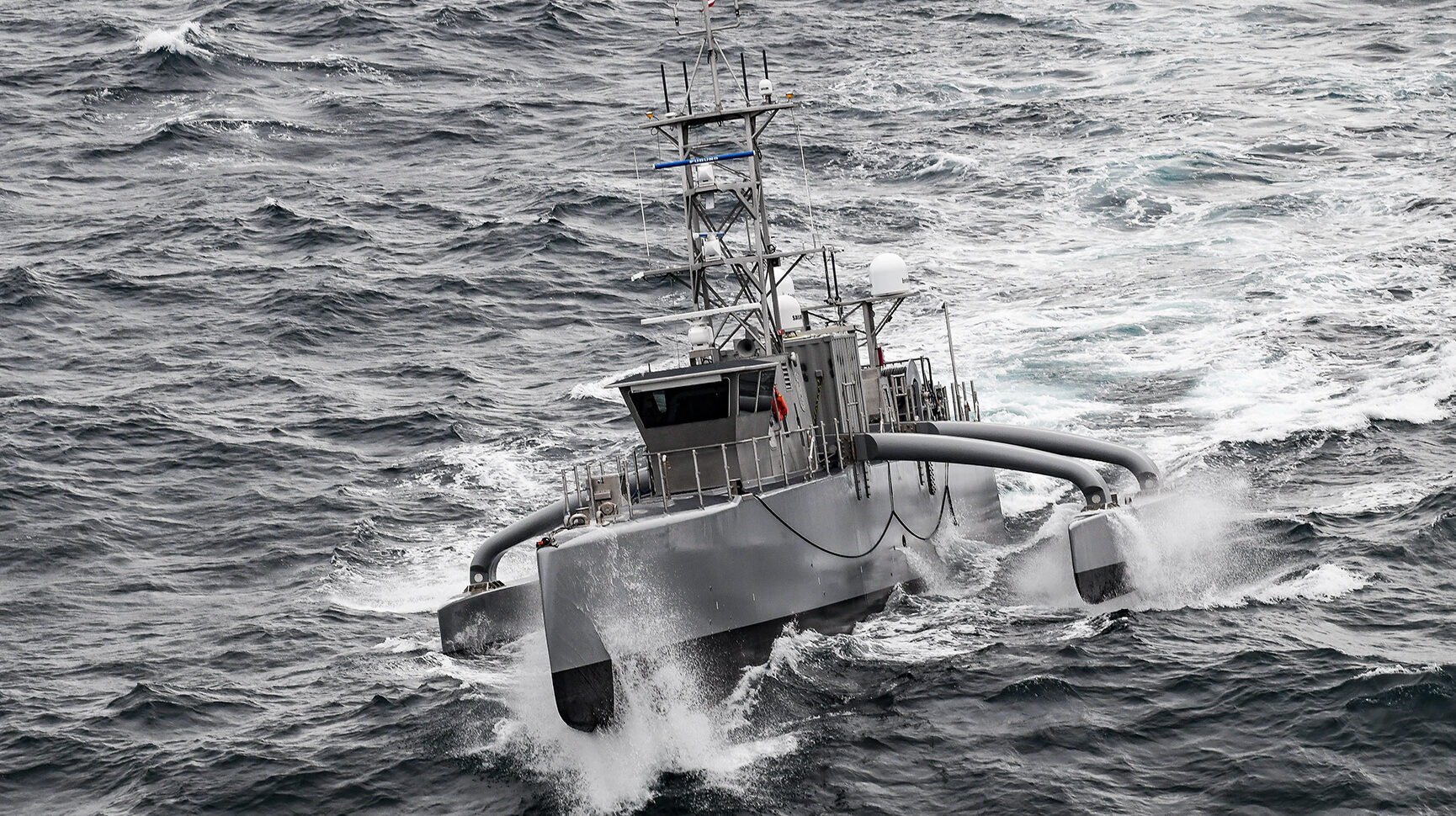
Navy Establishes Robotics and Autonomous Systems Warfighting Development Center in Virginia
The Navy has launched the Robotics and Autonomous Systems Warfighting Development Center (RASWDC) to develop tactics and procedures for unmanned systems. Headquartered at Joint Expeditionary Base Little Creek-Fort Story in Virginia, RASWDC aims to unify efforts across the Navy to enhance operational coherence in unmanned capabilities. This initiative is significant as it aligns with the Navy's broader strategy to integrate robotic and autonomous systems into its operations, as emphasized by Chief of Naval Operations Adm. Daryl Caudle. The RASWDC will work closely with the Direct Reporting Portfolio Manager for Robotic and Autonomous Systems to facilitate the acquisition and deployment of these technologies. Looking ahead, the RASWDC is expected to play a crucial role in ensuring that sailors are equipped with the necessary training and doctrine to effectively utilize unmanned systems. No further timeline was disclosed at the time of publication.
Naval Warfare Adm. Daryl Caudle Drones Navy robotics Unmanned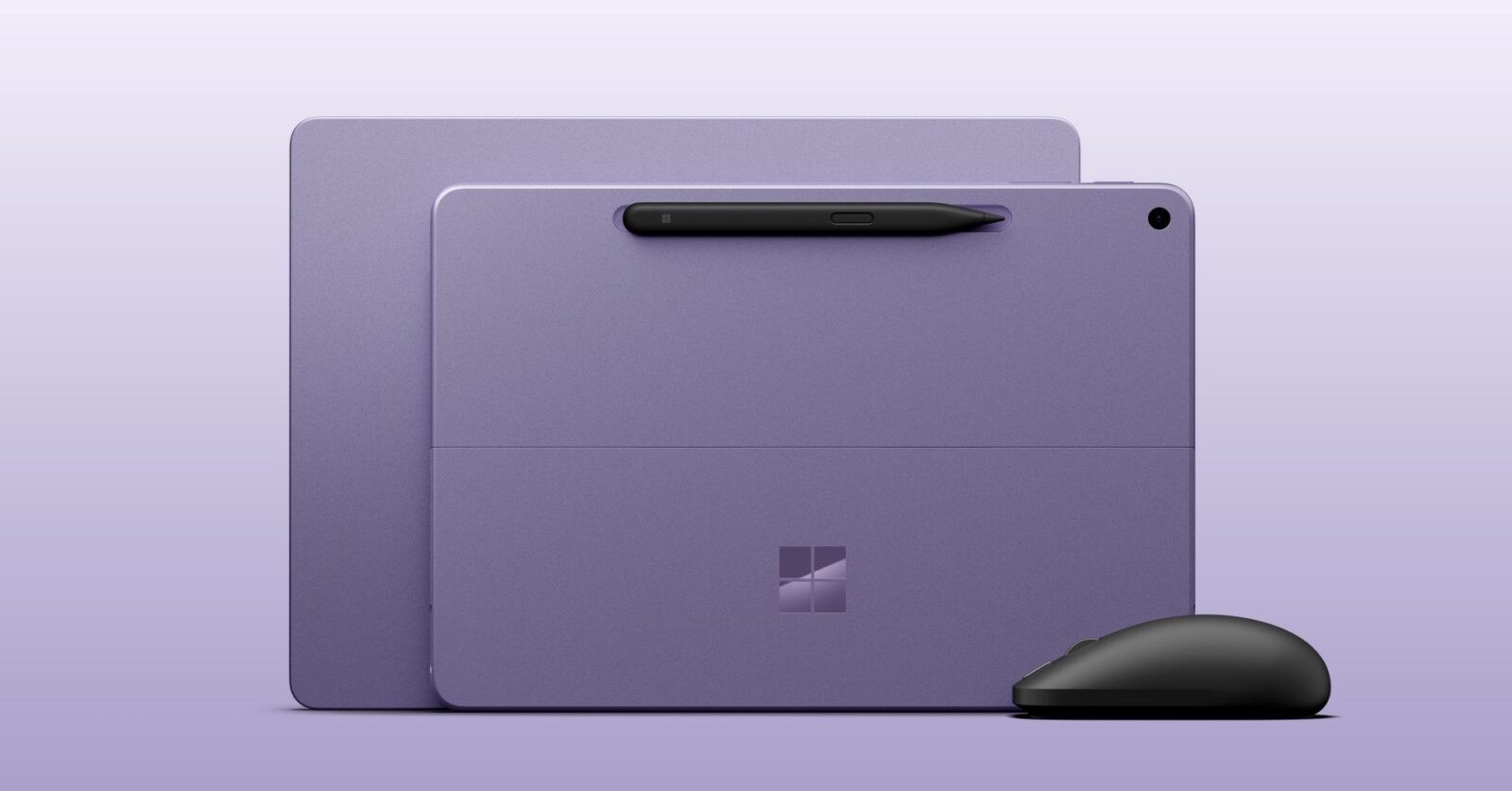
Microsoft Launches Second Generation of 12-Inch Surface Pro and 13-Inch Surface Laptop with Snapdragon X2 Plus
On September 23, Microsoft announced the second generation models of the 12-inch Surface Pro and 13-inch Surface Laptop, featuring the Snapdragon X2 Plus processor. The devices are set to be available for pre-order in Japan starting September 25, with prices starting at ¥195,580 for the Surface Pro and ¥157,050 for the Surface Laptop. These new models maintain their entry-level position within the Surface brand, with improvements including increased memory capacity up to 24GB and enhanced performance metrics. Microsoft claims productivity workloads can see up to a 17% increase, while graphics performance can improve by over 60% compared to previous models. Looking ahead, the devices will be available in new colors, including Black, and will support advanced connectivity options like Wi-Fi 7 and Bluetooth 5.4. No further timeline was disclosed at the time of publication.
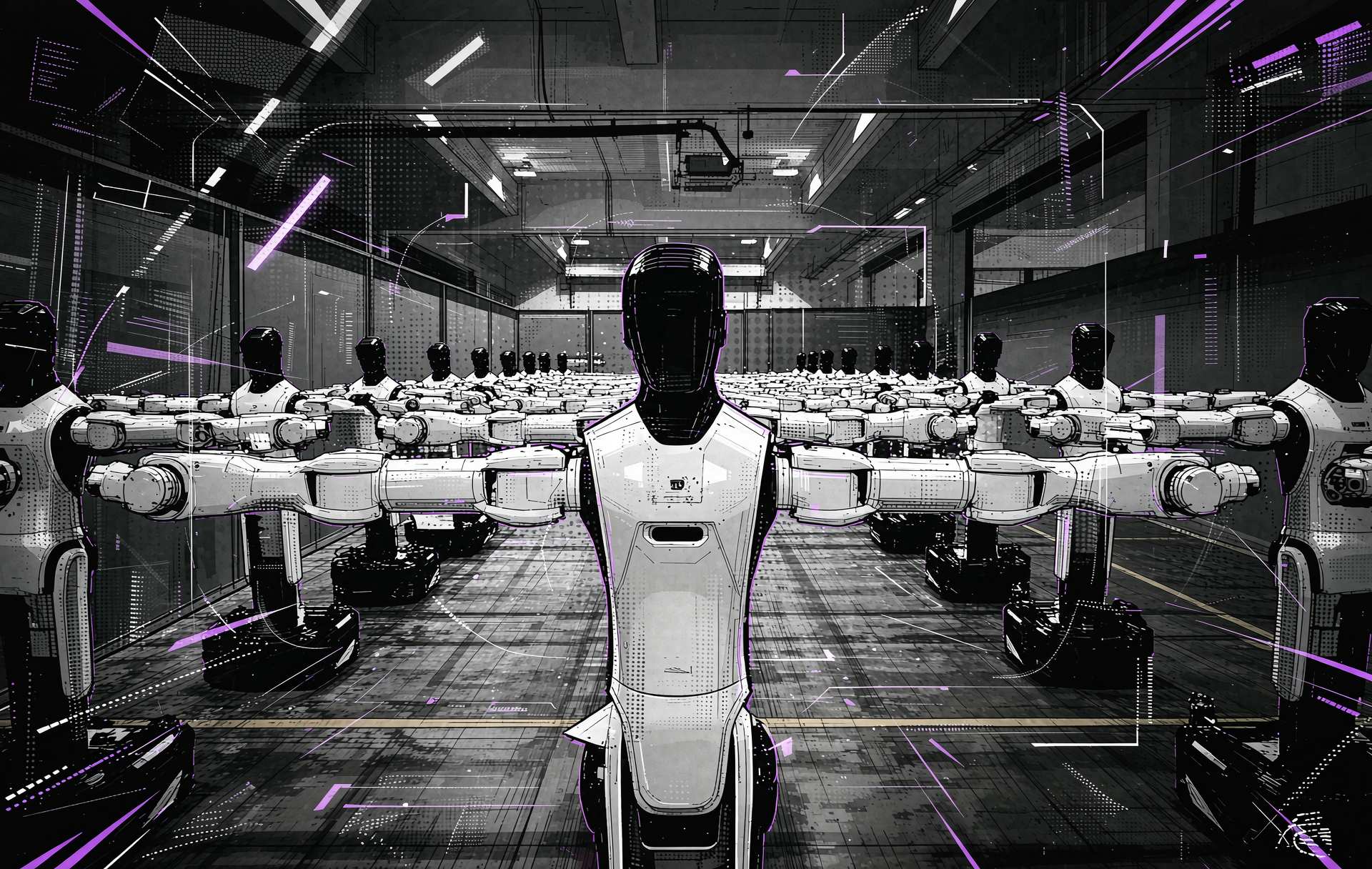
Zhiyuan Delivers 20,000th Robot to Changlong for Park Guidance and Performances
Zhiyuan has successfully delivered its 20,000th robot to Changlong, which will be utilized for guiding visitors and performances in the park. This milestone highlights Zhiyuan's significant production capabilities and commitment to enhancing visitor experiences through advanced robotics. The deployment of this robot is crucial as it represents a growing trend in the integration of robotics within public spaces, aiming to improve operational efficiency and visitor engagement. The use of robots in parks not only enhances the aesthetic experience but also provides practical assistance to guests. Looking ahead, it will be important to monitor how Changlong implements the robot and the impact it has on visitor interactions. No further timeline was disclosed at the time of publication.
Robotics Automation AI
Exploring Non-Invasive Ultrasound Brain-Computer Interfaces for Anxiety and Depression Treatment
A recent salon focused on anxiety and depression, part of a series initiated by the Shanghai Science and Technology Exchange Center, discussed non-invasive ultrasound brain-computer interfaces (BCIs) as potential new treatment avenues. Experts from various fields, including psychiatry and AI engineering, examined the complexities of emotional disorders, highlighting the need for precise identification and intervention strategies. The World Health Organization reported that in 2023, approximately 470 million people globally suffer from anxiety disorders and about 322 million from depression. The discussion emphasized that these conditions are not caused by a single mechanism, and effective treatment requires understanding the diverse psychological and neurological processes involved. The potential of ultrasound technology to target multiple brain areas simultaneously was underscored as a promising approach to treatment. Looking ahead, experts noted that the field of brain-computer interfaces is rapidly evolving, with significant investments and research underway. The need for multi-center, large-sample studies to validate treatment efficacy was highlighted, along with the importance of ethical considerations and collaboration between medical and engineering sectors. No further timeline was disclosed at the time of publication.
Brain-Computer Interfaces Mental Health Technology Non-invasive Treatments AI in Healthcare
Brain-Computer Interface Funding Surpasses 7 Billion Yuan in Six Months, Non-Invasive Solutions Lead Market
In the first half of 2026, funding for brain-computer interface (BCI) technology exceeded 7 billion yuan, with over 60 financing events reported. Non-invasive solutions dominate the market, accounting for 86% of the total, while invasive and semi-invasive solutions make up the remaining 14%. The Chinese government has recognized BCI as a key investment area, integrating it into future industry development plans. The significance of this funding surge lies in the growing interest and investment in BCI technologies, particularly non-invasive methods that offer safety and cost-effectiveness. Major players in the market include Qiangnao Technology and Weisi Medical, which are advancing non-invasive solutions. The Chinese government has also prioritized BCI in its work reports, indicating a strong commitment to fostering innovation and development in this field. Looking ahead, the BCI industry is expected to continue its rapid growth, with the medical sector projected to account for 56.4% of total demand. By 2030, the global market for medical applications of BCI is anticipated to reach $40 billion, with further growth expected to exceed $145 billion by 2040. No further timeline was disclosed at the time of publication.
Brain-Computer Interfaces Healthcare Technology Non-Invasive Solutions AI Research Market Trends
Huachao Shenkong Raises 200 Million RMB in Pre-A Funding for Non-Invasive Brain-Computer Interface Development
Huachao Shenkong, a non-invasive AI brain-computer interface company, has successfully completed a Pre-A funding round, raising 200 million RMB. This funding was led by Sequoia China and Yunqi Capital, with participation from several other investors. The funds will be allocated towards product development, talent acquisition, clinical research, and AI infrastructure enhancement. This funding round is significant as it reflects a shift in the brain-computer interface industry from conceptual investments to a focus on commercialization. In the first half of 2026, domestic financing in the brain-computer interface sector exceeded 60 instances, totaling over 7 billion RMB, surpassing the entire year of 2025. The industry is witnessing advancements in both invasive and non-invasive technologies, with low-intensity transcranial focused ultrasound emerging as a leading non-invasive approach. Looking ahead, Huachao Shenkong aims to establish a comprehensive technology system encompassing writing, reading, and decoding brain signals. The company plans to launch various product lines targeting research, clinical applications, and consumer markets. No further timeline was disclosed at the time of publication.
Brain-Computer Interfaces Neurotechnology AI Medical Devices
Geekplus Launches European Innovation Lab in Düsseldorf
Geekplus has inaugurated a new European Innovation Lab located in Düsseldorf. This facility aims to enhance the company's research and development capabilities in the region. The establishment of the lab is significant as it underscores Geekplus's commitment to innovation and its strategic expansion within the European market. This move is expected to foster collaboration with local partners and accelerate the development of advanced robotics solutions. Looking ahead, it will be important to monitor the lab's contributions to Geekplus's product offerings and its impact on the European robotics landscape. No further timeline was disclosed at the time of publication.
Allgemein Humanoide Robotik Mobile Robotik Newsarchiv Veranstaltungs-Highlights
Shenyi Technology Focuses on Brain-Computer Interface Products for Sleep and Depression Management
Shenyi Technology, founded in May 2025, is developing brain-computer interface products aimed at sleep and depression management. The company secured over 10 million yuan in angel funding in 2026, led by Lihe Venture Capital and Dongguan Biotech. Their approach integrates AI with brain science, focusing on brain function monitoring and intervention. The significance of Shenyi's work lies in its commitment to non-invasive solutions that can reach a broader audience. Their technology encompasses three stages: data collection, understanding, and intervention, creating a closed-loop system for brain health management. This is particularly relevant for conditions like sleep disorders and depression, which require long-term management without invasive procedures. Looking ahead, Shenyi plans to launch three differentiated product lines by 2026, including a portable brain-computer interface for sleep monitoring, a home treatment system for depression, and a non-invasive deep brain neuroregulation system targeting various neurological disorders. No further timeline was disclosed at the time of publication.
Brain-Computer Interfaces Neurotechnology Mental Health Solutions AI in Healthcare
Professors in China Transitioning from Academia to Entrepreneurship in Brain-Computer Interfaces
Recent developments in brain-computer interfaces (BCIs) highlight a trend where professors are moving from academic research to entrepreneurship. Key technologies, including electrodes and neural decoding, remain concentrated in university labs, with companies like Borui Kang emerging from Tsinghua University and becoming the first to receive approval for an invasive BCI medical device in March 2026. This shift is significant as it indicates a growing connection between academia and industry, with several professors founding startups that are rapidly advancing. For instance, in June 2026, scientists from Peking University and ShanghaiTech University launched a company that secured nearly 100 million yuan in seed funding, while another startup, Xihu Lingxi, raised tens of millions in angel funding. The collaboration between universities and BCI startups is becoming more pronounced. Looking ahead, the pace of professor-led entrepreneurship in BCIs is accelerating. A recent announcement on September 17, 2026, revealed a partnership between New Mile and Peking University to establish a new company focused on BCI technology. This trend suggests that the gap between academic research and commercial application is narrowing, with professors increasingly taking active roles in the development of BCI technologies.
Brain-Computer Interfaces Medical Devices Neurotechnology Academic Startups
Brain-Computer Interface Industry Faces Significant Challenges Despite Rapid Growth
The Brain-Computer Interface (BCI) industry is experiencing rapid advancements, highlighted by the recent 2026 Zhangjiang Pharmaceutical Valley Conference. Over the past year, significant milestones include the approval of the world's first invasive BCI medical device and the establishment of the first national BCI industrial cluster in Shanghai. However, the industry is transitioning from technology validation to a phase requiring regulatory frameworks and value verification, facing challenges in long-term safety and neural signal decoding. Despite the momentum, the BCI sector encounters substantial hurdles, including the evaluation of micro-nano electrode performance and the lack of authoritative databases for decoding algorithms. Regulatory bodies are responding by introducing the first industry standards for AI BCI medical devices. Data sharing remains a critical issue, with fragmented EEG data across hospitals and companies, complicating algorithm development. Initiatives like the Linshu data-sharing platform aim to address these challenges by facilitating data and algorithm integration. Commercialization poses additional difficulties, with lengthy processes for insurance and hospital approvals. While funding in the BCI sector has surged, disparities exist between leading companies and those in the second and third tiers. The industry faces a talent shortage, with estimates suggesting a gap of over 200,000 professionals by 2030. Educational institutions are beginning to address this, with new programs in BCI science and technology emerging in response to national strategic initiatives.
Brain-Computer Interfaces Medical Devices AI Data Sharing Talent Development
Exploring Brain-Computer Interfaces: From Pattern Matching to Real-World Applications
Recent reports on brain-computer interfaces (BCIs) often create the impression that machines can read thoughts directly. In reality, BCIs operate through pattern matching, where repeated thoughts generate stable neural activity patterns that the system learns to associate with specific commands. This method requires individual training for each user and has limitations in the number of recognizable commands. Despite misconceptions about mind reading, BCIs have made significant strides in medical rehabilitation. By March 2026, China's self-developed 'Beina No. 1' completed seven human implants, successfully restoring motor and speech functions. This product is noted for being the first high-throughput, wireless, semi-invasive BCI with over a hundred channels, having achieved nearly 30 implants and over 70,000 hours of stable operation. The progress of invasive BCIs is also noteworthy, with Neuralink's N1 implant using over 1,000 electrodes to record brain signals. In the UK, patients have begun using computers and phones through thought alone. While BCIs can map neural signals to commands, they do not comprehend the meaning behind those signals. As standardization efforts advance, the industry aims to address challenges in data collection and processing, ensuring the technology's future development remains grounded in realistic expectations.
Brain-Computer Interfaces Medical Rehabilitation Neural Technology AI in Healthcare
Subsense Expands AI-Driven Nanoparticle Brain-Computer Interface Strategy Without Surgery
Subsense, an AI-native neurotechnology company, has announced a significant expansion of its NanoBCI strategy, which focuses on non-surgical, nanoparticle-based brain-computer interfaces (BCIs). This innovative approach aims to read or stimulate neural activity without the need for permanently implanted electrodes, setting it apart from traditional BCI methods that rely on invasive hardware or external neural activity capture. The development of the first AI-native NanoBCI is crucial as it integrates AI into the entire design process, from nanoparticle candidate evaluation to modeling their navigation within the brain. By utilizing AI upstream, Subsense aims to optimize the design of the interface itself, enhancing the effectiveness of the materials and delivery mechanisms involved in the BCI technology. Looking ahead, Subsense has received $250,000 in Google Cloud credits to further enhance its computational workflows and expand its nanoparticle design exploration. This funding will support the company's efforts to refine its AI infrastructure, ultimately aiming to challenge the existing trade-offs in the BCI field regarding signal quality and surgical intervention.
Computing Engineering News artificial intelligence bci brain technology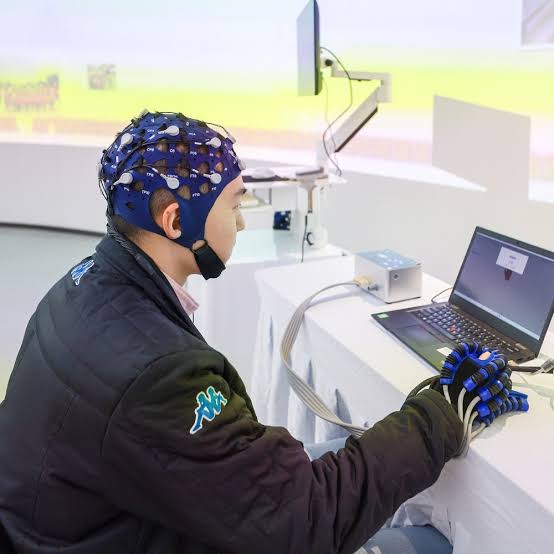
Tianjin University Launches China's First Doctoral Program in Brain-Computer Interface
Tianjin University has been officially approved for China's first doctoral program in Brain-Computer Interface (BCI), marking a significant milestone in the development of this interdisciplinary field. This approval signifies a new phase in the construction of BCI disciplines and talent cultivation in China, aligning with national strategic goals. The establishment of this doctoral program complements Tianjin University's plans for a comprehensive educational pathway in BCI, which includes the launch of the country's first undergraduate program in BCI in 2024. This initiative aims to create a full talent development system from undergraduate to doctoral levels, addressing the interdisciplinary nature of BCI that integrates clinical medicine, neuroscience, artificial intelligence, and electronic information. Looking ahead, the university plans to leverage this doctoral program to develop a complete technical chain in BCI, focusing on devices, chips, algorithms, and applications. The success of this interdisciplinary training model will depend on the integration of curriculum, mentorship, and industry practice, as the demand for skilled professionals in the rapidly growing BCI market is expected to surge significantly by 2040.
Brain-Computer Interface Interdisciplinary Studies Artificial Intelligence Neuroscience Education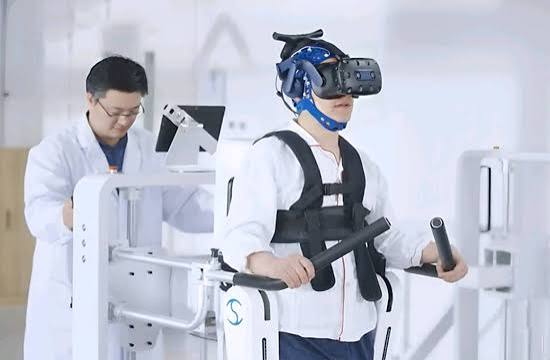
Over 200 Brain-Computer Interface Companies Established, Yet Experts Highlight Key Challenges
At the Boao Forum for Asia Global Health Forum on September 15, Zuo Nianming, a researcher at the Institute of Automation of the Chinese Academy of Sciences, stated that brain-computer interfaces (BCIs) could empower 10% to 15% of those requiring medical resources. However, he outlined four significant challenges: inconvenience, instability, lack of intelligence, and non-necessity. These issues highlight the gap between the increasing number of BCI companies and the actual usability of the technology in real-world scenarios. Despite the rapid growth of the BCI sector, with over 200 companies in China and a projected market size of 120 billion yuan by 2040, experts emphasize that the technology has not yet reached maturity. Tao Hu, founder and chief scientist of Shanghai Brain Tiger Technology, noted that while research is driven by interest, industry success hinges on meeting system-level and product-level demands. The focus should be on addressing real patient needs rather than merely technological capabilities. Regulatory frameworks are being developed to ensure the safety and efficacy of BCIs, with attention to aspects like biocompatibility and signal processing. Zuo Nianming identified three evolution directions for BCIs: healthcare, natural interaction, and brain-computer intelligence. While healthcare represents the strongest immediate need, significant public education is required to clarify the boundaries of BCI technology. Currently, there is a mismatch between policy-driven growth and the actual technological readiness to meet real-world demands.
Brain-Computer Interfaces Medical Technology Regulatory Standards Healthcare Innovation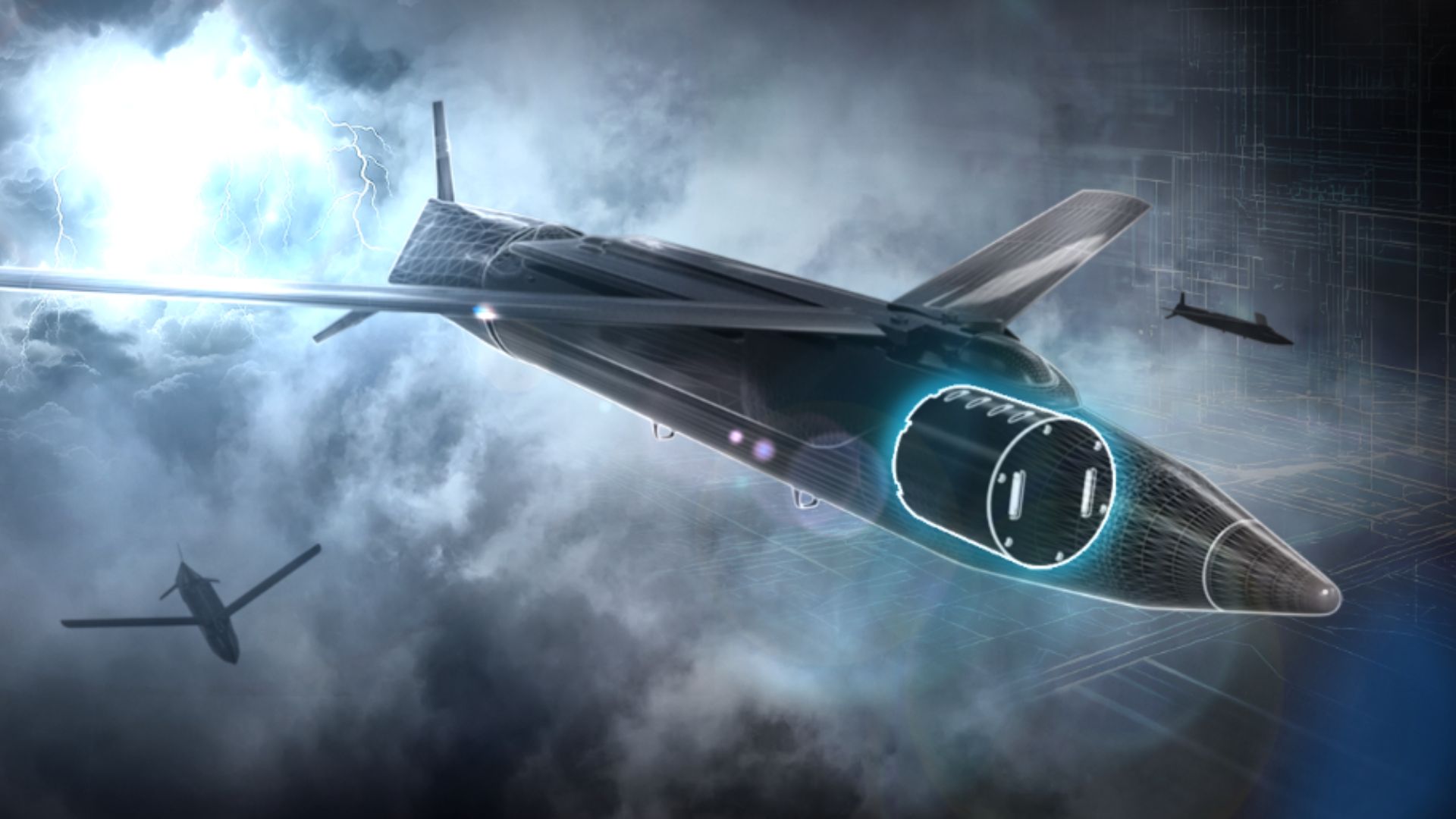
BAE Systems Introduces Shadow Electronic Warfare Family for Enhanced Drone Protection
BAE Systems has launched a new family of electronic warfare systems, known as Shadow EW, designed to enhance the protection of small aircraft in contested airspace. This initiative responds to the increasing demand for compact electronic warfare solutions that can be integrated into space-constrained platforms, utilizing commercially available microchips to streamline production and supply chains. The Shadow EW family is significant as it addresses the limitations of traditional electronic warfare systems, which are often too large and heavy for small drones and other airborne systems. By focusing on lightweight hardware and open architecture principles, BAE Systems aims to provide adaptable solutions that can be updated post-deployment, ensuring operators can effectively counter evolving electronic threats. Looking ahead, BAE Systems plans to leverage established manufacturing methods to scale production of the Shadow EW systems, making them more accessible for military applications. As the U.S. military seeks cost-effective ways to equip a growing number of autonomous systems, the ability to produce electronic warfare capabilities at scale will be crucial for maintaining operational effectiveness in complex environments.
Military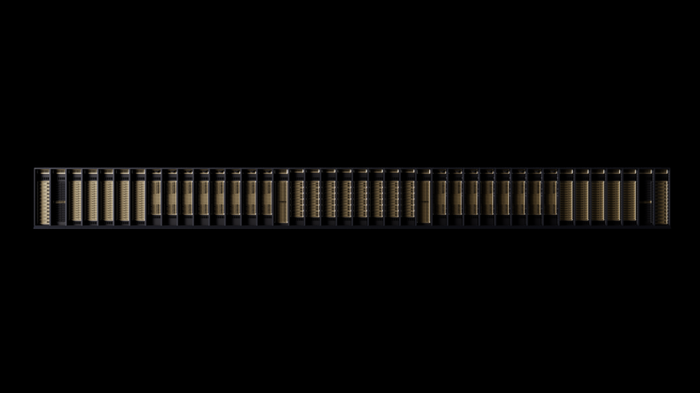
NVIDIA Vera Rubin NVL72 Achieves Exceptional Performance in MLPerf Inference v6.1 Launch
NVIDIA has unveiled the Vera Rubin NVL72, showcasing its impressive performance in the MLPerf Inference v6.1 benchmarks. The NVL72 demonstrates up to 3.7 times higher throughput than the GB300 NVL72 on the Qwen3-VL benchmark and up to 2.5 times higher on DeepSeek-R1, highlighting its efficiency in AI inference tasks. This advancement is significant for organizations focusing on AI infrastructure, as it emphasizes the importance of performance, scaling efficiency, and software optimization in driving long-term inference economics. The Vera Rubin NVL72's design allows for high utilization across various workloads, enhancing revenue generation while reducing costs per token. Looking ahead, the introduction of the MLPerf Endpoints benchmark will provide standardized metrics for evaluating agentic inference workloads, further refining performance measurement in AI. The ongoing innovations from NVIDIA, particularly in disaggregated serving and expert parallelism, are expected to continue shaping the future of AI inference performance.

The Impact of Surface Finish on Robot Reliability in Industrial Automation
In the realm of industrial automation, robot failures typically do not stem from sudden, catastrophic events. Instead, issues often originate at contact points such as terminals, busbars, connectors, or components that have endured years of operation in challenging conditions, including humidity, load, and temperature fluctuations. Understanding the significance of surface finish is crucial, as it plays a vital role in the longevity and reliability of robotic systems. A metal surface, despite being a minor part of the overall assembly, can greatly influence performance and durability, particularly in environments where wear and corrosion are prevalent. Looking ahead, it is essential for manufacturers and engineers to prioritize surface finish quality to enhance robot reliability. As automation continues to evolve, the focus on maintaining optimal surface conditions will be critical in preventing failures and ensuring the smooth operation of robotic systems. No further timeline was disclosed at the time of publication.
Design Engineering aluminium automation systems busbars corrosion resistance
GA-ASI Aims to Maintain Leadership in UAS for Advanced Warfare
GA-ASI is focused on solidifying its status as the premier supplier of Uncrewed Aerial Systems (UAS) to the United States and allied nations. This commitment highlights the company's strategic importance in modern military operations, particularly in high-tech warfare scenarios. The significance of GA-ASI's efforts lies in the increasing reliance on UAS technology for defense and surveillance purposes. As military operations evolve, the demand for advanced aerial capabilities is paramount, making GA-ASI's role critical in ensuring that the U.S. and its allies maintain a technological edge in combat. Looking ahead, industry observers should monitor GA-ASI's developments and innovations in UAS technology. The company's initiatives could shape the future landscape of military aviation and influence procurement strategies among defense organizations worldwide. No further timeline was disclosed at the time of publication.
Air Warfare Sponsored Post AFA 2026 Air Force CCA collaborative combat aircraft
Paradromics Enables Communication for Woman with Severe Speech Impairment Using Brain-Computer Interface
Paradromics has announced a breakthrough in brain-computer interface technology, allowing a woman with severe speech impairment to communicate freely. The participant, a woman in her 60s from Michigan suffering from progressive motor neuron disease, had the Connexus system implanted, which features over 400 electrodes to capture neural activity at a single-neuron level. This advancement is significant as it enables the user to express her thoughts and engage in real-time conversations, rather than merely completing predefined tasks. The first sentence she communicated was 'Okay, I have a lot to say,' demonstrating the system's ability to decode spontaneous speech accurately without prior preparation. Looking ahead, Paradromics plans to recruit 10 patients with speech and motor paralysis due to conditions like stroke and ALS for further studies. The results from the initial participant are promising, but the broader applicability of the system remains to be validated with additional participants in future trials.
Brain-Computer Interfaces Neural Communication Assistive Technology Speech Decoding
Humanoid Robot Successfully Performs Gallbladder Surgery on Live Pigs, According to Nature Study
A research team from the University of California, San Diego, utilized the humanoid robot developed by Yushu Technology to perform gallbladder surgeries on live pigs, marking a significant milestone in robotic surgery. This is the first instance of a humanoid robot conducting live surgeries, showcasing its potential in clinical settings. The significance of this research lies in its exploration of humanoid robots in surgical environments, which have traditionally relied on specialized robotic systems like the da Vinci Surgical System. The study highlights the humanoid robot's ability to operate in existing surgical environments without requiring extensive modifications, potentially reducing costs and increasing accessibility. Looking ahead, while the humanoid robot demonstrated notable advancements, it still faces challenges in precision compared to specialized surgical robots. The study indicates that further developments are needed before humanoid robots can be considered for clinical use. No further timeline was disclosed at the time of publication.
Humanoid Robots Surgical Robotics Medical Technology Robotic Surgery
New Era for Brain-Computer Interface IPOs as Companies Enter Capital Market
In September 2026, Shuli Innovation completed its IPO counseling filing on the Sci-Tech Innovation Board, marking its entry into the brain-computer interface (BCI) IPO race. Previously, Borui Kang's IPO application was accepted, and Qiangnao Technology reportedly submitted a confidential application for the Hong Kong stock market. The question of which company will become the first BCI stock remains a focal point in the industry. The capital market is shifting its focus from merely advanced technology to practical applications of BCIs. Companies must now address critical questions such as hospital procurement, physician usage, patient acceptance, and payment systems. This shift indicates that the competition is evolving from technical specifications to clinical data, product registration, and application scenarios. The 2026 IPO wave reflects this transformation, as the market helps identify companies with both strong technological vision and practical implementation capabilities. Shuli Innovation, founded in 2015, focuses on non-invasive BCIs aimed at rehabilitation for patients with motor function impairments, emphasizing the restoration of the connection between the brain and body rather than enhancing abilities in healthy individuals.
Brain-Computer Interfaces Healthcare Technology Medical Devices Clinical Applications
Chengdu's Brain-Machine Interface Strategy Focuses on Collaboration Rather Than Subsidies
As of May this year, the number of subjects for implanted brain-machine interfaces globally stands at only 107 to 110. Meanwhile, domestic financing for brain-machine interfaces exceeded 60 instances in the first half of the year, totaling over 7 billion yuan. This ratio highlights that funding does not equate to immediate clinical progress but rather future entry qualifications. Shanghai BoRuiKang received the world's first registration certificate for invasive brain-machine interfaces in March, with 36 implants and a cumulative safety record of over 14,000 days. In April, Beijing's 'BeiNai No. 1' semi-invasive system completed its first live surgery, achieving a motion intention decoding latency of less than 100 milliseconds. Chengdu's Ximang Medical has established its headquarters, and Gestalt Technology's ultrasound brain-machine interface factory began operations in June, although these companies have yet to present clinical data. Chengdu's strategy differs from Shanghai and Beijing by emphasizing daily interactions between doctors and engineers rather than merely obtaining certifications. The Western Brain Valley, a specialized building for brain-machine interfaces, has achieved a 100% occupancy rate within six months. However, no companies in Chengdu have yet received registration certificates or reported any implant surgeries, indicating that while the infrastructure is in place, clinical data remains absent.
Brain-Machine Interfaces Medical Technology Clinical Research Healthcare Innovation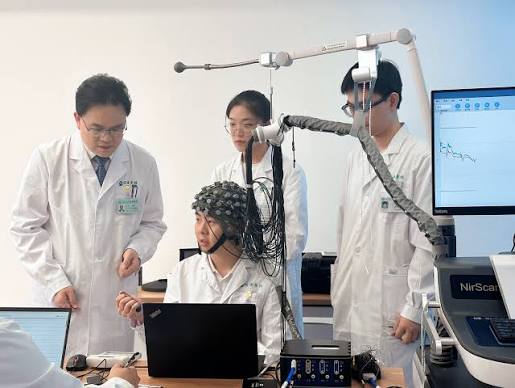
Science Corporation's Retina Chip Receives CE Certification, Pioneering Brain-Computer Interface Advances
In July 2026, Science Corporation's retinal chip achieved CE certification in the EU, marking a significant milestone in brain-computer interface commercialization. While Neuralink continues to address safety concerns for human trials, Science Corporation, founded by a former co-founder, is set to launch its first commercial implants in Germany. This development is crucial as it signifies a shift from theoretical concepts of brain-computer interfaces to practical medical applications. The Prima retinal chip, measuring just 2x2 mm and powered by near-infrared light through smart glasses, has shown promising clinical results, with 84% of patients recovering reading abilities. Looking ahead, 2026 is anticipated to be a pivotal year for brain-computer interfaces, with regulatory frameworks being established in China and significant advancements in both invasive and non-invasive devices. Science Corporation aims to complete dozens of commercial implants this year and targets around 200 next year, with revenue from the Prima chip expected to fund the development of next-generation neural interfaces.
Brain-Computer Interfaces Medical Devices Neurotechnology Clinical Applications
A Multilevel Path Planning Framework for Unmanned Surface Vehicles in Environmental Monitoring
A new multilevel path planning framework has been developed for unmanned surface vehicles (USVs) aimed at enhancing environmental monitoring of uninhabited islands and reefs. This framework utilizes information-driven techniques to optimize navigation and data collection processes in challenging marine environments. The significance of this development lies in its potential to improve the efficiency and effectiveness of environmental monitoring efforts. By employing advanced path planning strategies, USVs can navigate complex terrains and gather critical data, which is essential for conservation and research initiatives in remote areas. Looking ahead, the implementation of this framework could lead to more widespread use of USVs in environmental studies. As researchers and organizations seek innovative solutions for monitoring ecosystems, the advancements in path planning technology will be crucial in facilitating these efforts. No further timeline was disclosed at the time of publication.
RESEARCH ARTICLE
NAWCWD Demonstrates Robotic Towed Connector for Refueling Unmanned Surface Vessel at Sea
The Naval Air Warfare Center Weapons Division (NAWCWD) has successfully demonstrated a robotic towed connector that enables the refueling of unmanned surface vessels (USVs) at sea. This innovation is part of the Blue Water Instrumentation program, aimed at enhancing the operational capabilities of USVs during long-range weapons testing. This advancement is significant as it addresses the challenge of maintaining USVs on station for extended periods without the need for crewed support ships. According to Spencer Holloway, director of BWI’s Future Capabilities Office, the ability to refuel USVs at sea increases mission persistence and coverage, which is crucial for testing hypersonic and precision long-range capabilities. Looking ahead, the successful demonstration, which included the transfer of 400 gallons of fuel during multiple connection cycles, highlights the potential for unmanned refueling to enhance fleet readiness. As noted by Ronald Raymer from U.S. Fleet Forces Command, this capability allows for greater reliance on unmanned vessels in high-threat areas, reducing risks to personnel and enabling more efficient operations.
us navy
Mouser Launches Qorvo eBook on RF Solutions for Drones, SATCOM, and IIoT Markets
Mouser Electronics has released a new eBook focusing on RF solutions tailored for modern applications such as drones, satellite communications, and industrial IoT. This resource highlights the evolving landscape of RF systems, emphasizing the need for higher speed, flexibility, and scalability in response to market demands. The eBook addresses the transition from traditional, highly customized architectures to more agile development strategies. This shift is crucial for meeting the rapid timelines associated with next-generation technologies, ensuring that developers can adapt to the fast-paced nature of the industry. As the demand for advanced RF solutions continues to grow, stakeholders should monitor how these developments influence the design and implementation of RF systems. No further timeline was disclosed at the time of publication.

Avidrone Aerospace Achieves Significant Milestone in Heavy-Lift Drone Performance
Avidrone Aerospace, a Canadian drone manufacturer, recently won a contest organized by a U.S. Department of Defense agency, achieving a remarkable payload-to-weight ratio of 3.84:1 at the DARPA Lift Challenge in Dayton, Ohio. This competition required drones to weigh 55 pounds or less while lifting four times their weight over a five-mile course. The achievement is significant as it approaches a benchmark previously deemed nearly impossible, akin to breaking the four-minute mile in running. Avidrone's CEO, Scott Gray, emphasized the challenge of redesigning their drone to meet these stringent requirements, ultimately creating a 29-pound aircraft capable of lifting up to 115 pounds. Looking ahead, Avidrone plans to refine this prototype further, with potential commercialization of the drone anticipated as early as next year. This development highlights the advancements in drone technology and the increasing capabilities of heavy-lift drones in various applications.
Applications defense Delivery Drone News Drone News Feeds Heavy Lift
First Brain-Machine Interface Medical Device Approved, Paving the Way for Clinical Use
On March 13, 2023, Biorikon's implantable brain-machine interface hand function compensation system received approval from the National Medical Products Administration, marking it as the first approved implantable brain-machine interface medical device globally. This advancement enables paralyzed patients to control external devices through brain signals, transitioning technology from experimental validation to real-world application. The significance of this approval lies in its potential to overcome critical hurdles for medical technologies, such as regulatory approval and clinical evidence requirements. Biorikon's system, which includes components like implanted electrodes and decoding software, aims to assist patients with specific spinal cord injuries in regaining hand function. This clarity in product boundaries is crucial as the industry moves towards integrating brain-machine interfaces into therapeutic practices. Following the approval, Huashan Hospital issued the first clinical prescription for the device and completed its first implantation. This milestone illustrates the pathway from registration to clinical application, showcasing a structured approach that has previously been seen only in established medical devices. The successful integration of this technology into treatment protocols will be closely monitored in the coming months.
Brain-Machine Interfaces Medical Devices Clinical Trials Neurotechnology
Spark Machinery Enhances Food Packaging with Laser Micro-Perforation and Machine Vision
Spark Machinery has advanced flexible food packaging by integrating machine vision with laser micro-perforation technology. This innovation ensures precise control over material permeability, which is crucial for maintaining food freshness and minimizing waste. The system operates in real-time, conducting up to 28 diagnostic checks per second to ensure quality and consistency in film perforations. The significance of this development lies in its ability to eliminate material waste and enhance supply chain traceability. Traditional mechanical perforation methods often lead to inconsistencies due to wear and physical contact, which can compromise the integrity of the packaging. By utilizing high-resolution cameras and laser configurations, Spark Machinery's solution dynamically adjusts to variations in film thickness and environmental conditions, ensuring optimal performance. Looking ahead, the focus will be on the operational benefits of this technology, particularly its impact on food shelf life and sustainability. As the demand for efficient packaging solutions grows, Spark Machinery's automated, self-diagnosing system positions itself as a leader in the market, promising economic returns for converters and brand owners alike. No further timeline was disclosed at the time of publication.
Engineering Manufacturing Technology flexible packaging food packaging food preservation
Tesla Stock Underperforms S&P 500 Despite Strong Market Cap and Revenue
Tesla, Inc. (TSLA), based in Austin, Texas, has seen its stock decline by 28.4% from its 52-week high of $498.83, reached on December 22, 2025. Over the past three months, TSLA has dropped 19.2%, while the S&P 500 Index has risen by 2.8%. This underperformance is notable as TSLA's market cap stands at $1.4 trillion, categorizing it as a mega-cap stock in the automotive industry. Despite reporting a quarterly revenue of $28.2 billion that exceeded estimates, Tesla's adjusted EPS of $0.33 fell short of Wall Street forecasts, leading to a loss of investor confidence. In comparison, General Motors Company (GM) has performed significantly better, with its stock surging 48.6% over the past year. This trend highlights the challenges Tesla faces in maintaining its market position amidst increasing competition. Looking ahead, Wall Street analysts maintain a moderately bullish outlook on TSLA, with a consensus rating of 'Moderate Buy' among 42 analysts. The mean price target for Tesla stock is set at $397.17, indicating a potential upside of 12.5% from current levels. No further timeline was disclosed at the time of publication.
Shanghai Startup LeapTech Develops Brain-Computer Interface for Stress Relief, Secures Funding
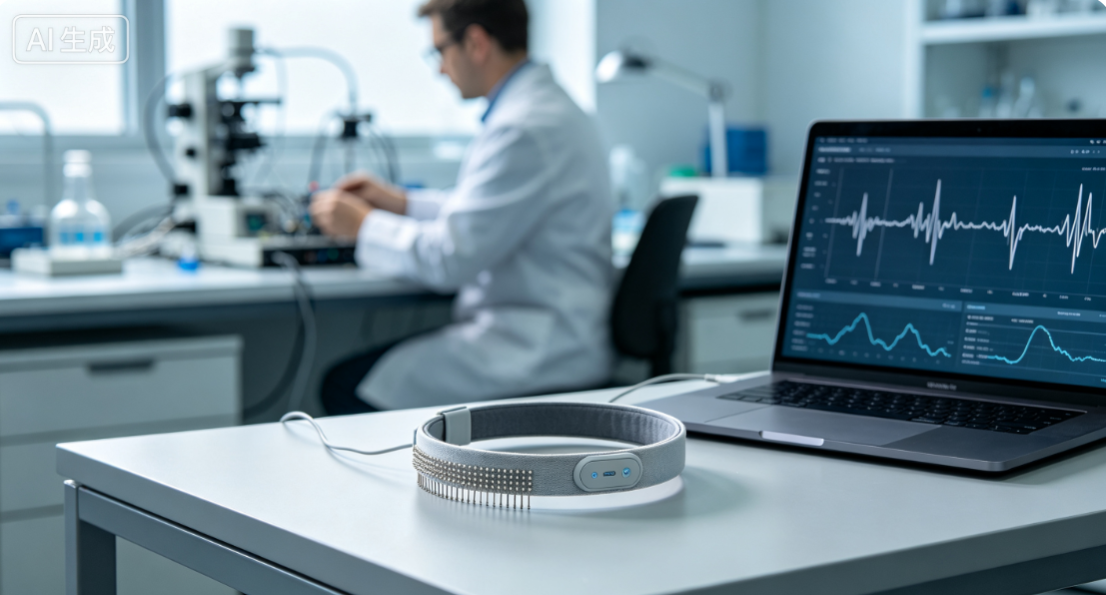
LeapTech, a startup from Shanghai, has developed a brain-computer interface (BCI) aimed at stress relief and has recently completed a seed funding round of nearly 10 million yuan. The funding, provided by angel investors with expertise in hard technology, consumer electronics, and manufacturing, will support the iteration of a non-invasive wearable BCI, the refinement of neural feedback algorithms, and the establishment of a production supply chain. Founded in October 2025 by Sun Huihua, a PhD from Shanghai Jiao Tong University, LeapTech focuses on consumer-grade BCI products that manage mental order, brain stability, and emotional energy. The non-invasive device collects EEG signals in real-time and intervenes acoustically when it detects stress or anxiety, guiding users into states of relaxation, meditation, focus, or sleep. Looking ahead, LeapTech plans to launch several wearable BCI products targeting relaxation, menstrual comfort, and energy maintenance. The company also aims to provide EEG collection hardware and acoustic solutions for smart headphones and wellness brands. As BCIs transition from medical devices to everyday consumer electronics, LeapTech seeks to address the challenge of maintaining mental well-being in an information-saturated world. No further timeline was disclosed at the time of publication.
Brain-Computer Interfaces Mental Health Technology Wearable Devices AI Solutions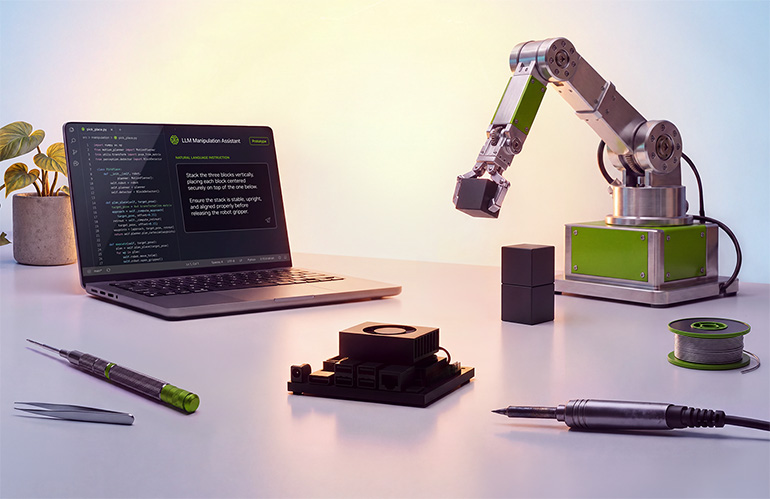
NVIDIA Launches Jetson Orin Nano 2, Enhancing Edge AI for Robotics with Improved Performance
NVIDIA Corp has unveiled the Jetson Orin Nano 2, an entry-level computer designed for edge AI applications. This new system offers doubled inference performance compared to its predecessor while consuming 40% less power in 15-watt mode. With 78 trillion operations per second of AI compute and 8GB of memory, it is tailored for real-time reasoning in smart drones, robots, and vision AI systems. The introduction of the Jetson Orin Nano 2 is significant as it allows developers to leverage advanced AI models that were previously limited to larger systems. According to Deepu Talla, NVIDIA's vice president of robotics and edge AI, the new model brings frontier-level accuracy to entry-level products, enhancing the capabilities of physical AI applications. This development is expected to accelerate the integration of AI into various autonomous devices. Looking ahead, NVIDIA's Jetson Orin Nano 2 is positioned as a key component in the company's comprehensive robotics strategy, which includes simulation and training solutions. The existing software stack is compatible with the new model, enabling developers to utilize large language models and vision language models optimized for edge inference. No further timeline was disclosed at the time of publication.
Artificial Intelligence Artificial Intelligence / Cognition Development Tools / SDKs / Libraries Microprocessors / SoC Microprocessors / SoCs News
RFID and Machine Vision Technologies Gain Traction in Automation Solutions
RFID and machine vision technologies are increasingly being adopted as effective solutions for automation. These technologies provide a more practical and cost-efficient alternative to traditional large-scale robotics projects, which often necessitate extensive facility redesigns and substantial capital investments. The significance of RFID and machine vision lies in their ability to seamlessly integrate into existing warehouse and manufacturing operations. This integration allows businesses to enhance their operational efficiency without the need for disruptive changes, making automation more accessible to a wider range of industries. Looking ahead, the continued growth of RFID and machine vision technologies is expected as companies seek to optimize their processes. No further timeline was disclosed at the time of publication.
Impact of Ukraine Conflict on Modern Warfare Tactics and Technologies
Rod Turnbull from Bloomberg Intelligence analyzes the transformative effects of Russia's invasion of Ukraine on contemporary military strategies. The ongoing conflict has prompted nations to adapt their warfare approaches, integrating advanced technologies such as drones and artificial intelligence into their operations. This shift is significant as it highlights the evolving nature of warfare, where traditional tactics are increasingly supplemented by innovative technologies. The use of drones and AI is reshaping battlefield dynamics, enabling more precise and efficient military actions, which could redefine future conflicts. Looking ahead, the continued evolution of military technology in response to the Ukraine conflict will be crucial to observe. The integration of these advanced systems may influence global military strategies and defense policies, as nations seek to enhance their operational capabilities in an increasingly complex security environment.
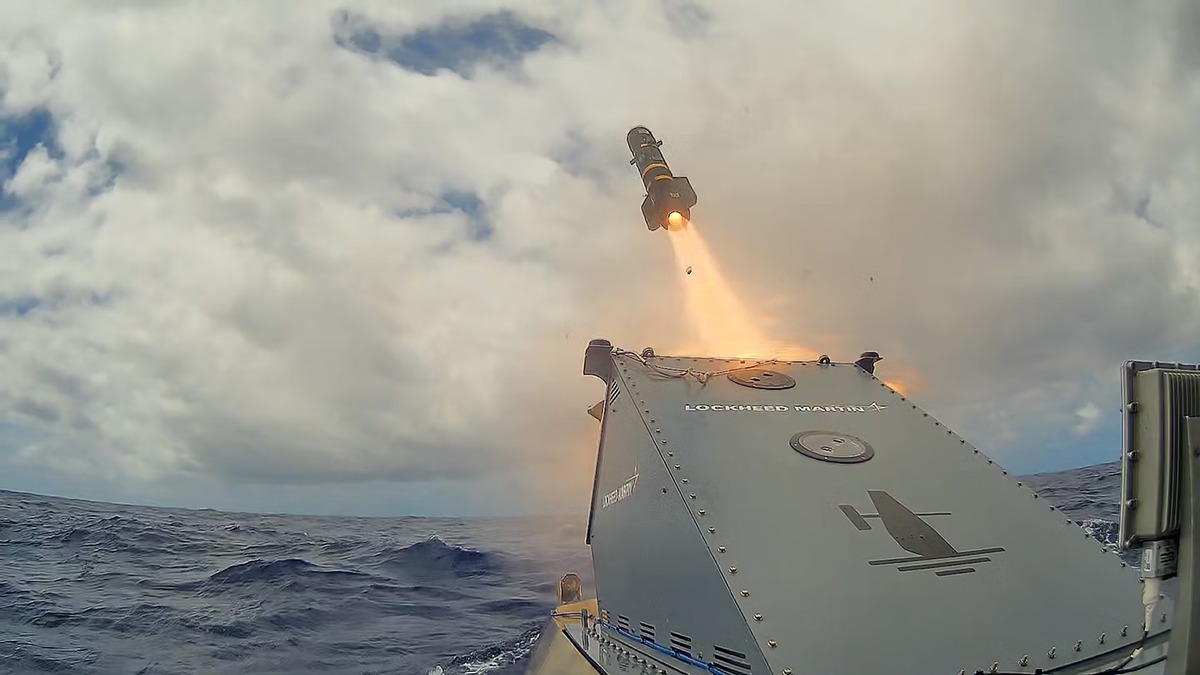
Saildrone and Lockheed Martin Enhance Autonomous Naval Warfare with RIMPAC Missile Launch
Saildrone successfully executed two Joint Air-to-Ground Missile launches from its Surveyor unmanned surface vehicle (USV) during the US Navy's Rim of the Pacific (RIMPAC) exercise. This marks a significant milestone as it is the first-ever missile launch from a Saildrone USV, showcasing the integration of Saildrone's technology with Lockheed Martin's missile capabilities. The demonstration is crucial as it highlights the potential of autonomous systems in modern naval warfare, allowing for extended operational capabilities in contested environments. The collaboration between Saildrone and Lockheed Martin, initiated in October 2025, aims to enhance the operational readiness of unmanned platforms, providing commanders with the necessary tools to project power effectively. Looking ahead, Saildrone plans to further develop its platform capabilities to meet evolving military requirements. The successful integration of electronic warfare sensors during the RIMPAC exercise also indicates the potential for future enhancements in autonomous naval operations. No further timeline was disclosed at the time of publication.
saildrone lockheed martin autonomous naval warfare rimpac demonstration usv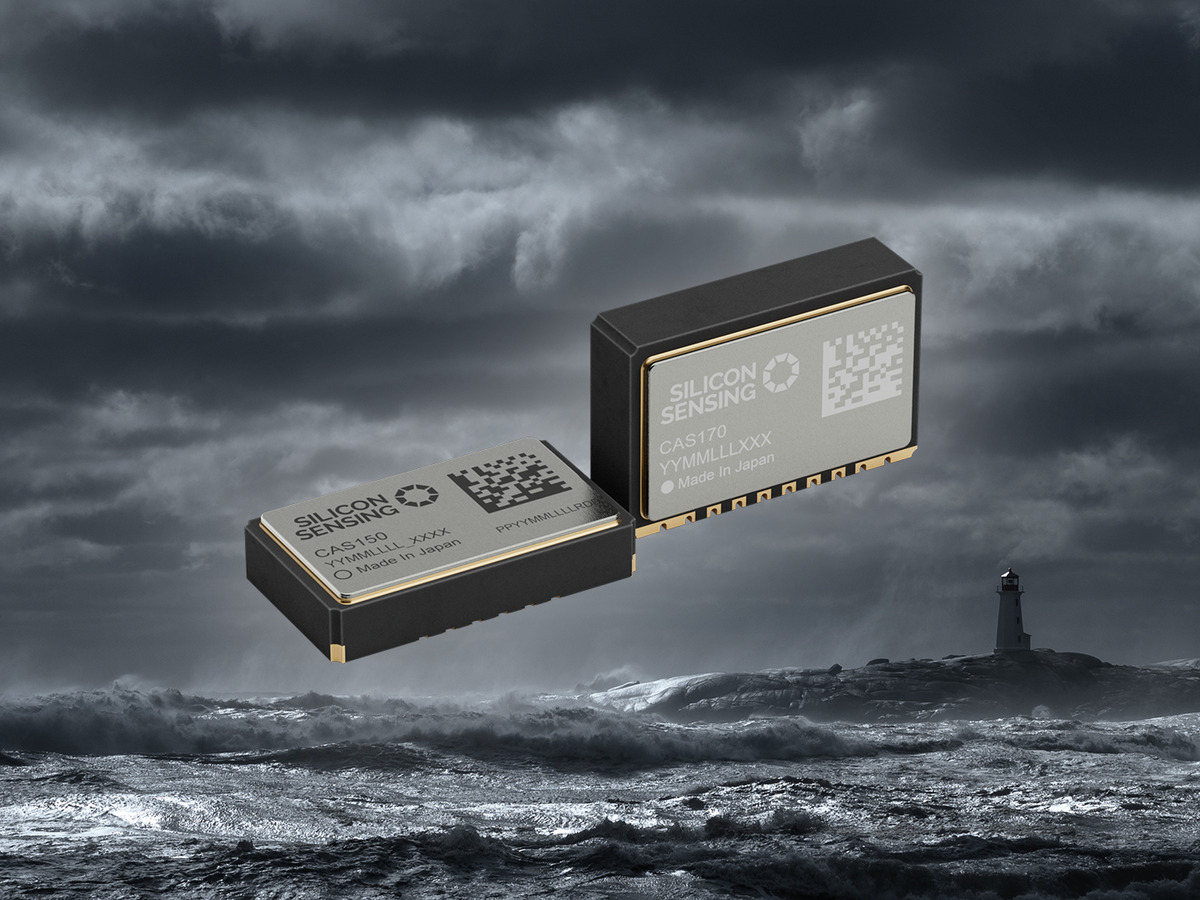
Silicon Sensing Launches Zenith®: A High-Performance Closed-loop Accelerometer for Marine Applications
Silicon Sensing has introduced the Zenith®, a closed-loop, single-axis MEMS accelerometer tailored for marine environments. This innovative device features low-noise performance and a compact design, making it suitable for critical applications in both autonomous and manned marine platforms. The significance of the Zenith® accelerometer lies in its ability to deliver precise linear-acceleration measurements, even in challenging conditions. With a robust ±14g dynamic range and exceptional signal clarity, it is designed for long-endurance operations and fast-changing scenarios, enhancing operational efficiency in marine applications. Looking ahead, the potential for the Zenith® in precise heave measurement is noteworthy. As the demand for reliable sensors in marine technology continues to grow, the integration capabilities of the Zenith® could play a crucial role in advancing marine operations. No further timeline was disclosed at the time of publication.
silicon sensing accelerometer zenith®Robotics needs a service framework.
RSF defines a common language for robot service capability, lifecycle operations, certification pathways, and service-provider networks.
Join the RobotToday community on LinkedIn
Daily robotics news, in-depth analysis, conference highlights, and discussions with professionals worldwide.







