

Industry Briefing
A single destination for timely, editor-curated robotics news from around the world.

Germany Accounts for 41% of All Industrial Robots Installed in the EU
Germany's economy is at the forefront of robotics automation in Europe, having installed 24,800 new industrial robots in the manufacturing sector. This significant contribution highlights Germany's leadership role in the adoption of advanced automation technologies. The installation of these robots represents 41% of all industrial robots deployed across the European Union, underscoring the importance of Germany in the regional robotics landscape. This trend reflects a growing commitment to enhancing productivity and efficiency within the manufacturing industry. Looking ahead, it will be crucial to monitor how Germany continues to leverage robotics technology to maintain its competitive edge in the EU market. No further timeline was disclosed at the time of publication.
Allgemein Newsarchiv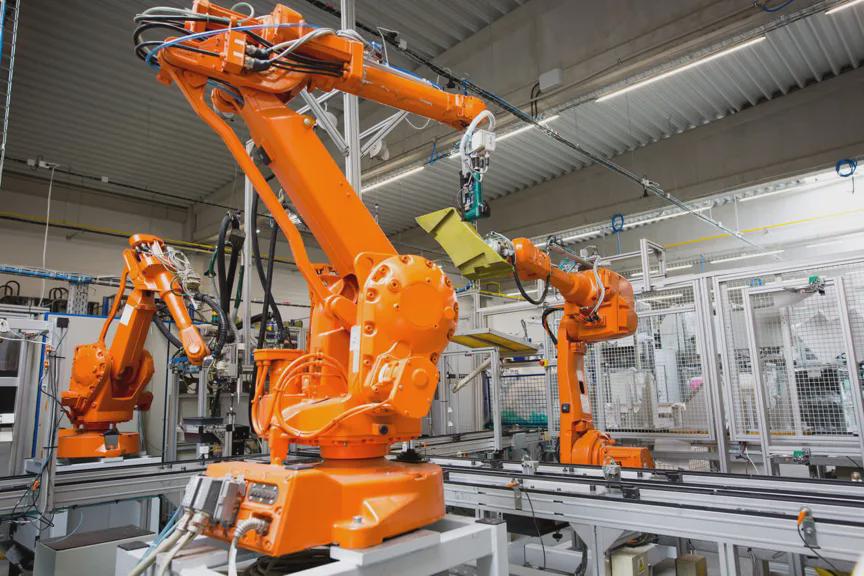
354,000 Chinese Industrial Robots Transforming the Landscape of the 'Four Great Families
A significant development in the robotics sector has emerged, with 354,000 Chinese industrial robots reportedly toppling the city walls of the 'Four Great Families'. This event highlights the rapid advancements in robotics technology and its implications for urban infrastructure. The importance of this transformation lies in the potential for industrial robots to reshape traditional industries and urban environments. As these robots become more integrated into various sectors, they may lead to increased efficiency and innovation, challenging established norms and practices. Looking ahead, the ongoing evolution of robotics technology will be crucial to watch. The integration of such a large number of robots signifies a shift in how industries operate, and it will be interesting to see how this impacts future urban planning and industrial strategies. No further timeline was disclosed at the time of publication.
Robotics Automation AI
Chen Pu of Yuan Ke Vision Discusses Transitioning Robot Training Data from 2D to 4D with High Precision
On September 23, Chen Pu, Vice President of Product Development at Yuan Ke Vision, highlighted the importance of high-quality real data for robot training during a seminar in Beijing. He emphasized the need to elevate data from 2D to 4D and improve precision from centimeter to sub-millimeter levels to build a robust 4D data foundation for robotics. This transition is crucial as the industry faces challenges such as weak model generalization and inadequate scene adaptability. Chen noted that current training methods often rely on limited 2D video data, which fails to capture the complexities of three-dimensional space and temporal changes, hindering robots' ability to understand and interact with their environments effectively. Looking ahead, Yuan Ke Vision aims to address these challenges by developing new data collection and training paradigms that enhance dimensionality, enrich modalities, and improve precision. Chen pointed out that while video data serves as a foundation, it is often too simplistic, and the lack of tactile data remains a significant gap in the industry. No further timeline was disclosed at the time of publication.
Robot Training Data 4D Data Collection Industrial Robotics Embodied Intelligence Precision Robotics
SiMa.ai Achieves $1.45 Billion Valuation with $150 Million Series C Funding Round
SiMa.ai has successfully raised $150 million in Series C financing, increasing its total funding to $500 million and achieving a valuation of $1.45 billion. This funding round was co-led by Fidelity Management & Research Company and Amplify, with new investments from AllianceBernstein, Baron Capital, J.P. Morgan, and the State of Michigan. The significance of this funding lies in SiMa.ai's position as a leader in Physical AI, which is crucial for advancing technologies in humanoids, automotive applications, and drones. The participation of notable investors highlights the growing interest and confidence in the potential of Physical AI to transform various industries. Looking ahead, SiMa.ai's continued focus on scaling its technology will be critical. The company aims to leverage this funding to enhance its capabilities in Physical AI, although no further timeline was disclosed at the time of publication.

Suteng Juchuang and NVIDIA Expand Collaboration with E2 and EM4 Joining HSB Ecosystem
Suteng Juchuang has announced an expansion of its cooperation with NVIDIA, marking a significant step in integrating their E2 and EM4 products into the HSB ecosystem. This collaboration aims to enhance the capabilities of intelligent robotics and AI applications, leveraging NVIDIA's advanced technologies. The partnership is crucial as it highlights the growing importance of integrating AI and robotics in various sectors, particularly in enhancing operational efficiency and innovation. By connecting E2 and EM4 to the HSB ecosystem, Suteng Juchuang is positioning itself at the forefront of technological advancements in robotics. Looking ahead, industry observers will be keen to see how this collaboration evolves and impacts the robotics landscape. No further timeline was disclosed at the time of publication.
Robotics Automation AI
Yushu's Market Value Declines from 444.9 Billion to 203.6 Billion Amid Reassessment
Yushu's market value has significantly decreased from 444.9 billion to 203.6 billion, prompting a reassessment of its market position. This decline highlights the volatility in the market and raises questions about the sustainability of its previous valuation. The reduction in market value is crucial as it reflects broader trends in investor sentiment and market dynamics. Stakeholders are now closely monitoring Yushu's strategic responses to this downturn, which could influence future investment decisions and market confidence. Looking ahead, industry observers will be watching for Yushu's next moves and any potential recovery strategies. No further timeline was disclosed at the time of publication.
Robotics Automation AI
Toyota's Ambitious Plan to Deploy 400,000 Robots: Implications for Investors
Toyota has announced a strategic initiative to deploy 400,000 robots across its operations. This ambitious plan aims to enhance efficiency and productivity within the company, positioning Toyota as a leader in automation technology. The significance of this move lies in its potential to reshape the automotive industry by integrating advanced robotics into manufacturing processes. Investors should take note of how this initiative could influence Toyota's market position and profitability in the coming years. Looking ahead, stakeholders should monitor the implementation timeline and the impact of these robots on production capabilities. No further timeline was disclosed at the time of publication.
Robotics Automation AI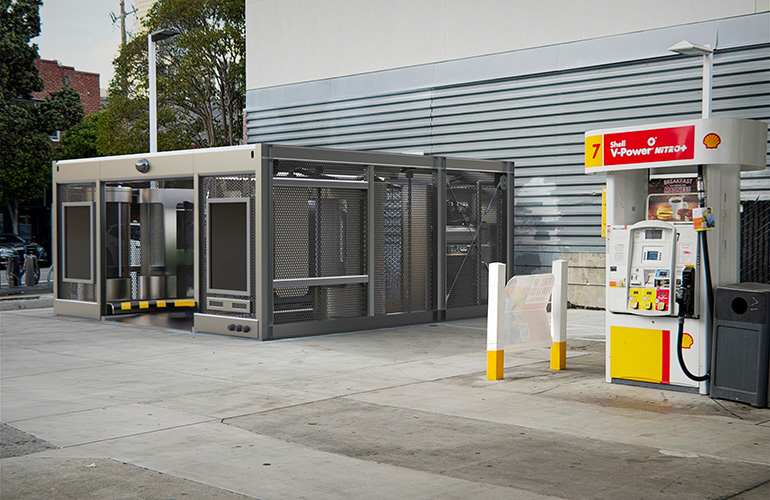
Scaling Robotaxis: Challenges from 14 Cities to 15,000 Operational Areas
Waymo has successfully logged over 220 million autonomous miles, achieving a significant reduction in serious injury crashes compared to human drivers. With around half a million paid rides weekly, Waymo is expanding its operations from 14 cities, raising the question of how to scale robotaxi services to over 15,000 locations like Uber. The challenge lies in the operational logistics of robotaxis, particularly the need for cleaning and reset stations. Each reset can take approximately two hours, and data indicates that only 54% of Waymo's reported miles carried passengers. This inefficiency highlights the difficulties in scaling operations to meet the demands of thousands of cities, where the infrastructure for servicing robotaxis is often lacking. Future developments will need to address the scarcity of suitable land for depots, the lengthy regulatory processes for establishing charging sites, and the unique urban layouts of different cities. Without solutions to these logistical hurdles, scaling robotaxis to a larger operational footprint may remain a significant challenge.
News Opinion Self-Driving Vehicles Transportation Aseon Labs Lucid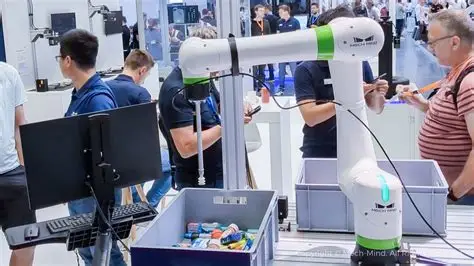
14 Robotics Firms Listed on Hong Kong Stock Exchange, Most Lack Genuine Embodiment
On September 24, Mech-Mind released its first interim report since its listing on September 1, just 23 days prior. The excitement stemmed from a highly successful IPO, which saw a subscription rate of 3,835 times, attracting 252,500 applications with a 3% success rate. Founder Shao Tianlan's outspoken comments post-listing have also sparked discussions in the embodied intelligence sector. Mech-Mind positions itself as an AI industrial robotics company for 2024, aiming to become the first stock in embodied intelligence by August 2025. However, 93% of its revenue still comes from early-stage products, specifically smart robotic guidance systems, while the combined revenue from its Mech-GPT and Mech-Hand products accounts for less than 1.1%. This trend is not unique to Mech-Mind; 14 robotics companies have listed on the Hong Kong Stock Exchange in the past 21 months, many of which do not directly serve general embodied intelligence or humanoid robotics but have capitalized on the trend. The subscription multiples for these companies are unprecedented in the Hong Kong market, with YiFei Technology achieving a record 14,855 times. However, many of these firms are not yet profitable, and their stock prices have shown significant declines post-IPO. As the novelty of being the 'first' wears off, the perceived value of these companies may diminish, similar to trends seen in the autonomous driving sector. Investors are now more cautious, with some halting investments in embodied intelligence companies altogether, indicating a challenging market ahead for new entrants.
Industrial Robotics AI Stock Market Automation Embodied Intelligence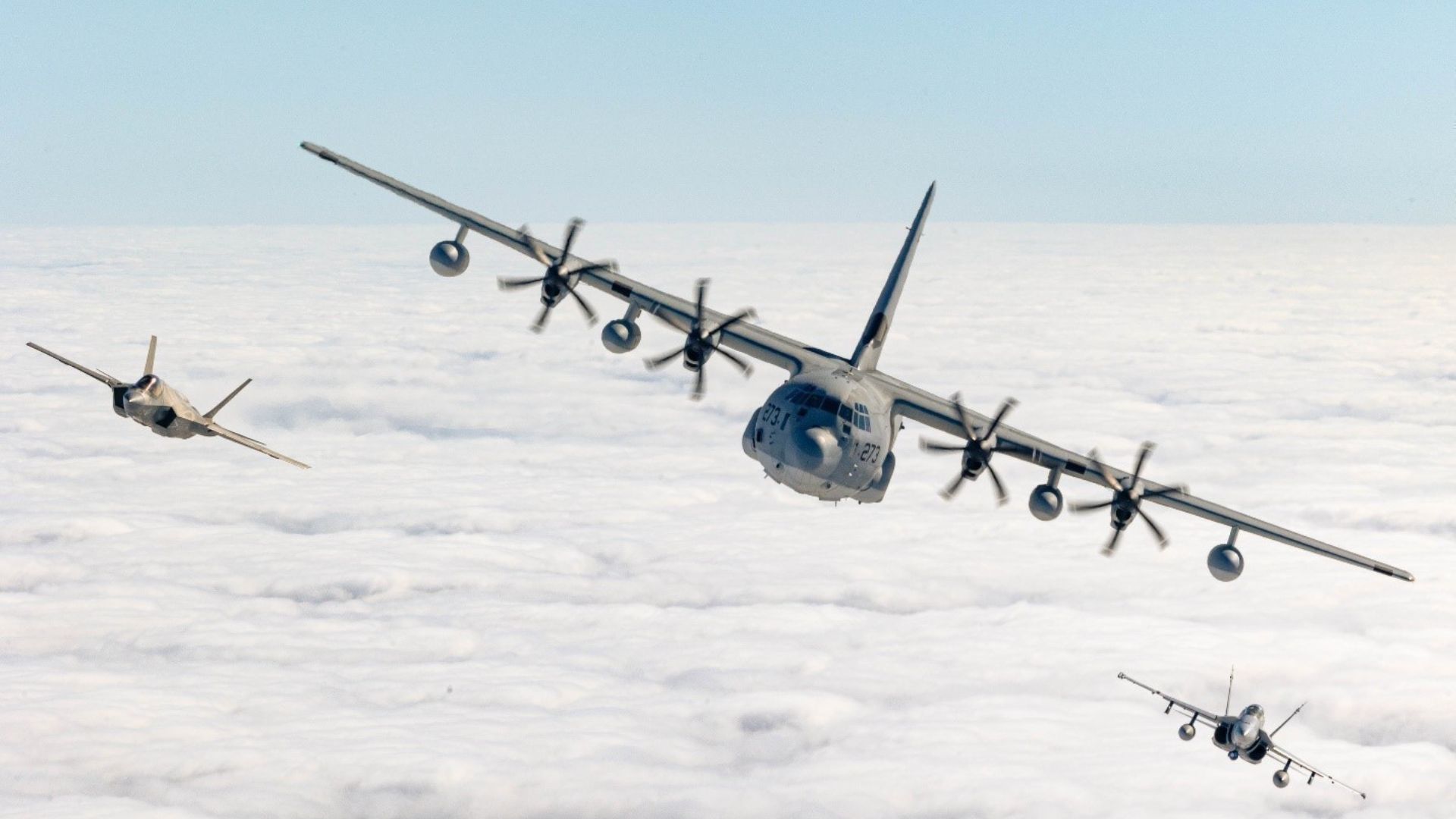
U.S. Marine Corps Enhances F-35B Operations with KC-130J Logistics in 4,000-Mile Transit
The U.S. Marine Corps has successfully demonstrated a new operational model for F-35B Lightning II aircraft, extending their reach across approximately 4,000 nautical miles in the Indo-Pacific. Utilizing KC-130J aircraft as mobile logistics hubs during Operation Slingshot, the 3d Marine Aircraft Wing showcased the ability to sustain fighter operations without heavy reliance on strategic tankers or established bases. This innovative approach is significant as it allows Marine aviation to operate from remote locations, enhancing flexibility and operational capability across widely separated islands. The KC-130J served as a self-contained logistics node, transporting Marines, maintenance equipment, and fuel to support aviation operations in austere environments, thereby increasing the range and lethality of the F-35Bs. Looking ahead, the success of Operation Slingshot may influence future Marine Corps strategies for deploying and sustaining air operations in challenging terrains. The integration of MV-22B Ospreys for personnel movement and site establishment further solidifies this mobile logistics model, which could redefine operational tactics in the Indo-Pacific region. No further timeline was disclosed at the time of publication.
Military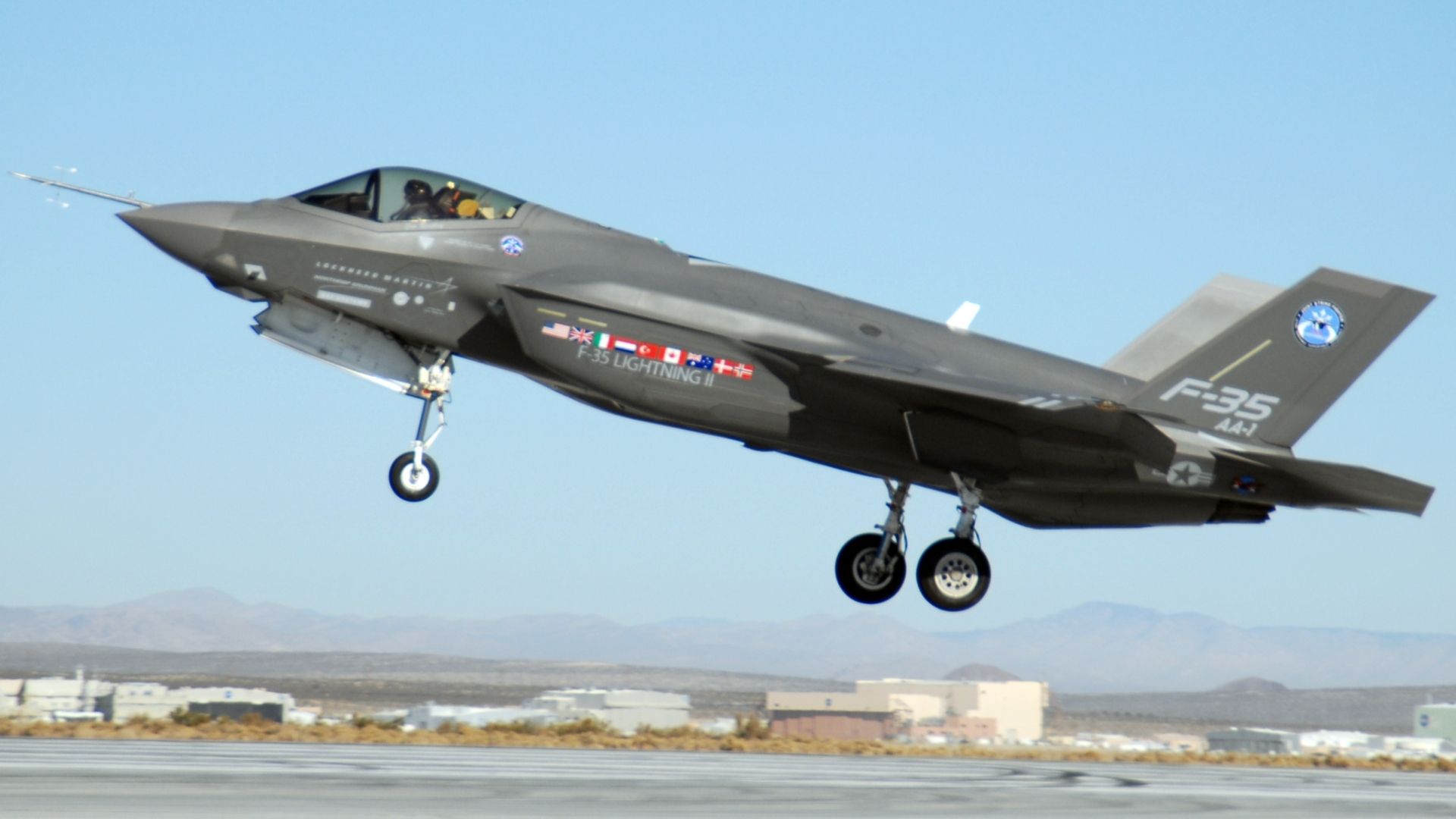
Honeywell Aerospace Introduces 40-Kilowatt Cooling Upgrade for F-35 Fighter Jet
Honeywell Aerospace has unveiled a new upgrade for the F-35 fighter jet, enhancing its cooling capacity by 25% through the P40 upgrade. This improvement raises the aircraft's power and thermal management system (PTMS) cooling capability from approximately 32 to 40 kilowatts, enabling better management of heat generated by advanced sensors and mission systems. The significance of this upgrade lies in its ability to support the F-35's evolving technological demands without necessitating structural changes to the aircraft. As operators integrate more sophisticated sensors and computing systems, the cooling system's capacity becomes critical to maintain optimal operational temperatures for onboard equipment. Looking ahead, the P40 upgrade is expected to facilitate future enhancements to the F-35's capabilities. While specific upgrades utilizing the additional cooling capacity have not been disclosed, Honeywell's approach, which includes software modifications and improvements to liquid-cooling equipment, positions the F-35 to better handle the increasing thermal loads associated with advanced mission systems. No further timeline was disclosed at the time of publication.
Military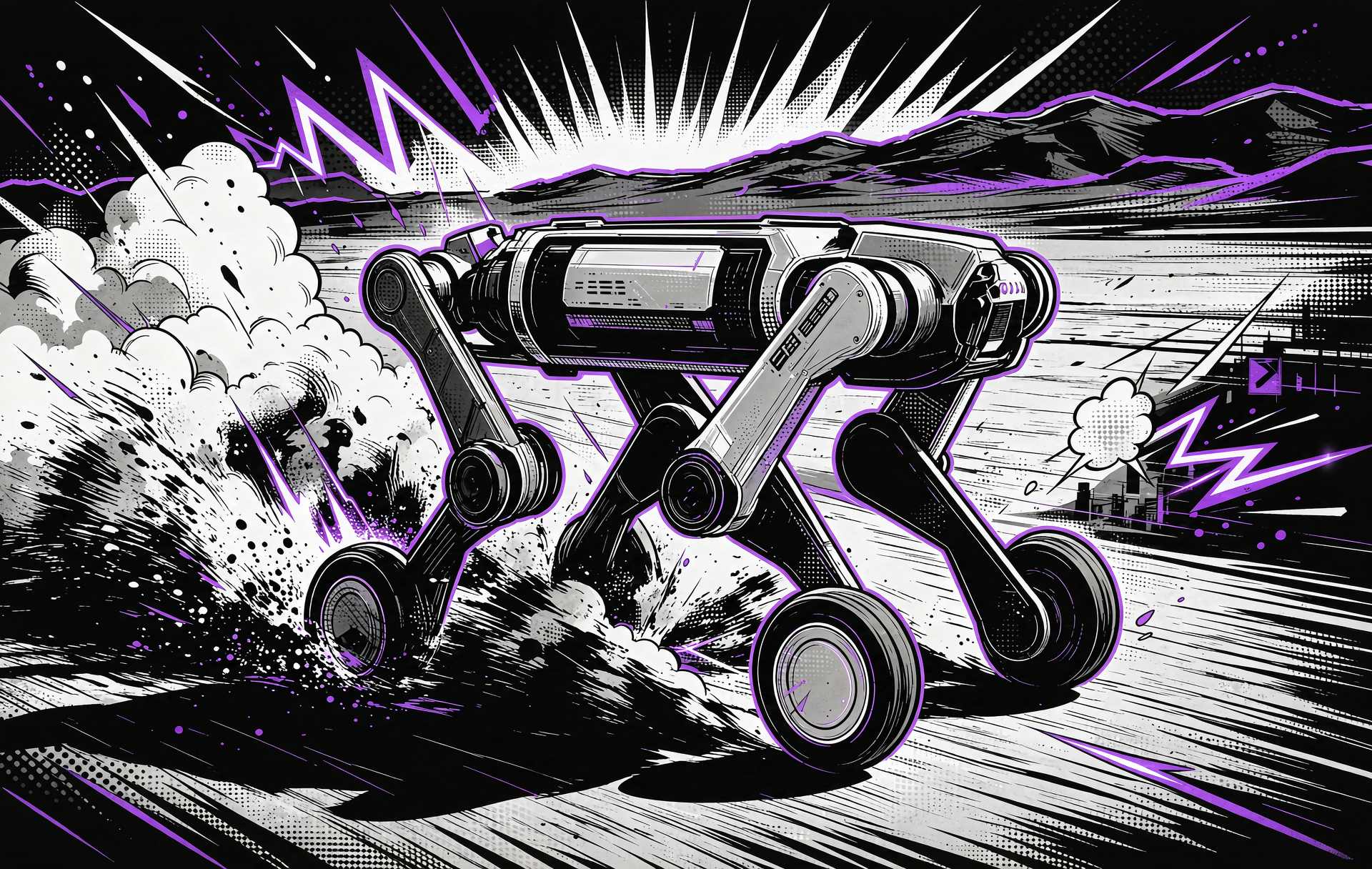
Robotic Dog Successfully Navigates Level 14 Typhoon Without Errors
A robotic dog demonstrated remarkable performance by traversing the entire distance during a level 14 typhoon, achieving zero faults and mistakes. This feat highlights the advancements in robotics and the potential for robots to operate in extreme weather conditions, showcasing their reliability and resilience. The significance of this achievement lies in its implications for future robotic applications in challenging environments. As industries increasingly seek automation solutions that can withstand harsh conditions, this robotic dog's performance sets a new benchmark for reliability in robotics. Looking ahead, the industry will be keen to observe further developments in robotic technologies that enhance performance in adverse weather. No further timeline was disclosed at the time of publication.
Robotics Automation AI
China Installed 354,000 Industrial Robots in 2025, Representing 59% of Global Total
On September 24, the International Federation of Robotics (IFR) released its report 'World Robotics 2026,' revealing that China deployed 354,000 industrial robots in 2025, marking a 20% increase year-on-year and accounting for 59% of global installations. This figure surpasses the previous record by nearly 60,000 units, reinforcing China's position as the largest industrial robot market worldwide. The demand for industrial robots in China is primarily driven by the electrical and electronics, automotive, and metalworking sectors. In 2025, the electrical and electronics industry installed 96,400 robots, a 16% increase, while the automotive sector saw installations rise to 78,900, a remarkable 38% growth. The metalworking industry also experienced a 44% increase, reaching 78,700 units. The automotive sector's growth is particularly noteworthy as it undergoes a transformation towards electrification and intelligence, leading to heightened demand for robots. Chinese robot manufacturers are expanding their presence in the domestic market, with local suppliers increasing installations by 15% to 195,000 units, representing 55% of the total. The IFR noted that since 2024, over half of the industrial robots installed in China have been supplied by domestic brands. The market is expected to continue growing at an annual rate of 5% to 10% until 2029, driven by demographic changes and labor shortages. Future developments will focus on transforming industrial robots into intelligent equipment capable of adapting to non-standard scenarios.
Industrial Robots Automation Robotics Market AI Technology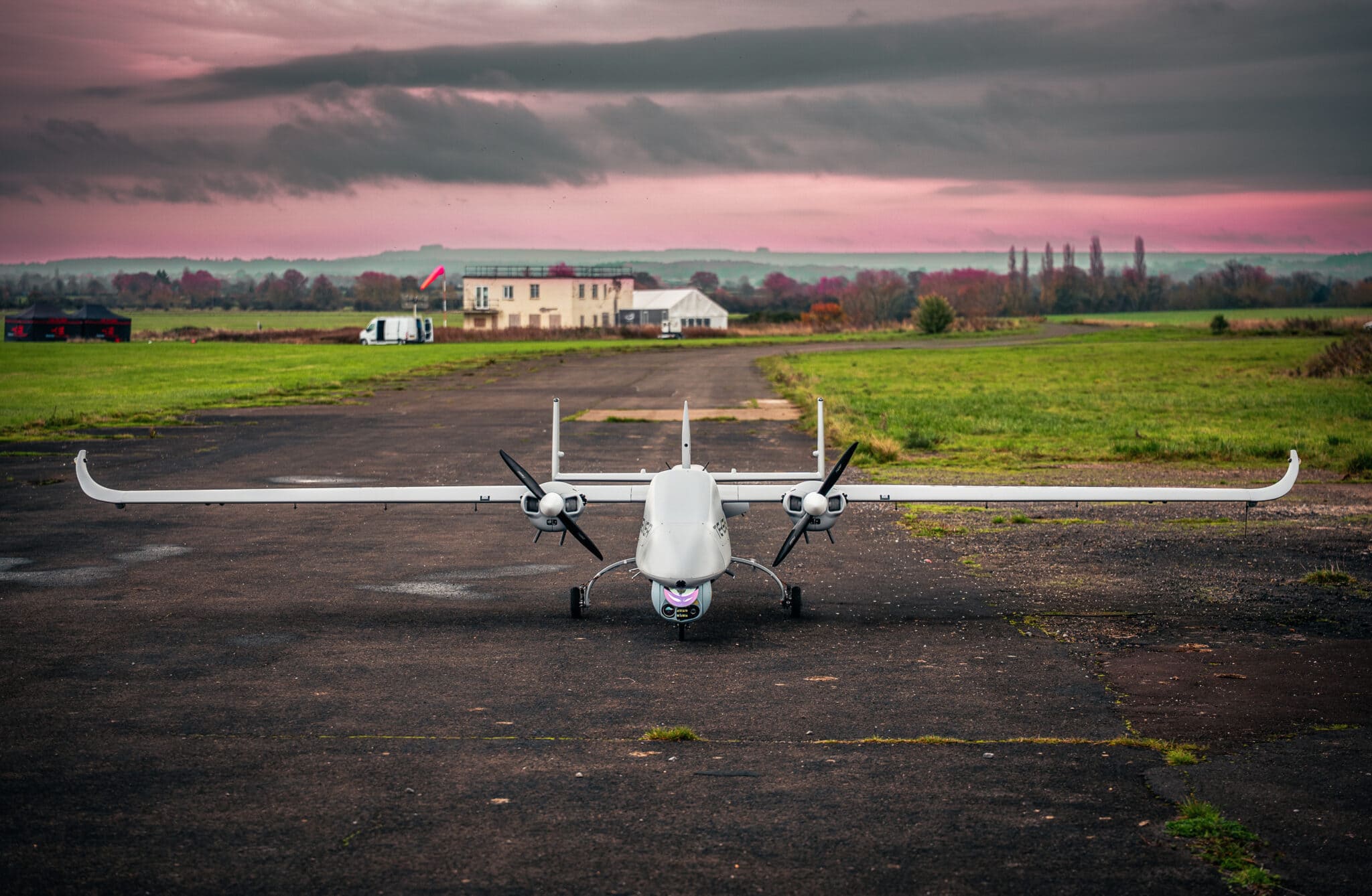
Tekever Secures $580 Million in Series D Funding, Valued at $6.4 Billion
Tekever has successfully raised $580 million in the initial close of its Series D funding round, achieving a valuation of $6.4 billion. This financing aims to bolster the company's international expansion, enhance manufacturing capabilities, and support technology development, alongside potential acquisitions. The significance of this funding is underscored by Tekever's operational achievements, including over 50,000 flight hours logged by its autonomous systems in Ukraine since 2022. Additionally, the company has secured a contract worth up to £400 million to supply AR5 aircraft for the British Army's Project CORVUS, highlighting its growing influence in the defense sector. Looking ahead, Tekever anticipates further closings in its Series D funding round, which will likely attract additional strategic investors. The company is also expanding its production capabilities and operational presence, particularly in Ukraine, as it continues to innovate and adapt its autonomous drone technology based on frontline feedback.
AI AI Funding & Investment Robotics autonomous defense Baillie Gifford Crescent Cove
Common Vector Robotics Secures $425,000 in Michigan's PitchMI Startup Competition
Common Vector Robotics, a manufacturer based in Detroit, has secured $425,000 in funding after winning the defense and aerospace semifinal of Michigan University's PitchMI Startup Competition. The funding includes $375,000 from the main competition and an additional $50,000 from 20Fathoms. This funding is significant for Common Vector Robotics, as it aims to enhance its development of ground-based robotic systems for both civilian and defense applications. The company focuses on in-house manufacturing of critical components, which supports its innovative platforms like Ghostrunner and the GL-1, designed for rugged environments and autonomous operations. Looking ahead, Common Vector Robotics plans to leverage this funding to scale its operations and further develop its robotic technologies. No further timeline was disclosed at the time of publication.
Business News Robotics 20fathoms autonomous mobile robots Autonomous robots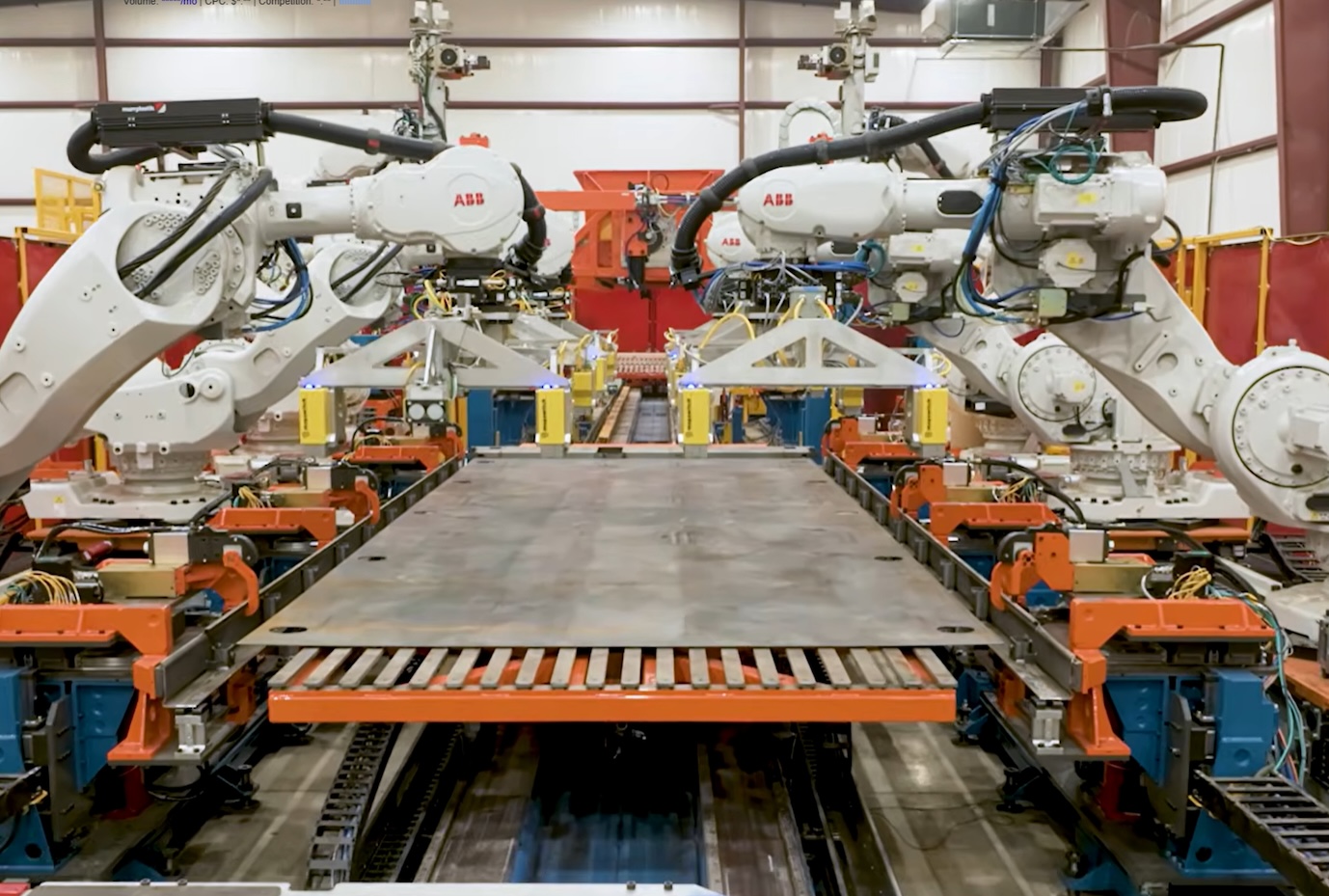
Honeywell Aerospace Introduces 40kW PTMS Upgrade for Enhanced F-35 Cooling Capacity
Honeywell Aerospace has announced the launch of the P40 Power and Thermal Management System (PTMS) upgrade for the Lockheed Martin F-35. This new system provides a significant 25% increase in cooling capacity, enhancing the operational efficiency of the aircraft. The upgrade is crucial as it addresses the thermal management needs of the F-35 fleet, ensuring that the aircraft can operate effectively under various conditions. Improved cooling capacity is essential for maintaining performance and reliability, especially during demanding missions. Looking ahead, industry stakeholders will be monitoring the deployment of the P40 PTMS and its impact on the F-35 fleet's operational capabilities. No further timeline was disclosed at the time of publication.
News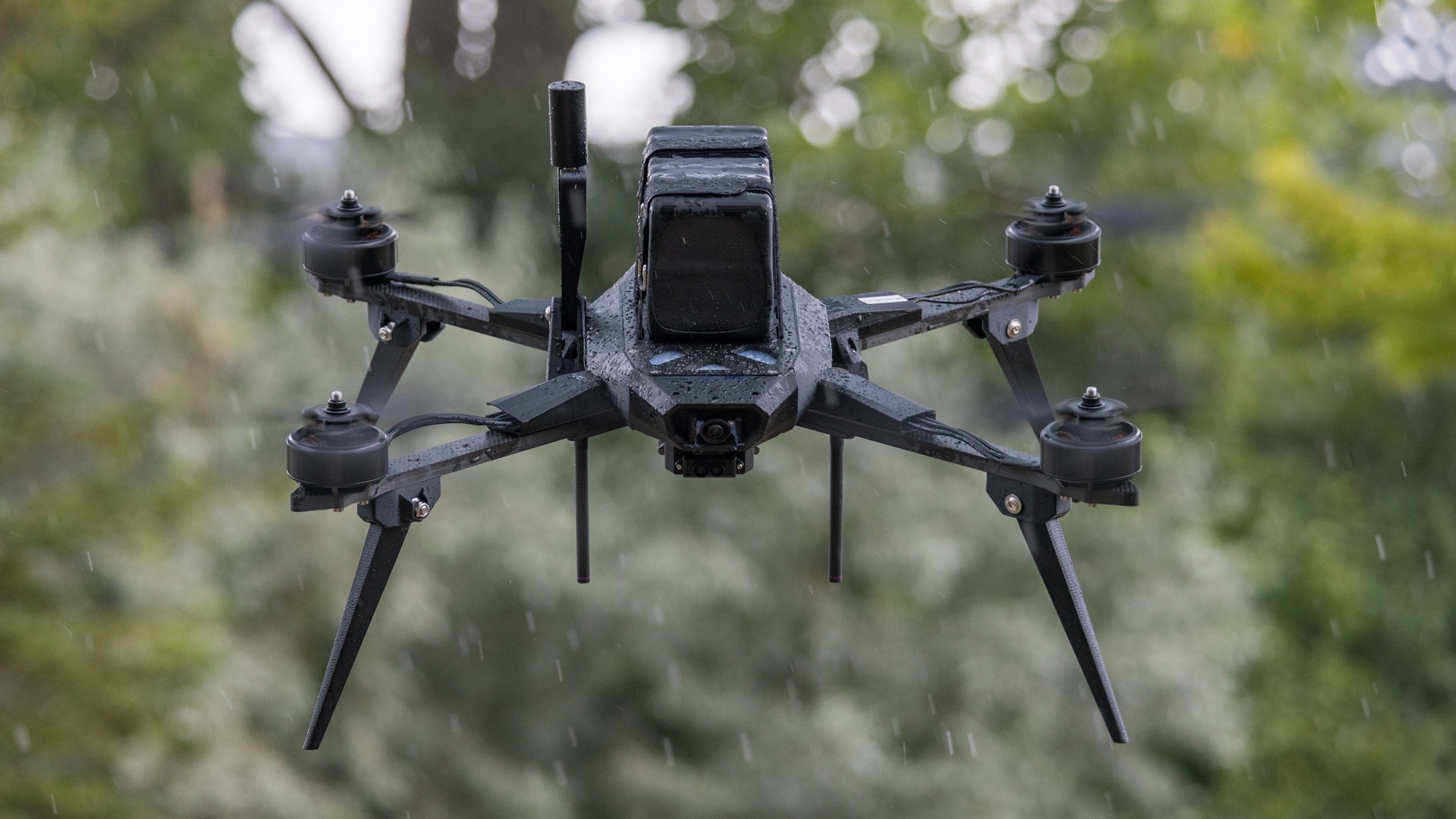
US Department of War Orders 4,000 Kiwi UAVs for Drone Dominance Program
Swarm Defense Technologies has secured a contract from the US Department of War for 4,000 Kiwi one-way attack drones, valued at a minimum of $25 million. This order is part of the Drone Dominance Program, which evaluates small uncrewed aircraft through military testing before prototype orders are placed. The Kiwi drones will be manufactured in Auburn Hills, Michigan. This order is significant as it highlights the increasing reliance on drone technology in military operations. The Kiwi quadcopter is designed for one-way attack missions and can be controlled by a single operator managing multiple drones simultaneously. Adam Wright, President of Swarm Defense Technologies, emphasized that swarming technology allows a single pilot to achieve the effectiveness of multiple pilots in combat scenarios. Looking ahead, Swarm Defense is exploring the adaptability of the Kiwi platform for various missions, including intelligence, surveillance, and reconnaissance. The company is also developing a containerized deployment system for rapid drone launch. No further timeline was disclosed at the time of publication.
Military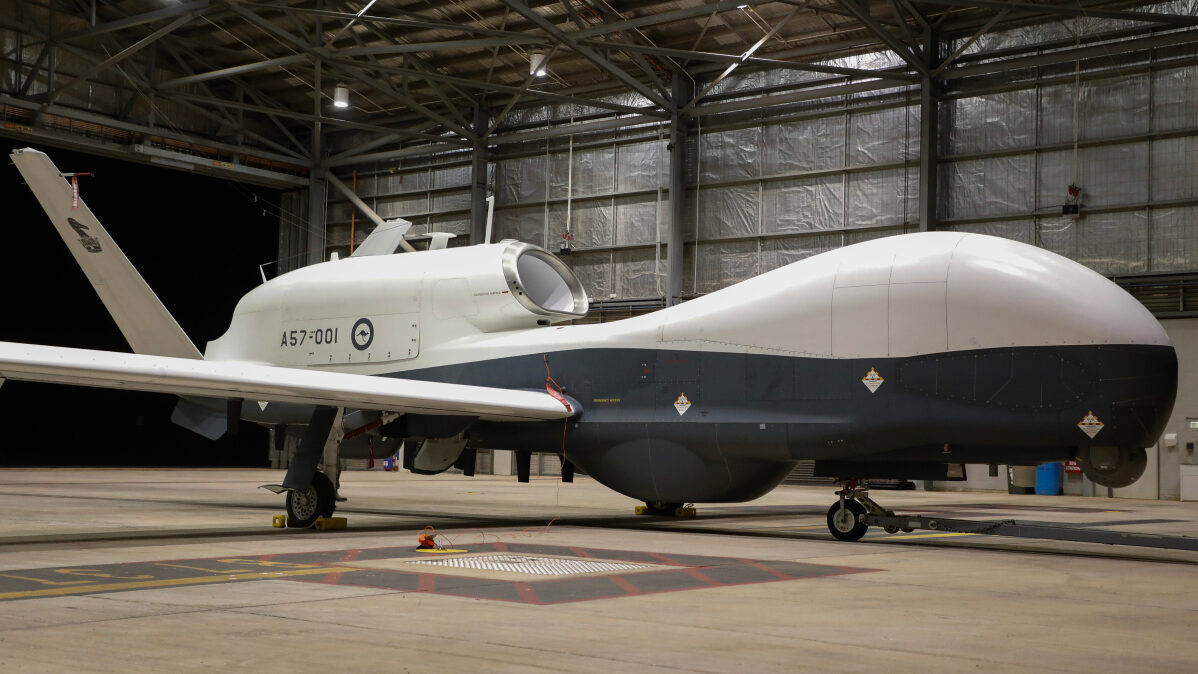
RAAF Achieves Initial Operational Capability for MQ-4C Tritons and MC-55A Peregrines
The Royal Australian Air Force (RAAF) has announced that it has achieved Initial Operational Capability (IOC) for its MQ-4C Triton unmanned aerial vehicles. This milestone is expected to significantly enhance the RAAF's capacity to provide persistent intelligence, surveillance, and reconnaissance (ISR) capabilities across Australia's primary military interest areas. Achieving IOC for the MQ-4C Tritons is crucial as it strengthens the RAAF's operational effectiveness in ISR missions, which are vital for national security and defense strategies. The integration of these advanced systems is anticipated to improve situational awareness and decision-making processes within the Australian defense framework. Looking ahead, the RAAF will likely focus on further operational integration and training to maximize the capabilities of the MQ-4C Tritons and MC-55A Peregrines. No further timeline was disclosed at the time of publication.
Air Warfare Global Air Force Asia australia Indo-Pacific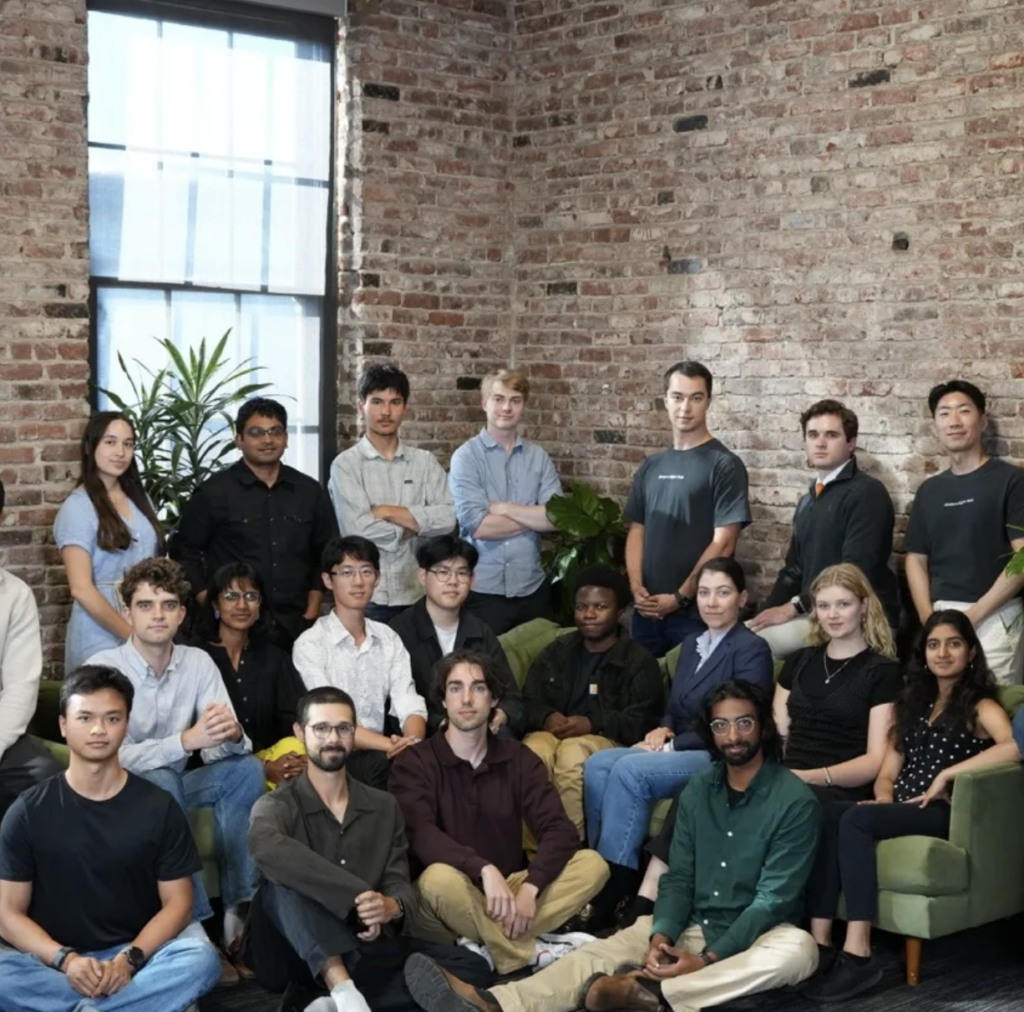
Vals Secures $40M Series A Funding Led by Andreessen Horowitz for AI Benchmarking
Vals, an AI benchmarking startup founded in 2024, has successfully raised $40 million in a Series A funding round led by Andreessen Horowitz. This follows a previous seed round backed by 8VC and Bloomberg Beta. Co-founder Rayan Krishnan highlighted that Vals aims to address the shortcomings of traditional academic benchmarks, which struggle to keep pace with advanced AI models. The significance of Vals' approach lies in its undisclosed evaluation materials, which prevent companies from training their models to pass specific tests. Instead of focusing on general knowledge, Vals evaluates models based on their performance in real-world tasks across various sectors, including law, finance, and coding, while also considering potential negative impacts in areas like cybersecurity and mental health. Looking ahead, Vals has launched a program to provide model evaluations to federal agencies, and Krishnan anticipates that such benchmarks will become increasingly important as AI companies aim for public offerings. No further timeline was disclosed at the time of publication.
AI Funding & Investment AI AI-driven platform Andreessen Horowitz capital markets funding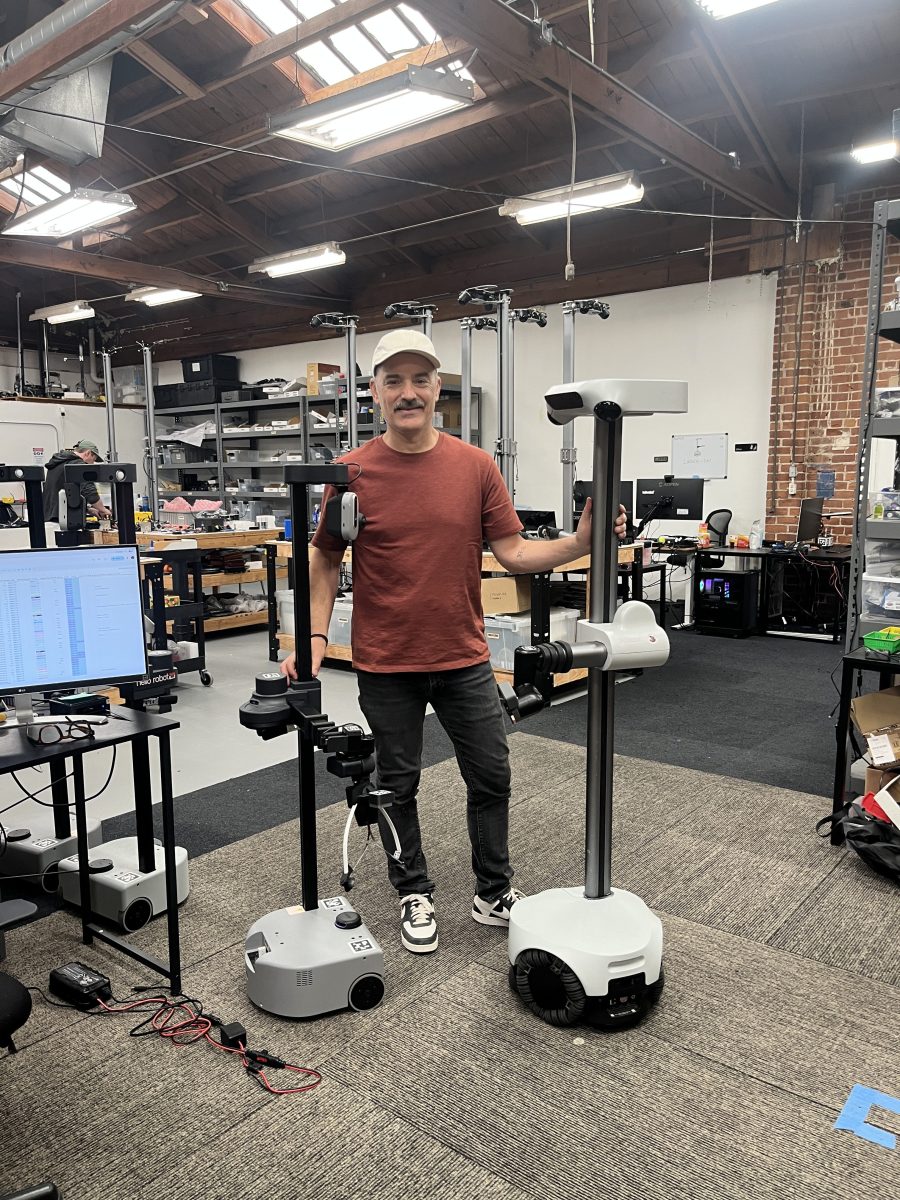
Hello Robot's Stretch 4 Demonstrated by Aaron Edsinger at TechCrunch Disrupt 2026
At TechCrunch Disrupt 2026, Aaron Edsinger, CEO of Hello Robot, showcased Stretch 4, a home-assistance robot designed to aid individuals with severe mobility impairments. Stretch 4, which launched in May, features a compact design with a telescoping arm, enabling it to perform everyday tasks like feeding, closing blinds, and scratching an itch. This demonstration highlights the importance of practical robotics in enhancing independence for users with mobility challenges. Unlike many robots focused on humanoid designs, Stretch 4 emphasizes functionality and accessibility, making it suitable for real-world environments. The robot's first production run sold out shortly after its launch, indicating strong demand and interest in its capabilities. Attendees at Disrupt will witness Stretch 4 in action and learn about Hello Robot's innovative approach to physical AI. The session aims to shift the narrative from flashy demonstrations to real-life applications, showcasing how technology can significantly improve the quality of life for individuals with disabilities. No further timeline was disclosed at the time of publication.
Startups Hardware AI Robotics TechCrunch Disrupt hello robot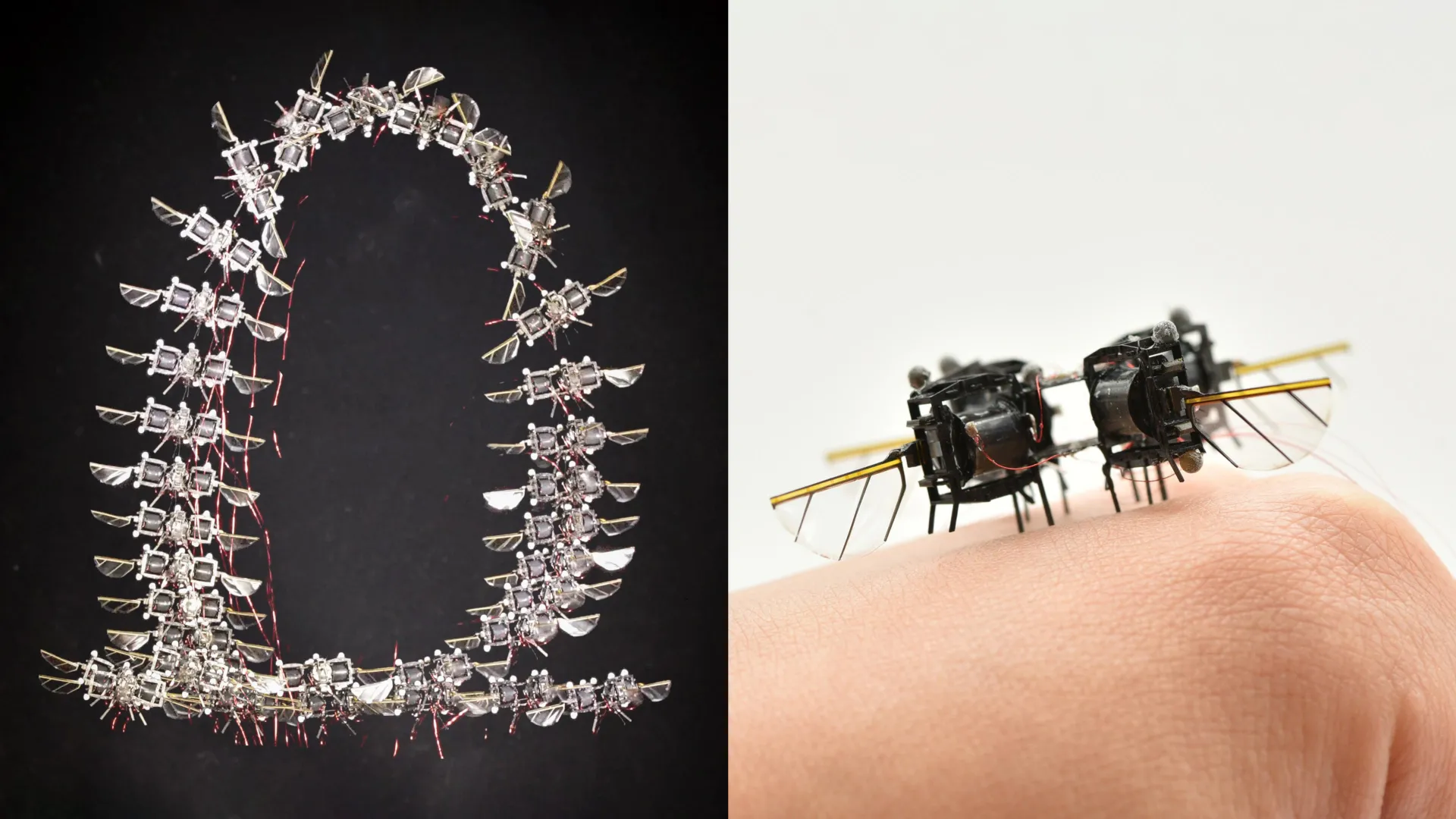
MIT Develops AI-Controlled Flying Robot Achieving 450% Speed Increase
Researchers at MIT have unveiled a new AI-based controller for tiny flying robots, enhancing their speed and agility significantly. This advancement allows these insect-scale robots to perform complex aerial maneuvers, such as body flips, with a speed increase of approximately 450% and acceleration boost of about 250% compared to previous models. The significance of this development lies in the potential applications of these agile robots in search and rescue operations, particularly in navigating through confined spaces in disaster scenarios where larger drones may struggle. The bioinspired control framework enables the robots to mimic the flight performance of insects, making them suitable for challenging environments. Looking ahead, the research team aims to further refine the robot's capabilities, enhancing its robustness and maneuverability. No further timeline was disclosed at the time of publication.
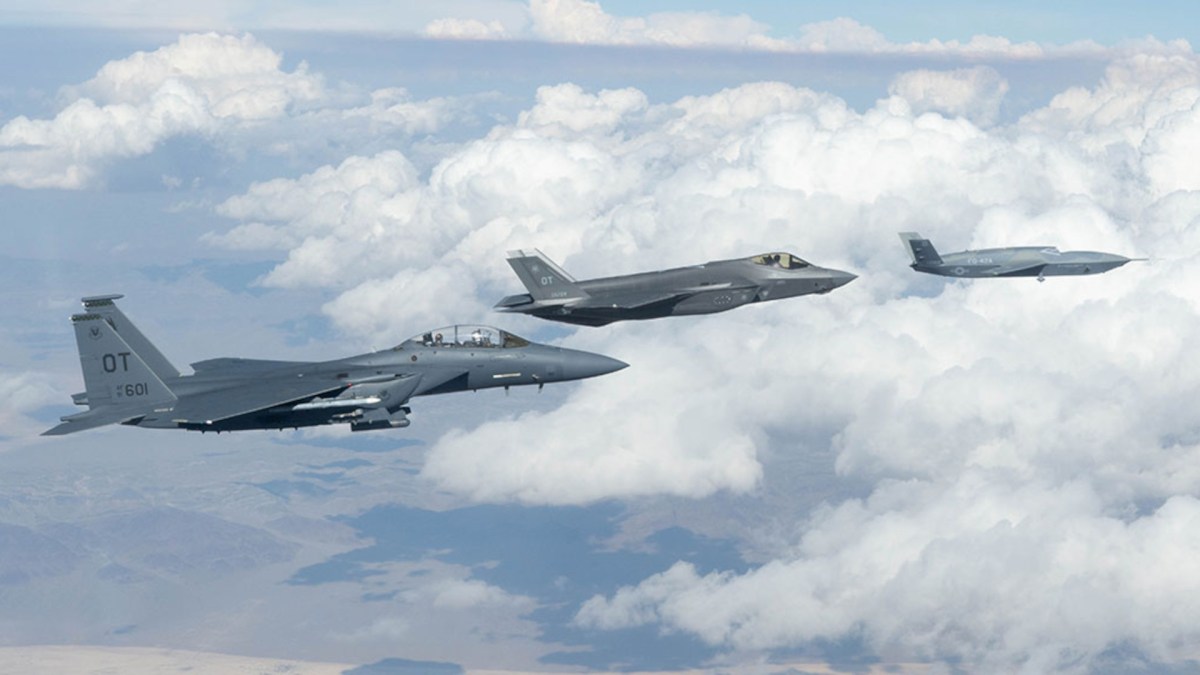
General Atomics FQ-42A Vengeance CCA Conducts Flight Tests with USAF Fighters
General Atomics has showcased its FQ-42 Vengeance Collaborative Combat Aircraft (CCA) flying alongside U.S. Air Force crewed fighters, including the F-35A and F-15E. This marks a significant step in the Air Force's efforts to enhance crewed-uncrewed teaming, with plans to field both the FQ-42 and Anduril's FQ-44 Fury by the end of the decade. The integration of the FQ-42 into operational scenarios is crucial for the Air Force as it seeks to expand its capabilities in collaborative combat operations. The recent delivery of the FQ-42 to Creech Air Force Base for ongoing testing underscores the commitment to refining drone operations and enhancing tactical capabilities, including missile launches. Looking ahead, the FQ-42 and FQ-44 are set to participate in a large-force employment exercise in December, which will provide further insights into their operational integration. The Air Force's focus on developing effective deployment and operational strategies for these drones will be key to their future success in combat scenarios.
Air Air Forces Collaborative Combat Aircraft Drones News & Features U.S. Air Force
Study Reveals Single-Actuator Drone Inspired by Maple Seeds Reduces Flight Error by 43.5%
A recent study has demonstrated that a single-actuator drone, modeled after maple seeds, can achieve a flight error reduction of 43.5%. This innovative design leverages the unique aerodynamic properties of maple seeds, allowing for improved stability and control during flight. The significance of this advancement lies in its potential applications across various sectors, including search-and-rescue operations and environmental monitoring. By minimizing flight errors, the drone can perform more accurately in critical situations, enhancing its effectiveness and reliability. Looking ahead, researchers and developers will likely focus on further refining the drone's capabilities and exploring additional use cases. No further timeline was disclosed at the time of publication.
AI and Robotics
Agru Achieves 24 Years of Continuous Operation with Kawasaki Robotics Automation
Agru, an Austrian manufacturer of high-end plastic solutions, has relied on Kawasaki Robotics industrial robots for approximately 25 years. This partnership has resulted in 31 automated systems that enhance production efficiency and reliability. The significance of this long-standing collaboration lies in Agru's ability to maintain continuous operation without failures for 24 years. This achievement underscores the reliability of Kawasaki Robotics' technology in demanding industrial environments, contributing to Agru's competitive edge in the market. Looking ahead, it will be important to monitor how Agru continues to innovate in automation and training, particularly with the introduction of new educational concepts using the teaching robot Astorino. No further timeline was disclosed at the time of publication.
Allgemein Anwendungen & Lösungen Kunststoff & Gummi Lösungen
Unitree Begins Release of Partial Weights for UnifoLM-WLA-1.0 Model Covering 64 Tasks
Unitree has initiated the release of partial weights and data for its UnifoLM-WLA-1.0 model, which encompasses 64 tasks. This humanoid model, featuring 6 billion parameters, aims to enhance capabilities in world language actions. The release is significant as it marks a step towards broader accessibility of advanced AI models, allowing developers and researchers to leverage the UnifoLM-WLA-1.0 for various applications. The ongoing development indicates Unitree's commitment to advancing humanoid robotics and AI technologies. Looking ahead, Unitree plans to provide post-training code and complete datasets, although no specific timeline was disclosed at the time of publication. Stakeholders in the robotics and AI sectors should monitor these developments closely as they unfold.

Paxini Begins A-Share IPO Guidance, Secures Over 4 Billion Yuan in Funding
On September 20, Paxini Artificial Intelligence Technology (Beijing) Co., Ltd. registered for IPO guidance with the Beijing Securities Regulatory Bureau, with Guotai Junan as the advisory institution. The company confirmed that all information will be based on official announcements. Founded in June 2021, Paxini focuses on multidimensional tactile sensing technology and embodied intelligent robots. In July, the company completed its restructuring and relocated to Beijing. Recently, Paxini announced it secured over 4 billion Yuan in Series B++ financing, bringing its total funding to over 40 billion Yuan and its valuation to over 10 billion Yuan. Paxini's core technology involves multidimensional tactile sensors, essential for robots to perform precise operations by integrating visual and tactile feedback. The company’s products are already in mass production, potentially making it easier to meet IPO review requirements. The progress of Paxini's IPO will serve as a key indicator for the market valuation of tactile sensing technology in the capital market.
Tactile Sensing Technology Embodied Intelligence Robotics IPO Artificial Intelligence
Over 400 Companies in Crop Robotics: Insights on Adoption and Growth
More than 400 companies globally are now engaged in developing robotics for food crop production, marking a 20% increase since 2024. Despite this surge in suppliers, the adoption of these technologies on farms has not kept pace. The 2026 Crop Robotics Landscape report highlights areas where robots are effectively gaining traction, as discussed by growers and industry experts. The disparity between the rapid growth of crop robotics companies and the slower adoption rates on farms raises important questions about the technology's readiness for widespread use. Industry experts, including Chris Taylor from The Mixing Bowl, emphasize the need for distinguishing between promising innovations and those that are already proving effective in agricultural settings. Looking ahead, stakeholders in the agricultural sector should monitor the evolving landscape of crop robotics to identify which technologies are gaining real traction. No further timeline was disclosed at the time of publication.
Field robots robotics
AgiBot and Chimelong to Deploy Over 300 Robots at Hengqin Spaceship Park Starting September 24
AgiBot and Chimelong Group are set to deploy over 300 robots at Chimelong Spaceship Park in Hengqin, beginning September 24. These robots will be utilized across more than 100 interaction points, enhancing visitor experiences through shows, guiding services, retail, and hotel operations. This deployment is significant as it represents a major investment in automation technology within the entertainment sector. By integrating robots into various functions, AgiBot and Chimelong aim to improve operational efficiency and elevate guest interactions, showcasing the potential of robotics in enhancing customer service. Looking ahead, the successful implementation of these robots could pave the way for further automation initiatives in similar venues. No further timeline was disclosed at the time of publication.
D-Robotics Secures $400 Million in Series C Funding for Sunrise Chip and Software Platform
D-Robotics, a Chinese robotics technology firm, has successfully raised $400 million in a Series C funding round. This financing will bolster the company's Sunrise chip portfolio and its comprehensive software platform aimed at enhancing robot development. The significance of this funding lies in D-Robotics' impressive revenue growth, which has reportedly multiplied several times year over year in the first half of 2026. Additionally, the company has achieved cumulative shipments of over 8 million units of its Sunrise chips, indicating strong market demand and adoption. Looking ahead, D-Robotics has entered mass production with its embodied AI business, and its Sunrise S600 chip has already been adopted by more than 20 customers within just six months of its launch. The new software platform is set to facilitate various stages of robot development, including data collection and deployment. No further timeline was disclosed at the time of publication.
News Feed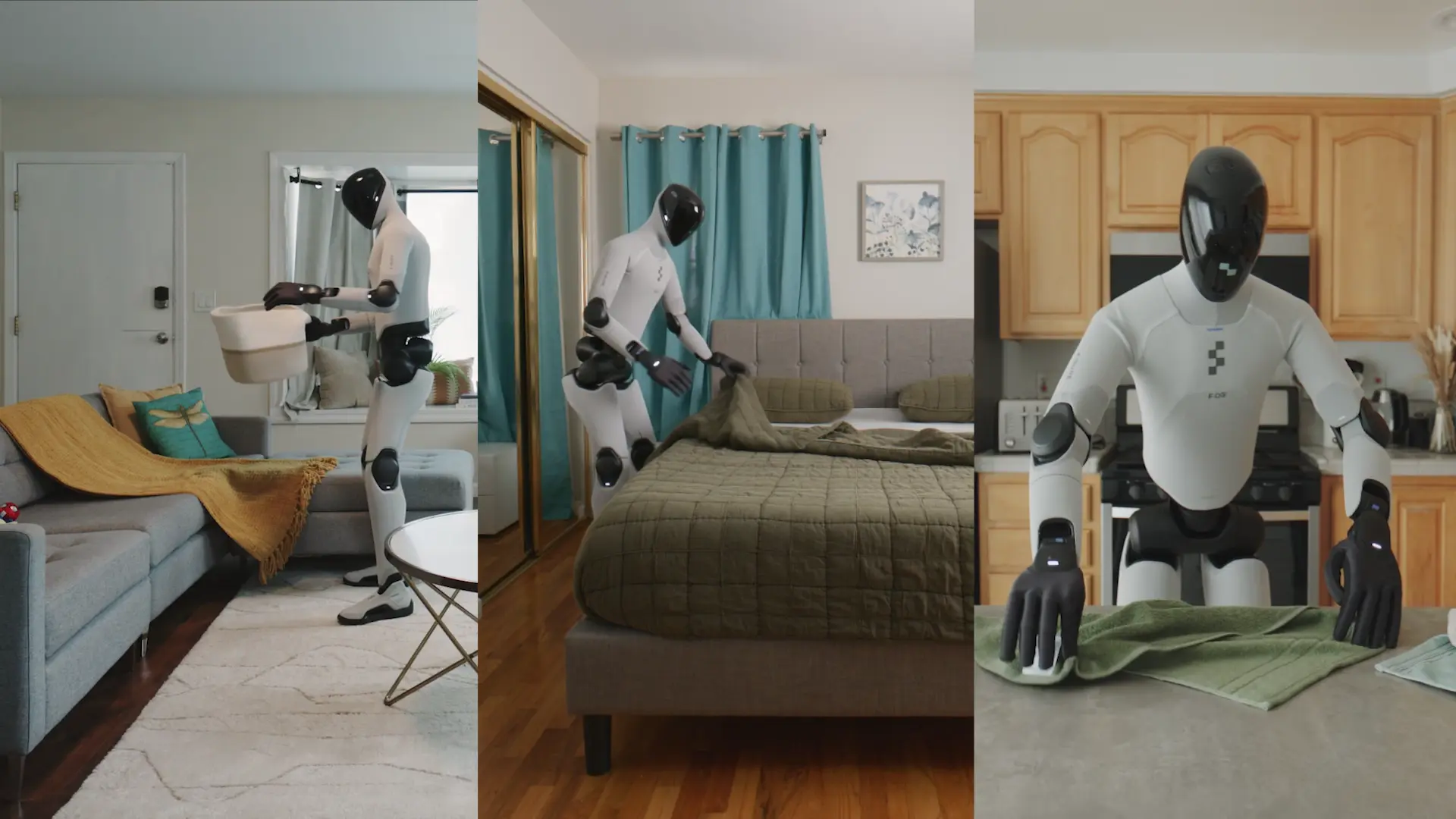
Brett Adcock Discusses Figure 04 as the Largest Hardware Advancement for Figure
Brett Adcock, CEO of Figure, announced that Figure 04 will mark the most significant hardware enhancement in the company's history. During a livestream on September 17, he outlined a four-stage roadmap for scaling humanoid manufacturing, emphasizing the need for engineering breakthroughs in the initial stages of development. Adcock highlighted that while financing is essential, it cannot replace the necessity for a skilled engineering team to solve complex problems related to hardware and autonomy. He stressed that manufacturing capacity is ineffective if the robots produced cannot perform the required tasks, placing Figure at the early stages of scaling intelligence. The recent Helix 2.5 announcement revealed 237 successful trials out of 420, showcasing tasks like bed making and towel folding. Adcock clarified that the variety of human activities recorded for training should not be confused with the robot's current capabilities, indicating ongoing development in the intelligence-scaling phase.
Figure-04 Figure helix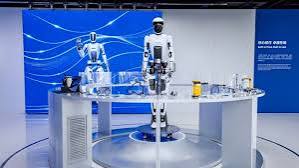
Kordel Launches Co-Creation Center in Shanghai, Targeting 4 Billion RMB in Humanoid Robot Revenue by 2035
Kordel inaugurated its Co-Creation Center on September 17 in Zhangjiang, Shanghai, marking a strategic collaboration with Zhangjiang Group. This initiative is part of Kordel's 177-year history and aims to deepen its involvement in the humanoid robotics industry. CEO Claus Möhlenkamp emphasized that the center is a pivotal element of Kordel's global strategy, enhancing its role in innovation and collaboration within the robotics ecosystem. The establishment of the Co-Creation Center comes at a time when the industry is poised for mass production of humanoid robots. Key challenges include ensuring the reliability and performance of robotic components like joints and actuators in real-world industrial applications. The center will focus on addressing these challenges by creating a space for testing and data generation, ultimately providing quantifiable performance metrics and testing standards for the industry. Kordel has set ambitious long-term goals for its humanoid robotics business, aiming for 4 billion RMB in revenue by 2035. The center will serve as a hub for collaboration with industry partners like Titanium Tiger Robotics and Beijing University of Technology, fostering innovation and establishing industry standards in sealing, lubrication, and other critical areas of robotics.
Humanoid Robots Robotics Innovation Industrial Automation AI Technology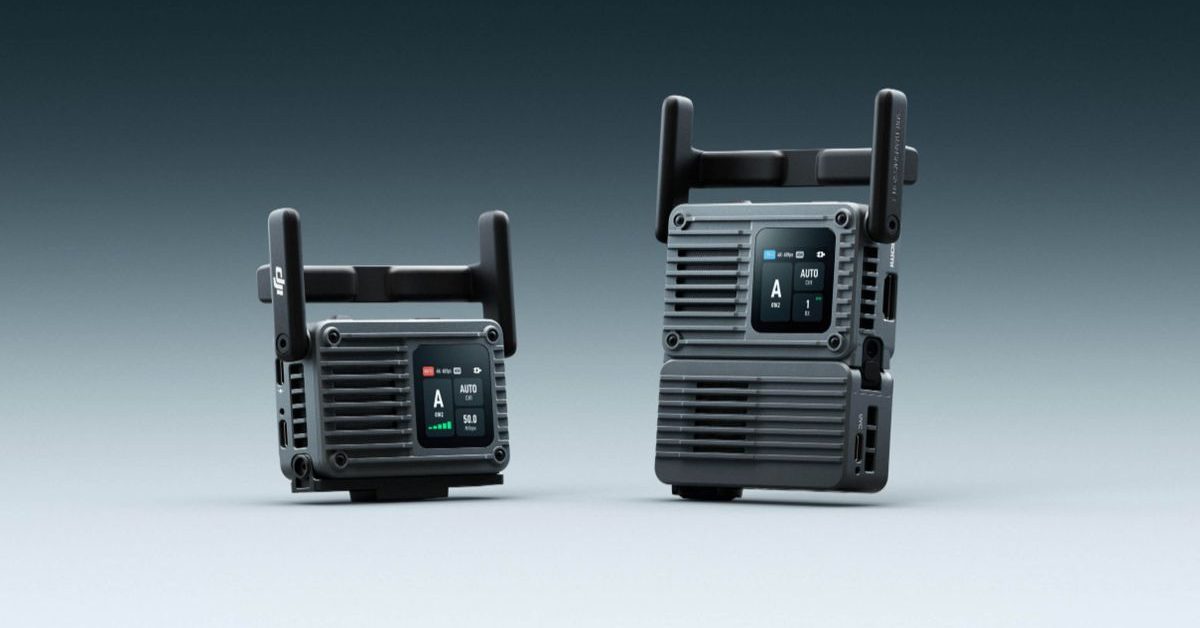
DJI Launches SDR Transmission 2 for Enhanced 4K HDR Video on Film Sets
DJI has introduced the SDR Transmission 2, a wireless video transmission system tailored for professional filmmaking. This system significantly improves interference resistance, image quality, and transmission range, facilitating easier management of multi-camera setups on crowded film sets. The SDR Transmission 2 can transmit DCI 4K at 60fps with 10-bit HDR and H.265 at up to 50Mbps, while maintaining a low latency of 35ms. With a transmission range of up to 4 kilometers, it is suitable for various filming scenarios, including outdoor productions and FPV drone work. Notably, each unit can function as either a transmitter or receiver, allowing flexible configurations. The system supports up to eight receivers per transmitter and can accommodate up to five transmitters and 40 receivers in larger productions. No further timeline was disclosed at the time of publication.
News
14 Automakers Announce Timelines for Humanoid Robot Production and Development
On September 12, Xpeng Motors and GAC Group announced their timelines for humanoid robot production. Xpeng's humanoid robot is set to enter mass production by the end of this year, targeting real-world applications in stores and parks. GAC's GoMate Mini has already secured nearly 10 million yuan in orders and plans to achieve large-scale production next year. The entry of 14 automakers, including Xpeng, GAC, and Chery, into the humanoid robot market highlights a significant trend in the automotive industry. Chery has already delivered over 3,000 units of its Moja humanoid robot, with plans to deliver 10,000 units next year. The shared technological foundations between smart vehicles and humanoid robots provide a competitive edge, as over 60% of the supply chain can be reused. Challenges remain, as the market for humanoid robots is still in its infancy, with most products in pilot stages. The distinct customer bases and business models between automotive and robotics sectors complicate the transition. While production timelines are set, the industry's maturity will depend on the ability to meet real customer needs and generate positive commercial returns.
Humanoid Robots Automotive Technology AI Robotics Manufacturing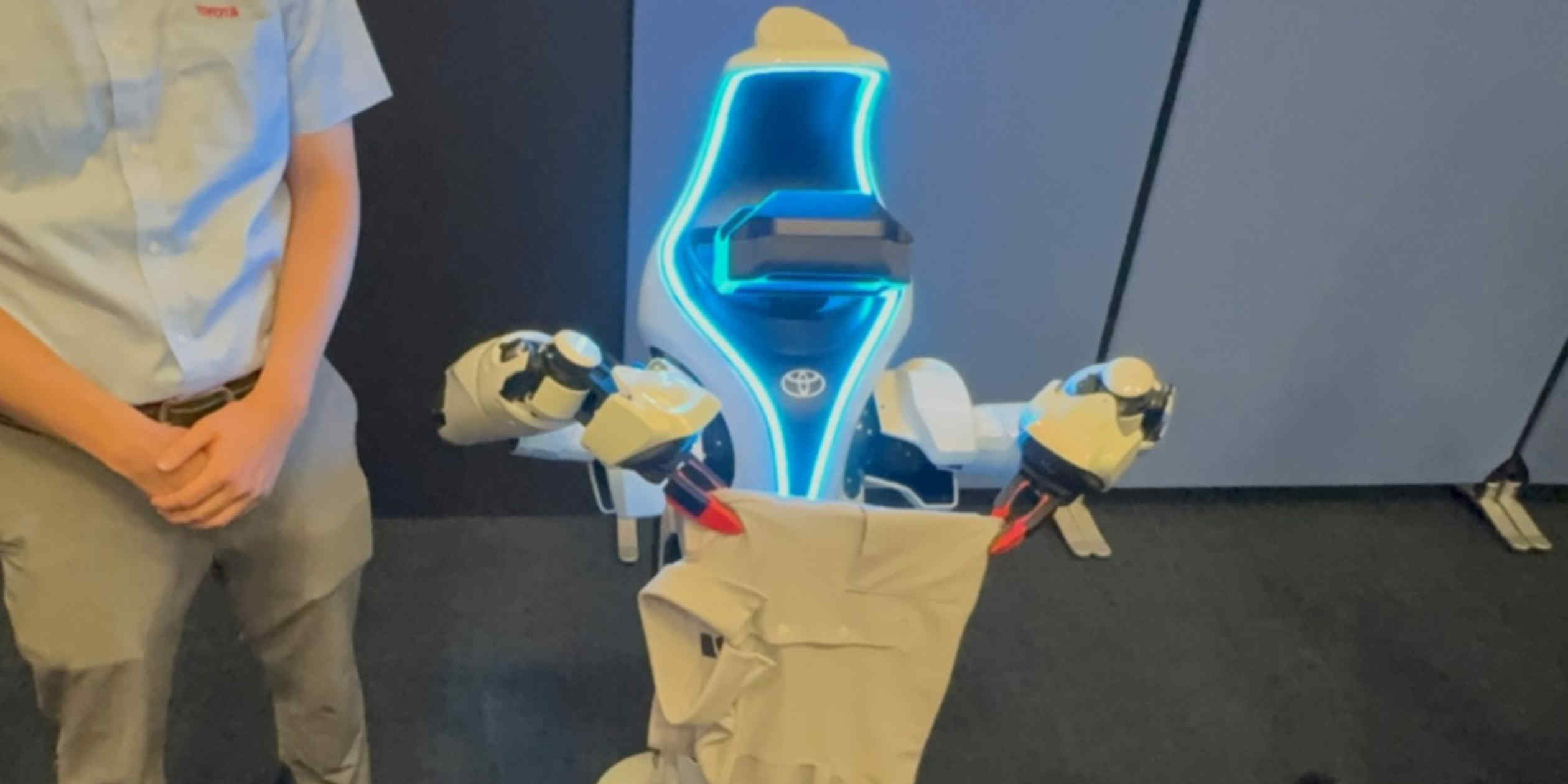
Toyota Plans to Deploy 400,000 Robots to Enhance Factory Operations
Toyota Motor group is set to deploy 400,000 robots developed in-house across its production facilities globally. This initiative is part of the company's strategy to create a collaborative environment where human workers and robots operate side by side, enhancing efficiency and productivity in manufacturing. The introduction of these robots is significant as it reflects Toyota's commitment to integrating advanced automation technologies within its factories. By enabling robots to learn from employees and assist in training new workers, Toyota aims to streamline operations and address labor shortages in the manufacturing sector. Looking ahead, industry observers will be keen to see how this large-scale deployment impacts Toyota's production capabilities and workforce dynamics. No further timeline was disclosed at the time of publication.

Viabot Secures $24 Million in Series A Funding for Autonomous Outdoor Cleaning Solutions
Viabot, an autonomous robotics startup focused on outdoor cleaning, has successfully raised $24 million in Series A funding. This round was led by Walden International, with contributions from CDIB Capital Group, Stalwart Ventures, and existing investors including Baseline Ventures, Era Ventures, Morado Ventures, and SOSV. The funding elevates Viabot's total capital raised to $43 million, enabling the company to enhance its capabilities in addressing trash, debris, and soft security challenges on a larger scale. This investment underscores the growing interest in robotics solutions for environmental management and urban cleanliness. Looking ahead, Viabot aims to leverage this funding to expand its operations and refine its autonomous cleaning technologies. No further timeline was disclosed at the time of publication.
News artificial intelligence Autonomous robots cleaning robots mobile robots outdoor robots
Robotics Sector Secures $4.87 Billion in Funding During August 2026
In August 2026, robotics companies raised $4.87 billion through 162 financial transactions, as reported by The Robot Report. This figure represents disclosed funding, while the total funding amount is likely higher due to undisclosed transactions. China was the leading contributor, securing approximately $2.44 billion, which constitutes nearly half of the total disclosed capital. The significance of this funding surge is underscored by the fact that the five largest transactions alone accounted for over $3.3 billion. Notably, Unitree Robotics led the month with a $905 million IPO, followed closely by XPENG Robotics, which raised $900 million in a Series A round. Both companies are based in China, highlighting the country's dominant role in the robotics investment landscape. Looking ahead, the focus will be on the continued growth of humanoid robotics, which attracted around $943.8 million, or 19.4% of the total disclosed funding for the month. XPENG's Series A was a major contributor to this segment. No further timeline was disclosed at the time of publication.
Analysis eBooks Financial Investments Mergers & Acquisitions News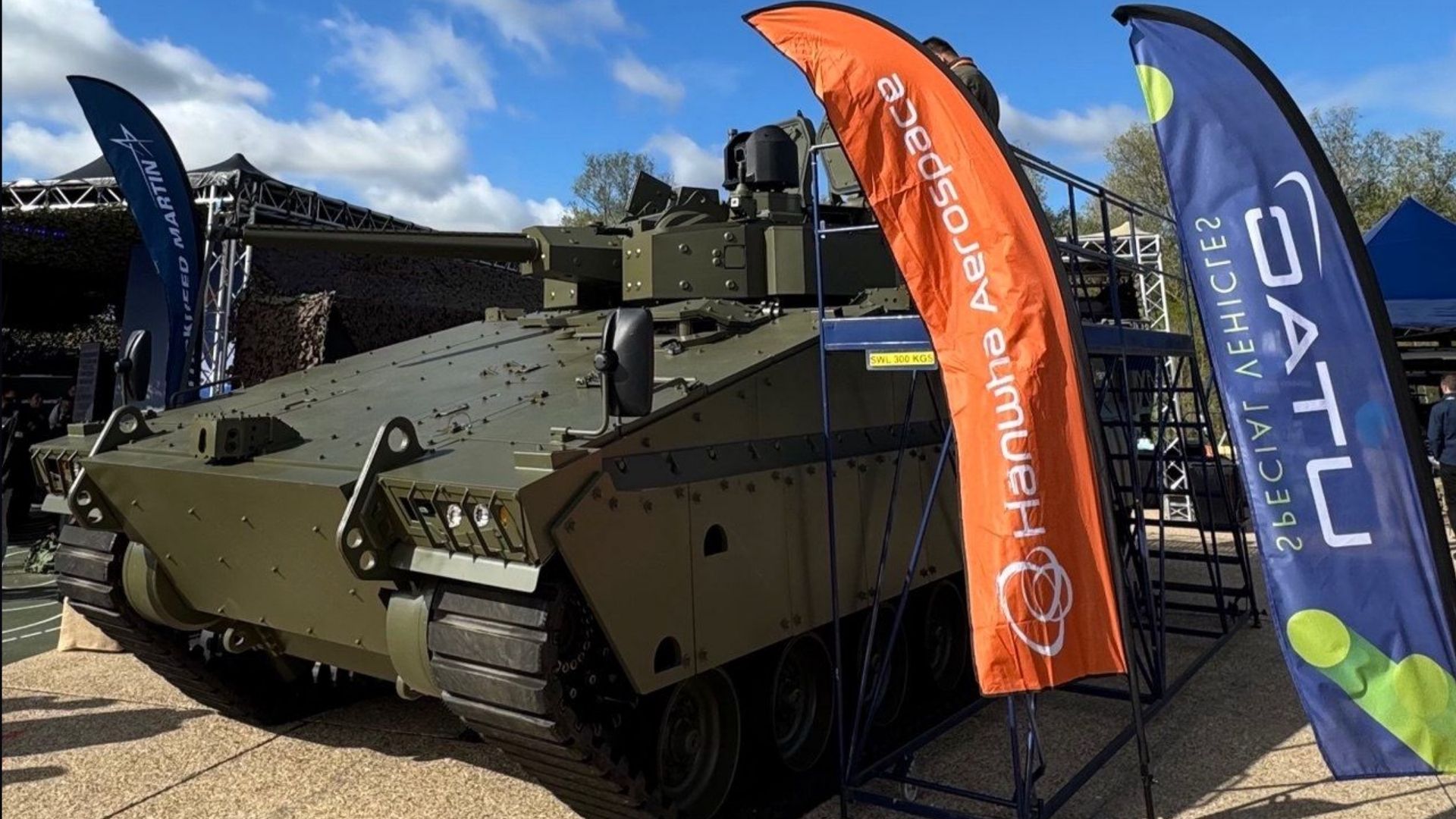
Hanwha Aerospace and Lockheed Martin UK Introduce Enhanced Redback IFV with 40mm Turret
Hanwha Aerospace and Lockheed Martin UK have launched a new version of the Redback infantry fighting vehicle (IFV), featuring a British-built 40mm turret and counter-drone technology. This configuration was showcased at Defense Vehicle Dynamics 2026 in Millbrook, England, aimed at NATO countries looking to modernize their armored forces. The upgraded Redback retains its tracked hull but replaces the Australian-selected configuration with Lockheed Martin UK's crewed turret, which is equipped with a CTA International 40mm cannon. This change allows access to a variety of NATO-qualified ammunition, enhancing the vehicle's operational flexibility. The integration of Lockheed Martin UK's SkyKeeper command-and-control system further enables the Redback to perform dual roles in both conventional infantry fighting and counter-uncrewed aircraft systems operations. Looking ahead, Hanwha plans to conduct live demonstrations of the new Redback configuration in 2027, including events in Canada and South Korea. This initiative reflects the evolving battlefield landscape, where armored units must address aerial threats alongside traditional ground targets. No further timeline was disclosed at the time of publication.
Military
Digua Robotics Raises $400 Million in Series C Funding; Surya Chip Shipments Surpass 8 Million Units
On September 17, Digua Robotics announced the completion of $400 million in Series C funding, led by Mirae Asset, with participation from various institutional investors including Meituan and government-backed platforms. This funding round highlights the growing interest in robotics and AI technologies, particularly in consumer-grade robots. The significance of this funding lies in Digua Robotics' impressive growth trajectory, with revenue in the first half of 2026 projected to multiply compared to the previous year. The company has shipped over 8 million units of its Surya series chips, indicating a strong market presence in consumer robots like vacuum and lawn-mowing robots, rather than humanoid robots. This shift underscores the demand for practical applications of robotics in everyday life. Looking ahead, no further timeline was disclosed at the time of publication. However, Digua Robotics is expected to continue iterating on its Surya chip series and expanding its developer ecosystem, which includes over 500 small and medium-sized enterprises and 100,000 developers globally. The involvement of government platforms suggests a strategic focus on industrial deployment in regions like Hefei and Shenzhen, while Meituan's investment may indicate a push towards integrating robotics into its delivery services.
Robotics Chip Technology AI Consumer Robotics
D-Robotics Secures $400 Million in Series C Funding to Enhance AI Robotics Platform
D-Robotics has successfully raised $400 million in Series C funding aimed at expanding its Sunrise robotics chips and software platform for AI-powered systems, including humanoid robots. This funding round included contributions from an unnamed global internet company, institutional investors, and existing shareholders. The company reported significant revenue growth in the first half of 2026, with Sunrise chip shipments exceeding 8 million units. The importance of this funding lies in D-Robotics' plans to enhance its robotics computing chips and software platform, which supports a wide range of AI applications. The Sunrise S600 chip has already been adopted by over 20 customers, and the Gravity Program has assisted more than 500 robotics developers. The platform is utilized by over 500 universities and 100,000 developers across more than 20 countries, indicating a robust ecosystem for AI robotics development. Looking ahead, D-Robotics aims to expand its Sunrise chip portfolio and develop a comprehensive software platform for robot developers. The company has entered mass production for its embodied AI business, and its integrated hardware and software infrastructure has completed large-scale validation. No further timeline was disclosed at the time of publication.
AI AI Funding & Investment Robotics Astribot Booster Robotics China
DJI Pocket 4P Firmware Update Enhances Usability with FrameTap Accessory
DJI has released a firmware update for the Osmo Pocket 4P, version 01.01.71.31, which improves usability for creators. The update enhances the functionality of the Osmo FrameTap, allowing users to control the camera remotely, making it ideal for solo shooting scenarios. This update is significant as it addresses common frustrations faced by content creators, particularly when filming themselves. The addition of 45-degree diagonal gimbal movement through the joystick offers greater flexibility in camera movements, enhancing the shooting experience for various applications like travel videos and interviews. Looking ahead, users can expect improved color reproduction with the updated D-Log LUTs and the introduction of D-Log 10-bit color for slow-motion footage. This update positions the Pocket 4P as a robust tool for serious creators who seek to elevate their video production quality.
News
DJI Enhances Osmo Pocket 4 with New HDR and Slow Motion Features
DJI has released a firmware update for the Osmo Pocket 4, introducing a dedicated HDR 10-bit color mode, HDR Enhancement for photos, and D-Log 10-bit recording in slow motion. These enhancements allow users to maximize the camera's capabilities without new hardware. The update is significant as it enables creators to capture high-dynamic-range video and photos, particularly in challenging lighting conditions. The new features leverage the existing 1-inch stacked CMOS sensor, which supports up to 14 stops of dynamic range, enhancing the overall shooting experience. Looking ahead, users can expect improved flexibility in slow-motion video production with the addition of D-Log 10-bit recording. No further timeline was disclosed at the time of publication.
News
Human-Inspired Hip Motion Reduces Biped Robot Walking Energy Consumption by 14%
Researchers discovered that incorporating human-like vertical hip motion in biped robots can decrease walking energy consumption by around 14%. This reduction is primarily attributed to a significant decrease in energy usage at the stance-knee phase of walking. This finding is crucial as it highlights the potential for improving energy efficiency in bipedal robots, which is essential for enhancing their operational longevity and reducing energy costs. By mimicking human biomechanics, these robots can achieve more efficient movement patterns, making them more viable for various applications. Looking ahead, further research may focus on optimizing these hip motion techniques and exploring their integration into existing robotic systems. No further timeline was disclosed at the time of publication.
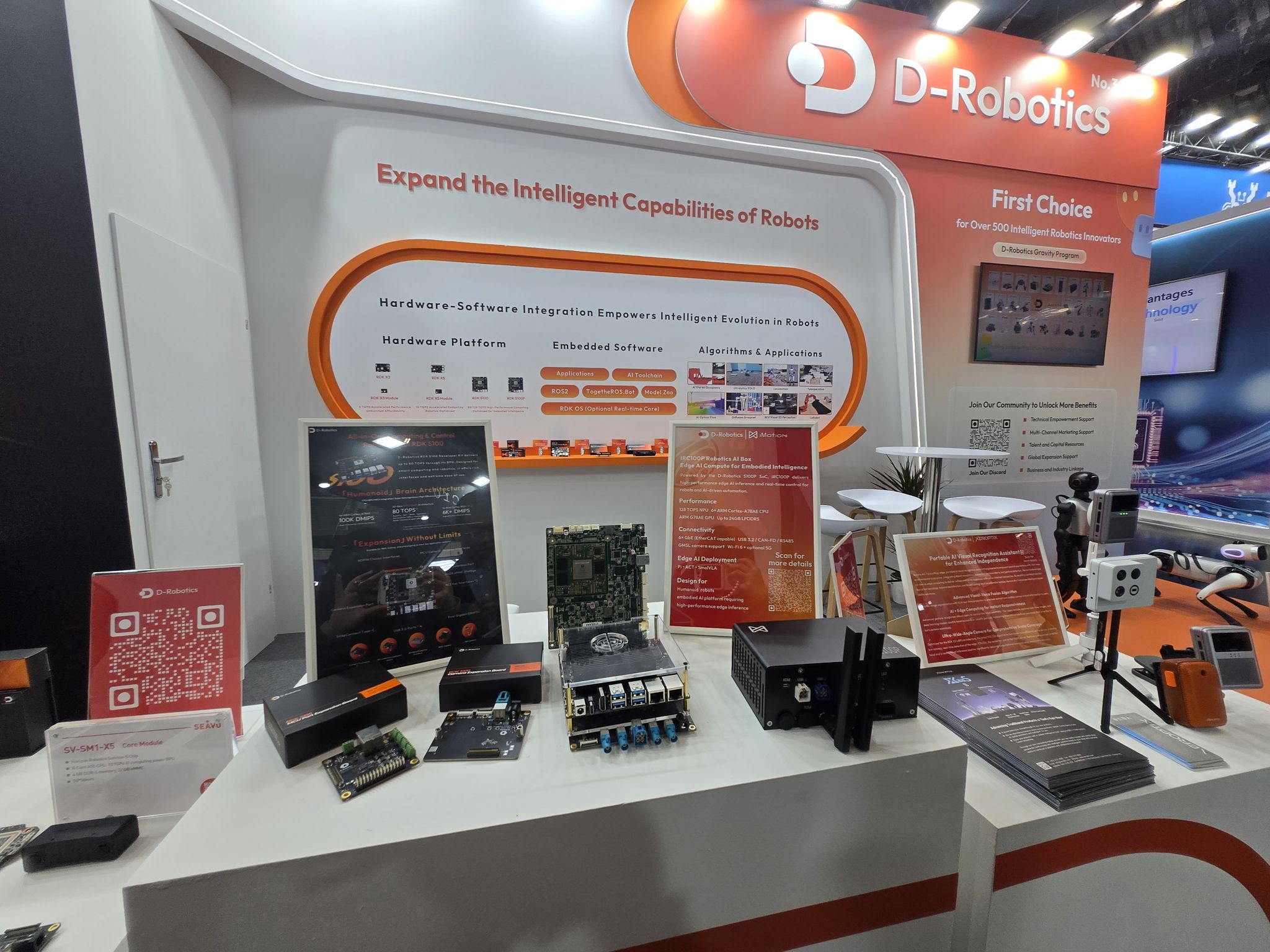
Mirae Asset Leads $400 Million Funding Round for D-Robotics' Robot Development Platform
D-Robotics announced that it has secured $400 million in funding, led by Mirae Asset. This investment aims to enhance the company's platform designed to support the development of robots across established categories and general-purpose humanoid robots. The funding is significant as it underscores the growing interest and investment in robotics technology, particularly in the realm of humanoid robots. D-Robotics' focus on developing a versatile platform could position it favorably in a competitive market, attracting further partnerships and innovations in robot design and functionality. Looking ahead, industry observers will be keen to see how D-Robotics utilizes this funding to advance its platform and what new developments may emerge in the humanoid robotics sector. No further timeline was disclosed at the time of publication.
Artificial Intelligence Investments News Robotics China d-robotics
Diguwa Robotics Raises $400 Million in Series C Funding, Exceeding $770 Million Total
On September 17, Diguwa Robotics announced the completion of $400 million in Series C funding, led by Future Asset and supported by various investment platforms and firms. This funding round follows previous rounds, bringing the company's total disclosed funding to over $770 million, setting a record in the domestic robotics infrastructure sector. The funding aims to enhance the product layout of the Xuri chip across all computing power segments and to build a comprehensive software platform for data collection, model training, simulation verification, and inference deployment. Diguwa Robotics is focused on providing embodied intelligent infrastructure to meet diverse development needs from mature categories to general humanoid robots. In the first half of 2026, the company expects significant revenue growth compared to the previous year, with over 8 million units of the Xuri series chips shipped. Diguwa Robotics, established in January 2024, has positioned itself as a provider of general hardware and software solutions, avoiding direct involvement in robot body development, and instead focusing on supporting various robotics applications.
Robotics AI Chip Technology Software Development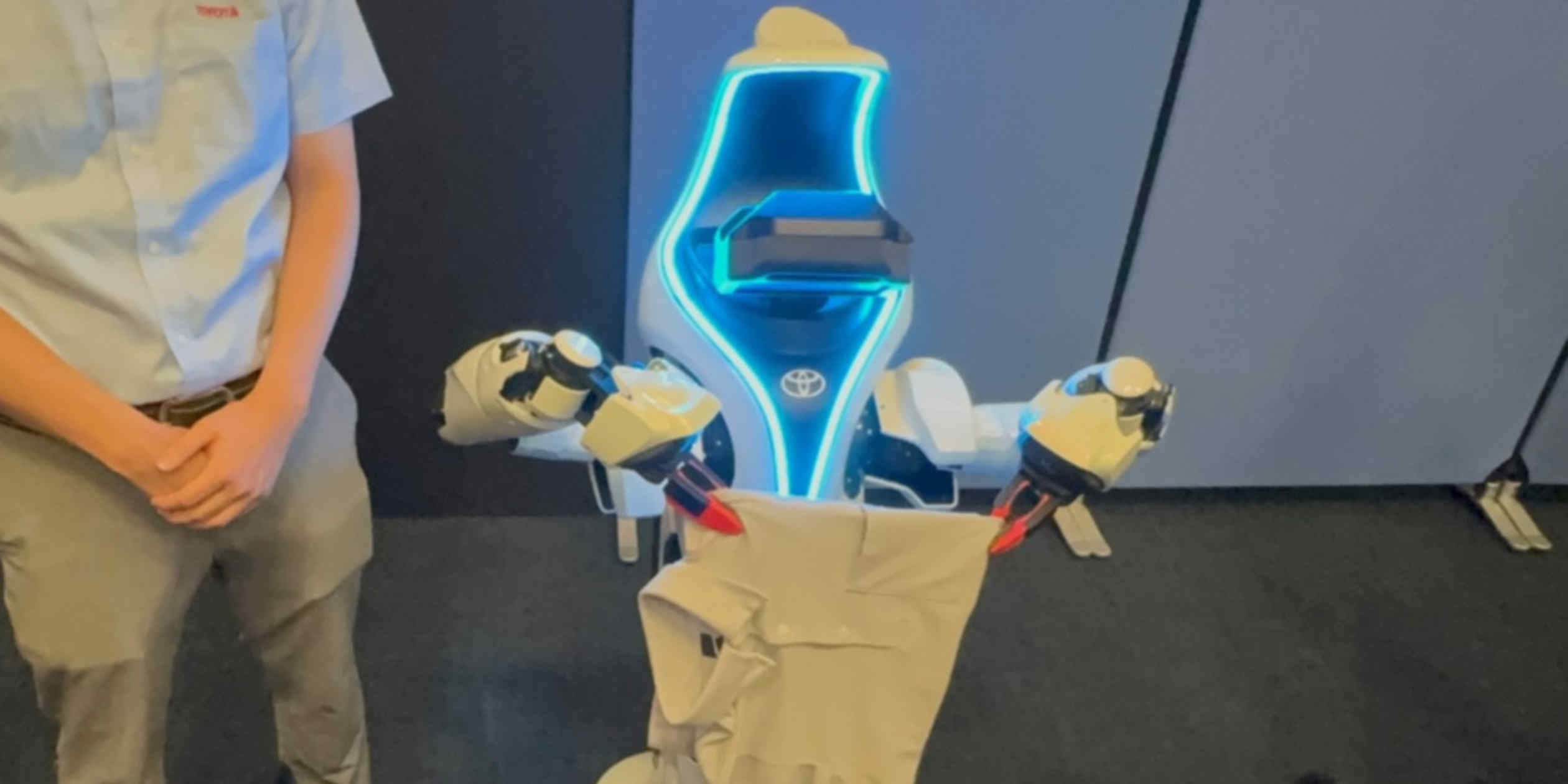
Toyota Plans Global Deployment of 400,000 Humanoid Robots in Factories
Toyota Motor group has announced plans to deploy 400,000 humanoid robots across its production sites worldwide. This initiative is part of the company's strategy to enhance factory operations by integrating robots that can learn from human employees and assist in training new workers. The introduction of these in-house-developed humanoid robots signifies Toyota's commitment to creating a collaborative work environment where humans and robots can work side by side. This move is expected to improve efficiency and productivity in manufacturing processes, aligning with the industry's ongoing trend towards automation and advanced technology integration. As Toyota progresses with this deployment, industry watchers will be keen to see how these humanoid robots perform in real-world factory settings. No further timeline was disclosed at the time of publication.
Diguo Robotics Raises $400 Million in Series C Funding to Enhance Intelligent Robotics Infrastructure
On September 17, 2026, Diguo Robotics announced the completion of $400 million in Series C funding. This round was led by Future Asset, with participation from major investors including Meituan, Hefei Guotou, and several prominent venture capital firms. The funding aims to strengthen the product layout of Xuri chips and develop a comprehensive software platform that integrates data collection, model training, simulation verification, and inference deployment. The significance of this funding is underscored by Diguo Robotics' impressive revenue growth in the first half of 2026, which saw multiple increases compared to the previous year. The cumulative shipment of Xuri series chips surpassed 8 million units, marking a transition to mass production for their embodied intelligence business. The Xuri S600 chip has gained traction with over 20 leading clients, achieving over 50% customer coverage in the embodied intelligence sector. Looking ahead, Diguo Robotics is poised to play a crucial role in the advancement of embodied intelligence across various applications. Their upgraded DGP Gravity Plan aims to incubate innovative robotics products and support startups throughout the product development lifecycle. No further timeline was disclosed at the time of publication.
Robotics AI Chip Technology Embodied Intelligence
May Mobility to Go Public Through $1.4 Billion SPAC Merger with ACP Holdings
May Mobility, an autonomous vehicle company, is set to merge with ACP Holdings Acquisition Corp., a SPAC, to become publicly traded. This merger could raise over $300 million, valuing May Mobility at $1.4 billion. Upon completion, it will be the first U.S. public company focused solely on autonomous ride-hailing. This move is significant as it positions May Mobility to gauge the stock market's interest in dedicated robotaxi ventures, distinguishing itself from other companies like Tesla and Waymo. The company's unique 'asset-light' model involves selling autonomous vehicles to fleet partners while retaining control over software and supervision, generating revenue through licensing fees. Looking ahead, May Mobility plans to use the merger proceeds for R&D, particularly in eliminating safety drivers, and for supply chain investments. The company is also targeting new geographic deployments, with announcements expected later this year. No further timeline was disclosed at the time of publication.
Transportation autonomous vehicles avs May Mobility robotaxis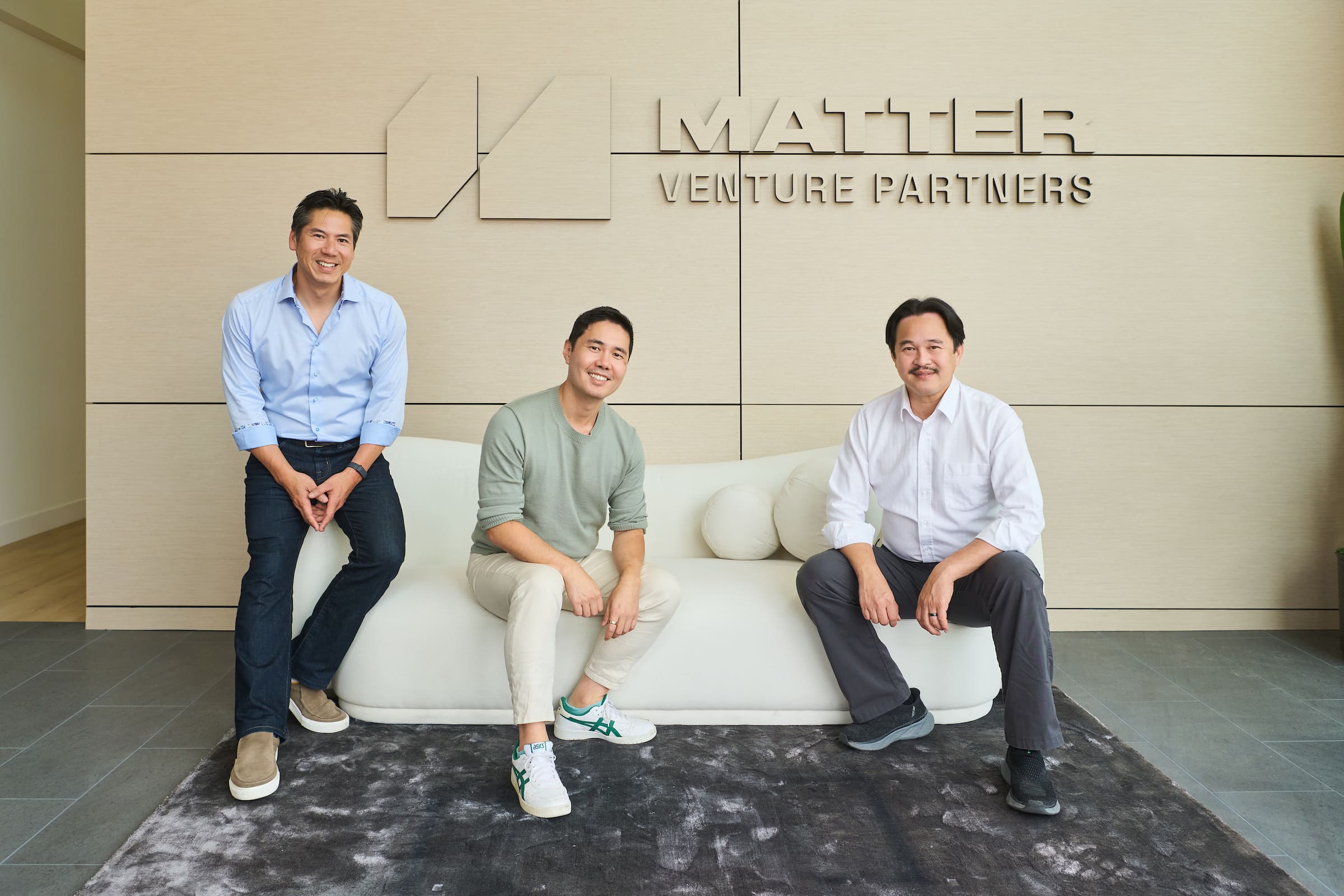
Matter Venture Partners Secures $450 Million for Second Fund Focused on HardTech Startups
Matter Venture Partners has successfully closed its second fund, raising $450 million aimed at early-stage HardTech startups in sectors such as robotics, quantum computing, and advanced manufacturing. This funding will enable the firm to support innovative companies that are essential for the development of efficient computing and intelligent machines. The significance of this fund lies in the growing demand for HardTech solutions driven by advancements in AI, which require not only capital but also extensive industry knowledge and relationships. Matter's strategic partnerships with major industry players like ASML and TSMC will provide portfolio companies with critical resources for manufacturing and commercialization. Looking ahead, Matter Venture Partners is poised to make impactful investments in startups that are shaping the future of HardTech. With a global network and a team experienced in scaling technology companies, the firm is well-equipped to navigate the complexities of the HardTech landscape. No further timeline was disclosed at the time of publication.
AI AI Funding & Investment AI FUNDING & INVESTMENT Business News Fund II
Update on the FQ-42 Vengeance Fighter Drone and USAF's CCA Program
The USAF's Collaborative Combat Aircraft (CCA) program has significantly influenced discussions about the future of the Air Force since its announcement. The USAF aims to procure 500 CCAs by 2032, while also seeking a successor to the MQ-9 Reaper, planning to acquire hundreds of these drones in the early 2030s. This development is crucial as it reflects the USAF's commitment to advancing its drone capabilities and adapting to modern warfare needs. The conversation between Jamie Hunter and Mike Shortsleeve from General Atomics highlights the progress of the FQ-42 Vengeance Collaborative Combat Aircraft and the new Wildfire platform, which aims to provide a cost-effective alternative to the MQ-9 Reaper. Looking ahead, the focus will be on the testing and deployment of the FQ-42 Vengeance and the Wildfire platform. The USAF's ambitious procurement plans signal a transformative phase in aerial combat technology, with significant implications for future military operations. No further timeline was disclosed at the time of publication.
Sponsored Content Air Collaborative Combat Aircraft Unmanned
Over 40 Robotics Companies Present Innovations at Bund Conference; Youdi Robot Surges 150% on Debut
The Bund Conference showcased over 40 robotics firms from September 9 to 12, emphasizing practical applications in pharmacies and factories. This shift from traditional demonstrations to real-world tasks highlights the industry's evolution towards operational efficiency. Youdi Robot made a significant debut on the Hong Kong Stock Exchange, surging over 150%, marking it as the first AI-conscious robot stock in the market. This performance has positively influenced investor sentiment in the robotics sector, with related ETFs and stocks experiencing gains. The conference's focus on practical applications signals a shift in the robotics industry, moving from mere demonstrations to addressing specific business processes. As robotics firms increasingly engage in real-world tasks, the implications for market valuations and investor expectations are noteworthy. No further timeline was disclosed at the time of publication.
Robotics AI Stock Market Industrial AutomationRobotics needs a service framework.
RSF defines a common language for robot service capability, lifecycle operations, certification pathways, and service-provider networks.
Join the RobotToday community on LinkedIn
Daily robotics news, in-depth analysis, conference highlights, and discussions with professionals worldwide.







