

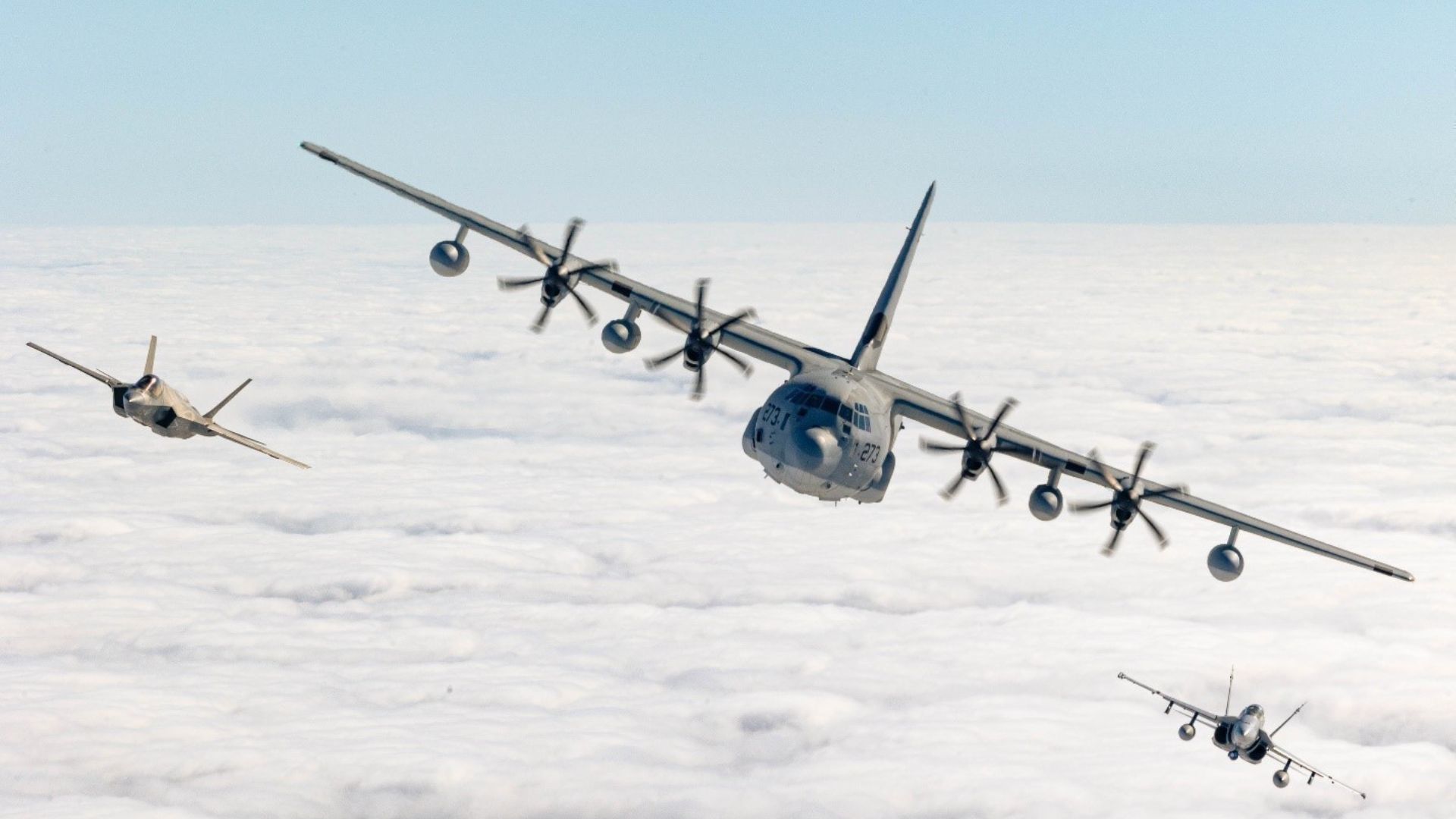
The U.S. Marine Corps has successfully demonstrated a new operational model for F-35B Lightning II aircraft, extending their reach across approximately 4,000 nautical miles in the Indo-Pacific. Utilizing KC-130J aircraft as mobile logistics hubs during Operation Slingshot, the 3d Marine Aircraft Wing showcased the ability to sustain fighter operations without heavy reliance on strategic tankers or established bases.
This innovative approach is significant as it allows Marine aviation to operate from remote locations, enhancing flexibility and operational capability across widely separated islands. The KC-130J served as a self-contained logistics node, transporting Marines, maintenance equipment, and fuel to support aviation operations in austere environments, thereby increasing the range and lethality of the F-35Bs.
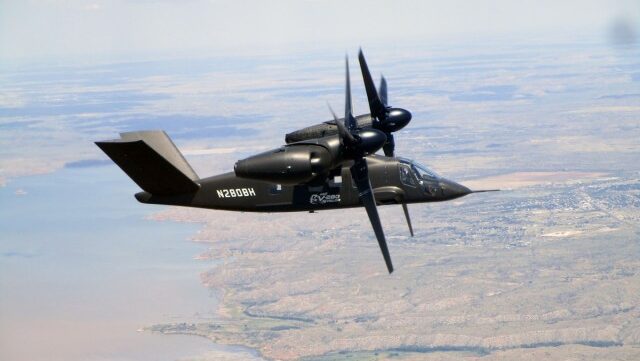
Looking ahead, the success of Operation Slingshot may influence future Marine Corps strategies for deploying and sustaining air operations in challenging terrains. The integration of MV-22B Ospreys for personnel movement and site establishment further solidifies this mobile logistics model, which could redefine operational tactics in the Indo-Pacific region. No further timeline was disclosed at the time of publication.
Editor's Note
The U.S. Marine Corps' recent demonstration of using KC-130Js as logistics hubs for F-35B operations highlights a significant shift in military logistics and operational strategy. This model could reshape how military forces approach deployment and sustainment in remote areas, particularly in the context of increasing geopolitical tensions in the Indo-Pacific region.

































Leave a comment