

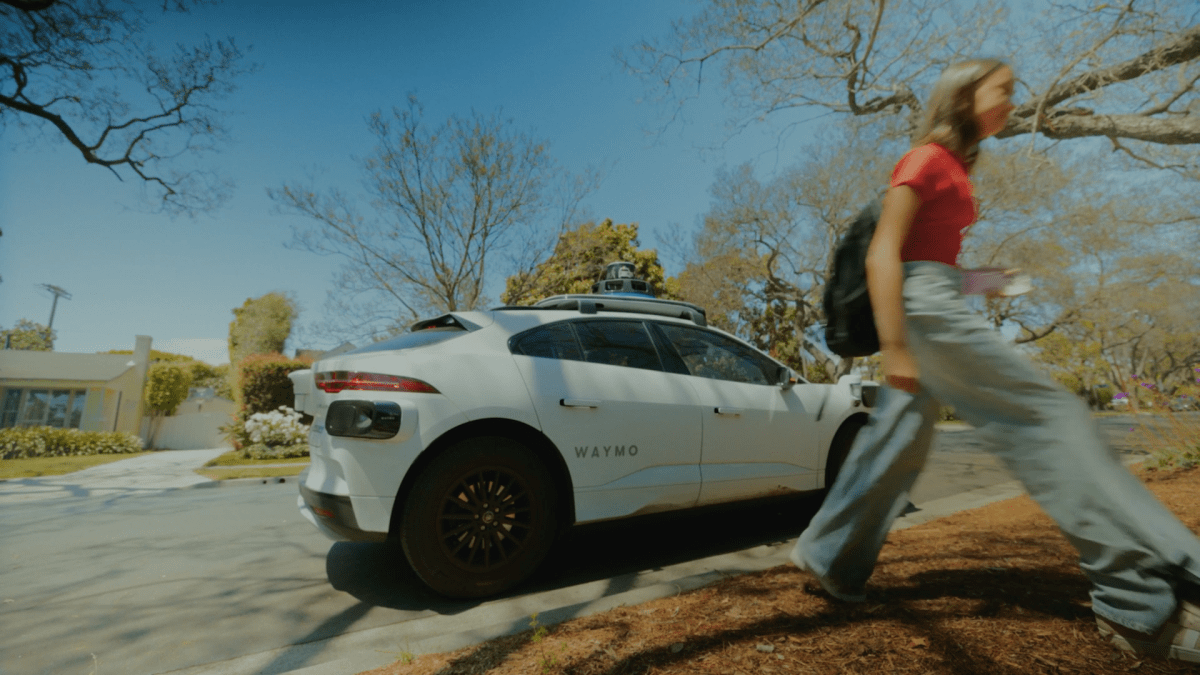
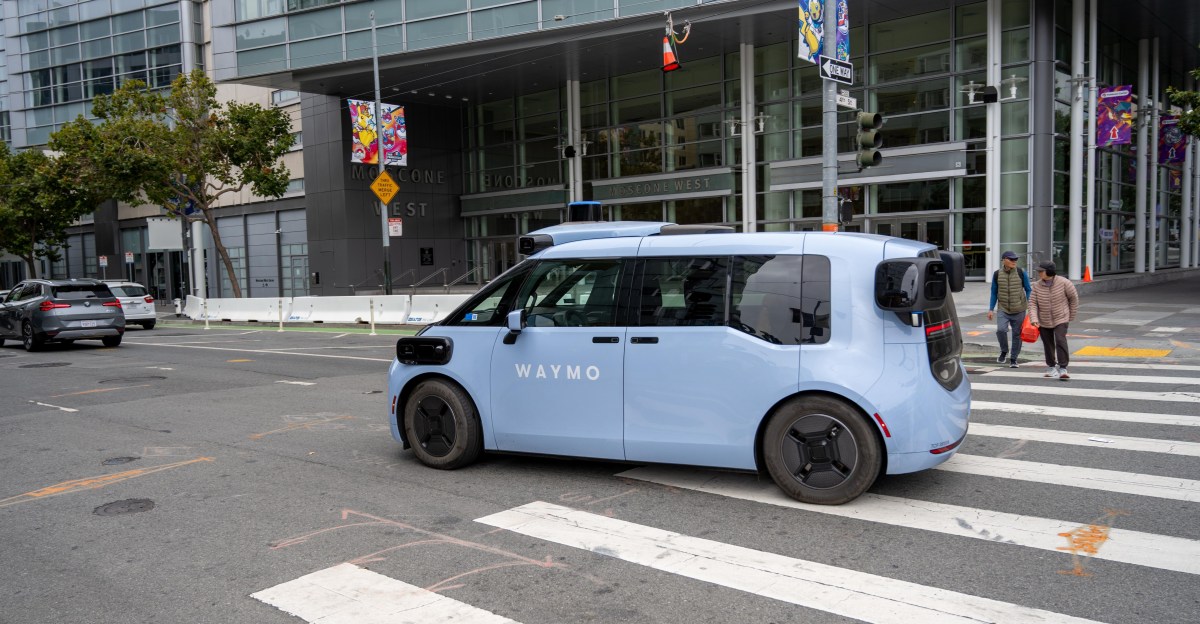
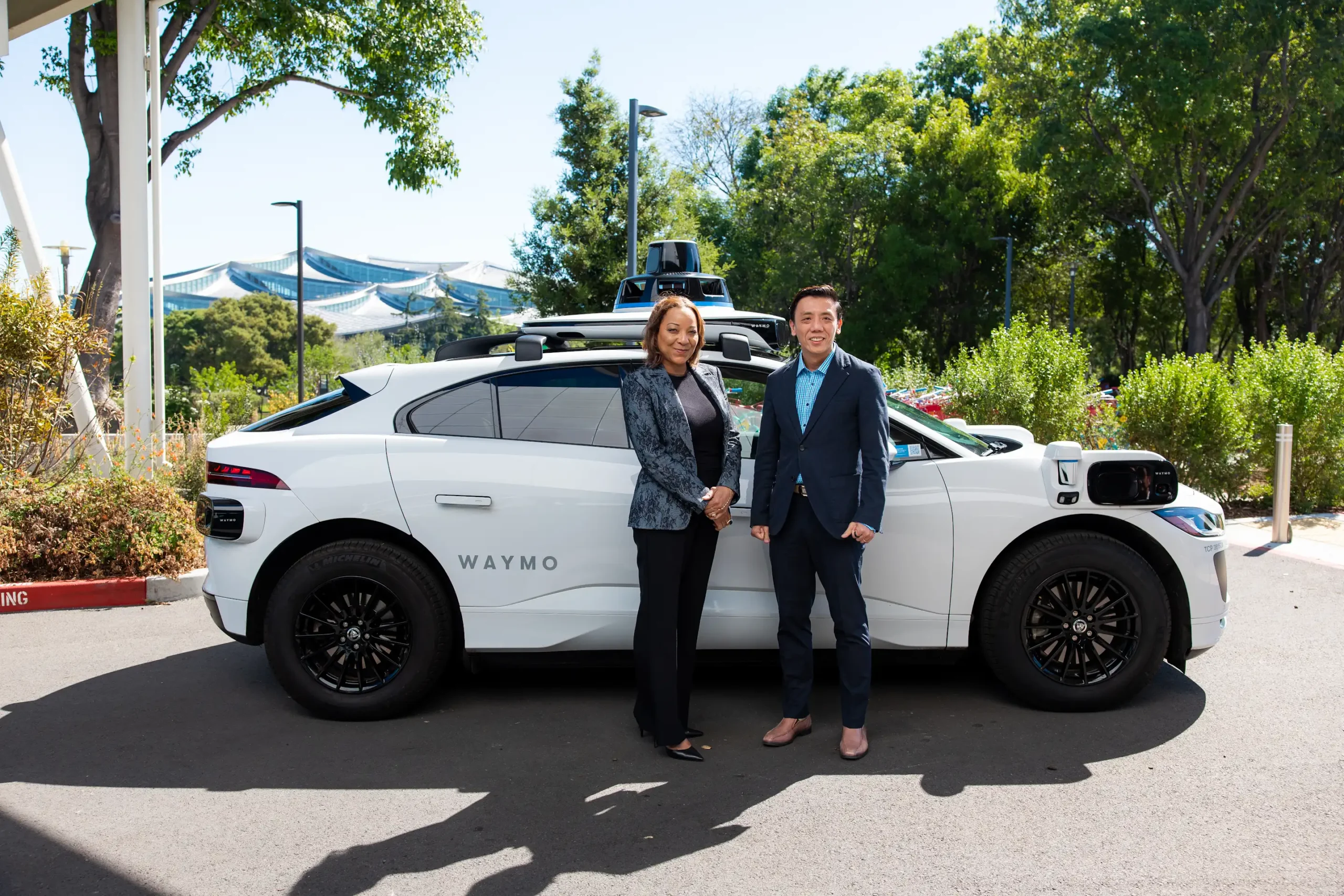
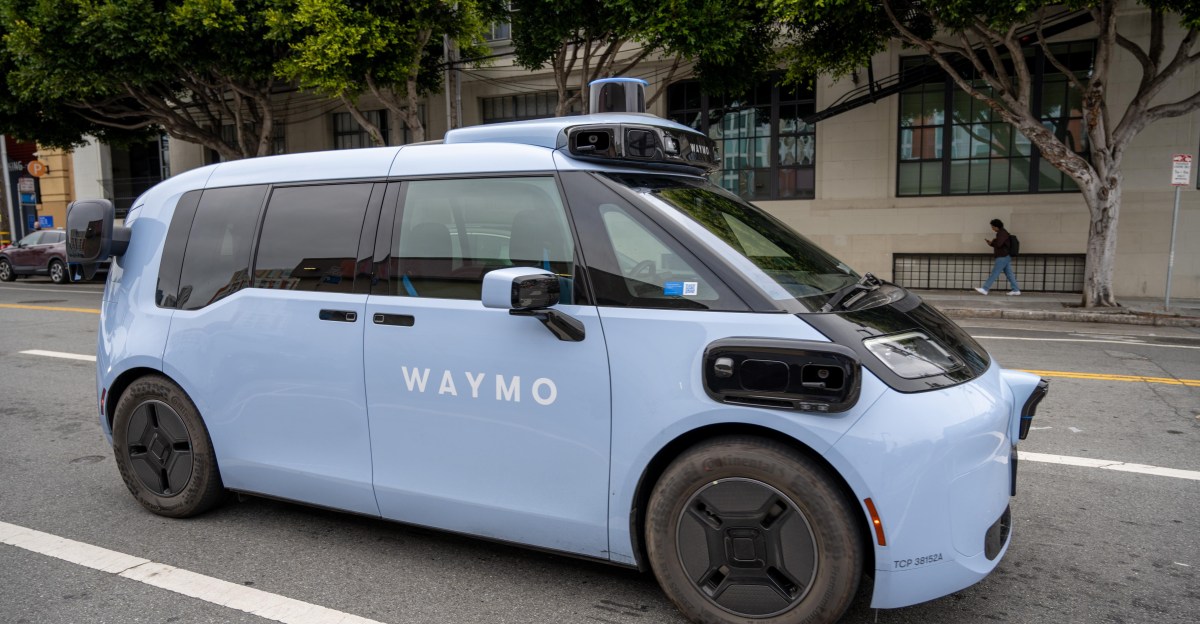
Waymo has successfully logged over 220 million autonomous miles, achieving a significant reduction in serious injury crashes compared to human drivers. With around half a million paid rides weekly, Waymo is expanding its operations from 14 cities, raising the question of how to scale robotaxi services to over 15,000 locations like Uber.
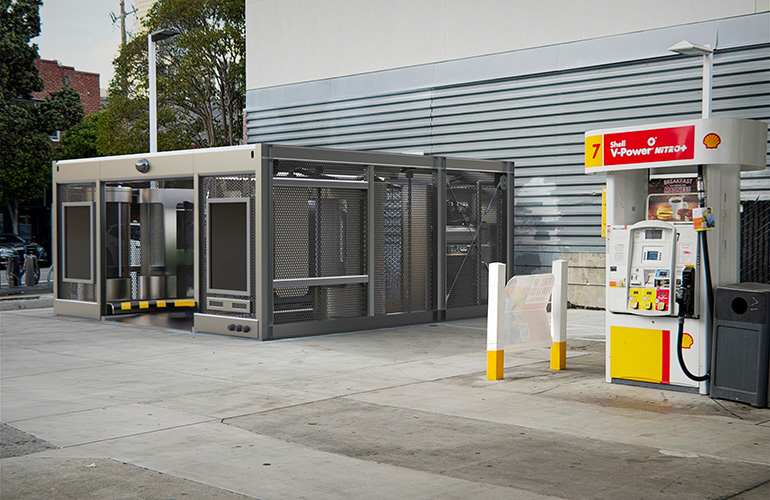
The challenge lies in the operational logistics of robotaxis, particularly the need for cleaning and reset stations. Each reset can take approximately two hours, and data indicates that only 54% of Waymo's reported miles carried passengers. This inefficiency highlights the difficulties in scaling operations to meet the demands of thousands of cities, where the infrastructure for servicing robotaxis is often lacking.
Future developments will need to address the scarcity of suitable land for depots, the lengthy regulatory processes for establishing charging sites, and the unique urban layouts of different cities. Without solutions to these logistical hurdles, scaling robotaxis to a larger operational footprint may remain a significant challenge.
Editor's Note
The scaling of robotaxi services presents complex challenges that go beyond technology and safety. Infrastructure development, regulatory hurdles, and urban planning considerations will play crucial roles in determining the pace at which these services can expand. Stakeholders must collaborate to create efficient systems that can support the operational needs of robotaxis in diverse environments.



























Leave a comment