

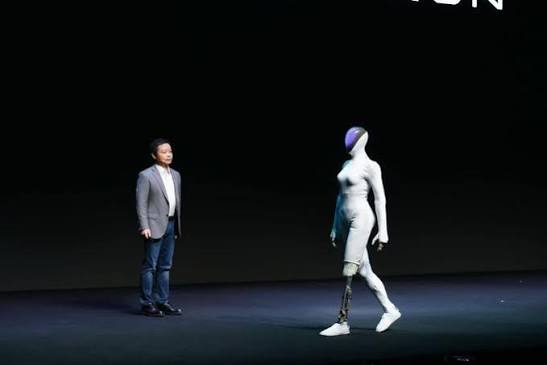
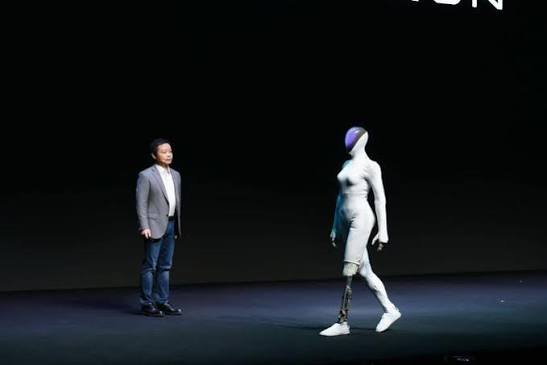
On September 12, Xpeng Motors and GAC Group announced their timelines for humanoid robot production. Xpeng's humanoid robot is set to enter mass production by the end of this year, targeting real-world applications in stores and parks. GAC's GoMate Mini has already secured nearly 10 million yuan in orders and plans to achieve large-scale production next year.
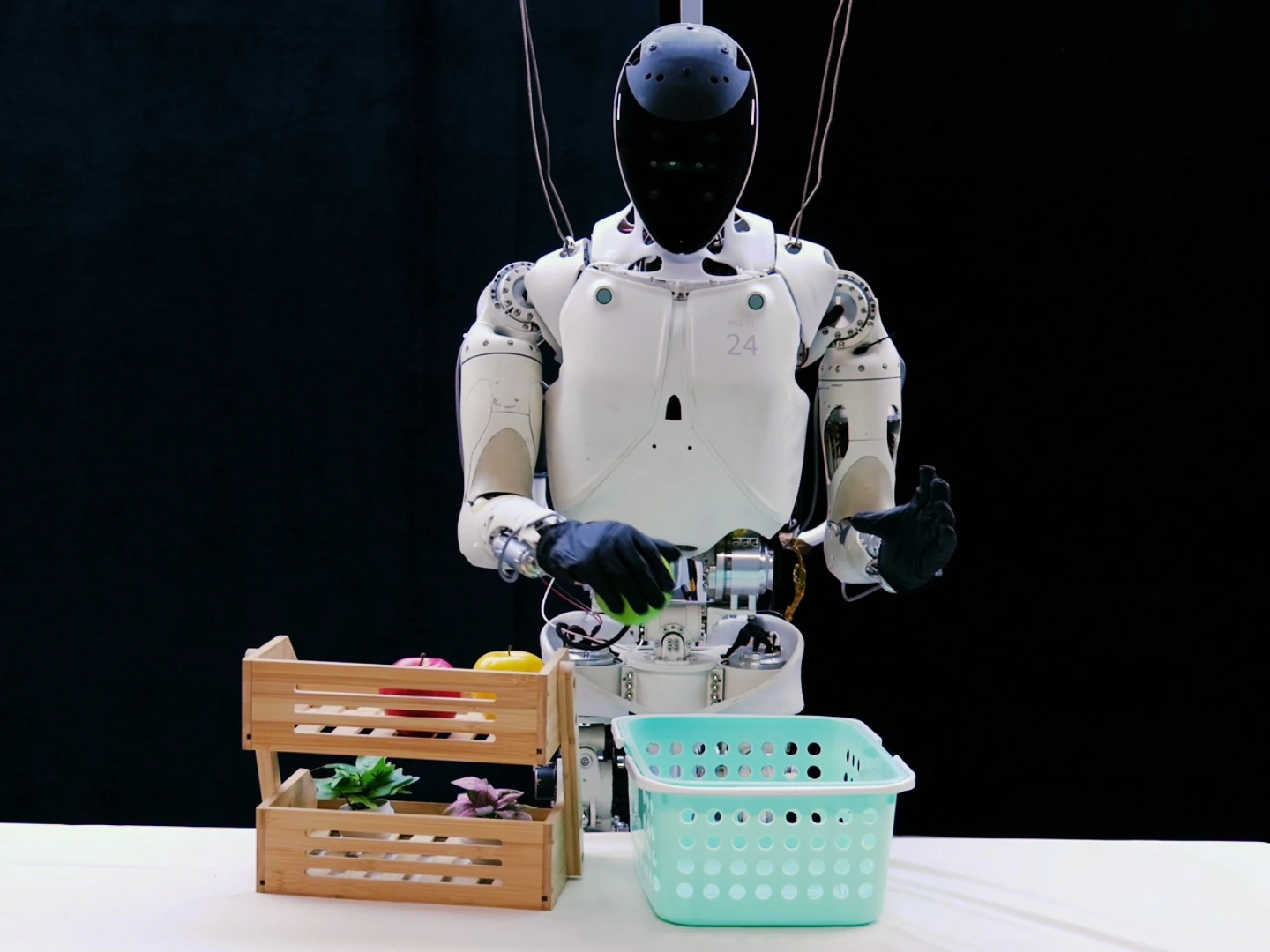
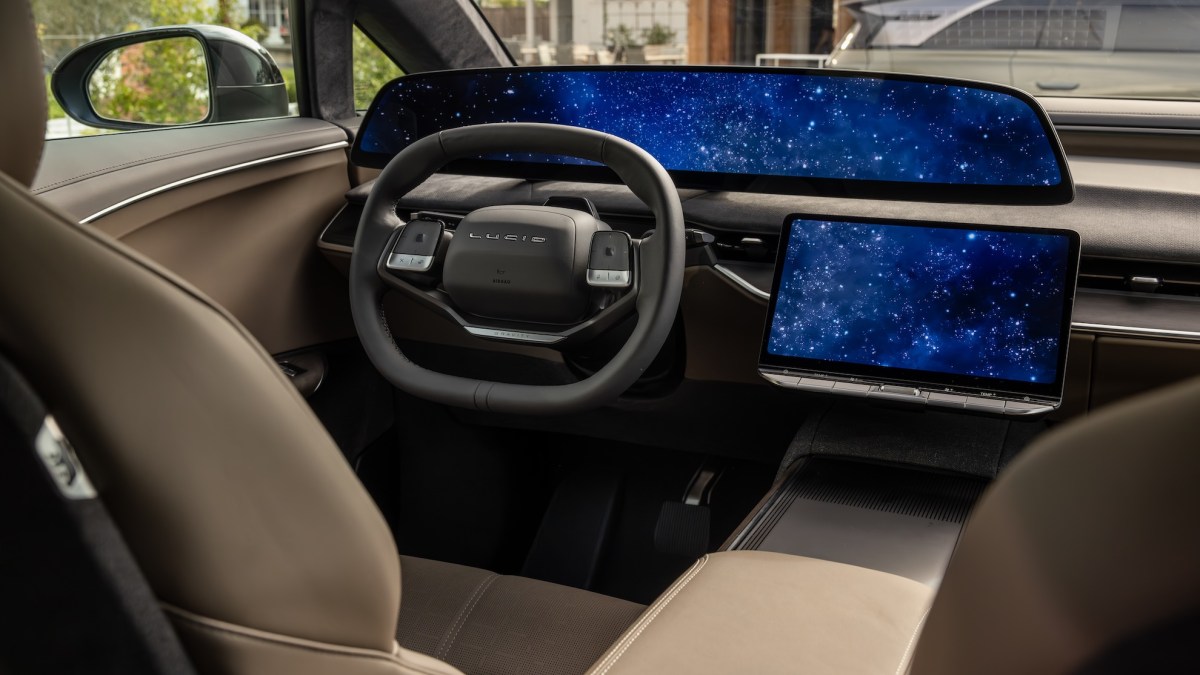
The entry of 14 automakers, including Xpeng, GAC, and Chery, into the humanoid robot market highlights a significant trend in the automotive industry. Chery has already delivered over 3,000 units of its Moja humanoid robot, with plans to deliver 10,000 units next year. The shared technological foundations between smart vehicles and humanoid robots provide a competitive edge, as over 60% of the supply chain can be reused.
Challenges remain, as the market for humanoid robots is still in its infancy, with most products in pilot stages. The distinct customer bases and business models between automotive and robotics sectors complicate the transition. While production timelines are set, the industry's maturity will depend on the ability to meet real customer needs and generate positive commercial returns.
Editor's Note
The automotive industry's foray into humanoid robotics reflects a growing trend of technology convergence, leveraging existing expertise in automation and manufacturing. As these companies pivot towards robotics, they face unique challenges in market adaptation and customer engagement. The success of these initiatives will depend on their ability to innovate while addressing the distinct demands of the robotics market.
























Leave a comment