

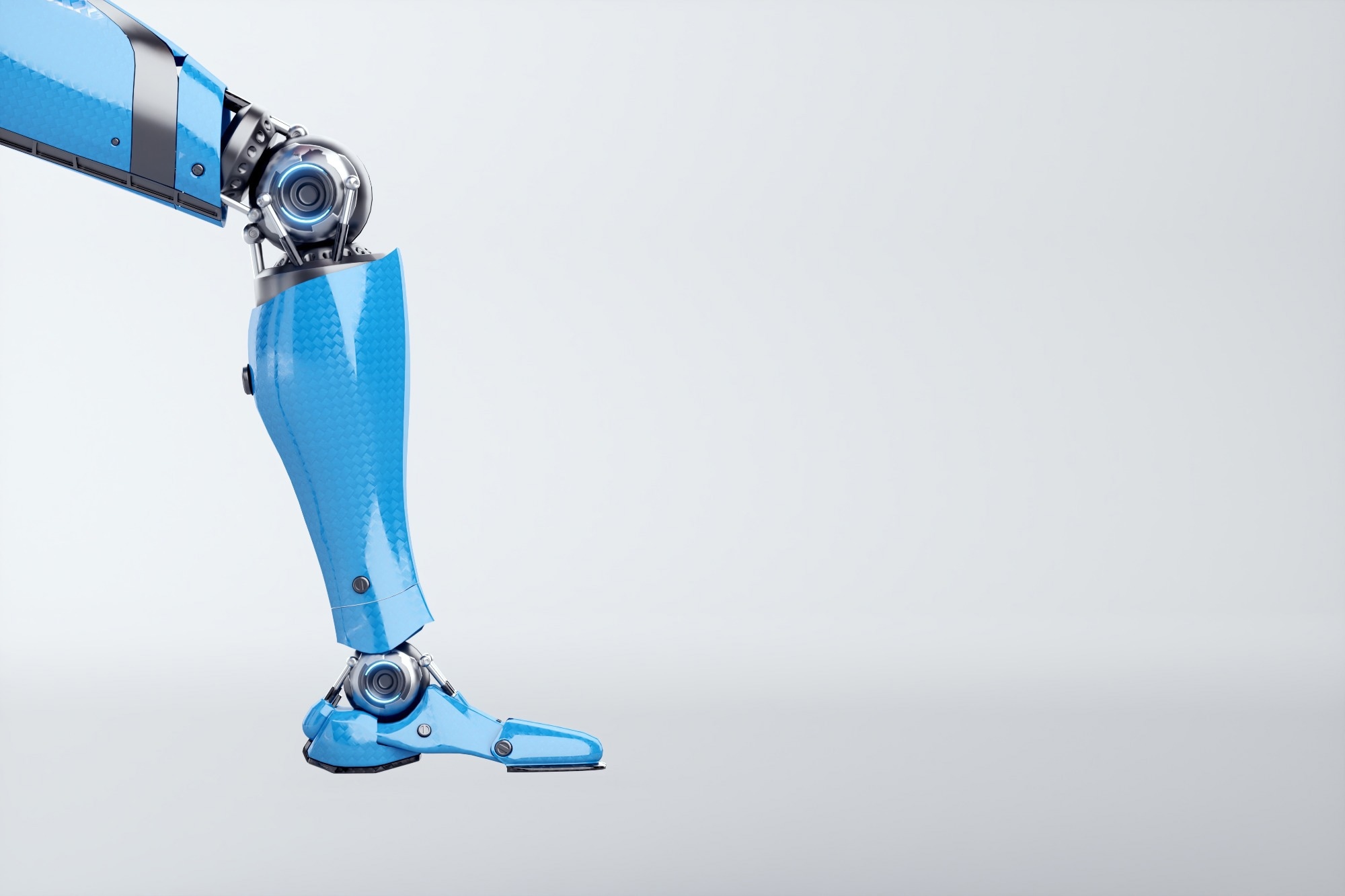
Researchers discovered that incorporating human-like vertical hip motion in biped robots can decrease walking energy consumption by around 14%. This reduction is primarily attributed to a significant decrease in energy usage at the stance-knee phase of walking.
This finding is crucial as it highlights the potential for improving energy efficiency in bipedal robots, which is essential for enhancing their operational longevity and reducing energy costs. By mimicking human biomechanics, these robots can achieve more efficient movement patterns, making them more viable for various applications.
Looking ahead, further research may focus on optimizing these hip motion techniques and exploring their integration into existing robotic systems. No further timeline was disclosed at the time of publication.
Editor's Note
The integration of human-like biomechanics into robotic systems represents a significant advancement in energy efficiency. As industries increasingly adopt bipedal robots for various applications, understanding and implementing these energy-saving techniques will be critical for competitive advantage and sustainability in robotic design.


































Leave a comment