

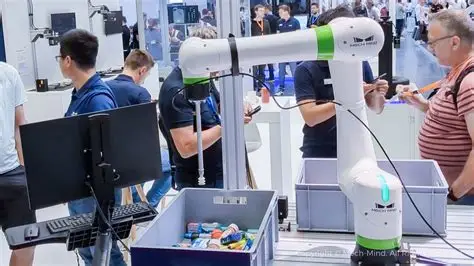
On September 24, Mech-Mind released its first interim report since its listing on September 1, just 23 days prior. The excitement stemmed from a highly successful IPO, which saw a subscription rate of 3,835 times, attracting 252,500 applications with a 3% success rate. Founder Shao Tianlan's outspoken comments post-listing have also sparked discussions in the embodied intelligence sector.
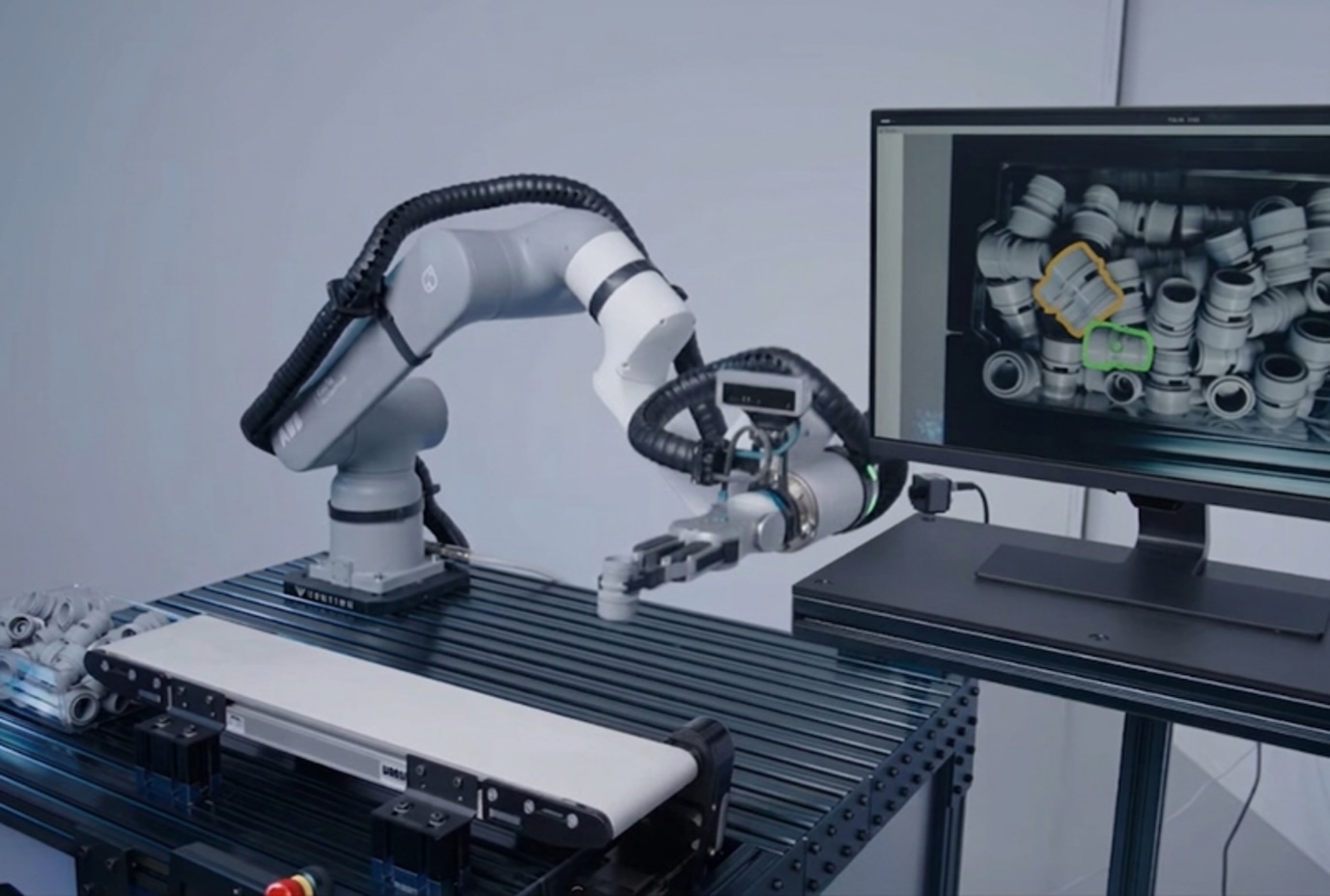
Mech-Mind positions itself as an AI industrial robotics company for 2024, aiming to become the first stock in embodied intelligence by August 2025. However, 93% of its revenue still comes from early-stage products, specifically smart robotic guidance systems, while the combined revenue from its Mech-GPT and Mech-Hand products accounts for less than 1.1%. This trend is not unique to Mech-Mind; 14 robotics companies have listed on the Hong Kong Stock Exchange in the past 21 months, many of which do not directly serve general embodied intelligence or humanoid robotics but have capitalized on the trend.
The subscription multiples for these companies are unprecedented in the Hong Kong market, with YiFei Technology achieving a record 14,855 times. However, many of these firms are not yet profitable, and their stock prices have shown significant declines post-IPO. As the novelty of being the 'first' wears off, the perceived value of these companies may diminish, similar to trends seen in the autonomous driving sector. Investors are now more cautious, with some halting investments in embodied intelligence companies altogether, indicating a challenging market ahead for new entrants.
Editor's Note
The recent surge in robotics IPOs on the Hong Kong Stock Exchange highlights a critical moment in the industry. While the initial excitement has attracted significant investment, the sustainability of these companies remains in question. As the market matures, the focus will likely shift towards profitability and genuine technological advancements rather than mere branding as 'firsts' in their respective categories.

























Leave a comment