Industry Briefing
A single destination for timely, editor-curated robotics news from around the world.

OpenLoong Master Series Launches to Advance Embodied Intelligence Technology
The OpenLoong Master Series has officially opened registration, aimed at promoting embodied intelligence technology and talent development. Guided by the OpenAtom Open Source Foundation and hosted by the OpenLoong open-source community, this initiative is supported by the National and Local Joint Innovation Center for Humanoid Robots, marking a significant step in addressing technical challenges in the robotics industry. This competition provides a premier platform for developers in the robotics field, focusing on real-world technical barriers in humanoid robot development. The first phase of the competition will center on two core topics: 'Motion Capture and Replication' and 'Embodied Navigation and Perception,' allowing teams to choose one or participate in both, addressing industry pain points such as the scarcity of motion data and poor motion generalization. Participants will utilize monocular cameras to extract human motion features and replicate them in simulation environments. The National and Local Joint Innovation Center will provide high-performance robot models to facilitate deep integration of algorithms with real hardware characteristics. Developers can register through the OpenLoong community website, with dedicated channels for technical support and resources available for participants.
Robotics Open Source Embodied Intelligence Innovation Technical Challenges
Three Key Technology Platforms Launched at Zhongguancun International Robot Industry Park
On August 28, three major technology platforms were officially launched at the Zhongguancun International Robot Industry Park. These platforms include the Robot Testing Service Center, the Robot Sharing Processing Platform, and the Application Scenario Demonstration District. The Robot Testing Service Center aims to address issues related to dispersed testing services and lack of standards, supporting robot testing and assisting companies in formulating national standards while promoting the adaptation of domestically developed robotic operating systems. The Robot Sharing Processing Platform integrates processing equipment and technical resources to provide comprehensive services for core component processing and testing, addressing challenges such as weak processing capabilities and high costs. The Application Scenario Demonstration District offers a testing environment based on real scenarios within the park, helping companies identify technical shortcomings and optimize products, thereby shortening the development-to-commercialization cycle. The park also hosted an Intelligent Robot Industry Acceleration Conference, announcing significant scenarios to drive industry implementation, with over 50 robots currently operating in roles such as delivery, cleaning, inspection, and guiding. No further timeline was disclosed at the time of publication.
Robot Testing Shared Processing Application Scenarios Robotics Industry Technology Platforms
Yushu Technology to Launch IPO as Zhejiang's Intelligent Robotics Sector Thrives
Yushu Technology, one of the 'Six Little Dragons of Hangzhou,' is set to begin its IPO on August 10, coinciding with the completion of IPO guidance by Yunshen Technology. This marks a significant moment for Zhejiang's embodied intelligence industry, which is gaining prominence as the first humanoid robot stock in China's A-share market. Zhejiang has emerged as an undisputed hub for embodied intelligence, with over 700 companies in Hangzhou alone. The industry cluster is projected to reach a value of 106.8 billion yuan by 2025, with quadruped and humanoid robots capturing 80% and 50% of the domestic market share, respectively. In the first half of this year, Zhejiang accounted for approximately 60% of the national exports of intelligent bionic robots. Yushu Technology aims to penetrate both consumer and general markets, with revenue expected to soar from 159 million yuan in 2023 to 1.699 billion yuan by 2025. Meanwhile, Yunshen Technology focuses on specialized applications, having deployed quadruped robots in high-risk areas like Switzerland's largest nuclear power plant. As these leading companies prepare for their A-share debut, Zhejiang is transitioning from a robotics manufacturing base to a source of innovation in embodied intelligence.
Embodied Intelligence Humanoid Robots Quadruped Robots Robotics Industry AI Technology
Moxin Technology Launches MoWorld 4D Model for Pet Photos on Huawei Mate 90
Moxin Technology has introduced its MoWorld application, which transforms pet photos into animated 4D digital twins. This innovative feature is available on Huawei's Mate 90 smartphone, utilizing Ascend cloud generation technology alongside a sophisticated 600M-parameter model powered by Kirin. The launch of MoWorld is significant as it showcases the integration of advanced AI capabilities into mobile devices, enhancing user engagement through personalized digital experiences. By converting static images into dynamic 4D representations, Moxin Technology is setting a new standard in how pet owners can interact with their beloved animals in a virtual space. Looking ahead, the impact of MoWorld on the pet technology market will be worth monitoring. As more users adopt this technology, it could pave the way for further innovations in digital pet care and virtual interactions. No further timeline was disclosed at the time of publication.
Zhuji Power and Dongtu Technology Unveil China's First Humanoid Robot with Domestic Electronics
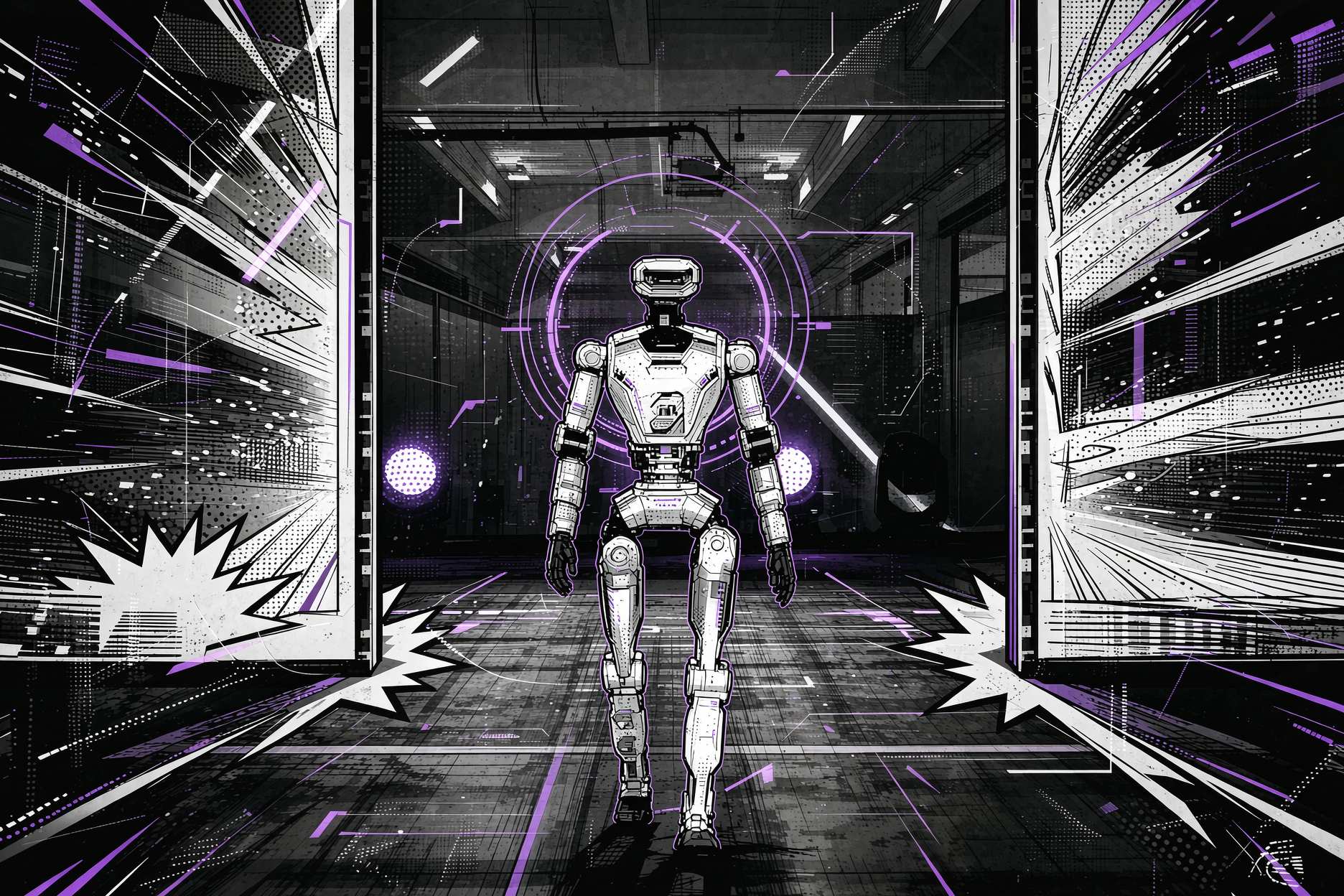
On September 28, 2026, Zhuji Power and Dongtu Technology launched China's first humanoid robot equipped with domestic electronic architecture in Yichang, Hubei. This robot marks a significant advancement in integrating domestic industrial-grade real-time communication capabilities within complex humanoid robotic systems. The importance of this development lies in its potential to enhance the robot's ability to operate autonomously in complex real-world scenarios. Effective communication within the robot's system is crucial for processing the vast amounts of information generated by perception, decision-making, and motion control, directly impacting control precision and task safety. Looking ahead, the focus will be on whether this domestic electronic architecture can be effectively implemented across more robotic platforms, and whether its performance, power consumption, and development toolchain can meet commercial requirements. No further timeline was disclosed at the time of publication.
Humanoid Robots Domestic Electronic Architecture Industrial Automation AI Technology
CRRC Launches First Subway Train Featuring Embodied Intelligence Technology at Berlin Expo
On September 22, CRRC unveiled the world's first subway train equipped with embodied intelligence technology at the 15th Berlin International Rail Transport Technology Expo. This train, developed on the VELLINK urban rail vehicle platform, incorporates multiple sensors to create an autonomous perception system capable of real-time condition recognition, anomaly detection, and fault warning. The significance of this innovation lies in its ability to enhance safety and efficiency in urban rail systems. Unlike traditional trains that rely on periodic inspections, this new model reduces weight by approximately 18% and lowers overall energy consumption by over 10%. The embodied intelligence technology allows the train to autonomously perceive and make decisions, marking a significant advancement in rail transport technology. Looking ahead, CRRC also introduced the VELFORCE 2000 kW hydrogen fuel cell hybrid locomotive and the MAGIX intelligent flat car. As artificial intelligence increasingly integrates into vehicle perception and decision-making, the importance of safety assessments will grow. No further timeline was disclosed at the time of publication.
Subway Technology Embodied Intelligence Railway Innovation Hydrogen Fuel Cells Smart Transportation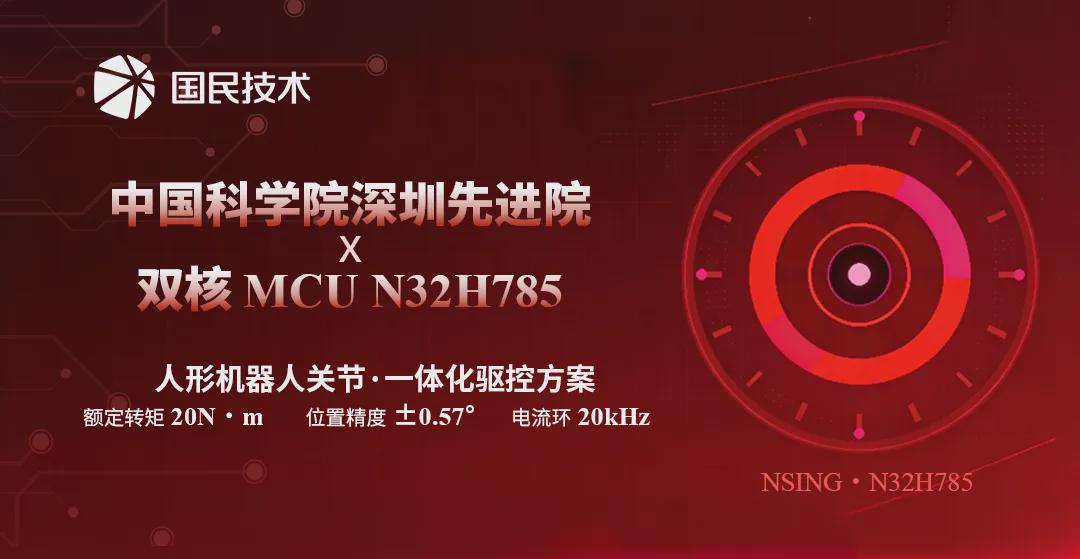
National Technology Launches Advanced Joint Motor Control Solution with Shenzhen Institute of Advanced Technology
National Technology has announced a new generation of integrated joint motor control solutions for humanoid robots in collaboration with the Shenzhen Institute of Advanced Technology. This solution utilizes the high-performance dual-core MCU N32H785, which integrates drive control, a frameless torque motor, dual absolute encoders, a communication module, and a reducer, addressing the challenges of compact and modular design in robotic systems. The humanoid robot market is experiencing significant growth, with global shipments expected to exceed 50,000 units this year, reflecting a year-on-year increase of over 700%. However, the complexity of joint control remains a critical challenge, as each robot contains numerous joints that must perform motor control, encoder processing, multi-protocol communication, and safety protection within tight spaces. The new solution aims to enhance the performance of joint control systems by separating motor control and communication tasks across two dedicated cores, ensuring real-time performance and stability. As the industry continues to evolve, the focus will be on the successful implementation of this technology in mass production scenarios.
Humanoid Robots Motor Control Robotics Technology Embedded Systems
Yushu Technology Unveils Dex5-S Dexterous Hand Featuring 22 Degrees of Freedom Priced at 39,900 Yuan
Yushu Technology has officially launched the Dex5-S, a new dexterous hand product designed to replicate human hand proportions with a 1:1 scale. This product features a highly biomimetic structure with 22 degrees of freedom, enhancing robotic capabilities for complex and precise tasks. The thumb and little finger each possess five degrees of freedom, while the index, middle, and ring fingers have four each, with the little finger also incorporating a rolling degree of freedom for increased flexibility. The Dex5-S measures 102×187×26 mm and weighs 620 grams, constructed from durable aluminum alloy. It integrates 22 motors for direct and reverse drive, utilizing a dual encoder control scheme. The device supports a wide voltage range of 15V to 65V, with a peak power of 200W. It can handle a single-hand load of 1 kg and a maximum load of 2 kg. To meet high real-time control demands, the Dex5-S is equipped with Gigabit Ethernet, USB, and high-speed 485 communication interfaces, achieving a maximum communication baud rate of 6 Mbps and a control frequency of up to 1000 Hz. In addition to the standard version, Yushu Technology has also introduced the Dex5-S Pro, starting at 39,900 Yuan. The integration of high degrees of freedom, control frequency, and visual interfaces enhances the dexterous hand's performance in embodied intelligent scenarios, particularly in industrial and research tasks requiring precision. This launch addresses the operational capabilities of robots, complementing Yushu's previous advancements in humanoid robotics and motion control.
Dexterous Hands Robotics Industrial Automation AI Mechatronics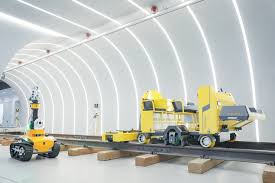
Shenhui Technology Launches Embodied Intelligence Firm in Hangzhou with 70 Million RMB Capital
Shenhui Technology has established a new company, Hangzhou Shenhui Embodied Intelligence Technology Co., Ltd., with a registered capital of 70 million RMB. The company, fully owned by Shenhui Technology, will focus on the development and manufacturing of intelligent robots, including service and industrial robots, as well as artificial intelligence software development. This move signifies Shenhui Technology's strategic shift from specialized inspection robots to a broader range of intelligent robotics applications. The new company aims to diversify its product offerings beyond the existing focus on power and rail inspection robots, catering to various sectors such as industrial, commercial, and service industries. Looking ahead, it remains to be seen whether the new entity will continue to develop familiar industrial inspection scenarios or pivot towards more general applications of embodied intelligence. The establishment of this independent company in Hangzhou aligns with the region's robust talent and supply chain resources in the robotics sector.
Embodied Intelligence Robotics Industrial Automation AI Development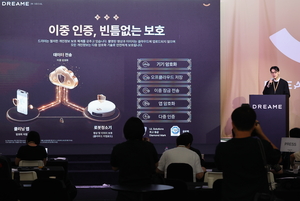
Dreame Technology Expands in South Korea with New Robot Vacuum Launch
Dreame Technology, a Chinese home appliance manufacturer, announced plans to expand its presence in South Korea beyond robot vacuum cleaners. The company aims to establish a localized product ecosystem that includes personal care, kitchen, and living appliances, with robot vacuums serving as the entry point. Mun Duck-geun, managing director of Korea sales, emphasized the importance of the Korean market due to its high consumer standards and rapid adoption of technology. The expansion is significant as it aligns with Dreame's strategy to cater to the digitally connected consumer environment in Korea, characterized by a high apartment-residence rate. The company is also prioritizing data security by relocating Korean users' data to a local data center and implementing safeguards like two-factor authentication. Kim Hwan, head of marketing at Dreame Korea, highlighted the importance of understanding Korean consumer values for sustainable growth. Dreame's commitment to research and development is evident, with 70% of its workforce engaged in R&D and an investment of approximately 7% of revenue in this area. The company recently launched the Aqua 20 Ultra Roller robot vacuum, featuring advanced cleaning capabilities. No further timeline was disclosed at the time of publication.
All News
Yushu Technology Launches 'Superman' Robot, Breaking Speed and Jump Records
Yushu Technology has unveiled its humanoid robot named 'Superman,' which achieved a maximum running speed of 12.66 meters per second and a vertical jump of 2 meters. This surpasses Usain Bolt's peak speed of 12.42 meters per second and sets a new benchmark in robotics. The significance of this achievement lies in Yushu's rapid development timeline, having increased the robot's speed from 3.3 meters per second in early 2023 to 12.66 meters per second in just over three months. This milestone not only highlights advancements in humanoid robotics but also positions Yushu for a successful public listing on August 19, 2023, with an expected market capitalization of approximately 61 billion yuan. Looking ahead, Yushu Technology plans to showcase its innovations at the World Robot Conference in Beijing on the same day as its stock market debut. The founder, Wang Xingxing, will discuss the future of humanoid robotics, emphasizing that the technology is moving beyond experimental phases into a validated business model. No further timeline was disclosed at the time of publication.
Humanoid Robots Robotics Innovation AI Technology Market Debut
Yushu Technology Launches 'Superman' Humanoid Robot with Record-Breaking Performance
Yushu Technology has introduced its latest humanoid robot, 'Superman', which features remarkable abilities including a vertical jump of 2 meters and a maximum speed of 12.66 m/s, exceeding human performance records. This development is significant as it showcases Yushu Technology's commitment to advancing dynamic movement and stability in robotics, furthering their exploration in high-performance robotic systems. Looking ahead, the industry will be keen to observe how 'Superman' performs in real-world applications and whether it can influence future designs in humanoid robotics. No further timeline was disclosed at the time of publication.
Humanoid Robots Robotics Technology Dynamic Movement AI
Yushu Technology Launches IPO Valued at 60.9 Billion, Signaling New Era for Embodied Intelligence
On August 10, Yushu Technology officially launched its IPO on the STAR Market, marking the debut of the first humanoid robot stock in A-shares with a valuation of approximately 60.99 billion yuan. The issue price was set at 150.80 yuan per share, resulting in a diluted price-to-earnings ratio of 219 times. The total funds raised are expected to be around 6.099 billion yuan. The IPO attracted significant interest, with 9.7846 million valid subscriptions and an oversubscription rate exceeding 8,288 times, triggering a reallocation mechanism that led to a final winning rate of just 0.0181%. Notably, institutional investors showed strong confidence, with zero cancellations from professional institutions, while retail investors accounted for the minimal cancellations. Looking ahead, Yushu Technology's strategic partnership with the Chengdu government aims to enhance research and development in embodied intelligence. As the sector evolves from concept to performance validation, the valuation landscape for robotics in the Hong Kong market is expected to shift significantly, with Yushu's IPO serving as a benchmark for future entrants in the field.
Humanoid Robots Embodied Intelligence IPO Robotics Technology
PaXini Launches GEN4 FUSE: A Comprehensive Leap in Haptic Technology Stack
On August 13, 2026, PaXini officially launched the GEN4 FUSE, marking a significant advancement in their haptic sensing technology. This fourth-generation product is built on four rounds of technological evolution and over one million units of their proprietary haptic perception chips shipped in the past year. The importance of GEN4 FUSE lies in its ability to integrate three layers of technology: the robotic body and dexterous hands, high-precision multi-dimensional haptic sensors, and the core haptic perception chip. This comprehensive approach allows PaXini to directly address real-world demands and failures in device design, setting it apart from competitors who typically rely on generic chips. Looking ahead, the industry should monitor how PaXini's unique technology architecture continues to evolve. As more clients demand higher precision and real-time capabilities from haptic sensors, PaXini's commitment to developing specialized chips tailored to these needs positions it well for future growth in the embodied intelligence sector. No further timeline was disclosed at the time of publication.
Tactile Sensors Robotics Technology AI Sensor Integration
Yushu Technology Initiates IPO with Ambitious Growth Plans for Humanoid Robots
On August 5, 2026, Yushu Technology launched its initial public offering (IPO) on the Sci-Tech Innovation Board, aiming to issue approximately 40.45 million shares, representing 10% of the total post-issue equity. The company seeks to raise around 4.202 billion yuan, with an estimated valuation of 42 billion yuan and a projected share price of about 104 yuan. The subscription period is set for August 10, with payment deadlines on August 12. Yushu Technology, labeled as the 'first stock of humanoid robots,' showcases significant growth potential, with revenue projected to soar from 159 million yuan in 2023 to 1.699 billion yuan by 2025. The humanoid robot segment is expected to contribute 51.78% of total revenue by 2025, with a shipment target of over 5,500 units and a drop in average selling price from 593,400 yuan to 166,400 yuan. Despite a 52.55% decline in non-recurring net profit in Q1 2026, the company is focused on gaining market share through competitive pricing. Investors are advised to monitor the evolving landscape of the humanoid robot sector, where Yushu Technology's IPO could signal a shift towards a more structured investment approach. The company’s strategy emphasizes building a strong market presence in the research and education sectors, which currently account for 73.6% of its humanoid robot revenue. As the market matures, core suppliers with technological advantages are likely to emerge as key beneficiaries of long-term growth opportunities.
Humanoid Robots IPO Robot Technology Market Analysis
Yushu Technology Launches IPO: Who Will Follow as the Next Industry Leader?
On August 10, Yushu Technology (688836.SH) initiated its IPO on the Sci-Tech Innovation Board with an issue price of 150.80 yuan per share, corresponding to a market value of approximately 61 billion yuan, marking the debut of China's first humanoid robot stock. The pressing question for the market is which of the existing 3,572 intelligent robotics companies will emerge as the next benchmark for capitalization. Several companies are already in the IPO pipeline, including Yunshenchu, which has submitted its prospectus, and Leju Smart, which has received acceptance for its IPO on the Growth Enterprise Market. Other firms like Yujian Technology are advancing their H-share return to A-shares, while Zhiyuan Robotics plans to list on the Hong Kong Stock Exchange. The year 2026 is anticipated to be a significant year for intelligent robotics IPOs, with companies like Zhiyuan and Galaxy General already completing share reforms and preparing for listings. In terms of industry distribution, East China hosts 45.13% of related enterprises, leading the nation, while South China accounts for 20.80%. Key cities such as Hangzhou, Shenzhen, Shanghai, and Beijing are becoming core hubs for the intelligent robotics industry. According to Wang Xingxing of Yushu Technology, the current industry resembles the early development of personal computers, indicating that the market window is just beginning to open, and the next Yushu may not be the company with the best algorithm demonstration but rather one that can turn robots into practical assets that customers are willing to repeatedly purchase.
Humanoid Robots IPO Artificial Intelligence Robotics Industry Capital Market
Dreame Technology to Introduce Aqua20 Ultra Roller Robot Vacuum in South Korea
Dreame Technology announced the upcoming launch of its Aqua20 Ultra Roller robot vacuum cleaner in South Korea, set to debut at the 'Dreame in Seoul' event on August 20. This next-generation model features a unique combination of high-temperature steam and a hot-water roller mop, marking it as Korea's first with a 'Dual High-Temp Steam Mopping' system. The Aqua20 Ultra Roller is designed to enhance cleaning efficiency in homes with floor-seating arrangements, addressing concerns about maintaining hygiene and protecting delicate flooring materials like wood. The robot utilizes steam heated to 180 degrees Celsius to loosen tough dirt, while its advanced features include real-time obstacle detection and the ability to adjust cleaning based on detected pet hair and spills, with a suction power of up to 40,000 pascals. Looking ahead, Dreame Technology aims to continue innovating in the smart home appliance sector, focusing on providing convenient cleaning solutions. No further timeline was disclosed at the time of publication.
All News
Haocun Technology Launches Innovative Gesture and Haptic Data Gloves for Embodied Intelligence
Haocun Technology has introduced a new generation of data gloves designed to enhance embodied intelligence by addressing the critical gap in human hand haptic data collection. This innovation aims to provide robots with the ability to perceive force, material, and deformation, which is essential for their interaction with the physical world. The significance of this development lies in its potential to overcome the limitations of existing data collection solutions in the industry. Current methods either lack tactile feedback or suffer from poor accuracy in gesture recognition, making them inadequate for training advanced embodied algorithms. Haocun's gloves utilize proprietary MEMS inertial sensors and a distributed flexible tactile sensing matrix to achieve millisecond-level synchronous data collection of joint angles and tactile feedback. Looking ahead, Haocun Technology's gloves could set a new standard in the field of embodied intelligence by providing a unified, high-precision tool for simultaneous tactile and pose data collection. This advancement may facilitate the development of more sophisticated robotic systems capable of real-world interactions. No further timeline was disclosed at the time of publication.
Haptic Technology Gesture Recognition Robotics Data Collection Embodied Intelligence
First Cheng Holdings Launches New Fund for Physical AI Technologies After Yushu Technology IPO
First Cheng Holdings has initiated a new investment fund dedicated to physical AI technologies, which encompass robotics and smart manufacturing. Based in Beijing, the fund aims to raise 3.5 billion RMB and will focus on investing in early-stage and growth-stage technology companies, thereby strengthening its strategic foothold in the physical AI sector. This initiative is significant as First Cheng Holdings has previously invested over 2 billion RMB in the robotics industry through various funds. By targeting physical AI, the company is positioning itself to capitalize on the growing demand for advanced technologies in manufacturing and automation, which are critical for enhancing operational efficiency and competitiveness. Looking ahead, it will be important to monitor how the new fund progresses in attracting investments and supporting innovative companies within the physical AI landscape. No further timeline was disclosed at the time of publication.
Physical AI Robotics Smart Manufacturing Venture Capital Artificial Intelligence
Yushu Technology Begins IPO Inquiry with Estimated Share Price of 104 Yuan
Yushu Technology has commenced its preliminary inquiry for an initial public offering (IPO) on August 5. The online and offline subscription dates are scheduled for August 10, with a payment deadline set for August 12. The company aims to issue around 40.45 million shares, potentially valuing it at over 40 billion yuan. This IPO is significant as it positions Yushu Technology as a notable entity within the humanoid robotics sector. With an estimated share price of 104 yuan, the offering could attract considerable interest from investors looking to capitalize on advancements in robotics technology. Looking ahead, the market will be watching closely for the outcomes of the subscription phase and the overall reception of Yushu Technology's IPO. No further timeline was disclosed at the time of publication.
Humanoid Robots IPO Artificial Intelligence Technology Investment
Zhejiang IPLUSMOBOT Technology Launches NERA Robotics Product Line for Industrial AI
Zhejiang IPLUSMOBOT Technology has introduced the NERA-P omnidirectional chassis and NERA-C controller at the WAIC. This launch aims to standardize navigation and control for autonomous mobile robots (AMRs), establishing a reusable embodied intelligence infrastructure for both humanoid wheeled and quadruped robots. The significance of this development lies in its potential to enhance the capabilities of robots in various industrial applications. By providing a standardized platform, IPLUSMOBOT is positioning itself to facilitate the integration of advanced navigation and control systems across different robotic platforms, which can lead to improved efficiency and versatility in automation. Looking ahead, industry stakeholders should monitor how the adoption of the NERA product line influences the robotics landscape. The focus on embodied AI infrastructure may drive further innovations in robot design and functionality. No further timeline was disclosed at the time of publication.
Industry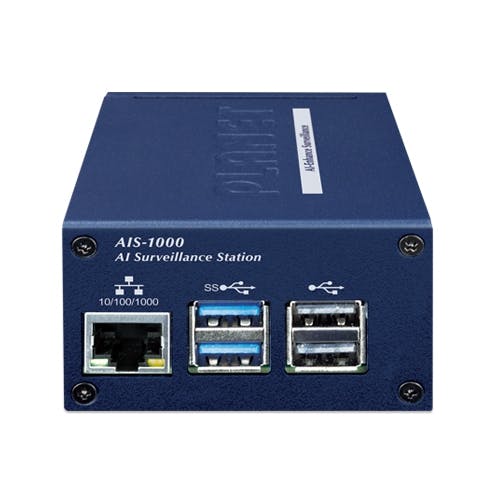
Planet Technology Launches AIS-1000 AI Surveillance Station for Enhanced Security
Planet Technology has unveiled its AIS-1000 AI Surveillance Station, which processes data at the collection point to enhance threat detection. This innovation aims to address the growing demand for intelligent security solutions in commercial and industrial sectors, where security teams often struggle with overwhelming amounts of data. The AIS-1000 is designed to surpass traditional security systems by utilizing edge computing and localized AI analytics. This shift allows for proactive threat detection and intervention, preventing incidents from escalating. Key features include an intuitive dashboard for monitoring live video streams and managing alerts, making it suitable for various environments, including retail, industrial, and healthcare facilities. As organizations face increasingly sophisticated security challenges, the AIS-1000 represents a significant advancement in AI surveillance technology. Joe Williams, director of distributed sales at Planet Technology, emphasized the importance of transitioning from passive video recording to active edge intelligence. No further timeline was disclosed at the time of publication.
Factory / Analytics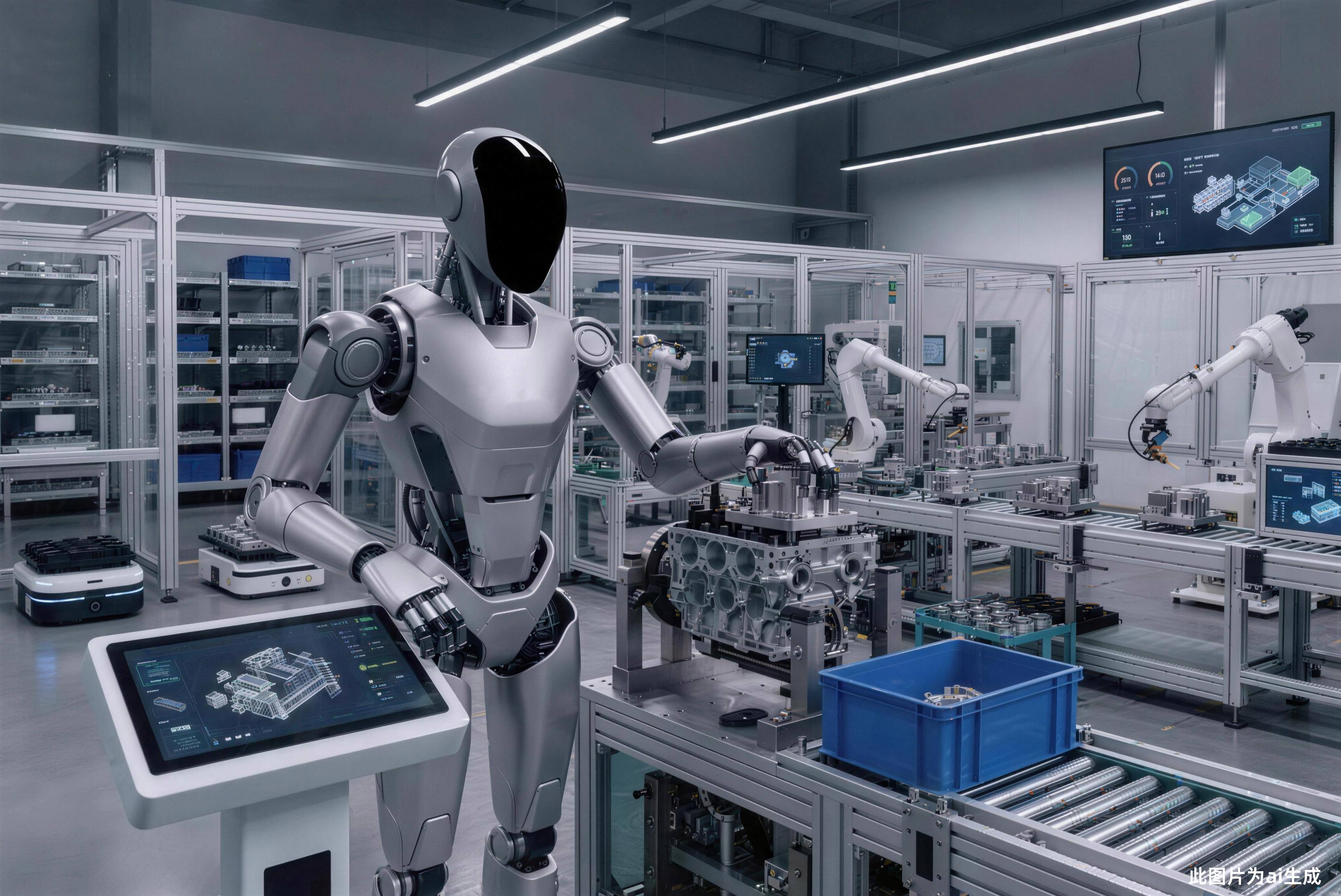
Guangjian Technology Unveils Intelligent Visual Perception Solution for Physical AI Applications
Guangjian Technology has launched a new intelligent visual perception solution aimed at enhancing physical AI capabilities. This solution leverages AI binocular vision technology, integrating intelligent perception algorithms and efficient computing architectures to provide robots with essential visual capabilities for environment perception, spatial understanding, navigation, and precise operations. The significance of this development lies in the increasing complexity of real-world environments, which demand higher accuracy in depth perception. Traditional stereo matching methods often struggle with challenging scenarios, leading to depth loss and noise that can hinder a robot's ability to navigate and perform tasks effectively. Guangjian's solution addresses these challenges by offering a robust visual perception system that supports various tasks, including SLAM positioning and target detection. Looking ahead, the competition in robotic visual perception will focus on balancing perception quality, system collaboration, and computational efficiency. Guangjian Technology's innovative approach aims to provide a unified visual capability that not only enhances depth perception but also supports the continuous evolution of embodied intelligence in real-world applications. No further timeline was disclosed at the time of publication.
Embodied AI Visual Perception Robotics AI Technology
Bomen Technology's IPO Launches in Yizhuang, Marking Fourth Robot Listing by Li Zexiang
Bomen Technology (Beijing) Co., Ltd. has recently passed the listing hearing on the Hong Kong Stock Exchange, with CITIC Securities (Hong Kong) as the exclusive sponsor. The company's core business focuses on direct drive modules in robotic joints, projecting a shipment of over 8.5 million units by 2025, capturing a 61.1% market share in China's consumer robot direct drive module sector. It is the first and only company globally to exceed 5 million units shipped. The significance of this IPO lies in Bomen's innovative approach to robotics, which eliminates traditional gearboxes to enhance performance and responsiveness. Founded by Zhang Di, a protégé of Professor Li Zexiang, Bomen has demonstrated the engineering feasibility of direct drive solutions, resulting in modules that are half the size of conventional designs, with doubled lifespan and reduced noise. This advancement is crucial for the consumer robotics market, where space and efficiency are paramount. Looking ahead, Bomen Technology aims to continue its rapid growth trajectory, having completed 12 funding rounds since 2020, raising nearly 650 million yuan with a post-investment valuation of approximately 3.2 billion yuan. If successful, Bomen will become the fourth company in Li Zexiang's network to go public, following three previous IPOs in the robotics sector.
Consumer Robotics Direct-Drive Technology Robot Modules IPO Automation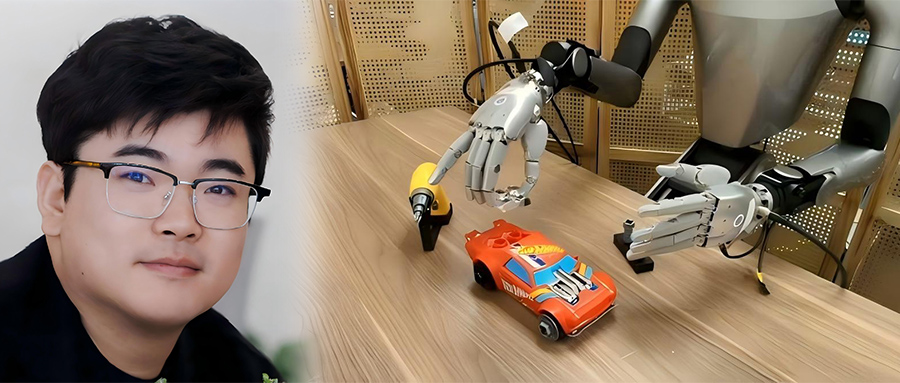
Harbin Institute of Technology Professor Establishes PHANES AI to Advance Tactile Robotics
Professor Yang Shuo from Harbin Institute of Technology (Shenzhen) has founded PHANES AI, focusing on human data, tactile perception, and world model research. The startup aims to enable humanoid robots to perform agile full-body movements. A key challenge identified is the gap in current training data, where visual cues do not capture the tactile feedback necessary for successful robotic operations. This initiative is significant as it addresses the limitations of existing robotic training methodologies, which rely heavily on visual data without incorporating tactile information. Recent studies, including NVIDIA's EgoScale, highlight the importance of first-person human operation data in training robots for complex tasks. By leveraging large amounts of human data combined with minimal real-world data, PHANES AI seeks to enhance the success rate of robots in intricate operations. Looking ahead, PHANES AI plans to develop innovative methods for collecting and scaling tactile data through its EgoTouch system, which integrates visual and tactile information. The startup's approach aims to bridge the gap between visual perception and physical interaction, ultimately improving the capabilities of humanoid robots in real-world applications. No further timeline was disclosed at the time of publication.
Humanoid Robots Tactile Perception Robotics AI Data-Centric AI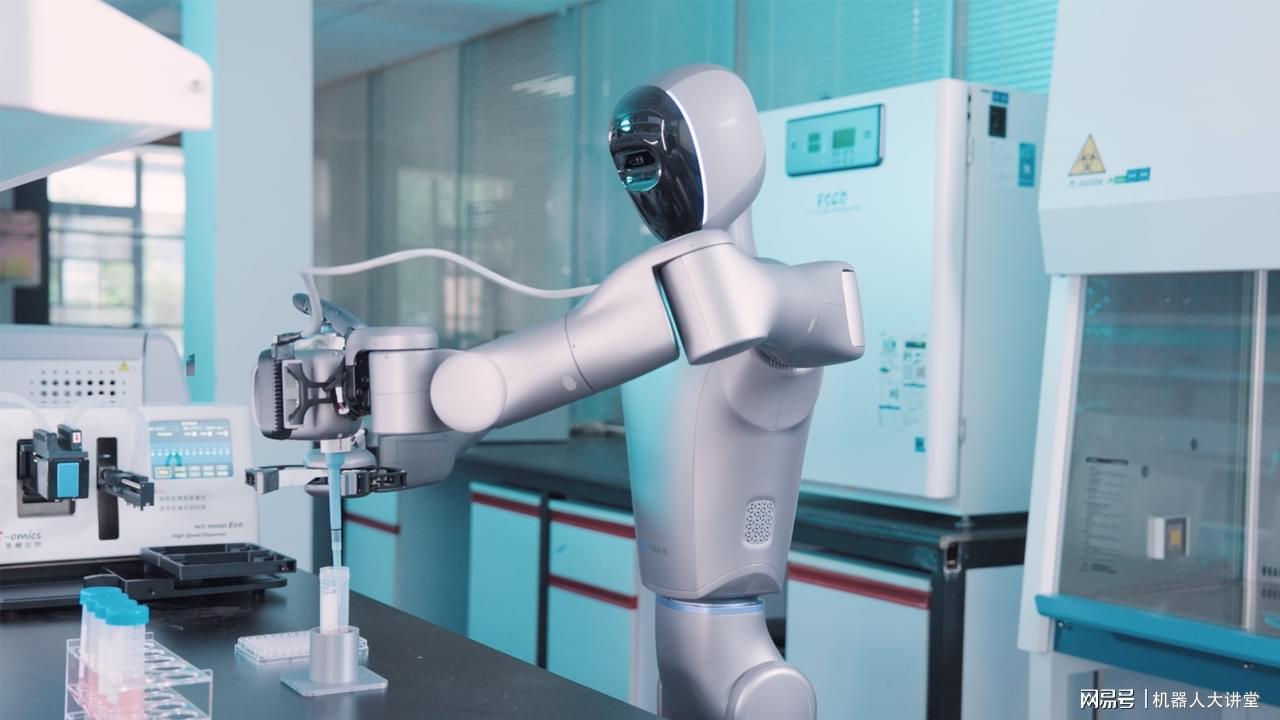
Yuanluo Technology Unveils First Autonomous Laboratory Utilizing Object-Centric Physics Model
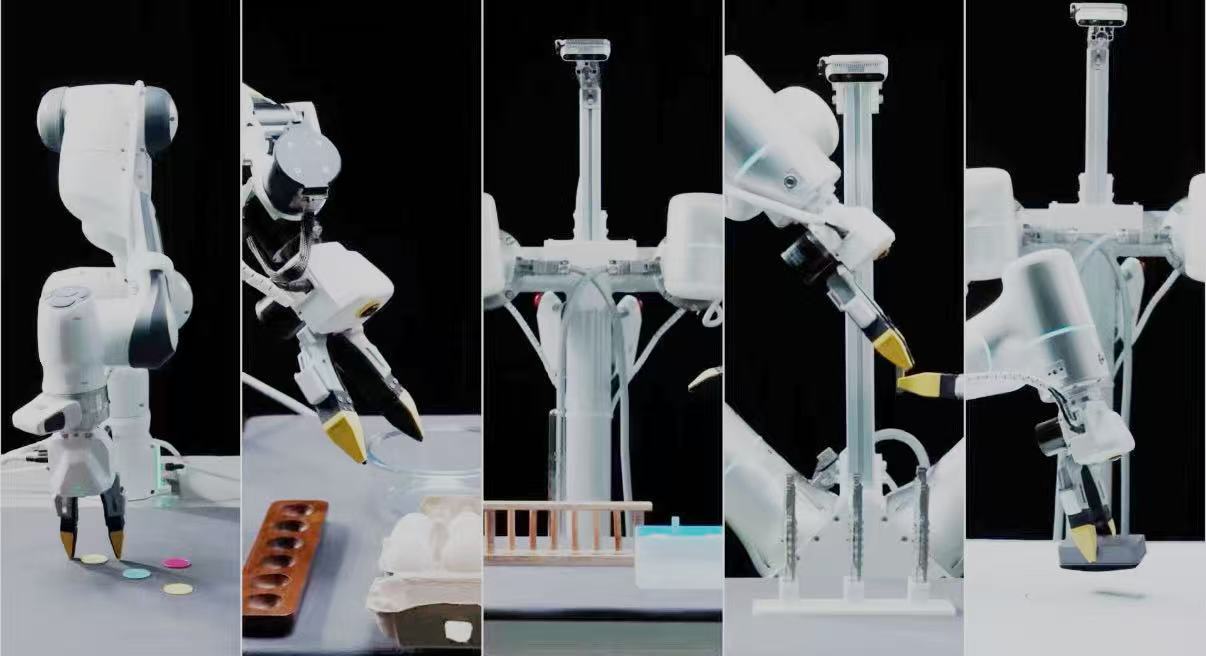
Yuanluo Technology has successfully launched the world's first autonomous laboratory on a national research platform, marking a significant advancement in embodied intelligence. The laboratory's robotic system can autonomously perform over 40 operations, including nucleic acid extraction and cytotoxicity testing, with a precision of less than one millimeter. This achievement demonstrates the robot's capability to execute complex, multi-step tasks continuously for over three hours, addressing challenges in throughput and consistency in biochemical research. This development is crucial as it signifies a shift from demonstration to practical application of embodied intelligence in the biochemical and material science sectors. The Object-centric Physics Native Model (OPN), developed by Yuanluo, enables the robot to understand and adapt to the dynamic conditions of a real laboratory environment. By integrating visual, tactile, and force feedback, the robot can make real-time adjustments, ensuring stable execution of intricate experimental workflows across multiple devices. Looking ahead, the successful implementation of this autonomous laboratory sets the stage for further advancements in research and development processes across various industries, including public health and advanced manufacturing. The next milestones will involve expanding the capabilities of the OPN model and integrating it into more complex industrial systems. No further timeline was disclosed at the time of publication.
Autonomous Laboratories Embodied Intelligence Biochemical Research Robotics AI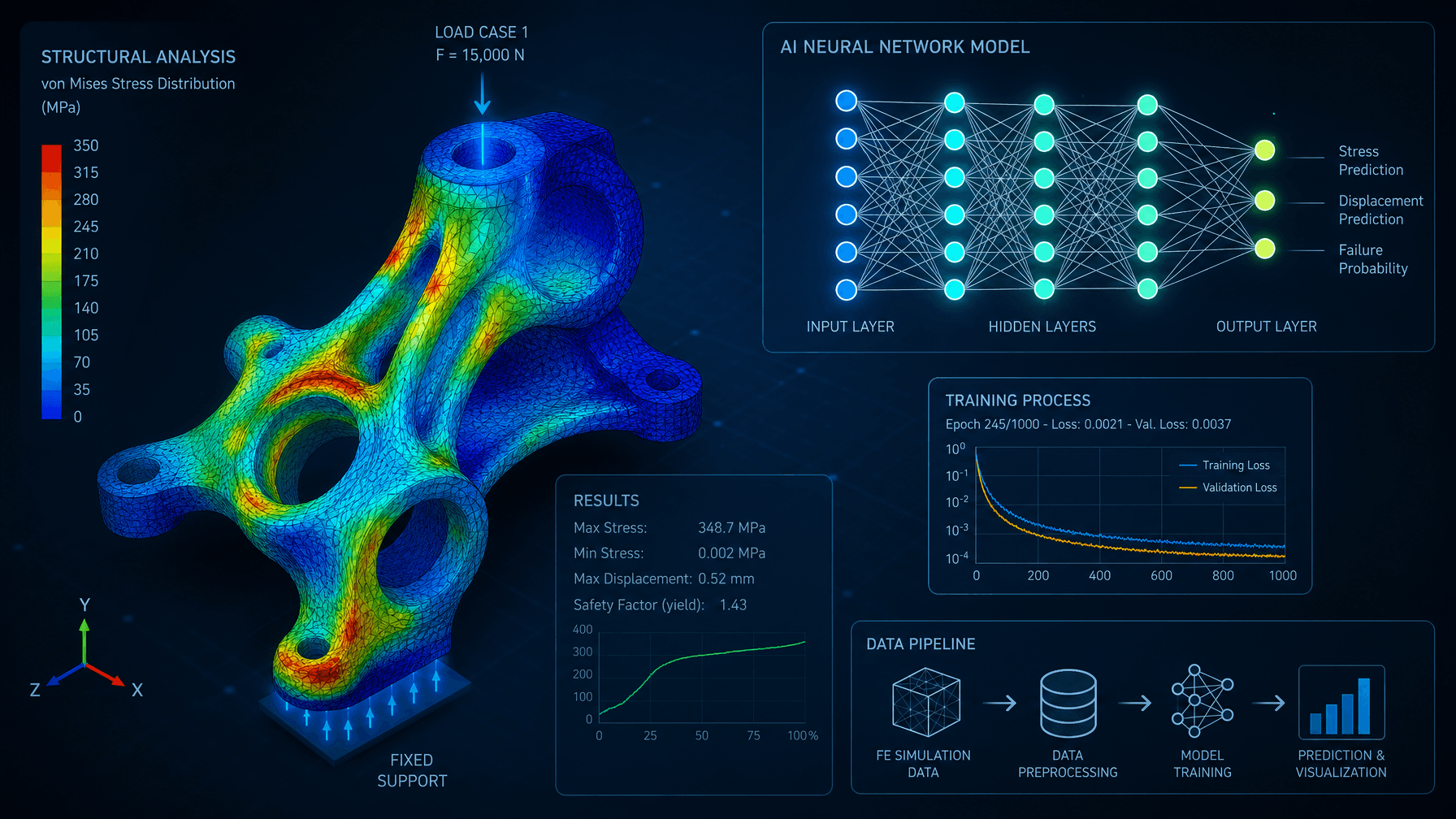
Jiying Technology Launches First Zero-Shot Generalizable Physics Model for Engineering Simulations
Jiying Technology has unveiled its Jiying 2.0 physics foundation model, which is capable of zero-shot generalization across various geometries, materials, and boundary conditions. This model represents a significant advancement in physics AI, particularly for engineering simulations, and was announced in October 2023. The introduction of the Jiying 2.0 model is crucial as it allows engineers to simulate complex physical scenarios without the need for extensive retraining on specific datasets. This capability can enhance efficiency and reduce the time required for simulations, making it a valuable tool in engineering design and analysis. Looking ahead, industry professionals will be keen to observe how the adoption of the Jiying 2.0 model influences engineering practices and simulation accuracy. No further timeline was disclosed at the time of publication regarding additional features or updates to the model.
Technology
Starmind's Satellite Technology Achieves 880 Billion Liters in Annual Water Savings
Starmind has announced that its satellite technology can save approximately 880 billion liters of cooling water annually at full scale. This figure is equivalent to the annual household water use of around 6.5 million Americans. The technology operates by utilizing a closed-loop liquid cooling system that eliminates the need for water during its operational life, contrasting sharply with traditional ground data centers that consume vast amounts of water for cooling. The significance of this achievement lies in the growing water consumption crisis faced by data centers, particularly as AI expansion drives demand. In 2025, U.S. data centers consumed nearly one trillion liters of water, highlighting the urgent need for sustainable solutions. Starmind's approach not only addresses direct water usage but also avoids indirect water consumption associated with electricity generation, marking a substantial shift in how computing can be conducted in a resource-efficient manner. Looking ahead, Starmind's deployment strategy includes a projected buildout of 100 GW of orbital compute per year, which could displace an additional 735 billion liters of ground water demand annually. The first tranche of 10,000 satellites is already operational, offsetting approximately 8.8 billion liters of water per year. No further timeline was disclosed at the time of publication.
SpaceX Launches Starmind Project for 1 Million AI Satellites by 2028
SpaceX has officially named its orbital AI infrastructure project 'Starmind,' which aims to deploy a constellation of up to 1 million satellites. This initiative, confirmed by Elon Musk on June 22, 2026, will enable AI inference directly in space, utilizing solar energy rather than terrestrial power sources. The first satellite, designated AI1, was unveiled on June 8, 2026, and is designed to operate in sun-synchronous orbits. The significance of Starmind lies in its potential to overcome the limitations faced by ground-based data centers, such as land, power, and water constraints. By running AI computations in orbit, Starmind can provide a more efficient solution to the growing demand for AI computing power. The project leverages the existing Starlink infrastructure for data transmission, distinguishing its function from Starlink's internet relay capabilities. Looking ahead, SpaceX plans to begin hardware deployment with the AI1 satellite, while full-scale production and deployment of the satellite constellation are targeted for 2028. As of now, no Starmind satellites have been launched, and further engineering challenges remain to be addressed, particularly regarding the scalability of the satellite design.
Ency Software and Estun Forge Partnership for Integrated Robot Programming Solutions
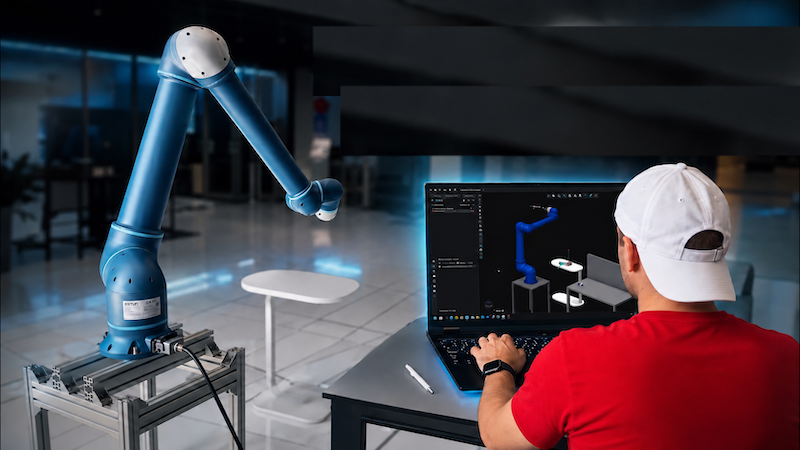
Ency Software and Estun have initiated a technology partnership to enhance the programming and simulation of Estun robots for European users. Two Estun robots have been delivered to Ency's R&D center in Cyprus for integration and testing, resulting in dedicated drivers and post-processors for seamless operation. The collaboration aims to provide a comprehensive solution for various manufacturing tasks, including machining and welding, with digital twins already available in Ency's component library. This partnership is significant as it aligns with Estun's strategy to penetrate the European market, where manufacturers demand user-friendly programming software alongside robust hardware. Estun's Marco Pecchinini emphasized the importance of a specialized ecosystem to support advanced robot software, which Ency provides through its expertise in offline programming and simulation. This collaboration is expected to enhance the efficiency of robot integration in production processes. Looking ahead, Ency Software has laid the groundwork for further cooperation by developing essential tools for Estun's robot models. The partnership is positioned to evolve as both companies aim to meet the needs of demanding automation customers in Europe. No further timeline was disclosed at the time of publication.

Shandong Future Robot and Harbin Institute of Technology Launch VY150 ROV for South China Sea Trials
The VY150 work-class remotely operated vehicle (ROV), developed by Shandong Future Robot in collaboration with Harbin Institute of Technology, embarked on its expedition to the South China Sea on September 28. This advanced ROV is designed to operate at depths of up to 4,500 meters and is equipped with a seven-axis arm for enhanced functionality. The deployment of the VY150 ROV is significant as it represents a step forward in deep-sea exploration technology, showcasing the capabilities of Shandong Future Robot and its partnership with Harbin Institute of Technology. The ability to operate at such depths opens up new possibilities for underwater research and resource management in the South China Sea region. As the trials progress, industry observers will be keen to monitor the performance of the VY150 ROV and its operational capabilities in challenging underwater environments. No further timeline was disclosed at the time of publication.

LimX Dynamics and Kyland Technology Launch First Humanoid with Domestic Electronic Architecture
On September 28, 2026, LimX Dynamics and Kyland Technology introduced a humanoid robot in Yichang, featuring a fully domestic electronic architecture. This architecture integrates Kyland Intewell, AUTBUS, and MaVIEW, boasting microsecond motion control capabilities. The launch of this humanoid is significant as it represents a step forward in domestic robotics technology, showcasing the potential for advanced motion control in humanoid applications. The integration of these technologies aims to enhance the performance and responsiveness of robotic systems in various sectors. Looking ahead, industry observers will be keen to see how this humanoid performs in real-world applications and whether it can meet the ambitious claims of microsecond motion control. No further timeline was disclosed at the time of publication.

Hygon Information Technology Launches Hygon 1000 Series CPUs for Robotics and Edge AI
Hygon Information Technology has introduced a new line of central processing units (CPUs) aimed at robotics and industrial edge devices. This launch marks the company's strategic move beyond its traditional focus on cloud computing, tapping into the burgeoning market for physical artificial intelligence solutions. The Hygon 1000 series processors are specifically designed for integration into industrial automation systems, including robotics and factory controllers. By enabling local computing and graphics processing, these CPUs aim to enhance the efficiency and performance of embedded devices in various applications. As the demand for edge AI continues to rise, Hygon's entry into this sector is significant. Industry stakeholders should monitor the adoption of the Hygon 1000 series and its impact on the robotics and automation landscape. No further timeline was disclosed at the time of publication.
Huawei Cloud and Fulongma Introduce Next-Generation Sanitation Robot with AI Integration
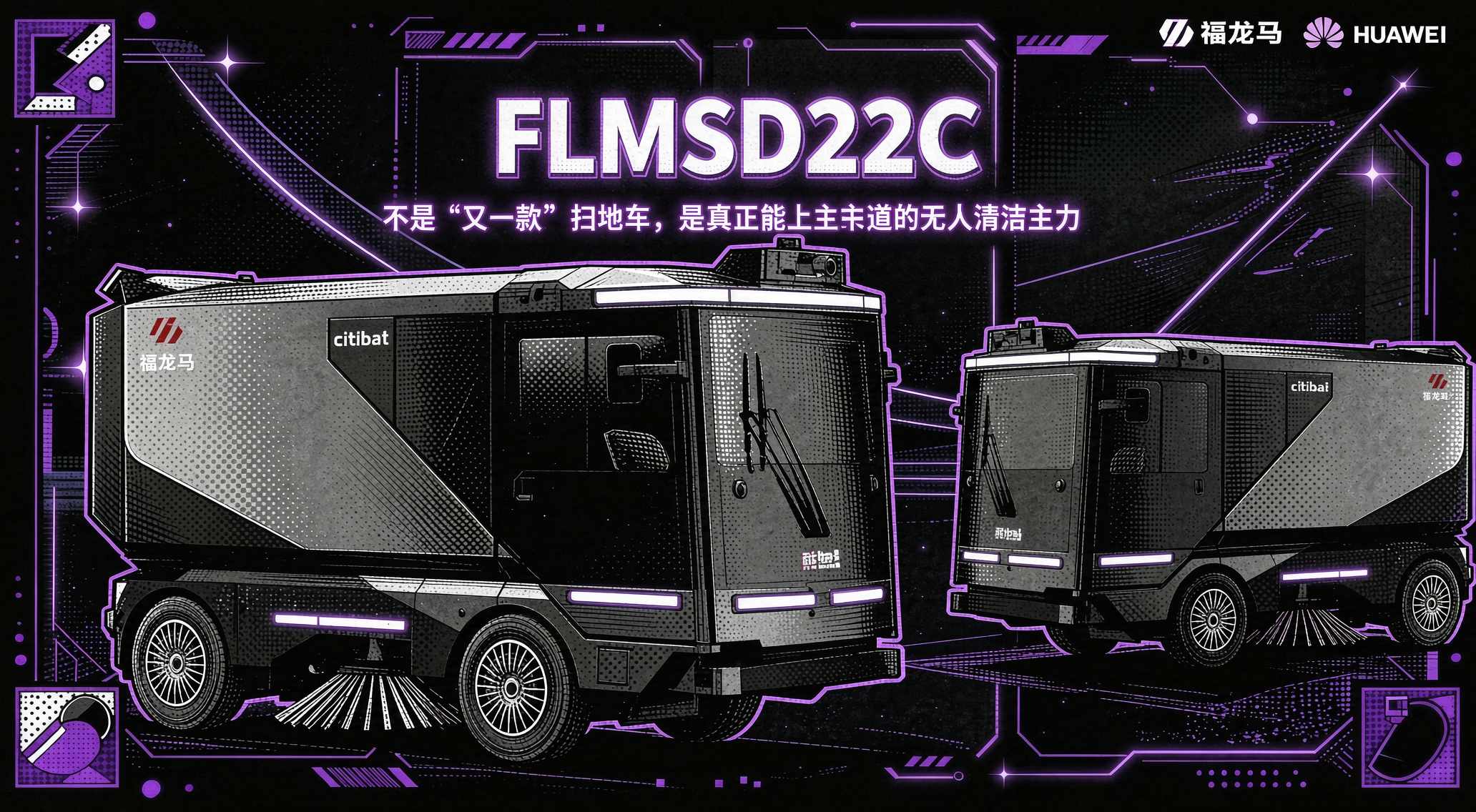
On September 18, during the Huawei Connect 2026 event, Huawei Cloud and Fulongma Group jointly launched a new generation sanitation robot based on the Huawei Cloud CloudRobo embodied intelligence platform. This marks the first public release of an embodied intelligence product since the signing of their cooperation framework, transitioning from strategic consensus to product implementation. The collaboration combines end-to-end autonomous driving and embodied intelligence technologies, leveraging a robust infrastructure that includes large models, computing power, and data loops. Huawei Cloud provides the CloudRobo autonomous driving base, CloudRobo embodied intelligence platform, Ascend cloud-edge computing power, and Octopus data loop toolchain, while Fulongma utilizes real data from over 130 sanitation projects and more than 15,000 connected devices to validate their L4-level products across over 40 cities. Looking ahead, the partners aim to complete end-to-end perception reconstruction by 2026, evolve decision-making capabilities by 2027, and fully integrate the CloudRobo embodied intelligence large model by 2028. This timeline reflects the robot's evolution from executing fixed routes to understanding complex tasks, addressing core challenges in sanitation operations through enhanced task comprehension and intelligent anomaly handling.
Sanitation Robots AI Technology Autonomous Driving Cloud Computing
Perplexity Launches Portable Computer for Windows, Enhanced by NVIDIA RTX Technology
Perplexity has introduced its Portable Computer within the Perplexity app for Windows, designed for NVIDIA GeForce RTX PCs and RTX PRO Workstations. This local version of the Perplexity Computer enables users to execute multistep tasks while keeping sensitive data on their devices, thus avoiding the consumption of Perplexity Computer credits for locally completed work. The significance of this launch lies in its ability to combine local and cloud AI functionalities, allowing users to manage sensitive files directly on their PCs. The Portable Computer utilizes NVIDIA GPUs to analyze data and streamline workflows, integrating seamlessly with applications like Microsoft Outlook, Google Drive, and Slack, enhancing productivity for users in various sectors. Looking ahead, Perplexity's Portable Computer is expected to expand its capabilities, with support for NVIDIA DGX Station anticipated soon. Users can expect continued improvements in AI performance and efficiency, particularly as the technology evolves to meet more complex reasoning tasks that may require cloud assistance.

Citigroup Launches Instant Cross-Border Payments for Japanese Firms Using Blockchain Technology
Citigroup is set to provide instant overseas remittance services for Japanese companies utilizing blockchain-based tokenized deposits. This service, expected to launch within the year, will facilitate immediate foreign-currency transfers, even during nights and holidays, marking a significant advancement in financial services for Japan's corporate sector. This initiative is noteworthy as it represents the first time a foreign financial institution will offer such services specifically tailored for Japanese clients. With Citigroup managing approximately $6 trillion in daily transactions and tokenized deposits reaching around $1 billion, this move could enhance the efficiency of cross-border payments for Japanese businesses. Looking ahead, industry observers will be keen to see how this service impacts the competitive landscape of financial services in Japan. No further timeline was disclosed at the time of publication.
Second World Humanoid Robot Games Launches with Expanded Events and Advanced Force Control Technology
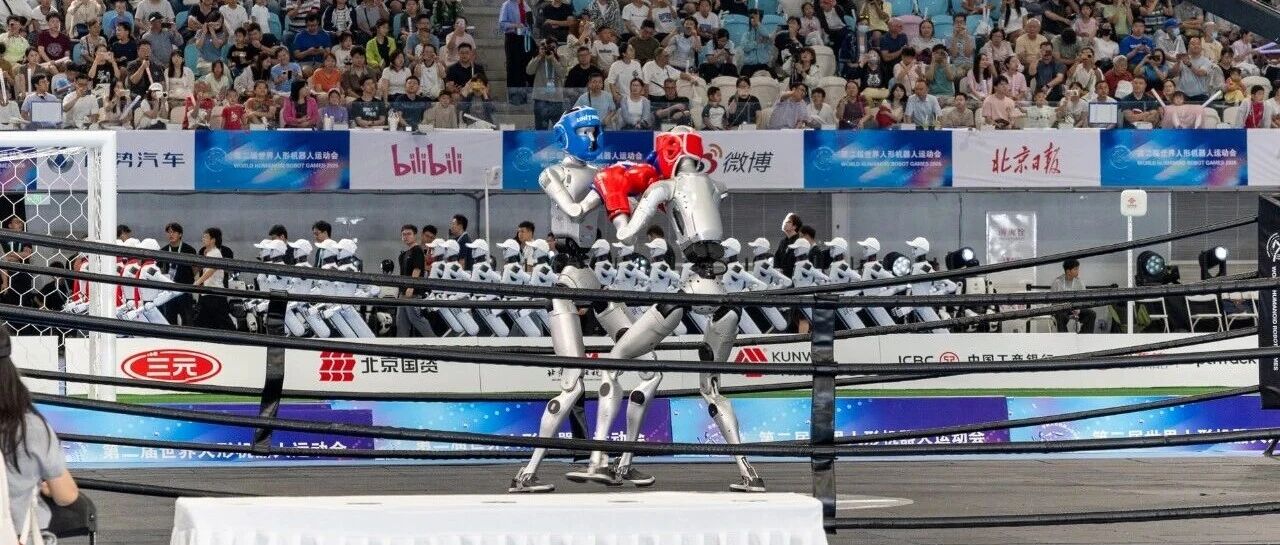
On August 22, 2026, the Second World Humanoid Robot Games officially opened at the National Speed Skating Hall in Beijing. Compared to the inaugural event, this year's competition saw significant growth in the number of participating teams and robots, expanding from 26 to 51 events. Notably, high-intensity events like long jump, weightlifting, tug-of-war, and table tennis were included, showcasing the robots' dynamic capabilities in real-world environments. The upgrade in competitive dimensions emphasizes the need for advanced perception technologies, as robots must now demonstrate explosive power, joint torque distribution, and collision force perception. Kunwei Technology, as the official force control technology provider, showcased its six-dimensional force sensors and joint torque sensors, which support the robots' performance in various events, highlighting the critical role of force control technology in determining success on the competition field. As the competition progresses, the focus will be on how robots adapt to dynamic interactions and complex operations, pushing the boundaries of AI capabilities. The integration of force sensing and control technologies will be crucial for robots to navigate real-world challenges, marking a significant step towards practical applications in industrial automation and service sectors.

Marine Technology Society Launches 2026 ROV Photo Challenge to Celebrate Innovation
The Marine Technology Society (MTS) ROV Committee has initiated the 2026 MTS ROV Photo Challenge, inviting participants from the ROV community to showcase their work. This initiative aims to highlight the advancements and teamwork in the field of Remotely Operated Vehicles (ROVs), emphasizing their applications in various sectors such as commercial, academic, and military operations. The challenge is significant as it provides a platform for recognition within the ROV community, with the top 10 photos to be displayed at Underwater Intervention 2026. Additionally, the top three entries will gain global visibility through MTS publications and social media, enhancing the exposure of contributors and their projects. Key dates for the challenge include the opening of entries on August 17, 2026, with a submission deadline of October 30, 2026. Winners will be announced at Underwater Intervention 2026 on December 2, 2026. Winning photos will also be integrated into the MTS visual library, ensuring lasting recognition for participants beyond the event.
2026 mts rov photo challenge mts rov committee
Former Huawei CTO Li Yin Establishes Startup Focused on World Models Technology
Li Yin, the former CTO of Huawei's Pangu model, has launched a startup named Xirang Kaiwu Technology, focusing on world models. The company, registered on July 1, 2026, in Shenzhen, has an initial capital of 1 million yuan and a valuation of 1.5 billion yuan following its recent funding round. Li holds a 55% stake, making him the largest shareholder and controlling person. The startup aims to develop world models that enable AI to learn and predict the physical world's temporal and spatial evolution, providing a simulation training foundation for embodied intelligence and autonomous driving. During his tenure at Huawei, Li highlighted the challenges of insufficient training data and fragmented task scenarios as significant barriers to the commercialization of embodied intelligence. Li's departure is part of a broader trend, with several key figures from Huawei's Pangu model team leaving to pursue their ventures. Notably, in March 2026, Wang Yunhe, another leader in the Pangu model, founded Yuanlilv Dong, focusing on AI agents. The world model sector has seen over 20 new startups registered in the first seven months of 2026, with Li being the sixth Huawei executive to enter the embodied intelligence field this year.
World Models Embodied Intelligence AI Autonomous Driving
LG to Launch Next-Generation Humanoid Robot Utilizing NVIDIA Isaac GR00T Technology
LG has announced the development of a next-generation bipedal humanoid robot, leveraging NVIDIA's Isaac GR00T technology. This innovative robot is set for a public unveiling in the first quarter of next year. The collaboration between LG and NVIDIA signifies a shift from strategic planning to tangible execution in the robotics field. By utilizing NVIDIA's advanced humanoid foundation model, LG aims to enhance the capabilities of humanoid robots, potentially impacting various applications. As the unveiling approaches, industry watchers should keep an eye on the features and functionalities of this new robot. The integration of NVIDIA's technology could set new standards in humanoid robotics, making it a significant development to follow in the upcoming months.

JUIDA Launches Bear Mitigation Technology Showcase Featuring Six Drone Solutions in Japan
The Japan UAS Industrial Development Association (JUIDA) has introduced a Bear Mitigation Technology Showcase to address the rising bear sightings and attacks across Japan. This initiative highlights drone-based solutions from JUIDA member organizations, focusing on surveillance, deterrence, and habitat mapping to enhance community safety. The showcase features six organizations, including Island Biyori Co., Ltd., which utilizes multi-tier autonomous drones for bear damage prevention, and 3eye Bird Co., Ltd., known for its AI-powered drones that can detect and track bears using night vision and infrared technology. The increasing demand for effective bear response strategies underscores the importance of these innovative solutions in protecting residents and wildlife. Looking ahead, companies like 3eye Bird Co., Ltd. are targeting commercial deployment by 2026, while Terra Drone Corporation plans to introduce bear-repellent drones by winter 2025. The ongoing development of these technologies will be crucial in shaping future bear response efforts across Japan. No further timeline was disclosed at the time of publication.
Drone News Drone News Feeds Drones in the News Japan Drone Industry Japan Drone News JUIDA
Sapphire Technology Introduces EDGE+ Apex Robotics Platform Powered by AMD Ryzen AI Processors
Sapphire Technology has launched the EDGE+ Apex System-on-Module (SOM) and Carrier Robotics Platform, which is powered by AMD Ryzen AI Embedded X100 Series processors. This production-ready hardware platform is designed to enhance the development and deployment of physical AI in autonomous robotics, showcased at AMD Advancing AI 2026 in San Francisco. The EDGE+ Apex platform is engineered for rugged, always-on robotics applications, featuring a COM-HPC module with up to 128GB of LPDDR5x memory. It combines CPU, GPU, and NPU acceleration to support real-time perception and autonomous decision-making, making it suitable for demanding edge AI deployments. Sumit Shah from AMD emphasized that this platform unifies AI and industrial reliability, enabling the next generation of autonomous systems. Developers can leverage an open software ecosystem with familiar AI frameworks while utilizing AMD ROCm and Ryzen AI software. Paul Smith from Sapphire noted that the EDGE+ Apex aims to provide a complete foundation for robotics builders, facilitating a faster transition from prototype to production in challenging environments. No further timeline was disclosed at the time of publication.
Computing Robotics ai at the edge amd amd ryzen ai embedded x100 amd ultrascale+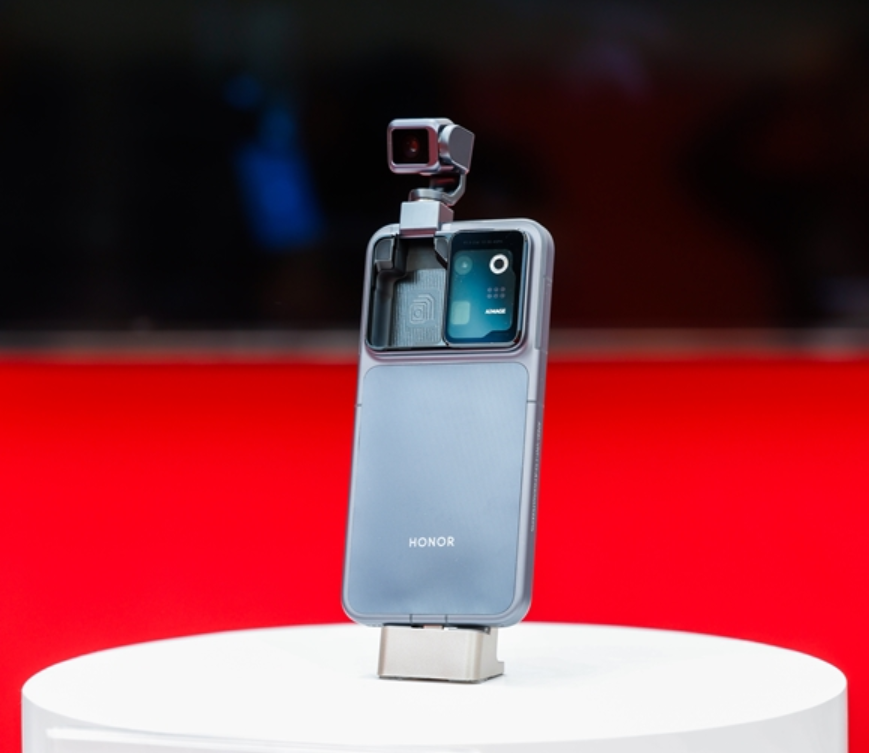
Honor Announces August Release for Robot Phone Featuring 4DoF Gimbal Technology
Honor has officially announced that its innovative Robot Phone is set to launch in August. This smartphone will feature a four-degree-of-freedom mechanical gimbal made from titanium alloy, which utilizes miniature motors and is reported to be 70% smaller than conventional solutions. The Robot Phone will be powered by Qualcomm’s Snapdragon 8 Elite Gen 5 chip and will incorporate Honor’s AgenticOS, a multimodal agent operating system. The unique design allows the camera module to operate independently from the phone body, enhancing its functionality and user experience. As the launch date approaches, Honor has begun accepting reservations for the Robot Phone. This development is significant as it showcases advancements in smartphone technology, particularly in camera capabilities and operating systems. No further timeline was disclosed at the time of publication.
News Feed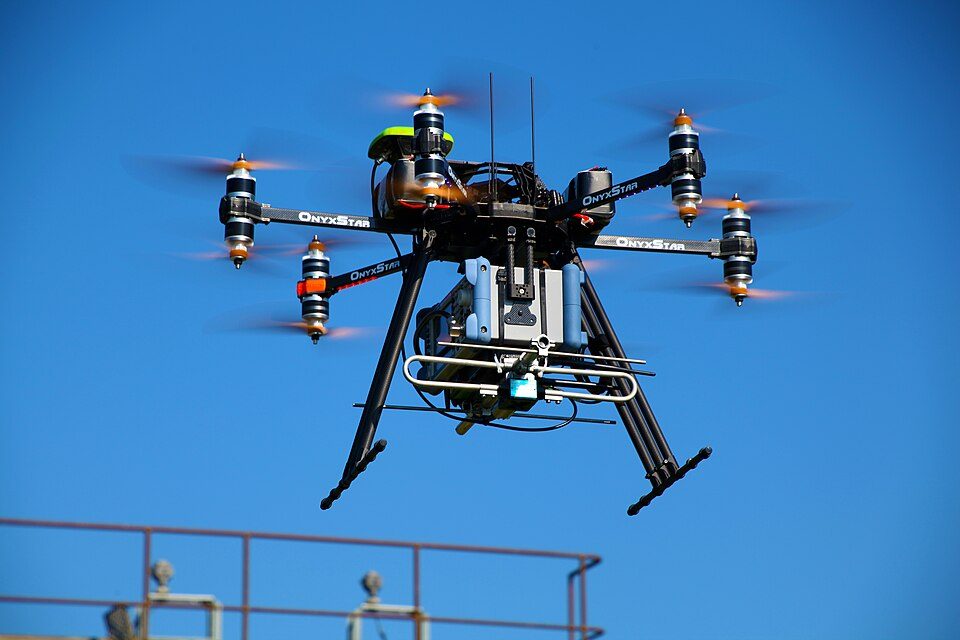
DARPA Initiates $6.5 Million Challenge to Innovate Heavy-Lift Drone Technology
The Defense Advanced Research Projects Agency (DARPA) has launched a challenge aimed at developing heavy-lift drones capable of carrying payloads exceeding four times their weight. This initiative addresses the current limitations of multirotor UAVs, which typically have low payload-to-weight ratios, often below one-to-one. The DARPA Lift Challenge Competition will take place from August 6 to 9 at the National Museum of the U.S. Air Force in Dayton, Ohio, with over 100 teams competing for a total of $6.5 million in prize money. This challenge is significant as it seeks to revolutionize the heavy-lift drone sector, potentially lowering costs and expanding applications across various industries. DARPA program manager Phillip Smith highlighted that enhancing the lifting capabilities of drones could lead to a transformation similar to the impact of mass production introduced by Henry Ford. By overcoming the payload weight barrier, the challenge aims to make unmanned vertical-lift transport more accessible and economically viable. Looking ahead, the outcome of the DARPA Lift Challenge could pave the way for a new generation of UAVs that outperform traditional manned aircraft in transporting large payloads. No further timeline was disclosed at the time of publication.
Applications Defense defense DL Exclusive Drone News Drone News Feeds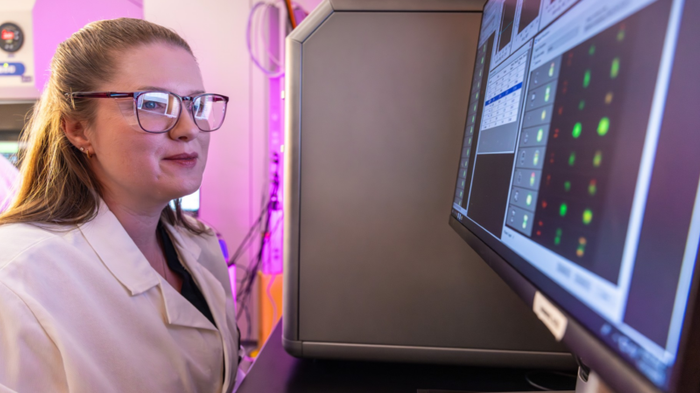
Bristol Myers Squibb Launches Advanced AI Factory with NVIDIA Vera Rubin Technology
Bristol Myers Squibb (BMS) has announced the deployment of its second NVIDIA DGX SuperPOD, featuring eight DGX Vera Rubin NVL72 systems. This new AI cluster is touted as the most powerful and energy-efficient in the life sciences sector, significantly enhancing researchers' access to AI capabilities. BMS aims to democratize AI access among its scientists, allowing for faster drug discovery processes without the constraints of resource limitations. The introduction of this advanced AI infrastructure is crucial for BMS as it seeks to translate AI capabilities into measurable impacts in drug discovery. The new system will facilitate a unified AI platform, including the NVIDIA BioNeMo Agent Toolkit, which will streamline predictions and model training across the drug discovery pipeline. BMS has already seen substantial benefits from its existing DGX SuperPOD, including significant time savings in target identification and the expansion of its library of CELMoD compounds. Looking ahead, BMS is focused on leveraging AI to optimize lead discovery and enhance the efficiency of laboratory experiments. The new system is expected to alleviate current computational bottlenecks and support large-scale predictions. As BMS continues to innovate in the AI space, it emphasizes the importance of making advanced technology accessible to scientists to drive impactful research outcomes. No further timeline was disclosed at the time of publication.
Qianjue Robotics Launches X-TouchMind V1 and TacVerse 1k for Enhanced Robot Interaction
On July 16, Qianjue Robotics unveiled its first embodied tactile model, X-TouchMind V1, alongside the TacVerse 1k multimodal dataset. This development addresses the limitations of traditional visual models in robotic operations, particularly in precision assembly and handling delicate objects, where failures often occur after contact. The new model integrates visual, linguistic, tactile, and robotic state data to enhance physical interaction capabilities. The significance of this release lies in Qianjue's comprehensive approach, which encompasses tactile perception hardware, self-developed multimodal data collection devices, and the new tactile model. Unlike previous attempts that merely supplemented tactile signals to visual data, the VTLA embodied tactile model establishes a closed-loop system that fundamentally redefines the perception boundaries of robotic models. This innovation allows robots to understand and respond to physical interactions more effectively. Looking ahead, Qianjue Robotics will demonstrate the capabilities of the VTLA model at the WAIC 2026 exhibition, showcasing real-world applications such as autonomous box stacking and precise assembly of headphones. The focus will be on how the model can dynamically adjust actions based on tactile feedback, marking a significant advancement in robotic interaction technology. No further timeline was disclosed at the time of publication.
Tactile Intelligence Robotic Interaction Precision Assembly Multimodal Data AI Robotics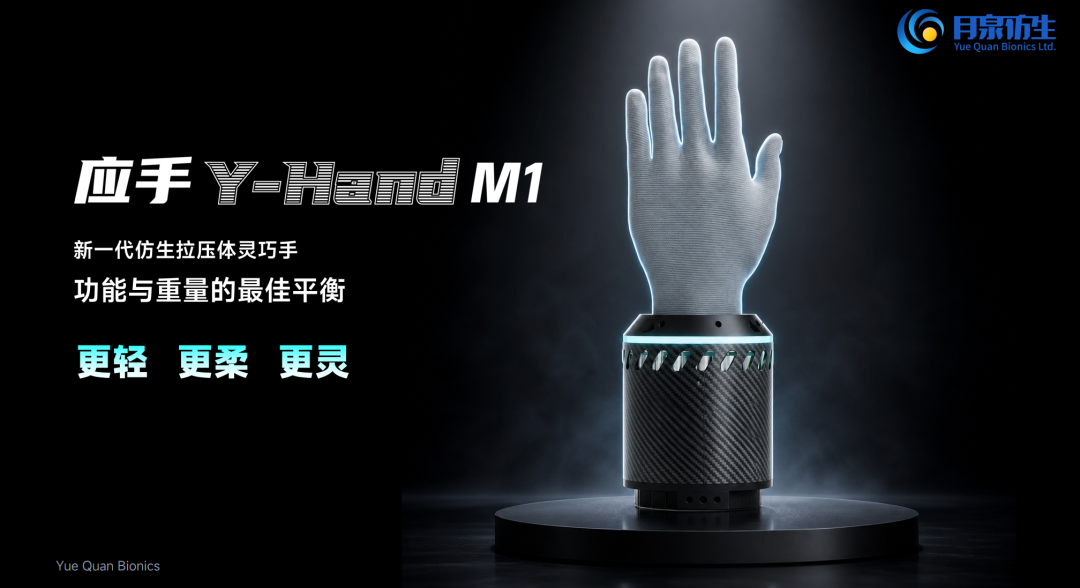
Yuequan Bionics Launches Innovative 299.7g Y-Hand M1 with Unique Biomechanical Technology
On July 3, Yuequan Bionics unveiled the Y-Hand M1, a dexterous robotic hand weighing 299.7 grams. Unlike competitors that focus on increasing degrees of freedom, the Y-Hand M1 employs a unique bionic tension-compression technology, achieving significant dexterity with only 26 degrees of freedom. This innovation is crucial as the robotics industry grapples with the challenge of balancing performance, cost, and reliability in dexterous hands. The Y-Hand M1 represents a paradigm shift, addressing the industry's 'impossible triangle' where high performance often leads to increased costs and reduced reliability. Looking ahead, the dexterous hand market in China is projected to grow significantly, with sales expected to reach 70,200 units in 2026. As investment in this sector surges, the Y-Hand M1's unique approach may set a new standard for future developments in robotic manipulation technology. No further timeline was disclosed at the time of publication.
Dexterous Hands Bionic Technology Robotics Innovation Embodied Intelligence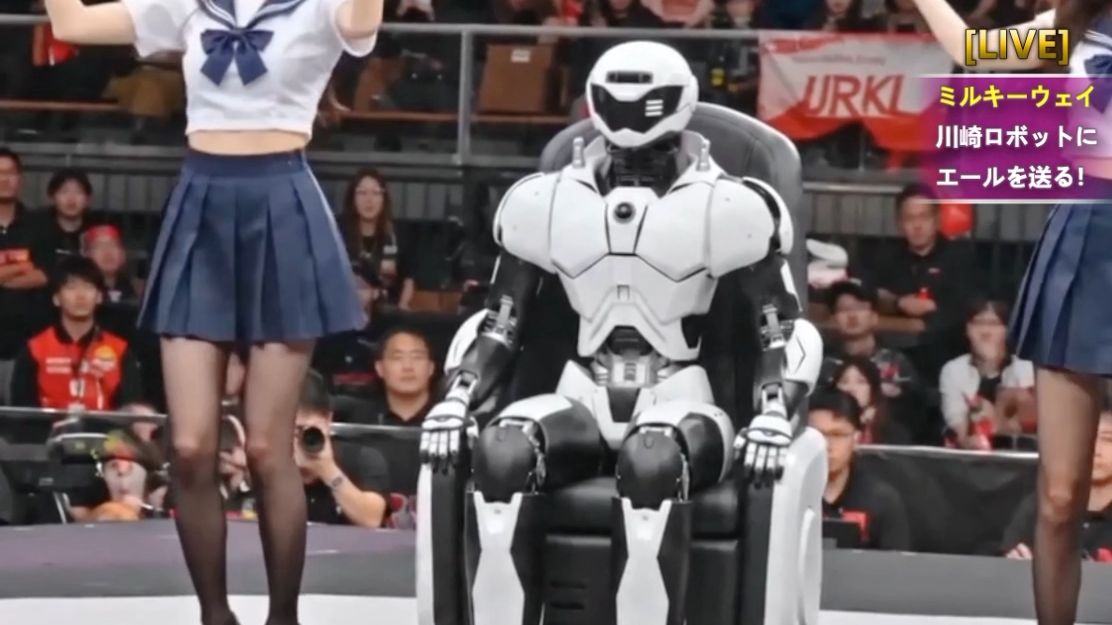
Shenzhen's URKL Launches T800 Robot for Competitive Combat Testing
On July 11, Shenzhen's commercial district unveiled a 6-meter tall T800 robot, attracting crowds for the first-ever humanoid robot combat event, the Ultimate Robot Knock-out Legend (URKL). The competition, set to begin on July 16 at the Nanshan Cultural and Sports Center, features a grand prize of 10 million yuan and a unique three-match format, emphasizing the need for robots to learn from physical challenges. The significance of URKL lies in its role as a rigorous testing ground for humanoid robots, pushing their capabilities to the limit in dynamic combat scenarios. Current humanoid robots often struggle in unpredictable real-world environments, making this competition a critical evaluation of their robustness and algorithmic stability. The event aims to shift the focus from mere mobility to the ability to recover autonomously from loss of control, which is essential for practical applications in logistics and security. Looking ahead, the competition will showcase advancements in autonomous decision-making capabilities, as the T800 transitions from a remote-controlled unit to an intelligent competitor. This evolution reflects a broader trend in the robotics industry, where the ability to navigate complex environments and withstand disturbances is becoming increasingly vital. No further timeline was disclosed at the time of publication.
Humanoid Robots Robot Combat AI Robotics Technology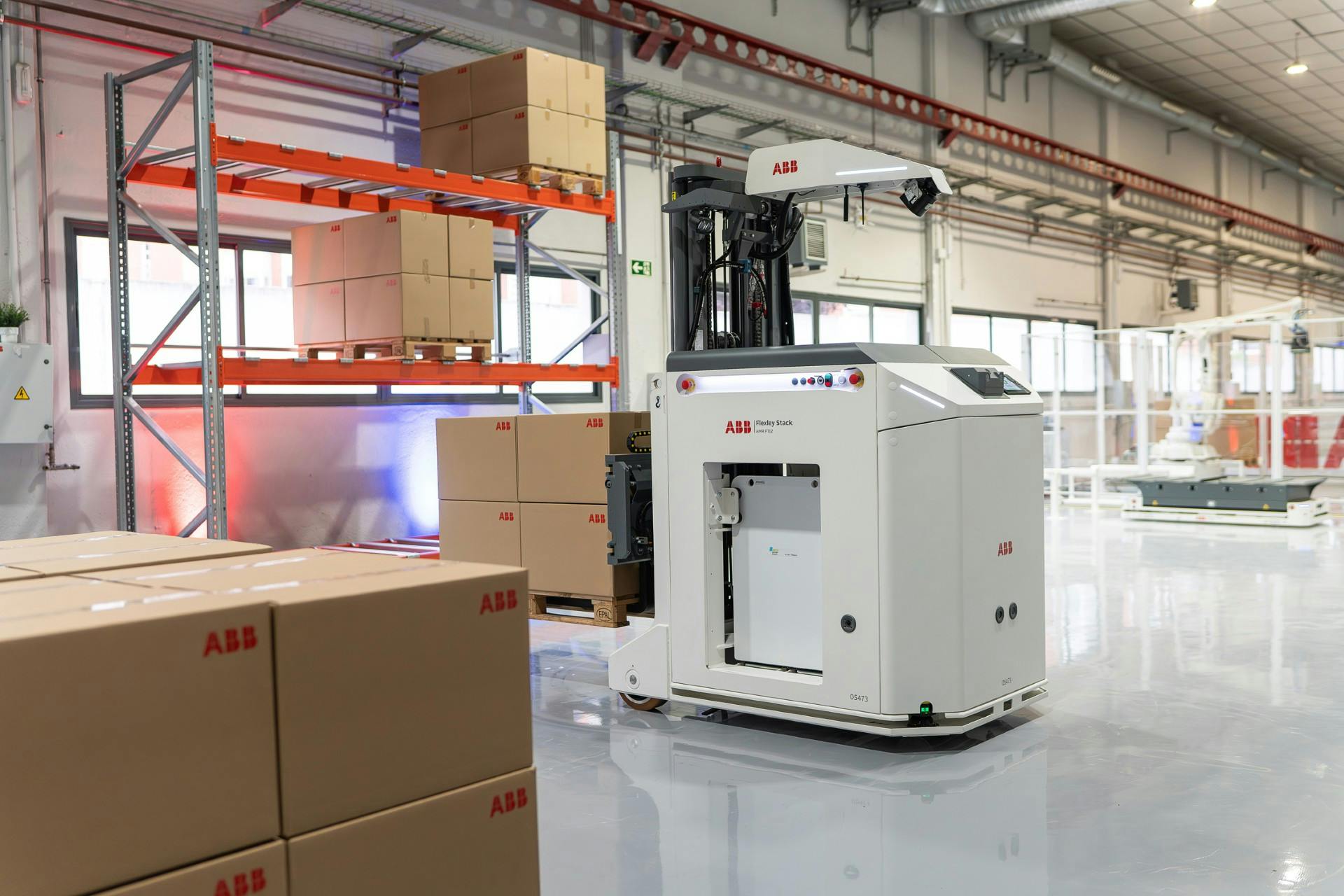
ABB Robotics Introduces Flexley Stack F712 Platform for AI-Driven Autonomous Forklifts
ABB Robotics has launched the Flexley Stack F712 platform, enhancing its AMR portfolio with AI-powered visual technology for autonomous forklifts. This innovation facilitates pallet transport and high-density storage, creating a cohesive ecosystem among ABB’s Visual SLAM AMR types, aimed at improving efficiency in material handling and warehouse operations across various industries, including automotive manufacturing. The introduction of the F712 is significant as it addresses the growing demand for faster and more flexible goods movement in intralogistics, particularly under constraints of limited labor availability. Marc Segura, president of ABB Robotics, emphasized the need for businesses to adapt to increased processing demands while leveraging advanced vision, mobility, and intelligence in their operations. Looking ahead, the Flexley Stack F712 can manage diverse load types and sizes, allowing customers to implement mixed fleets of Visual SLAM-powered vehicles on a unified navigation and fleet management platform. No further timeline was disclosed at the time of publication.
Factory / Analytics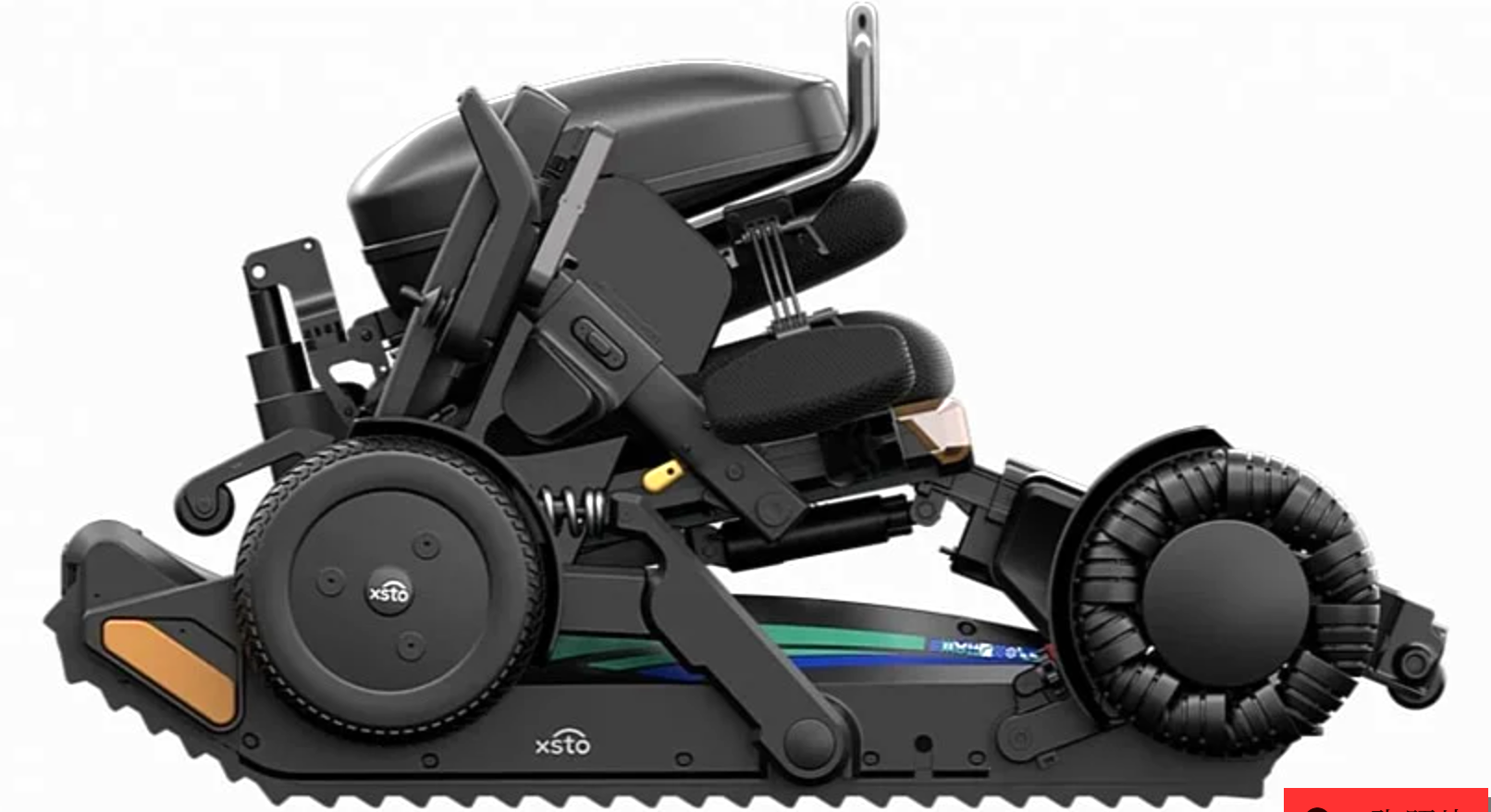
XSTO Mobility Launches $28,000 X12 Stair-Climbing Robot with AI and LiDAR Technology
XSTO Mobility has unveiled the X12 all-terrain mobility robot, priced at $27,999, designed to assist wheelchair users in overcoming stairs and other obstacles. Weighing approximately 115 kg and capable of carrying up to 136 kg, the X12 features a hybrid wheel-track chassis that allows it to navigate stairs autonomously, with a climbing speed of 25 steps per minute and descending speed of 30 steps per minute. The robot utilizes LiDAR and AI algorithms for real-time terrain perception, enabling it to adjust its driving mode and power output dynamically. The introduction of the X12 is significant as it addresses mobility challenges faced by individuals with disabilities, particularly in environments lacking accessibility features. With the ability to climb slopes of up to 40 degrees and traverse gaps of 300 mm, the X12 offers a solution that goes beyond traditional mobility aids. XSTO Mobility, based in Zhongshan, Guangdong, has been developing embodied mobile robots for over a decade, and the X12 represents a substantial advancement in this field, emphasizing user independence and safety. Looking ahead, XSTO Mobility has reported that orders for the X12 are already booked until April 2026, indicating strong market demand. The robot is currently available in over 70 countries, and its innovative design has garnered multiple awards. No further timeline was disclosed at the time of publication regarding additional product releases or enhancements.
Mobility Robots Assistive Technology AI Healthcare InnovationRobotics needs a service framework.
RSF defines a common language for robot service capability, lifecycle operations, certification pathways, and service-provider networks.
Join the RobotToday community on LinkedIn
Daily robotics news, in-depth analysis, conference highlights, and discussions with professionals worldwide.