

Industry Briefing
A single destination for timely, editor-curated robotics news from around the world.
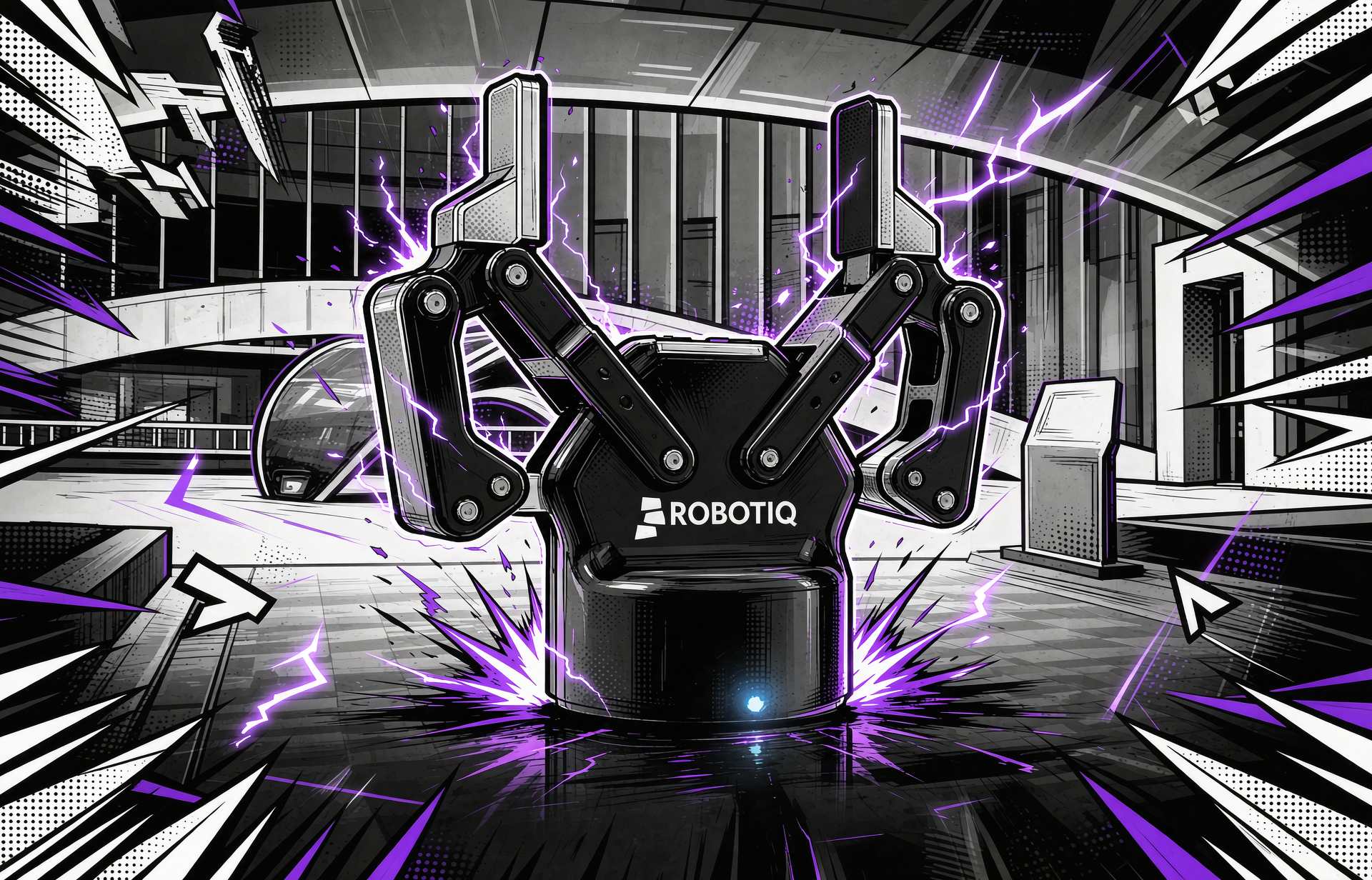
Industrial-Grade End Effectors Like Two-Finger Claw Now Standard in Teaching Robots
The integration of industrial-grade end effectors, such as the Two-Finger Claw, into educational robotics is becoming increasingly common. This trend signifies a shift towards more advanced and capable teaching tools in classrooms, enhancing the learning experience for students. The adoption of these sophisticated robotic components is crucial as it bridges the gap between theoretical knowledge and practical application. By utilizing high-quality end effectors, educators can provide students with hands-on experience that mirrors real-world industrial scenarios, fostering a deeper understanding of robotics and automation. Looking ahead, the continued evolution of educational robotics will likely see further enhancements in end effector technology. No further timeline was disclosed at the time of publication.
Robotics Automation AI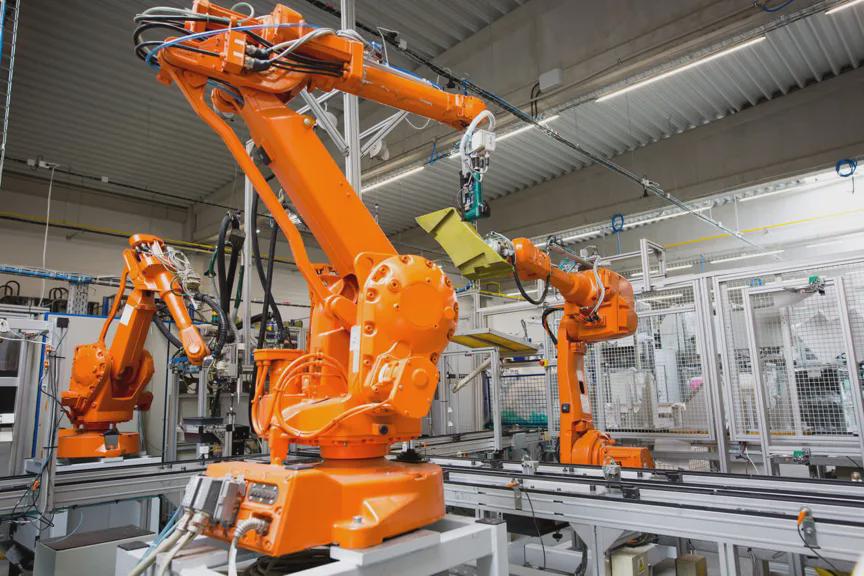
354,000 Chinese Industrial Robots Transforming the Landscape of the 'Four Great Families
A significant development in the robotics sector has emerged, with 354,000 Chinese industrial robots reportedly toppling the city walls of the 'Four Great Families'. This event highlights the rapid advancements in robotics technology and its implications for urban infrastructure. The importance of this transformation lies in the potential for industrial robots to reshape traditional industries and urban environments. As these robots become more integrated into various sectors, they may lead to increased efficiency and innovation, challenging established norms and practices. Looking ahead, the ongoing evolution of robotics technology will be crucial to watch. The integration of such a large number of robots signifies a shift in how industries operate, and it will be interesting to see how this impacts future urban planning and industrial strategies. No further timeline was disclosed at the time of publication.
Robotics Automation AI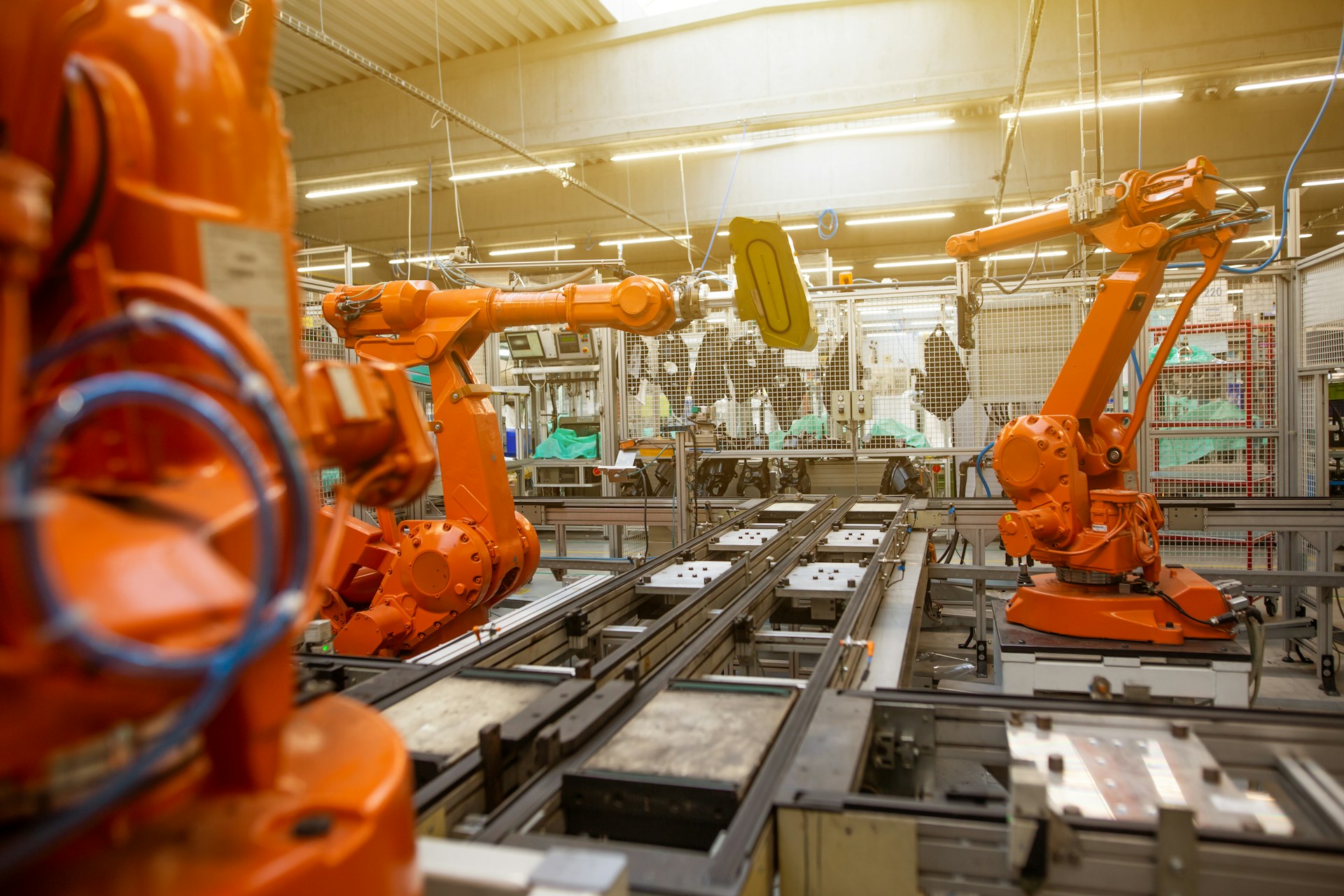
China's Industrial Robot Installations Reached 354,000 in 2025, Dominating Global Market
In 2025, China installed 354,000 industrial robots, marking a 20% increase from the previous year and representing 59% of global installations, as reported by the International Federation of Robotics. This achievement solidifies China's position as the largest industrial-robot market for the second consecutive year. The global operational stock of industrial robots reached 5 million units in 2025, reflecting a 9% growth. Additionally, annual installations surpassed 600,000 units, indicating a robust demand for automation technologies across various industries. The United States has now surpassed Japan, becoming the second-largest market for industrial robots. Looking ahead, the continued growth in China's industrial robot installations suggests a strong commitment to automation and advanced manufacturing. No further timeline was disclosed at the time of publication.
News Feed
RobotPlusPlus Enhances Industrial Maintenance with HighMate Series at SMM 2026
RobotPlusPlus showcased its HighMate Series at SMM 2026 in Hamburg, focusing on industrial cleaning and corrosion control. The HighMate AP-F-CO Coating Robot+VOC Recovery System aims to reduce workers' exposure to hazardous tasks at height while enhancing the efficiency and consistency of cleaning and surface treatment processes. This development is significant as it addresses safety concerns associated with working at height, a common issue in industrial maintenance. By automating these processes, RobotPlusPlus not only improves worker safety but also increases operational efficiency, which is crucial for industries that rely on regular maintenance and cleaning. Looking ahead, the adoption of the HighMate Series could lead to broader applications in various industrial sectors. No further timeline was disclosed at the time of publication.
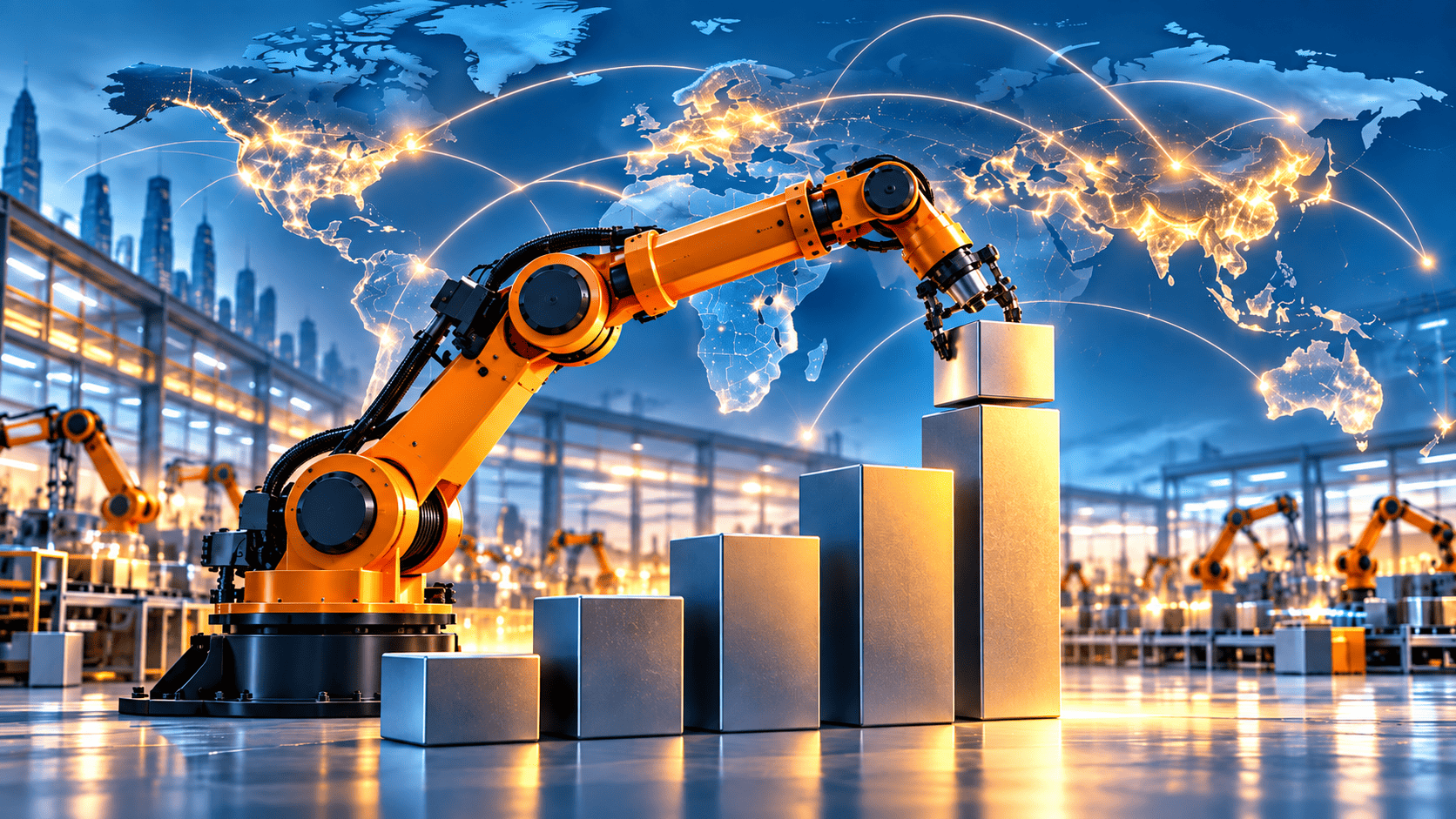
Global Industrial Robot Fleet Reaches 5 Million Units Driven by China’s Growth
The International Federation of Robotics (IFR) reported that the global industrial robot fleet hit a record 5 million units in 2025, with over 600,000 new installations that year. China led the growth, contributing 354,000 installations, which accounted for 59% of the global total. The U.S. surpassed Japan to become the second-largest market, with nearly 38,500 installations. This milestone signifies a significant acceleration in industrial automation, with the IFR projecting a 9% increase in annual installations to 655,000 units in 2026. The growth is driven by manufacturing investments, labor shortages, and advancements in technologies such as AI and machine vision. Asia exhibited the strongest growth, while Europe experienced slower expansion, highlighting regional disparities in automation adoption. Looking ahead, the IFR anticipates that global installations will reach 806,000 by 2029. Factors such as increased manufacturing capacity, labor challenges, and enhanced supply chain resilience are expected to fuel this growth. The ongoing advancements in robotics technology will continue to expand the capabilities and applications of industrial robots in various sectors.
AI AI Funding & Investment Capital Markets Robotics Asia China
China Installed 354,000 Industrial Robots in 2025, Representing 59% of Global Total
On September 24, the International Federation of Robotics (IFR) released its report 'World Robotics 2026,' revealing that China deployed 354,000 industrial robots in 2025, marking a 20% increase year-on-year and accounting for 59% of global installations. This figure surpasses the previous record by nearly 60,000 units, reinforcing China's position as the largest industrial robot market worldwide. The demand for industrial robots in China is primarily driven by the electrical and electronics, automotive, and metalworking sectors. In 2025, the electrical and electronics industry installed 96,400 robots, a 16% increase, while the automotive sector saw installations rise to 78,900, a remarkable 38% growth. The metalworking industry also experienced a 44% increase, reaching 78,700 units. The automotive sector's growth is particularly noteworthy as it undergoes a transformation towards electrification and intelligence, leading to heightened demand for robots. Chinese robot manufacturers are expanding their presence in the domestic market, with local suppliers increasing installations by 15% to 195,000 units, representing 55% of the total. The IFR noted that since 2024, over half of the industrial robots installed in China have been supplied by domestic brands. The market is expected to continue growing at an annual rate of 5% to 10% until 2029, driven by demographic changes and labor shortages. Future developments will focus on transforming industrial robots into intelligent equipment capable of adapting to non-standard scenarios.
Industrial Robots Automation Robotics Market AI Technology
European Union Reaches Milestone of 700,000 Operational Industrial Robots in 2025
The European Union (EU-27) has achieved a significant milestone by surpassing 700,000 operational industrial robots in 2025. This figure represents 84% of all robots currently in operation throughout Europe, as detailed in the World Robotics 2026 Industrial Robots report by the International Federation of Robotics (IFR). This achievement highlights the growing reliance on automation and robotics within the EU's industrial sector. The increase in operational robots reflects advancements in technology and the ongoing trend towards automation in manufacturing processes, which are crucial for enhancing productivity and competitiveness in the global market. Looking ahead, stakeholders in the robotics and manufacturing sectors should monitor the continued growth of industrial robot adoption in the EU. No further timeline was disclosed at the time of publication.

Google's Intrinsic Launches Open-Source Robotics Software for Industrial AI Applications
Intrinsic, a subsidiary of Google, has released Intrinsic Core as open-source robotics software, enabling developers to create AI-enabled industrial robot applications from prototype to production. This software includes features such as real-time robot control, pose estimation, and motion planning, available on GitHub under an Apache 2.0 license. The significance of this release lies in its potential to streamline the development process for robotics applications, reducing the infrastructure developers need to build independently. Intrinsic Core is designed to work seamlessly with existing products like Intrinsic Flowstate and supports various hardware configurations, enhancing its adaptability in manufacturing environments. Looking ahead, Intrinsic plans to introduce additional open reference solutions for industrial automation, further expanding the capabilities of Intrinsic Core. The Open Machine Tending Solution, which runs on Intrinsic Core, serves as a reference design for CNC machine tending, showcasing practical applications of the software in real-world scenarios. No further timeline was disclosed at the time of publication.
AI AI Funding & Investment AI Infrastructure & Compute Robotics Google industrial roboticcs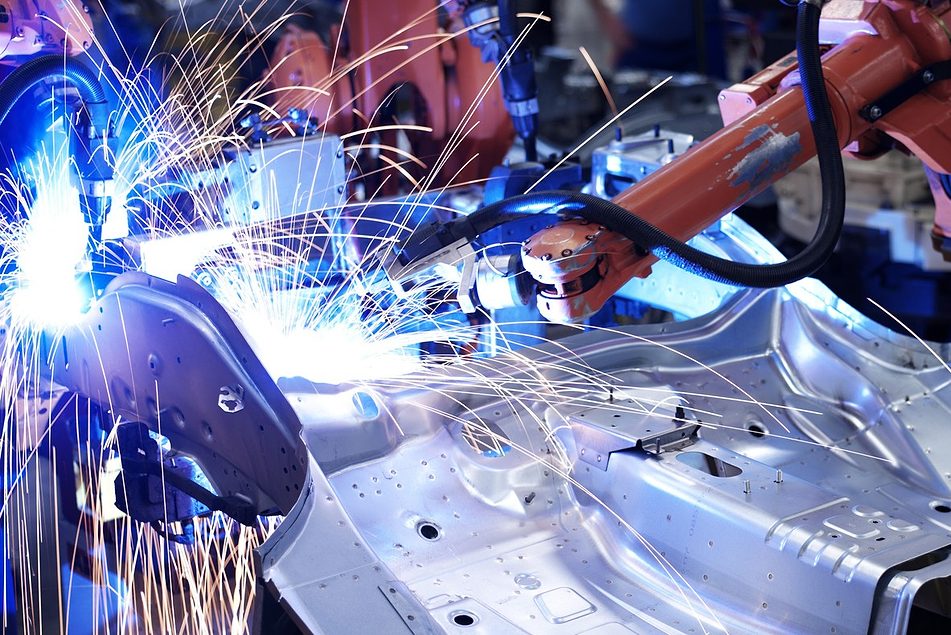
Exploring the Business Advantages of Autonomous Robots in the Industrial Sector
The rapid advancement of physical artificial intelligence is leading to the increased use of autonomous and semi-autonomous robots across various sectors, including warehousing, logistics, mining, construction, and agriculture. As manufacturers prepare to launch humanoid robots, the industrial sector is particularly poised for transformation due to a significant shortage of skilled labor, with projections indicating a rise in vacant manufacturing positions in the U.S. from 440,000 to 510,000 in early 2026 to between 1.5 million and 2 million by the early 2030s. This labor shortage is driving industrial companies to adopt autonomous robots to enhance productivity and manage operational costs. The shift towards automation is expected to change the financial landscape of these businesses, converting operating expenses into capital expenditures and increasing their asset base. This could lead to a credit and financing boom as companies become more attractive to lenders, creating a feedback loop that encourages further investment in robotics. Looking ahead, industrial companies must navigate several challenges, including determining the ownership models for robots, assessing their lifespan, and managing obsolescence risks. Key considerations will include whether to purchase or lease robots, the potential for secondary resale value, and the need for maintenance and upgrade commitments to ensure long-term viability in a rapidly evolving technological landscape.

Universal Robots Introduces Gen 7 Platform for Enhanced Industrial Automation and AI
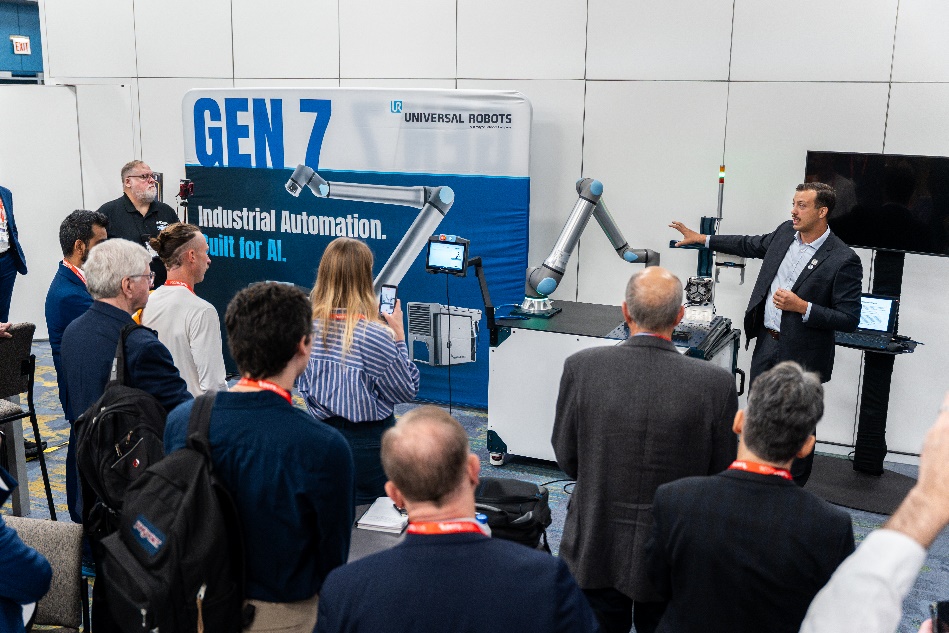
Universal Robots, a Teradyne Robotics company, has launched its seventh-generation industrial robot platform, Gen 7, aimed at advancing industrial automation and physical AI applications. This new platform was introduced at the IMTS trade show and features an innovative design that includes new robot arms, a controller, a teach pendant, and a tool flange, all centered around the PolyScope X robot technology. The introduction of Gen 7 is significant as it represents a major step forward in the capabilities of industrial robots, enhancing their functionality in automation processes and AI integration. This development is expected to improve operational efficiency and flexibility in various industrial settings, making it a crucial advancement for manufacturers looking to optimize their production lines. Looking ahead, industry professionals should monitor the adoption of the Gen 7 platform and its impact on the market for industrial automation solutions. No further timeline was disclosed at the time of publication.
Industrial robots News cobots collaborative robots g-series gen 7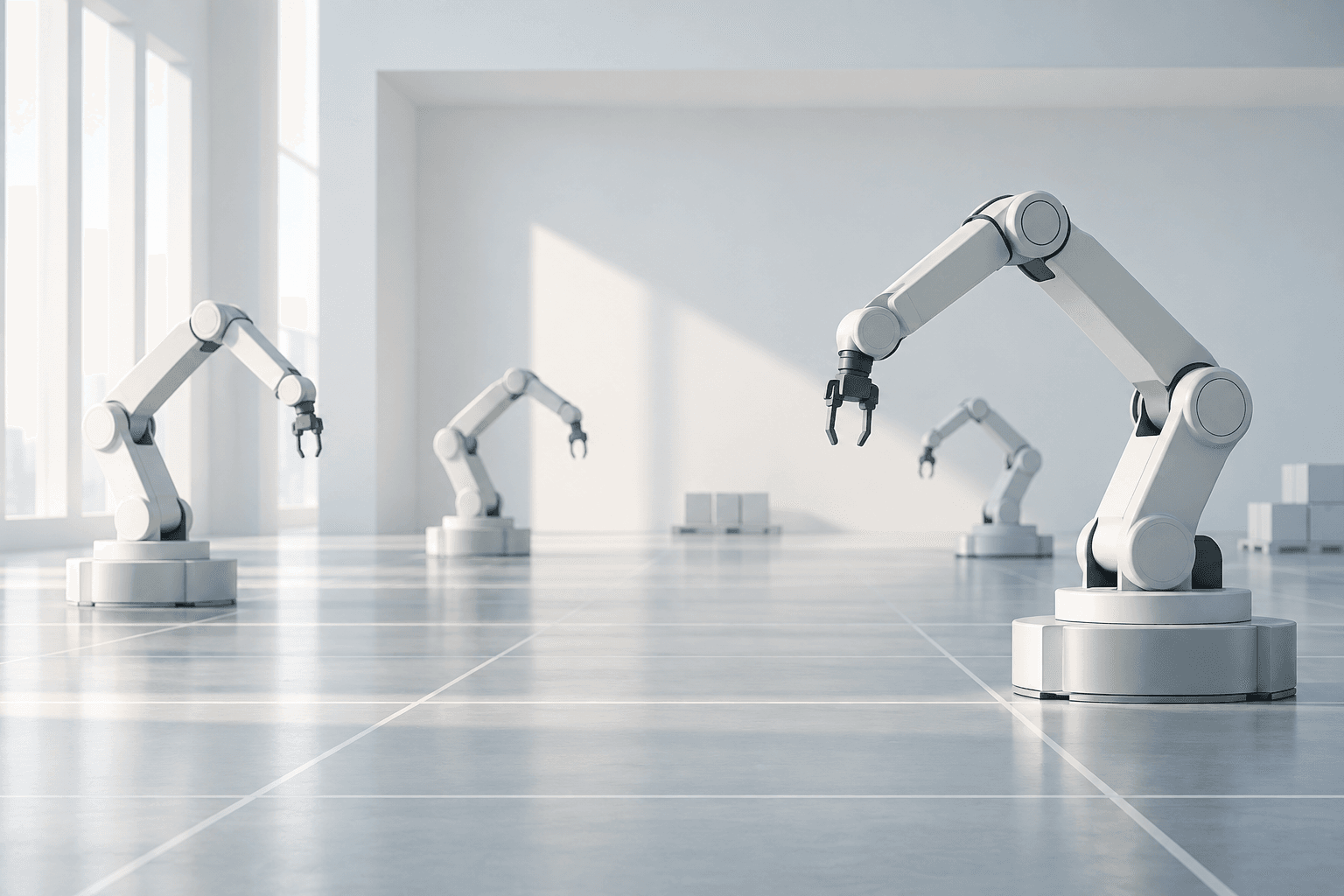
Domestic Brands Capture 55% of China's Industrial Robot Shipments Led by Estun
Domestic brands in China have now secured approximately 55% of the industrial robot shipments, indicating a significant shift towards local capabilities. Estun has emerged as the leader in volume, while Inovance has made notable advancements in SCARA robots and servo systems. However, the high-end automotive and semiconductor process software sectors continue to pose challenges for these domestic brands. This shift is crucial as it reflects China's growing emphasis on self-reliance in technology and manufacturing. The dominance of local brands like Estun and Inovance highlights the potential for innovation and competitiveness within the domestic market. Despite these advancements, the difficulty in replacing high-end software solutions indicates that there is still a reliance on foreign technology in certain critical areas. Looking ahead, it will be important to monitor how domestic brands continue to evolve and address the challenges posed by high-end software in the automotive and semiconductor industries. No further timeline was disclosed at the time of publication.

A3 Enhances Industrial Robotics Course with New Business Case for Automation Module
The Association for Advancing Automation (A3) has enhanced its Introduction to Industrial Robotics course by adding a new module that focuses on the business case for automation. This addition aims to assist learners in assessing the value and return on investment (ROI) that automation can provide in various scenarios. This expansion is significant as it allows participants to not only learn about the technical aspects of robotics but also to understand the strategic implications of implementing automation in their operations. By evaluating when and where automation is beneficial, businesses can make informed decisions that align with their financial goals. Looking ahead, it will be important to monitor how this new module influences the adoption of automation technologies in various industries. A3's initiative could lead to increased interest in robotics training and a greater understanding of the economic benefits of automation. No further timeline was disclosed at the time of publication.
YouRobot Launches Gen 7 Platform for Enhanced Industrial Automation and Physical AI Deployment
YouRobot has introduced its new Gen 7 platform aimed at facilitating large-scale deployment of industrial automation and physical AI. This innovative platform is designed to enhance operational efficiency and adaptability in various industrial settings. The significance of the Gen 7 platform lies in its potential to transform how industries implement automation solutions. By leveraging advanced AI capabilities, YouRobot aims to address the growing demand for intelligent systems that can operate autonomously and improve productivity. Looking ahead, industry stakeholders should monitor the adoption rates of the Gen 7 platform and its impact on operational workflows. The response from the market will be crucial in determining the platform's success and its role in shaping the future of industrial automation.
Robotics Automation AI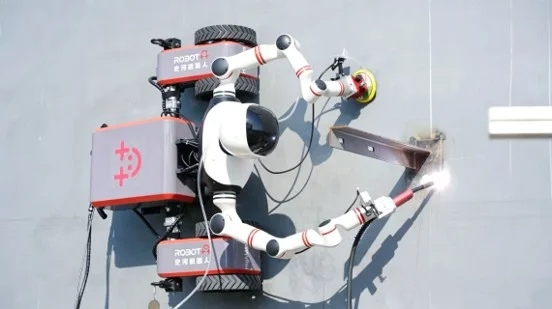
RobotPlusPlus Secures Series C Funding to Enhance Global Industrial Robotics Operations
RobotPlusPlus has successfully raised hundreds of millions of yuan in Series C funding to broaden its industrial robotics business on a global scale. The funding round was led by Qianggang Capital Fund, with contributions from GIG Capital Group, Sealand Innovation, and Juntong Capital, while existing investor Fosun RZ Capital increased its stake. This funding is crucial as RobotPlusPlus aims to develop embodied AI systems for hazardous work environments, enhancing safety and efficiency in industrial operations. The company has reported over 2 million operating hours for its robots and has completed hull derusting on more than 10,000 cargo vessels across 100 shipyards, demonstrating its significant market presence. Looking ahead, RobotPlusPlus plans to expand its robotic systems beyond specialized machines to cater to various industrial operations. The Series C funding will support the development of AI models tailored for specific environments, furthering automation in high-risk settings. No further timeline was disclosed at the time of publication.
AI AI Funding & Investment Robotics China funding industrial robotics
Maven Robotics Secures $100 Million Funding to Expand General-Purpose Industrial Robots
Maven Robotics has officially launched, announcing $100 million in Series A funding from investors including RoboStrategy, LocalGlobe, Vine Ventures, and XTX Ventures. The company specializes in designing, building, and deploying intelligent robotics tailored for logistics and manufacturing applications. This funding is significant as it positions Maven Robotics to scale its operations and enhance its innovative general-purpose robotics systems. Founded in 2024, the company aims to revolutionize the industrial sector by providing versatile robotic solutions that can adapt to various tasks within logistics and manufacturing environments. Looking ahead, industry observers will be keen to see how Maven Robotics utilizes this funding to accelerate product development and market penetration. No further timeline was disclosed at the time of publication.
Industry News Robotics Autonomous robots general purpose robots industrial robotics
Universal Robots Launches Gen 7 Platform for Enhanced Industrial Automation and AI Integration
Universal Robots has introduced the Gen 7 robot platform, which features a complete redesign from the controller to the tool flange. This new platform is designed to be AI-ready right out of the box, equipping companies with advanced software tools and improved connectivity. The significance of the Gen 7 platform lies in its ability to facilitate the transition of AI technologies from research environments into practical industrial applications. This advancement is crucial for companies looking to enhance their operational efficiency and leverage AI capabilities in their processes. Looking ahead, the industry will be keen to observe how the Gen 7 platform impacts the adoption of AI in industrial settings. No further timeline was disclosed at the time of publication.
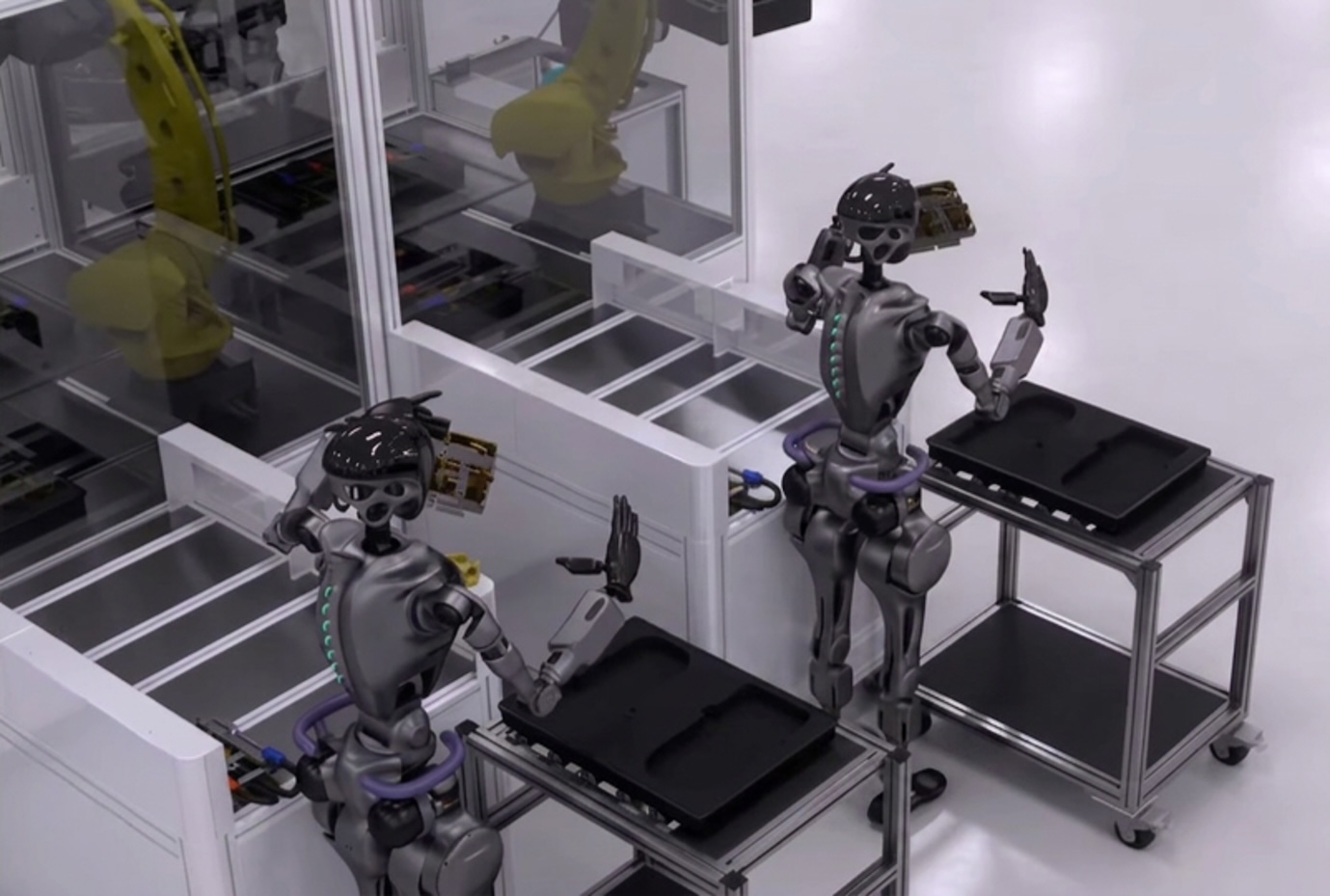
Symbotic Becomes Member-Sponsor of Stanford Robotics Center's Industrial Affiliates Program
Symbotic has officially joined the Stanford Robotics Center (SRC) Industrial Affiliates Program as a member-sponsor. This membership grants Symbotic access to Stanford's esteemed research community, fostering collaboration aimed at advancing innovations in robotics, autonomy, and artificial intelligence. The significance of this partnership lies in the potential for Symbotic to leverage Stanford's cutting-edge research to enhance its AI-enabled robotics technology for the supply chain. By engaging with leading experts and researchers, Symbotic aims to drive forward its capabilities in automation and robotics, which are critical for modern supply chain solutions. Looking ahead, it will be important to monitor the developments arising from this collaboration, particularly in how Symbotic integrates insights from Stanford into its product offerings. No further timeline was disclosed at the time of publication.
Business Industry News Research Robotics ai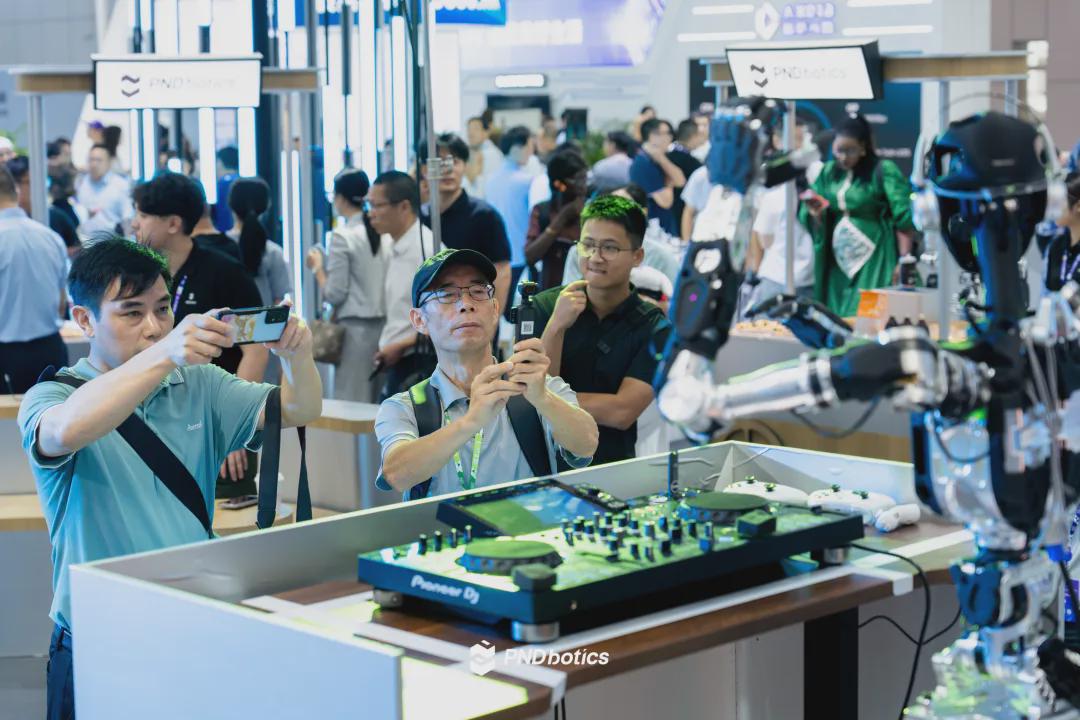
PNDbotics Showcases Humanoid Robots for Real-World Industrial Applications
PNDbotics is exploring the application of humanoid robots in real industrial tasks at the Future Factory exhibition, held from September 11 to 13 at the Ningbo International Exhibition Center. The showcase emphasizes the robots' ability to understand tasks, recognize environments, and adapt execution strategies in dynamic production settings. This initiative is significant as it addresses the challenges of integrating humanoid robots into complex industrial environments, where continuous decision-making is crucial. Unlike controlled lab settings, real factories present fluctuating conditions that require robots to perform a series of interconnected actions, demonstrating their full operational capabilities. Looking ahead, the focus will be on how these robots can effectively connect with real production environments and validate their reliability through successful task execution. The goal is to enhance the robots' system capabilities, moving beyond mere movement to achieving task completion in manufacturing settings.
Humanoid Robots Industrial Automation Robotics Technology AI Manufacturing Solutions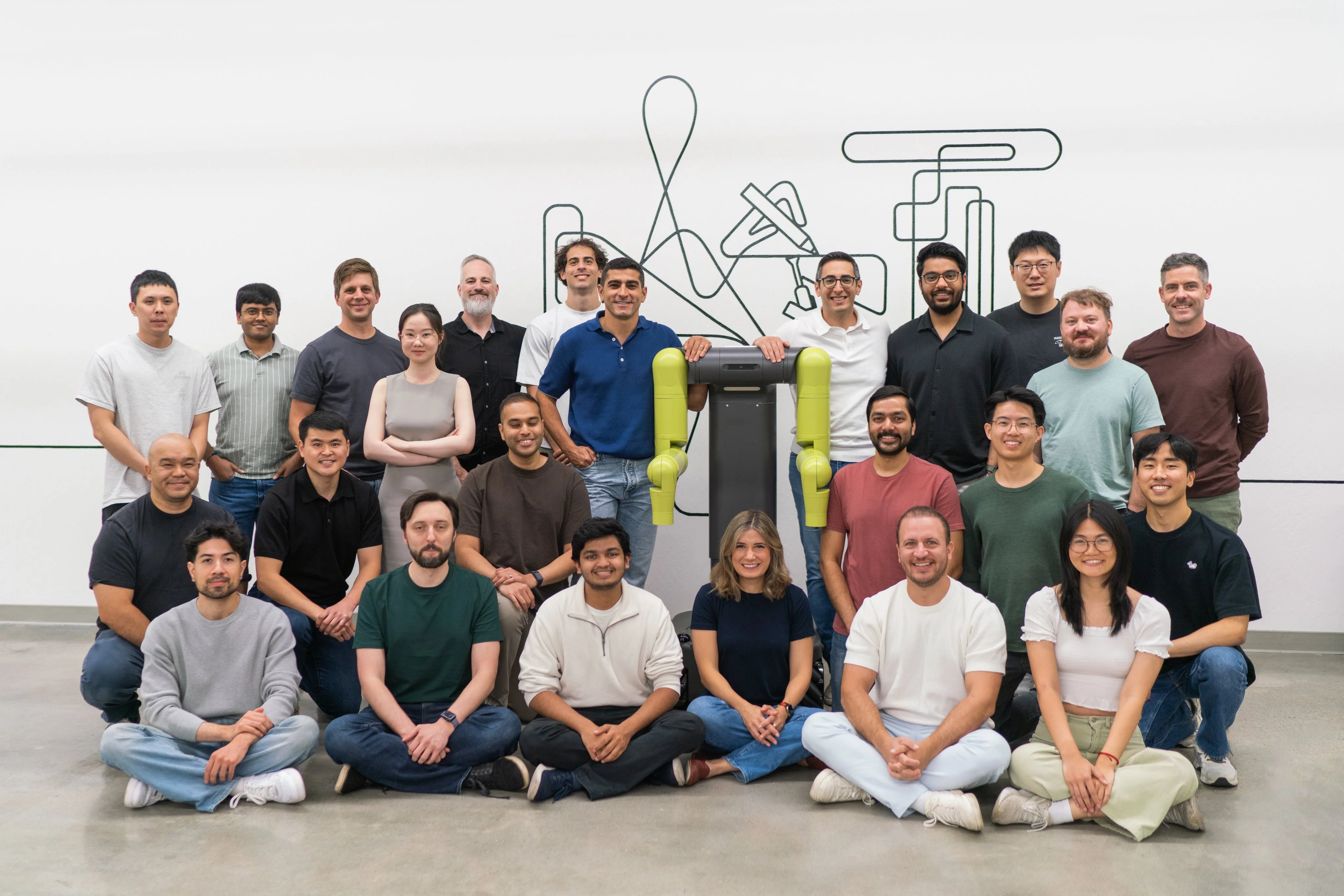
Maven Robotics Emerges from Stealth with $100M Funding for Industrial Mixed Palletizing
Maven Robotics, based in Santa Clara, has announced its emergence from two years of stealth with a $100 million Series A funding round. Led by RoboStrategy, this funding will support the production of 250 third-generation robots and early engineering for a fourth generation. Maven's focus is on addressing the challenges of mixed palletizing in industrial logistics, a critical bottleneck in distribution centers. The significance of Maven's approach lies in its pragmatic strategy to capture industrial logistics before expanding its intelligence capabilities. By utilizing a wheeled mobile base and dual-arm manipulation, the robots can operate efficiently at speeds of up to 10 miles per hour, handling payloads of up to 30 kilograms. This operational reliability is crucial, as the company maintains a 99% uptime rate across its robots, which currently operate in client facilities. Looking ahead, Maven Robotics aims to enhance its end-to-end workflow by integrating directly with warehouse management systems. No further timeline was disclosed at the time of publication. CEO Hamza Derbas emphasizes the importance of return on investment, critiquing the complexity and costs associated with bipedal robots in warehousing applications.
US Maven Robotics RoboStrategy
Understanding Quadruped Robot Specifications: Consumer vs. Industrial Applications
Quadruped robots have increasingly adopted a standardized design, characterized by four legs and a stable gait. This convergence is evident in promotional videos showcasing their ability to navigate various terrains and recover from disturbances. The significance of this trend lies in the implications for both consumer and industrial markets. As these robots become more versatile, they may serve dual purposes, enhancing their appeal to a broader range of applications, from entertainment to security patrols. Looking ahead, industry stakeholders should monitor advancements in quadruped technology and their integration into different sectors. The ongoing development of these robots could lead to innovative solutions that address specific operational needs across various environments. No further timeline was disclosed at the time of publication.

Maven Robotics Secures $100 Million Series A Funding for Industrial Robotics Development
Maven Robotics has successfully raised $100 million in Series A funding to enhance its industrial robotics platform aimed at logistics and manufacturing. The funding round included participation from RoboStrategy, LocalGlobe, Vine Ventures, and XTX Ventures. Maven is focused on developing a general-purpose robotics system that will expand its applications beyond palletizing and tote handling into more complex material handling and assembly tasks. This funding is particularly significant as it addresses the growing U.S. labor shortages in industrial sectors. Maven's platform integrates hardware, software, and AI, allowing for reliable operation across multiple shifts. The company has already deployed its robots with a Fortune 250 consumer packaged goods company, where they are expected to achieve over 100,000 hours of autonomous operation by the end of 2026. Looking ahead, Maven Robotics aims to surpass 1 million hours of autonomous operation by the end of 2027. The company is entering a robust market, with over $18.8 billion in global venture capital investment in robotics reported in the first half of 2026. This positions Maven to capitalize on the increasing demand for intelligent industrial automation solutions.
AI AI Funding & Investment Robotics funding industrial robotics LocalGlobe
Maven Robotics Secures $100 Million Series A for Innovative General-Purpose Industrial Robotics System
Maven Robotics, an intelligent industrial robotics company, has announced the completion of a $100 million Series A funding round. This funding was secured from notable investors including RoboStrategy, LocalGlobe, Vine Ventures, and XTX Ventures. The company aims to revolutionize material handling and assembly tasks with its innovative robotics solutions. The significance of this funding lies in Maven Robotics' ambition to achieve 1 million hours of autonomous real-world operations. As the creator of the world's first general-purpose robotics system for industrial work, Maven is poised to make a substantial impact on logistics and manufacturing sectors. This investment will support the development and deployment of their intelligent robotics technology. Looking ahead, industry observers should monitor Maven Robotics' progress in scaling its operations and the adoption of its robotics systems in various industrial applications. No further timeline was disclosed at the time of publication.
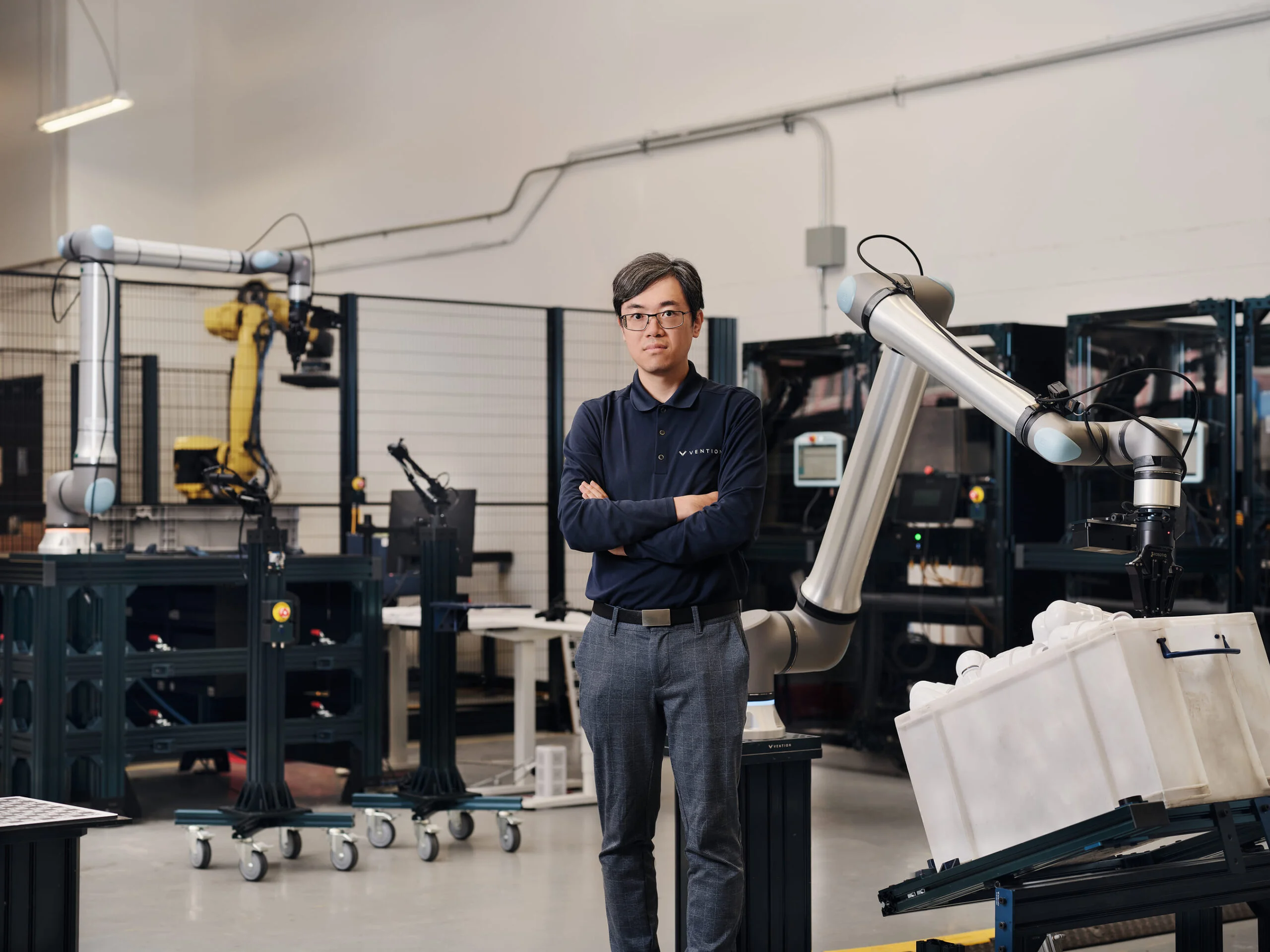
Vention Launches Montreal AI Lab to Enhance Industrial Robotics Capabilities
Vention has inaugurated a physical AI research lab in Montreal aimed at advancing robotic manipulation for manufacturing applications. The lab, directed by Jimmy Li and advised by Joelle Pineau, will leverage industrial data and customer insights to develop scalable robotic systems. With a focus on real-world production challenges, the lab aims to create technologies that enhance reliability and reduce costs in automation. This initiative is significant as Vention's physical AI segment has seen a remarkable 400% revenue increase over the past year, indicating a growing demand for advanced automation solutions. The lab's unique approach integrates academic research with practical production feedback, allowing for rapid development and testing of new robotic systems. This model positions Vention to address complex manufacturing tasks that have traditionally been difficult to automate. Looking ahead, Vention's Montreal lab is expected to expand its team and generate new intellectual property. The company plans to release a public software development kit for its GRIIP manipulation pipeline, which breaks down robotic tasks into manageable stages. No further timeline was disclosed at the time of publication.
AI AI Funding & Investment Robotics Canada.Montreal computer vision industrial robotics
Meltio Introduces US-Assembled Meltio Robot Cell for Industrial Metal 3D Printing
Meltio has unveiled a US-assembled version of its Meltio Robot Cell, designed for industrial metal 3D printing. This initiative targets industrial customers throughout the Americas, aiming to enhance accessibility and efficiency in additive manufacturing. The decision to assemble the system in the United States is significant as it aims to minimize shipping and customs delays that typically arise from importing equipment from Spain. This strategic move is expected to streamline operations for customers and improve the overall user experience. Looking ahead, Meltio's focus on local assembly may lead to further innovations and adaptations of the Meltio Robot Cell to meet specific regional demands. No further timeline was disclosed at the time of publication.
Design Engineering Manufacturing News Robotics abb robotics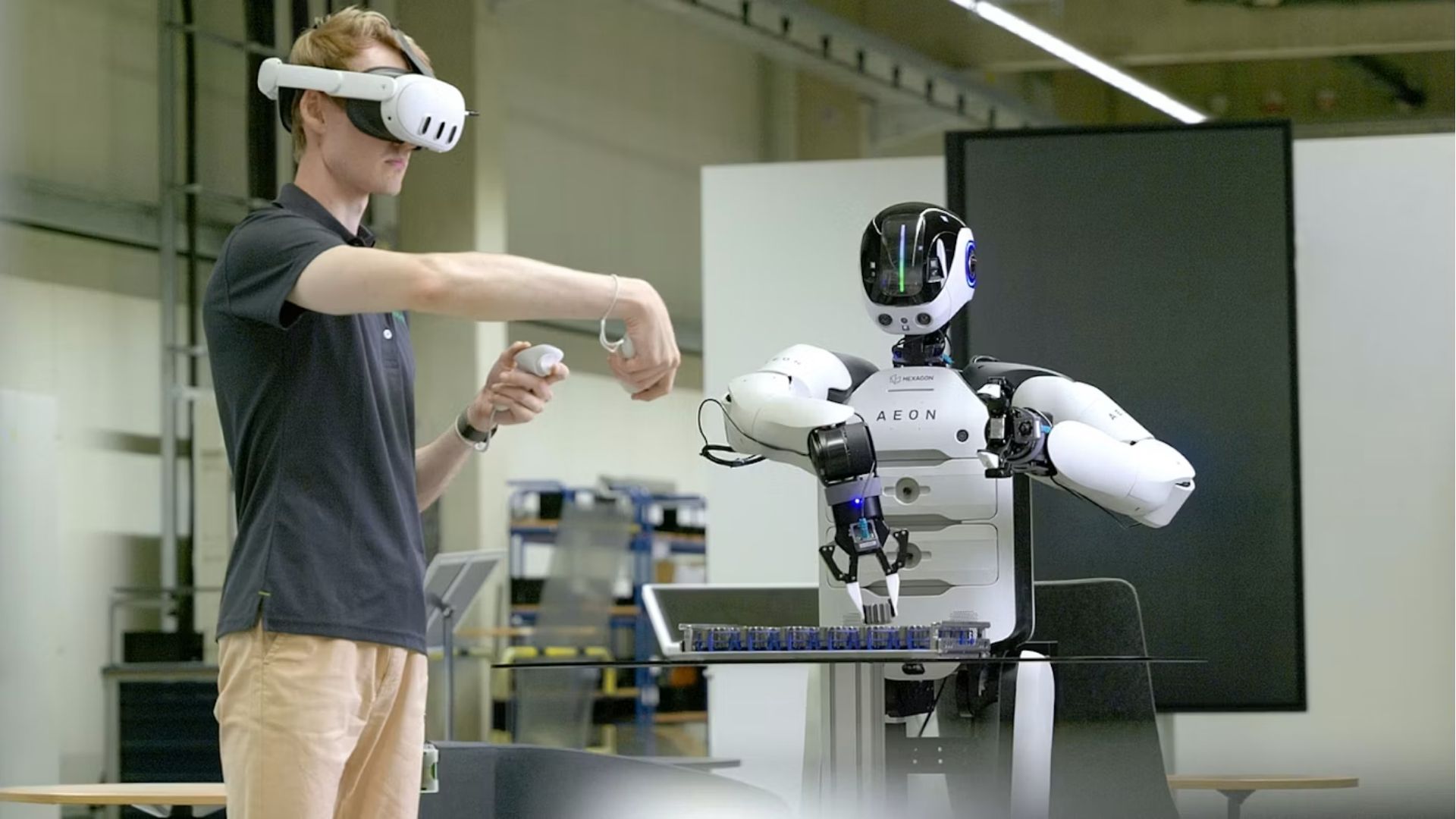
AEON Joins Schaeffler's Humanoid Gym to Enhance Industrial Skills for Robot Deployment
AEON has entered Schaeffler’s Humanoid Gym in Germany, marking a significant step in their collaboration to integrate humanoid robots into industrial settings. This facility will be instrumental in teaching AEON new manufacturing capabilities, validating its learning, and preparing it for a planned deployment of at least 1,000 humanoid robots in the coming years. The importance of this initiative lies in its structured approach to training, validation, and deployment, which will enable AEON to acquire essential industrial skills while Schaeffler builds the necessary expertise to manage and integrate these robots into its operations. This dual focus on technology and organizational readiness is crucial for successful adoption in manufacturing environments. Looking ahead, the collaboration between Hexagon Robotics and Schaeffler is set to evolve as they work towards deploying the humanoids. However, no specific timeline for individual deployments has been disclosed, nor have the initial industrial capabilities or tasks for AEON been identified. The Humanoid Gym will serve as a foundational space for developing these capabilities.
AI and Robotics
Universal Robot Launches Da Sheng 1: A Versatile Industrial Dexterous Hand
At the WRC exhibition, Universal Robot unveiled the Da Sheng 1, an industrial-grade dexterous hand designed to overcome existing limitations in robotic gripping technology. This innovative product aims to combine the high load capacity of traditional grippers with the versatile operational capabilities of dexterous hands, addressing a significant industry challenge. The Da Sheng 1 features a dynamic reconfiguration ability, allowing it to switch between multiple operational configurations, thus enhancing its adaptability for various tasks on production lines. This capability is crucial as manufacturing trends shift towards high variety and frequent changeovers, necessitating more flexible robotic solutions. Looking ahead, the industry will be keen to observe how the Da Sheng 1 performs in real-world applications and whether it can effectively replace traditional grippers in diverse operational scenarios. No further timeline was disclosed at the time of publication.
Dexterous Hands Industrial Robotics Automation Technology Robotics Innovation
Tsubaki KabelSchlepp Introduces Robotrax System for Protecting Industrial Robot Cables
Tsubaki KabelSchlepp has launched the Robotrax System, a specialized three-dimensional cable carrier designed to protect electrical cables and hoses in six-axis articulated robots. This innovative system addresses the mechanical stress caused by rapid movements and torsional twists, which often lead to conductor fatigue and costly production halts. The Robotrax System features a central steel cable that absorbs tensile loads, preserving conductor integrity and extending cable service life. Its unique spherical link design allows for smooth flexing across three axes, while modular cable routing prevents signal interference and mechanical abrasion. This design significantly reduces installation and maintenance time, making it a valuable solution for automated manufacturing environments. Looking ahead, the Robotrax System's active retraction mechanism minimizes collision risks during complex robot movements. With tailored protective accessories, it is built to withstand demanding industrial conditions. No further timeline was disclosed at the time of publication.
Articulated-robots Robot-uptime Automation Robot-arms Manufacturing Factory-robots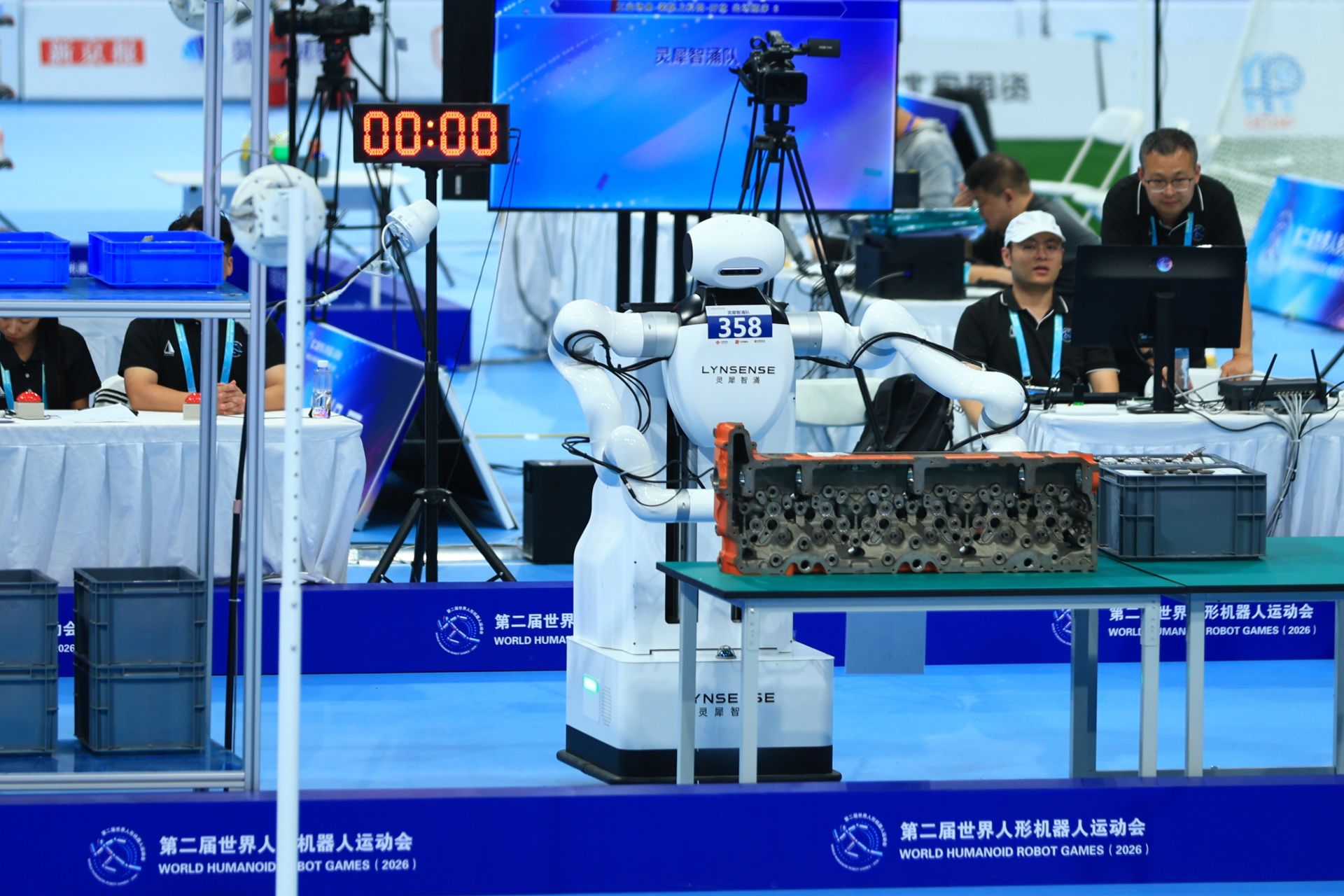
ROSS Harness Secures Third Place in World Humanoid Robot Competition for Industrial Tasks
In the 2026 World Humanoid Robot Competition for Industrial Applications, a robot successfully completed three tasks: transporting a 10kg material box, selecting seven types of parts, and assembling 18 engine valves with sub-millimeter precision. The Lingxi Zhiyong robot autonomously achieved a total score of 160, ranking third among established industry leaders and marking the only startup to reach the national top three in its debut. This competition highlights the pressing challenges in the field of embodied intelligence robotics, emphasizing the need for robots to perform reliably in real industrial environments. Unlike other competitions, this event focused on continuous, accurate task execution within industrial time constraints, showcasing the necessity for robots to deliver verifiable production results. Lingxi Zhiyong, founded by a PhD graduate from the University of Science and Technology of China, is addressing these challenges with its unique approach combining the CONWAY industrial native model and the ROSS Harness self-evolution engine. As the industry grapples with the gap between model capabilities and real-world delivery, the focus is shifting from merely developing advanced models to effectively utilizing them in practical applications.
Embodied Intelligence Industrial Robotics Automation Technology Robot Competitions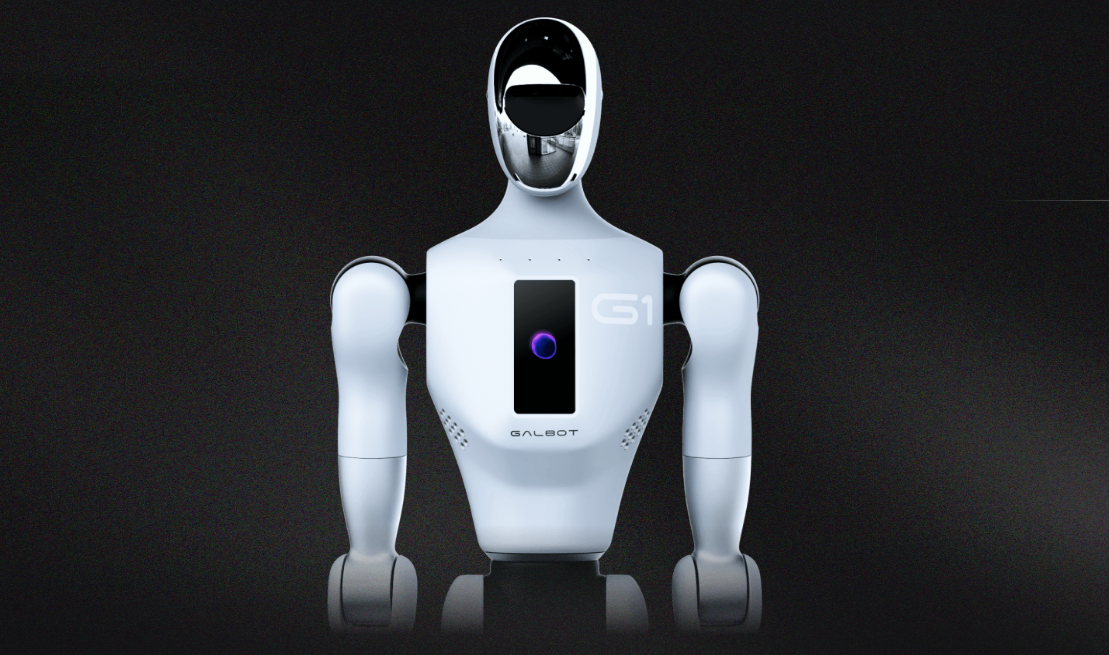
Galbot's Journey Towards Integrating Embodied AI Robots in Industrial Production Lines
Galbot, a Chinese embodied AI robotics company, is advancing the integration of robots into industrial production environments. Founded in May 2023, the company has raised over RMB 2.4 billion ($360 million) in funding, with a valuation exceeding RMB 22 billion ($3.27 billion). Galbot's G1 robot features a mobile platform and dual-arm manipulation system, enabling it to adapt to various tasks in flexible manufacturing scenarios. The demand for robots that can perform complex tasks in dynamic environments is growing as manufacturing shifts towards greater flexibility and intelligence. Traditional industrial robots, which are typically fixed and perform repetitive tasks, are being challenged by the need for more adaptable solutions. Galbot's innovations, including the G1 and S1 robots, aim to address these challenges by providing greater mobility and efficiency in manufacturing processes. As the embodied AI sector gains momentum, Galbot's focus on industrial applications positions it well for future growth. The company is set to play a significant role in transforming production methods, allowing robots to take on hazardous and repetitive tasks while collaborating with human workers to enhance productivity and safety. No further timeline was disclosed at the time of publication.
Up and Comers AI Highlight News Robotics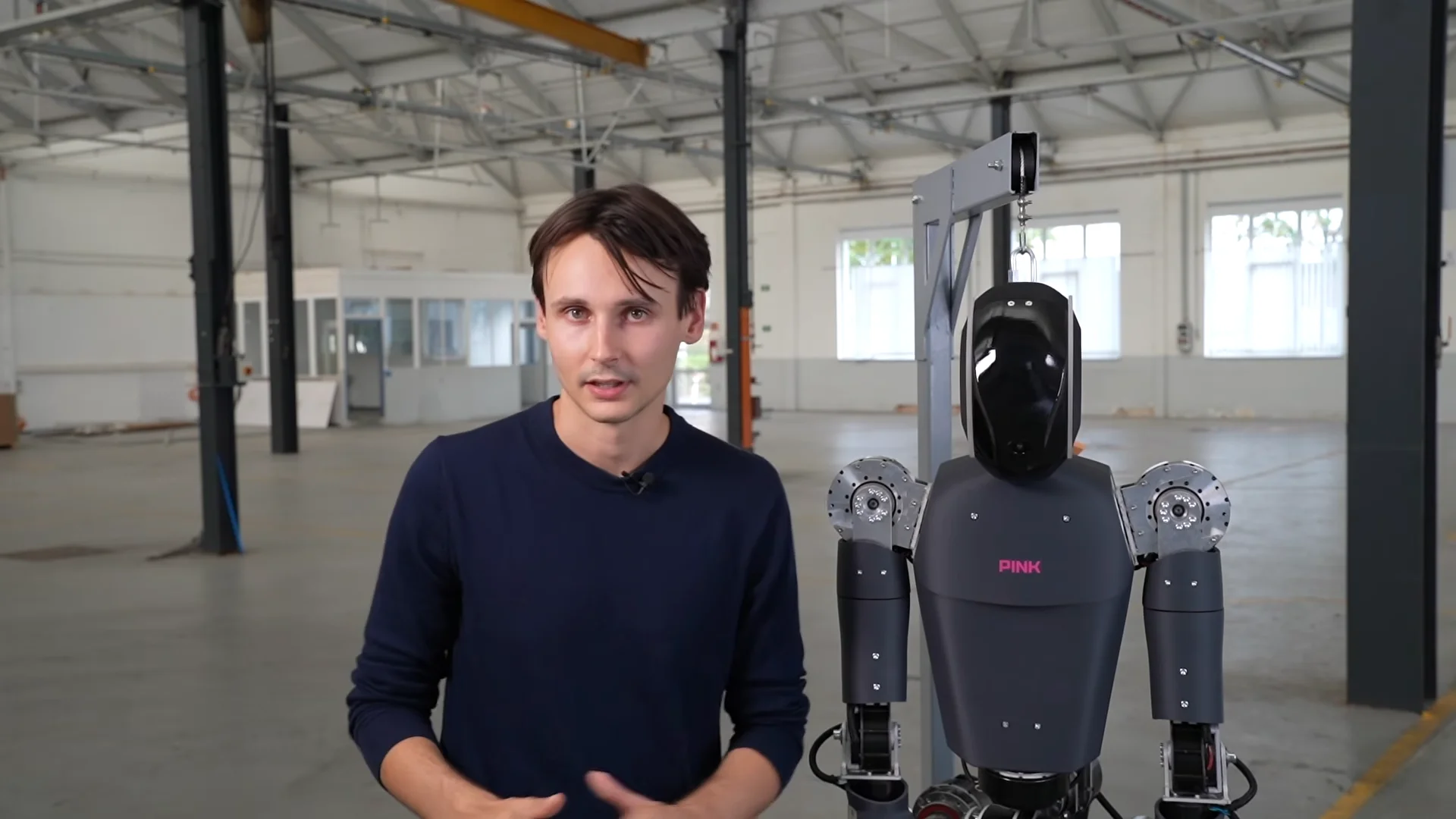
Pink Robotics Launches P0 Humanoid Prototype to Revitalize Germany's Industrial Sector
Pink Robotics, a new startup from Darmstadt, Germany, has unveiled its first humanoid prototype, the P0, aiming to address the country's industrial challenges. Founded by engineer Christopher Helmke, the company seeks to reposition Germany in the global robotics race, which is currently dominated by the U.S. and China. Helmke's dissatisfaction with the current state of German robotics, particularly after attending Hannover Messe, has fueled this initiative. The emergence of Pink Robotics is significant as it highlights the urgent need for innovation in Germany's robotics sector, which Helmke believes is lagging behind competitors. With major players like NEURA Robotics and Agile Robots leading the market, Helmke argues that the country requires a new industrial focus beyond its traditional automotive sector. The P0 humanoid is designed to integrate into existing facilities, showcasing advanced engineering with a mechanical chassis that offers extensive motion capabilities. Looking ahead, the success of Pink Robotics will depend on its ability to capture market interest and secure funding to compete with established players. Helmke's vision for the company reflects a broader call for revitalization in Germany's industrial landscape, emphasizing the importance of adapting to new technological demands. No further timeline was disclosed at the time of publication.
Pink Robotics Europe
Zoomlion Highlights Industrial Embodied Intelligence at 2026 World Robot Conference
The 2026 World Robot Conference (WRC) will feature Zoomlion showcasing its advancements in industrial embodied intelligence. This event, which has been held since 2015, aims to unite companies, researchers, and industry stakeholders to demonstrate innovations in robotics and their practical applications. The focus of this year's conference is on enhancing human-robot collaboration and ensuring that technology development aligns more closely with industrial demand. This emphasis is crucial as industries increasingly seek to integrate advanced robotics solutions to improve efficiency and productivity. As the conference approaches, attendees should watch for new insights into how embodied intelligence can transform industrial processes. No further timeline was disclosed at the time of publication.
Industrial Robotics Market Growth: From 5.7 Billion to 77 Billion in China
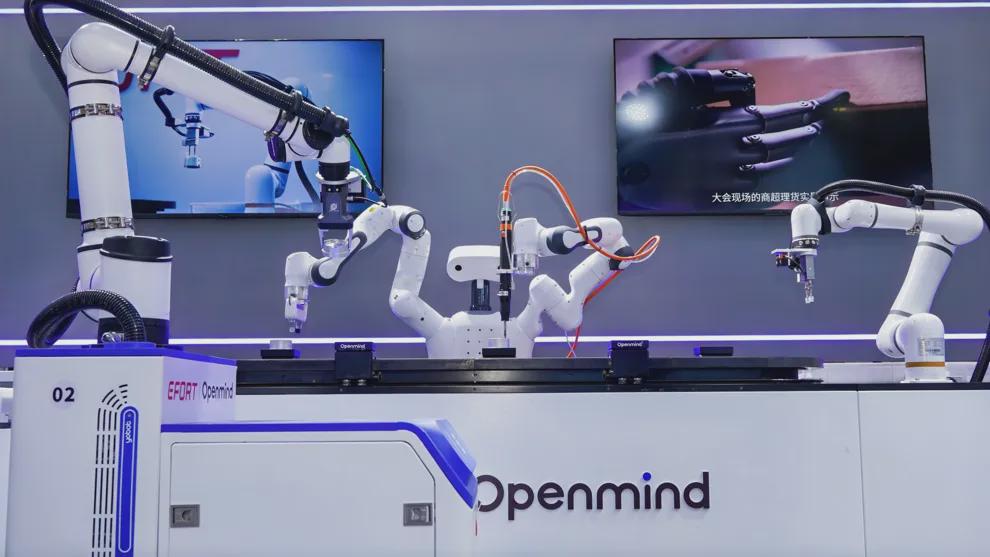
The industrial robotics sector in China is witnessing a significant transformation, with the market projected to grow from 57.4 billion yuan in 2025 to over 110 billion yuan by 2026. This shift is marked by an increase in companies showcasing practical applications of robotics, moving beyond mere demonstrations to real-world implementations in factories. This evolution is crucial as it reflects a growing consensus within the industry that the scale is sufficient, but the focus must now shift to effective utilization of robotic technologies. Despite advancements, the actual deployment of robots in production environments remains low, with estimates suggesting that less than 10% of robots are actively working in factories, highlighting a substantial gap between potential and reality. Looking ahead, the industry faces challenges in bridging this gap, as evidenced by the low penetration rate of robots in general production, currently below 2%. Companies like Aeffort are attempting to address these issues by introducing versatile robotic solutions that integrate advanced technologies for seamless operation in manufacturing settings. No further timeline was disclosed at the time of publication.
Industrial Robotics Automation Technology AI in Manufacturing Robotic Systems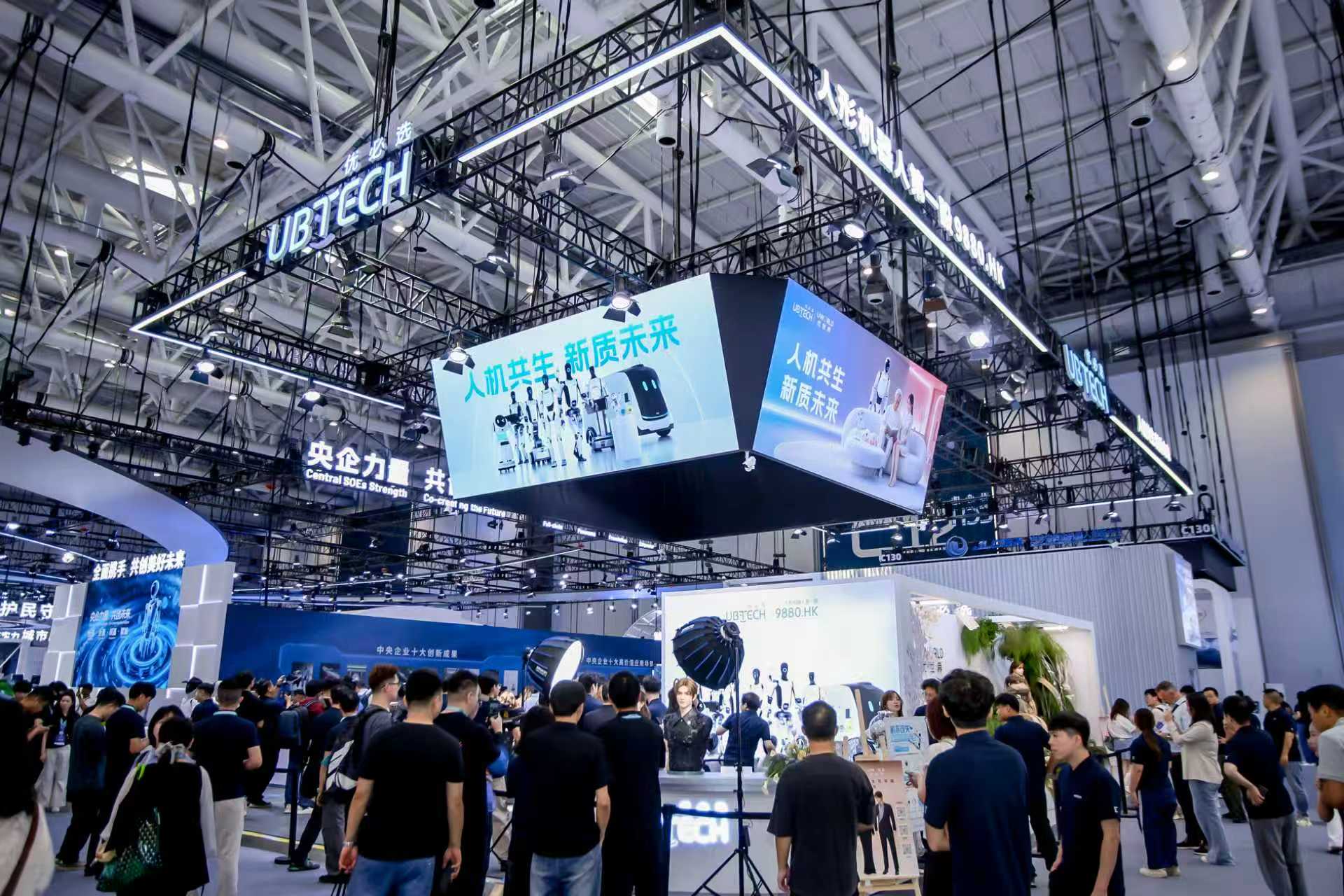
UBTECH Unveils New Humanoid Robots for Industrial, Commercial, and Home Use at WRC 2026
From August 19 to 23, 2026, the World Robot Conference (WRC 2026) took place in Beijing, where UBTECH showcased a range of humanoid robots designed for industrial, commercial, and home applications. Highlighted products included the industrial humanoid robot Cruzr Y1, the commercial service robot Walker C1, and the ultra-bionic humanoid robot U1, marking a significant step towards the market application of humanoid robots. This event is pivotal as 2026 is recognized as the inaugural year for the market application of humanoid robots, transitioning from conceptual exploration to practical, scalable development. UBTECH's strategy encompasses a comprehensive approach to industrial strength, commercial service, and emotional engagement in home consumption, leveraging technology and data to enhance the productivity value of humanoid robots. Looking ahead, UBTECH's commitment to advancing embodied intelligence technology is crucial for the successful deployment of humanoid robots across various sectors. No further timeline was disclosed at the time of publication.
Humanoid Robots Industrial Automation Commercial Robotics Home Robotics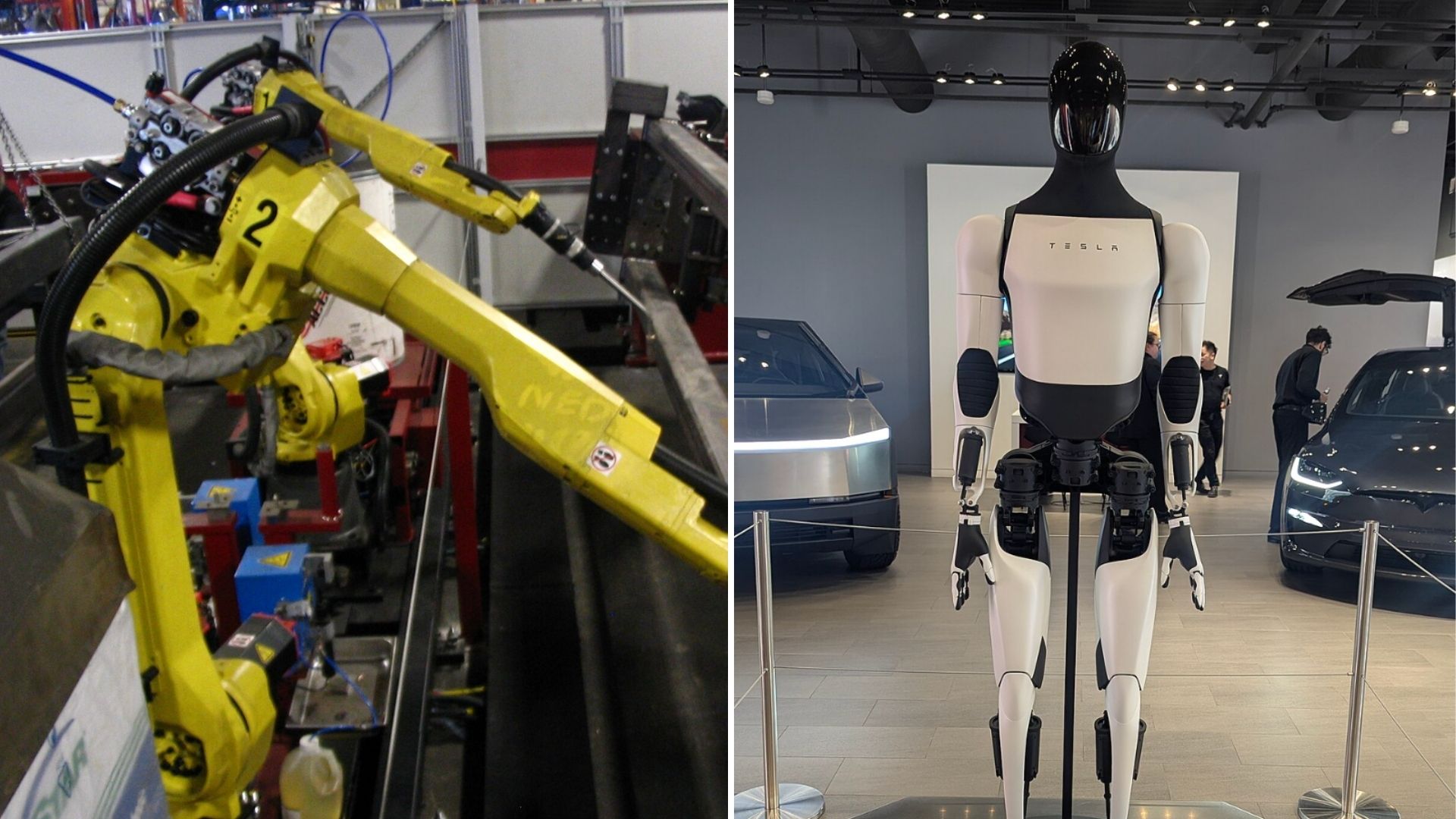
Humanoid Robots Enter Factories: Will They Surpass Traditional Industrial Robots?
Humanoid robots are emerging as a new element in factory automation, capable of walking between workstations and handling components. However, traditional industrial robots still dominate the automated factory landscape, raising questions about the future of humanoid integration in manufacturing environments. The significance of this development lies in the contrasting benefits of humanoids and industrial robots. While humanoids offer flexibility, industrial robots provide proven productivity, having been established in factories for decades. In 2024, factories installed 542,000 industrial robots, contributing to a global total of approximately 4.66 million, according to the International Federation of Robotics. Looking ahead, the competition between humanoids and industrial robots will intensify as manufacturers weigh the costs and benefits of each technology. Collaborative robots are also gaining traction, representing 10.5% of industrial robot installations in 2023, which may further challenge the role of humanoids in factories. No further timeline was disclosed at the time of publication.
AI and Robotics
China's Industrial Robot Exports Increased by 13.2% in First Seven Months of 2023
In the first seven months of 2023, China's industrial robot exports surged by 13.2%, reflecting a significant growth in the robotics sector. The introduction of an independent customs tariff code in January has led to a more than fivefold increase in the export value of intelligent bionic robots within six months. The variety of exported robots is expanding, with cleaning robots accounting for over 70% of exports, while industrial and humanoid robots are rapidly gaining traction. This growth is crucial as it highlights China's shift towards high-end robotics, with applications ranging from autonomous inspections in industrial parks to advanced manufacturing processes. Customs authorities have implemented supportive measures, such as tax reductions and streamlined services, to facilitate the export process for robotics companies. For instance, over 200 tax exemption procedures were processed by Beijing Customs in the first half of the year, saving companies more than 120 million yuan in R&D costs. Looking ahead, the demand for industrial robots is expected to continue expanding across various sectors, including automotive, electronics, and pharmaceuticals. The development of a classification database for robot products and innovative inspection services by customs is likely to further enhance the competitiveness of Chinese robotics on the global stage. No further timeline was disclosed at the time of publication.
Industrial Robots Robot Exports Customs Innovation Automation Technology
LumiBot Secures Angel Funding to Enhance Industrial Robotic Hands with Heat Management
LumiBot, a provider of dexterous robotic solutions, has successfully completed an angel funding round amounting to tens of millions, led by Changyou Technology's investment arm. This marks the first investment from Changyou's robotics fund established in June 2026 and highlights a significant case of material companies entering the core components of humanoid robots. The funding is crucial as it reflects a shift in the investment logic of the humanoid robot supply chain, moving from a focus on motion control to enhancing the reliability of end-effectors. LumiBot's innovative heat management capabilities are pivotal for meeting industrial standards, addressing the overheating issues that have hindered the adoption of dexterous hands in factories. Looking ahead, LumiBot plans to release a flagship model with 23 active degrees of freedom in October, featuring an active cooling design that significantly improves joint temperature management. The company aims to deliver 100 to 200 units in 2026, indicating a growing demand for advanced robotic solutions that prioritize operational efficiency over mere flexibility.
Robotics Heat Management Industrial Automation AI Engineering
Avatar Robotics Secures $6.5 Million Seed Funding to Enhance Industrial Automation
Avatar Robotics has successfully raised $6.5 million in seed funding to expand its capabilities in industrial automation. Since its launch in December 2025, the company has utilized its robots to pack, sort, and ship over 900,000 products, including those for a major global beauty retailer, demonstrating the effectiveness of its technology in real-world applications. This funding is significant as it positions Avatar Robotics to further develop its adaptive robotic solutions, which are designed to enhance operational flexibility and productivity in industrial settings. The ability to quickly respond to changing production requirements is crucial in today's fast-paced manufacturing environment, where traditional automation methods often fall short. Looking ahead, industry stakeholders should monitor Avatar Robotics' progress in deploying its technology across various sectors. The company's focus on creating an unlimited industrial workforce through advanced robotics could reshape the landscape of automation and address ongoing labor shortages in manufacturing. No further timeline was disclosed at the time of publication.

Challenges Ahead for RV Reducers in Industrial Robotics Market
Recently, Zhang Yueming, Chief Scientist at Beijing Zhihong Precision Transmission Technology and a professor at Beijing University of Technology, stated that the first phase of domestic replacement for core components of industrial robots has concluded. In the medium and small load sector, represented by RV reducers, domestic alternatives have largely been achieved. However, in high-load scenarios such as automotive manufacturing, foreign brands still hold 80% to 90% of the market share. This shift is significant as it marks a transition from merely having domestic products to focusing on the strength of these products. The ability to define independent technological routes will determine the competitive outcome. According to the Ministry of Industry and Information Technology, revenue from China's robot manufacturing enterprises is projected to exceed 90 billion yuan from January to May 2026, reflecting a 26.9% year-on-year growth, maintaining its status as the world's largest industrial robot market for 13 consecutive years. Zhang revealed that Zhihong Technology has been collaborating with Beijing University of Technology for nearly a decade to pursue forward development, moving away from imitation. Their products have achieved benchmarks against international giants like Nabtesco in key performance indicators. Notably, Zhihong is developing a gear transmission joint module with complete independent intellectual property rights, aiming to create a new category not previously seen overseas. Analysts believe that as domestic brands surpass 50% market share, core component companies must innovate and validate under heavy load conditions to transition from being merely usable to leading the market.
RV Reducers Industrial Robotics Automation Technology Manufacturing Innovation
University of Florida Launches Robotics Lab for Industrialized Construction Initiatives
The University of Florida (UF) has inaugurated a new robotics lab focused on industrialized construction, supported by a $1 million donation from Autodesk. This initiative aims to tackle Florida's housing shortage and the anticipated retirement wave in the construction workforce. The lab will enhance the university's Industrialized Construction Engineering (ICon) degree program, which is set to welcome its first cohort this fall. This lab is significant as it addresses critical issues in the construction industry, including worker safety and operational efficiency. By utilizing advanced manufacturing principles, the program emphasizes a shift from traditional construction methods to more precise, technology-driven processes. The integration of digital workflows, including BIM and AI, alongside hands-on experience with a COBOD BOD3 3D concrete printer, positions UF at the forefront of modern construction education. Looking ahead, the lab will provide essential resources for students and researchers to explore automated construction methods. The collaboration with Autodesk will facilitate the use of cutting-edge computational tools, enhancing the educational experience. No further timeline was disclosed at the time of publication.
Academia / Research Construction News autodesk STEM
Autodesk and University of Florida Launch Advanced Robotics Lab for Industrialized Construction
Autodesk has made a $1 million donation to establish the Autodesk Design and Make Laboratory at the University of Florida. This initiative aims to equip students with the necessary skills for careers in industrialized construction, addressing a significant workforce gap as 41% of the current workforce is expected to retire by 2031. The establishment of this lab is crucial as Florida faces a shortage of over 121,000 homes and rental units. By preparing students for the industrialized construction sector, the lab will contribute to alleviating both housing and labor shortages in the region, fostering a new generation of skilled professionals. Looking ahead, the focus will be on how effectively the lab can bridge the skills gap in the construction industry and support local workforce development. No further timeline was disclosed at the time of publication.

igus Introduces Twisterchain Energy Chain for 600-Degree Rotation in Industrial Robots
igus GmbH has launched a new self-supporting twisterchain energy chain designed for industrial applications, particularly in palletizing. This innovative product enables reliable cable management through rotation angles exceeding 600° on compact industrial robots, addressing challenges related to energy supply and cable collisions during operation. The introduction of the twisterchain is significant as it resolves two critical issues faced by robotics in industrial settings. Compact robots, which perform tasks like screwing and assembly, have struggled with energy supply along their fast-rotating first axis. Additionally, palletizing robots often encounter problems with uncontrolled hoses colliding with tools. The new energy chain allows power and data cables to follow full rotations safely, even under dynamic motion profiles. Looking ahead, igus's twisterchain could enhance the efficiency and reliability of industrial robots, particularly in applications requiring high mobility and precision. No further timeline was disclosed at the time of publication.
Assembly Batteries / Power Supplies Industrial Robots Manufacturing Materials News
Humanoid Robots Transforming Brownfield Factories for Industrial Automation
Humanoid robots are emerging as a transformative force in manufacturing, particularly in brownfield factories. Their ability to adapt to existing human-centric environments allows for seamless integration into production workflows, minimizing the need for extensive modifications. This adaptability is crucial as manufacturers seek to modernize facilities without incurring significant capital investment or operational disruption. The significance of humanoid robots lies in their unique design and functionality, which enable them to perform a wide range of tasks in dynamic environments. Unlike traditional automated guided vehicles (AGVs) and autonomous mobile robots (AMRs), humanoids can navigate and adjust to changing conditions, making them well-suited for environments built around human dimensions. This capability positions them as a viable solution for manufacturers looking to enhance automation in legacy systems. Looking ahead, organizations must focus on workforce training and process reevaluation to ensure effective human-robot collaboration. The integration of a robust digital thread and the creation of digital twins will be essential for simulating interactions and validating workflows before deploying humanoids in production. No further timeline was disclosed at the time of publication.
Factory / Robotics
Agile Robotics Partners with CRRC to Advance Dexterous Manipulation Technology in Industrial Applications
Agile Robotics has signed a technical framework agreement with a subsidiary of CRRC to explore the adaptation, verification, and iteration of dexterous manipulation technology in high-end equipment manufacturing. This collaboration marks a significant breakthrough for the relatively new company, providing access to complex industrial scenarios shortly after completing a multi-million yuan angel round funding. The partnership is crucial as it highlights the growing importance of practical applications over theoretical parameters in the dexterous manipulation industry. While many companies focus on degrees of freedom and complexity, the real challenge lies in creating reliable industrial devices that can operate continuously in factory settings. CRRC, a leader in rail transportation equipment manufacturing, exemplifies the complexities of China's manufacturing landscape, where automation solutions often face limitations. Agile Robotics has developed a product line that includes an 11-degree-of-freedom manipulator, which is now in small-batch production and being marketed. The company aims to meet real market demands while also advancing high-precision operations with a 23-degree-of-freedom product. The collaboration with CRRC may be just the beginning of a broader exploration into the practical applications of dexterous robotics in industrial environments.
Agile Robotics Industrial Automation High-End Equipment Manufacturing Robotic Technology
Zhejiang IPLUSMOBOT Technology Launches NERA Robotics Product Line for Industrial AI
Zhejiang IPLUSMOBOT Technology has introduced the NERA-P omnidirectional chassis and NERA-C controller at the WAIC. This launch aims to standardize navigation and control for autonomous mobile robots (AMRs), establishing a reusable embodied intelligence infrastructure for both humanoid wheeled and quadruped robots. The significance of this development lies in its potential to enhance the capabilities of robots in various industrial applications. By providing a standardized platform, IPLUSMOBOT is positioning itself to facilitate the integration of advanced navigation and control systems across different robotic platforms, which can lead to improved efficiency and versatility in automation. Looking ahead, industry stakeholders should monitor how the adoption of the NERA product line influences the robotics landscape. The focus on embodied AI infrastructure may drive further innovations in robot design and functionality. No further timeline was disclosed at the time of publication.
Industry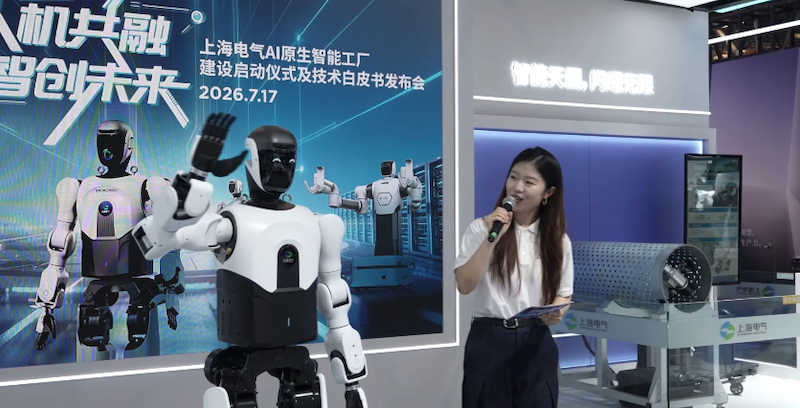
Shanghai Electric Showcases Humanoids, Industrial Robots, and AI Smart Factory Innovations
At the 2026 World Artificial Intelligence Conference, Shanghai Electric presented its advanced embodied intelligence solutions for industrial applications. The company emphasized its capabilities in embodied AI robots, core components, and AI-native smart factory technologies, showcasing a comprehensive portfolio designed for various industrial scenarios. This development is significant as it highlights the integration of machine precision with human expertise, aiming to enhance collaboration in manufacturing processes. Shanghai Electric's robotics solutions address critical tasks such as connector insertion, intelligent assembly, and flexible sorting, showcasing innovations like the planetary roller screw and DexHand dexterous hand. Looking ahead, Shanghai Electric's launch of 51 AI models under the “StarCloud Intelligent Manufacturing” series marks a shift towards data-driven operations in manufacturing. The release of the “AI-Native Smart Factory Technology White Paper” outlines a new architecture for real-time production optimization, indicating a transformative approach to industrial automation. No further timeline was disclosed at the time of publication.
Artificial Intelligence Robotics AI-native smart factory embodied ai humanoid robots industrial ai
Challenges in Developing Household Robots with Industrial Logic Highlighted by Stanford Report
The Stanford 2026 AI Index Report reveals that humanoid robots achieve an 89.4% success rate in controlled environments for household tasks, but this drops to 12.4% in real homes. Despite a projected 508% increase in global humanoid robot shipments by 2025, most production is focused on industrial applications, leaving household integration a challenge. Tesla's Optimus is in trial production, with a public release expected by late 2027, though industry analysts remain skeptical. The traditional metrics for evaluating robots—speed, load, and precision—are inadequate for home environments, which prioritize safety and emotional interaction. The complexity of household tasks requires a shift from industrial logic to a more nuanced understanding of family dynamics. Figure 03, designed specifically for home use, aims for limited deployment in 2026. Demonstrations show impressive autonomous capabilities, but concerns arise about performance in typical family settings. The company Future Not Far, founded in Shanghai, has completed significant funding and is testing its F1 robot in homes, achieving high user satisfaction and engagement metrics.
Humanoid Robots Household Robotics AI Robotics Technology
Ensuring Optimal Fibre Optic Performance in Industrial Robotics Applications
Microscopic contamination on fibre connector end faces can significantly disrupt light transmission in industrial robotics. In applications where precision, repeatability, and uptime are paramount, even minor contamination can lead to performance challenges. This highlights the importance of maintaining clean fibre optics to ensure reliable operation in robotic systems. The impact of contamination on fibre optics is critical for industries relying on robotic technology. Performance issues stemming from even small amounts of contamination can hinder operational efficiency and reliability, which are essential for maintaining competitive advantage in automation. As robotics continue to evolve, ensuring the integrity of fibre optic connections becomes increasingly vital. Looking ahead, organizations must prioritize the cleanliness of fibre optics in their robotic systems. No further timeline was disclosed at the time of publication. Companies should invest in best practices for maintenance and monitoring to mitigate contamination risks and enhance overall system performance.
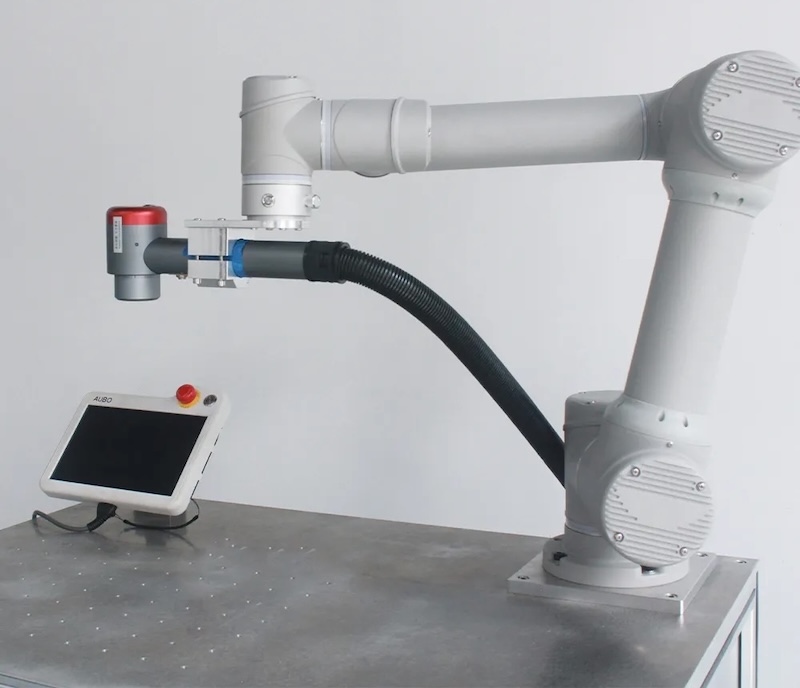
Integrating Industrial Robots with Laser Cleaning Systems Enhances Production Efficiency
Recent advancements in technology are transforming factory operations, with companies striving to reduce cycle times, cut costs, and ensure quality. The integration of industrial robots with laser cleaning systems is emerging as a solution to automate the removal of burrs from metal components, significantly enhancing productivity and efficiency in production lines. This combination of technologies is crucial as it addresses the need for cleaner surfaces before processes like painting, coating, or welding, which are essential for maintaining product quality. Laser cleaning, a modern technique that utilizes powerful laser beams to eliminate unwanted materials without damaging the underlying metal, offers a more environmentally friendly alternative to traditional cleaning methods that often rely on harsh chemicals. As more companies explore the benefits of industrial laser cleaning machines, the focus will be on how these systems can further optimize production lines. The automation of the cleaning process not only saves time but also improves overall manufacturing efficiency. No further timeline was disclosed at the time of publication.
Engineering Robotics Technology factory automation industrial automation industrial robots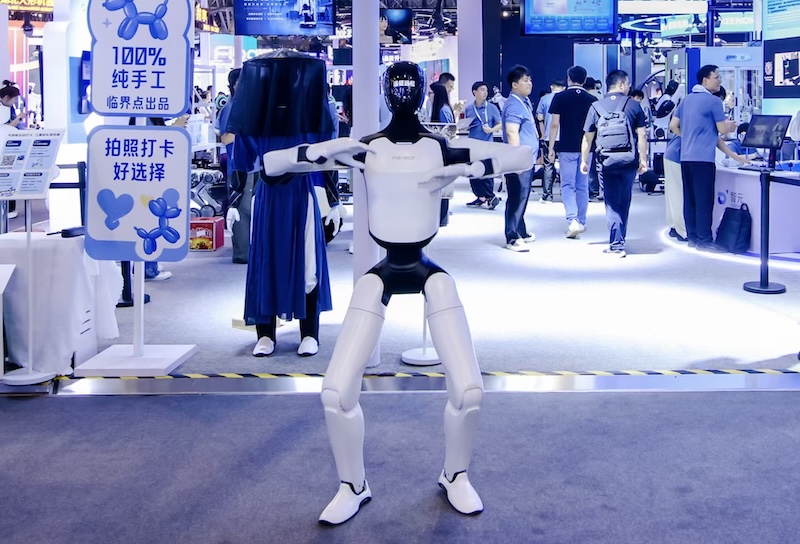
AGIBOT Launches Four New Robots at WAIC 2026, Expanding Industrial AI Portfolio
AGIBOT introduced four new robotic products at the World Artificial Intelligence Conference (WAIC) 2026 in Shanghai, enhancing its humanoid robots and industrial automation systems. The new offerings include the AGIBOT A3 Ultra humanoid robot, X2 EDU education platform, G2 Max industrial robot, and OmniHand 3 Ultra-M dexterous robotic hand, alongside the deployment of over 30 robots for visitor assistance at the event. This expansion is significant as it underscores AGIBOT's commitment to advancing embodied AI technology, moving beyond mere demonstrations to reliable integration in real-world applications. The A3 Ultra, G2 Max, and OmniHand 3 Ultra-M are designed to tackle critical challenges in humanoid platforms, industrial tasks, and dexterous manipulation, reflecting the company's focus on delivering practical value at scale. Looking ahead, AGIBOT's strategy aims to transition embodied AI from laboratory settings to consistent commercial and industrial workflows. No further timeline was disclosed at the time of publication.
Events Humanoids News A3 Ultra agibot artificial intelligence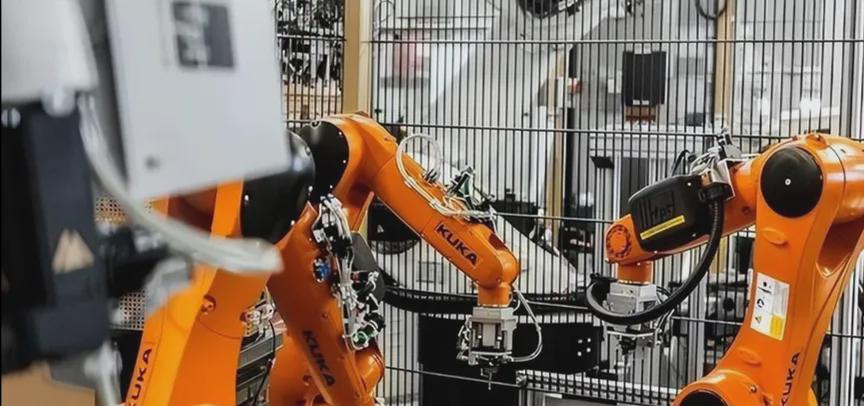
Midea Group Signs 300 Million RMB Strategic Deal to Expand Industrial Robotics
Midea Group's subsidiary KUKA has signed a strategic cooperation agreement with YINGKE Medical and YINGKE Recycling, valued at over 300 million RMB. This deal includes 1,500 industrial robots, 500 mobile and embodied intelligent robots, and 50 automated storage systems, showcasing Midea's commitment to expanding its industrial robotics capabilities. This partnership signifies a pivotal shift for Midea, transitioning from project-level procurement to a comprehensive group-level strategic collaboration. The collaboration aims to enhance production efficiency through advanced automation solutions, integrating AI visual recognition and adaptive grasping technologies. Looking ahead, Midea's focus on its ToB business model is expected to accelerate, with KUKA playing a crucial role in this transformation. The industry will be watching closely to see how this strategic partnership evolves and contributes to Midea's growth in the industrial automation sector. No further timeline was disclosed at the time of publication.
Industrial Robotics Automation Solutions Smart Manufacturing B2B TechnologyRobotics needs a service framework.
RSF defines a common language for robot service capability, lifecycle operations, certification pathways, and service-provider networks.
Join the RobotToday community on LinkedIn
Daily robotics news, in-depth analysis, conference highlights, and discussions with professionals worldwide.







