

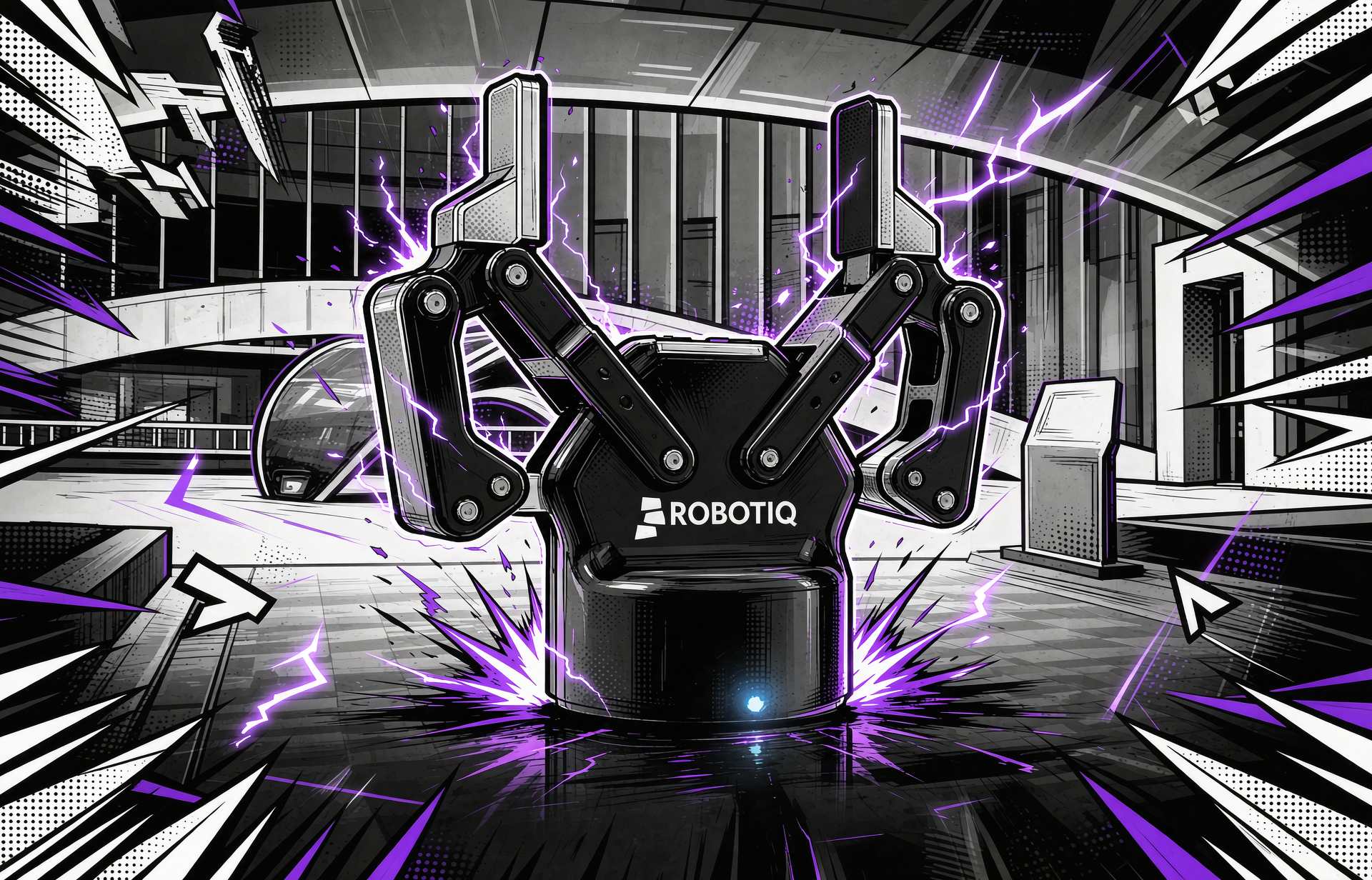
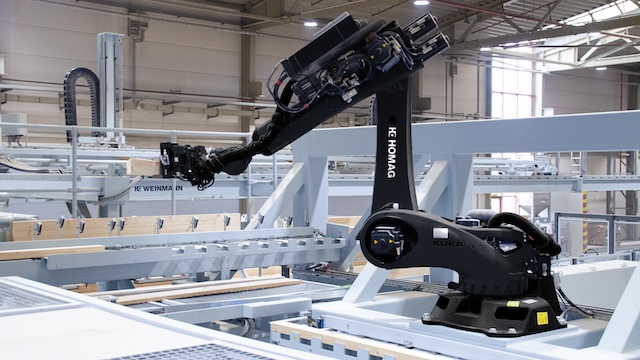
The integration of industrial-grade end effectors, such as the Two-Finger Claw, into educational robotics is becoming increasingly common. This trend signifies a shift towards more advanced and capable teaching tools in classrooms, enhancing the learning experience for students.
The adoption of these sophisticated robotic components is crucial as it bridges the gap between theoretical knowledge and practical application. By utilizing high-quality end effectors, educators can provide students with hands-on experience that mirrors real-world industrial scenarios, fostering a deeper understanding of robotics and automation.
Looking ahead, the continued evolution of educational robotics will likely see further enhancements in end effector technology. No further timeline was disclosed at the time of publication.
Editor's Note
The growing trend of incorporating industrial-grade components into educational robotics reflects a broader movement towards enhancing STEM education. As schools adopt more sophisticated technologies, the demand for skilled professionals in robotics and automation will likely increase, impacting workforce development and educational strategies.
































Leave a comment