


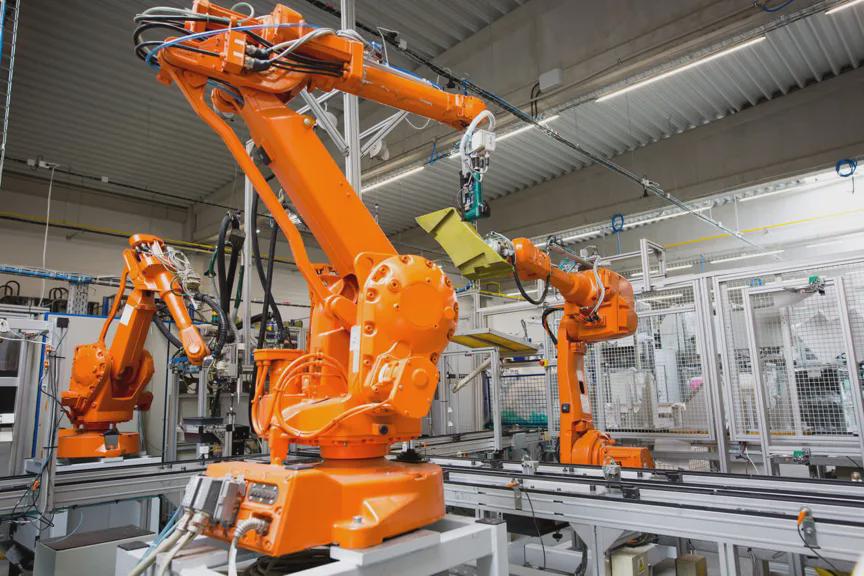
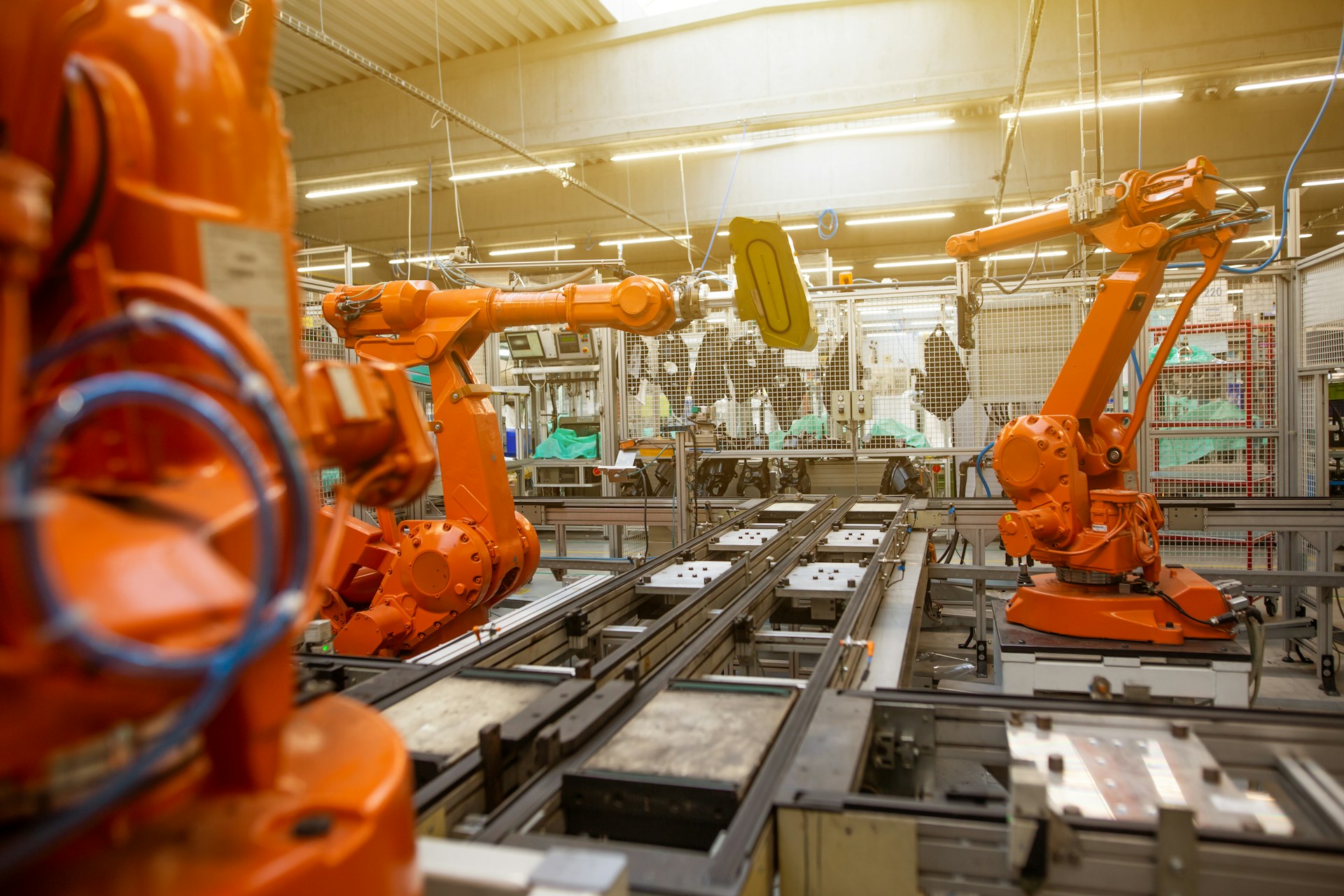
The International Federation of Robotics (IFR) reported that the global industrial robot fleet hit a record 5 million units in 2025, with over 600,000 new installations that year. China led the growth, contributing 354,000 installations, which accounted for 59% of the global total. The U.S. surpassed Japan to become the second-largest market, with nearly 38,500 installations.
This milestone signifies a significant acceleration in industrial automation, with the IFR projecting a 9% increase in annual installations to 655,000 units in 2026. The growth is driven by manufacturing investments, labor shortages, and advancements in technologies such as AI and machine vision. Asia exhibited the strongest growth, while Europe experienced slower expansion, highlighting regional disparities in automation adoption.
Looking ahead, the IFR anticipates that global installations will reach 806,000 by 2029. Factors such as increased manufacturing capacity, labor challenges, and enhanced supply chain resilience are expected to fuel this growth. The ongoing advancements in robotics technology will continue to expand the capabilities and applications of industrial robots in various sectors.
Editor's Note
The rapid growth of the industrial robot market, particularly in Asia, underscores the increasing reliance on automation to address labor shortages and enhance manufacturing efficiency. As companies invest in advanced technologies, the competitive landscape will evolve, necessitating strategic procurement and investment decisions from enterprises.
































Leave a comment