Industry Briefing
A single destination for timely, editor-curated robotics news from around the world.
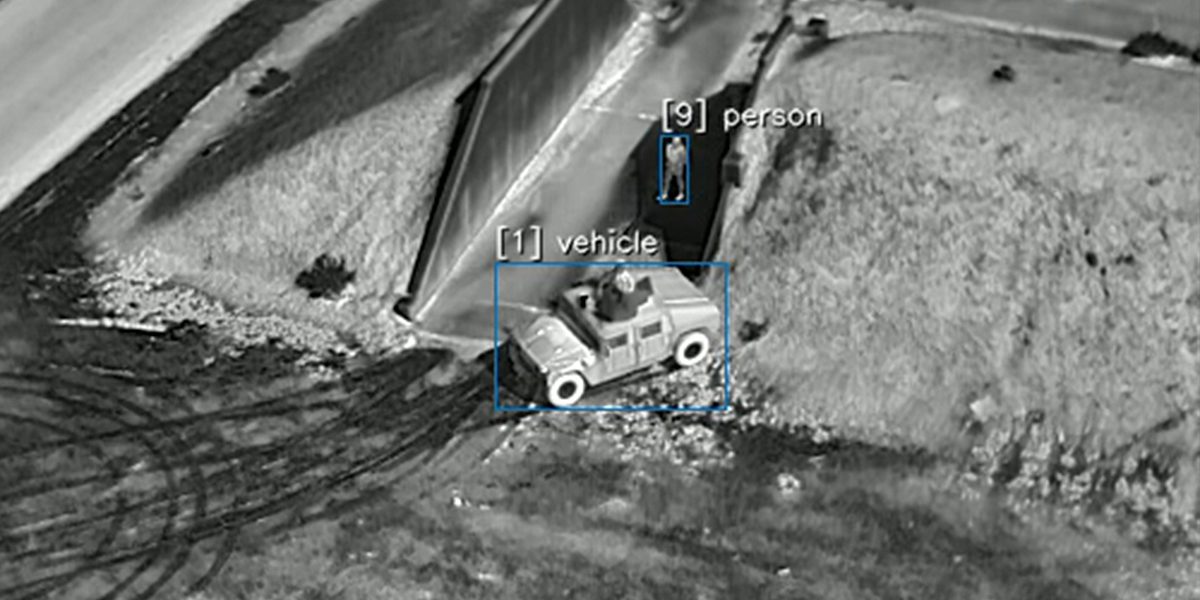
Teledyne FLIR Introduces AI-Driven Air-to-Ground Tracking Software for UAS
Teledyne FLIR OEM has unveiled Prism A-ISR, a cutting-edge software module aimed at enhancing air-to-ground detection and tracking for uncrewed aircraft systems (UAS) and airborne intelligence, surveillance, and reconnaissance (ISR) platforms. Announced on October 6, this software leverages artificial intelligence to detect, classify, and track multiple ground objects in real time, utilizing data from various sensor types including midwave infrared (MWIR) and visible electro-optical (EO) sensors. The significance of Prism A-ISR lies in its ability to perform edge processing, enabling airborne systems to analyze sensor data independently of remote computing resources. This capability is crucial for applications requiring persistent surveillance and defense missions, as it enhances long-range situational awareness while minimizing false alarms. Teledyne FLIR's advanced image processing tools, including patented denoise and super-resolution technology, further improve detection capabilities in challenging conditions. Looking ahead, Teledyne FLIR's AIMMGen synthetic model-training service allows developers to quickly adapt the software for new target classes, streamlining the creation of mission models. The software is compatible with NVIDIA and Qualcomm embedded AI platforms and several Teledyne FLIR camera modules, including the NDAA-compliant Boson+ and Neutrino thermal camera families. No further timeline was disclosed at the time of publication.
AI Applications C-UAS Defense defense Drone News
Aselsan Pursues Partnerships with Japan in Air Defense and Underwater Drones
Aselsan, Turkey's largest state-linked defense company, is actively seeking collaborations with Japanese firms to develop underwater drones and air defense systems. This initiative comes as regional security threats escalate, prompting Aselsan to expand its presence in Asian markets. The alignment of Turkey and Japan politically presents a unique opportunity for closer cooperation in defense technologies. Aselsan's president and CEO, Ahmet Akyol, emphasizes the importance of exploring these partnerships to enhance both nations' defense capabilities amid increasing regional tensions. Looking ahead, industry observers should monitor the developments of this partnership, particularly in the context of Turkey's defense exports to Asia, which are contingent on advancements in engine development. No further timeline was disclosed at the time of publication.
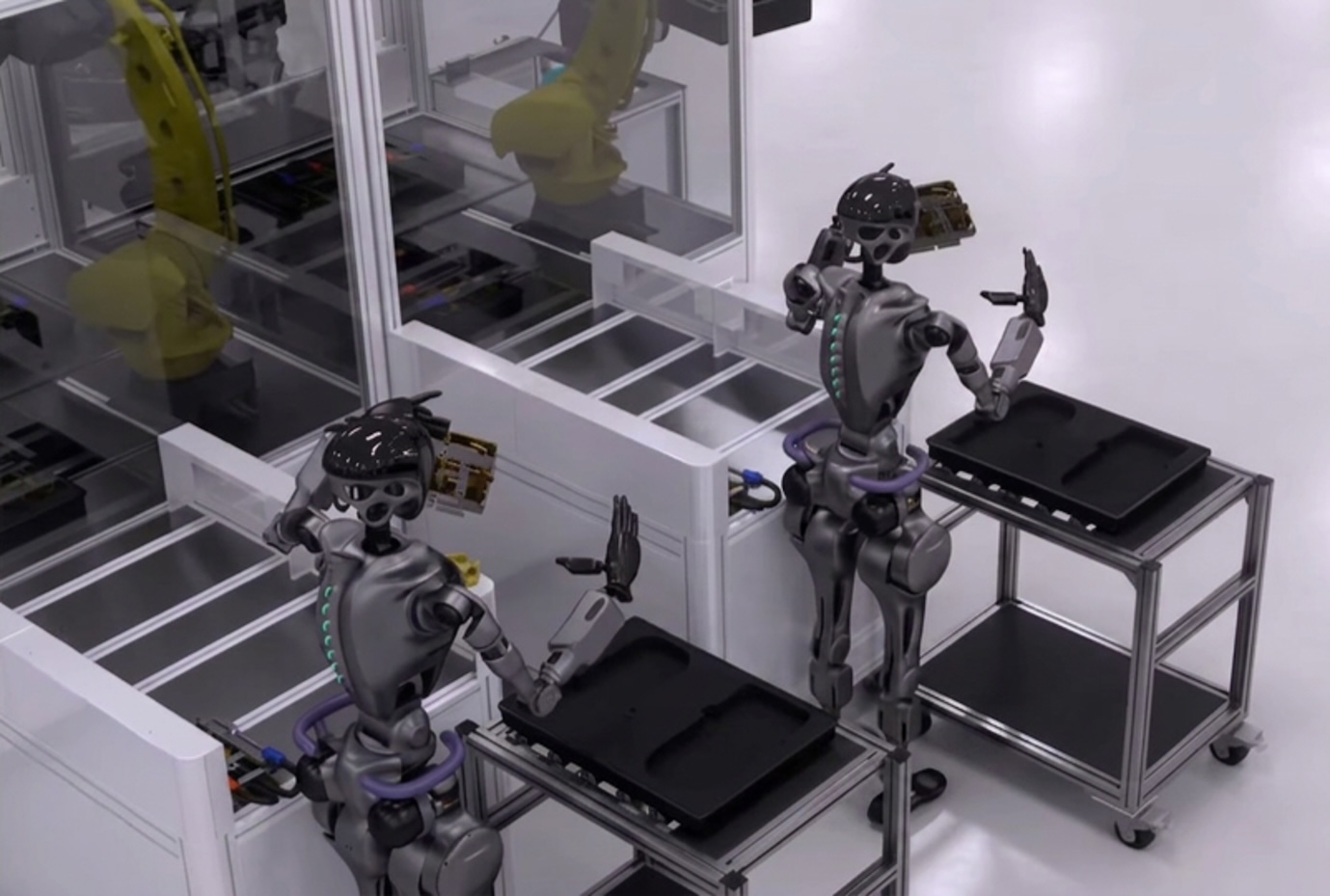
German Army to Begin Training with New Attack Drones Developed by Helsing and Stark Defence
German defense startups Helsing and Stark Defence are advancing in the development of attack drones. The German government announced plans to initiate training for the army on these new drones starting in November. This training is significant as it marks a step forward in enhancing the capabilities of the German military. The integration of advanced drone technology is expected to improve operational efficiency and effectiveness in various defense scenarios. Looking ahead, the focus will be on the outcomes of the training sessions and how quickly the German Army can operationalize these attack drones. No further timeline was disclosed at the time of publication.
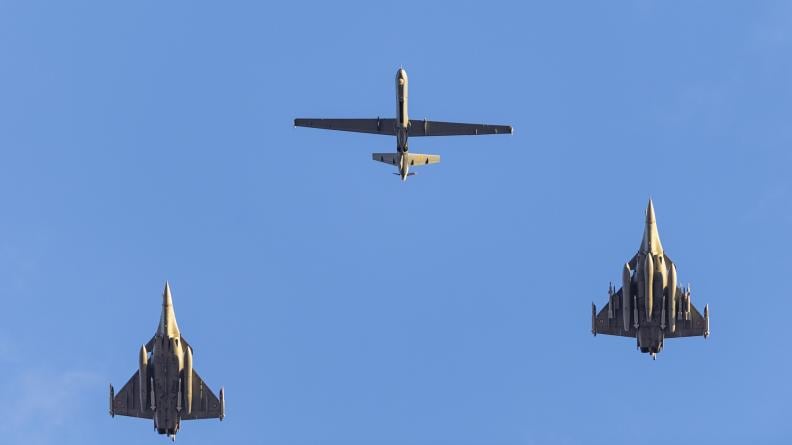
French Air Force to Integrate AI-Enhanced Combat Drones and Rafales by 2028
The French Air and Space Force is set to advance its combat aviation capabilities through the HypAIRion project, launched in collaboration with the DGA and AMIAD. The initiative aims to enable the operation of AI-equipped combat aircraft and collaborative drones by 2028, with modifications currently underway on two Mirage 2000 jets at Mont-de-Marsan airbase. This project is crucial for achieving air superiority, leveraging lessons learned from recent conflicts, particularly in Ukraine and the Middle East. The integration of AI and autonomous systems will enhance tactical decision-making and operational efficiency, allowing for optimized flight paths and improved engagement strategies against adversaries. Looking ahead, the HypAIRion project will establish an industrial hub to foster collaboration between major defense contractors and startups, ensuring rapid adaptation to evolving aerial threats. The insights gained from this initiative are expected to directly benefit the Rafale fighter jet, with a significant upgrade, the F5 standard, anticipated by 2033.
Défense
Ukrainian Defense Manufacturers Accelerate Development of Jet-Powered Interceptors Against Russian Drones
In Kyiv, Russian jet-powered drones are evading Ukrainian air defenses, prompting manufacturers to rapidly develop new interceptors. These drones, which can travel at hundreds of kilometers per hour, are targeting critical infrastructure, exacerbating the challenges faced by Ukraine's war-torn economy. The urgency for new interceptors is heightened as Russian tactics evolve, with recent drone strikes disrupting energy systems, industries, and essential services in Kyiv. Ukrainian officials report that the new interceptors have successfully engaged these high-speed threats, but the rapid pace of drone attacks leaves little room for error. Manufacturers are racing against time, with production and pilot training for the interceptors potentially taking up to six months. President Volodymyr Zelenskyy has emphasized the need for expedited production, as air-defense crews face daily losses while improvising under constant drone assaults.
Politics & Geopolitics Military Headlines drones Ukraine Russia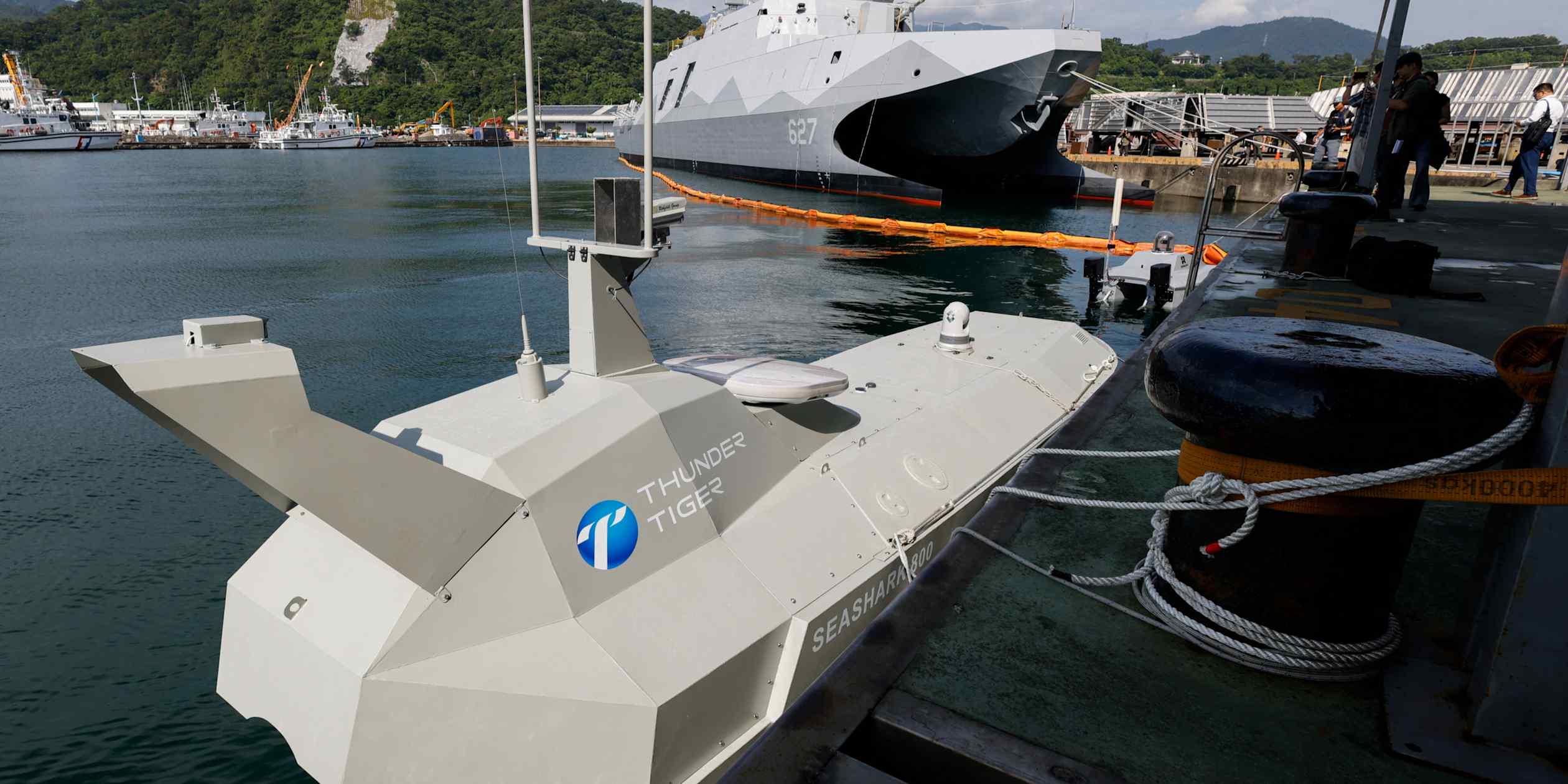
Taiwan Leverages US Technology for Sea Drones Amid Rising Chinese Maritime Threats
Taiwan is integrating U.S. technology with its shipbuilding capabilities to develop sea drones, responding to increasing maritime security challenges posed by China. This initiative is part of Taiwan's broader strategy to enhance its naval and coast guard procurement plans, aiming to bolster its defense against China's expanding maritime fleet. The collaboration with U.S. firms signifies a crucial step for Taiwan as it seeks to strengthen its defense capabilities in the face of heightened Chinese pressure. The development of sea drones, such as the SeaShark 800, is expected to play a vital role in Taiwan's maritime security strategy, reflecting the urgency of addressing potential threats in the region. Looking ahead, Taiwan's focus on sea drones may lead to further advancements in its defense technology and procurement strategies. No further timeline was disclosed at the time of publication.
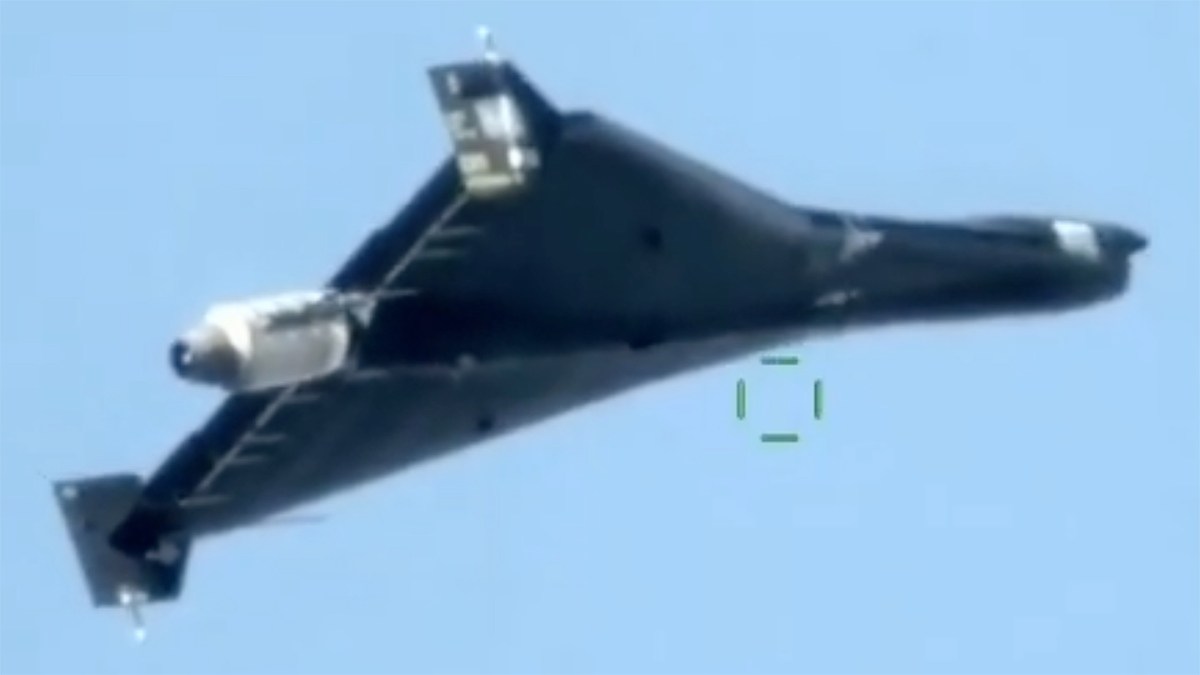
Russia's Geran-4 Jet-Powered Drones Evolve, Challenging Ukraine's Air Defense
Russia has escalated its deployment of jet-powered one-way attack drones, specifically the Geran-4, which are proving significantly more challenging for Ukraine to intercept. These drones, which can fly at altitudes of up to eight kilometers and speeds of 450 to 500 kilometers per hour, have increased the strain on Ukraine's air defense systems since their introduction in mid-2025. The emergence of the Geran-4, a more advanced version of the earlier Geran-3, highlights the ongoing evolution of drone warfare. With a turbojet engine and improved aerodynamic design, the Geran-4 is capable of operating deep within Ukrainian territory, complicating defense efforts. The Ukrainian Defense Intelligence Directorate noted that the new drone's structure is specifically designed for high-speed maneuvers, making it a formidable threat. As Russia continues to launch large-scale drone attacks, including a recent incident involving 165 drones, the situation remains critical for Ukraine. The ongoing conflict and the introduction of advanced drone technology underscore the need for enhanced air defense capabilities. No further timeline was disclosed at the time of publication.
News & Features Air Around The Globe Drones Europe Russia
Ukraine's Fedorov Reports Drones Make Up 95% of Battlefield Strikes
Mykhailo Fedorov, the former Defence Minister of Ukraine, stated that drones are responsible for 95% of strikes on the battlefield. He emphasized the need for a new initiative termed the 'Army of Robots' to enhance military capabilities. This assertion highlights the increasing reliance on drone technology in modern warfare, reflecting a significant shift in military strategy. The call for an 'Army of Robots' indicates a push towards integrating advanced robotics into Ukraine's defense framework, which may influence future military operations. As the conflict continues, the development and deployment of robotic systems could play a crucial role in Ukraine's defense strategy. Observers should monitor advancements in drone technology and the potential establishment of the proposed robotic army, as these developments may reshape the dynamics of the battlefield.
News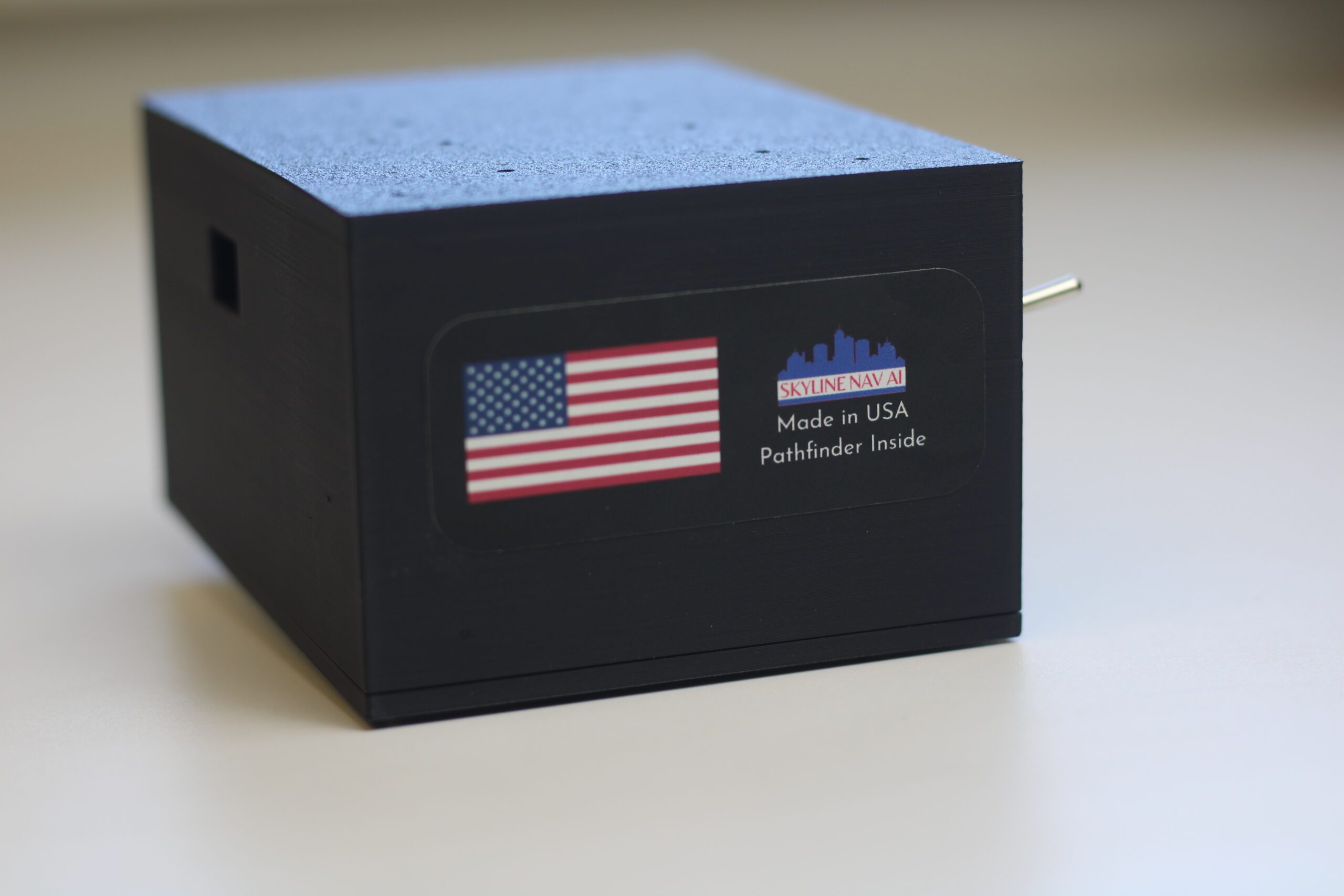
Skyline Nav AI Develops GPS-Independent Navigation Software for Drones
Skyline Nav AI, founded in 2020, specializes in low-cost GPS-independent visual positioning and navigation software aimed at defense and public safety sectors. The company was established in response to the increasing disruption of GPS signals, which can be easily jammed or spoofed, as highlighted by CEO Kanwar Singh's experiences in the Army National Guard. The significance of Skyline's technology is underscored by the growing reliance on drones in modern warfare, particularly in conflicts like those in Ukraine and the Middle East. As adversaries increasingly employ GPS jamming tactics, the need for reliable navigation solutions has become critical. Skyline's products, including the Pathfinder series, are designed to operate effectively in GPS-denied environments, attracting clients such as the U.S. Air Force and NASA. Looking ahead, Skyline Nav AI's innovative approach to drone navigation could reshape operational capabilities in military and public safety applications. The company’s focus on integrating advanced computer vision and machine learning into its products positions it well for future developments in autonomous systems. No further timeline was disclosed at the time of publication.
communications connectivity Drone News Drone News Feeds Feature 1 News
Robotiq Introduces Open-Source Software for Enhanced Robot Manipulation and Physical AI
Robotiq has unveiled three open-source software tools for its adaptive grippers, including a C++ SDK, an official ROS 2 package, and updated Nvidia Isaac Sim assets. These tools are now available on GitHub and are optimized by Robotiq to enhance the functionality of their grippers in physical AI applications. The significance of these releases lies in their response to the increasing demands of physical AI, which requires advanced capabilities from robotic grippers. According to Vincent Duchaine, CTO AI at Robotiq, the new tools support higher fidelity in simulation and tighter control loops, enabling better data collection and reporting from the grippers during operation. Looking ahead, Robotiq plans to introduce embedded intelligence at the point of contact, with an expected release in Q4. This innovation will be showcased at the IEEE/RSJ International Conference on Intelligent Robots & Systems (IROS) 2026 in Pittsburgh, highlighting Robotiq's commitment to advancing robot manipulation technologies.
Components News adaptive grippers end-of-arm tooling nvidia isaac sim open source robotics
Google's Intrinsic Launches Open-Source Robotics Software for Industrial AI Applications
Intrinsic, a subsidiary of Google, has released Intrinsic Core as open-source robotics software, enabling developers to create AI-enabled industrial robot applications from prototype to production. This software includes features such as real-time robot control, pose estimation, and motion planning, available on GitHub under an Apache 2.0 license. The significance of this release lies in its potential to streamline the development process for robotics applications, reducing the infrastructure developers need to build independently. Intrinsic Core is designed to work seamlessly with existing products like Intrinsic Flowstate and supports various hardware configurations, enhancing its adaptability in manufacturing environments. Looking ahead, Intrinsic plans to introduce additional open reference solutions for industrial automation, further expanding the capabilities of Intrinsic Core. The Open Machine Tending Solution, which runs on Intrinsic Core, serves as a reference design for CNC machine tending, showcasing practical applications of the software in real-world scenarios. No further timeline was disclosed at the time of publication.
AI AI Funding & Investment AI Infrastructure & Compute Robotics Google industrial roboticcs
Robotiq Unveils Open-Source Software for Physical AI Ecosystem Development
Robotiq has launched three open-source software packages aimed at enhancing its adaptive grippers. These releases include a C++ SDK, an official ROS 2 package, and updated NVIDIA Isaac Sim assets, all designed to facilitate the training of manipulation models on Robotiq components and their deployment on real robots. This initiative is significant as it represents the first components of Robotiq's physical AI software layer, which is intended to streamline the integration of AI in robotic manipulation tasks. By providing these tools, Robotiq aims to empower developers and engineers to create more effective and efficient robotic solutions. Looking ahead, Robotiq's commitment to maintaining and optimizing these software packages suggests ongoing support for the developer community. No further timeline was disclosed at the time of publication.

Raleigh, North Carolina Implements Drones and AI to Develop City Digital Twin
The city of Raleigh, North Carolina, is utilizing drones and AI technology to create a digital twin aimed at addressing urban challenges and planning for future growth. Collaborating with tech partners like Esri, NVIDIA, and Microsoft, Raleigh seeks to enhance traffic management and urban development through this innovative approach. This initiative is significant as it allows city officials to visualize and communicate urban development effectively, addressing citizens' top concerns regarding development and traffic. The digital twin has already been applied in projects like the Gipson Play Plaza, showcasing its potential in event planning and preserving local trees, vital to Raleigh's identity as the 'City of Oaks.' Looking ahead, Raleigh plans to integrate additional data-collection devices into its digital twin, enhancing its accuracy and utility. No further timeline was disclosed at the time of publication.
Digital Twins Drone News Drone News Feeds News Blue UAS city government city digital twin drones
Army Secures Drones for Every Unit, Focuses on Soldier Training
The Army has successfully acquired enough drones to equip each unit, according to Col. Gregory Merkl, the Drone Dominance director. This achievement marks a significant step in enhancing the Army's operational capabilities with unmanned aerial systems. However, Col. Merkl emphasized that the next challenge lies in ensuring that all personnel are adequately trained to operate these drones effectively. Proper training is essential to maximize the benefits of the technology and ensure mission success. Looking ahead, the Army will need to prioritize training programs to ensure that soldiers are proficient in drone operations. No further timeline was disclosed at the time of publication.
Land Warfare Pentagon Army Drone Dominance Program Drones
Italian Air Force Places Order for Two MQ-9A Block 5 Reaper Drones
The Italian Air Force (ItAF) has placed an order for two MQ-9A Block 5 Reaper Remotely Piloted Aircraft (RPA) from GA-ASI. This acquisition highlights the ItAF's commitment to enhancing its aerial capabilities with advanced drone technology. The MQ-9A Block 5 Reaper is known for its versatility and advanced features, making it a significant addition to the ItAF's fleet. This order reflects the growing trend among military forces worldwide to integrate unmanned systems into their operations for improved surveillance and combat effectiveness. Looking ahead, the integration of these drones into the Italian Air Force's operations will be crucial for their strategic objectives. No further timeline was disclosed at the time of publication.
News
Taiwan Proposes $4.6 Billion Supplementary Defense Budget for Drones and Missiles
Taiwan's cabinet has proposed a supplementary defense budget of T$145.7 billion ($4.59 billion) for the year 2026. This budget aims to enhance Taiwan's military capabilities, particularly in the areas of drones and missiles, in response to ongoing pressures from China. The proposed budget is significant as it reflects Taiwan's commitment to strengthening its defense amid rising tensions in the region. The focus on drones and missiles indicates a strategic shift towards modernizing its military assets to better address potential threats. Looking ahead, it will be important to monitor how this budget proposal progresses through the legislative process and whether it will be fully approved. No further timeline was disclosed at the time of publication.
News
China's Updated Defense Law Enhances Military Use of AI and Drones
China's revised defense law is set to facilitate the integration of artificial intelligence and drones into military operations. This legislative change aims to enhance the capabilities of the Chinese military, allowing for more advanced technological applications in defense strategies. The significance of this development lies in its potential to reshape military engagements and defense strategies globally. By embracing AI and drone technology, China is positioning itself to improve its military efficiency and effectiveness, which could have far-reaching implications for international security dynamics. Looking ahead, it will be crucial to monitor how this law influences China's military modernization efforts and its impact on regional and global military balances. No further timeline was disclosed at the time of publication.
Military
Japanese Airports to Utilize AI and Drones for Enhanced Maintenance Efficiency Amid Travel Surge
Japanese airports are set to implement artificial intelligence and drones to identify issues with runways, lighting, and other infrastructure. This initiative, led by trading house Sumitomo, aims to double maintenance efficiency as the country prepares for an influx of foreign travelers with a reduced workforce. The significance of this initiative lies in Japan's goal to increase the combined annual takeoff and landing slots at Narita and Haneda airports from 830,000 to 1 million. By leveraging advanced technology, the airports aim to improve operational efficiency and ensure safety, addressing the challenges posed by a shortage of maintenance staff. Looking ahead, stakeholders will monitor the effectiveness of AI and drone deployment in enhancing maintenance operations. No further timeline was disclosed at the time of publication.

AI Robots and Drones to Aid in Fukushima Nuclear Plant Cleanup Efforts
The Japanese government and Tokyo Electric Power Co. Holdings are set to launch a consortium to deploy AI robots and drones for the cleanup of radioactive debris at the Fukushima Daiichi nuclear plant. This initiative aims to address the significant challenge posed by the 880 tons of debris remaining in three reactors. This development is crucial as it marks a significant step in the ongoing decommissioning process of the Fukushima plant, which has been a focal point of concern since the nuclear disaster. The use of advanced technologies like AI robots and drones is expected to enhance safety and efficiency in handling hazardous materials. Looking ahead, the consortium is anticipated to commence its operations within the current fiscal year. Stakeholders will be keen to monitor the progress of this initiative, particularly in terms of its impact on the decommissioning timeline and the effectiveness of AI technologies in such complex environments. No further timeline was disclosed at the time of publication.
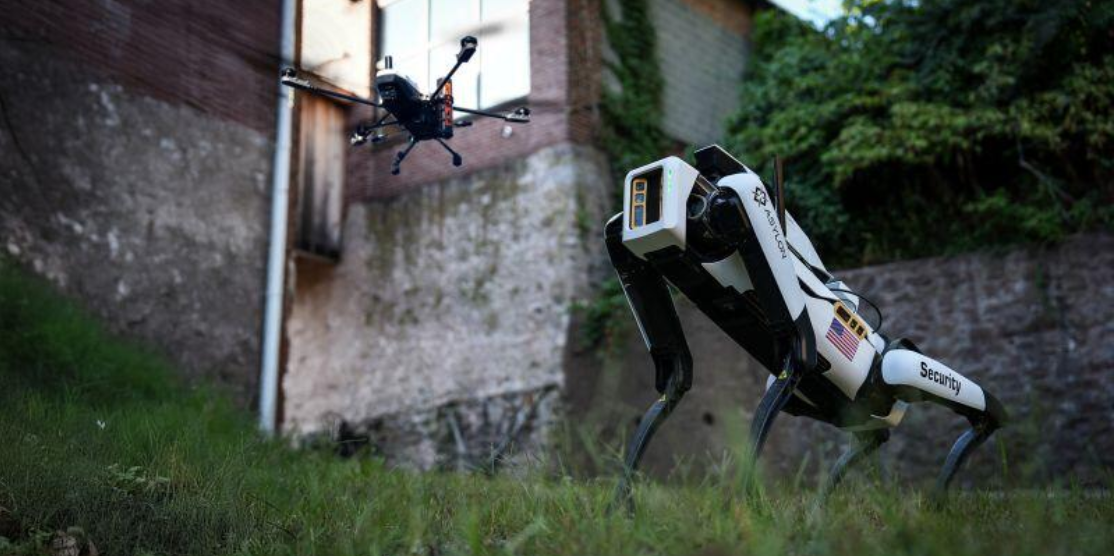
U.S. Air Force Transforms Aircraft Inspections with Asylon's Robot Dog and Drones
The U.S. Air Force's Warner Robins Air Logistics Center has awarded Asylon a Phase III SBIR contract to advance the MARIA system, integrating the Guardian drone and DroneDog robot dog for automated aircraft inspections. This system allows for rapid digital mapping of aircraft, significantly reducing inspection time from days to hours while eliminating the risks associated with manual high-altitude checks. The collaboration between the DroneDog and Guardian drone enables comprehensive inspections, identifying anomalies and defects autonomously. The data is transmitted in real-time to the DroneIQ platform, allowing maintenance personnel to review results through 2D workflows or 3D digital twin views. The system's core value lies in its speed and consistency, ensuring that inspections cover the same points each time, thus minimizing the randomness of manual checks. Currently programmed for the Lockheed C-5 and C-130 aircraft, the long-term goal is to expand the system's capabilities across all Warner Robins aircraft types and the broader Air Force logistics framework. Asylon aims to enhance the MARIA system with advanced AI anomaly detection and explore humanoid fleet management for concurrent maintenance tasks.
Robotic Inspection Aerospace Technology Drone Technology Automation Military Logistics
Leonardo DRS Combat Vehicle Successfully Engages 55-Pound Drones with Software Upgrade
A US armored air defense vehicle successfully engaged simulated Group 1 and Group 2 drones in a recent government test, showcasing its enhanced capabilities without new hardware. The demonstration, conducted by Leonardo DRS using the SGT STOUT mission equipment package on a Stryker armored fighting vehicle, utilized updated detection and fire-control functions to effectively counter smaller airborne threats. This advancement is significant as it supports the US Army’s Mobile Low, Slow UAS Integrated Defeat System program, which aims to improve air defense against evolving drone threats. The test specifically targeted drones weighing up to 55 pounds, which present unique challenges compared to larger aerial threats. The results indicate a promising direction for software-driven air defense capabilities that can adapt to changing operational needs. Looking ahead, the open architecture of the SGT STOUT system allows for future enhancements without major hardware changes, ensuring that the vehicle remains relevant as aerial threats evolve. No further timeline was disclosed at the time of publication.
Military
AI Enhances Software-Driven Automation by Reducing Operational Bottlenecks
Recent insights reveal that industrial automation is evolving beyond traditional definitions, which included PLCs, sensors, and robotics. Today, a significant challenge in manufacturing and engineering is not just physical bottlenecks but also delays caused by inefficient information workflows. Teams often wait for data to be manually rebuilt or reformatted, leading to operational inefficiencies. This shift in focus towards software-driven workflows highlights a critical opportunity for industrial organizations. While investments in physical automation have made machines faster and smarter, the surrounding workflows remain largely manual. The disconnect between various systems—such as engineering platforms and asset-management systems—creates unnecessary delays, as data handoffs often rely on human intervention. Going forward, organizations should prioritize connecting existing systems rather than seeking new software platforms. By addressing these software-driven bottlenecks, companies can unlock significant improvements in operational efficiency and streamline their processes. No further timeline was disclosed at the time of publication.
Factory / Sensors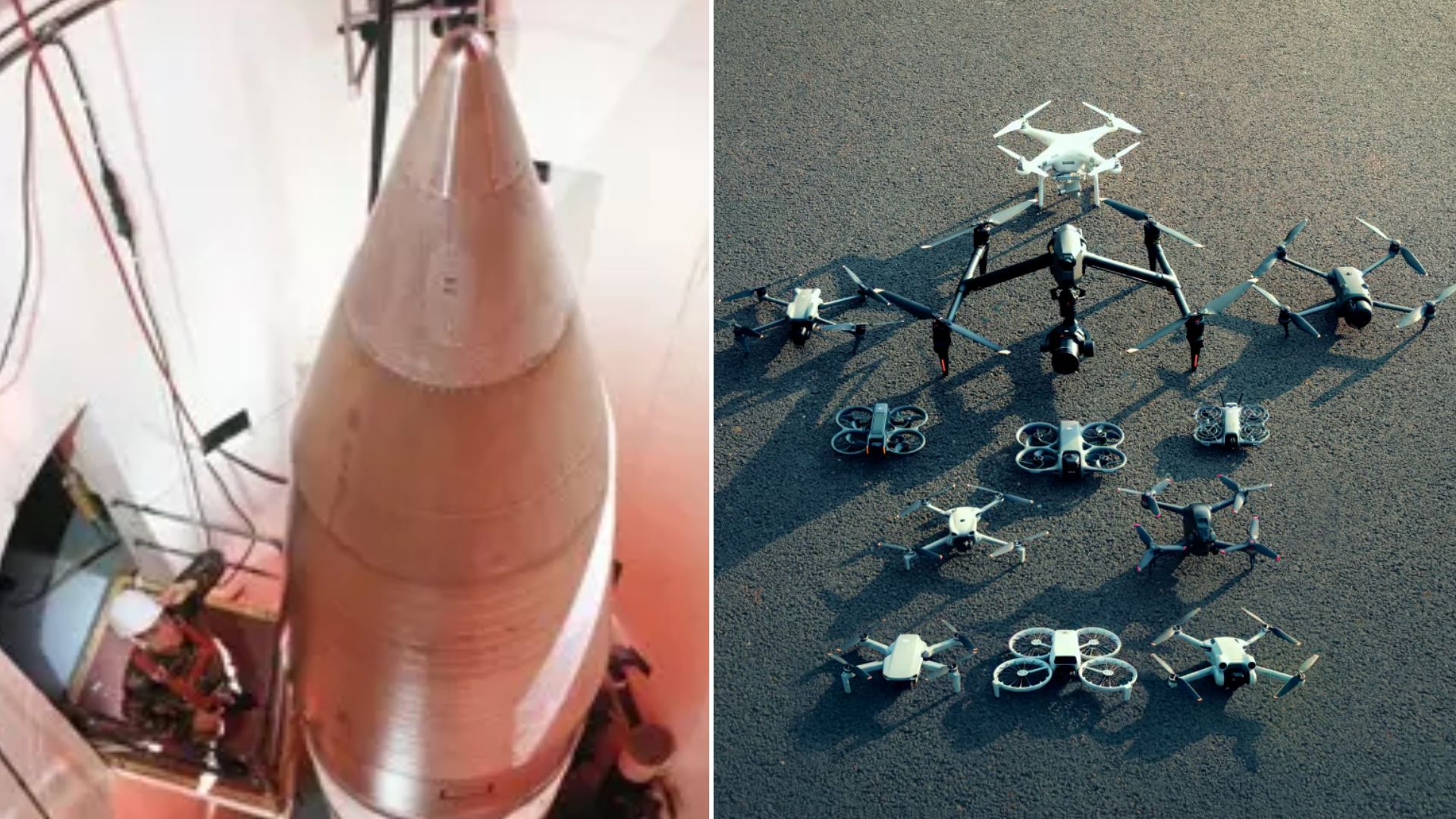
U.S. Air Force Plans to Acquire DJI Drones for Counter-Drone Training at Missile Base
The U.S. Air Force intends to purchase DJI drones for counter-drone training at F.E. Warren Air Force Base, which is part of the Minuteman III missile system. This initiative, led by the 90th Missile Security Operations Squadron, aims to enhance personnel's ability to detect and neutralize drone threats in the vicinity of the base. This procurement is significant as DJI drones dominate the commercial market, accounting for 80% to 85% of global sales, making them ideal for realistic training scenarios. The Air Force's decision to use these drones, despite existing restrictions on Chinese technology, highlights the need for effective training against prevalent drone threats, especially given the 350 reported incursions over U.S. military installations in 2024. Looking ahead, the Air Force plans to modify the acquired drones with RIZER software to ensure data security while allowing personnel to train against the unique characteristics of DJI systems. No further timeline was disclosed at the time of publication.
Military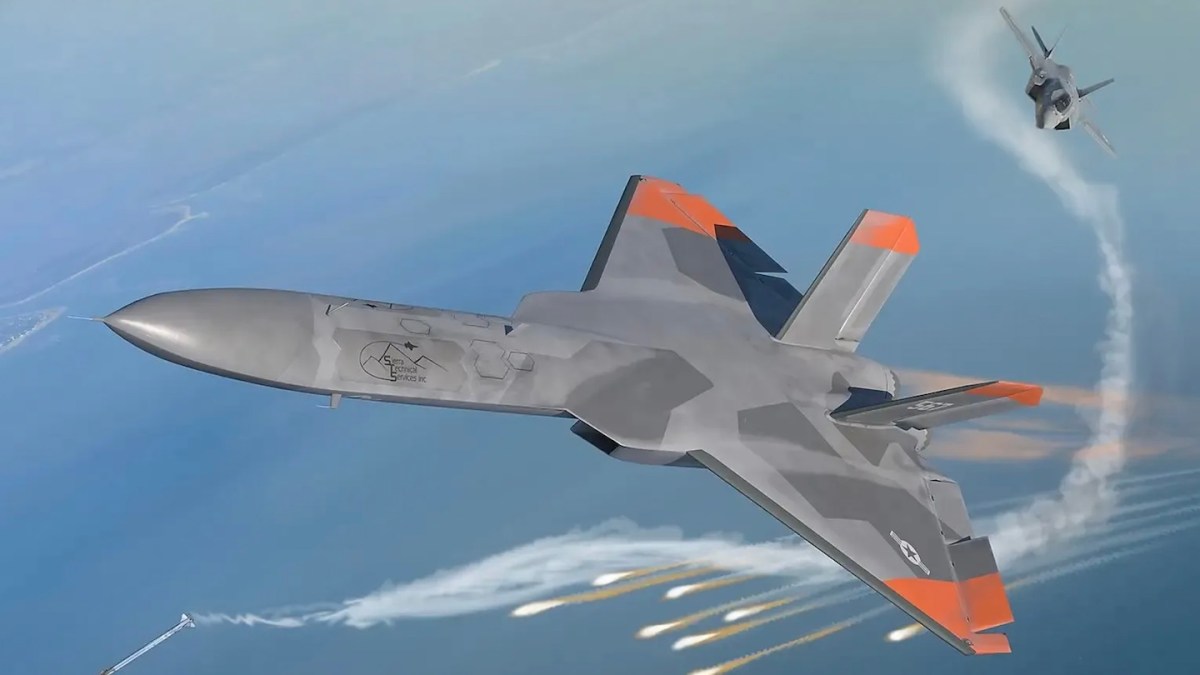
U.S. Air Force Seeks New Family of Expendable Target Drones for Diverse Threat Simulation
The U.S. Air Force is pursuing a new family of aerial targets designed to replicate a wide range of airborne threats, including stealth fighters and UAV swarms. This initiative aims to create realistic yet cost-effective targets that can be routinely used and destroyed during testing, as outlined in a recent Request for Information (RFI). The Air Force's requirements emphasize the need for these targets to be inexpensive and simple to manufacture, allowing them to be treated as expendable. This marks a shift from existing aerial targets like the QF-16, which is based on a converted fighter aircraft. The new targets are expected to leverage commercial technologies and manufacturing methods to enhance scalability and reduce costs. The proposed systems will cater to various threat categories, with specific requirements for advanced fighter aircraft, including supersonic capabilities and advanced radar cross-section profiles. Responses to the RFI are due by September 28, and the Air Force is particularly interested in non-traditional solutions that can offer advantages over legacy systems.
Air Air Forces Drones News & Features U.S. Air Force
FAA NextGen Fact Sheet Highlights Future Integration of Drones and Aircraft
On August 17, the Federal Aviation Administration (FAA) released a NextGen fact sheet detailing updates to the National Airspace System (NAS) and ongoing modernization efforts. The Next Generation Air Transportation System, or NextGen, has significantly advanced U.S. air traffic management technology, transitioning to digital communications, satellite navigation, and integrated data sharing. The FAA reports that NextGen programs are now operational and have generated $10.9 billion in benefits from 2010 to 2023. The modernization efforts include the implementation of over 20 capabilities across the country, enhancing air traffic management through technologies like Automatic Dependent Surveillance-Broadcast (ADS-B) and Performance Based Navigation. These advancements allow for more precise navigation and real-time data sharing, shifting the focus from traditional air traffic control to a more strategic, integrated management approach. The FAA emphasizes the importance of accommodating non-traditional aviation forms, including uncrewed aircraft systems (UAS). Looking ahead, the FAA is developing traffic management concepts to safely integrate UAS and other emerging aircraft into the NAS. Technologies such as DroneZone and the Low Altitude Authorization and Notification Capability (LAANC) are pivotal in supporting this growth. The agency is also exploring concepts for UAS Traffic Management and Urban Air Mobility, indicating a significant shift in airspace management strategies in the coming years.
Drone News Drone News Feeds Drones in the News FAA News ADS-B
Trump Implements 100 Percent Tariffs on Specific Drones and Aircraft Parts
President Donald Trump has announced a 100 percent tariff on imports of drones equipped with thermal cameras and those weighing over 25kg, along with all parts for unmanned aircraft of the same weight. Additionally, a 25 percent tariff will apply to smaller drones under 250 grams. This move follows a previous ban on foreign drones and aims to increase costs for existing imports. The tariffs are part of a broader strategy to encourage domestic production of unmanned aerial systems (UAS) and their components. Companies can avoid these tariffs by committing to manufacture drones or parts in the United States. The tariffs also feature reduced rates for certain countries, including a 15 percent tariff for the EU and others, contingent on local production of technology. Looking ahead, the Secretary of Commerce has been authorized to create a program to incentivize investment in U.S. production facilities for UAS. However, the legality of these tariffs has been challenged in court, raising questions about their long-term viability and impact on consumers and companies alike. No further timeline was disclosed at the time of publication.
News Policy
Accelerating Software and Agentic AI to Enhance Mission Success in Classified Networks
The article discusses the critical role of software and agentic AI in achieving mission success, particularly in classified environments. It emphasizes that while commercial prototypes may function well in controlled settings, the real challenge lies in effectively deploying these technologies across secure networks. This distinction is crucial for military and defense operations, where reliability and security are paramount. Understanding the difference between sandbox testing and real-world application is essential for organizations aiming to leverage AI in sensitive operations. The deployment of advanced AI solutions can significantly enhance operational efficiency and decision-making capabilities, making it imperative for stakeholders to prioritize these technologies. The article highlights the need for a strategic approach to integrate AI into existing frameworks, ensuring that mission objectives are met without compromising security. Looking ahead, organizations must focus on overcoming the challenges associated with deploying AI in classified networks. Continuous innovation and adaptation will be key to ensuring that software and agentic AI remain at the forefront of mission-critical operations. No further timeline was disclosed at the time of publication.
Networks & Digital Warfare Sponsored Post accenture Accenture Federal Services AI cyber security
Fire Point CEO Discusses Development of Missiles and Drones Against Russian Forces
Fire Point CEO Iryna Terekh recently shared insights on the company's evolution from a garage startup to a key player in missile and drone production. Amid ongoing threats from Russian missiles, Terekh highlighted the effectiveness of their FP-1 and FP-2 drones, as well as the new Flamingo cruise missiles, which enhance Ukraine's long-range capabilities. The significance of Fire Point's advancements lies in their strategic aim to counter Russian aggression. The FP-9 ballistic missile, designed to strike targets up to 500 miles away, and the FP-7.x interceptor, intended as a cost-effective alternative to Patriot systems, are pivotal in strengthening Ukraine's defense. Terekh's leadership has been crucial in navigating the challenges of weapon development under constant threat. Looking ahead, the status of the FP-9 program and the development of indigenous missile systems will be critical. Terekh's insights into the use of AI in weapon systems and the challenges faced during production highlight the innovative approaches being taken to ensure Ukraine's defense capabilities remain robust. No further timeline was disclosed at the time of publication.
News & Features Around The Globe Europe Land Land-Based Ballistic Missile Defense Russia
European Commission Allocates €3.47bn to Enhance Ukraine's Defence with Drones and Gripen Jets
The European Commission has announced the release of an additional €3.47 billion to bolster Ukraine's defence capabilities. This funding is part of the larger €90 billion Ukraine Support Loan initiative aimed at strengthening Ukraine's military resources amidst ongoing conflict. This financial support is crucial for Ukraine as it seeks to enhance its defence infrastructure, particularly through the acquisition of drones and Gripen jets. The infusion of funds is expected to significantly improve Ukraine's operational capabilities and readiness in the face of external threats. Looking ahead, stakeholders will be monitoring how this funding will be utilized in terms of procurement and deployment of military assets. No further timeline was disclosed at the time of publication.
News
Comparing Surface-to-Air Missiles and Interceptor Drones for Air Defense
The evolution of air defense strategies has been significantly influenced by the rise of drones, which present new challenges for traditional systems. While surface-to-air missiles (SAMs) are powerful against high-speed threats like fighter jets and cruise missiles, their high cost makes them less effective against inexpensive drones. This has led militaries to explore drone interceptors as a more economical alternative for neutralizing UAVs. Drone interceptors are designed to engage slower-moving targets, making them ideal for small reconnaissance and attack drones. These interceptors often utilize simpler airframes and components, allowing for a cost-effective response to low-value threats. The goal is to avoid using expensive missiles against cheaper drones, thus optimizing resource allocation in modern air defense. As military strategies continue to adapt, the effectiveness of both SAMs and drone interceptors will be crucial to watch. While SAMs excel in speed and engagement capabilities against fast-moving threats, the development of specialized drone interceptors may reshape air defense dynamics. No further timeline was disclosed at the time of publication.
Military
US Eases Export Controls for UAE, Enhancing Access to Drones and AI Technology
Washington's recent decision to ease export controls for the UAE is expected to enhance the country's domestic production of advanced drones and military hardware. The US Commerce Department's upgrade of the UAE to the A:5 export country group allows for easier access to dual-use technologies, including computer chips, which are vital for defense applications. This change is significant as it positions the UAE as a key player in the defense market, providing more flexibility for acquiring subsystems and components. Analysts believe this regulatory shift will not directly impact major arms deals like the F-35 or MQ-9 Reaper exports, but it creates a more permissive environment for the movement of controlled technologies, potentially shortening procurement timelines and fostering closer cooperation between American and Emirati defense firms. Looking ahead, the A:5 classification could benefit Emirati companies such as EDGE Group, allowing them to access essential components and technical cooperation. While the immediate effects on specific weapons sales remain uncertain, this designation opens doors for various defense programs, including potential collaborations in drone manufacturing.
Air Warfare Global Networks & Digital Warfare AI & Autonomy Air Force Arab countries
US Manufacturer to Produce Ukraine-Designed Magura Sea Drones for First Time
A US manufacturer is preparing to produce the Magura sea drones, which were designed and battle-tested in Ukraine. This initiative marks the first time these drones will be manufactured in the United States, reflecting a strategic move by the White House to enhance military production capabilities. The production of the Magura sea drones is significant as it aligns with the US government's efforts to expand its unmanned military arsenal. By incorporating these battle-tested drones into its inventory, the US aims to strengthen its defense capabilities and support Ukraine amid ongoing conflicts. Looking ahead, industry stakeholders will be monitoring the production timeline and potential deployment of the Magura sea drones. No further timeline was disclosed at the time of publication.
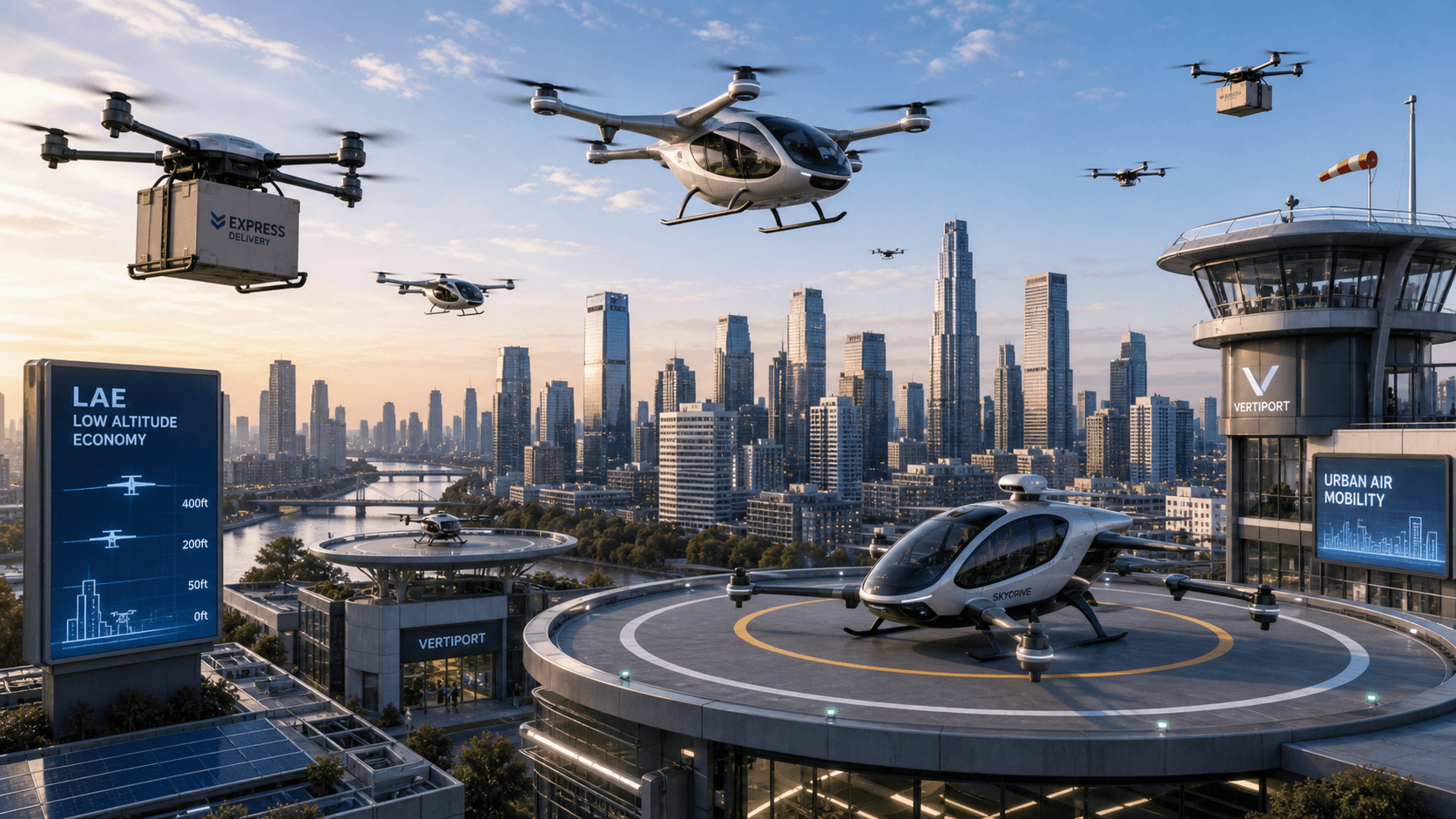
Low-Altitude Economy Experiences Rapid Growth with Logistics Drones and eVTOL Aircraft
The low-altitude economy is entering a significant growth phase as logistics drones, eVTOL aircraft, and airspace management systems converge. This convergence is marked by the commercialization of delivery drones and inspection robots, which are at the forefront of this emerging market. This development is crucial as it signifies an inflection point for the industry, highlighting the increasing demand for efficient logistics solutions and advanced airspace management. The integration of these technologies is expected to enhance operational capabilities and streamline delivery processes in various sectors. Looking ahead, stakeholders should monitor advancements in airspace management infrastructure and the deployment of logistics drones and eVTOL aircraft. No further timeline was disclosed at the time of publication.
Industry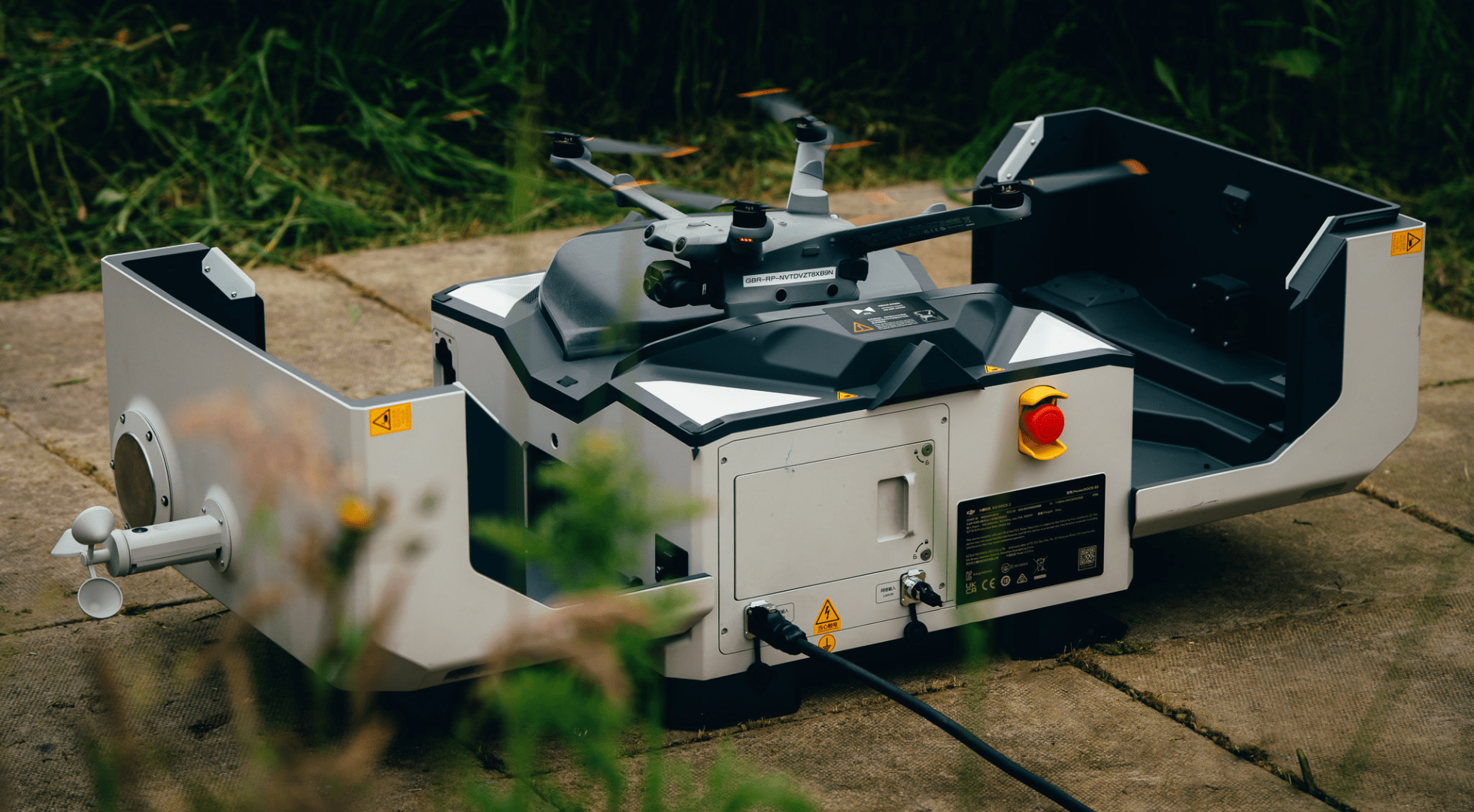
FCC Proposes Ban on Sales of Certain Military-Grade Foreign Drones to Reshape U.S. Market
The Federal Communications Commission (FCC) is advancing its initiative to reform the U.S. drone market by seeking public input on a proposed ban on the import, marketing, or sale of specific categories of foreign-produced military-grade drones listed on its Covered List. This move follows a previous decision to restrict certain foreign uncrewed aircraft systems due to national security concerns. This proposal is significant as it reflects the FCC's evolving strategy, which now includes establishing regulatory pathways for domestic manufacturers that comply with U.S. security standards. The FCC aims to provide greater certainty for companies investing in U.S.-based production while addressing potential national security risks associated with foreign drones. Comments on the proposed restrictions are due 30 days after the notice is published in the Federal Register. The FCC is also extending exemptions for trusted manufacturers until January 1, 2028, and has permanently removed expiration dates for certain approved drones and components, ensuring stability in the supply chain for compliant products.
Applications defense Defense Drone News Drone News Feeds Drone Swarms
CIA Reports AI Drones Reduce Russian Soldiers' Battlefield Survival to 30 Minutes
CIA Director John Ratcliffe revealed that Russian soldiers face a grim average survival time of just 20 to 30 minutes on the battlefield. This alarming statistic is attributed to the effectiveness of Ukraine's artificial intelligence attack drones. The implications of this development are significant, as it highlights the transformative impact of AI technology in modern warfare. The ability of these drones to swiftly neutralize threats poses a serious challenge to Russian military operations and strategy. Looking ahead, the ongoing advancements in AI drone technology will be crucial to monitor. The evolving capabilities of these systems may continue to shape the dynamics of battlefield engagements and influence military tactics on both sides.

Taiwan Secures Contracts for Sea Drones to Enhance Coast Guard Defense Against China
Taiwan has awarded contracts for dozens of sea drones to bolster its Coast Guard capabilities amid rising tensions with China. This decision reflects Taiwan's commitment to enhancing its maritime defense using U.S. technology as a countermeasure against China's expanding maritime operations in the region. The procurement of these sea drones is significant as it underscores Taiwan's proactive approach to strengthening its defense mechanisms in response to China's increasing maritime assertiveness. The move aims to enhance the Coast Guard's operational capabilities and ensure the security of Taiwan's waters. Looking ahead, further developments in Taiwan's defense strategy may emerge as the country continues to adapt to the evolving geopolitical landscape. No further timeline was disclosed at the time of publication.

AI Requires Not Only Smart Software but Also the Right Hardware for Success
Artificial intelligence (AI) is increasingly being adopted across various sectors, from robotics to industrial automation. Edge AI, which processes data directly on devices rather than in data centers, is seen as a significant development by over half of Dutch companies. However, many industrial SMEs face challenges transitioning from experimentation to large-scale implementation due to inadequate IT infrastructure and outdated machinery. The focus on AI is shifting from software and algorithms to the underlying hardware, as AI applications demand powerful processors and systems capable of processing large amounts of data locally and in real-time. Interest in specialized AI boards is growing, as these compact computing platforms are designed for edge AI applications, combining high computing power with low energy consumption. As new generations of AI boards deliver higher performance at lower costs, more organizations can implement AI in production environments. Starter kits and pre-configured platforms facilitate faster experimentation and integration of AI into existing systems, reducing the gap between pilot projects and practical applications. The importance of energy efficiency in modern AI hardware is also rising, underscoring the need for organizations to consider their hardware strategy early on to ensure successful AI projects.
Nieuws algemeen
OpenAI Launches Office Suite Features to Compete with Microsoft’s Software Offerings
OpenAI has unveiled new features at its Dev Day developer conference aimed at enhancing workplace productivity, directly competing with Microsoft’s office software. The standout feature, Space, allows users to collaborate with the ChatGPT chatbot and OpenAI’s AI agent personas, Dots, on various work tasks, creating a dynamic shared workspace. This move is significant as it marks OpenAI's expansion into the office software domain, traditionally dominated by Microsoft. CEO Sam Altman emphasized that users can interact with their pages and files in a more integrated manner, enhancing collaboration and productivity. Additionally, OpenAI introduced Pages, a word processor designed for human and AI collaboration, and collaborative slides, which can be created through conversation within ChatGPT. As OpenAI ventures further into Microsoft’s territory, it will be interesting to observe how Microsoft and other software companies respond. The competition is heating up as both sides release new AI products to adapt to the evolving software landscape. No further timeline was disclosed at the time of publication.
AI ChatGPT Microsoft OpenAI Salesforce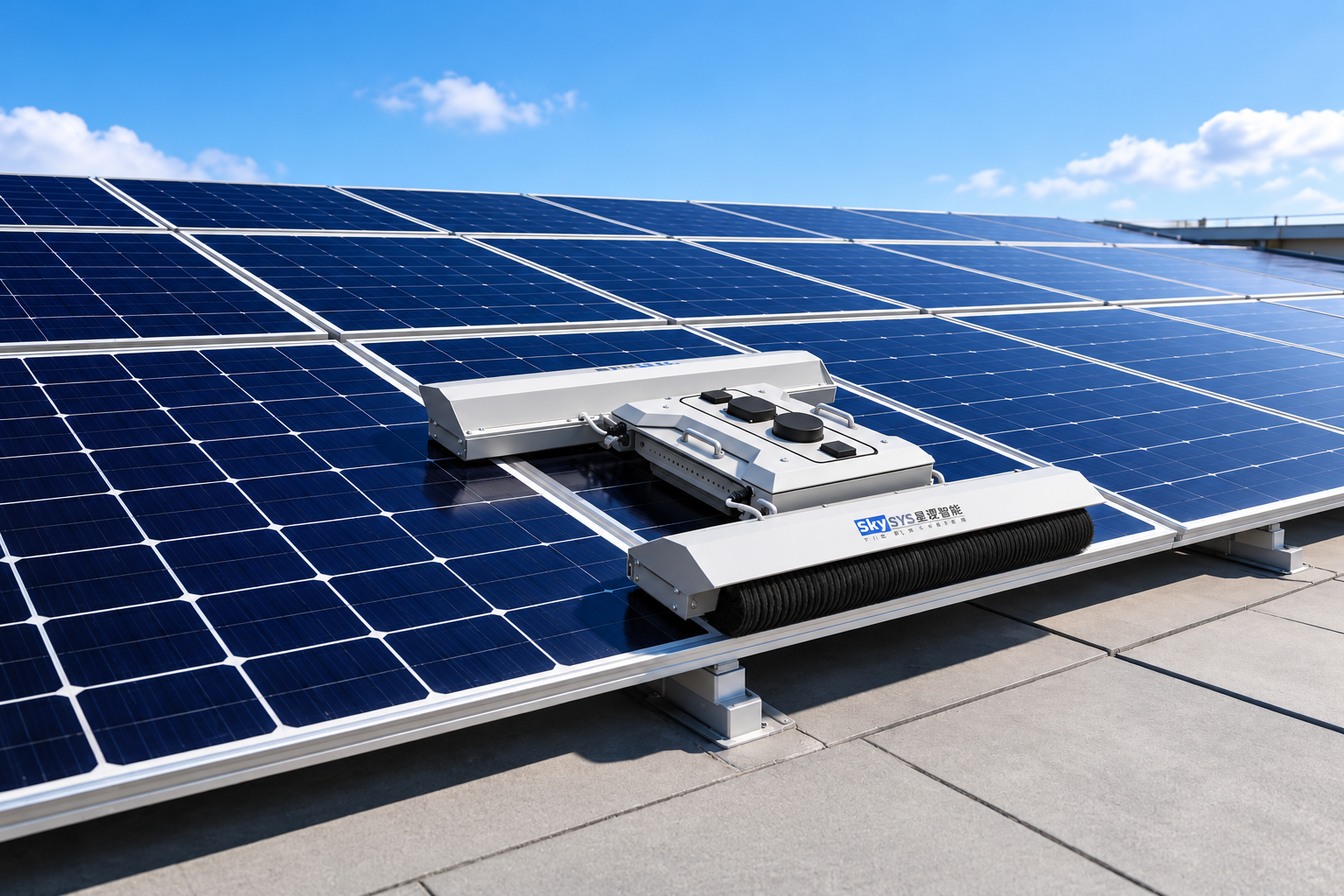
Drones and Robots Transform Renewable Energy Operations with Inspection and Maintenance Solutions
Skysys Intelligent Technology is pioneering the integration of drones and robots for renewable energy operations, particularly in inspection and maintenance tasks. Traditional methods of inspecting photovoltaic panels are labor-intensive and hazardous, but Skysys' systems have been deployed at over 1,400 renewable-energy sites, covering more than 40 GW of installed capacity. The collaboration between drones and robots is significant as it enhances efficiency and safety in the renewable energy sector. By automating inspections and maintenance, Skysys addresses the challenges of manual inspections, which can be time-consuming and risky. The company has raised over RMB 100 million in funding to further develop its renewable-energy robots and expand their applications in urban environments. Looking ahead, Skysys is focusing on evolving its product line from inspection to maintenance, recognizing that identifying issues is only part of the solution. The introduction of maintenance robots aims to improve operational efficiency in solar and wind energy sectors, marking a shift towards more comprehensive solutions in renewable energy infrastructure. No further timeline was disclosed at the time of publication.
Heavy Hitters
SiMa.ai Achieves $1.45 Billion Valuation with $150 Million Series C Funding Round
SiMa.ai has successfully raised $150 million in Series C financing, increasing its total funding to $500 million and achieving a valuation of $1.45 billion. This funding round was co-led by Fidelity Management & Research Company and Amplify, with new investments from AllianceBernstein, Baron Capital, J.P. Morgan, and the State of Michigan. The significance of this funding lies in SiMa.ai's position as a leader in Physical AI, which is crucial for advancing technologies in humanoids, automotive applications, and drones. The participation of notable investors highlights the growing interest and confidence in the potential of Physical AI to transform various industries. Looking ahead, SiMa.ai's continued focus on scaling its technology will be critical. The company aims to leverage this funding to enhance its capabilities in Physical AI, although no further timeline was disclosed at the time of publication.
US Air Force Receives First Collaborative Combat Aircraft for Autonomous Warfare Trials
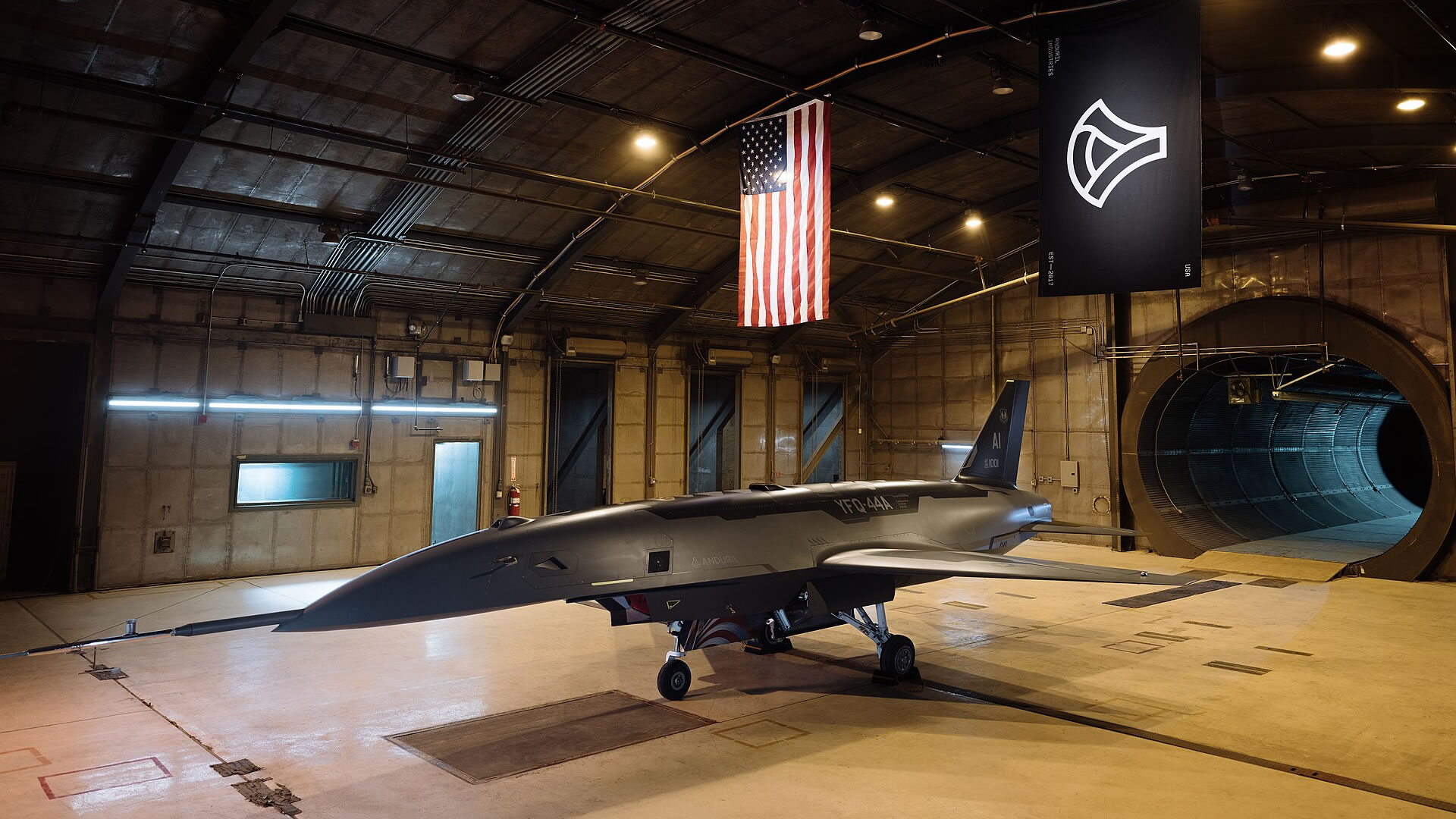
The United States Air Force (USAF) has received its first two Collaborative Combat Aircraft (CCA) designs, the YFQ-44A 'Fury' and YFQ-42A 'Vengeance', at Creech Air Force Base, Nevada. These aircraft will be tested for their operational capabilities alongside crewed fighters in contested airspace. The introduction of CCAs is significant as they are designed to be semi-autonomous and provide a cost-effective solution for missions in high-risk environments. They can carry payloads for offensive and defensive actions, allowing crewed aircraft like the F-35 to operate more safely while coordinating with the CCAs. Moving forward, the USAF will focus on operational experimentation with the CCAs, determining logistics such as the number of personnel required for operation and the optimal handling of multiple CCAs by a single pilot. No further timeline was disclosed at the time of publication.
AI and Robotics Military
Toborlife AI Introduces Full-Body Teleoperation Software for Unitree G1 Humanoid Robot
Toborlife AI has launched its full-body teleoperation software for the Unitree G1 Edu humanoid robot, marking a significant advancement for US research labs and universities. This software provides a domestic solution for data collection, training, and support, ensuring that training data remains on customer hardware within the United States. The introduction of this teleoperation system is crucial as it addresses the gap in software and support for humanoid robotics in the US, where teams have struggled to integrate various open-source libraries. With the ability to control the G1 Edu in real time using a PICO VR headset, operators can perform tasks with high precision, capturing data that is immediately usable for training and model validation. Looking ahead, Toborlife AI's commitment to providing US-based technical support and training will be essential for labs aiming to leverage humanoid robots effectively. No further timeline was disclosed at the time of publication.
Humanoids News Software artificial intelligence dexterous hands dexterous manipulation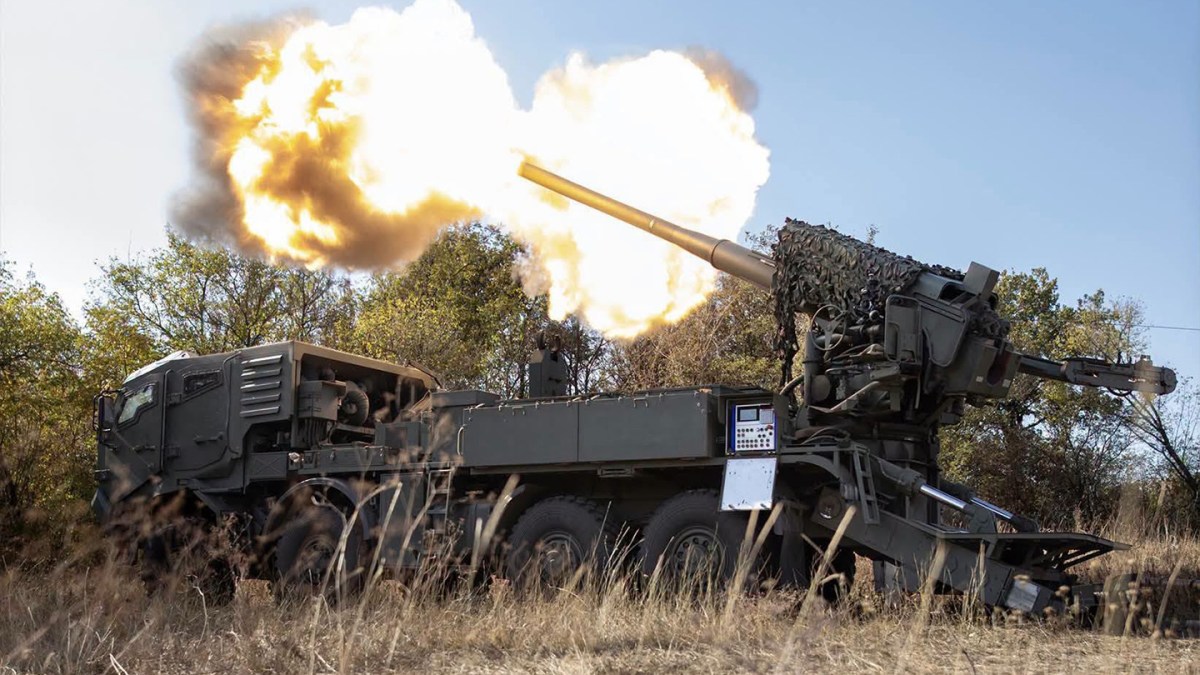
Ukraine's Artillery Adapts to Drone Warfare Dynamics Amid Ongoing Conflict
Since the onset of Russia's invasion, the role of artillery in Ukraine has evolved significantly, with drones now dominating the battlefield. Lt. Col. Vitalii Korniienko, commander of the 7th Artillery Brigade, highlighted the integration of artillery and drones to enhance combat effectiveness. While drones conduct the majority of strikes, artillery remains crucial for specific tasks that drones cannot accomplish, particularly in areas affected by electronic warfare. The shift in warfare tactics emphasizes the need for artillery to adapt to the changing landscape, where traditional massed fire is no longer viable. Korniienko pointed out that the cost-effectiveness of using drones for targeting has led to a strategic rethinking of artillery deployment. Artillery is now used in conjunction with drones to provide cover and engage targets that are out of reach for drones, ensuring that both systems complement each other. Looking ahead, the continued integration of ground-based robotic systems for logistics and the ongoing evolution of artillery tactics will be critical. As the conflict progresses, the ability to effectively combine these technologies will determine operational success on the battlefield. No further timeline was disclosed at the time of publication.
News & Features Around The Globe Artillery Europe Land Russia
Ema Secures $77 Million Funding to Automate Corporate Processes with AI Technology
Ema, a startup specializing in AI-driven automation for HR, IT, and finance, has successfully raised $77 million in a Series B funding round. This investment, led by Creaegis, along with contributions from existing investors like Accel and Prosus, elevates Ema's total funding to $140 million and significantly increases its valuation since its last round in 2024. The significance of this funding lies in Ema's ambition to disrupt traditional enterprise software and IT services by deploying its innovative 'AI employees' technology. This approach allows businesses to automate multi-step processes across existing applications, potentially reducing reliance on conventional software products, including SaaS offerings. Looking ahead, Ema is positioned to expand its market presence, having already secured over 50 enterprise deals and more than 1 million active users. With a remarkable 50-fold revenue growth over the past two years and a net dollar retention rate of around 180%, the startup is set to continue its trajectory in the competitive landscape of enterprise automation.
Enterprise Startups AI Accel section 32 AI agents
Hai Robotics Expands Leadership Team in Americas for Enhanced Operations and Manufacturing
Hai Robotics has enhanced its leadership team in the Americas with key appointments across various sectors including software, supply chain, and manufacturing. This strategic move aims to bolster the company's capabilities in supporting the entire customer journey, from solution development to U.S.-based manufacturing. The expansion is significant as it aligns with Hai Robotics' commitment to improving local service and operational responsiveness in the Americas, particularly in Alpharetta, Georgia. The new leadership will enable the company to better meet evolving customer needs and sustain regional growth, reinforcing its position in the competitive warehouse automation market. Looking ahead, Hai Robotics plans to continue investing in infrastructure and operational expertise to adapt to the changing demands of its customers. No further timeline was disclosed at the time of publication.
Warehouse Automation Supply Chain Management Logistics Manufacturing Customer Support
Hai Robotics Expands Leadership Team in Americas for Enhanced Operations and Manufacturing
Hai Robotics has bolstered its leadership team in the Americas with key appointments across various sectors, including software and manufacturing. This strategic move aims to enhance the customer journey by improving solution development, software integration, and supply chain execution. The expansion is significant as it aligns with Hai Robotics' commitment to providing responsive, locally supported services in the Americas, particularly with its growing presence in Alpharetta, Georgia. The new leadership will enable the company to better meet evolving customer needs and sustain regional growth. Looking ahead, Hai Robotics is focused on building an organization that anticipates future customer requirements. CEO Adrian Stoch emphasized the importance of having the right capabilities and infrastructure in place to adapt to the complexities of customer operations as they evolve. No further timeline was disclosed at the time of publication.
Warehouse Automation Supply Chain Management Logistics Manufacturing Customer Support
EagleNXT Delivers eBee VISION Drone Kits to U.S. Army Training Center
EagleNXT has successfully delivered nine eBee VISION drone kits to the U.S. Army’s National Training Center located at Fort Irwin, California. This shipment fulfills an order announced in April 2026 and marks a significant step in the company's commitment to domestic production of drones and sensors in the United States. The delivery is crucial as it supports the Army's training operations, particularly in opposing force exercises and counter-drone instruction. EagleNXT's CEO, Bill Irby, emphasized that establishing their headquarters in Allen, Texas, was aimed at achieving domestic production, which is now a reality. The eBee VISION drone is designed for intelligence, surveillance, and reconnaissance, boasting features such as a 90-minute flight time and a video link range of up to 12 miles. Looking ahead, EagleNXT's operations in Allen are expanding, with the recent launch of the updated MicaSense RedEdge-MX sensor for commercial customers. This dual focus on defense and commercial markets indicates a strategic approach to enhance production capabilities while meeting diverse customer needs. No further timeline was disclosed at the time of publication.
Applications Defense Drone News Drone News Feeds News Army drones
China Launches Components for Orbital Datacenter: AI Compute, Cloud Software, and Laser Links
On September 23, it was reported that China has successfully launched key components for an orbital datacenter. These components include on-board AI computing capabilities, cloud-native satellite software, and advanced 100 Gbps-class laser communication links, developed through multiple concurrent programs. This development is significant as it represents a major step forward in China's capabilities in space technology and satellite communications. The integration of AI and cloud-native software into satellite systems could enhance data processing and transmission efficiency, positioning China as a competitive player in the global space industry. Looking ahead, industry observers will be keen to monitor the progress of these programs and their potential applications in various sectors. No further timeline was disclosed at the time of publication.

Unauthorized Drone Activity Halts Flights at Luxembourg Airport on September 18
On the night of September 18, unauthorized drone activity temporarily halted operations at Luxembourg Airport, diverting 19 incoming flights. The Luxembourg government confirmed that unidentified drones were visually observed in the airspace around Findel, prompting immediate airspace closure for safety reasons. Operations resumed around 1:20 a.m. on September 19 after inspections deemed no immediate risk to aviation safety. This incident highlights the significant impact unauthorized drone activity can have on airport operations, affecting passenger safety and airline schedules. The airport operator, lux-Airport, noted that delays could persist as airlines worked to restore normal operations. The Luxembourg government activated its interministerial drone assessment group to address the situation, with Prime Minister Luc Frieden coordinating with various ministers and agencies. Authorities continue to investigate the incident, having deployed additional detection resources and monitoring reports of suspected drones. As of September 21, the assessment group remains active, emphasizing the need for vigilance regarding unauthorized drone activity in airspace. No further timeline was disclosed at the time of publication.
Drone News Drone News Feeds News airport drone disruption Airport Security aviation safety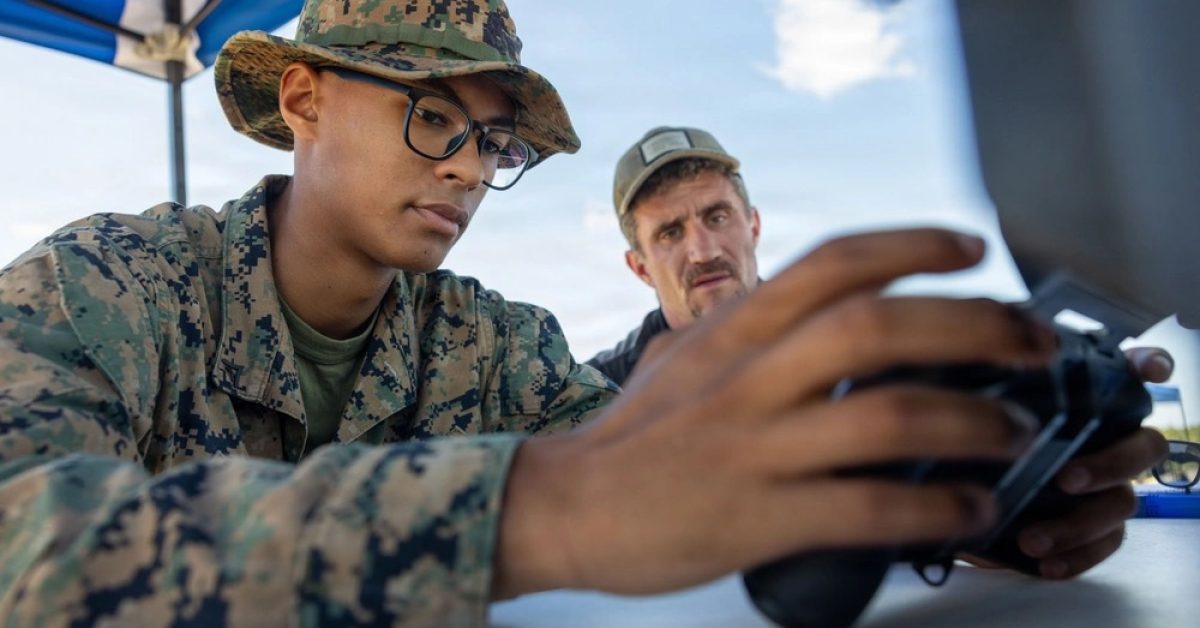
US Marine Corps Demonstrates Drone Training with Skydio's X2D for Enhanced Operations
The US Marine Corps has released a video showcasing training exercises with Skydio's X2D drone, highlighting its integration into military operations. This small drone is utilized for reconnaissance missions, allowing Marines to gain essential skills in operating UAVs effectively. The significance of this training lies in the Department of Defense's directive for better technology integration within military units by 2025. The Marines are establishing a Military Occupational Specialty for sUAS Operators, enabling them to utilize drones in the field without relying on specialized units. Looking ahead, the military's interest in drones is expanding beyond reconnaissance to include attack capabilities and medical supply delivery. Companies like Malloy Aeronautics are developing drones for rapid response, indicating a shift in military logistics and operational strategies.
NewsRobotics needs a service framework.
RSF defines a common language for robot service capability, lifecycle operations, certification pathways, and service-provider networks.
Join the RobotToday community on LinkedIn
Daily robotics news, in-depth analysis, conference highlights, and discussions with professionals worldwide.