

Industry Briefing
A single destination for timely, editor-curated robotics news from around the world.
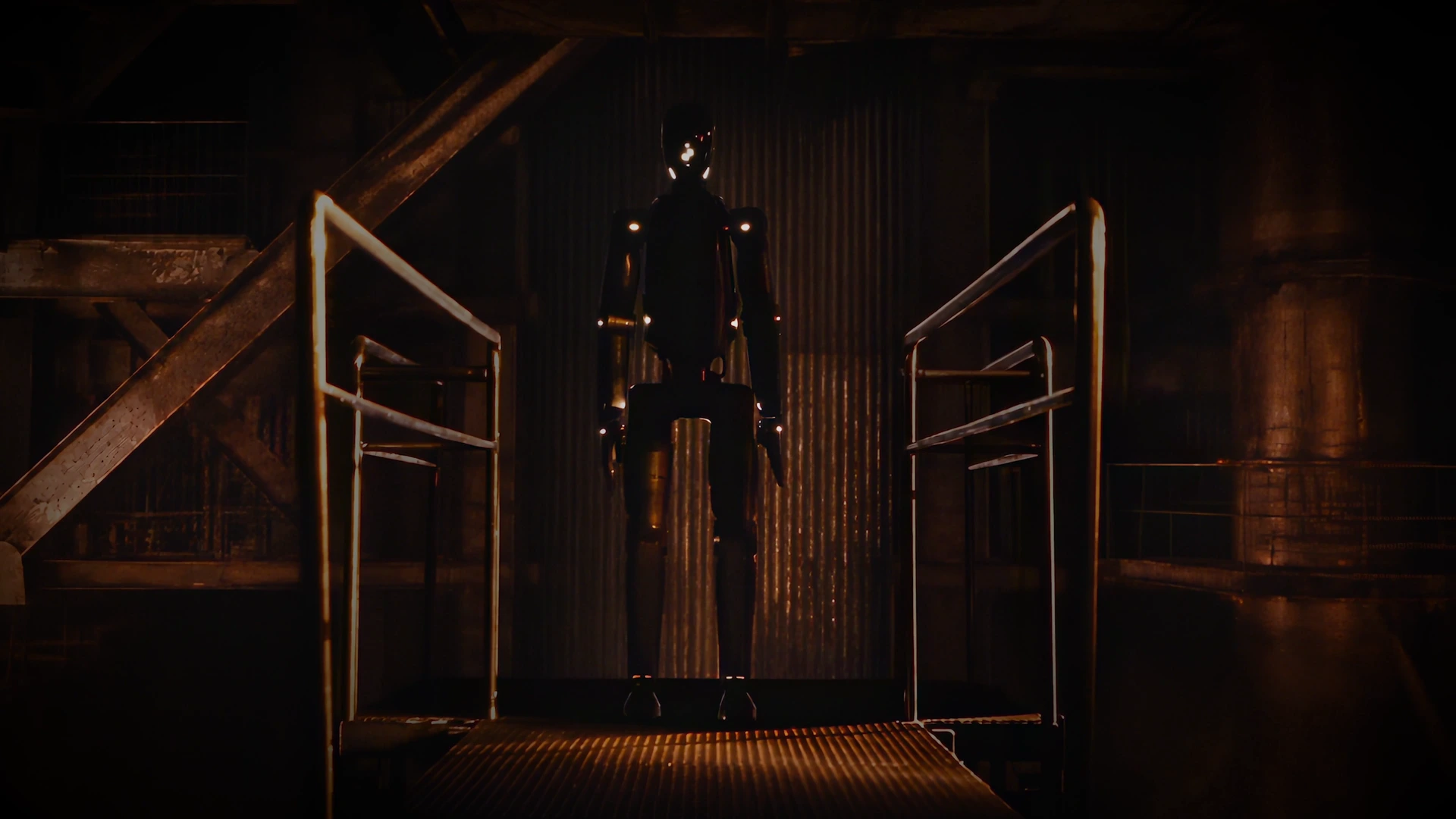
Figure CEO Brett Adcock Teases Terminator-Style Farewell for Figure 02
Figure CEO Brett Adcock hinted at a dramatic farewell for Figure 02, posting a teaser video on September 28 that echoes scenes from Terminator 2. The video concludes with a date, 09.30.26, suggesting a planned retirement ceremony for the humanoid robot. This potential sendoff is significant as Figure 02 has been a vital asset for the company, described by Adcock as a 'workhorse.' However, due to space constraints at headquarters, the decision to retire the robot was made. Adcock previously sought suggestions for a fitting farewell, indicating the importance of the robot to the team. Looking ahead, the response to the farewell options has been overwhelmingly in favor of a dramatic destruction, with 46.3% of voters choosing to 'BLOW THEM UP.' The involvement of Arnold Schwarzenegger adds a unique twist to the narrative, as he suggested melting the robots. No further timeline was disclosed at the time of publication.
Brett Adcock US Figure
Brett Adcock Predicts Humanoids Will Require More Data and Compute Than LLMs
Figure CEO Brett Adcock has stated that scaling humanoid robots will necessitate hundreds of billions of dollars in investment and more data and computational power than large language models (LLMs). In a recent interview, he outlined a four-stage development process for humanoids, emphasizing the need for capable hardware and advanced AI control architecture. Adcock's insights highlight the significant engineering challenges involved in expanding humanoid intelligence and production capabilities. He argues that simply providing a large budget to an inexperienced team will not guarantee success, drawing parallels to the complexities of developing orbital rockets. The focus is on ensuring that the robot's architecture functions effectively before investing in training data and compute resources. Looking ahead, Adcock predicts that the requirements for training data and computation in humanoids will exceed those of LLMs, although he did not provide specific quantitative comparisons. Figure's response to the data challenge includes its Index project, aimed at collecting high-quality recordings of physical tasks, which was initiated after finding external data sources inadequate.
Figure AI manufacturing
Innovative Quadcopter Replaces Propellers with 3D Printed Radial Impellers
A new quadcopter design has emerged that replaces traditional propellers with 3D printed radial impellers, showcasing a novel approach to drone technology. This innovation is significant as it highlights the potential for advanced manufacturing techniques, such as 3D printing, to enhance drone performance and efficiency. As the industry evolves, the implications of such technologies could lead to more versatile and capable aerial vehicles, making it essential to monitor further developments in this area.
AI and Robotics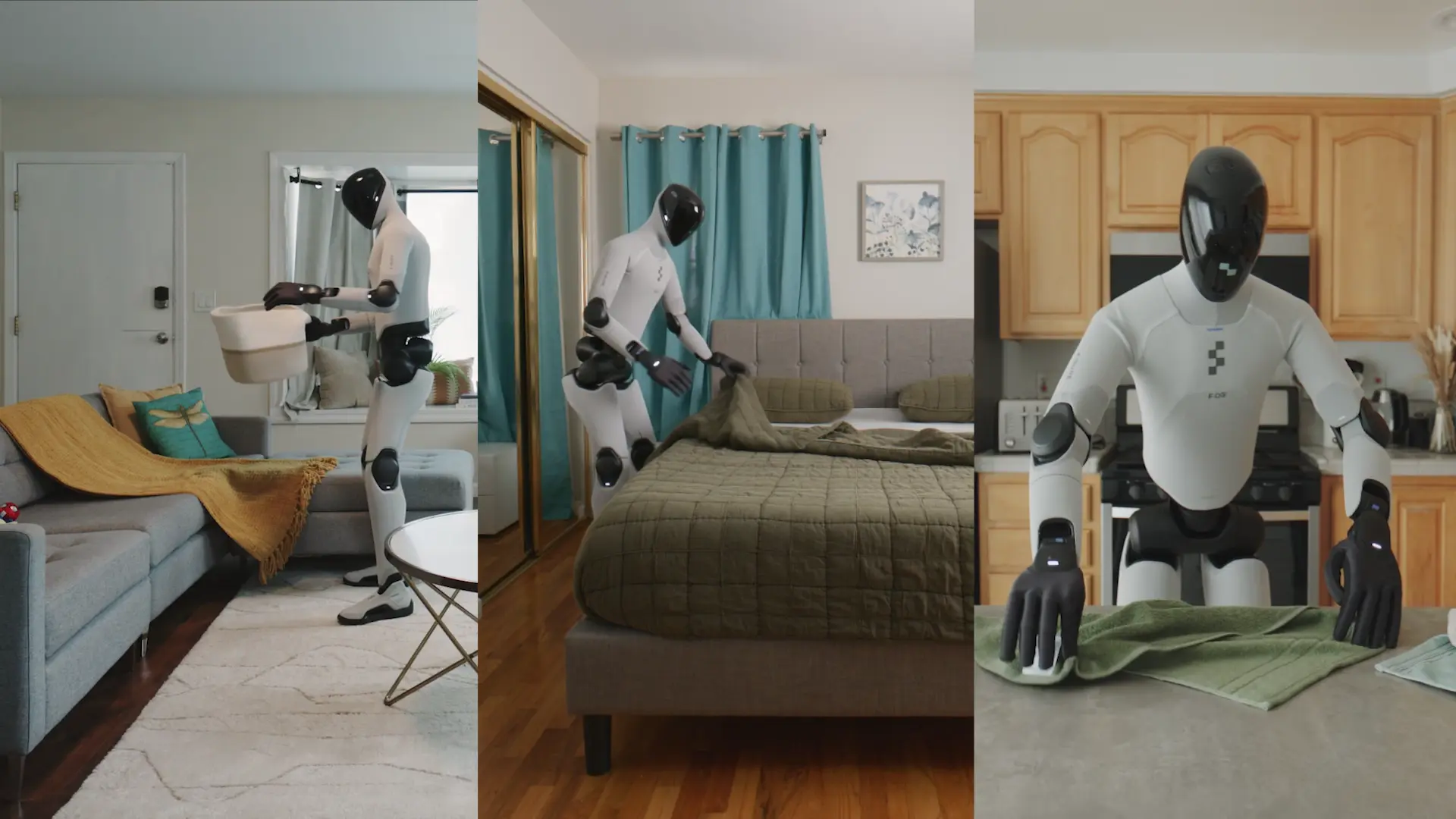
Brett Adcock Discusses Figure 04 as the Largest Hardware Advancement for Figure
Brett Adcock, CEO of Figure, announced that Figure 04 will mark the most significant hardware enhancement in the company's history. During a livestream on September 17, he outlined a four-stage roadmap for scaling humanoid manufacturing, emphasizing the need for engineering breakthroughs in the initial stages of development. Adcock highlighted that while financing is essential, it cannot replace the necessity for a skilled engineering team to solve complex problems related to hardware and autonomy. He stressed that manufacturing capacity is ineffective if the robots produced cannot perform the required tasks, placing Figure at the early stages of scaling intelligence. The recent Helix 2.5 announcement revealed 237 successful trials out of 420, showcasing tasks like bed making and towel folding. Adcock clarified that the variety of human activities recorded for training should not be confused with the robot's current capabilities, indicating ongoing development in the intelligence-scaling phase.
Figure-04 Figure helix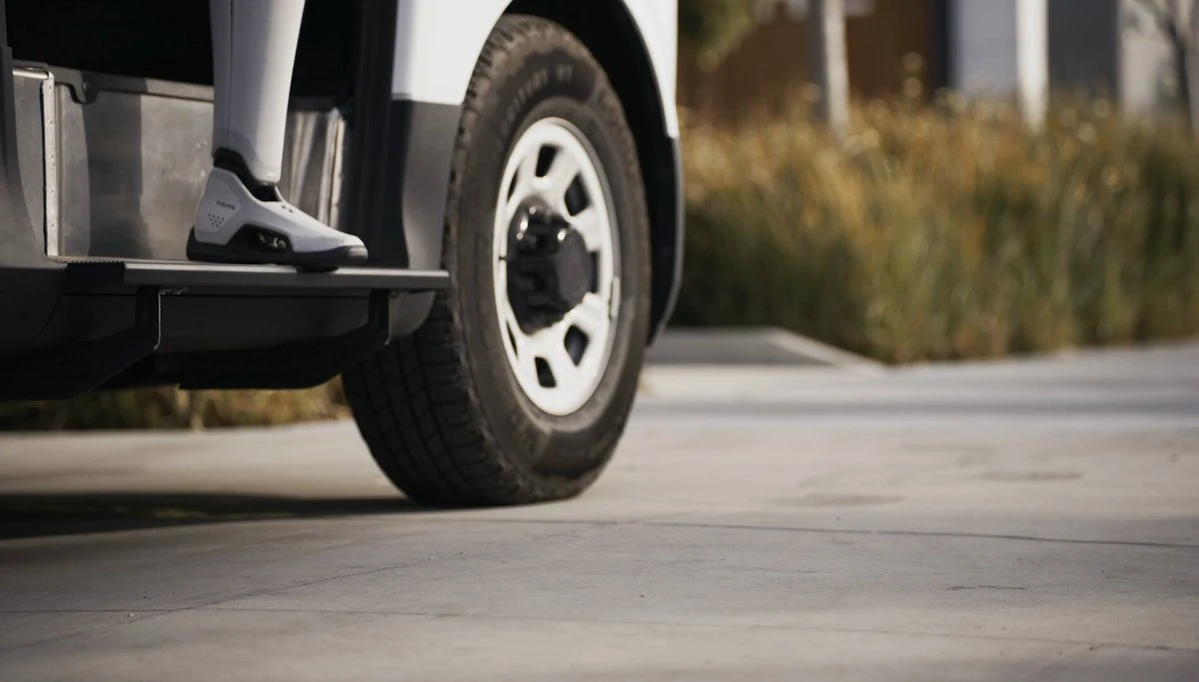
Brett Adcock Shares Clip of Figure 03 Humanoid Robot Exiting Vehicle
Brett Adcock, CEO of Figure, recently shared a brief video clip featuring a humanoid robot stepping out of a vehicle. This seven-second clip, posted on September 14, resembles a scene from the Figure 03 launch video, which showcased the robot delivering a parcel to a home on October 9, 2025. The significance of this clip lies in its potential implications for Figure's delivery vision. While the earlier launch video established delivery as a key use case, the new footage does not confirm any commercial operations or partnerships. The absence of a parcel in the clip leaves its purpose ambiguous, whether as a standalone moment or a precursor to a future announcement. Looking ahead, it remains uncertain if this video will lead to a formal delivery demonstration or further developments from Figure. No additional timeline was disclosed at the time of publication.
Brett Adcock US Figure
Figure CEO Brett Adcock Highlights ROI from Humanoids Amid Labor Shortages
Brett Adcock, CEO of Figure AI, asserts that humanoid robots are already providing return on investment as companies face severe labor shortages. In a recent podcast, he emphasized that the focus has shifted from merely proving hardware functionality to addressing critical workforce needs for enterprise clients. Adcock pointed out that while many companies are increasing production, the real challenge lies in developing intelligent robotic systems rather than just mass-producing hardware. He compared unintelligent robots to early consumer drones, which were often difficult to operate and quickly abandoned, highlighting the importance of achieving human-level intelligence in robots. Figure has recently celebrated the completion of its 1,000th engineering validation test robot for the Figure 03 generation, marking a significant milestone for the $39 billion startup. Adcock noted that the modularity of humanoid components makes scaling production easier compared to automobile manufacturing, allowing Figure to deploy robots to its commercial customers effectively.
Brett Adcock US Figure Figure-03
Samsung and Broadcom Forge $200 Billion AI Memory Chip Partnership
Samsung and Broadcom have announced a significant $200 billion deal aimed at enhancing their competitive edge in the AI hardware market. This collaboration is expected to address the growing demand for integrated semiconductor technologies, as highlighted by Young Hyun Jun, Samsung's vice chairman and CEO of the device solutions division. The partnership is poised to deliver greater value to customers while advancing future AI infrastructure. The importance of this deal lies in its potential to position Samsung and Broadcom against competitors like TSMC in the rapidly evolving AI hardware landscape. Both companies have reported record revenues, with Broadcom attributing its success to the surge in AI semiconductor revenue. Similarly, Samsung's quarterly performance has been bolstered by innovations in AI technology and a proactive market response, particularly in its memory business. Looking ahead, the collaboration is expected to drive advancements in AI infrastructure and semiconductor technology. No further timeline was disclosed at the time of publication, but the ongoing partnerships between these tech giants and other industry leaders indicate a robust future for AI-driven semiconductor innovations.
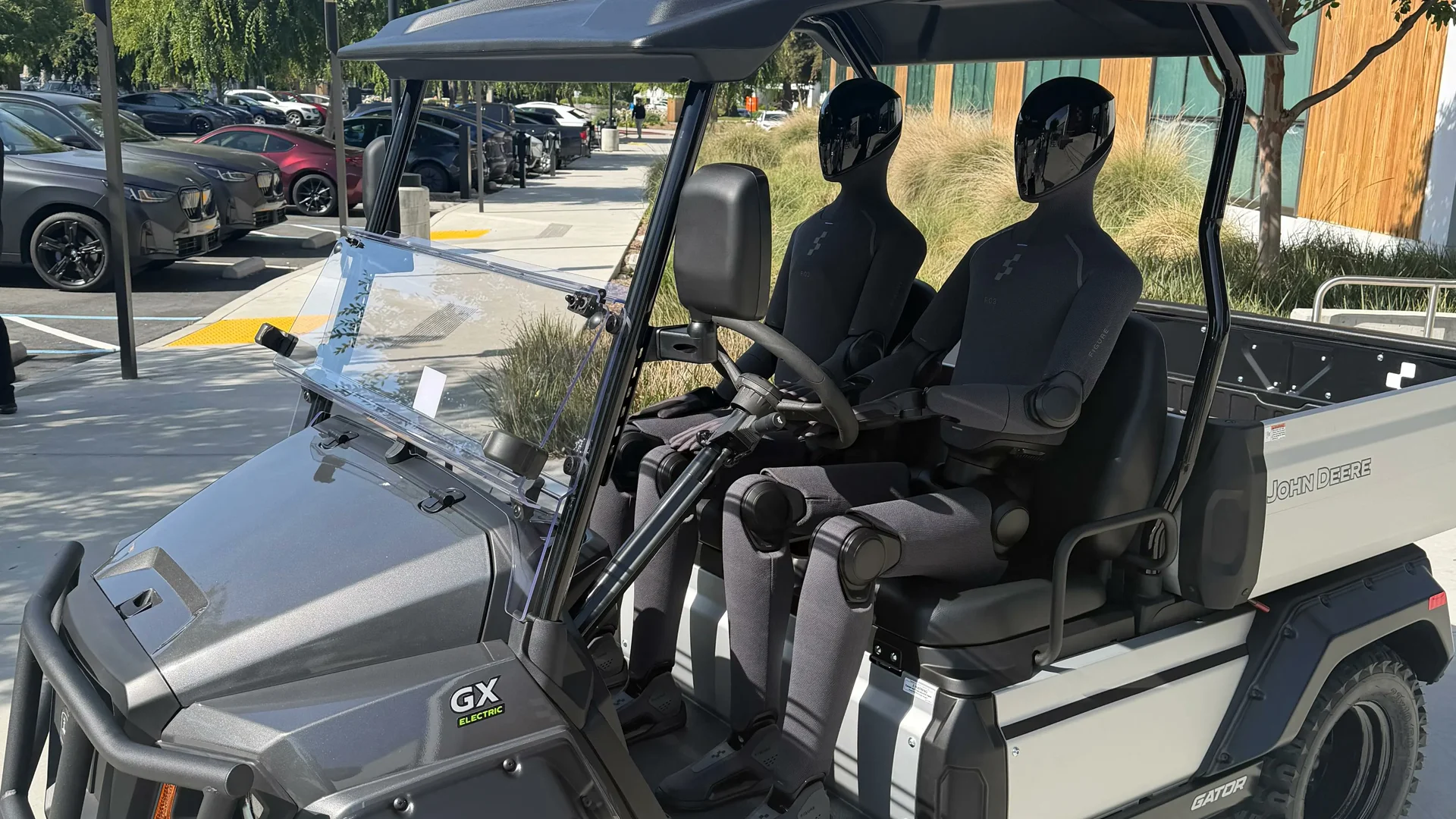
Figure CEO Brett Adcock Announces Livestream to Showcase Autonomous Operations
Brett Adcock, CEO of Figure, has announced a livestream event to demonstrate the company's autonomous operations following a challenge from Dr. Scott Walter. Walter, a veteran in industrial automation, questioned the utility of humanoid robots until they can perform an 8-hour shift autonomously. Adcock's commitment to livestreaming aims to provide transparency and proof of Figure's capabilities, particularly regarding their Helix 02 architecture. This livestream is significant as it comes at a time when Figure is under scrutiny for its public demonstrations, with some industry peers alleging hidden teleoperation. Adcock has previously dismissed these claims, asserting that Figure's robots utilize advanced technology to operate autonomously. The event is expected to showcase the robots' ability to maintain a sub-3-second throughput over an extended period, which could solidify Figure's position in the competitive landscape of industrial automation. Looking ahead, the livestream scheduled for tomorrow will be a critical test for Figure's claims and could serve as a powerful marketing tool for both the company and its investors. No further timeline was disclosed at the time of publication.
Scott Walter US Figure Figure-03
NVIDIA Expands AI Solutions for Media and Streaming at IBC 2026
At the IBC 2026 conference in Amsterdam, NVIDIA announced significant enhancements to its NVIDIA AI for Media suite, aimed at revolutionizing live production and streaming workflows. The new offerings include GPU-accelerated software development kits, microservices, and tools designed to improve video authenticity, content localization, and augmented reality effects. This expansion is crucial as media companies increasingly adopt AI technologies to enhance their production capabilities without disrupting existing broadcast environments. The NVIDIA Synthetic Video Detector (SVD) microservice, which boasts an accuracy of 99.3% for text-to-video content, is being integrated into workflows by companies like Dalet and TwelveLabs to ensure content authenticity and compliance. Looking ahead, organizations can expect to leverage NVIDIA's advancements in real-time video analysis and human motion tracking. The integration of SVD into various platforms will enable broadcasters and streaming providers to enhance their content verification processes and improve audience engagement through innovative applications. No further timeline was disclosed at the time of publication.

California Startup Develops Tube-Launched Quadcopter for U.S. Military Defense
A California-based startup, founded by a 22-year-old Ukrainian software engineer, is developing a tube-launched, foldable quadcopter designed to counter unmanned aerial systems (UAS). The company aims to market this innovative defense technology to the U.S. military, targeting the rising threat of drone and missile attacks. Specific metrics regarding the quadcopter's capabilities and launch timeline have not been disclosed. This initiative is significant as it addresses the increasing frequency and sophistication of drone warfare, which poses challenges to military operations. By making drone attacks financially burdensome, the startup hopes to deter potential aggressors and enhance national security. The focus on a compact, easily deployable system aligns with current military needs for versatile and effective countermeasures against aerial threats. Looking ahead, the startup's next steps include securing partnerships with defense agencies and demonstrating the quadcopter's effectiveness in real-world scenarios. No further timeline was disclosed at the time of publication, but the company is poised to make waves in the defense sector if successful in its endeavors.
Anti-drone technology Applications Defense defense Drone News Drone News Feeds
Starmind's Orbital Compute vs. Terrestrial Data Centers: Analyzing Resource Advantages
Starmind's orbital compute technology presents a significant advantage over traditional ground-based data centers by eliminating constraints related to land, water, and grid permitting. While terrestrial data centers are currently cheaper and faster to construct, with U.S. data center spending reaching $85.3 billion in 2026, Starmind's approach focuses on addressing the growing resource limitations faced by hyperscale facilities. The significance of Starmind's technology lies in its ability to sidestep the increasing challenges of land and water usage. For instance, a 100 MW data center can consume approximately 530,000 gallons of water daily for cooling, while Starmind's AI1 utilizes deployable liquid radiators that require no water. This structural advantage could resonate with investors as the demand for AI computing continues to escalate, potentially leading to annual water withdrawals of up to 1.7 trillion gallons by 2027. Looking ahead, Starmind's next milestones include the launch of AI1 prototypes scheduled for early 2027. However, the technology's claims regarding cooling efficiency and operational reliability remain unverified until real flight data is available. As the industry evolves, the competition between orbital and terrestrial solutions will become increasingly relevant, particularly in the context of resource management and sustainability.
SpaceX's Starmind Faces Feasibility Challenges for 1 Million Satellite Deployment
On January 30, 2026, SpaceX submitted a request to the FCC to launch up to 1 million satellites as part of its Starmind orbital compute constellation. This ambitious plan is unprecedented, as the total number of satellites ever launched globally is in the low tens of thousands. The proposal seeks a waiver from standard deployment milestones, citing reliance on the Starship's full reusability for success. The significance of this request lies in the technical and logistical challenges it presents. Experts warn that low Earth orbit may not support the proposed number of active satellites without risking a debris cascade. SpaceX's own IPO prospectus acknowledges unresolved dependencies related to Starship's launch cadence and reusability, which are critical for the orbital AI compute strategy. Looking ahead, the timeline for achieving the necessary launch cadence and manufacturing capacity remains uncertain. SpaceX's Gigasat facility in Texas aims for volume production by late 2027, but this would require unprecedented output levels. No further timeline was disclosed at the time of publication, leaving the feasibility of the Starmind project in question.
SpaceX Proposes 1 Million AI Satellites to Address Ground Data Center Constraints
On January 30, 2026, SpaceX filed with the FCC to launch up to 1 million AI compute satellites, positioning orbital data centers as a solution to the increasing demand for AI computing power. Ground data centers are facing significant challenges, with energy consumption projected to reach approximately 1,050 TWh in 2026, making them the fifth-largest electricity consumer globally. The demand for new data center capacity is outpacing the growth of power generation infrastructure, leading to a critical bottleneck in the grid system. The significance of this initiative lies in the structural constraints faced by ground data centers, including power delivery limitations, high water consumption, and local opposition to new projects. The Uptime Institute's 2026 outlook identifies power as the primary constraint on data center growth, with capacity clearing prices in the PJM grid skyrocketing to $329.17/MW, driven by data center expansion. Additionally, cooling requirements are becoming increasingly unsustainable, with facilities consuming vast amounts of water, further complicating their operational viability. Looking ahead, SpaceX's orbital AI compute initiative aims to circumvent these challenges by leveraging the advantages of space, such as continuous solar power and minimal local opposition. The first AI prototypes are expected to launch in early 2027, with operational deployments planned for 2028. No further timeline was disclosed at the time of publication.

Starmind's Satellite Technology Achieves 880 Billion Liters in Annual Water Savings
Starmind has announced that its satellite technology can save approximately 880 billion liters of cooling water annually at full scale. This figure is equivalent to the annual household water use of around 6.5 million Americans. The technology operates by utilizing a closed-loop liquid cooling system that eliminates the need for water during its operational life, contrasting sharply with traditional ground data centers that consume vast amounts of water for cooling. The significance of this achievement lies in the growing water consumption crisis faced by data centers, particularly as AI expansion drives demand. In 2025, U.S. data centers consumed nearly one trillion liters of water, highlighting the urgent need for sustainable solutions. Starmind's approach not only addresses direct water usage but also avoids indirect water consumption associated with electricity generation, marking a substantial shift in how computing can be conducted in a resource-efficient manner. Looking ahead, Starmind's deployment strategy includes a projected buildout of 100 GW of orbital compute per year, which could displace an additional 735 billion liters of ground water demand annually. The first tranche of 10,000 satellites is already operational, offsetting approximately 8.8 billion liters of water per year. No further timeline was disclosed at the time of publication.

SpaceX's Starmind Project: Supplier Strategy and Chip Manufacturing Plans for 2026
SpaceX's Starmind project, aimed at deploying up to 1 million AI satellites, was filed with the FCC on January 30, 2026. The initiative is designed to minimize reliance on external suppliers, with CEO Elon Musk stating that current chip production capabilities only meet 2% of the projected needs. The first satellite, AI1, is set for prototype launches in early 2027, featuring a 70-meter wingspan and a modular payload system that allows for interchangeable chips from various suppliers. The significance of Starmind lies in its ambitious supply chain strategy, which seeks to transition from external hardware suppliers to a fully integrated Musk-owned facility by 2028. The Gigasat manufacturing site in Bastrop, Texas, is expected to be operational by the end of 2027, with plans for high-volume production of the D3 chip, specifically designed for space applications. This approach aims to consolidate chip manufacturing processes under the Terafab joint venture, which has an estimated initial investment of $55 billion. Looking ahead, the next milestone for Starmind is the launch of AI1 prototypes in early 2027, while the full-scale chip production at Terafab is projected to ramp up significantly thereafter. However, analysts express skepticism regarding the feasibility of achieving Musk's ambitious compute goals, which may require substantial investment and time to establish the necessary manufacturing capabilities.
SpaceX's Starship V3 Plans for 1 Million Starmind Satellites by 2030
SpaceX's Starship V3 is set to revolutionize satellite deployment, aiming to launch 1 million Starmind satellites by 2030. The spacecraft can carry over 100 tonnes to low Earth orbit (LEO), significantly more than the Falcon 9's capacity. As of May 2026, Starship has completed 12 flights, with the next mission scheduled for late July 2026, focusing on operational payloads including AI1 prototypes in early 2027. This ambitious plan is crucial for expanding orbital compute capacity, targeting an annual addition of 100 GW through a million tonnes of satellite hardware. SpaceX's strategy hinges on achieving a launch cadence of approximately 12,000 flights, equating to about three launches per day. The company has invested over $15 billion in the Starship program, with expectations to begin payload deliveries in the second half of 2026, starting with Starlink V3 satellites. Looking ahead, the successful deployment of the Starmind constellation will depend on Starship's ability to meet its cost targets of $10–20 million per flight. If achieved, this would make launching satellites more economical than building ground data centers. The next significant milestone will be the launch of AI1 prototypes in early 2027, with full-scale deployments commencing in 2028 from the new Gigasat factory in Texas.
SpaceX's Starmind Plans 1 Million AI Satellites Amid Collision Risks
SpaceX has announced its ambitious Starmind project, which aims to deploy 1 million AI satellites in orbits between 500 and 2,000 km. This initiative, confirmed by Elon Musk on June 23, 2026, follows a merger with xAI, valuing the combined entity at $1.25 trillion. The satellites will function as orbital data centers, processing AI workloads powered by solar arrays and linked by optical lasers. The significance of Starmind lies in its potential to add 100 gigawatts of AI compute capacity annually, contingent on the successful operation of the Starship launch system. However, the project raises concerns regarding space debris, as the current orbital environment is already congested, with a 20% increase in collision risk reported since 2024. The European Space Agency has highlighted that the density of debris in low Earth orbit is now comparable to that of active satellites, complicating the operational landscape for new entrants like Starmind. Looking ahead, the first operational orbital AI deployments are targeted for 2028, with test launches expected in early 2027. However, the project faces scrutiny regarding its impact on space debris, as even a 1% failure rate could significantly increase the number of uncontrollable objects in orbit, exacerbating existing risks. No further timeline was disclosed at the time of publication.

Tesla's Optimus Robots to Support Starmind Satellite Production, Not Maintenance
Tesla's Optimus robots will not be used to repair Starmind satellites in orbit, as confirmed by recent statements from Elon Musk. Instead, these robots are intended to assist in the construction and operation of the Terafab chip manufacturing facility in Texas. The AI1 satellites, designed to disintegrate upon reentry, highlight the company's swap-and-replace strategy rather than traditional maintenance practices. This approach is significant as it reflects a broader trend in satellite management, where mass-produced satellites are replaced rather than repaired. The economics of servicing missions are prohibitive, with the cost of launching a replacement satellite being significantly lower than conducting a repair mission. This model aligns with SpaceX's operational history, where rapid replacement of satellites is more efficient than attempting to maintain them in orbit. Looking ahead, the focus will remain on the production capabilities of the Gigasat factory, which is expected to support the continuous replacement of satellites. No further timeline was disclosed at the time of publication, but the demand for rapid satellite turnover suggests a robust future for Optimus robots in terrestrial manufacturing rather than in-space servicing.

SpaceX's $1.75 Trillion Valuation Driven by Starmind's Future Potential
Starmind is a pivotal element in SpaceX's estimated $1.75 trillion IPO valuation, despite currently generating no confirmed revenue. The stock price reflects optimistic projections regarding AI infrastructure growth, which Starmind has yet to substantiate. As of early July 2026, SpaceX's stock has decreased from its 52-week high of $225.64 to around $150, indicating market skepticism about future execution. The significance of Starmind lies in its potential to transform SpaceX's revenue model beyond traditional launch services. Goldman Sachs has shifted its focus from Starlink subscriber growth to the prospects of AI revenue, including orbital computing, as a cornerstone of SpaceX's long-term valuation. This marks a substantial change in how analysts view the company's growth trajectory, necessitating rates exceeding its historical 33% growth. Looking ahead, the credibility of Starmind as a growth narrative will be crucial for maintaining investor confidence. Analysts have noted a considerable divergence in price targets, reflecting uncertainty about the value of the Starmind and xAI initiatives. No further timeline was disclosed at the time of publication regarding specific milestones for these projects.

SpaceX IPO Provides Indirect Investment Opportunity in Starmind Project
Starmind does not have a standalone stock or ticker; investors can gain exposure through SpaceX (ticker: SPCX), which began trading on Nasdaq after its IPO on June 12, 2026. Starmind is integrated within SpaceX, contributing to the company's AI and space initiatives, and its performance directly influences SPCX shares. The significance of Starmind lies in its role as a division of SpaceX, which encompasses other projects like Starlink and Starship. As of early July 2026, SPCX shares are trading between $149 and $150, significantly lower than their 52-week high of $225.64. The project’s milestones, such as AI1 prototype updates, can impact SpaceX's stock performance, making it essential for investors to monitor these developments closely. Looking ahead, the early 2027 launch of AI1 prototype satellites is a critical milestone that could provide verifiable data affecting Starmind's valuation and, consequently, SPCX stock. No further timeline was disclosed at the time of publication, but the upcoming events will be pivotal for investors tracking the relationship between Starmind and SpaceX's stock performance.

SpaceX's Starmind Targets AI Labs with $6.3 Billion Compute Contracts
SpaceX's Starmind is designed to provide wholesale AI compute services to businesses, particularly AI labs and cloud customers, rather than individual consumers. The service operates similarly to AWS, where users benefit from applications running on Starmind without direct subscriptions. The compute capacity of a single AI1 satellite is comparable to one NVIDIA GB300 rack, emphasizing its enterprise-grade capabilities. The significance of Starmind lies in its positioning as a potential fourth hyperscaler, joining the ranks of AWS, Microsoft Azure, and Google Cloud. The Reflection AI contract, valued at $150 million per month, exemplifies the enterprise-focused model, with total payments potentially reaching $6.3 billion through 2029. This contract highlights the growing demand for AI compute resources, particularly from AI-native startups and labs. Looking ahead, the focus will remain on securing additional enterprise contracts as Starmind expands its offerings. No consumer-facing products or subscriptions have been announced, and the current strategy is to cater to businesses with substantial AI workloads. No further timeline was disclosed at the time of publication.

SpaceX Unveils AI1 Satellite Specs for Starmind Constellation with Key Thermal Challenges
SpaceX has introduced the AI1 satellite, the inaugural component of its Starmind constellation, which stands 20 meters tall and has a wingspan of 70 meters. This orbital compute node is designed to deliver computing power equivalent to one NVIDIA GB300 server rack, utilizing a unique cooling system with deployable liquid radiators. The satellite's specifications were revealed during a presentation on June 8, 2026, ahead of SpaceX's IPO. The significance of the AI1 satellite lies in its role as a compute platform rather than a traditional satellite, focusing on running AI inference workloads. The satellite's cooling system, which is critical for its operation in the vacuum of space, is designed to reject heat through infrared radiation. However, independent engineers have raised concerns about the feasibility of the thermal and mass claims made by SpaceX, suggesting that the cooling requirements may exceed practical limits. Looking ahead, SpaceX plans to launch two AI1 prototypes in early 2027, with full-scale production expected to commence later that year at its Gigasat facility in Bastrop, Texas. The ongoing debate regarding the satellite's thermal management capabilities will be crucial to monitor as the project progresses, with no further timeline disclosed at the time of publication.
SpaceX Launches Starmind Project for 1 Million AI Satellites by 2028
SpaceX has officially named its orbital AI infrastructure project 'Starmind,' which aims to deploy a constellation of up to 1 million satellites. This initiative, confirmed by Elon Musk on June 22, 2026, will enable AI inference directly in space, utilizing solar energy rather than terrestrial power sources. The first satellite, designated AI1, was unveiled on June 8, 2026, and is designed to operate in sun-synchronous orbits. The significance of Starmind lies in its potential to overcome the limitations faced by ground-based data centers, such as land, power, and water constraints. By running AI computations in orbit, Starmind can provide a more efficient solution to the growing demand for AI computing power. The project leverages the existing Starlink infrastructure for data transmission, distinguishing its function from Starlink's internet relay capabilities. Looking ahead, SpaceX plans to begin hardware deployment with the AI1 satellite, while full-scale production and deployment of the satellite constellation are targeted for 2028. As of now, no Starmind satellites have been launched, and further engineering challenges remain to be addressed, particularly regarding the scalability of the satellite design.
Effectiveness Assessment of Underwater Area Cruise Based on the ADC Method
The Journal of Field Robotics has recently published an article in its EarlyView section, highlighting advancements in robotic technology. Researchers from various institutions collaborated to explore innovative applications of field robotics, focusing on enhancing efficiency in agricultural practices. The study, released in October 2023, emphasizes the growing importance of robotics in addressing global food security challenges. The research team conducted extensive field tests to evaluate the performance of new robotic systems designed for tasks such as planting, harvesting, and monitoring crops. By integrating artificial intelligence and machine learning, these robots aim to optimize resource use and reduce labor costs in farming operations. The findings indicate that implementing these technologies can significantly improve yield and sustainability. This initiative is driven by the urgent need to increase agricultural productivity in the face of a rising global population and climate change impacts. The researchers advocate for further investment in robotic solutions to support farmers and ensure food supply chains remain resilient. The article serves as a call to action for stakeholders in the agricultural sector to embrace technological advancements that can transform traditional farming methods.
RESEARCH ARTICLE
ZhiYuan G2 Launches Live Broadcast of Global First 3C Production Line Quality Inspection
Beginning June 23, Longqi Technology will host a six-day live broadcast featuring multiple ZhiYuan G2 robots operating on the production line at its Jiangxi factory. This event aims to provide an unedited and unrehearsed look at the robots as they conduct thorough quality inspections within the 3C electronics manufacturing process. The initiative highlights the practical application of embodied intelligence in a real-world setting, showcasing advancements in automation and robotics in the manufacturing industry.
Robotics Quality Inspection 3C Electronics Manufacturing Automation
Scott Galloway Says Tesla, Nvidia, Broadcom Could Get Caught In The Crossfire Of The Space X IPO
Scott Galloway, a professor at NYU and co-host of the Prof G Markets podcast, has raised concerns about the potential impact of upcoming AI initial public offerings (IPOs) on established companies like Tesla and Nvidia. He predicts that the anticipated IPOs, including SpaceX’s listing at $135 per share, could lead to significant declines in the stock prices of these tech giants within the next 12 to 24 months. Galloway likens the current AI boom to historical technology bubbles, suggesting that the influx of new IPOs could trigger a market correction similar to those seen during the railroad and dot-com eras. The upcoming IPO wave is expected to require around $400 billion in new equity, with SpaceX alone valued at $1.77 trillion. This massive capital influx may force investors to sell shares of existing companies, such as Tesla and Nvidia, to fund their investments in the new offerings. Co-host Ed Elson highlighted that this rotation could affect the stock prices of established firms, while Allianz Global Investors strategist Stefan Rondorf argued that the reallocation of funds might not lead to significant disruptions. Market predictions indicate that SpaceX is favored to become the largest IPO of 2026, with a strong chance of exceeding its initial valuation. As the IPO landscape evolves, the performance of these new listings will be closely watched, particularly for their implications on the broader market and established tech companies.
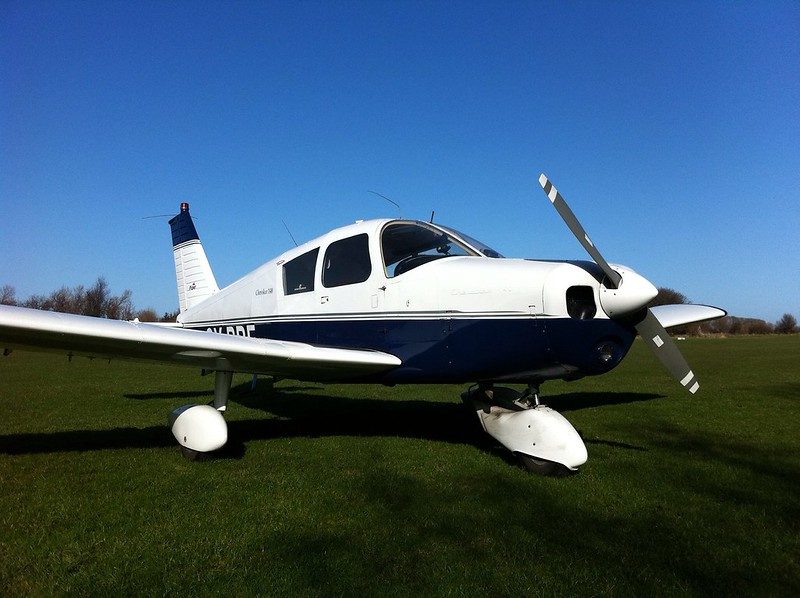
If Pilots Stop Trusting Safety Broadcasts, What Happens to Universal Conspicuity?
The Aircraft Owners and Pilots Association (AOPA) has voiced its opposition to potential billing for Automatic Dependent Surveillance–Broadcast (ADS-B) data, a stance that could impact both crewed and uncrewed aviation sectors. This week, AOPA backed comments made by FAA Administrator Bryan Bedford, who criticized the idea of monetizing ADS-B data. The association's statement underscores growing concerns regarding the trustworthiness of safety broadcasts among pilots. As the aviation community grapples with these issues, the implications of eroding trust in safety communications could jeopardize the effectiveness of universal conspicuity, a critical safety measure in the airspace.
connectivity DL Exclusive Drone News Drone News Feeds Feature 1 News
39-Year-Old Brett Adcock: How Figure Robotics Approaches Mass Production in Four Years
Brett Adcock, the founder and CEO of Figure AI, has spent the past four years creating a highly adaptable humanoid robot, navigating substantial challenges within the robotics industry. The company’s innovative designs and advanced artificial intelligence are poised to transform both industrial and domestic sectors. By focusing on mass production, Figure AI aims to tackle pressing global labor shortages, positioning itself at the forefront of a technological revolution in robotics.
Humanoid Robots AI Robotics Technology Automation Manufacturing
May 14 Live Broadcast Preview | The Boundaries of Unmanned Systems: Challenges in Cluster Coordination and Engineering in Complex Environments
A live broadcast is set to take place, showcasing the latest advancements in unmanned systems, with a particular emphasis on cluster coordination in complex environments. Scheduled for an upcoming date, this event will feature a panel of experts who will delve into the evolving challenges faced in the field and explore the significant impact of artificial intelligence on research methodologies. The session aims to foster audience interaction, allowing participants to engage directly with the experts and share valuable academic resources. This initiative highlights the growing importance of unmanned systems and AI in addressing contemporary challenges in various sectors.
Unmanned Systems Cluster Coordination AI in Research Engineering Challenges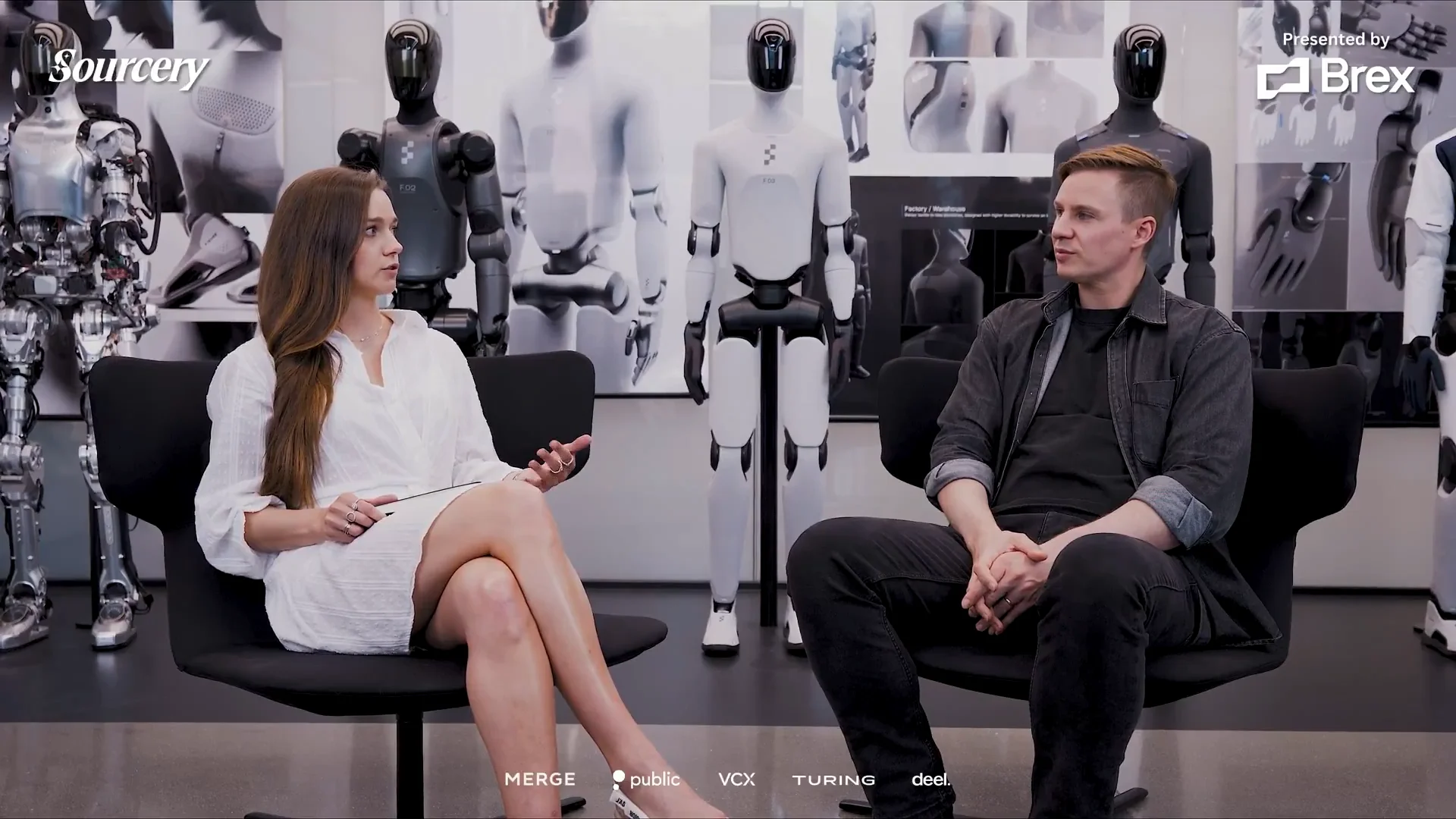
The Adcock Triad: Inside the $1M-a-Month Sprint to General Robotics
In a recent interview with Molly O’Shea, Brett Adcock, CEO of Figure, discussed the ambitious strategy behind his rapidly expanding robotics company. Adcock revealed his plans for aggressive vertical integration, which aims to consolidate various aspects of robotics development under one roof. He also addressed his decision to part ways with OpenAI, highlighting the shift in direction for his company. Adcock is currently focused on building three distinct companies simultaneously, a move he believes will enhance innovation and efficiency within the robotics sector. This interview sheds light on the future of Figure and the evolving landscape of artificial intelligence and robotics as Adcock navigates these significant changes.
Brett Adcock US Figure Figure-03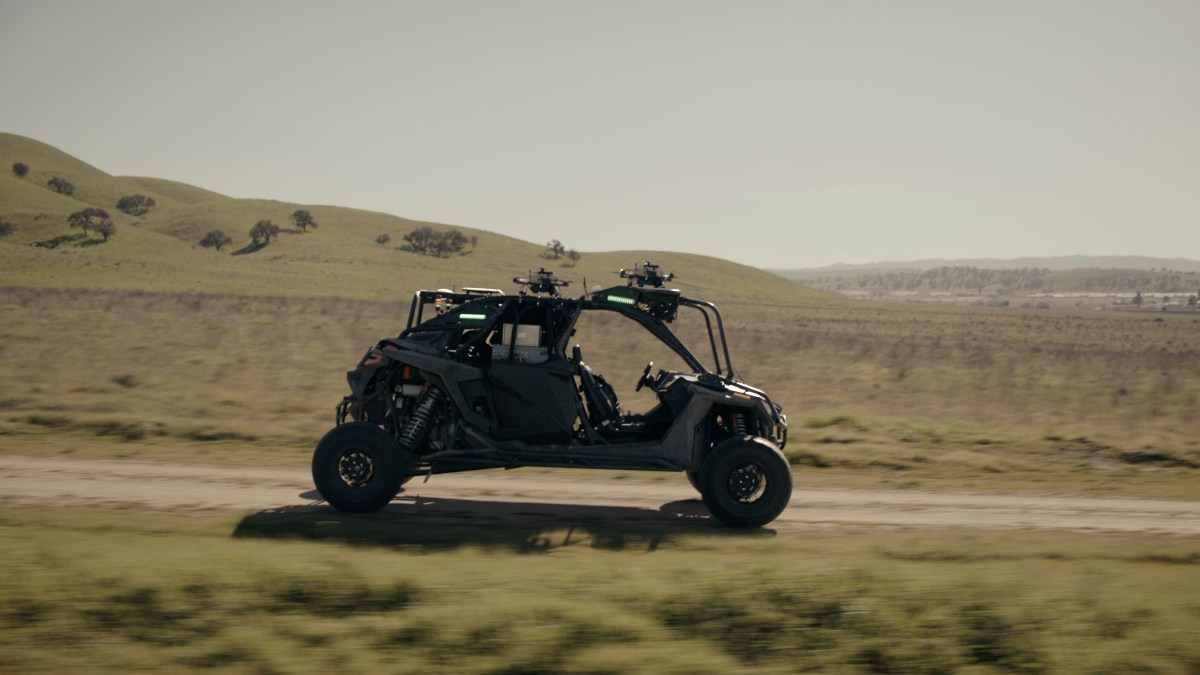
Coby Adcock’s Scout AI raises $100 million to train its models for war. We visited its bootcamp
Scout AI is currently developing advanced AI agents designed to empower individual soldiers with the ability to manage fleets of autonomous vehicles. This innovative training initiative is taking place at Scout AI's dedicated training ground, where the focus is on enhancing military capabilities through cutting-edge technology. The project aims to improve operational efficiency and decision-making on the battlefield by integrating AI systems that can seamlessly coordinate multiple vehicles. As of October 2023, the training program is leveraging extensive data to refine these AI agents, ensuring they are equipped to handle complex scenarios in real-time. This initiative reflects a broader trend in military modernization, emphasizing the importance of automation and artificial intelligence in future combat operations.
AI Robotics Exclusive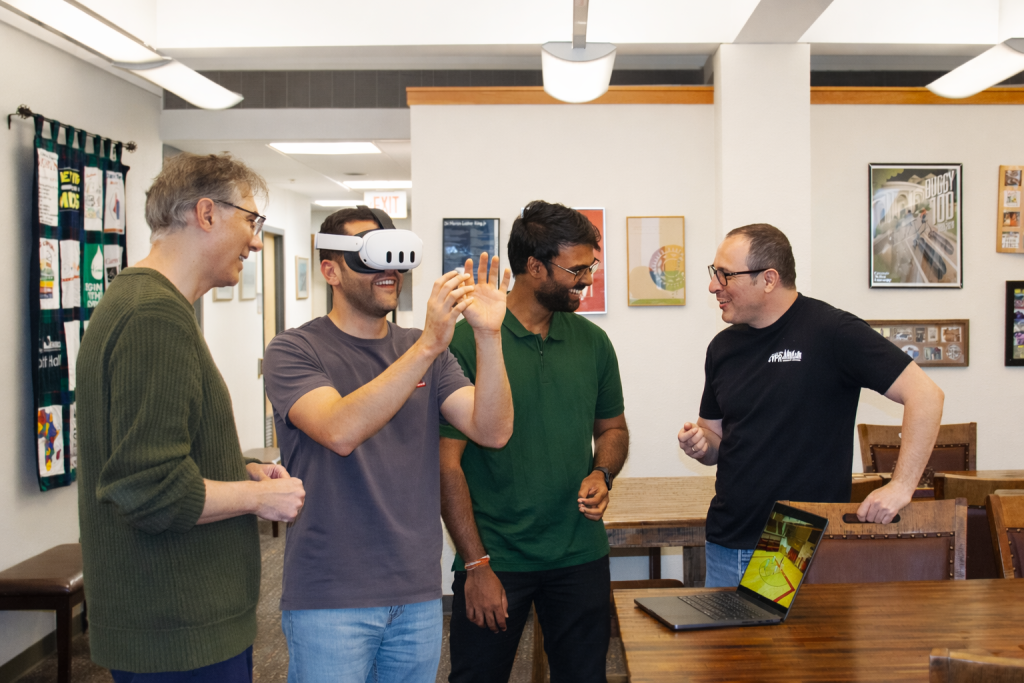
Moving Beyond the Broadcast
LiveSplats, a cutting-edge technology developed by the Robotics Institute at Carnegie Mellon University, is transforming the way sports fans experience events by offering a 3D viewing option. This innovative system allows audiences to select their preferred camera angles, providing a more immersive experience compared to traditional flatscreen broadcasts. Utilizing advanced rendering techniques, LiveSplats recreates scenes with high visual fidelity, enabling fans to follow the action from any perspective. This development represents a significant shift in sports broadcasting, enhancing viewer engagement and interaction.
Research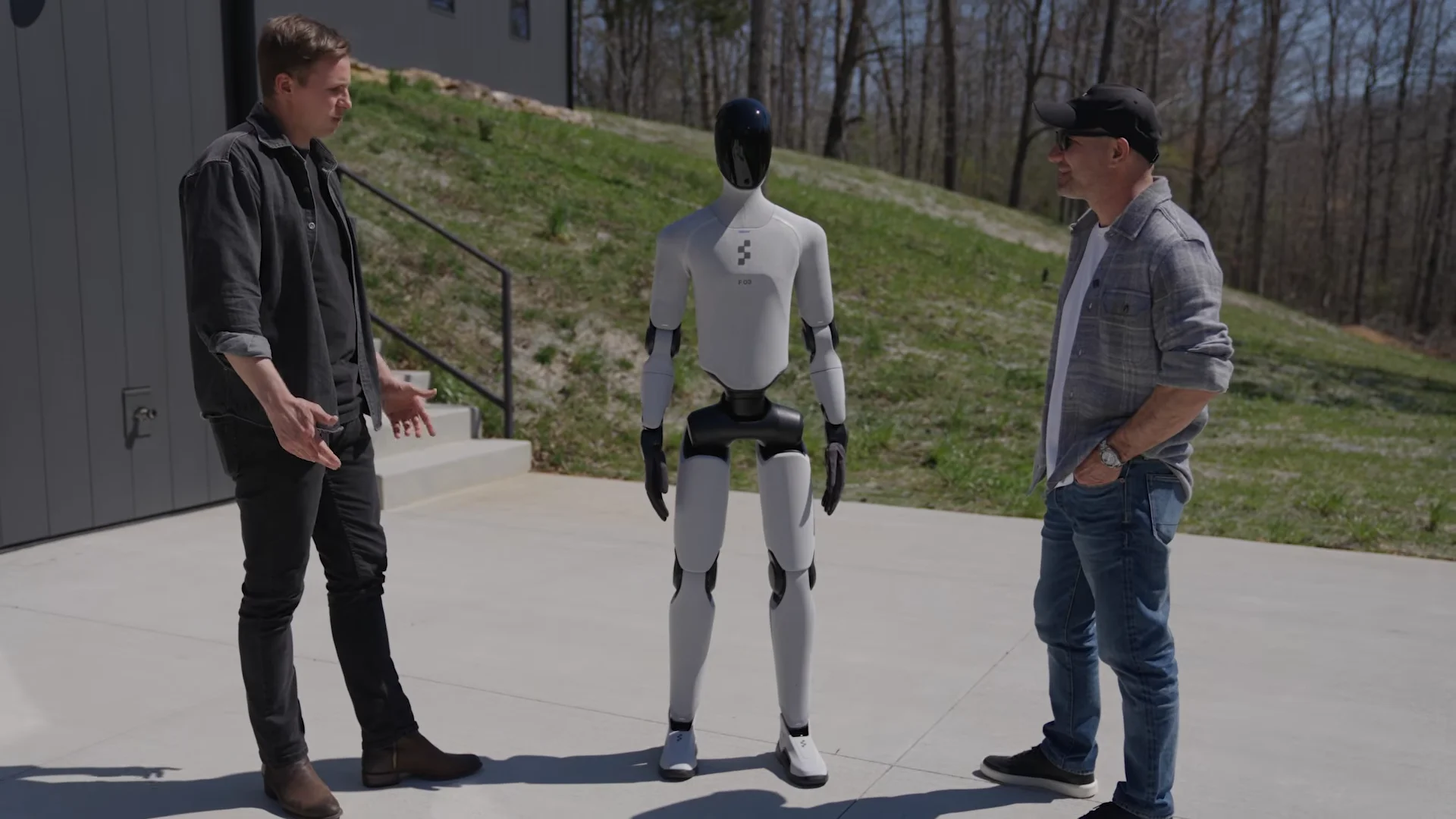
"I Fired Them": Brett Adcock on the OpenAI Split, Robot Self-Repair, and the Kid-Safety Test
In a recent episode of the Shawn Ryan Show, Brett Adcock, CEO of Figure, revealed the complexities that resulted in the termination of the partnership with OpenAI. He elaborated on the technical and strategic challenges that contributed to this decision. Adcock also discussed the performance of the Figure 03 robot, highlighting its 'limp mode' resilience, which allows it to maintain functionality even in compromised states. Despite advancements in robotics, he expressed his concerns about allowing his robots to interact freely with his children, emphasizing the need for caution in their deployment.
Brett Adcock Figure Figure-03 BotQ
Nortek Announces New Partnership with OGEQUIP for ADCP and DVL Services in Brazil
Nortek Brazil has formed a new partnership with OGEQUIP Produtos e Serviços Marítimos Ltda, designating the company as an authorized local service provider for Nortek's Acoustic Doppler Current Profilers (ADCPs), current meters, and Doppler Velocity Logs (DVLs) in Brazil. This collaboration aims to enhance customer support and service accessibility for Nortek's advanced marine technology products in the region. The partnership is expected to streamline operations and improve response times for clients, ensuring they receive timely assistance and expertise.
nortek partnership ogequip adcp dvl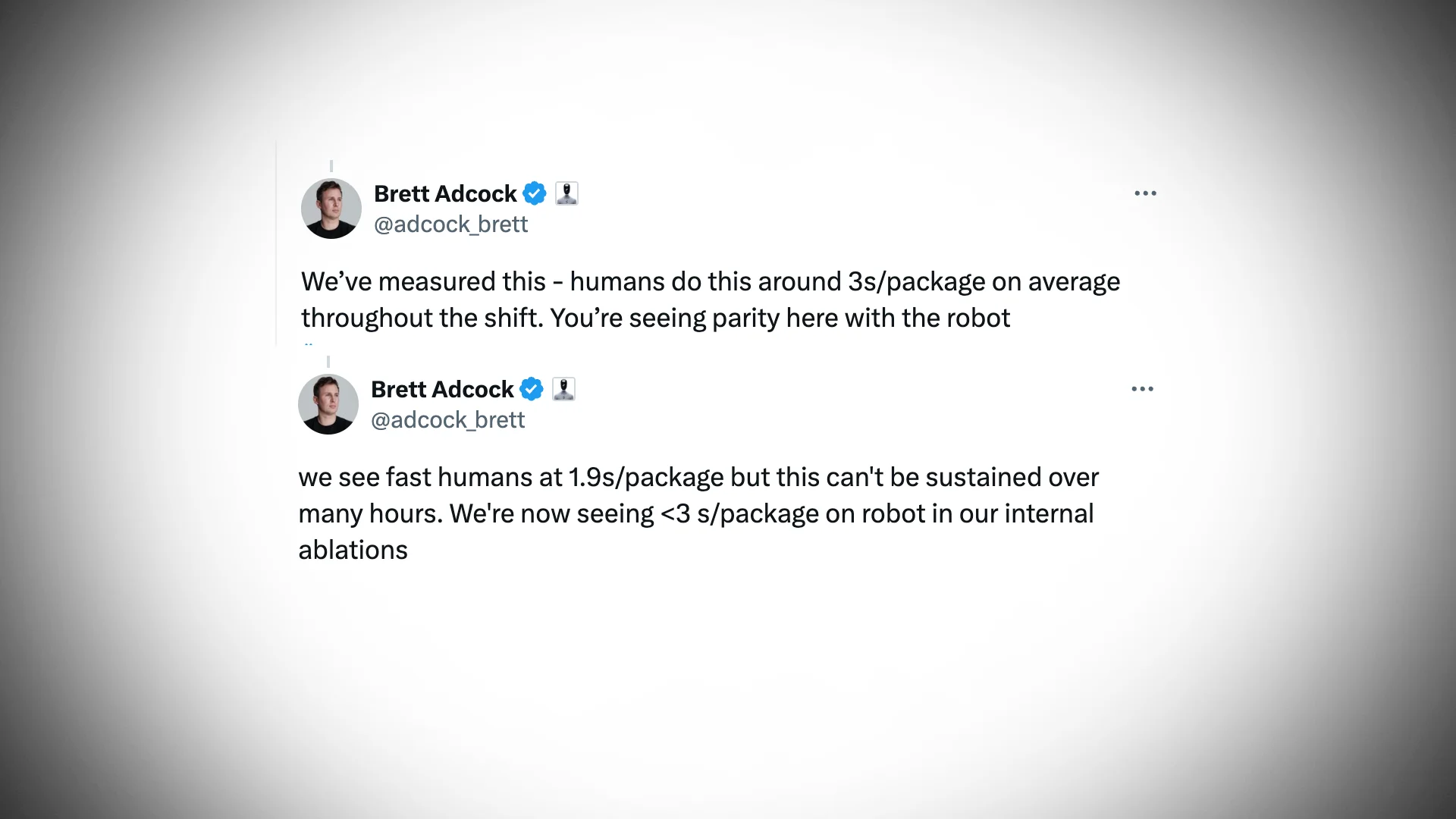
Figure 03 Hits "Human Parity" in Package Sorting, Adcock Claims Sub-3-Second Throughput
Figure CEO Brett Adcock announced significant advancements in the capabilities of the Figure 03 humanoid robot, following the release of a viral stress-test video. The new metrics indicate that the robot has reached human-level speed in performing logistics tasks, showcasing its potential for efficiency in various applications. This development comes as the company aims to enhance automation in the logistics sector, addressing the growing demand for faster and more reliable solutions. The announcement was made in October 2023, highlighting Figure's commitment to innovation in robotics technology.
Brett Adcock US Figure Figure-03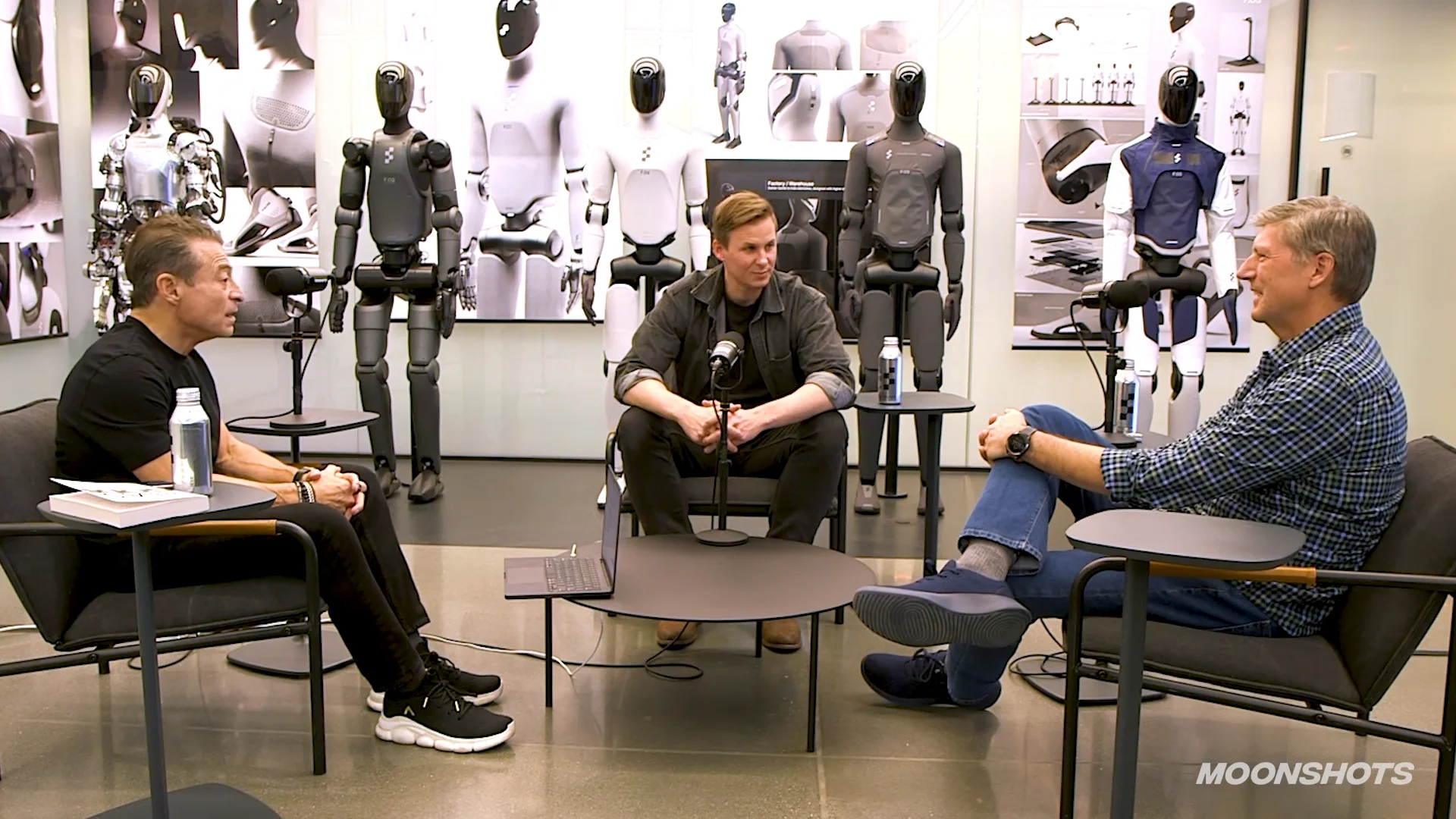
The End of C++: Brett Adcock on Helix 02 and Figure’s Path to "Room-Scale" Autonomy
In a recent interview with Peter Diamandis, Brett Adcock, CEO of Figure, announced significant advancements in the company's technology and operations. He revealed that Figure has completely eliminated hand-engineered code from its systems, marking a pivotal shift towards automation and efficiency. Adcock also introduced the launch of HARK, a new artificial intelligence lab aimed at enhancing the company's capabilities in robotics and AI development. The discussion highlighted the ambitious timeline for the company's innovative project at the "BotQ" facility, where robots will be designed to construct other robots. This initiative underscores Figure's commitment to pioneering advancements in robotics, driven by the need for increased productivity and reduced human intervention in manufacturing processes. Adcock's insights reflect a broader trend in the tech industry, where companies are increasingly leveraging AI to streamline operations and improve output. The strategic moves at Figure are expected to position the company at the forefront of the robotics sector, as it seeks to redefine how machines are built and operated.
Brett Adcock US Figure Figure-03 BotQ helix
Teledyne RDI ADCPs to Support Japan’s Deep-Sea Environmental Assessment of Polymetallic Nodule Mining
Teledyne RD Instruments (RDI), a division of Teledyne Marine, has been chosen by Deep Reach Technology (DRT), a marine engineering consultancy, to provide support for a significant deep-sea environmental impact assessment (EIA) project in Japan’s Exclusive Economic Zone (EEZ). The project, aimed at evaluating the ecological effects of deep-sea activities, will utilize 20 of RDI's advanced Acoustic Doppler Current Profilers (ADCPs). This collaboration highlights the growing emphasis on environmental sustainability in marine engineering and underscores the importance of accurate data collection in assessing the potential impacts of deep-sea operations. The deployment of these sophisticated instruments is expected to enhance the quality of the assessment and contribute to informed decision-making regarding marine resource management in the region.
teledyne
Figure CEO Brett Adcock Says Company ‘Will Not Teleoperate’ Robots, Drawing Contrast with 1X Strategy
During a panel discussion at the NVIDIA GTC, Brett Adcock, CEO of Figure, expressed skepticism about the future of teleoperation, labeling it as "soy stuff." He emphasized that the true competition between the United States and China lies in the development of general-purpose artificial intelligence rather than in manufacturing capabilities. Adcock's remarks reflect a growing sentiment in the tech industry that prioritizes advancements in AI technology as a critical factor in global competitiveness. The event, which took place recently, highlighted the ongoing dialogue surrounding the strategic directions of AI development and the implications for both nations.
Brett Adcock 1X-technologies nvidia-gtc teleoperation Figure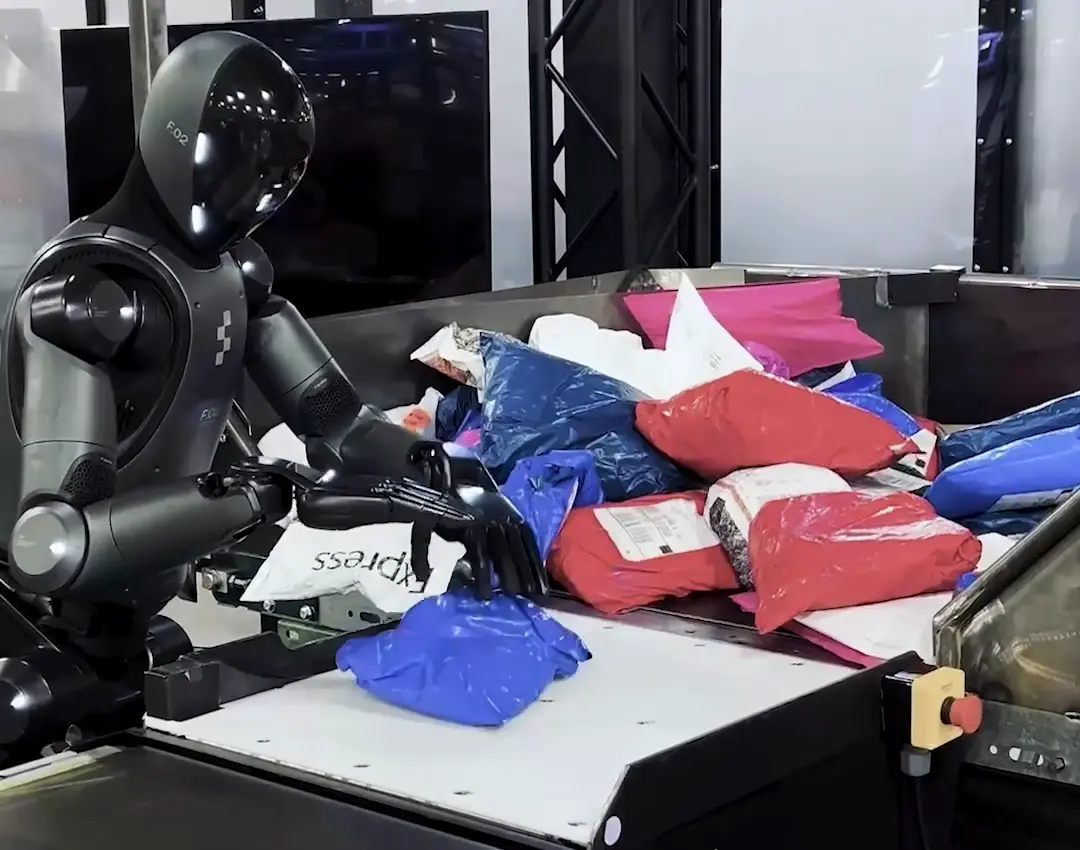
In-Depth with Figure AI: CEO Brett Adcock Dissects 60-Minute Logistics Demo, Touts Endurance Over Spectacle
During a live roundtable event, Brett Adcock, CEO of Figure AI, showcased a 60-minute unedited video of the company's Figure 02 humanoid robot executing a complex logistics task. The presentation marked a significant shift in the company's approach, moving from brief demonstrations to validating the robot's capabilities in real-world scenarios. Adcock highlighted recent enhancements to the Helix AI system, which contributed to a notable 13% increase in operational speed within just six days. This improvement underscores the effectiveness of fleet-wide learning in optimizing performance. The event brought together investors and robotics experts, emphasizing Figure AI's commitment to advancing humanoid robotics in practical applications.
Brett Adcock logistics helix-ai Figure humanoid robotics automation
Sonardyne Teams Up with Echoview Software to Deliver a Comprehensive Picture of Marine Environmental Data from its Origin® ADCPs
Sonardyne, a prominent player in underwater technology, has unveiled a new echosounder feature for its Origin acoustic Doppler current profilers (ADCPs). This advancement, announced today, aims to significantly improve the collection of marine environmental data, allowing for more comprehensive insights from a single deployment. The integration of this innovative feature reflects Sonardyne's commitment to enhancing marine research capabilities and supporting environmental monitoring efforts.
sonardyne echoview software marine environmental data origin® adcpsRobotics needs a service framework.
RSF defines a common language for robot service capability, lifecycle operations, certification pathways, and service-provider networks.
Join the RobotToday community on LinkedIn
Daily robotics news, in-depth analysis, conference highlights, and discussions with professionals worldwide.







