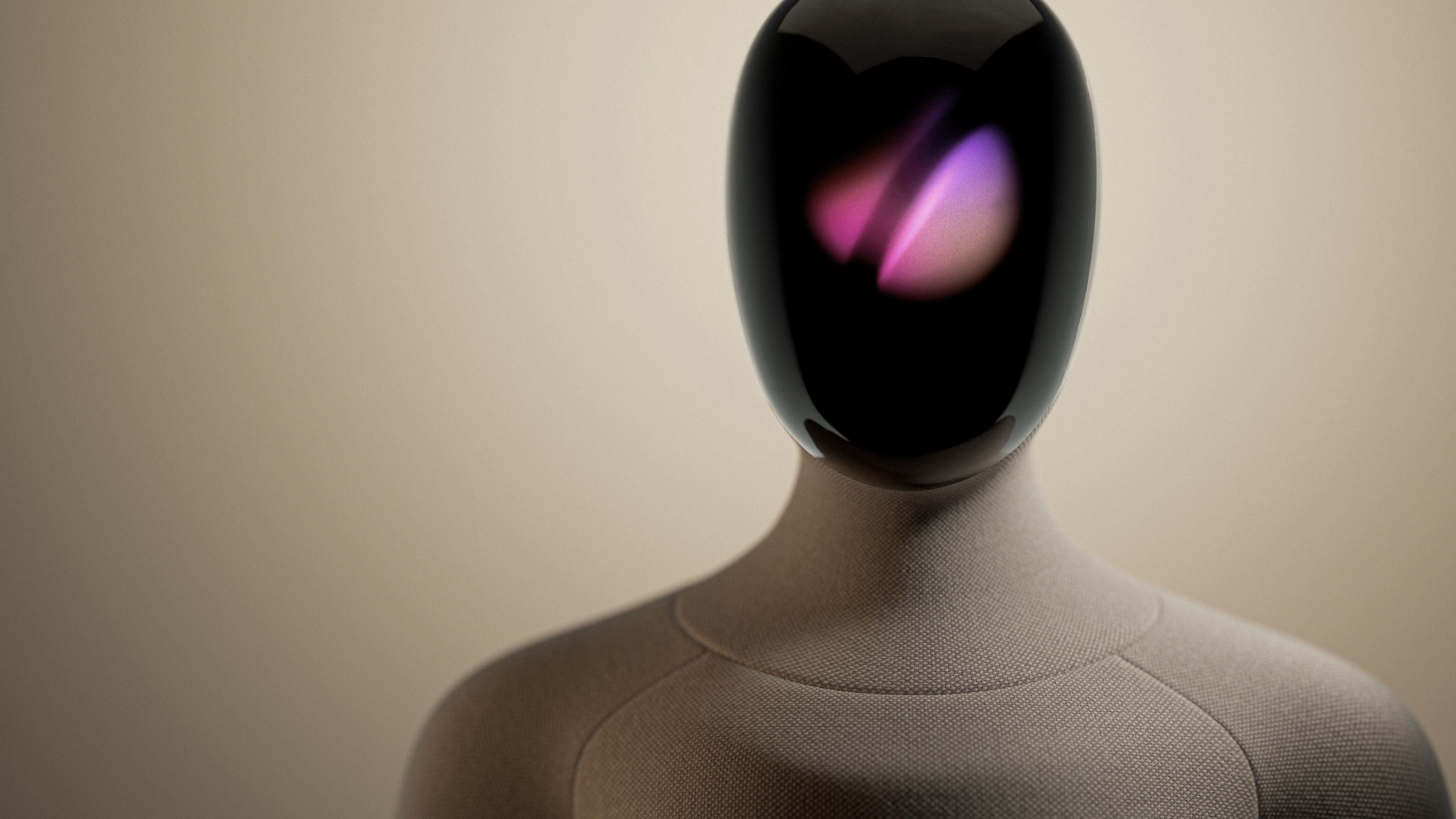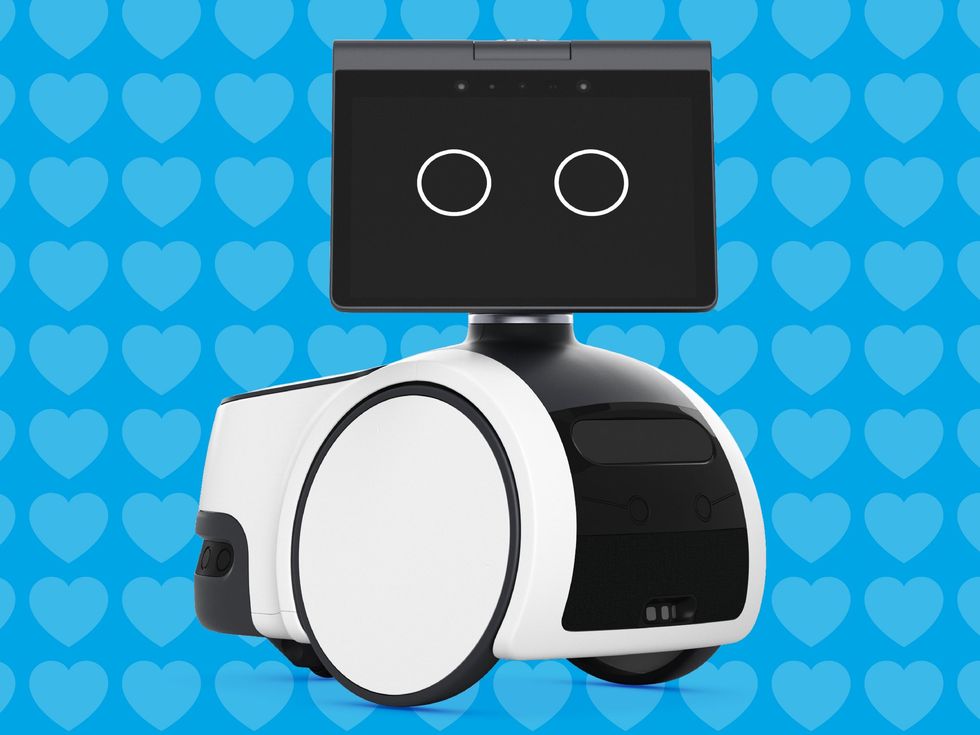
In 2018, Amazon appointed a lead UX Sound Designer to develop Astro, its first consumer home robot capable of navigating and interacting within homes. The team faced a critical decision: whether to position Astro as an extension of Alexa or as a distinct character. Ultimately, user testing revealed that people preferred Astro as its own entity, leading to the decision to have Alexa serve as a supporting character while Astro communicated through sound, motion, and facial expressions. The design process involved defining Astro's character, which included determining its emotional range and how it would express uncertainty without losing user trust. The team emphasized the importance of a cohesive character, as inconsistencies could lead to a disjointed user experience. Astro's wake-up sequence, characterized by a blend of sound and motion, became a highlight during testing, with users describing it as "alive." Despite progress, the team acknowledged that character development often takes a backseat in product design, which can lead to lifeless devices. The designer urged product leaders to prioritize character definition early in the design process, integrate story and sound into character development, and design for adaptability to create more engaging and responsive products. The full narrative detailing these insights is available on Medium.
RSF defines a common language for robot service capability, lifecycle operations, certification pathways, and service-provider networks.
Company Profile
Patten Studio is an interactive design studio based at MIT Media Lab roots, creating technology-driven art installations and experiential environments for brands and public spaces. Work involves sensing, embedded computing, and responsive physical interfaces, with peripheral relevance to human-machine interaction.
Macrotellect develops BrainLink EEG headsets and brainwave sensing devices for consumer and research applications. The company focuses on brain-computer interface technology enabling non-invasive neural signal acquisition and human-machine interaction.
New Zealand AI company (now in receivership as of February 2026) that developed lifelike digital human avatars powered by large language models for customer service and enterprise deployment. Created Digital Workers and Workforce Connect platforms.
Company Profile
Independent embedded software provider delivering RTOS, compilers, IDEs, and debuggers for safety- and security-critical systems. Serves automotive, avionics, defence, and industrial domains with certified real-time operating system platforms since 1982.
Norwegian-based 2D and 3D industrial machine vision software platform (marketed under Tordivel AS). Offers sub-pixel and micron-level non-contact measurement, configurable inspection tools, and advanced calibration capabilities without programming.
Company Profile
Provides systems engineering, embedded software development, automation integration, and cybersecurity services for government and commercial defense clients. Capabilities include OT/IT convergence, edge computing, and mission-critical system integration across a 28-year operational history.
Company Profile
Joint University of Pittsburgh and US Department of Veterans Affairs laboratory conducting rehabilitation engineering research. Develops mobility devices, assistive technologies, and medical-grade products for people with disabilities.
Company Profile
Joanneum Research Institute for Robotics and Flexible Production conducts applied R&D in industrial robot systems, production automation and robot safety, offering feasibility analysis, consulting and testing in a robotics solution centre.
Russian leading research university (ITMO University) specializing in information technology, optical engineering, and photonics. Active research programs in AI, robotics, computer vision, and cyber-physical systems.
Excepteur sint occaecat cupidatat non proident
Leave a comment