

Industry Briefing
A single destination for timely, editor-curated robotics news from around the world.
Investor Insights on the Future of Consumer Robotics: Embracing Specialization Over Generalization
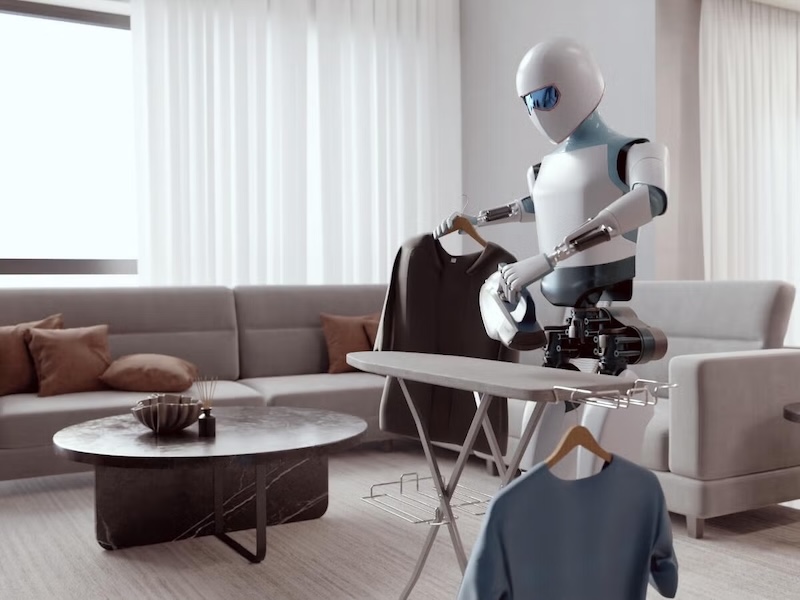
Amber Atherton, an early-stage investor and partner at Patron, argues that the future of consumer robotics will not revolve around a single humanoid robot. Instead, she believes that the market will favor specialized devices that excel at specific tasks, similar to how consumers prefer dedicated appliances for cooking or cleaning. Atherton highlights the success of products like the Roomba, which has thrived by focusing on a singular function. She envisions a future where homes are filled with beautifully designed robots, each responsible for a particular daily ritual, rather than one all-encompassing machine. This shift reflects a broader trend in consumer preferences towards specialization in home technology. Looking ahead, Atherton anticipates the emergence of numerous embodied AI products that will seamlessly integrate into daily life. She emphasizes that consumers may not identify these devices as robots, but rather as essential tools that enhance their routines, thereby transforming the perception of robotics in the home environment. No further timeline was disclosed at the time of publication.
Design Features Investments AI robots amber atherton consumer robotics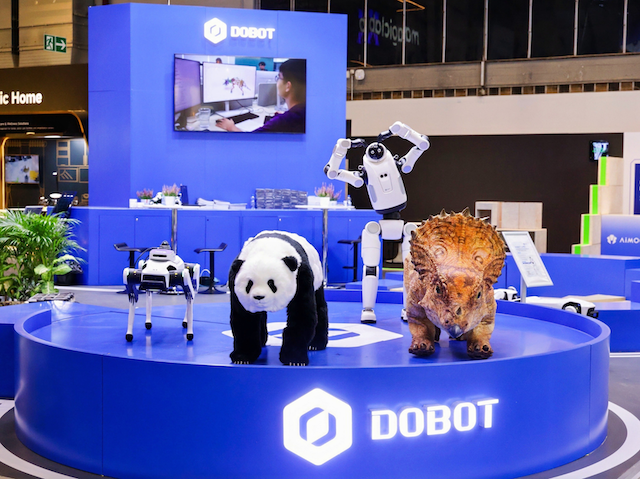
DOBOT Showcases Innovative Robotics at IFA Berlin 2026 with Consumer-Focused Products
DOBOT Robotics is presenting its diverse robotics portfolio at IFA Berlin 2026, featuring products like the Rover X1 robotic dog and DOBOT LUMO humanoid robot. This event marks a significant shift towards consumer-oriented robotics, showcasing how these technologies can enhance everyday experiences. The importance of this exhibition lies in DOBOT's commitment to expanding robotics beyond industrial applications. By introducing robots designed for entertainment, education, and interaction, DOBOT aims to make robotics more accessible and engaging for the general public. Looking ahead, the focus will be on how DOBOT continues to innovate in the consumer robotics space. With products like the panda-inspired Pandabo and the dinosaur-themed Rover X1 Auton Roamer Sinoceratops, the company is set to redefine the role of robotics in daily life. No further timeline was disclosed at the time of publication.
cobot welding robotic welding welding robot welding automation 6D Touch Positioning Through Arc Seam Tracking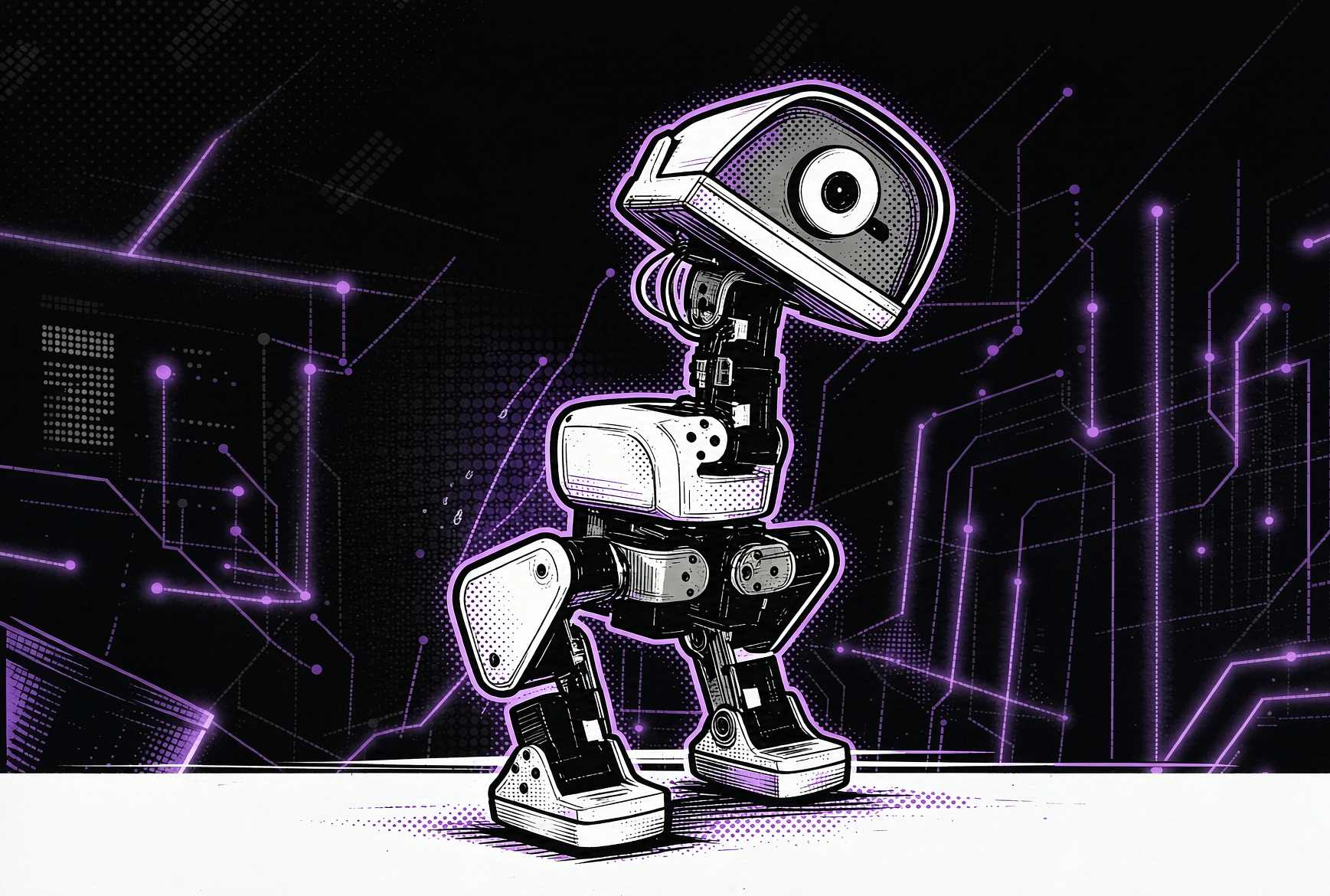
Microduck Emerges as a Contender in Consumer Robotics Amid Yush's Market Struggles
On its market debut, Yush's stock surged over sixfold, briefly surpassing a market value of 440 billion yuan, only to plummet in the following days, losing over 200 billion yuan in value. This volatility has reignited skepticism about the future of humanoid robots. Meanwhile, the Microduck, a $399 open-source robot from Hugging Face's Pollen Robotics, has gained significant attention, with over $2.6 million in orders within 24 hours of its launch. Microduck's appeal lies not only in its affordability but also in its innovative open-source reinforcement learning pipeline, allowing users to train virtual models before deploying them on the physical robot. This democratizes access to robotics, enabling developers and consumers to engage with robotics in ways previously limited to laboratories and enterprises. In just four days, Microduck received 10,500 orders, indicating a strong demand for accessible robotics solutions. As the robotics industry shifts focus towards consumer markets, the success of Microduck raises questions about the future of personal robots. Unlike traditional companionship robots, Microduck offers physical interaction capabilities, making it a more relatable robotic form. The ongoing developments in the open-source ecosystem, particularly with Hugging Face's growing community, suggest a potential shift in how consumer robotics will evolve, especially with Nvidia's recent acquisition plans for Hugging Face, which could further enhance the landscape of accessible robotics.
Consumer Robotics Open Source Robotics Affordable Robots AI Development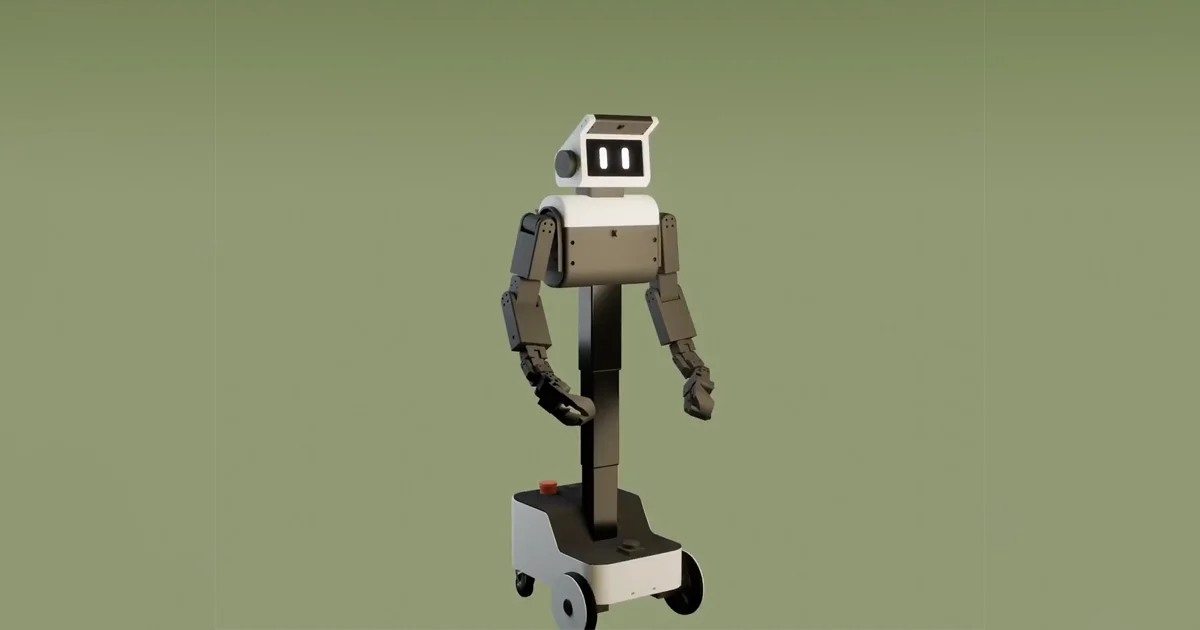
Nori Robotics Unveils $1,688 Nori A3 Bimanual Mobile Manipulator for Consumers
Nori Robotics, based in San Francisco, has launched the Nori A3, a 19-degree-of-freedom bimanual mobile manipulator priced at $1,688. This product emerges from Y Combinator’s Summer 2026 cohort and aims to make domestic robotics more accessible by addressing economic barriers rather than intelligence limitations. The Nori A3 is designed as a low-cost developer platform rather than a fully autonomous household robot. It features a compact wheeled base and a telescoping column, with arms capable of handling payloads of 1.5 kg each. The robot's design prioritizes affordability and operational efficiency, utilizing a Raspberry Pi 5 for control and 3D-printed gripper fingers to reduce costs. Future developments to watch include the ongoing work on multi-skill autonomy, as initial demonstrations have shown limited capabilities. Nori Robotics has been transparent about the current limitations of the A3, indicating that while it has potential for various household tasks, full autonomy remains a goal rather than a reality.
US Nori Robotics
Locus Robotics Survey Reveals Viral Trends Influence Consumer Purchases
Locus Robotics has released a national consumer study indicating that 71% of consumers are influenced by viral trends when making purchases. This shift in consumer behavior is pressuring brands, retailers, and third-party logistics providers (3PLs) to enhance operational responsiveness and real-time visibility in their supply chains. The study highlights that traditional fulfillment models are struggling to adapt to these rapid demand changes, leading to potential service failures that can damage brand reputation. The findings emphasize the need for flexibility in supply chain operations, as 62% of consumers abandon brands when trending products are unavailable. The study also reveals that over half of consumers expect retailers to be prepared for sudden demand spikes, indicating that resilience is becoming a competitive advantage. Locus Robotics CEO Rick Faulk noted that the future of supply chains lies in their ability to absorb disruptions and recover quickly, moving beyond traditional planning methods. Looking ahead, Locus Robotics is addressing these challenges through its Robots-to-Goods (R2G) model and the introduction of new autonomous robots. The company aims to enhance automation capabilities to meet the increasing demand for operational adaptability in logistics-heavy categories. No further timeline was disclosed at the time of publication.

Qiyuan Robotics Launches Humanoid Robots Priced at 19,999 Yuan for Consumers
On September 20, Qiyuan Robotics, a subsidiary of Upwind New Materials, announced the pricing of its humanoid robots Q1 and T1, both starting at 19,999 Yuan. This pricing marks a significant reduction in the cost of humanoid robots, which previously were priced much higher, making them more accessible to consumers. The introduction of these robots is noteworthy as it reflects a shift in the market towards consumer-oriented products. Historically, humanoid robots were primarily sold to educational institutions and enterprises, but now companies like Qiyuan are adopting sales strategies familiar to the consumer electronics industry, including pre-orders through popular platforms. Looking ahead, the initial buyers are likely to be developers and educational institutions, attracted by the robots' capabilities and pricing. However, general consumers may hesitate without compelling use cases beyond basic entertainment functions. No further timeline was disclosed at the time of publication.
Humanoid Robots Consumer Electronics Robot Development Education Technology
Vbot Delivers First Robot Dog to Horizon Robotics Founder, Marking Consumer Embodied AI Milestone
Vbot, a company specializing in embodied artificial intelligence, has made a significant leap in the robotics industry by delivering its first quadruped robot dog to Dr. Yu Kai, the founder of Horizon Robotics. This milestone marks a pivotal transition from laboratory demonstrations to actual consumer delivery, highlighting the growing accessibility of advanced robotic technology. The delivery took place recently, showcasing Vbot's commitment to bringing innovative AI solutions into everyday life. The introduction of this robot dog not only represents a technological advancement but also reflects the increasing demand for personal robotics among consumers.
Robotics
71% of Consumers Say Viral Trends Drive Purchases, Putting New Pressure on Retail Fulfillment, Finds Locus Robotics
A recent consumer survey reveals that viral trends on social media are significantly influencing purchasing decisions among consumers. Conducted in October 2023, the survey highlights how platforms like TikTok and Instagram are becoming powerful tools for brands to reach potential buyers. As users increasingly turn to these platforms for product recommendations and reviews, businesses are adapting their marketing strategies to capitalize on this trend. The findings indicate that the rapid spread of viral content not only boosts brand visibility but also accelerates sales, prompting companies to invest more in social media marketing. This shift underscores the growing importance of digital engagement in the retail landscape, as consumers seek authenticity and relatability in their shopping experiences.

71% of Consumers Say Viral Trends Drive Purchases, Putting New Pressure on Retail Fulfillment, Finds Locus Robotics
A recent consumer survey has revealed that the surge in viral demand is significantly transforming retail fulfillment strategies. Conducted in October 2023, the survey highlights the growing pressure on retailers to adapt to rapidly changing consumer preferences and shopping behaviors. As online shopping continues to gain momentum, businesses are increasingly challenged to streamline their operations and enhance delivery efficiency to meet customer expectations. The findings indicate that retailers must innovate their fulfillment processes to stay competitive in a market where speed and convenience are paramount. This shift is driven by consumers' desire for quick access to trending products, prompting retailers to rethink their logistics and inventory management practices. The survey underscores the urgent need for businesses to embrace new technologies and strategies to effectively respond to this evolving landscape.

China's Noetix Robotics Prices 'Bumi' Humanoid Under $1,400, Targeting Consumers
Chinese startup Noetix Robotics has introduced Bumi, a 94 cm tall bipedal robot, with a price tag of under $1,370. This innovative robot is designed to integrate into educational and home environments, reflecting the company's vision to make humanoid technology accessible for everyday use. The launch of Bumi marks a significant step in the development of robotics aimed at enhancing learning experiences and providing assistance in domestic settings. By combining advanced technology with affordability, Noetix Robotics seeks to inspire a new generation of users to engage with robotics in practical and meaningful ways.
Unitree Robotics Booster Robotics Consumer Tech Noetix BumiRobotics needs a service framework.
RSF defines a common language for robot service capability, lifecycle operations, certification pathways, and service-provider networks.
Join the RobotToday community on LinkedIn
Daily robotics news, in-depth analysis, conference highlights, and discussions with professionals worldwide.







