

Industry Briefing
A single destination for timely, editor-curated robotics news from around the world.

Beijing University of Aeronautics and Astronautics Introduces Micro Major in Embodied Intelligence
Beijing University of Aeronautics and Astronautics (BUAA) has launched a micro major focused on embodied intelligence, addressing the urgent need for interdisciplinary talent in the robotics sector. This initiative comes as the industry experiences rapid growth, driven by advancements in robotics and intelligent manufacturing, yet faces a significant talent gap in areas such as algorithm development and hardware integration. The micro major aims to cultivate high-level, application-oriented professionals equipped with skills in robot control, intelligent perception, and system integration. It emphasizes project-based learning and collaboration with leading companies in the robotics field, ensuring that students gain practical experience and exposure to real-world engineering challenges. Looking ahead, BUAA's Embodied Intelligence Robotics Research Institute plans to further enhance its educational offerings and research capabilities. The institute, established in collaboration with various industry partners, aims to foster innovation and support the development of the robotics ecosystem in China. No further timeline was disclosed at the time of publication.
Embodied Intelligence Robotics Education Interdisciplinary Talent Smart Manufacturing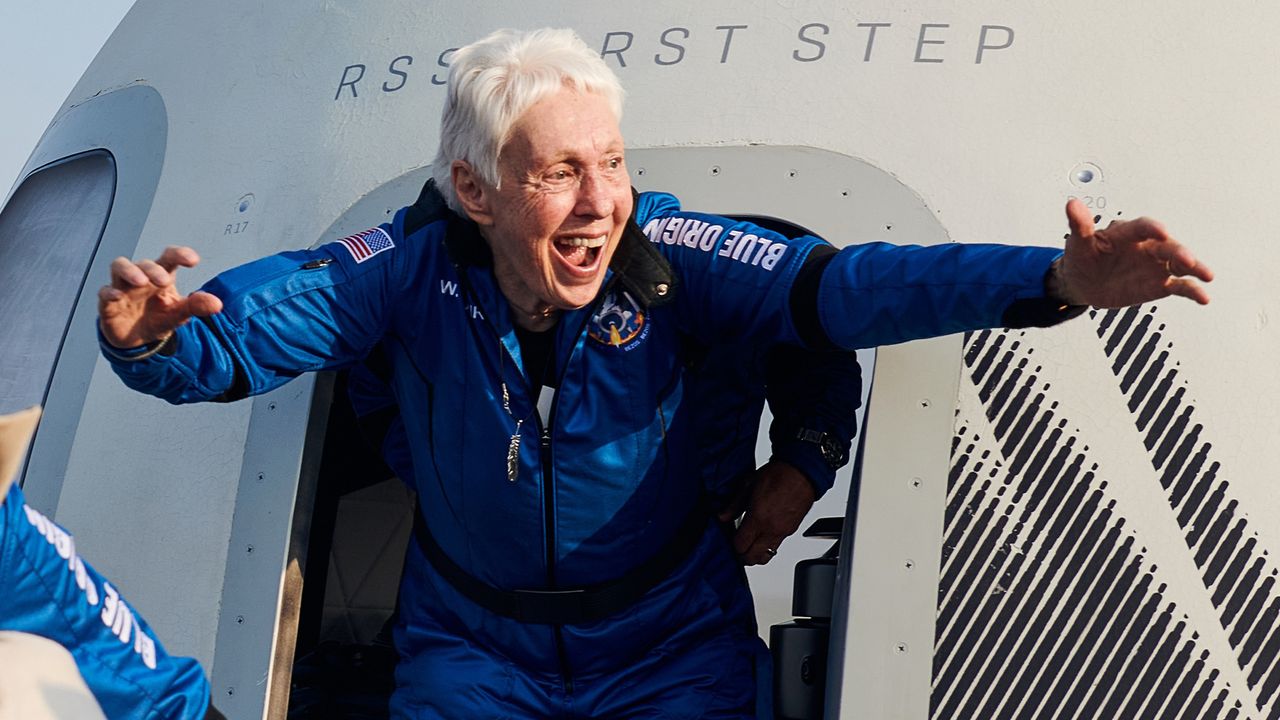
Wally Funk, pioneering astronaut, dies at 87 after historic spaceflight
Wally Funk, a trailblazing aviator and astronaut, passed away at the age of 87. Born in Texas in 1939, she became a professional pilot at 20 and was a member of the Mercury 13, a group of women who underwent astronaut training in the early 1960s. Funk made history in July 2021 when she flew to suborbital space aboard Blue Origin's New Shepard at the age of 82, becoming the oldest astronaut and the only Mercury 13 member to achieve this milestone. Funk's journey is significant as it highlights the long struggle for women in aviation and space exploration. Despite being denied entry into NASA's astronaut program multiple times, her participation in the Mercury 13 program demonstrated women's capabilities in rigorous astronaut training. Funk's record-breaking spaceflight not only fulfilled her lifelong dream but also served as an inspiration for future generations of female aviators and astronauts. Looking ahead, the legacy of Wally Funk may influence ongoing discussions about gender equality in aerospace. Her achievements could encourage more inclusive practices in space exploration and aviation. No further timeline was disclosed at the time of publication regarding any tributes or memorials planned in her honor.
Human Spaceflight Space Exploration
Astronauts Capture Wildfire Smoke Over Mount Rainier and Mount Hood from ISS
Astronauts aboard the International Space Station recently photographed Mount Rainier enveloped in smoke from wildfires affecting the Pacific Northwest. As of August 12, over 84,000 acres have burned in Washington and Oregon, marking the worst fire season in over 30 years. The smoke has created unhealthy air quality levels and forced evacuations, with over 2.7 million acres burned across North America by mid-August. The significance of these wildfires extends beyond immediate dangers, as they highlight the increasing impact of climate change on fire frequency and intensity. The images captured from space provide a unique perspective that can aid in understanding and combating wildfires on Earth. The National Interagency Fire Center has warned of a higher-than-normal risk for continued wildfires throughout August. Looking ahead, the ongoing situation requires close monitoring as the region grapples with numerous uncontained wildfires. The use of satellite imagery will be crucial in supporting firefighting efforts and understanding the broader implications of these environmental challenges. No further timeline was disclosed at the time of publication.
Earth Astronomy Solar System
Amateur Astronomer Discovers Possible Meteorite Impact Crater in Canada
Amateur astronomer Joël Lapointe discovered a potential meteorite impact crater in Quebec's Côte-Nord region while planning a camping trip. The crater, named Uhackatik, was confirmed by Western planetary geologist Gordon Osinski during a visit in 2025 and is estimated to be 390 million years old and approximately 15 miles (25 kilometers) wide. This discovery is significant as it may be one of the largest craters identified in recent years, with Osinski noting that the last comparable find was the Hiawatha structure in Greenland. The crater's geological features, including shock metamorphic effects and preserved impact melt rocks, provide valuable insights into meteorite impacts, which can enhance our understanding of similar events on the Moon and Mars. The research on Uhackatik will be presented at the 88th Annual Meeting of the Meteoritical Society in Frankfurt, Germany, in August. Osinski and his team are currently analyzing samples to confirm the crater's extraterrestrial origin, while he continues his work with NASA for upcoming lunar missions, including Artemis 4 and 5, expected to launch as soon as 2028.
Earth Astronomy Solar System
NASA Astronaut Captures Stunning Glacial Flow in the Himalayas from Space
NASA astronaut Jessica Meir captured a remarkable image of glaciers flowing down the northern slopes of the Himalayas from the International Space Station. This breathtaking view highlights the vastness of the mountain range, which separates Nepal from China's Tibetan Plateau and features over 110 peaks exceeding 24,000 feet in elevation. The Himalayas, spanning five countries and approximately 1,500 miles wide, provide a unique perspective on glacial movement that is not visible from the ground. This imagery underscores the significance of space in enhancing our understanding of climate change, particularly as rising temperatures impact glacial dynamics and sea levels. Researchers can utilize this data to better comprehend how glaciers melt and move, which is crucial for preparing to protect our planet and its ecosystems. No further timeline was disclosed at the time of publication.
Earth Astronomy Solar System
SpaceX's Starmind Project: Supplier Strategy and Chip Manufacturing Plans for 2026
SpaceX's Starmind project, aimed at deploying up to 1 million AI satellites, was filed with the FCC on January 30, 2026. The initiative is designed to minimize reliance on external suppliers, with CEO Elon Musk stating that current chip production capabilities only meet 2% of the projected needs. The first satellite, AI1, is set for prototype launches in early 2027, featuring a 70-meter wingspan and a modular payload system that allows for interchangeable chips from various suppliers. The significance of Starmind lies in its ambitious supply chain strategy, which seeks to transition from external hardware suppliers to a fully integrated Musk-owned facility by 2028. The Gigasat manufacturing site in Bastrop, Texas, is expected to be operational by the end of 2027, with plans for high-volume production of the D3 chip, specifically designed for space applications. This approach aims to consolidate chip manufacturing processes under the Terafab joint venture, which has an estimated initial investment of $55 billion. Looking ahead, the next milestone for Starmind is the launch of AI1 prototypes in early 2027, while the full-scale chip production at Terafab is projected to ramp up significantly thereafter. However, analysts express skepticism regarding the feasibility of achieving Musk's ambitious compute goals, which may require substantial investment and time to establish the necessary manufacturing capabilities.

SpaceX Unveils AI1 Satellite Specs for Starmind Constellation with Key Thermal Challenges
SpaceX has introduced the AI1 satellite, the inaugural component of its Starmind constellation, which stands 20 meters tall and has a wingspan of 70 meters. This orbital compute node is designed to deliver computing power equivalent to one NVIDIA GB300 server rack, utilizing a unique cooling system with deployable liquid radiators. The satellite's specifications were revealed during a presentation on June 8, 2026, ahead of SpaceX's IPO. The significance of the AI1 satellite lies in its role as a compute platform rather than a traditional satellite, focusing on running AI inference workloads. The satellite's cooling system, which is critical for its operation in the vacuum of space, is designed to reject heat through infrared radiation. However, independent engineers have raised concerns about the feasibility of the thermal and mass claims made by SpaceX, suggesting that the cooling requirements may exceed practical limits. Looking ahead, SpaceX plans to launch two AI1 prototypes in early 2027, with full-scale production expected to commence later that year at its Gigasat facility in Bastrop, Texas. The ongoing debate regarding the satellite's thermal management capabilities will be crucial to monitor as the project progresses, with no further timeline disclosed at the time of publication.
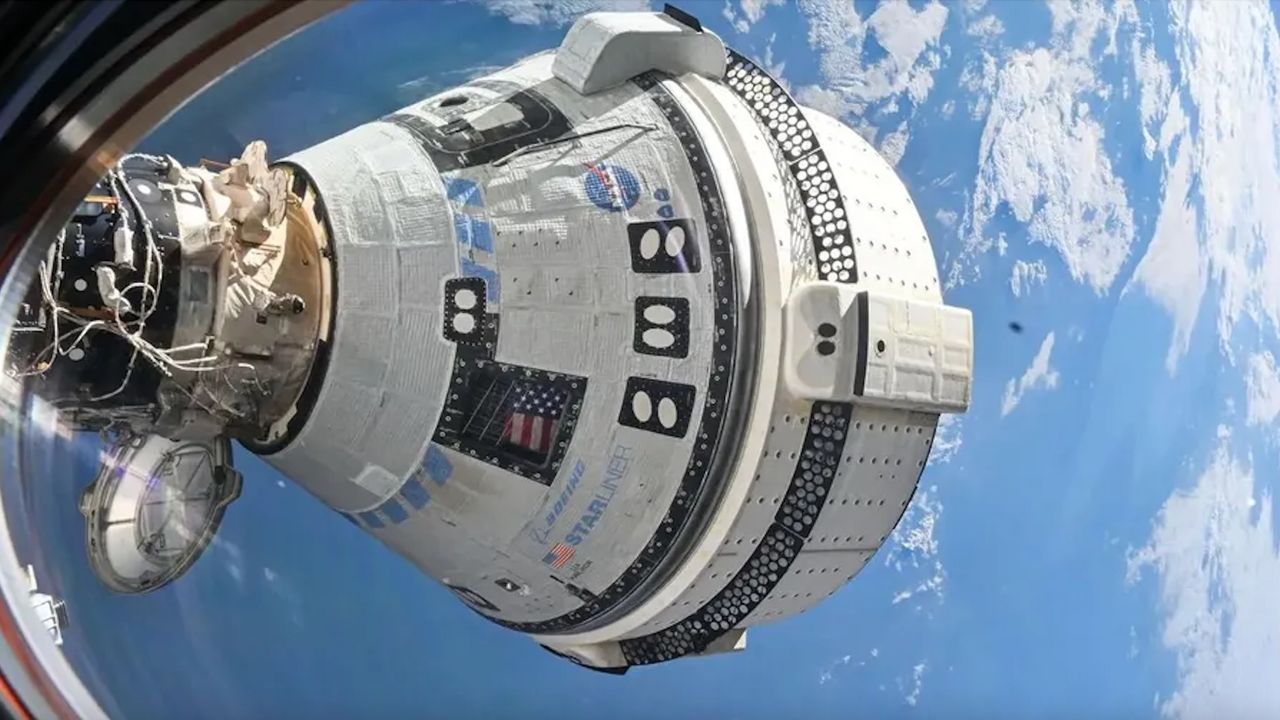
NASA audit puts Boeing's Starliner under an even bigger microscope: When will it fly astronauts again?
A recent audit by NASA highlights the agency's need to secure additional astronaut flights to the International Space Station (ISS) by 2030, primarily due to ongoing challenges with Boeing's Starliner spacecraft. The report underscores concerns regarding the spacecraft's development and operational readiness, which have prompted NASA to reassess its current flight schedule and capabilities. As the agency aims to maintain a continuous human presence in low Earth orbit, the findings emphasize the urgency of addressing these issues to ensure reliable transportation for astronauts. The audit serves as a critical reminder of the complexities involved in space missions and the importance of robust partnerships with commercial providers like Boeing.
Human Spaceflight Space Exploration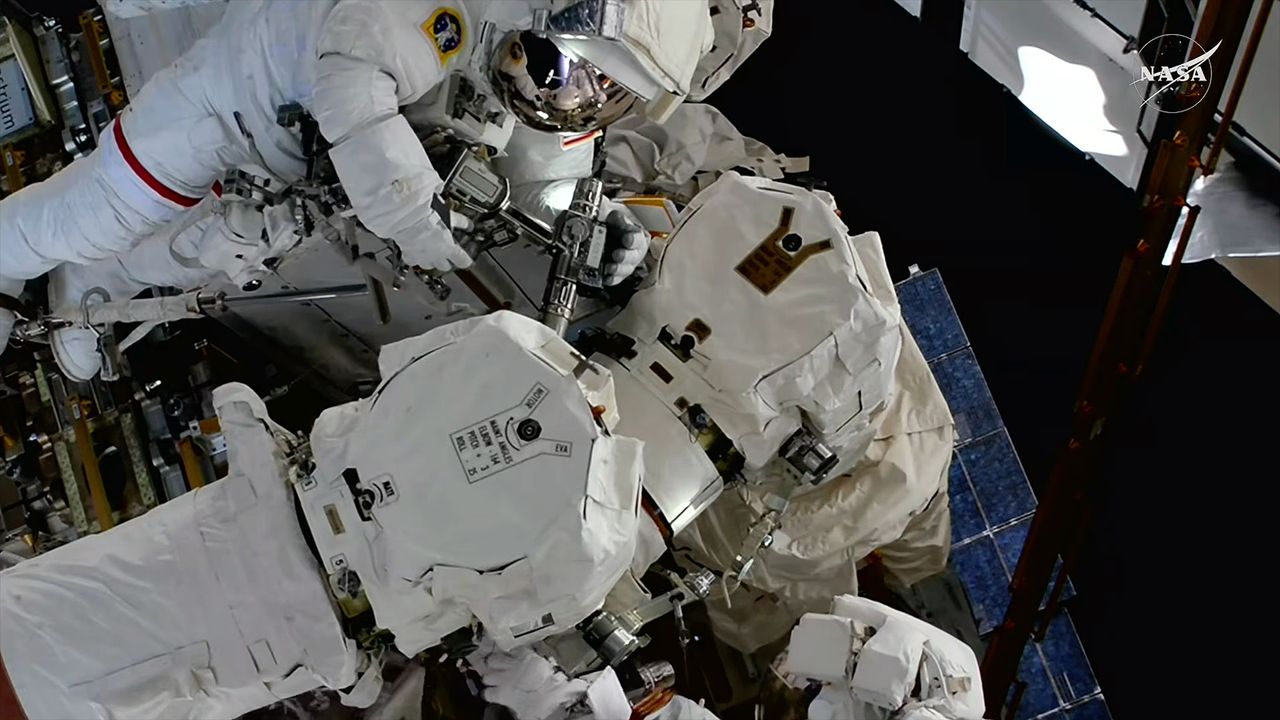
‘Just in time for Canada Day’: Spacewalking astronauts repair space station’s huge Canadarm2
On June 30, 2026, Expedition 74 flight engineers Chris Williams and Jessica Meir successfully completed a seven-hour spacewalk at the International Space Station. The mission involved replacing a wrist joint on the Canadarm2 robot arm, a critical component used for various tasks, including satellite deployment and maintenance of the space station. This repair was essential to ensure the continued functionality of the robotic arm, which plays a vital role in supporting operations and research aboard the ISS. The spacewalk exemplified the ongoing commitment to maintaining and enhancing the capabilities of the station, highlighting the importance of human ingenuity in the challenging environment of space.
International Space Station Space Exploration Missions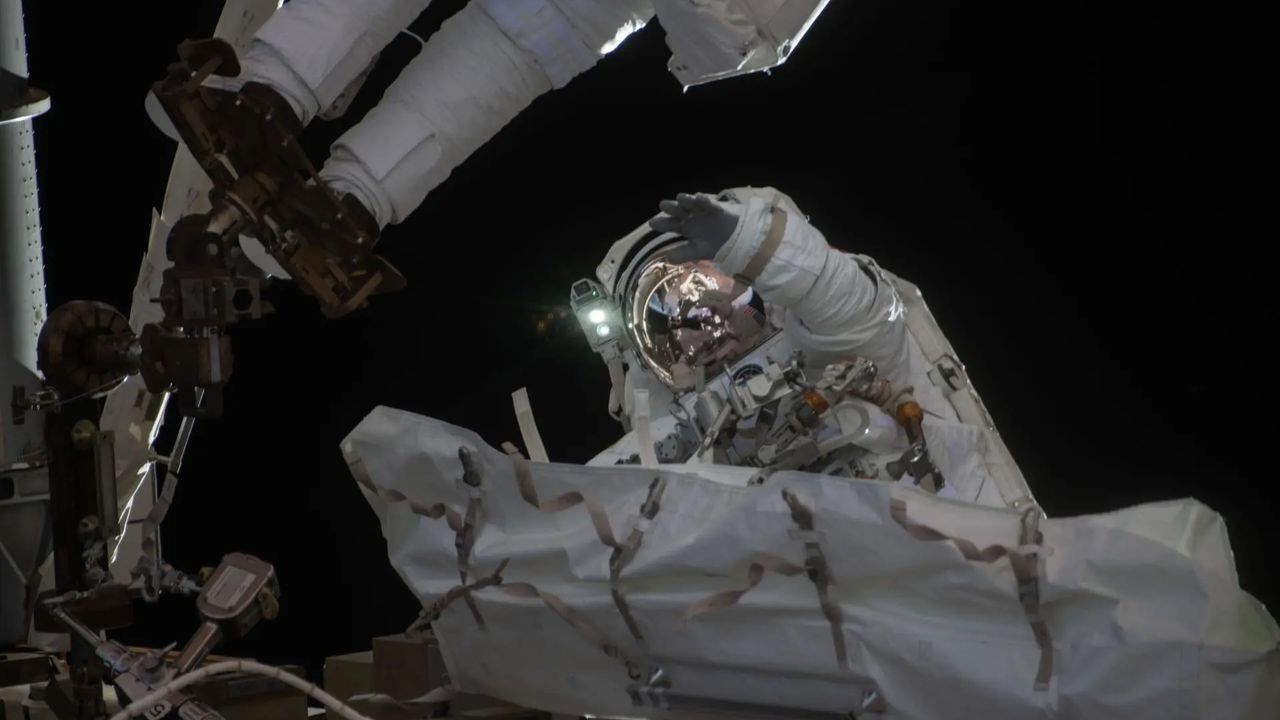
Watch 2 NASA astronauts fix ISS' huge robotic arm during June 30 spacewalk
NASA astronauts Chris Williams and Jessica Meir are scheduled to conduct a spacewalk on Tuesday, June 30, to repair the Canadarm2 on the International Space Station. This critical maintenance task is essential for ensuring the functionality of the robotic arm, which plays a vital role in various operations aboard the station. The spacewalk will be broadcast live, allowing viewers to witness the astronauts as they work in the unique environment of space.
International Space Station Space Exploration Missions
From Pepper's Disastrous Defeat to SoftBank's Mass Production Launch: Masayoshi Son's Third Bet on Robots?
Masayoshi Son, the CEO of SoftBank, is making a significant move in the robotics industry as the company prepares to launch mass production of its latest robotic technology. This initiative comes on the heels of SoftBank's previous setbacks, including the disappointing performance of the Pepper robot, which failed to meet market expectations. The decision to invest in mass production reflects Son's ongoing commitment to the robotics sector, despite past challenges. The announcement was made during a press conference held in Tokyo, where Son outlined his vision for the future of robotics and the potential applications of the new technology. He emphasized the importance of innovation and adaptability in a rapidly changing market, suggesting that SoftBank aims to leverage its expertise to regain its foothold in the industry. The push for mass production is driven by the growing demand for automation and robotics in various sectors, including healthcare, manufacturing, and customer service. SoftBank's strategy involves not only enhancing the capabilities of its robots but also ensuring they are accessible and affordable for businesses of all sizes. As SoftBank embarks on this new chapter, industry analysts are closely monitoring the company's progress, considering both the potential rewards and the risks associated with its ambitious plans. The outcome of this venture could redefine SoftBank's position in the robotics market and influence the future of automation technology globally.
Robotics Automation AI
NASA's AstroPix Technology Demonstration to Advance Next-Generation Gamma-Ray Detection
NASA is set to conduct an in-orbit demonstration of its innovative AstroPix gamma-ray sensor, a cutting-edge pixel-based detector designed to enhance the study of gamma-ray bursts and active galaxies. This significant event is scheduled to take place in the near future as part of NASA’s ongoing efforts to advance astrophysical research. The AstroPix sensor aims to provide unprecedented insights into cosmic phenomena, which could deepen our understanding of the universe. By utilizing this advanced technology in space, NASA hopes to gather critical data that will inform future missions and studies in astrophysics. The demonstration marks a pivotal step in harnessing new detection methods to explore the mysteries of high-energy astrophysical events.

From Materials Simulation to Experimental Astronomy, New NVIDIA AI Software Unlocks Scientific Discoveries
During the ISC conference taking place this week in Hamburg, NVIDIA unveiled innovative software aimed at accelerating artificial intelligence applications in scientific research. The newly introduced DAQIRI library and ALCHEMI NIM software are designed to enhance processes in various fields, including chemistry, materials discovery, and even the exploration of dark matter. By leveraging advanced AI capabilities, NVIDIA seeks to empower researchers and scientists to achieve breakthroughs more efficiently, addressing the growing demand for faster and more effective scientific solutions.
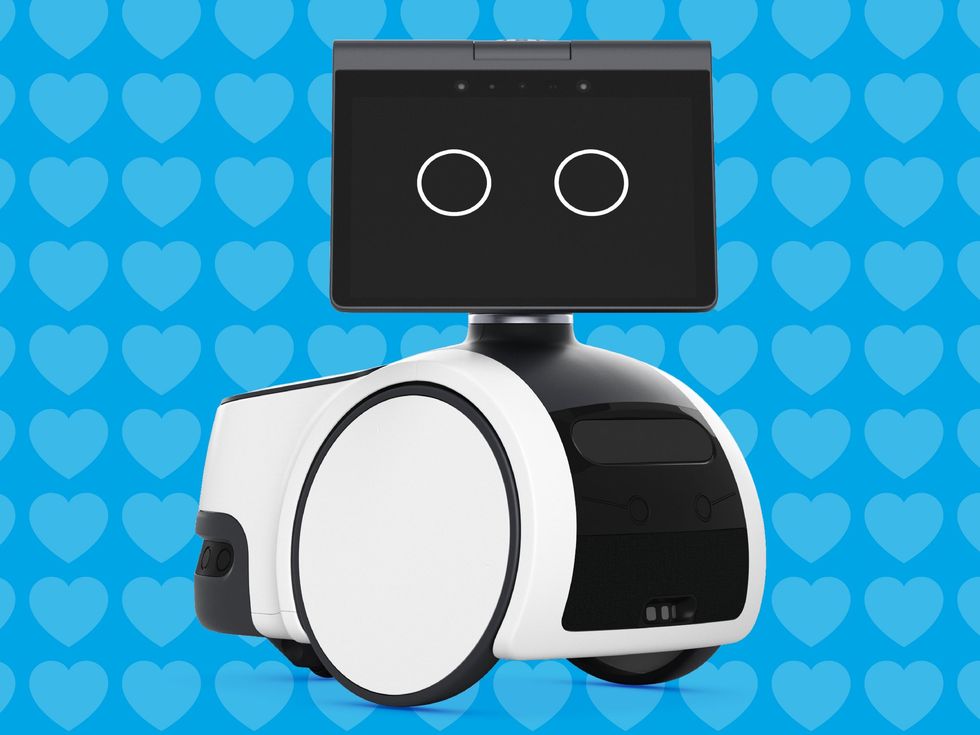
What Amazon’s Astro Taught Me About Giving Robots a Soul
In 2018, Amazon appointed a lead UX Sound Designer to develop Astro, its first consumer home robot capable of navigating and interacting within homes. The team faced a critical decision: whether to position Astro as an extension of Alexa or as a distinct character. Ultimately, user testing revealed that people preferred Astro as its own entity, leading to the decision to have Alexa serve as a supporting character while Astro communicated through sound, motion, and facial expressions. The design process involved defining Astro's character, which included determining its emotional range and how it would express uncertainty without losing user trust. The team emphasized the importance of a cohesive character, as inconsistencies could lead to a disjointed user experience. Astro's wake-up sequence, characterized by a blend of sound and motion, became a highlight during testing, with users describing it as "alive." Despite progress, the team acknowledged that character development often takes a backseat in product design, which can lead to lifeless devices. The designer urged product leaders to prioritize character definition early in the design process, integrate story and sound into character development, and design for adaptability to create more engaging and responsive products. The full narrative detailing these insights is available on Medium.
Amazon Astro Consumer-robotics Home-robots
Astrobotic unveils Griffin-1, NASA’s Moon Base lander with 1,377-lb payload, for 2026
Astrobotic has officially introduced its Griffin-1 lunar lander, which has been chosen by NASA for future lunar missions. The unveiling took place during a recent event, showcasing the lander's advanced technology and design aimed at facilitating exploration and research on the Moon. This selection is part of NASA's broader Artemis program, which seeks to return humans to the lunar surface and establish a sustainable presence there. The Griffin-1 is expected to play a crucial role in delivering payloads to the Moon, supporting scientific experiments and technology demonstrations. Astrobotic's commitment to lunar exploration underscores the growing interest in space commercialization and international collaboration in scientific endeavors.
Space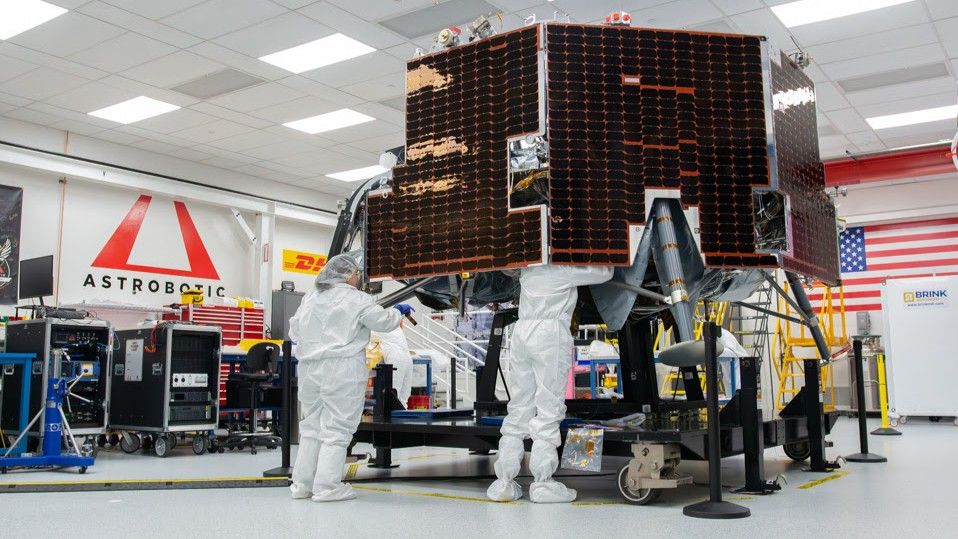
Astrobotic unveils Griffin-1 lunar lander for NASA Moon Base mission
Astrobotic has announced the launch of its latest lunar lander, Griffin-1, which is set to deliver one of the heaviest payloads to the moon's surface. This significant development was revealed recently, highlighting Astrobotic's ongoing commitment to advancing lunar exploration. The mission aims to support various scientific and commercial endeavors on the moon, showcasing the potential for future lunar activities. The Griffin-1 lander is expected to play a crucial role in expanding our understanding of the lunar environment and facilitating further exploration initiatives.
Space Exploration
Robotic Assistance in Natural Disasters and Human-Caused Crises
The Synergise research and development consortium is conducting its first integrated system field test to evaluate new technological solutions, including robots, drones, sensors, localization systems, wearables, and communication platforms. This test is taking place at a training ground in Botkyrka, Sweden, where the consortium aims to assess the effectiveness of these technologies in realistic operational environments. The initiative is driven by the need to enhance response capabilities for natural disasters and human-made crises, showcasing how advanced technology can aid in emergency situations.
Allgemein Newsarchiv Servicerobotik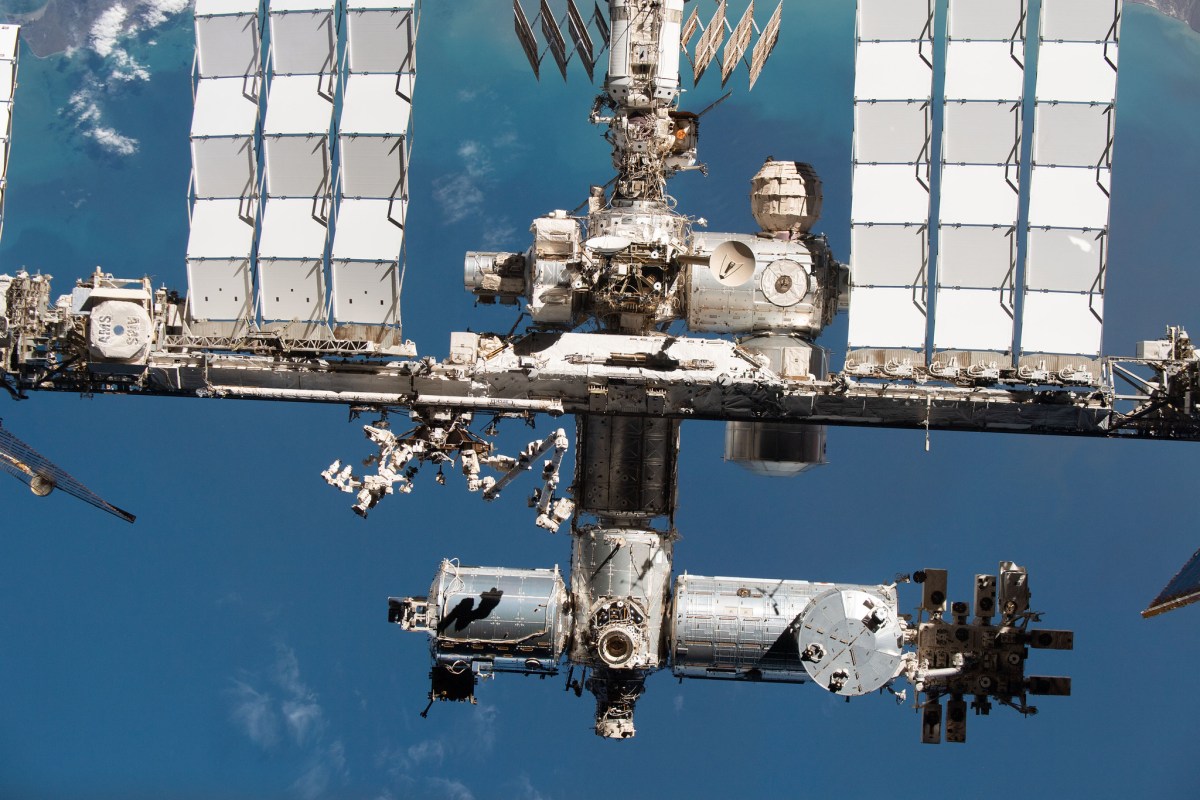
NASA briefly sheltered space station astronauts in SpaceX’s Dragon due to leaks
The Russian space agency Roscosmos has reported the discovery of new leaks in the Russian service module of the International Space Station (ISS). This announcement comes as part of ongoing monitoring and maintenance efforts to ensure the integrity and functionality of the module, which plays a crucial role in supporting the ISS's operations. The leaks were identified during routine inspections, prompting immediate attention from engineers and scientists. The agency has not specified the exact timing of the discovery but emphasized the importance of addressing these issues to maintain the safety and stability of the space station. This development underscores the challenges faced in maintaining aging space infrastructure and highlights the need for continued vigilance in space exploration efforts.
Space crew dragon Dragon international space station NASA SpaceX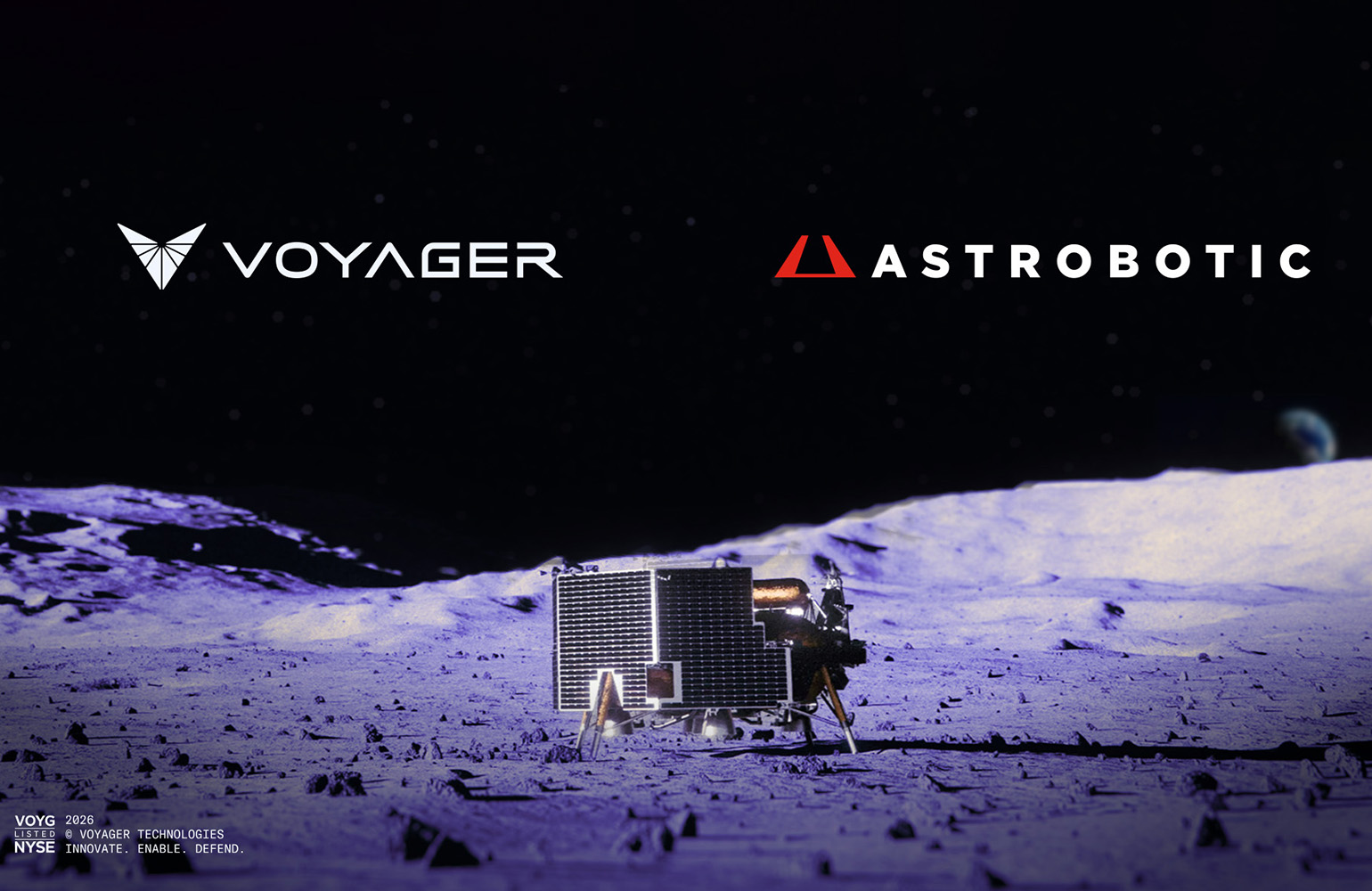
Voyager Technologies acquires Astrobotic to advance lunar initiatives
Voyager Technologies has announced its acquisition of Astrobotic, a move aimed at enhancing the development of lunar initiatives and reusable rocket programs. This strategic investment is set to accelerate Astrobotic's existing projects, positioning the company to play a significant role in the growing space exploration sector. The acquisition reflects Voyager's commitment to advancing technologies that support lunar exploration and sustainable space travel. The deal underscores the increasing interest and investment in space-related ventures, particularly those focused on the Moon and beyond.
Aerospace Financial Markets / Industries Mergers & Acquisitions News Astrobotic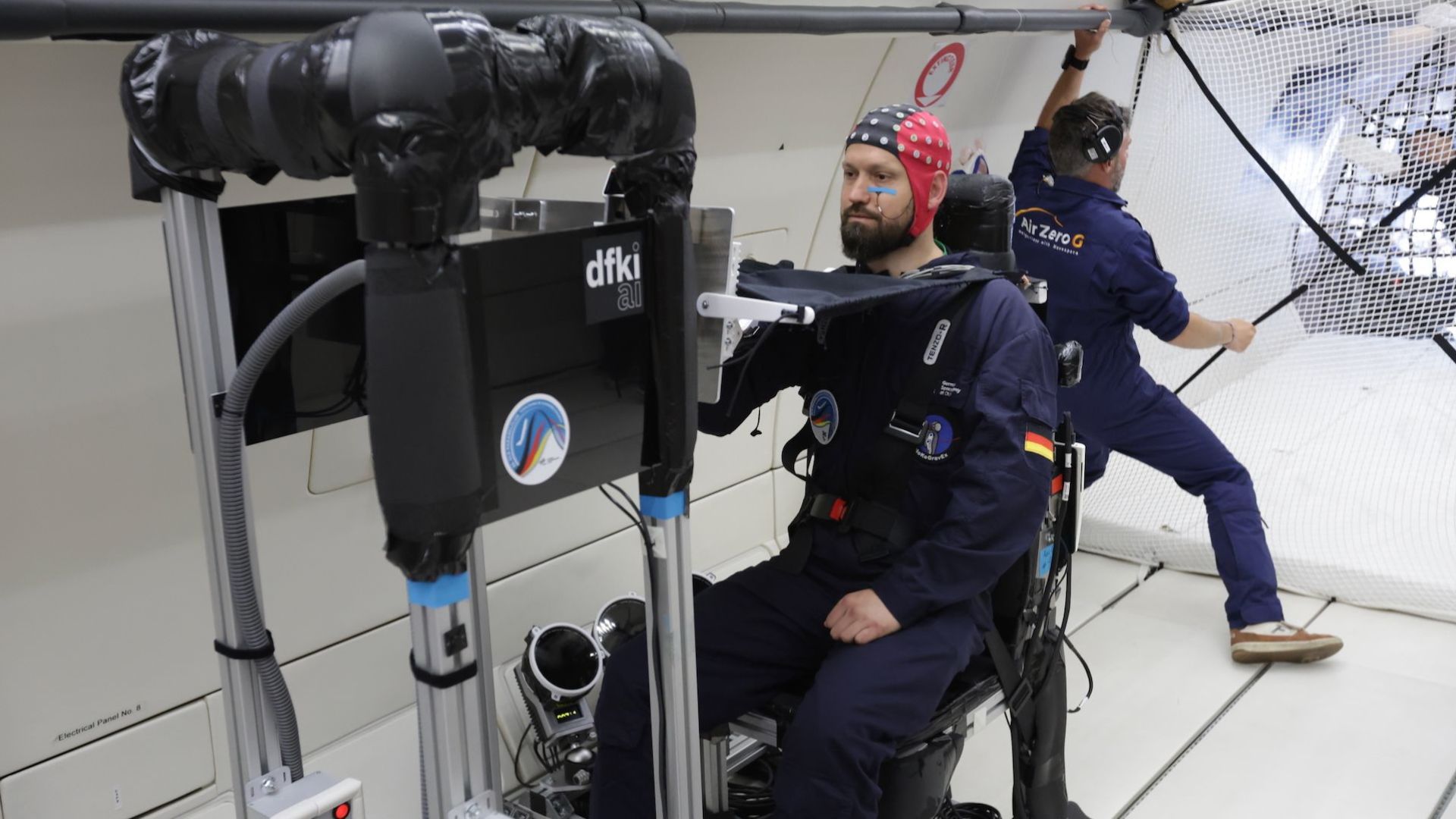
Robotic suit simulates weightlessness on Earth to improve astronaut motor skills
Researchers from the German Research Center for Artificial Intelligence (DFKI) and the University of Duisburg-Essen have unveiled a groundbreaking study that explores the potential of artificial intelligence in enhancing urban planning. This research, published on October 15, 2023, aims to address the growing challenges of urbanization by integrating AI technologies into city development strategies. The study focuses on how AI can analyze vast amounts of data related to traffic patterns, environmental impacts, and population growth to create more efficient and sustainable urban environments. By employing advanced algorithms, the researchers demonstrate that AI can predict future urban needs and optimize resource allocation, ultimately leading to improved quality of life for residents. The motivation behind this initiative stems from the increasing pressure on cities worldwide to adapt to rapid population growth and climate change. As urban areas expand, traditional planning methods often fall short, necessitating innovative solutions that AI can provide. Through a series of simulations and case studies, the researchers illustrate the practical applications of their findings, showcasing how AI-driven insights can inform decision-making processes for city planners and policymakers. This collaborative effort highlights the importance of interdisciplinary approaches in tackling complex urban issues, paving the way for smarter, more resilient cities in the future.
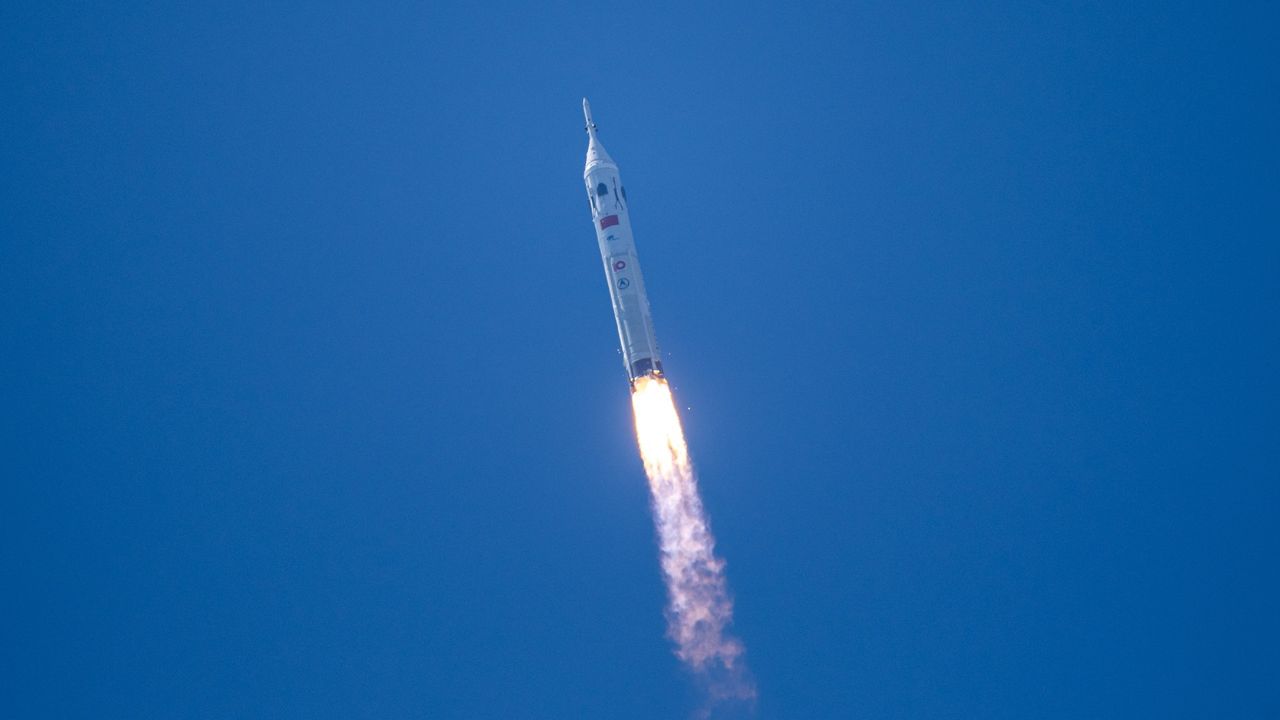
China shakes up its space programs to land astronauts on the moon by 2030: 'We will spare no effort'
China is integrating its robotic Chang'e lunar probe initiatives with its human spaceflight program, aiming to achieve a manned moon landing by 2030. This strategic move reflects the country's commitment to advancing its space exploration capabilities and establishing a more comprehensive approach to lunar missions. By combining robotic and human efforts, China seeks to enhance the efficiency and safety of its lunar exploration endeavors, paving the way for future scientific research and potential long-term lunar habitation. The initiative underscores China's ambition to become a leading player in space exploration, following a series of successful robotic missions that have already gathered valuable data about the moon's surface and resources.
Space Exploration
Ford’s EV Pivot Was Disastrous. Now It’s Trying to Compete with Tesla on Energy Storage.
A significant event unfolded recently as local authorities in Springfield announced a new initiative aimed at improving community safety. This program, set to launch next month, will focus on increasing police presence in high-crime areas and enhancing neighborhood watch efforts. The decision comes in response to rising concerns among residents regarding safety and crime rates in the city. City officials, including the mayor and police chief, emphasized the importance of collaboration between law enforcement and the community to foster a safer environment. The initiative will involve regular community meetings to gather input and address residents' concerns, ensuring that the program is tailored to the specific needs of each neighborhood. Funding for the initiative has been secured through a combination of city budget allocations and state grants, demonstrating a commitment to prioritizing public safety. The program aims not only to reduce crime but also to build trust between the police and the community, encouraging residents to take an active role in their own safety. As the launch date approaches, officials are optimistic that this proactive approach will lead to a noticeable decline in crime rates and an overall improvement in community relations. The initiative represents a significant step forward in addressing the pressing safety issues faced by Springfield residents.
Tesla: Disastrous Robotaxi Checkup
In a recent development, investors are closely monitoring the stock market as companies report their quarterly earnings. This wave of earnings announcements, which began in early October 2023, is taking place across various sectors, including technology, healthcare, and consumer goods. Analysts are particularly focused on how these results will reflect the broader economic conditions and consumer spending trends. The earnings reports are crucial for investors as they provide insights into company performance and future growth potential. Many firms are expected to face challenges due to inflationary pressures and supply chain disruptions, which could impact their profitability. As a result, market participants are assessing whether companies can meet or exceed expectations set by analysts. The earnings season is anticipated to continue through the end of the month, with major corporations scheduled to release their results. Investors are employing various strategies to navigate the volatility, including diversifying their portfolios and closely following market indicators. Overall, the outcome of this earnings season will play a significant role in shaping market sentiment and influencing investment decisions as stakeholders seek to understand the economic landscape moving forward.
TSLA TSLA:CA Stone Fox Capital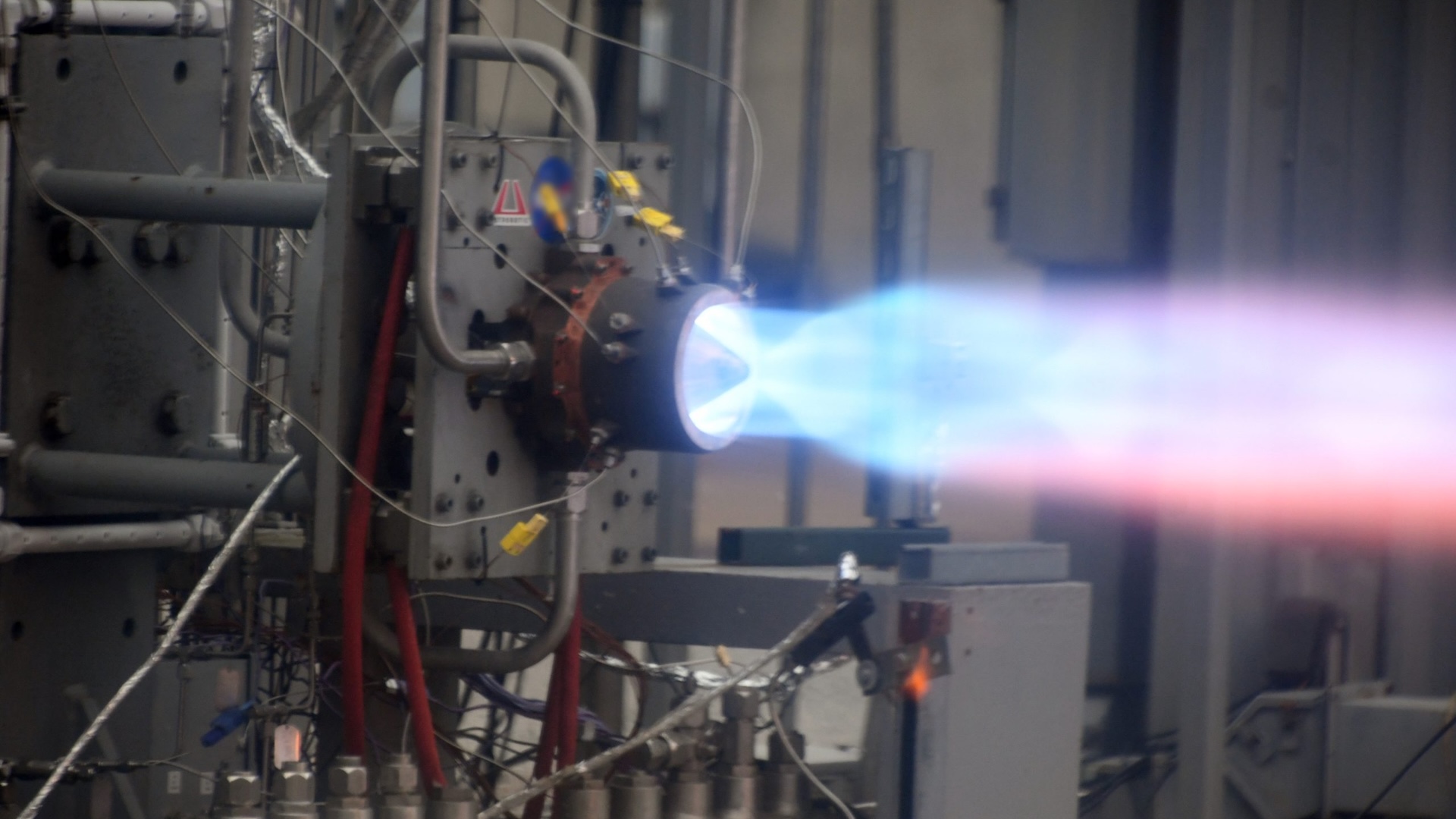
Astrobotic’s detonation engine produces 4,000 lbs of thrust in record-breaking test
Astrobotic successfully tested its Chakram rotating detonation rocket engine (RDRE) for the first time, marking a significant milestone in propulsion technology. The test took place recently at the company’s facility, where engineers monitored the engine's performance under various conditions. This innovative engine design aims to enhance efficiency and reduce costs in space travel, aligning with Astrobotic's mission to advance space exploration. The successful demonstration of the RDRE is expected to pave the way for future applications in both commercial and governmental space missions, showcasing the potential for improved propulsion systems in the aerospace industry.
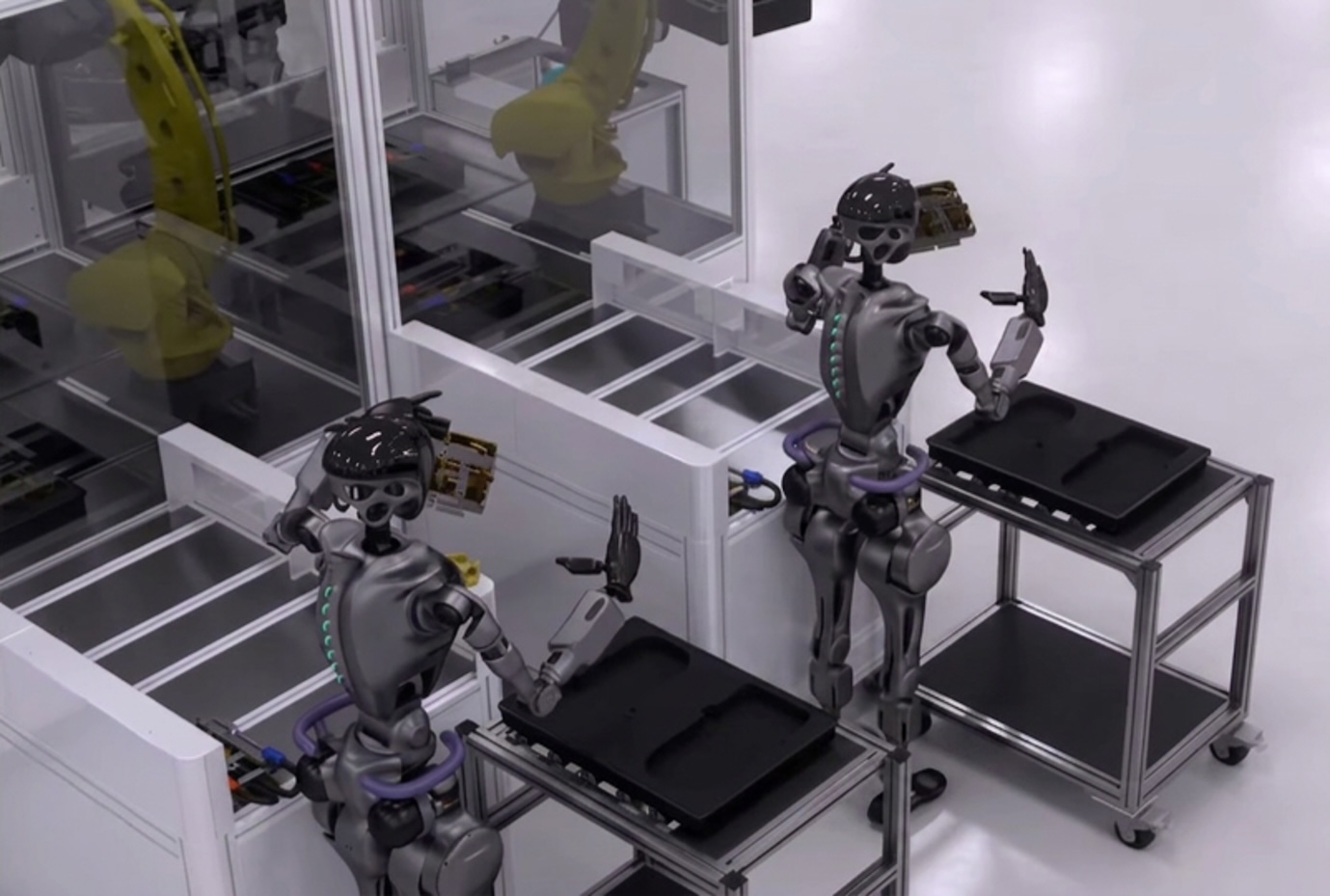
Sony to release China edition of Astro Bot on Dec. 12
Sony Interactive Entertainment has announced that the China edition of its popular game, Astro Bot, will officially launch on December 12. This marks the game’s entry into the mainland Chinese market. Astro Bot, a 3D platformer developed by Team ASOBI, invites players to navigate a small robot through a variety of levels, utilizing different abilities to embark on an adventurous journey. The release aims to expand the game's reach and cater to the growing gaming community in China.
News FeedRobotics needs a service framework.
RSF defines a common language for robot service capability, lifecycle operations, certification pathways, and service-provider networks.
Join the RobotToday community on LinkedIn
Daily robotics news, in-depth analysis, conference highlights, and discussions with professionals worldwide.







