Industry Briefing
A single destination for timely, editor-curated robotics news from around the world.
Video Friday: Robotic Motion Discovery Reveals Unusual Behaviors
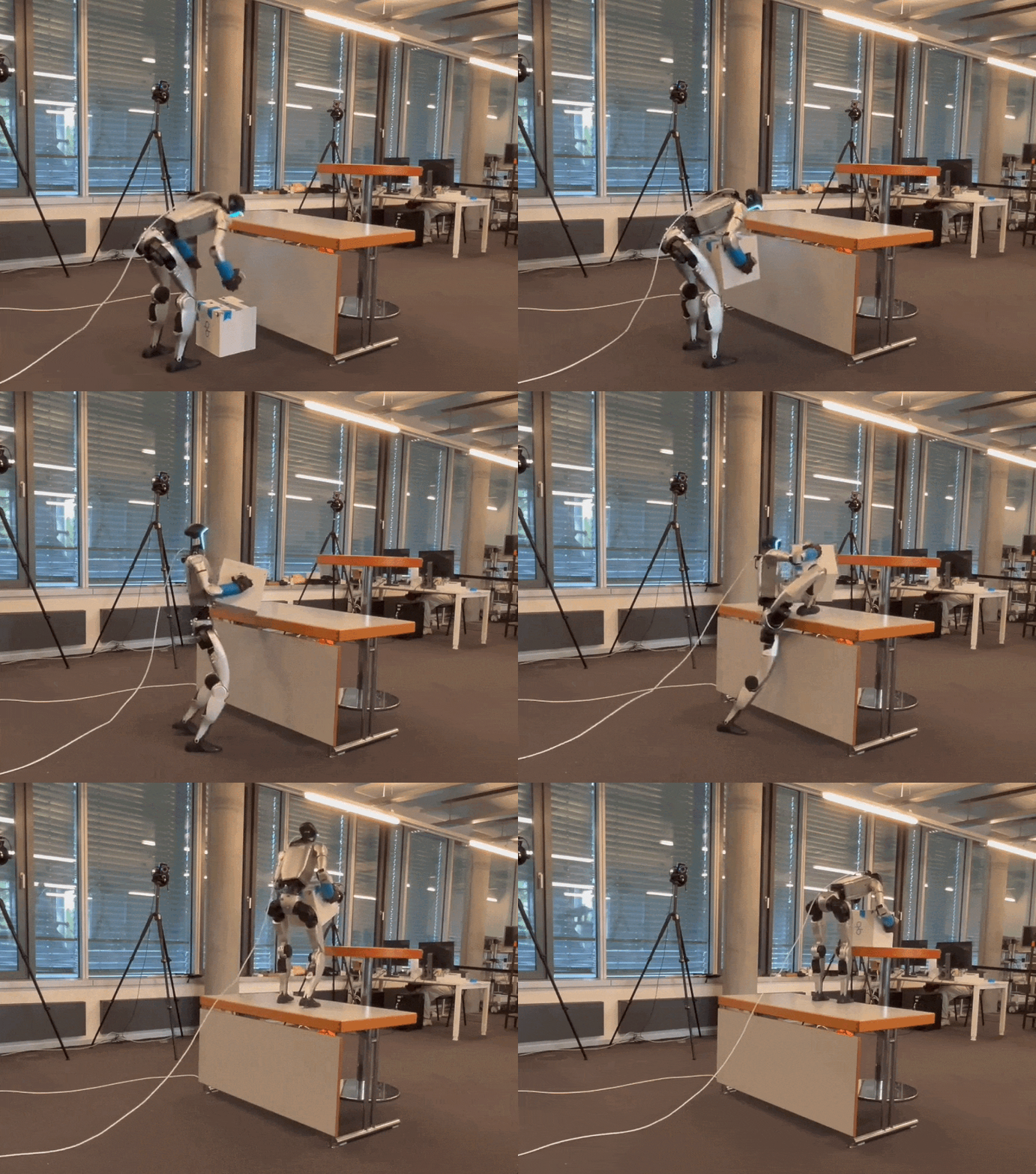
IEEE Spectrum robotics has released its latest edition of Video Friday, showcasing an array of innovative robotics videos and announcing upcoming events in the field. Notable events include RSS 2026 in Sydney from July 13-17, the Summer School on Multi-Robot Systems in Prague from July 29 to August 4, and Actuate 2026 in San Francisco on August 18-19. Among the featured videos is MotionDisco, a framework that autonomously discovers complex humanoid loco-manipulation motions, highlighting the challenges of coordinating fluid movements across multiple joints. Additionally, the Human Support Robot (HSR) from Toyota is demonstrated in real home environments, assisting residents with daily tasks, showcasing the potential for robots to become long-term companions. Other highlights include the MIDAS Hand, an open-source robotic hand designed for manipulation and research, and a novel flight maneuver by a bipedal robot that showcases advanced aerial control. The European Space Agency shares a timelapse of Dextre, a robotic handyman, efficiently unloading equipment in space, while ROBOTIS introduces AI Sapiens, which learns humanoid motions using just a smartphone camera. In a collaborative effort, LUMOS Robotics has launched Project EDGE, inviting global innovators to explore humanoid robotics, while Sphero emphasizes its educational products designed to nurture computational thinking from early childhood through high school. These developments illustrate the rapid advancements and collaborative spirit within the robotics community.
Humanoid-robots Video-friday Quadruped-robots Robot-videos Home-robots Dexterity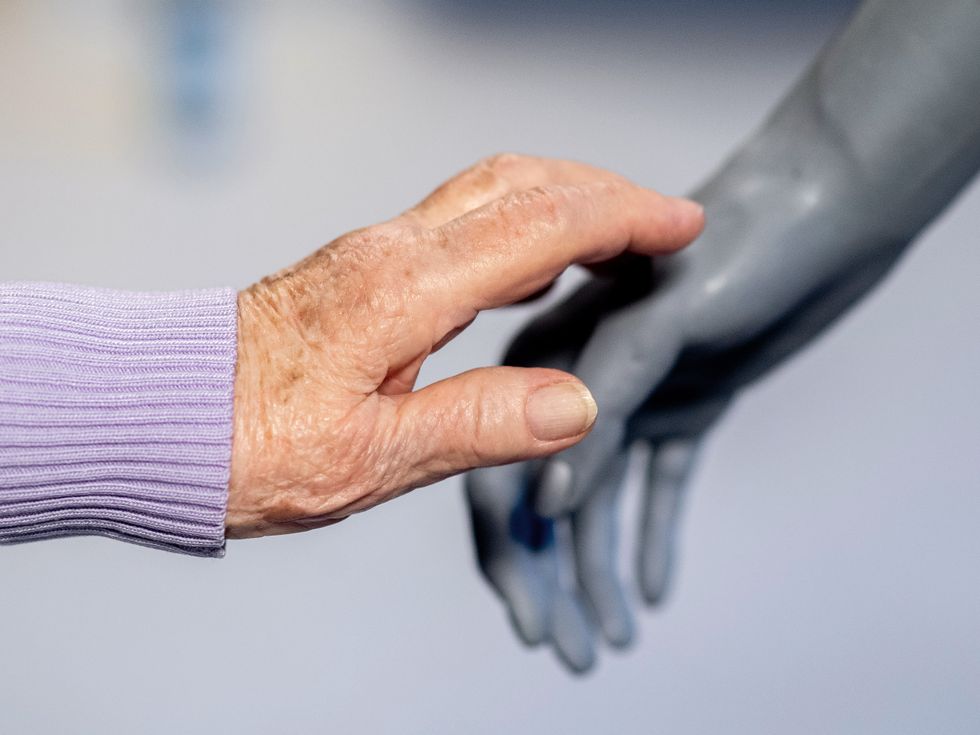
Home Robot Safety Is All About Relationships
The International Standards Organization (ISO) is in the process of updating its safety requirements for personal care robots, a revision that has not occurred in 12 years. This update comes at a crucial time as manufacturers transition from laboratory prototypes to products designed for real-world domestic environments. The proposed changes focus on hazard identification and risk assessment but lack binding compliance criteria and testing methods to address the complexities of human-robot interactions. Jae-Seong Lee, a technology policy researcher from South Korea's Electronics and Telecommunications Research Institute, emphasizes that safety in domestic settings is not merely about avoiding collisions; it involves understanding the dynamic relationship between humans and robots. Current standards, such as ISO 13482, acknowledge various hazards but do not fully translate this knowledge into enforceable rules. The challenge lies in ensuring that robots can operate safely in unpredictable home environments, which differ significantly from controlled industrial settings. Moreover, the standards process has been criticized for not adequately representing the perspectives of older adults, who are often the primary users of these robots. Lee warns that if safety assumptions are embedded in products without thorough scrutiny, it could lead to significant risks, including potential injuries. He advocates for a shift in focus from machine-centric safety measurements to a more holistic approach that considers the interactions between humans and robots. This revision aims to address these pressing concerns, although many unresolved issues remain in advisory language rather than binding regulations.
Home-robots Domestic-robots Standards Iso Robot-safety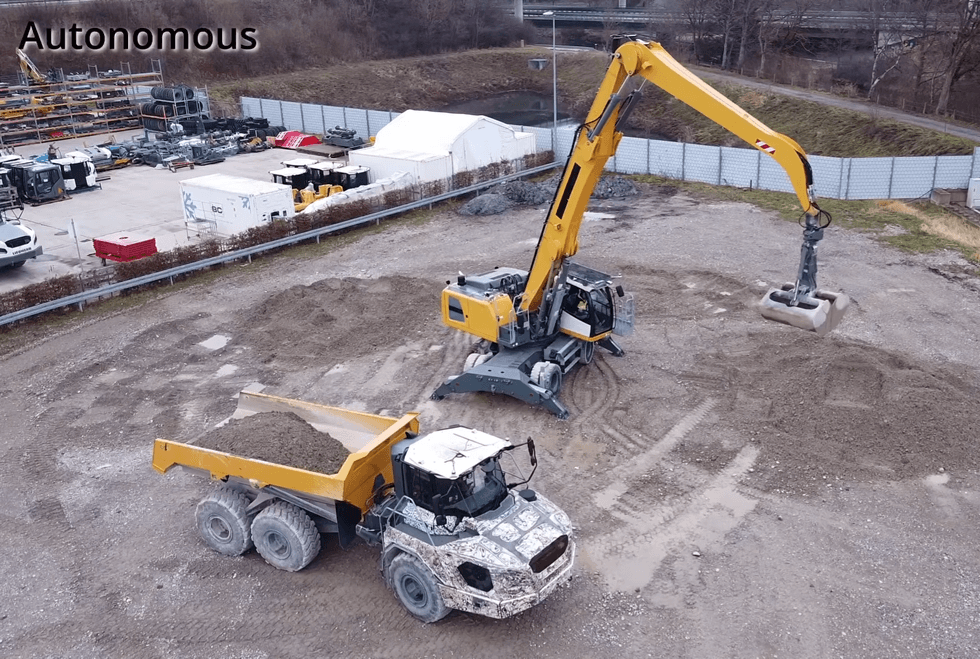
Video Friday: Heavy Robotic Machinery Operates Itself
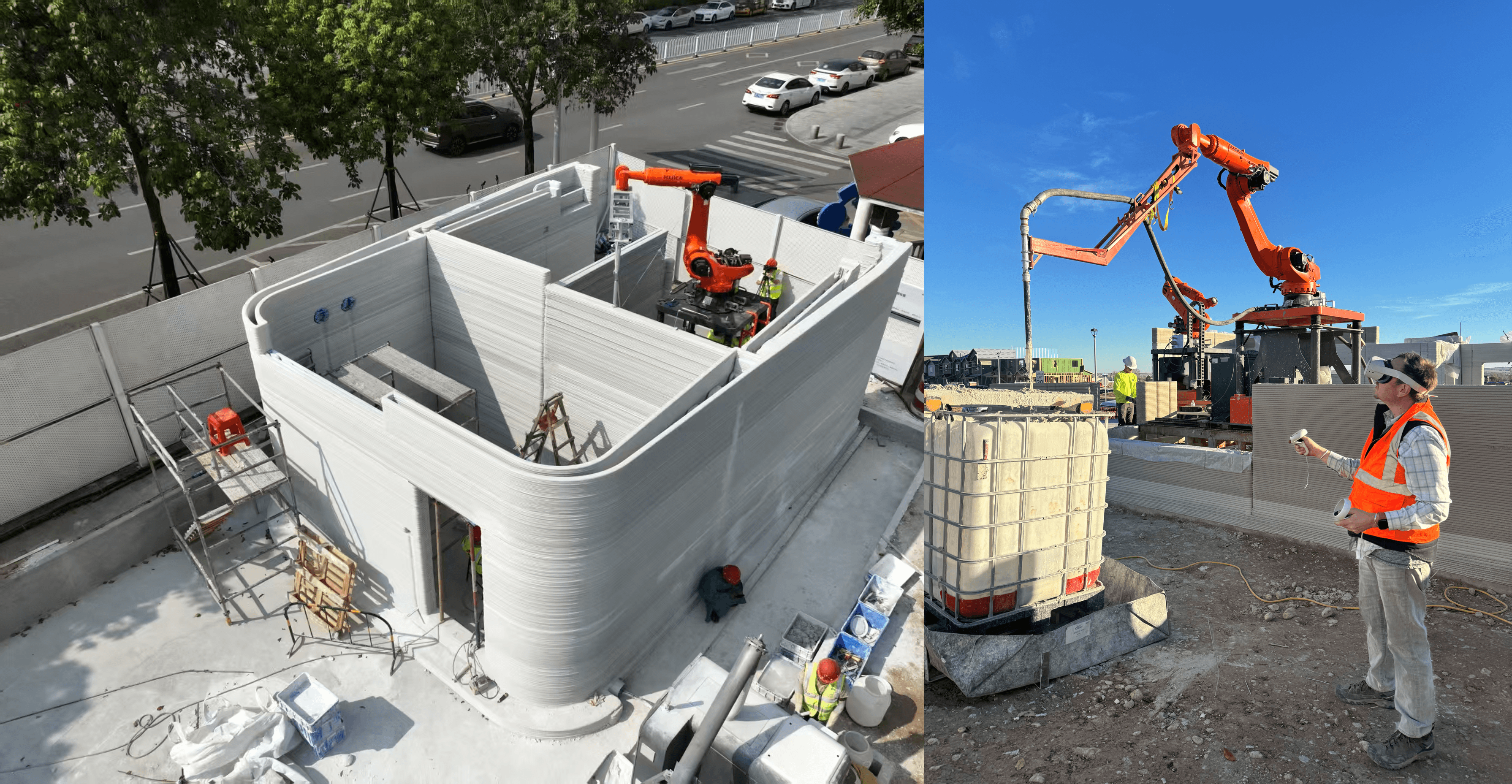
IEEE Spectrum robotics has released its latest edition of "Video Friday," showcasing a variety of innovative robotics videos and announcing upcoming robotics events. Notable conferences include ICRA 2026 in Vienna from June 1-5, and the Summer School on Multi-Robot Systems in Prague from July 29 to August 4, 2026. Among the featured content is a groundbreaking autonomous material-handling solution developed by ETH Zurich, capable of operating a 40-ton material handler, traditionally a labor-intensive task. Other highlights include the introduction of the world's first production-ready manned mecha by Unitree, and the launch of NIX, an embodied AI exploring dance and movement, which will be made available for free to select partners. NTNU has unveiled the Unified Autonomy Stack, a robust system designed for aerial and ground robots, enhancing their autonomy through advanced perception and navigation capabilities. This system has been validated in challenging environments, showcasing its effectiveness in exploration and object discovery. Robotics expert Rodney Brooks, cofounder of Robust AI, shared insights on the challenges of innovation in robotics and the implications of the current AI surge during a Q&A session ahead of his panel at the Forbes America Innovates event in San Francisco. As the field continues to evolve, the integration of data collection methods remains a significant challenge, with the Koala platform exemplifying innovative approaches to enhance robotic manipulation tasks.
Home-robots Humanoid-robots Video-friday Material-handling-technology Robot-videos Robot-grippers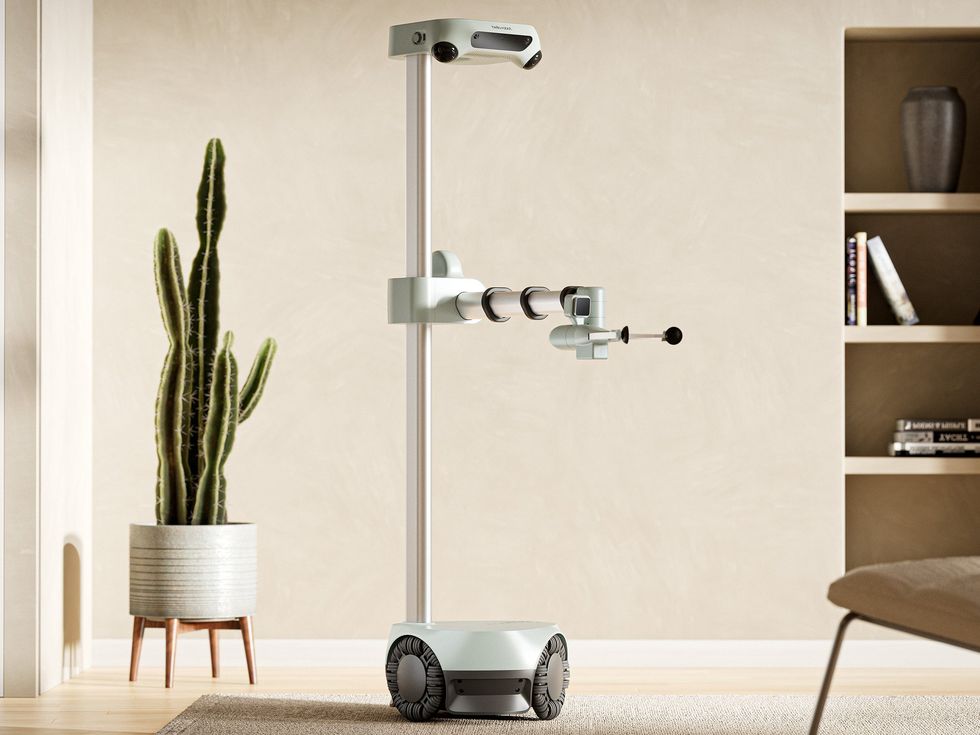
Hello Robot Sets the Standard for Practical, Safe Home Robots
Hello Robot has announced the launch of Stretch 4, a new version of its mobile robot designed for practical household tasks. This announcement comes as the company aims to transition from research-focused robotics to a deployable solution for home use, particularly for individuals with severe mobility impairments. The unveiling took place today, with the robot's design emphasizing mobility and manipulation over humanoid features. Stretch 4 features an advanced omnidirectional base allowing it to move in any direction, enhancing user control. The robot is equipped with a sophisticated sensor suite for improved navigation and autonomy, including cameras and lidar technology. Co-founders Aaron Edsinger and Charlie Kemp highlighted the challenges faced during the design process, aiming to avoid overcomplicating the robot while ensuring it meets real-world needs. The robot is intended for pilot deployments in homes, with the goal of gathering data to refine its capabilities for everyday use. Unlike humanoid robots, which may not effectively serve individuals with disabilities, Stretch 4's wheeled design is seen as more practical and safer for home environments. Priced at $29,950, Stretch 4 is positioned as an affordable option in the mobile manipulation market, with plans for further development leading to a commercially viable assistive robot in the near future.
Hello-robot Home-robots Humanoid-robots Mobile-manipulator Mobility-impaired
iRobot Founder Wants to Put a Robotic Familiar Into Your Home
Colin Angle, co-founder and former CEO of iRobot, has launched a new venture called Familiar Machines & Magic (FM&M) two years after stepping down from his previous role. The company has unveiled its first product, a quadruped robot named Familiar, designed for adult consumers. This innovative robot aims to enhance daily routines by interacting with users in a natural and engaging manner, promoting healthier habits and providing companionship. Familiar is equipped with 23 degrees of freedom for lifelike movement and features a touch-sensitive coat, advanced vision systems, and audio capabilities, allowing it to respond to human interactions effectively. Angle describes the robot as a “pet-like” companion that can motivate users to engage in activities, such as reducing screen time, by encouraging outdoor walks or social interactions. The development of Familiar was influenced by advancements in robotics and AI, which have made it feasible to create a socially responsive robot. FM&M emphasizes the importance of establishing long-term relationships between users and the robot, focusing on its role in supporting healthy routines rather than merely providing companionship. While the company has not yet launched the robot commercially or disclosed pricing, Angle envisions Familiar as a platform that could evolve into specialized applications, such as elder care and parental support. The challenge remains to ensure sustained user engagement and to manage expectations regarding the robot's capabilities. Angle expresses optimism about the project's potential, underlining the importance of fostering human connection through technology.
Irobot Social-robots Colin-angle Robot-animals Home-robots
Video Friday: This Floor Lamp Will Do Your Chores
IEEE Spectrum robotics has released its weekly roundup of notable robotics videos, along with a calendar of upcoming events in the field. Key events include the International Conference on Robotics and Automation (ICRA) scheduled for June 1-5, 2026, in Vienna, and the Robotics Science and Systems (RSS) conference from July 13-17, 2026, in Sydney. Among the highlights is Lume, a sculptural floor lamp that reportedly can perform household chores such as making beds and folding laundry, though skepticism surrounds its capabilities due to the presentation of its functionality in promotional materials. Additionally, researchers from MIT Media Lab and Politecnico di Bari have introduced Electrofluidic Fiber Muscles, a new type of artificial muscle that is soft and flexible, utilizing electric fields to operate silently without external pumps. Another innovation is GEN-1, a general-purpose AI model that significantly improves success rates in physical tasks and enhances speed, marking a step towards achieving generalist intelligence in robotics. The report also discusses advancements in legged manipulators, which face challenges in interacting with diverse articulated objects, and highlights the development of Tether, a system for autonomous interactive play that enhances policy learning through efficient data generation. As the robotics community continues to innovate, these developments signal exciting possibilities for the future of robotics applications.
Home-robots Video-friday Artificial-muscle Agricultural-robots Robot-ai Quadruped-robots