

The craziest week for AI: Here are the 8 major consensus you need to know.
- Published
- Source
- leaderobot.com
In April 2026, the State Grid Corporation of China unveiled its "2026 Embodied Intelligence Development Plan," which aims to invest approximately 6.8 billion yuan in the procurement of around 8,500 embodied intelligent devices. This initiative is set to enhance operations in four key sectors: power inspection, live working operations, emergency rescue, and warehousing logistics. A significant component of the plan includes the acquisition of 500 humanoid robots designated for live working tasks, with a budget allocation of 2.5 billion yuan, averaging 5 million yuan per unit.
This strategic move marks a pivotal transition in the power industry, shifting from small-scale trials to the large-scale deployment of humanoid robots. However, the ambitious plan raises critical questions regarding the technological infrastructure required for such robots, the justification of their pricing, the identification of primary suppliers, and the practical obstacles that must be overcome prior to widespread implementation. The procurement strategy also reflects a clear differentiation in functionality and pricing among the various types of robots, positioning humanoid robots at the premium end of the spectrum.
Original report
The craziest week for AI: Here are the 8 major consensus you need to know.
leaderobot.com · LeaderobotThis briefing is an independently written summary based on publicly available reporting and is provided for industry information and news discovery. The original report and source publication are credited and linked where applicable. RobotToday does not claim ownership of third-party source material.
Rights concerns? Contact [email protected] with the relevant URL and details. We will review the matter and take appropriate action where warranted.
More related news
-
1
SRS 2027 – Rome, Jun 23–27, 2027 RobotToday · 11 months from now
- 2
- 3
- 4
- 5
- 6
- 7
- 8
- 9
- 10
- 11
- 12
Related Suppliers

Chengdu Humanoid Robot Innovation Center Co., Ltd. 成都人形机器人创新中心有限公司
China
Chengdu-registered humanoid robot R&D company behind the Gongga-1 humanoid, the open-source RW-02OP wheeled-biped platform and Raydiculous-1 planning software
High Performance Humanoid Technologies Lab (H2T), Karlsruhe Institute of Technology
Germany
KIT research chair in Karlsruhe led by Prof. Tamim Asfour, developer of the ARMAR humanoid robot family from ARMAR-I (2000) to the household robot ARMAR-7.
Hubei Humanoid Robot Innovation Center 湖北人形机器人创新中心
China
Wuhan public platform opened in June 2025 to train humanoid robots and collect embodied-AI data in 23 simulated scenes; led by a Hubei state tech investor.
E-COBOT
France
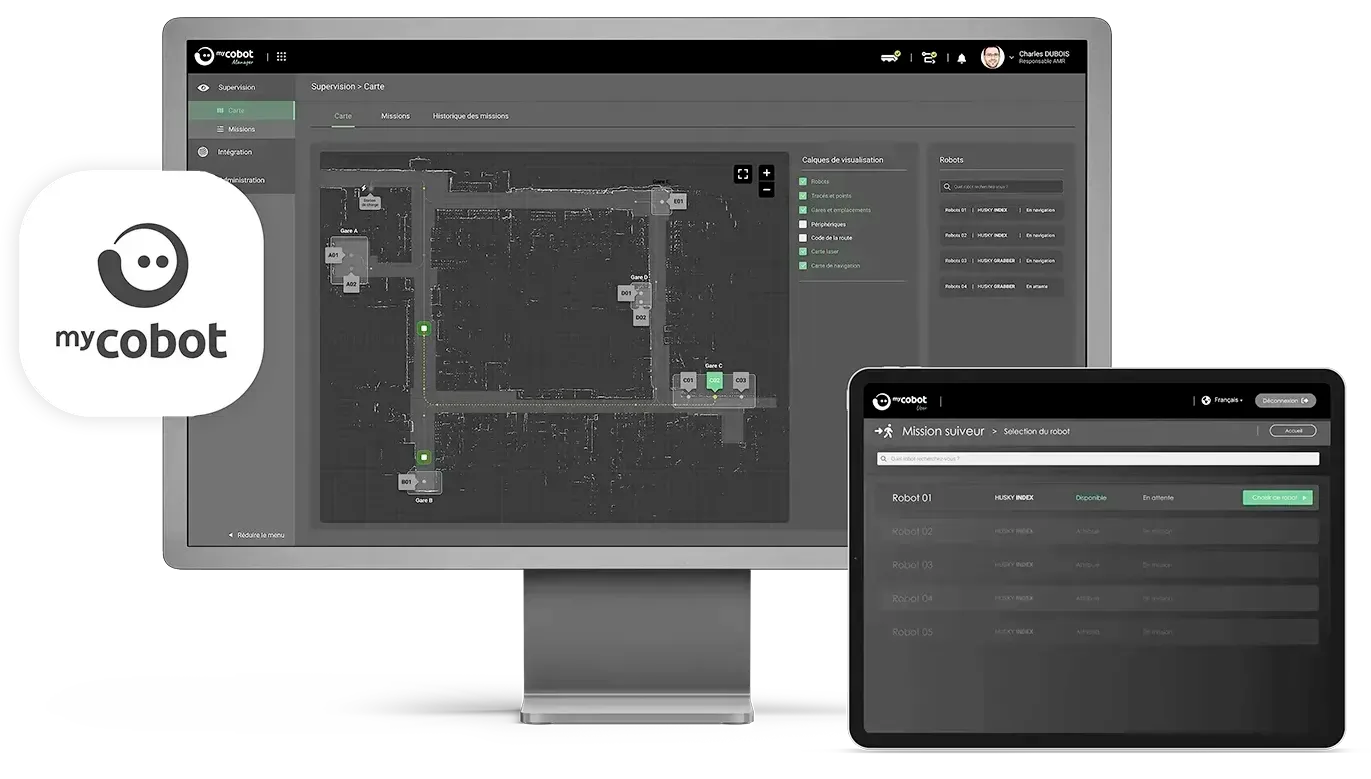
French AMR manufacturer and system integrator offering the HUSKY robot range and MyCobot fleet management software.
EasyMile
France
Toulouse, France autonomous-vehicle software company founded 2014; EZTow and EZDolly systems automate industrial tow tractors and cargo movers at airports.

Filics
Germany
Munich-based robotics startup making ultra-flat omnidirectional AMRs that drive under Euro pallets for space-efficient intralogistics.

Da Shiang Automation Industrial Co. Ltd. 達詳自動化工業股份有限公司
Taiwan
Taiwan-based robotic system integrator founded 2013; 1,000+ robot projects in automotive, aerospace, and metal manufacturing.

Janome Industrial Equipment Europe GmbH
Germany
German sales subsidiary of Janome Industrial Equipment (Japan), distributing servo presses and desktop/Cartesian robots in Europe since 1984.

Industrial Technology Research Institute (ITRI) 工業技術研究院
Taiwan
Hsinchu County, Taiwan applied-technology research institute founded 1973; over 6,500 staff developing autonomous mobile robots and AI perception systems.
Yuanqi Innovation (Xiamen) Robot Co., Ltd. 元启创新(厦门)机器人有限公司
China
Xiamen-based AgiBot VAP partner founded 2025; resells and customises AgiBot humanoids, Genie wheeled robots and D1 quadrupeds with turnkey service.

OM Robot Technology Co. Ltd. 东莞全向机械科技有限公司
China
Chinese manufacturer of mecanum wheels, omnidirectional wheel bases, and mobile robotic platforms for AGV applications.
Techman Robot Inc. (TM Robot) 達明機器人股份有限公司
Taiwan
Techman Robot is a Taiwanese cobot maker producing AI-powered collaborative robots with integrated built-in vision for manufacturing automation.
Robotics needs a service framework.
RSF defines a common language for robot service capability, lifecycle operations, certification pathways, and service-provider networks.
Join the RobotToday community on LinkedIn
Daily robotics news, in-depth analysis, conference highlights, and discussions with professionals worldwide.


