
Lockheed Martin
US aerospace and defense giant with robotics portfolio including ONYX powered knee exoskeleton, FORTIS passive exoskeleton, and HULC load-bearing system.
Contact Lockheed Martin
WEBSITE
https://www.lockheedmartin.comPHONE
-7197HEADQUARTERS
United States

Company Facts
Founded
1995
Primary Role
Manufacturer
Company Size
-
Primary Region
North America
Annual Sales
-
Funding Stage
-
Funding Total
-

Elroy Air Raises $175 Million to Advance Chaparral Drone Production
Elroy Air has secured $175 million in expanded private investment commitments to scale production of its Chaparral autonomous cargo drone. This funding, which includes contributions from Lockheed Martin Ventures and Inflection Point, will support the transition from testing to large-scale manufacturing for military and commercial applications. The significance of this funding lies in Elroy Air's goal to enhance the Chaparral's capabilities, allowing it to carry over 500 pounds of cargo up to 450 miles without traditional infrastructure. The investment will accelerate production and enable the delivery of Chaparral drones to commercial and defense partners, particularly following a recent $46 million contract with the US Army. Looking ahead, Elroy Air aims to produce its first aircraft by late 2026, with manufacturing handled by Kratos Defense & Security Solutions in Sacramento, California. The company is focused on transforming successful demonstrations into large-scale production, leveraging its new financial resources to meet growing demand in logistics and defense sectors.
News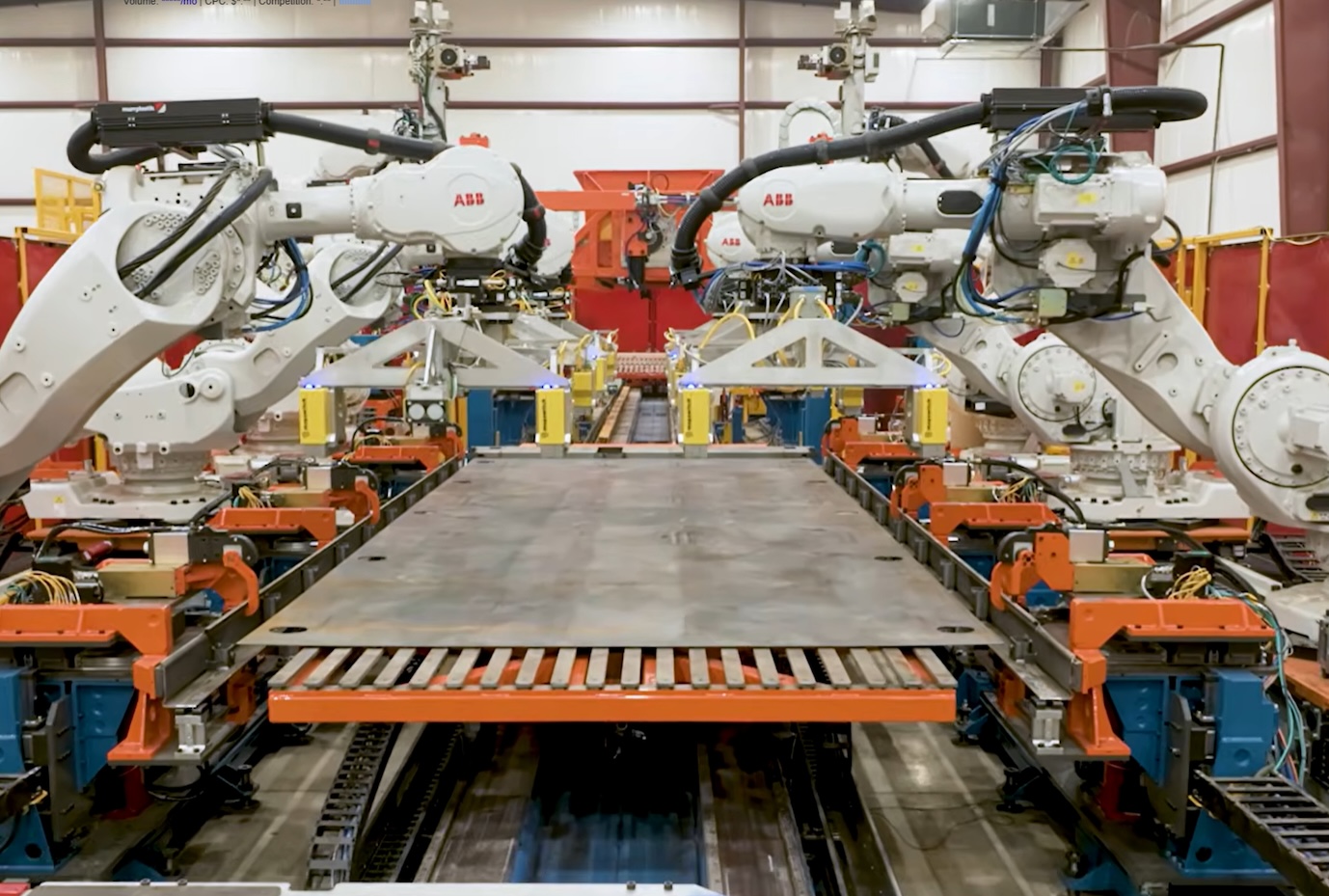
Honeywell Aerospace Introduces 40kW PTMS Upgrade for Enhanced F-35 Cooling Capacity
Honeywell Aerospace has announced the launch of the P40 Power and Thermal Management System (PTMS) upgrade for the Lockheed Martin F-35. This new system provides a significant 25% increase in cooling capacity, enhancing the operational efficiency of the aircraft. The upgrade is crucial as it addresses the thermal management needs of the F-35 fleet, ensuring that the aircraft can operate effectively under various conditions. Improved cooling capacity is essential for maintaining performance and reliability, especially during demanding missions. Looking ahead, industry stakeholders will be monitoring the deployment of the P40 PTMS and its impact on the F-35 fleet's operational capabilities. No further timeline was disclosed at the time of publication.
News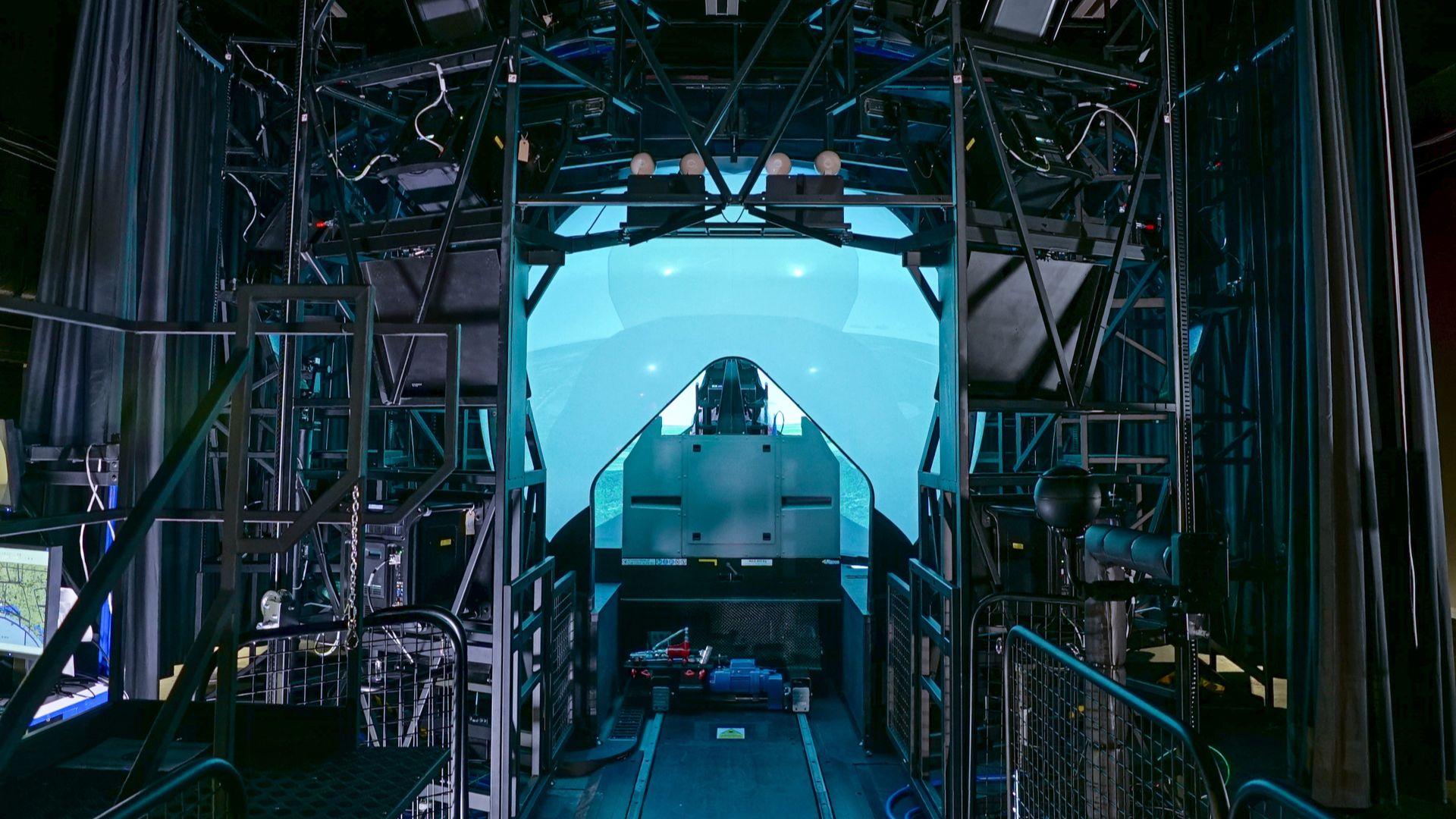
Lockheed Martin Connects 16 F-35 Simulators for Distributed Combat Training Exercise
Lockheed Martin successfully connected 16 F-35 full mission simulators across four military bases for a two-hour distributed mission rehearsal. This exercise integrated F-18 simulators and an E-2D Hawkeye controller from a fifth location, testing the coordination of crews stationed thousands of miles apart during a simulated multidomain operation. The significance of this event lies in its demonstration of how geographically separated units can effectively train together without relocating personnel or aircraft. By maintaining command-and-control links, the participating sites achieved all training objectives, showcasing the capability of U.S. Marine Corps and U.S. Navy units to collaborate in a shared operational picture. Looking ahead, the success of this exercise highlights the potential for future distributed training formats, allowing military units to rehearse complex missions across vast distances. No further timeline was disclosed at the time of publication.
Military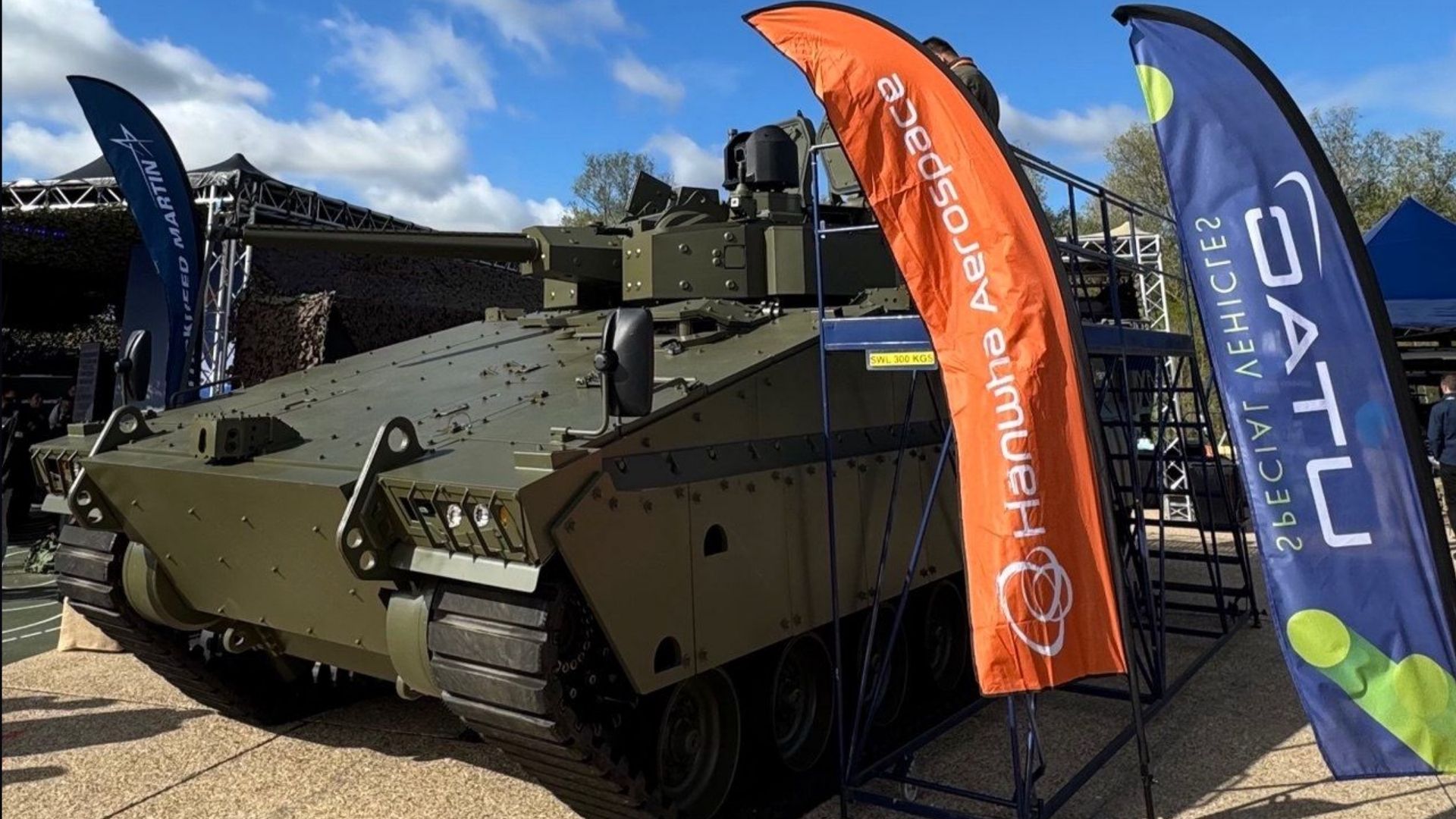
Hanwha Aerospace and Lockheed Martin UK Introduce Enhanced Redback IFV with 40mm Turret
Hanwha Aerospace and Lockheed Martin UK have launched a new version of the Redback infantry fighting vehicle (IFV), featuring a British-built 40mm turret and counter-drone technology. This configuration was showcased at Defense Vehicle Dynamics 2026 in Millbrook, England, aimed at NATO countries looking to modernize their armored forces. The upgraded Redback retains its tracked hull but replaces the Australian-selected configuration with Lockheed Martin UK's crewed turret, which is equipped with a CTA International 40mm cannon. This change allows access to a variety of NATO-qualified ammunition, enhancing the vehicle's operational flexibility. The integration of Lockheed Martin UK's SkyKeeper command-and-control system further enables the Redback to perform dual roles in both conventional infantry fighting and counter-uncrewed aircraft systems operations. Looking ahead, Hanwha plans to conduct live demonstrations of the new Redback configuration in 2027, including events in Canada and South Korea. This initiative reflects the evolving battlefield landscape, where armored units must address aerial threats alongside traditional ground targets. No further timeline was disclosed at the time of publication.
Military
The Missing Price: What Non-Disclosure Reveals About the Humanoid Market
Of 131 announced robot models, 33 publish no price. US makers withhold at twice the rate of Chinese ones — and the reason is stage, not strategy.

Lockheed Martin Expands Investment in Vectis Stealth Drone with Five Prototypes Planned
Lockheed Martin has announced plans to develop five prototypes of the Vectis stealth drone, with the inaugural flight scheduled for 2027. This initiative underscores Lockheed's commitment to advancing stealth technology and enhancing its capabilities in unmanned aerial systems. The Vectis project is part of Lockheed's broader strategy to innovate within its Skunk Works division, known for pioneering advanced aerospace technologies. As the development progresses, industry stakeholders will be keen to monitor the Vectis program's milestones and its potential impact on future defense applications. No further timeline was disclosed at the time of publication.
Air Warfare AFA 2026 Air Force Business & Industry collaborative combat aircraft Drones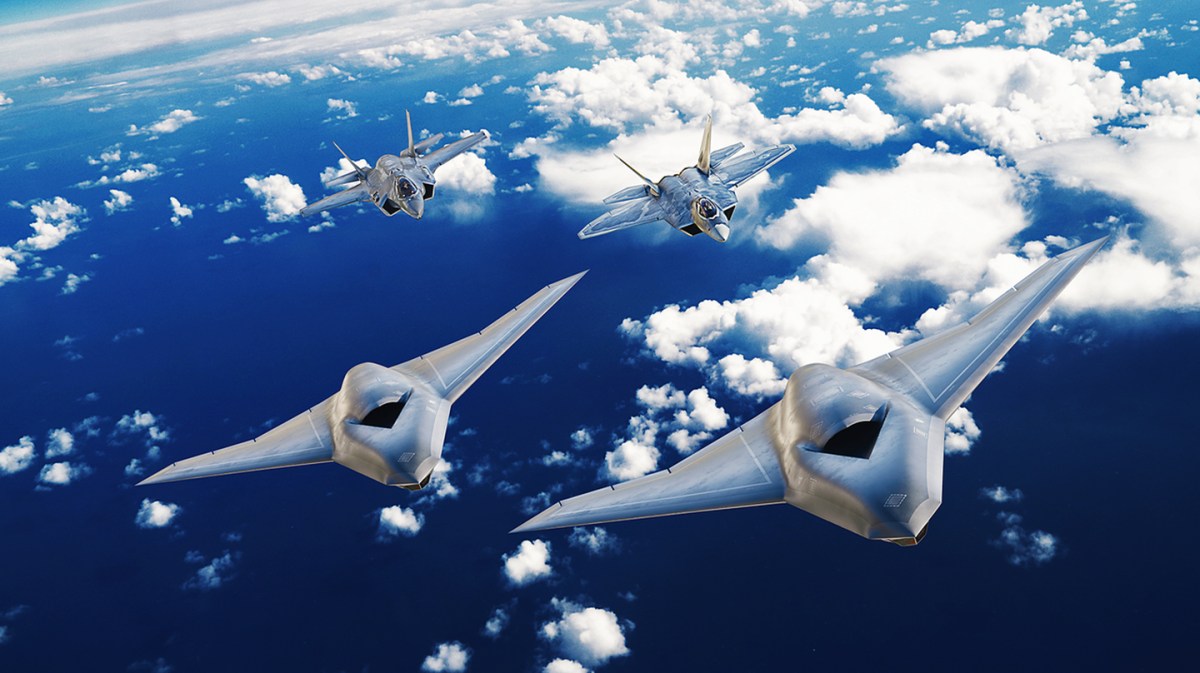
Lockheed Martin Reveals New Details on Vectis Collaborative Combat Aircraft Design
Lockheed Martin's Skunk Works has unveiled new information about its Vectis Collaborative Combat Aircraft (CCA), emphasizing its advanced stealth features. The aircraft boasts a unique submerged air inlet design that enhances survivability, setting it apart from other CCA models. With a length of approximately 34 feet and a wingspan of around 38 feet, Vectis is designed to meet diverse mission requirements, with prototype construction already underway and plans for additional units. The significance of the Vectis lies in its innovative design and operational capabilities, particularly its focus on stealth and flexibility. The submerged air inlet configuration is intended to reduce drag and improve performance, which is crucial for missions in challenging environments. Lockheed Martin's commitment to developing a tailless drone reflects a strategic move towards enhancing the survivability of future combat operations. Looking ahead, the first prototype of Vectis is expected to take flight by the end of next year, with four more prototypes planned. As the Air Force continues to emphasize Agile Combat Employment, the Vectis may play a vital role in future military operations, adapting to various mission needs while maintaining low observability.
News & Features Air Collaborative Combat Aircraft Drones Loyal Wingman Unmanned
U.S. Aerospace and Defense Sector Achieves $995 Billion in Sales in 2025
The Aerospace Industries Association (AIA) reported that the U.S. aerospace and defense sector generated $995 billion in sales in 2025, employing 2.2 million workers with an average operator wage of $115,000. The industry maintained a trade surplus of approximately 73%. This significant revenue underscores the importance of the aerospace and defense sector to the U.S. economy, highlighting its role in job creation and technological advancement. Boeing's acquisition of the F-47 next-generation fighter aircraft and Lockheed Martin's record delivery of 191 F-35 Lightning II fighter planes are notable achievements within this thriving industry. Looking ahead, companies like Astronics Corporation and Ducommun are making strides, with Astronics acquiring Bühler Motor Group and Ducommun being recognized as a BAE Supplier of the Year. No further timeline was disclosed at the time of publication.
Technology and IIoT
Vention Achieves 400% Revenue Growth by Utilizing Real Industrial Data in Montreal
Montreal-based Vention has reported a remarkable 400% increase in revenue related to Physical AI over the past year. This growth is attributed to the company's innovative approach of leveraging real industrial data from over 28,000 devices already operating in factories, rather than developing foundational models like competitors Skild AI and Physical Intelligence. Founded in 2016, Vention provides an industrial automation platform utilized by major clients such as Boeing, Lockheed Martin, L'Oréal, and Nike. The company has deployed its technology in more than 4,000 factories, generating significant operational data that enhances the reliability and efficiency of robotic applications on production lines. CEO Etienne Lacroix emphasizes that the true challenge lies in achieving industrial-grade reliability and cost-effectiveness, which requires data from real production environments. Looking ahead, Vention's GRIIP system represents a modular Physical AI pipeline that integrates various capabilities, using both proprietary models and foundational models from companies like NVIDIA. As the industry trends toward foundational model development, Vention remains focused on practical applications and real-world data, positioning itself uniquely in the competitive landscape of Physical AI.
Physical AI Industrial Automation Robotics Data-Driven Solutions
Exploring the Seven Most Advanced Laser Weapons for Modern Warfare
Laser weapons are transitioning from experimental phases to practical applications for neutralizing airborne threats such as drones and missiles. These systems operate by focusing energy on targets until critical components fail, with their effectiveness influenced by factors like power output and atmospheric conditions. Among the most powerful military lasers is the US YAL-1, which, despite its cancellation in 2011, remains the most potent laser tested on an aircraft. It utilized a megawatt-class Chemical Oxygen Iodine Laser to destroy ballistic missiles during their boost phase, successfully demonstrating its capabilities in 2010. Lockheed Martin is advancing the development of a 500-kilowatt Joint Laser Weapon System, set to enhance defense against unmanned aircraft and cruise missiles. Additionally, China's LY-1, revealed in September 2025, is designed for close-range protection against drones and missiles, showcasing the global shift towards directed-energy weapons.
Innovation Military
Pentagon Reports 11 Percent Cost Increase for F-35 Joint Strike Fighter Variants
The Pentagon has announced that the costs for all three variants of the F-35 Joint Strike Fighter are rising by approximately 11 percent. The average flyaway cost for the F-35A has increased to $92 million for production lots 18 and 19, up from $82.5 million, while the F-35B and F-35C have also seen price hikes to $121.4 million and $110.8 million, respectively. This increase in costs is significant as it reflects ongoing challenges faced by the F-35 program, including inflation, rising raw material prices, and supply chain issues. Lockheed Martin, the manufacturer, has indicated that these factors have contributed to the rising costs, which are projected to exceed $50 billion over the program's lifespan due to upgrades and increased spare parts. Looking ahead, the Pentagon plans to acquire 148 aircraft each in lots 18 and 19, totaling 296 aircraft. The F-35 program continues to evolve with modernization efforts, including enhancements to the engine and a new power management system, although some upgrades are behind schedule. No further timeline was disclosed at the time of publication.
Air Warfare Pentagon Air Force Europe F-35 F-35 Joint Strike Fighter
WRC 2026 Robot Systems: 149 Companies That Build Robots
149 of the 248 classified WRC 2026 exhibitors build finished robots. 93 build humanoid or legged machines. The audited humanoid sales number is one unit.

Springer Handbook of Robotics B. Siciliano & O. Khatib (eds.) — RSF Top 10 Robot Education Textbooks · No. 10
Eighty-plus chapters, 2,300 pages, nobody reads it cover to cover. It ranks for one reason: when a fault crosses domains, this is the reference of record.

CONSTRUCTION ROBOTICS | FUTURE HORIZONS: 2025–2030 & BEYOND
Construction robotics is entering its decisive decade. Autonomous jobsites, swarm coordination, humanoid integration, and a potential $60 billion market reshape every strategic decision in the industry.

Digital Twin, Physical AI & Robot OEM Readiness 2026: Platforms, VLA Models, LLM Programming
A balanced analysis of the robot intelligence revolution: multi-vendor digital twin platforms (NVIDIA, Siemens, Dassault, ABB, Rockwell, Hexagon), Physical AI VLA models (RT-2, pi0, GR00T N1, AgiBot), current Physical AI limitations, LLM robot programming, and the OEM readiness matrix across US, European, and Chinese manufacturers.

ROBOTTODAY WEEKLY May 11 - 15, 2026
This week in robotics: Figure AI's humanoids hit a 24/7 nonstop autonomous work milestone, Mind Robotics raises $400M to top $1B, Waymo recalls 3,800 robotaxis over flooding, Unitree debuts the world's first mass-produced human-carrying mecha, and WIRobotics closes a $68M Series B. May 11–15, 2026.

CONSTRUCTION ROBOTICS | BUSINESS MODELS & INVESTMENT LANDSCAPE
Construction robotics attracted $4.4 billion in built environment tech funding through Q3 2025. SoftBank acquired ABB Robotics for $5.375 billion. RaaS is displacing capex models. AI-native platforms command 39x revenue multiples. This is where money meets machines.
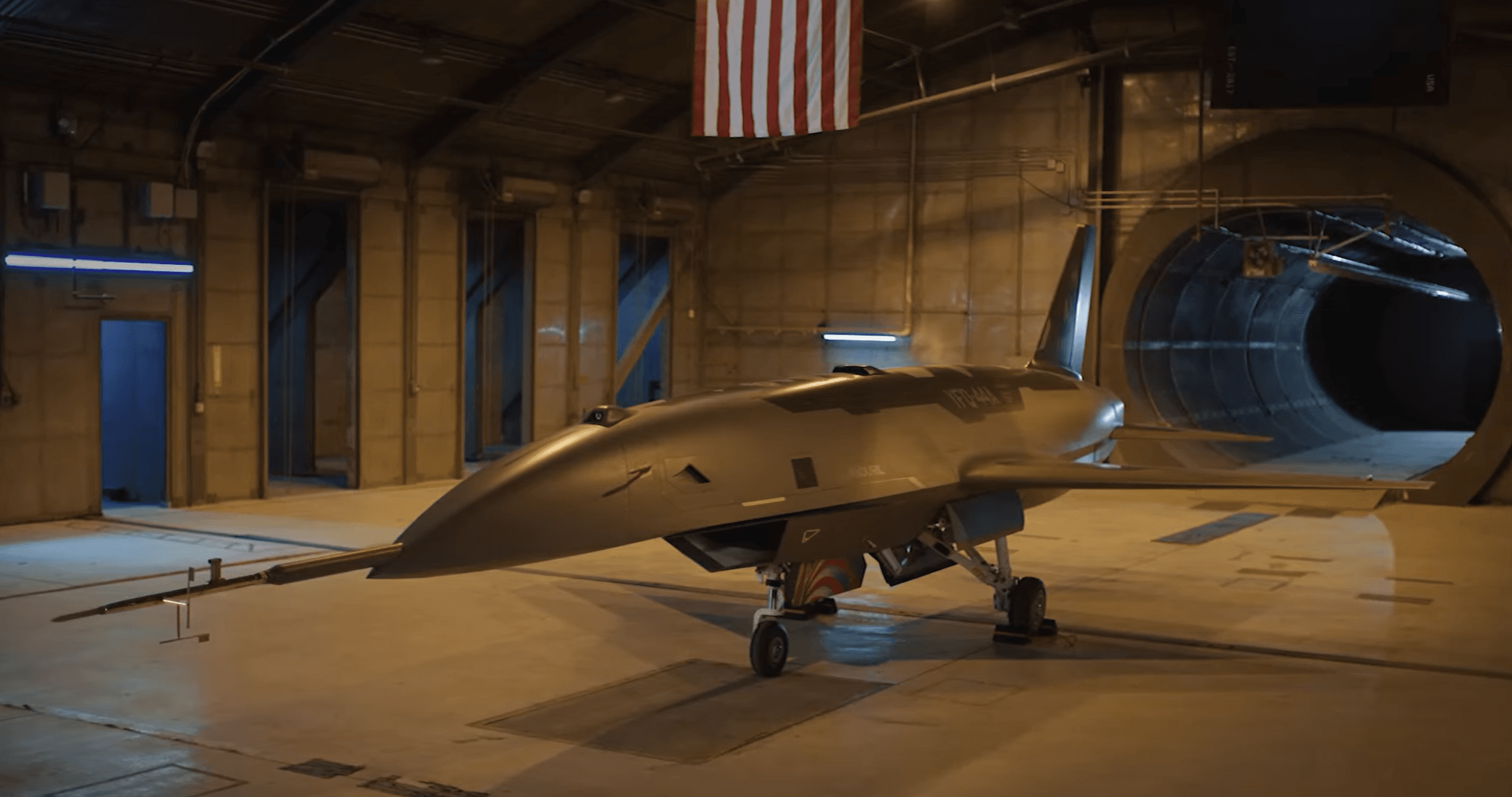
FUTURE WARFARE | Air - Collaborative Combat Aircraft, Drone Motherships & the Autonomy Race Above the Battlefield
Anduril’s YFQ-44A Fury flew its first semi-autonomous mission on 31 October 2025 — 556 days from contract to flight. By February 2026 it was carrying live missiles and swapping autonomy software mid-flight. China’s Jiutian drone mothership flew on 11 December 2025, capable of releasing over 100 loitering munitions from its internal bay at 15,000 metres. And the U.S. Air Force is standing up its second experimental one-way attack drone unit for mid-2026. This article maps the most consequential aerial autonomous systems competition in history: the CCA programme that will determine U.S. air dominance in the 2030s, the Valkyrie’s surprising rebirth, the A-GRA open-architecture breakthrough, and the Chinese drone mothership that has no Western equivalent.

From Pilots to Production: The Counter-Drone Industry Enters a New Phase
The global counter-drone (C-UAS) sector is scaling fast. New EU and US factories, an ․87M US Army contract, and the 2026 FIFA World Cup deployment mark a turning point for autonomous anti-drone technology. Read RobotToday’s March 2026 briefing.

FUTURE WARFARE | The Economics of Attrition
How the cost equation of modern warfare has inverted: a $500 AI-guided drone now rivals a $2 million precision missile in tactical effect. Part One of the Future Warfare Series examines the unit economics, supply chain realities, and venture capital forces reshaping defence procurement — from Ukraine's 1.7 million FPV drones to Anduril's $30 billion factory-as-weapon bet.