Industry Briefing
A single destination for timely, editor-curated robotics news from around the world.
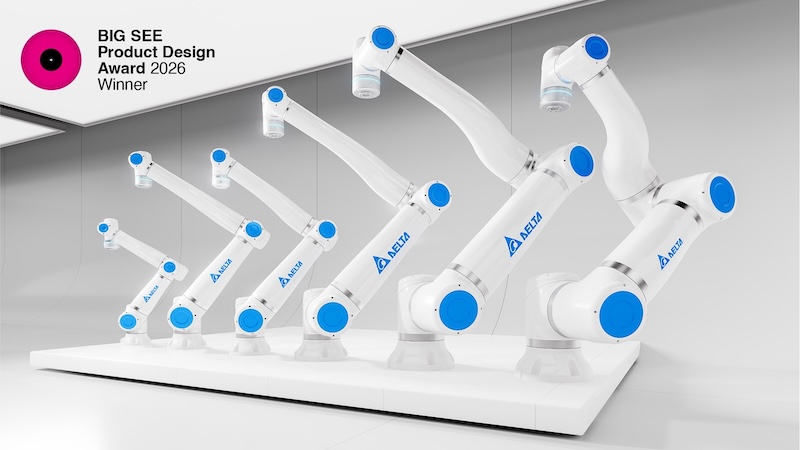
Delta Electronics' D-Bot Collaborative Robots Win BIG SEE Product Design Award 2026
Delta Electronics has received the prestigious BIG SEE Product Design Award 2026 for its Delta D-Bot series of collaborative robots. This award highlights exceptional achievements in product design and industrial innovation, showcasing Delta's commitment to sustainability and creativity in technology. The recognition is significant as it underscores Delta's strategy of investing over eight percent of its annual revenue in research and development, particularly in design and innovation. Michael Mayer-Rosa, senior director at Delta, emphasized that the award reflects the high standards of their team in merging industrial robotics with practical and efficient design, catering to diverse customer needs. Looking ahead, Delta's D-Bot series, launched in spring 2024, features six flexible models with advanced safety technologies and compatibility with various industrial protocols. No further timeline was disclosed at the time of publication.
Design Industrial robots autonomous mobile robots BIG SEE Product Design Award cobots collaborative robots
China's Collaborative Efforts in Advancing Embodied Intelligence for Robotics
The development of embodied intelligence is shifting from creating individual robots to establishing collaborative ecosystems. At this year's WAIC, the industry is exploring whether new models and skills can be rapidly integrated into robots for practical applications. A partnership between Leju and Ant Group's Lingbo has led to the release of logistics sorting results, emphasizing the importance of industry collaboration in scaling humanoid robotics. Leju believes that the growth of the humanoid robot industry relies on collective efforts rather than individual companies. The collaboration features Lingbo's general embodied base model, LingBot-VLA, while Leju focuses on post-training and motion control. This partnership has created a comprehensive technological chain that connects models, data, and computational power, marking a significant step in the industry. As embodied intelligence enters a critical phase, the ability to effectively translate models into real-world applications becomes paramount. Leju's advancements in post-training capabilities and the OpenLET community's support for developers are crucial for accelerating the deployment of new skills in various industries. No further timeline was disclosed at the time of publication.
Embodied Intelligence Robotics Logistics Automation AI Development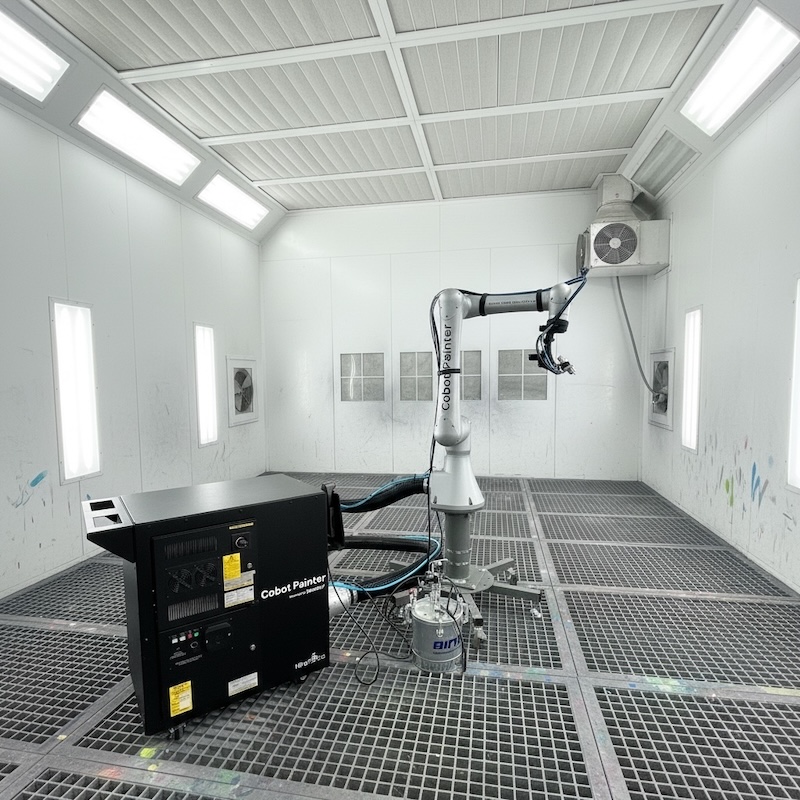
Hirebotics launches ‘no-code explosion-proof’ collaborative robot for industrial painting
Hirebotics has unveiled the Cobot Painter, the first explosion-proof collaborative robot solution designed specifically for metal fabrication. This innovative product, developed using Hirebotics' no-code Beacon platform in conjunction with Fanuc's CRX-10iA/L Paint hardware, is now available for purchase. The Cobot Painter provides metal fabricators and manufacturers with a practical alternative to traditional manual spraying methods and complex automated production lines, catering to high-mix, low-volume production needs. This launch marks a significant advancement in the automation of metal finishing processes, aiming to enhance efficiency and safety in the industry.
Industrial robots News Beacon platform Cobot Painter cobots collaborative robots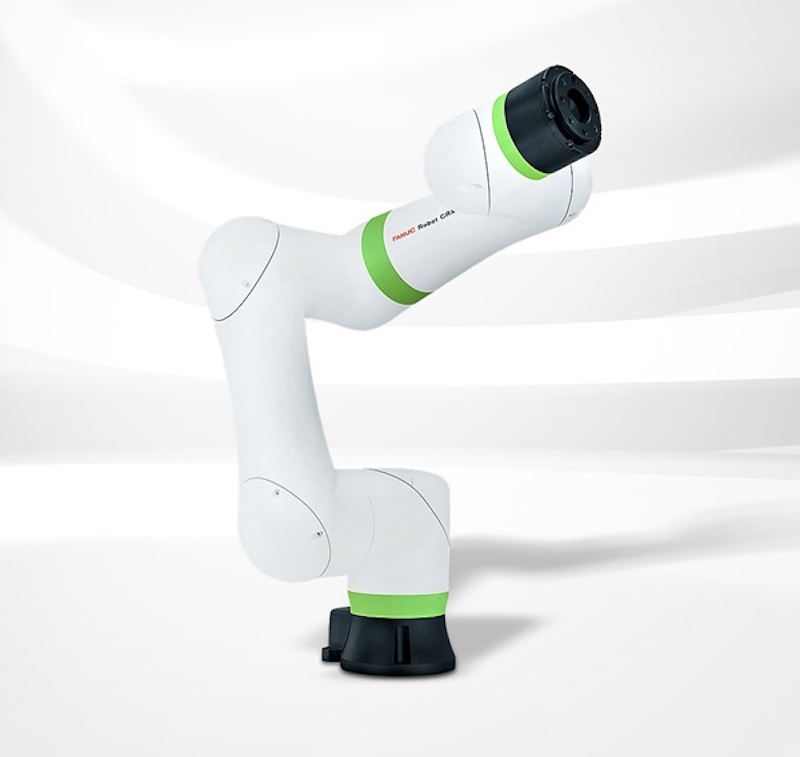
Fanuc launches 11 kg ‘lightest’ collaborative welding robot
Fanuc has introduced its CRX-3iA collaborative robot in Europe, marking the launch of the lightest and smallest model in its CRX lineup. Weighing only 11 kg, this new robot is designed to be compact, portable, and user-friendly, making it particularly suitable for welding applications. The launch responds to an increasing demand in industries such as shipbuilding and steel manufacturing, where precision and efficiency are critical. The CRX-3iA aims to enhance productivity and streamline operations in these sectors, showcasing Fanuc's commitment to innovation in automation technology.
Industrial robots News agv integration automation news cobot collaborative automation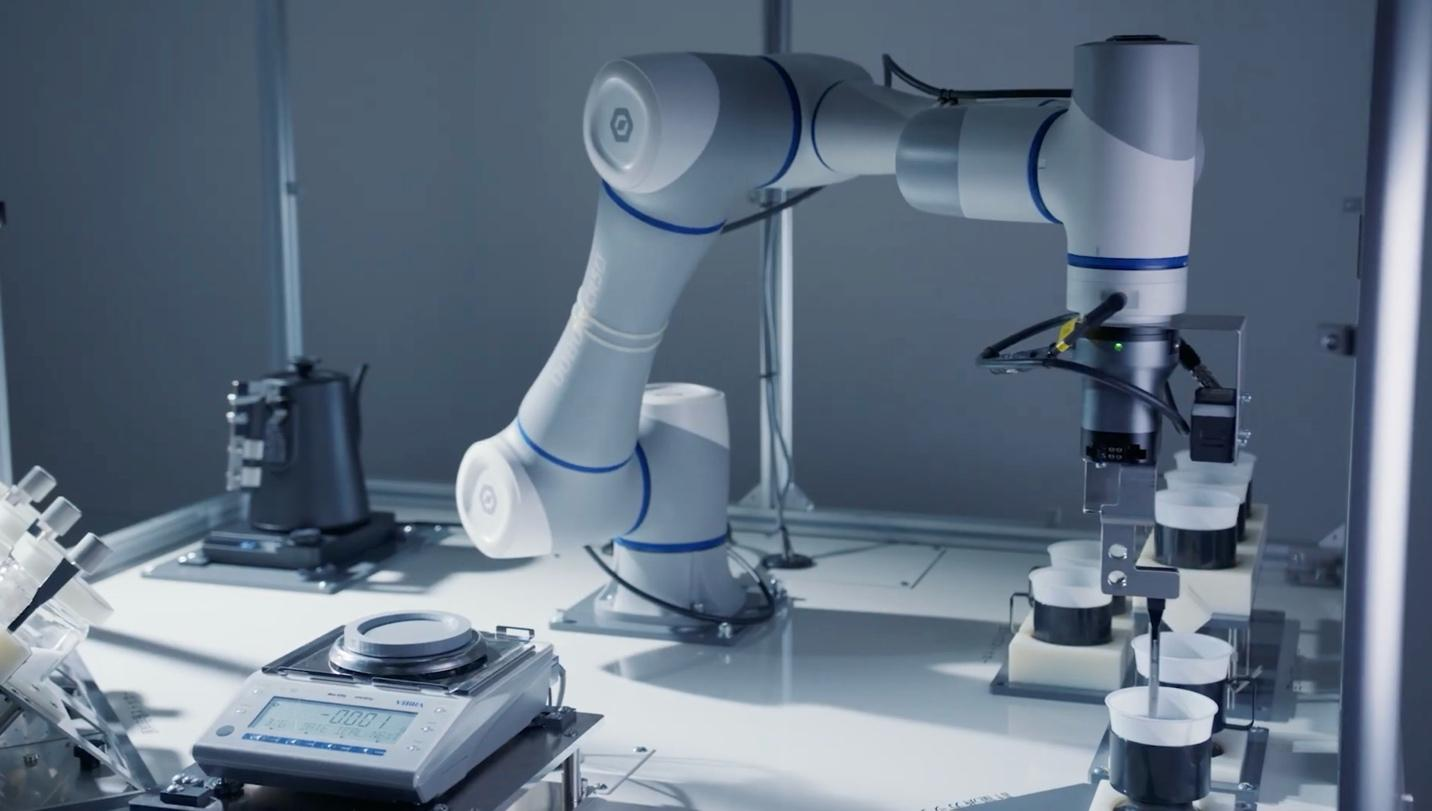
The Future of Collaborative Robot Applications in Smart Factories
In a significant advancement for smart factories, DOBOT is showcasing its innovative collaborative robot (cobot) solutions designed to enhance automation, safety, and efficiency in manufacturing environments. These cutting-edge applications are set to transform traditional production processes by integrating advanced robotics that work alongside human operators. The focus on collaboration aims to streamline operations and improve workplace safety, addressing the growing demand for more efficient manufacturing practices. As industries increasingly adopt automation technologies, DOBOT's solutions are positioned to play a crucial role in the evolution of smart factories, offering businesses the tools needed to optimize their workflows and boost productivity. This initiative reflects a broader trend in the manufacturing sector, where the integration of robotics is becoming essential for maintaining competitiveness in a rapidly changing market.
robot arm collaborative robot cobot dobot dobot robotics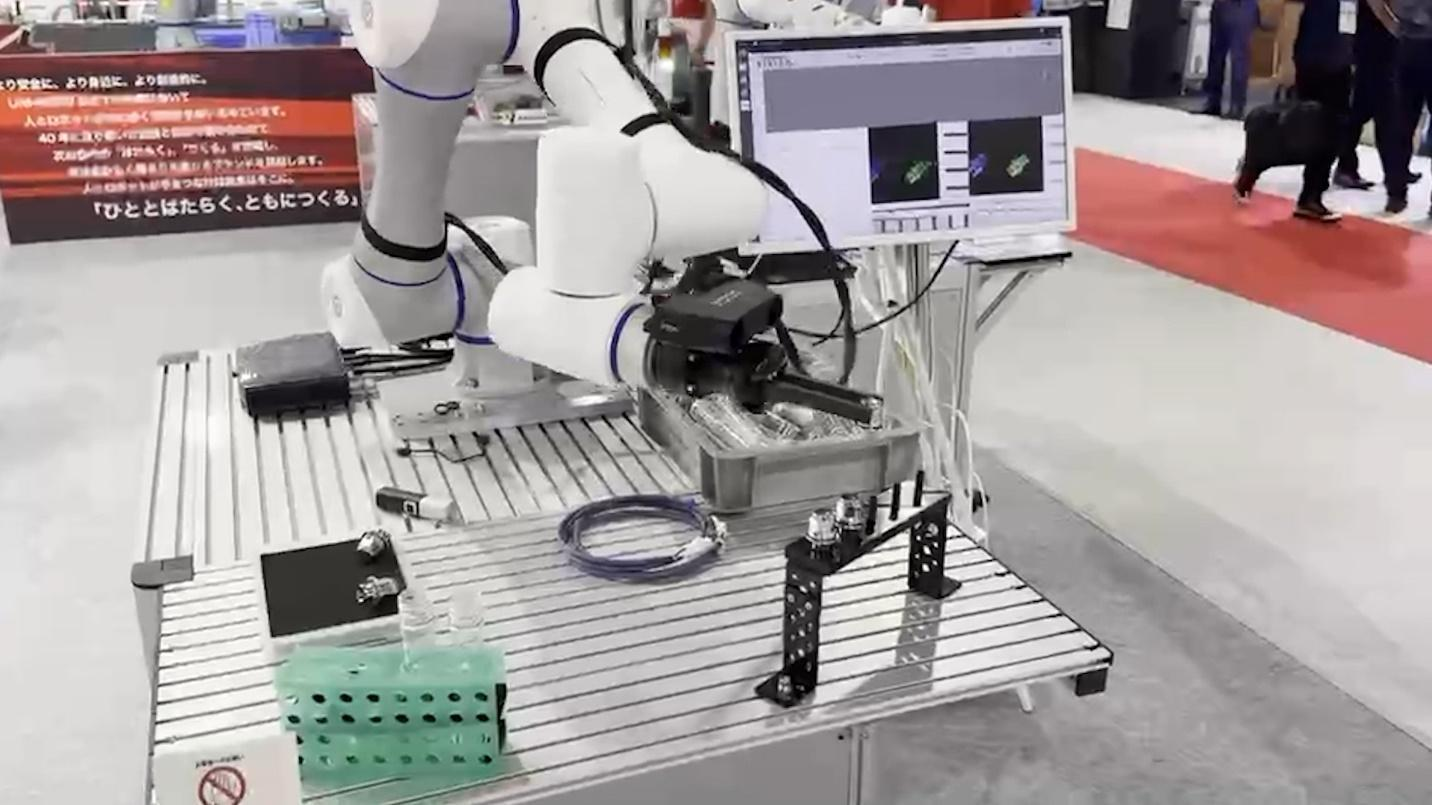
Collaborative Robots (Cobots) in Manufacturing: The Future of Human-Robot Teams
A recent exploration into the future of manufacturing highlights the potential of human-robot collaboration, focusing on how human workers can effectively partner with collaborative robots. As industries evolve, the integration of these advanced technologies aims to enhance productivity and efficiency on the factory floor. This shift is particularly relevant in light of ongoing labor shortages and the need for increased output in a competitive market. The study emphasizes that by 2024, many manufacturing sectors are expected to adopt these collaborative robots, which are designed to work alongside humans safely and efficiently. This partnership not only aims to alleviate the physical demands on workers but also to leverage the precision and speed of robots in repetitive tasks. The motivation behind this trend is driven by the need for innovation in manufacturing processes, as companies seek to remain competitive while addressing workforce challenges. By implementing collaborative robots, businesses can optimize operations, reduce costs, and improve overall product quality. The research indicates that successful integration will require training for human workers to effectively interact with these robots, ensuring a seamless workflow. As this technology continues to advance, the future of human-robot teams in manufacturing appears promising, potentially transforming the landscape of the industry and redefining the roles of human workers.
Dobot Breezy smartphone refurbishment AI automation Industry 5.0 collaborative robots
Epson Unveils Digital Solutions at 2026 China B2B E-commerce Expo
From July 4 to 5, 2026, the China B2B E-commerce Expo took place in Hangzhou, showcasing various enterprise service providers and e-commerce platforms. Epson (China) Co., Ltd. presented multiple collaborative solutions alongside ecosystem partners, engaging directly with clients to better understand B2B user needs and foster ecosystem cooperation. The significance of Epson's participation lies in its strategic focus on addressing industry pain points, such as the competitive pricing of B2B hardware and shrinking profits for service providers. The company introduced its Nebula Plan ecosystem, which emphasizes a four-tier development logic: product solutionization, solution productization, product service integration, and business ecosystem development. This approach aims to connect supply and demand effectively through an online platform that links quality partners across the nation. Epson showcased standardized digital solutions tailored to government and enterprise client needs, including intelligent receipt robots and RFID asset coding solutions. The interactive nature of the event attracted significant client interest, indicating a strong market demand for comprehensive solutions. No further timeline was disclosed at the time of publication.
B2B E-commerce Digital Solutions Ecosystem Collaboration Business Growth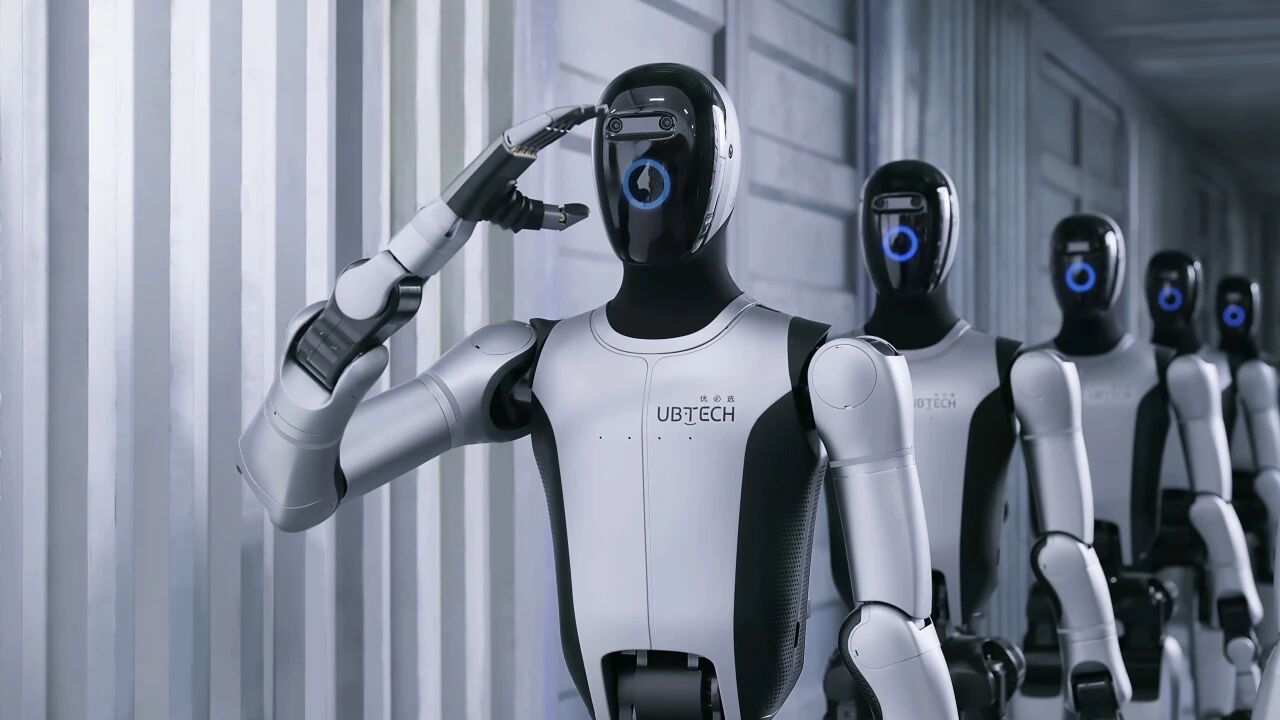
UBTECH Advances China's First Industry Standard for Collaborative Intelligent Systems by 2026
Recently, China's Ministry of Industry and Information Technology approved the development of the first industry standard for collaborative intelligent systems, led by UBTECH Robotics. The standard, titled 'Control Interface Specifications for Embodied Collective Intelligent Systems in Industrial Applications,' aims to address interoperability issues among multi-robot systems in industrial settings, marking a significant step in standardization. This initiative is crucial as industrial production shifts from single-robot operations to collaborative multi-robot systems. The lack of unified protocols and control interfaces has hindered the scalability of collective intelligence technologies. The new standard will provide clear guidelines for task allocation, fault reporting, and security interactions, facilitating better integration of diverse robotic systems in smart factories and logistics. Looking ahead, UBTECH is also collaborating with the China Electronics Standardization Institute to develop a reference architecture for collective intelligent systems. This comprehensive framework will define key terminologies and functional modules, further solidifying the foundation for collective intelligence standards in China. No further timeline was disclosed at the time of publication.
Humanoid Robots Industrial Automation AI Standards Collective Intelligence Robotics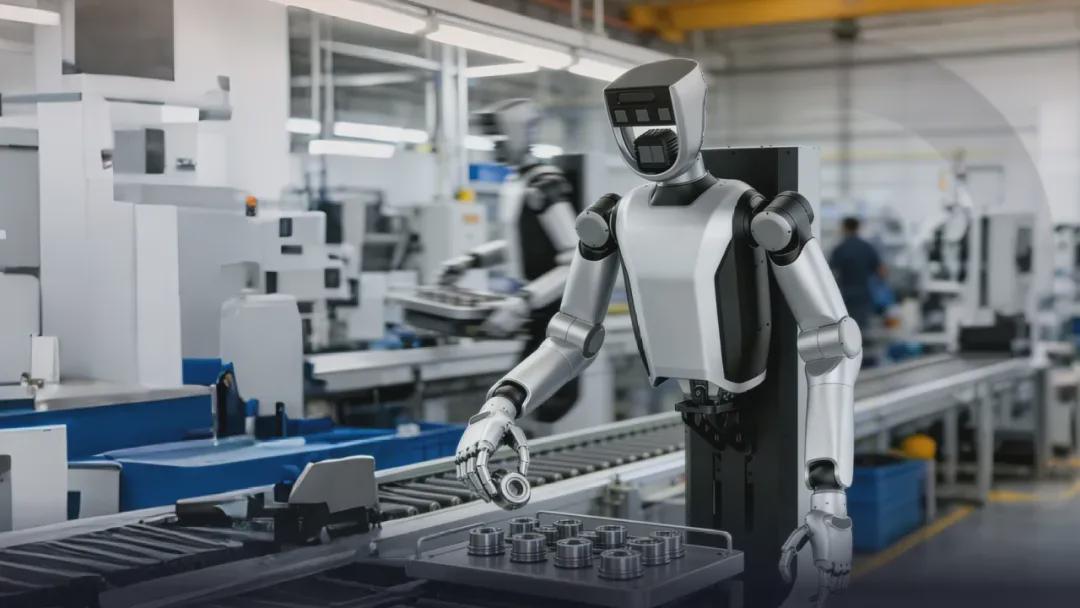
Humanoid Robots Boosting Collaborative Robot Revenue by 10% to 30%
The collaborative robot industry is experiencing significant evolution, particularly with the rising popularity of humanoid robots. A recent report forecasts substantial revenue growth in the sector, largely attributed to strategic partnerships between collaborative robot companies and humanoid robot manufacturers. This trend is particularly pronounced in China, where a strong supply chain for humanoid robotics is fostering new opportunities for collaborative robot firms. As these companies leverage established technologies to enhance their product offerings, the synergy between collaborative and humanoid robotics is expected to drive innovation and expansion in the market.
Collaborative Robots Humanoid Robots Robotics Supply Chain Industrial Automation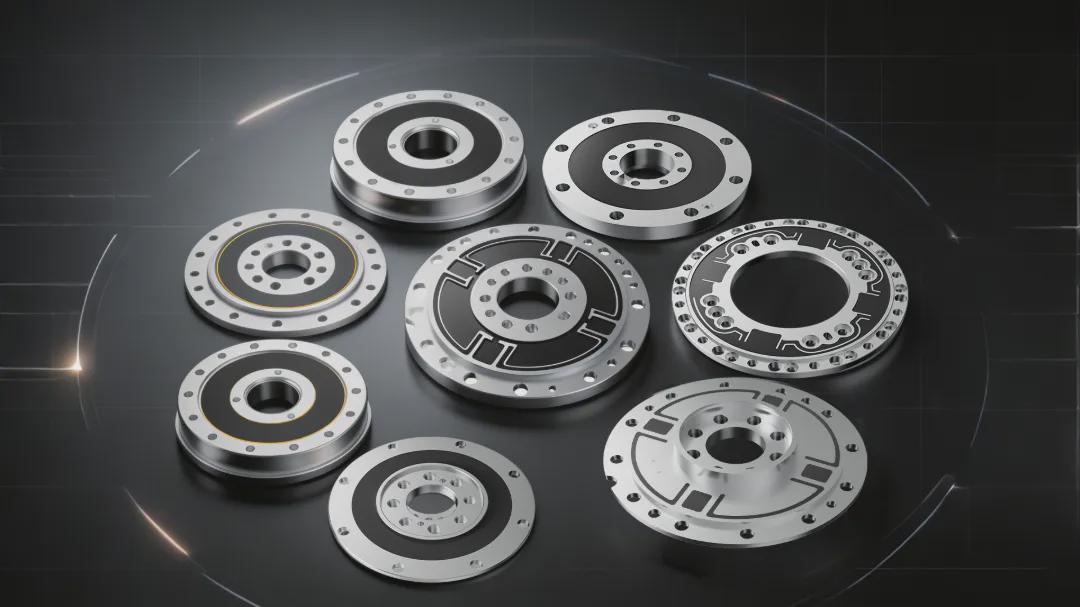
Why Joint Torque Sensors Are Essential for Collaborative Robots
Joint torque sensors are essential components in the operation of collaborative robots, allowing them to execute intricate tasks safely and efficiently. Recent discussions emphasize the compact design and high reliability of these sensors, which contribute significantly to the overall performance of robots across diverse industries. The growing demand for advanced robotic solutions has driven interest in the wide-ranging applications of joint torque sensors, underscoring their pivotal role in enhancing automation and safety in various sectors. As industries increasingly adopt collaborative robots, the integration of these sensors is expected to further improve operational capabilities and safety standards.
Collaborative Robots Torque Sensors Force Control Technology Industrial Automation
Prox Industries accelerates physical AI research with dual-arm UR3e collaborative robots using VLA and reinforcement learning.
Prox Industries has announced its collaboration with Universal Robots (UR) to enhance the development of physical AI through the utilization of UR's "Physical AI Development Support Program." The initiative will focus on accelerating research and development of physical AI by employing a dual-arm robotic configuration using two UR3e collaborative robots. This partnership aims to leverage advanced robotics technology to innovate in the field of AI, reflecting Prox Industries' commitment to advancing automation solutions.

Collaborative robot deliveries expected to more than double by 2030.
According to a report by Interact Analysis, the market for collaborative robots is entering a phase of sustained, albeit uneven, growth. The analysis indicates that deliveries of these robots are expected to more than double by the year 2030. This trend reflects the increasing demand for automation solutions in various industries, driven by the need for enhanced efficiency and productivity. As businesses continue to integrate collaborative robots into their operations, the market is poised for significant expansion, highlighting the evolving landscape of automation technology.
Allgemein Cobots & MRK Newsarchiv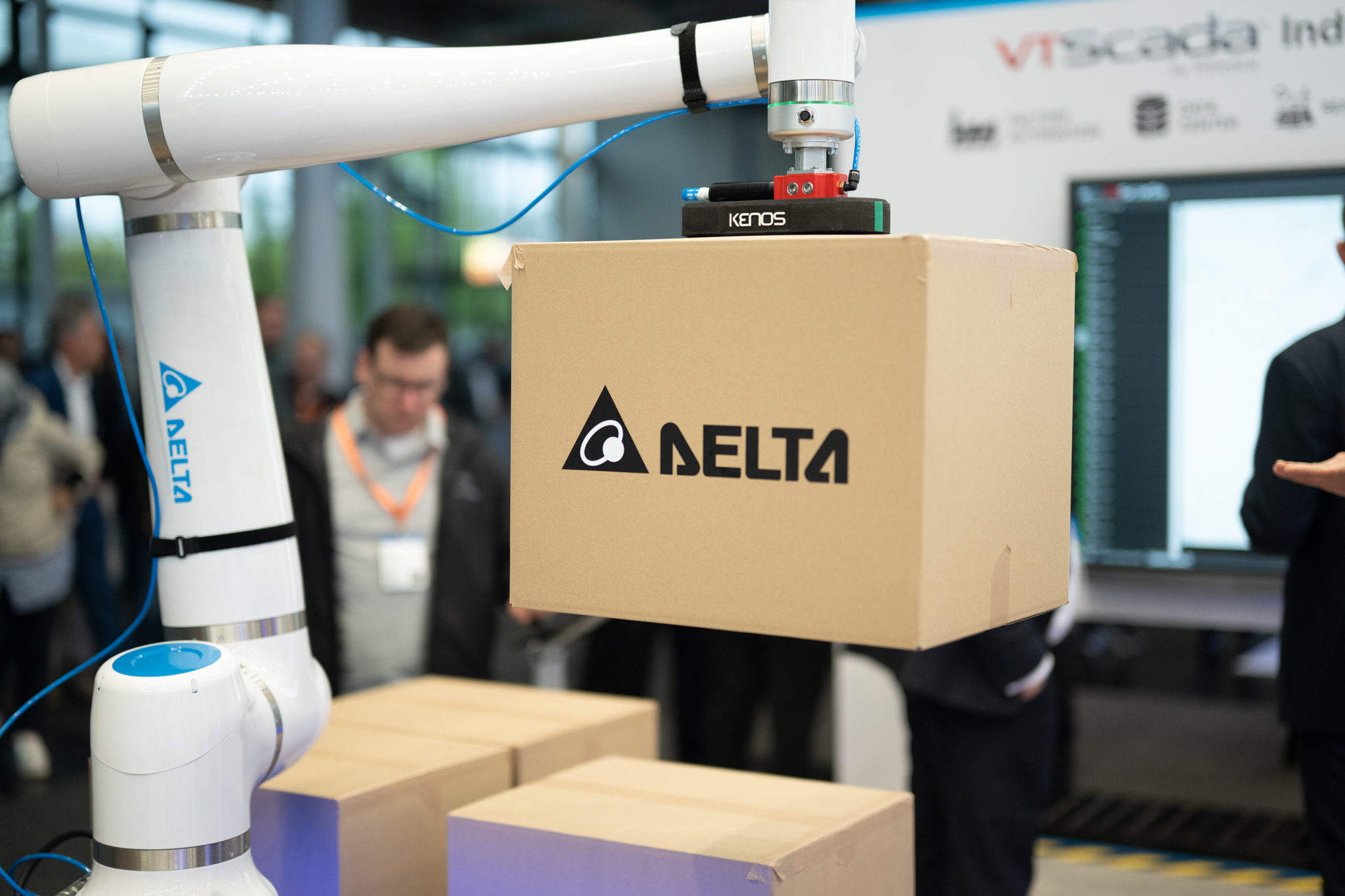
Delta expands ecosystem for collaborative robotics.
In a move to enhance its collaborative robotics ecosystem, Delta has announced three new partners just weeks after the Hannover Messe. This strategic expansion aims to foster continuous growth and innovation within the D-Bots framework. The partnerships are expected to leverage each company's strengths, contributing to the development of advanced robotic solutions and enhancing Delta's position in the market. The announcement underscores Delta's commitment to collaboration and technological advancement in the robotics sector.
Allgemein Cobots & MRK Newsarchiv
Expert Tips on Getting the Most Out of Your Collaborative Robot Arm
As automation transforms the manufacturing sector, JAKA Robotics is at the forefront with its innovative collaborative robots, particularly the JAKA A12L, which combines intelligent visual perception with collaborative capabilities. This technology is designed to enhance productivity and efficiency in various manufacturing tasks such as loading, unloading, inspection, and sorting. To effectively integrate the JAKA A12L into production, users are advised to familiarize themselves with the robot's features through user manuals and training resources. Understanding its capabilities is essential for maximizing its potential, especially in quality inspection and sorting, which can lead to reduced defect rates and improved processing precision. Effective programming is crucial for optimizing the robot's performance. The JAKA A12L offers user-friendly programming interfaces, allowing users to start with simple tasks and gradually increase complexity. Its reprogrammable nature enables adaptability to changing production needs, while compatibility with vision systems enhances its ability to perform precise measurements and non-destructive testing. Regular performance monitoring is vital for sustained success. By tracking key performance indicators, conducting routine maintenance, and gathering feedback from operators, manufacturers can identify areas for improvement and ensure the robot operates efficiently. By embracing collaborative robots like the JAKA A12L and implementing best practices in programming and monitoring, manufacturers can significantly boost production efficiency and product quality, ultimately driving operational excellence and maintaining a competitive edge in the industry.

Rajant Health (RHI) and Chord Robotics Expand Cowbell Platform to Enable Scalable, Multi-Domain Collaborative Autonomy
Rajant Health (RHI) and Chord Robotics have announced an expanded partnership to enhance their Cowbell platform, introducing advanced "Flying Cowbell" capabilities aimed at enabling scalable, multi-domain collaborative autonomy. This collaboration, revealed on May 22, 2026, integrates RHI's Kinetic Mesh® networking with Chord Robotics' TEMPO™ software, facilitating real-time control of mixed fleets operating across air, land, and sea. The "Flying Cowbell" system transforms mobile nodes, including unmanned aerial systems (UAS) and unmanned surface vehicles (USVs), into active participants in a distributed compute and autonomy framework. This architecture allows for distributed workload execution, dynamic cluster formation, and transport-agnostic operations, even in connectivity-constrained environments. The partnership aims to address the need for persistent coverage and dynamic mission adaptation in complex scenarios where traditional infrastructure may be lacking. By leveraging Rajant's InstaMesh® networking capabilities alongside TEMPO, operators can manage heterogeneous fleets effectively, ensuring that each vehicle can make independent decisions while collaborating seamlessly. RHI's CEO, Robert J. Schena, emphasized that the initiative represents a shift from static infrastructure to a mobility-native system, while Chord Robotics' CEO, James Cooney, highlighted the potential for scaling autonomous fleets in challenging environments. Together, the companies are poised to redefine collaborative autonomy in unmanned systems, enhancing operational efficiency and adaptability.
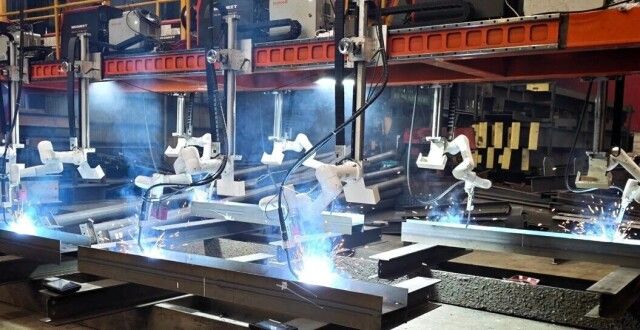
Collaborative Welding Robots: The Dark Horse Reshaping China's Welding Automation
In a significant development for China's manufacturing automation sector, collaborative welding robots are gaining traction as a promising solution for enhancing productivity and efficiency. These advanced robots, designed to work alongside human operators, are being increasingly adopted by various industries to streamline welding processes. The rise of collaborative welding robots comes at a time when manufacturers are seeking innovative ways to address labor shortages and improve operational efficiency. As companies strive to remain competitive in a rapidly evolving market, the integration of these robots allows for greater precision and consistency in welding tasks, reducing the risk of human error. Manufacturers across China are investing in this technology, recognizing its potential to transform traditional welding practices. By combining human skills with robotic capabilities, businesses can optimize workflows and increase output while maintaining high-quality standards. The growing interest in collaborative welding robots reflects a broader trend towards automation in the manufacturing sector, driven by the need for enhanced productivity and cost-effectiveness. As this technology continues to develop, it is expected to play a crucial role in shaping the future of manufacturing in China.
Robotics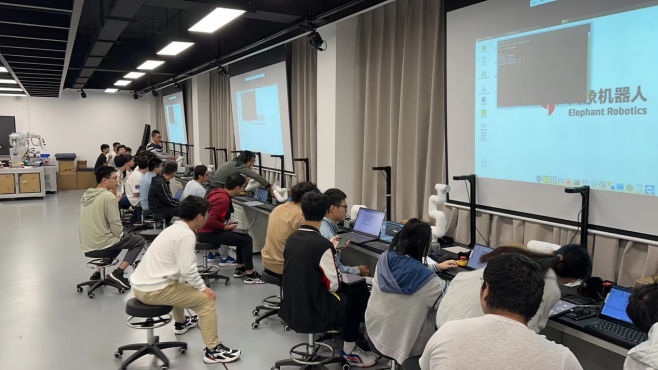
The Return of Fudan University's 'Regular': How a Collaborative Robot Arm Became a Fixture at a Top University
Fudan University has enhanced its robotics curriculum by incorporating the myCobot 320 collaborative robot arm, significantly improving hands-on learning opportunities for students. The integration of this advanced technology follows a successful initial order, prompting the university to place a reorder to ensure continued access to the robot. This move underscores the robot's crucial role in connecting theoretical knowledge with practical application in the field of robotics education.
Collaborative Robots Robotics Education AI Technology Hands-on Learning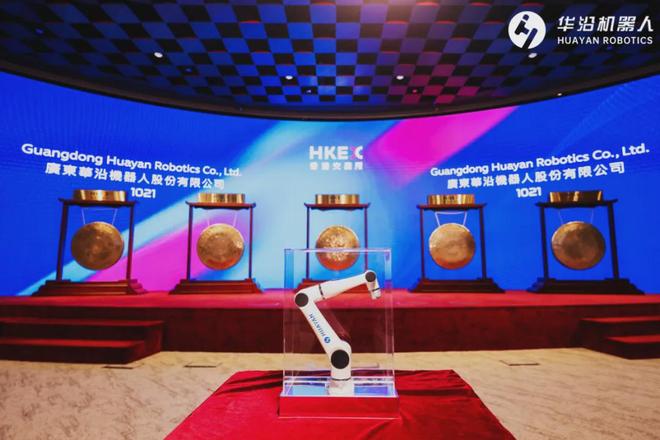
Over 5000 Times Subscription! This Collaborative Robot Company Aims to Bet on Humanoid Robots Next
Huayan Robotics, recognized as China's largest exporter of collaborative robots, has reported an impressive subscription rate exceeding 5,000 times for its initial public offering (IPO), reflecting robust market confidence in the company. As the second-largest manufacturer of collaborative robots in the country, Huayan is now poised to expand its focus into the humanoid robot sector. This strategic move aims to capitalize on its technological expertise and established market presence, positioning the company for future growth in an evolving industry.
Collaborative Robots Humanoid Robots Robotics Technology Automation
Selecting a Collaborative Robot Cobot for Small Parts Assembly
In the evolving landscape of electronics and medical device manufacturing, the introduction of collaborative robots, or cobots, is transforming small parts assembly. Traditionally reliant on manual labor or rigid machinery, this sector now benefits from the advanced capabilities of cobots, which combine the precision of a six-axis robot arm with sophisticated safety sensors. This innovation allows manufacturers to automate intricate tasks while maintaining human oversight. The assembly of small components, such as connectors and micro-screws, requires sub-millimeter accuracy, which traditional robots often lack. Cobots, however, utilize force-torque feedback to ensure components are correctly positioned, preventing damage to sensitive electronics. Their compact design enables them to operate alongside human workers on crowded workbenches without the need for bulky safety barriers, facilitating a hybrid workflow where robots handle repetitive tasks while humans focus on quality control. Manufacturers frequently changing product designs find cobots particularly advantageous due to their ease of programming. The JAKA Zu5, a leading model in this field, offers a payload capacity of 5 kg and a working radius of 954 mm, making it ideal for standard assembly tasks. With a remarkable repeatability of ±0.02 mm, the Zu5 ensures precision in placing even the smallest components. Additionally, its lightweight design allows for easy relocation across different production stations. JAKA emphasizes user-friendly automation, replacing complex coding with a wireless app that enables control of the robot from any mobile device. By integrating the JAKA Zu5 into assembly lines, manufacturers can achieve a balance of machine accuracy and human flexibility, enhancing productivity in high-mix production environments.
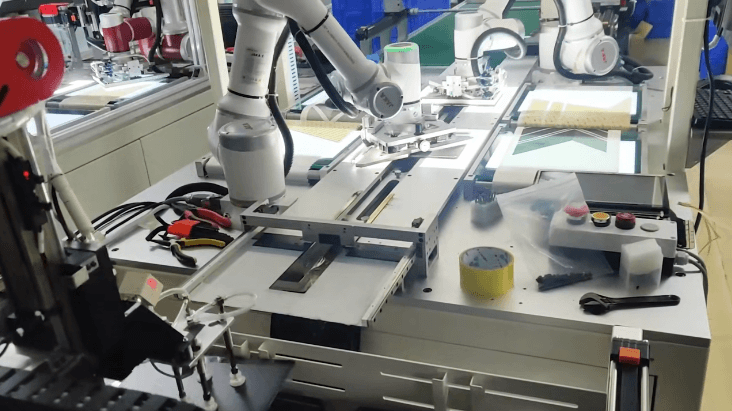
Collaborative Robot Arm vs. Traditional Arm: Safety, Speed, and Footprint
Manufacturers are increasingly weighing the benefits of collaborative robots (cobots) against traditional industrial 6-axis robot arms as they seek to automate production processes. This evaluation often hinges on which option offers a quicker return on investment. While traditional robots have dominated heavy manufacturing due to their high-speed capabilities, cobots present a more flexible and safer alternative, designed for close human-robot collaboration. The key distinction lies in safety measures. Traditional robots require extensive safety infrastructure, including cages and barriers, to protect workers from high-speed operations. In contrast, cobots, such as the JAKA Zu series, feature integrated sensors that allow them to stop immediately upon detecting an obstruction, enabling a workspace free of physical barriers. Speed is another critical factor. Traditional robots excel in mass production due to their ability to operate continuously at high speeds, while cobots prioritize safety, often running at slower speeds when humans are present. However, cobots can enhance efficiency and reduce downtime, making them suitable for high-mix applications where rapid setup is essential. Additionally, the physical footprint of robotic systems plays a significant role in decision-making. Traditional robots require substantial space due to safety cages, complicating integration into existing production lines. Conversely, cobots have a minimal footprint, allowing them to be mounted on workbenches or mobile carts, making automation feasible in tighter spaces. The JAKA Zu5 exemplifies this balance of performance and safety, offering industrial-grade capabilities in a compact design. With features like wireless programming and high precision, the JAKA Zu series aims to eliminate barriers to automation, providing manufacturers with adaptable solutions that enhance both efficiency and worker safety.
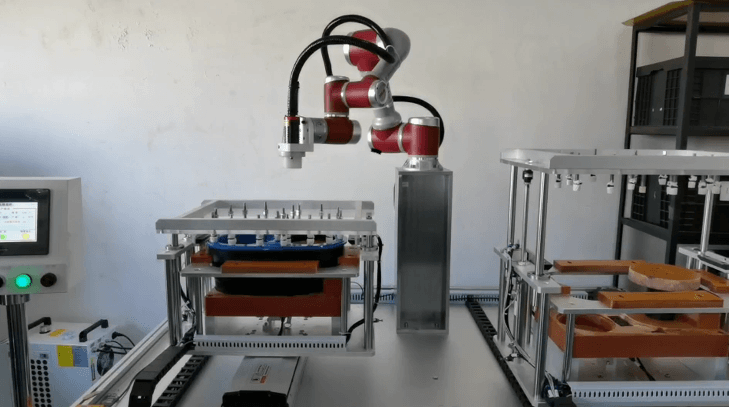
Key Features and Benefits of JAKA Collaborative Robots
In response to the evolving demands of the industrial sector, JAKA has introduced collaborative robots, or cobots, that prioritize agility over sheer power. As manufacturing cycles shorten and customization becomes essential, these robots offer a solution that minimizes downtime and enhances production efficiency. By eliminating the need for physical safety cages through advanced force-sensing technology, JAKA's cobots can be seamlessly integrated into existing workflows without requiring extensive changes to factory layouts. These robots can be deployed quickly, often becoming operational within a day, in stark contrast to traditional industrial robots that may take weeks to set up. They also improve workplace safety by taking on "Dirty, Dull, and Dangerous" tasks, allowing human workers to concentrate on more valuable roles such as quality control and process optimization. JAKA's approach to collaborative automation is encapsulated in their "Smart, Simple, Small" philosophy, which emphasizes user-friendly design and robust performance suitable for continuous industrial use. Notably, their cobots can be programmed and monitored via mobile devices, streamlining the setup process and eliminating the need for cumbersome equipment. With models like the JAKA Zu series offering payloads from 3kg to 20kg and the precision-focused JAKA A series achieving repeatability of ±0.02mm, the company aims to provide scalable solutions that deliver quick returns on investment. JAKA's commitment to innovation positions its cobots as essential tools for both small and large enterprises looking to enhance their manufacturing capabilities in the era of smart production.
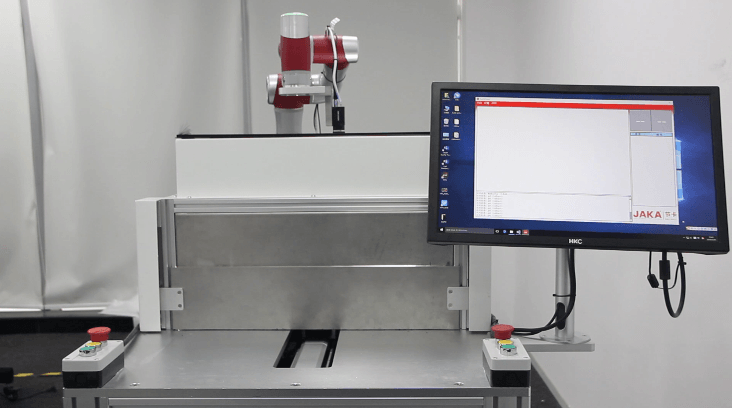
How Collaborative Robots Are Improving Quality Control in Electronics Manufacturing
The electronics industry is undergoing a significant transformation as manufacturers increasingly adopt collaborative robots to enhance quality control and inspection processes. With rapid product lifecycles and the demand for zero-defect production, traditional automation methods often fall short in the high-mix, low-volume production environment typical of modern tech manufacturing. Collaborative robots, or cobots, are now being integrated into precision testing and visual inspection lines, offering the speed and accuracy needed while maintaining the flexibility required for delicate electronic assembly. These robots can perform Automated Optical Inspection (AOI) with sub-millimeter precision, significantly reducing the risk of human error associated with fatigue and perceptual blindness during long shifts. Companies like JAKA are leading this innovation by developing robots equipped with advanced 2D and 3D vision systems. Their JAKA AL series features an integrated vision system that allows the cobot to autonomously identify components and check for assembly errors without the need for external cameras. This capability enables real-time adjustments to the production line, helping to identify quality drifts before they result in defective batches. JAKA’s engineering emphasizes safety and high performance, with models like the JAKA Zu series designed for high-speed testing while ensuring safe human interaction through torque-feedback collision detection. By investing in JAKA collaborative robots, manufacturers can ensure that every device produced meets stringent global standards, thereby maintaining a competitive edge in the electronics market.
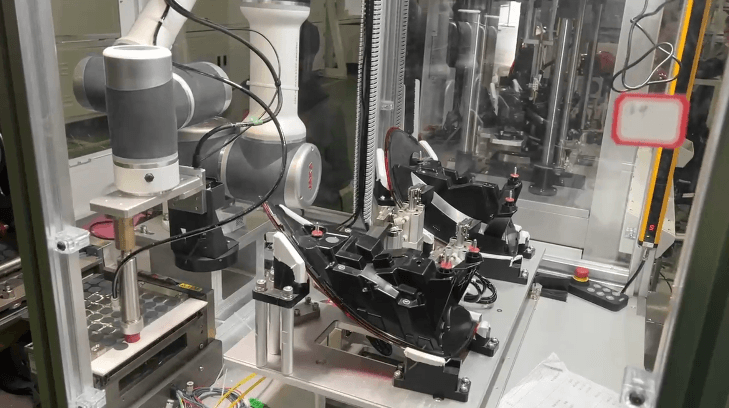
Everything You Need to Know About Collaborative Robot Safety Standards (ISO 10218)
As industries increasingly adopt collaborative robots, the regulatory landscape surrounding advanced robotics is adapting, particularly through the updated ISO 10218 standard for industrial robot safety. This international guideline, crucial for businesses utilizing collaborative robots, emphasizes the importance of compliance not just for legal reasons but as a strategic measure to ensure operational efficiency and worker safety. The ISO 10218 standard is divided into two parts: the first outlines safety requirements for robot manufacturers regarding the design and construction of robotic arms and controllers, while the second focuses on system integration, detailing safety protocols for the entire robot application, including workspace and human interaction. Key collaborative operation methods include Safety-rated Monitored Stop, Hand Guiding, Speed and Separation Monitoring, and Power and Force Limiting. Recent updates to the standard, effective in 2025, shift the focus toward a holistic risk assessment of the robot application, considering various factors such as arm speed and workpiece shape. JAKA Solutions is at the forefront of this evolution, ensuring that its robotic systems not only meet but exceed ISO 10218-1:2025 requirements. Their JAKA S series features advanced safety measures, including a safety-rated "skin" for enhanced environmental awareness, allowing seamless transitions between operational modes. By integrating JAKA technology, manufacturers can streamline compliance with CE and UKCA marking, supported by an intuitive interface for setting safety performance levels tailored to specific risk assessments. This innovation positions JAKA collaborative robots as reliable partners in enhancing production capabilities while prioritizing safety.
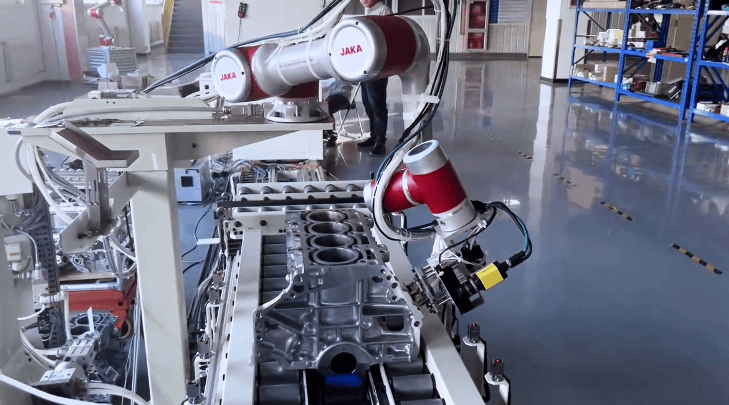
The History and Development of Collaborative Robot Technology
The landscape of robot technology is undergoing a significant transformation, shifting from isolationist industrial automation to a more integrated approach that emphasizes collaboration. Traditionally, industrial robots were powerful machines confined behind barriers, posing safety risks to human workers due to their lack of environmental awareness. However, the introduction of collaborative robots has marked a pivotal change, focusing on safety, flexibility, and shared workspaces. This evolution began in the late 1990s, with early research aimed at creating machines that assist rather than replace humans. Innovations such as power and force limiting (PFL) technology have enabled robots to detect external resistance and respond accordingly. As sensor technology advanced, robots became capable of perceiving their surroundings through sophisticated sensors and vision systems. Modern robotic systems now prioritize user-friendly programming, allowing small manufacturers to implement advanced automation without the need for specialized engineers. This shift has made collaborative robots essential for high-mix, low-volume production environments, where rapid re-tasking is crucial for competitiveness. JAKA Company, established in 2014, is at the forefront of this technological shift. The company’s name reflects its commitment to pushing the boundaries of collaborative robotics. JAKA has developed the A series of robots, designed for high-speed and precision tasks in various industries, including automotive and pharmaceuticals. With a repeatability of ±0.02 mm, these robots ensure high-quality performance in delicate operations. By adopting JAKA's technology, manufacturers can streamline their processes and reduce setup costs, reinforcing the company's mission to empower the future of global manufacturing.
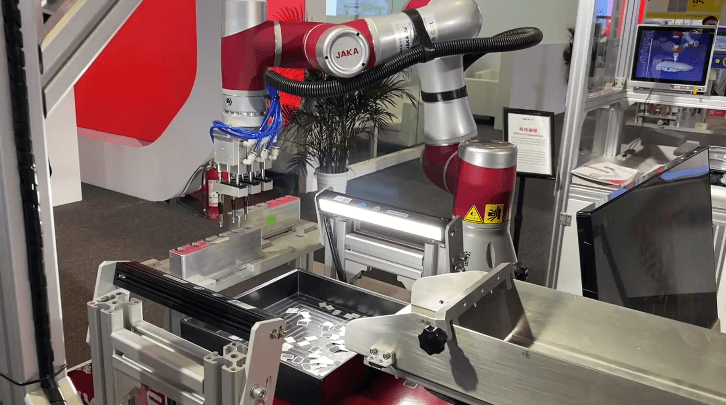
Essential Safety Tips for Operating Collaborative Robots Alongside Humans
The landscape of modern manufacturing is evolving as industries increasingly integrate collaborative robots, or cobots, into their operations. This shift, aimed at fostering a more agile and flexible production environment, allows humans and machines to work side by side without the traditional safety barriers. However, as these safety cages are removed, ensuring a secure workspace becomes paramount. To achieve this, experts emphasize the importance of comprehensive risk assessments that consider not only the cobots themselves but also the tools they use. For example, when handling sharp or high-temperature items, additional safety measures must be implemented to protect nearby workers. Moreover, employing external sensors like laser scanners can enhance safety by enabling cobots to adjust their speed based on human proximity. JAKA, a leader in collaborative robotics, is committed to prioritizing worker safety through its "Smart, Simple, and Small" philosophy. Their systems feature high-precision torque sensors that allow the robots to detect resistance and halt immediately to prevent injuries. The JAKA S series is specifically designed for environments demanding high interaction standards, incorporating advanced hardware and software to establish trust between operators and machines. With tools that enable visual safety boundary settings, JAKA aims to create a harmonious manufacturing environment that values both human safety and industrial efficiency.
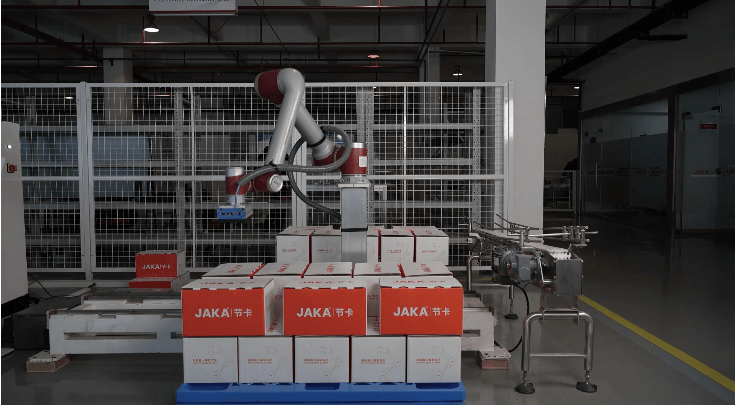
The Ultimate Guide to Understanding Collaborative Robots
Manufacturing is experiencing a significant transformation as it shifts from rigid machinery to flexible, integrated systems, primarily driven by the rise of collaborative robots (cobots). These advanced robots, equipped with sensors and power-limiting features, can safely operate alongside human workers without the need for extensive safety barriers. The appeal of cobots lies in their accessibility; they can be programmed using intuitive "drag-and-drop" interfaces, allowing operators with minimal technical skills to easily teach them new tasks. Their smaller physical footprint enables manufacturers to automate specific workstations without the need for complete facility overhauls, enhancing productivity in tasks such as precision assembly and palletizing. JAKA, a leader in this field, emphasizes its commitment to "Freeing Your Hands" through its S³ (Smart, Simple, Small) design philosophy. Their product line, including the JAKA Zu series, caters to various industrial needs, offering models with payloads ranging from 3kg to 20kg and exceptional precision. The JAKA Pro series is designed for harsh environments, featuring IP68 protection against oil, dust, and moisture, while the All-in-one series includes plug-and-play vision systems for autonomous adaptability. By adopting JAKA technology, manufacturers can ensure a future-proof ecosystem that integrates seamlessly into existing workflows, enhancing productivity as their operations scale. JAKA continues to innovate, providing the tools necessary for a more intelligent and flexible production line.
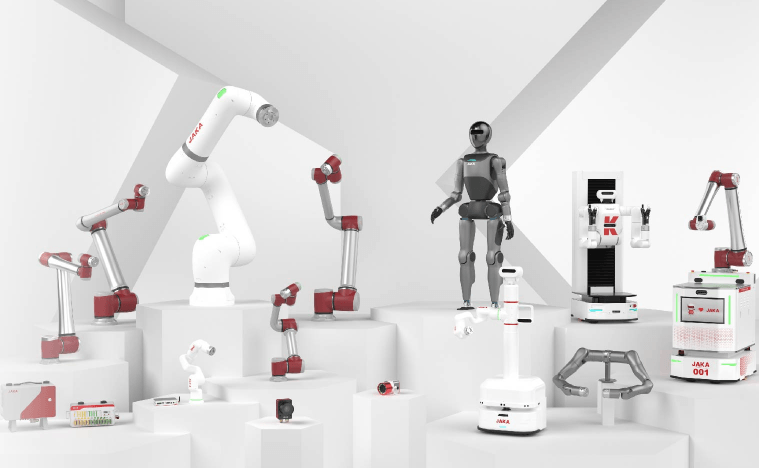
Why Are Collaborative Robots Crucial for SMEs and Industry Giants?
As global manufacturing evolves, the line between manual labor and automation is increasingly blurred. In 2026, a pivotal shift occurs as general industries—including food, consumer goods, and logistics—emerge as the leading sectors driving automation growth, previously dominated by industrial robotics in automotive plants. This transformation is largely attributed to the rise of collaborative robots (cobots), designed to work safely alongside human workers without the need for traditional safety barriers. Small and Medium Enterprises (SMEs) often struggle with the "automation paradox," needing efficiency to compete but lacking the resources for conventional robots. Cobots address this challenge with their compact design and user-friendly, no-code programming, enabling smaller businesses to automate repetitive and hazardous tasks with minimal investment. Meanwhile, larger manufacturers benefit from cobots' flexibility in high-mix, low-volume production environments, where they can efficiently handle tasks like precision dispensing and palletizing. JAKA, a leader in collaborative robotics, emphasizes the importance of robots as reliable partners rather than mere tools. Their JAKA Mini series, weighing under 10kg, is tailored for SMEs, while the JAKA Pro series is built for larger enterprises, offering durability in harsh conditions. Advanced AI and vision systems enhance the robots' ability to interact with their environment, earning the trust of industry giants like Toyota and Schneider Electric. JAKA's solutions aim to facilitate the transition from manual labor to intelligent automation, providing the necessary flexibility and value for the future of Industry 4.0.
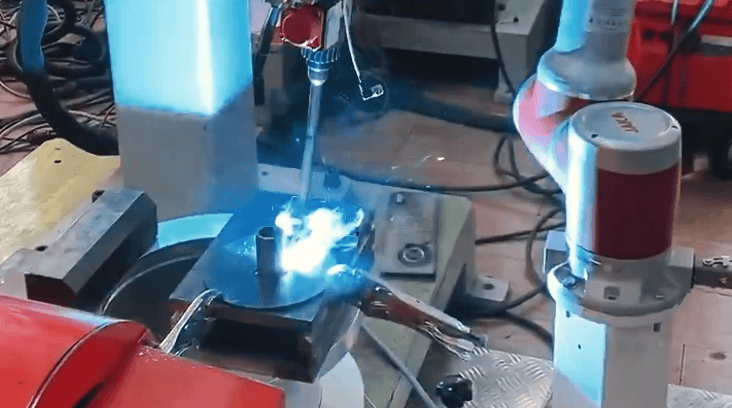
Essential Safety Tips for Operating Collaborative Welding Robots (Arc Flash & Collision)
In modern manufacturing, ensuring the safety of collaborative welding robots is paramount. A company specializing in this field emphasizes the importance of understanding potential hazards, such as arc flash and collision risks, to protect both operators and management. By implementing structured safety protocols, they aim to maintain high productivity while safeguarding their workforce. To mitigate arc flash incidents, which can lead to severe injuries, the company stresses the use of proper personal protective equipment (PPE) like flame-resistant clothing and face shields. Safety zones around the JAKA Zu30 robot are clearly marked to prevent accidental exposure to high-voltage arcs, and regular inspections of electrical systems and welding cables are conducted to ensure reliable operation. Collisions in dynamic production environments present another significant risk. The company designs workspace layouts to minimize interference between robots and human operators. The JAKA Zu30 system facilitates quick loading and unloading, reducing congestion on the production line. Additionally, the robot’s programming capabilities allow for precise movement paths, enhancing safety while optimizing workflow. Collision detection features and predefined safe zones further ensure efficient operation without unintended contact. Best practices for operational safety include training all operators on proper startup and shutdown procedures, emphasizing emergency stops and maintenance schedules. Monitoring environmental factors like ventilation and lighting also helps reduce welding arc hazards. The flexible design of the JAKA Zu30 enables quick adaptations to production lines, ensuring high-quality machine tending while upholding safety standards. By integrating safety measures, thoughtful workspace design, and comprehensive training, the company demonstrates that safety and productivity can coexist in modern industrial environments, enhancing both efficiency and workforce well-being.
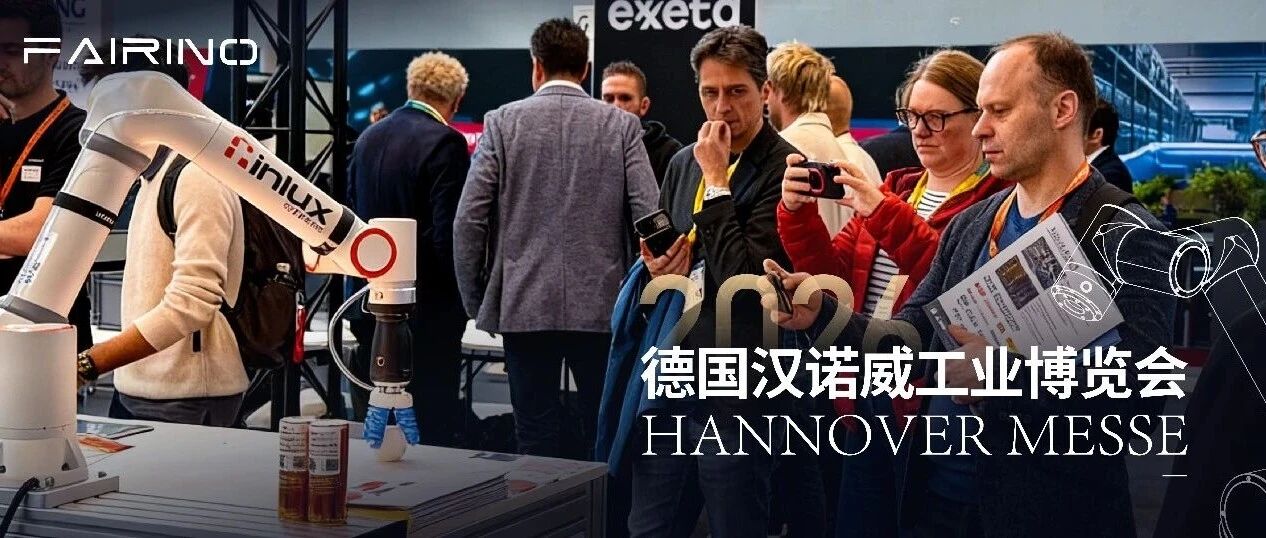
Hannover Industrial Fair: Comprehensive Collaborative Robot Solutions from Leading Manufacturers
The Hannover Industrial Fair commenced on April 20, featuring innovative collaborative robot solutions from Faou Robotics. The event served as a platform for the company to present its localized industry solutions while engaging in discussions with prominent global clients, including BOSCH and Toyota. The focus of the fair was on the integration of humanoid and collaborative robots into various industrial applications, underscoring the growing importance of automation in enhancing operational efficiency and productivity across sectors.
Collaborative Robots Humanoid Robots Industrial Automation AI Technology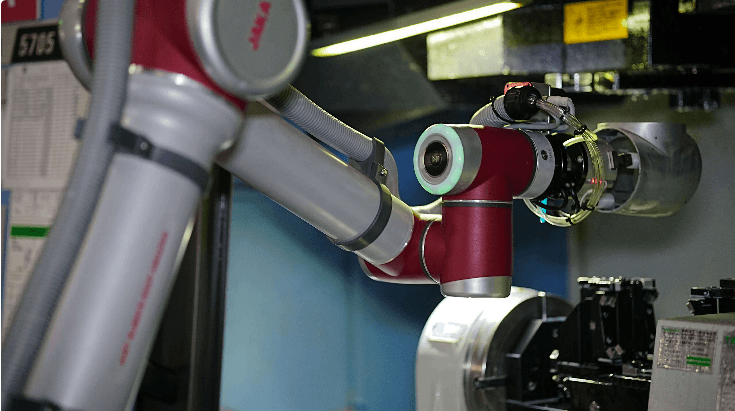
Advanced Robotics Technology in Collaborative Workspaces: Force Limiting and Sensing
In a significant advancement for manufacturing, JAKA is revolutionizing collaborative workspaces through the integration of advanced robotics technology. The company’s focus on industrial collaborative robots (cobots) allows for safe and efficient interaction between machines and human operators, essential in today’s fast-paced production environments. By employing force limiting and sensing capabilities, JAKA's robots can detect unexpected interactions and adjust their movements accordingly, enhancing workplace safety and productivity. The JAKA Pro5 model exemplifies this innovation, specifically designed for loading and unloading tasks. It minimizes reliance on manual labor while ensuring consistent quality through simple programming interfaces that enable rapid setup for various production line tasks. This flexibility allows teams to adapt the robots quickly, optimizing efficiency and precision in machine tending. JAKA recognizes that the successful adoption of robotics hinges on factors such as production complexity and workspace layout. Their cobots are engineered to address these challenges, providing scalable operations that accommodate delicate handling requirements and reduce product damage risks. By integrating these intelligent systems, JAKA not only improves operational standards but also frees up human resources for more strategic roles, fostering a collaborative environment that enhances overall productivity. As industries increasingly embrace advanced robotics, JAKA’s commitment to safety, adaptability, and efficiency positions it at the forefront of transforming manufacturing practices, ultimately driving sustainable productivity improvements.
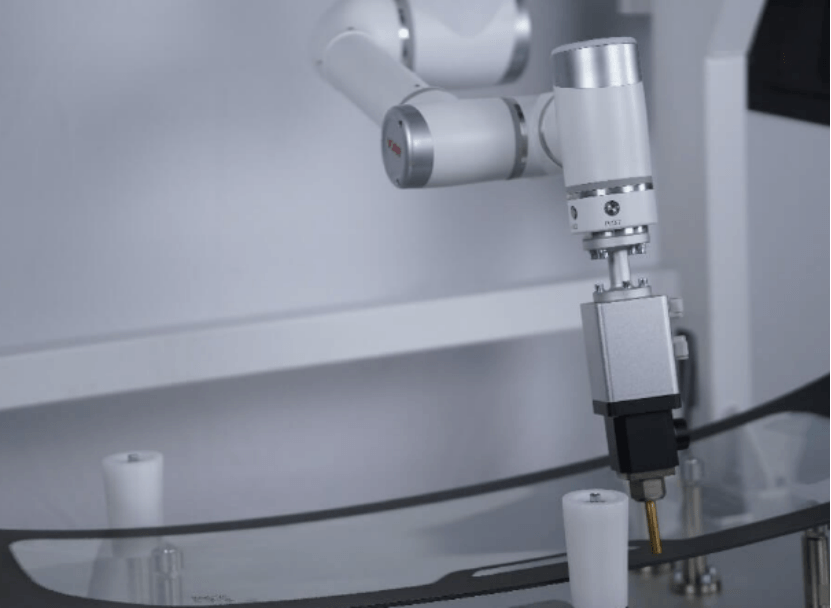
Measuring ROI: How Collaborative Robots in Manufacturing Drive Profitability
In a bid to enhance profitability and operational efficiency, a manufacturing company has integrated JAKA collaborative robots into its production processes. This strategic move, implemented recently, aims to address challenges related to labor costs and production consistency. By utilizing the JAKA S5 platform for tasks such as gluing, the company has mechanized production, improving both the quality of output and the accuracy of material usage. The adoption of these robots not only reduces manual labor but also allows workers to focus on more skilled tasks, thereby driving efficiency gains that positively impact return on investment (ROI). The flexibility of JAKA systems enables easy relocation within the workspace, facilitating quick adaptations to changing production needs while ensuring safe interactions with human operators. Beyond labor savings, the integration of JAKA robots has led to significant improvements in product quality, consistency, and throughput, further enhancing profitability. The precise control offered by these systems minimizes waste and rework, resulting in lower operational costs. Additionally, the robots' rapid deployment and flexible programming capabilities shorten production cycles, enabling the company to respond swiftly to market demands. Overall, the company's investment in collaborative automation through JAKA robots represents a comprehensive approach to boosting profitability, demonstrating that operational efficiency, quality, and flexibility are key drivers of long-term success in the manufacturing sector.

JAKA Launches New JAKA Zu35 High-Load Collaborative Robot!
JAKA has introduced its newest collaborative robot, the JAKA Zu35, aimed at high-load applications within industrial environments. This advanced robot is engineered to boost productivity and efficiency, positioning it as a significant advancement in automation technology. The launch reflects JAKA's commitment to enhancing operational capabilities across various sectors, catering to the growing demand for innovative solutions in industrial automation.
Collaborative Robots Industrial Automation Robotics Technology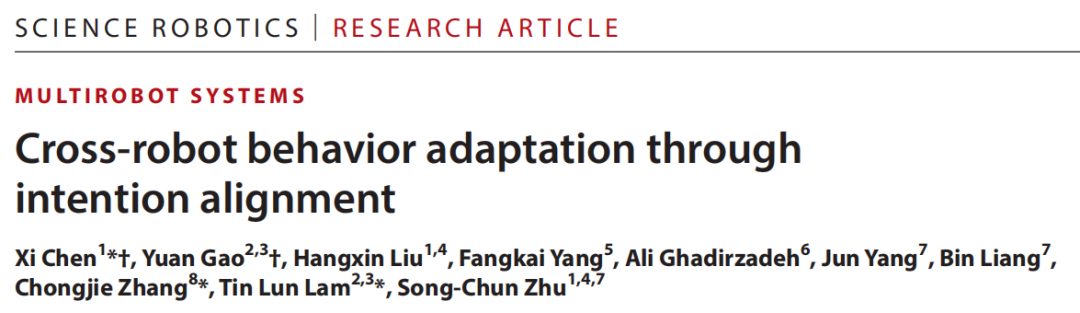
Can Heterogeneous Robots Share Skills? Collaborative Breakthrough by Peking University, Tsinghua University, and Others in IAIL Framework Published in Science Robotics
A collaborative research team from leading universities has introduced the IAIL framework, a groundbreaking system that allows diverse robots to autonomously comprehend and perform tasks without the need for prior programming or human input. This innovative framework emphasizes intention alignment over mere action replication, which markedly improves coordination among multiple robots. The development, announced in October 2023, aims to revolutionize the way robots interact and collaborate in various environments, paving the way for more efficient and effective robotic applications across multiple sectors.
Heterogeneous Robots Robot Collaboration AI Frameworks Robotics Research
Top 5 Trends of the Collaborative Robot Industry in 2026
The collaborative robot industry is poised for significant transformation in 2026, influenced by evolving manufacturing structures and workforce expectations. As companies shift towards higher mix and lower volume production, there is an increasing emphasis on integrating collaborative robots into operational workflows rather than treating them as standalone automation solutions. This change is driven by the need for stable quality and scalable growth in production environments. Key trends for 2026 include a focus on practical intelligence, where manufacturers prioritize robots that offer stable operation and predictable performance over complex features. Additionally, the demand for flexible deployment is rising, as production lines become more dynamic, necessitating robots that can be easily redeployed and adapted without extensive reprogramming. Integration capabilities are also crucial, with robots needing to work seamlessly alongside vision systems and existing automation tools. Inspection automation is emerging as a rapidly growing application, enhancing efficiency and maintaining quality, particularly for small-batch production. Solutions like the JAKA AL are designed for high compatibility with external devices, facilitating non-destructive testing and automated measurements. Furthermore, workforce optimization is becoming a priority, as delegating repetitive inspection tasks to robots reduces operator fatigue and allows skilled workers to concentrate on more complex responsibilities. In summary, the trends shaping the collaborative robot industry in 2026 reflect a shift towards practicality, flexibility, and integration, addressing real manufacturing challenges and enhancing operational efficiency. JAKA is committed to aligning its solutions with these industry directions to ensure long-term value in evolving production settings.
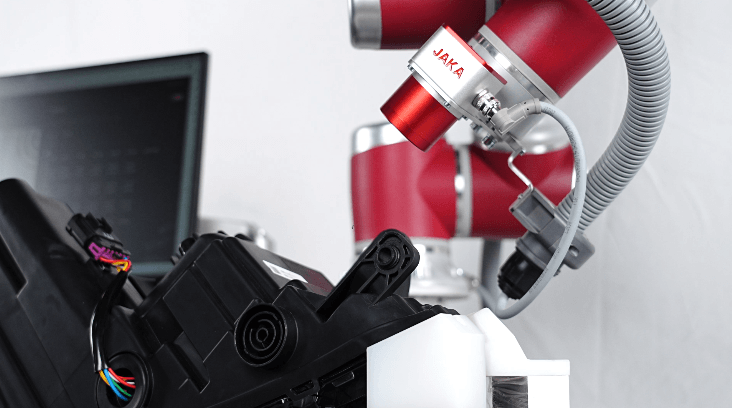
How Does Collision Detection Work in Collaborative Robotics?
In the evolving landscape of industrial automation, JAKA is addressing the critical need for safety and adaptability as collaborative robots increasingly work alongside human operators. The company has developed advanced collision detection systems that ensure real-time identification of unexpected contact, allowing for stable and predictable motion in various industrial settings. Collision detection is a complex system-level capability that relies on continuous monitoring of torque variation, force feedback, and motion deviation. When an external force surpasses set thresholds, the system promptly recognizes the abnormal interaction and initiates a controlled response, enabling the robot to slow down, stop, or retract smoothly. This approach minimizes secondary risks and fosters safer interactions between robots and human workers. As production demands shift towards greater variability and smaller batch sizes, JAKA's collision detection technology plays a vital role in maintaining safety without requiring extensive reconfiguration. This flexibility allows robots to adapt to changing tasks and environments, facilitating closer collaboration with human operators in shared workspaces. The JAKA S5 robot exemplifies the integration of collision detection within its design, featuring a built-in force sensor for precise control and rapid response during operations. With capabilities such as force control drag and IP65 protection, the S5 operates reliably across diverse industrial environments, enhancing workflow efficiency while adhering to safety standards. By embedding collision detection into its system architecture, JAKA aims to provide manufacturers with safer and more adaptable automation solutions, ultimately supporting long-term operational stability in real-world industrial conditions.
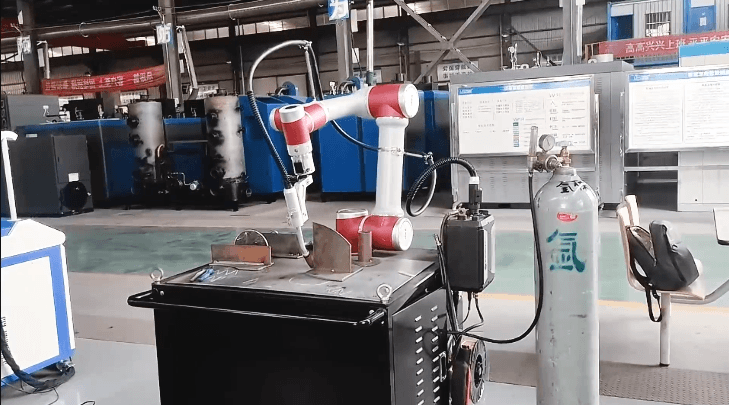
The Role of Offline Programming in Improving Efficiency of a Collaborative Welding Robot
In the evolving landscape of modern manufacturing, JAKA has identified that the efficiency of industrial welding robots is increasingly reliant on intelligent programming rather than just hardware capabilities. This shift comes in response to challenges such as short delivery cycles, high product variation, and the demand for precision. Offline programming has emerged as a vital solution, allowing manufacturers to develop welding paths and parameters in a virtual environment, thereby reducing downtime and optimizing production processes. By utilizing offline programming, JAKA has found that manufacturers can significantly minimize line stoppages associated with manual adjustments. This method enables the simulation and verification of complex weld seams and trajectories before actual deployment, enhancing consistency and reducing programming errors. In collaborative settings, it also ensures safer commissioning by validating motion paths that limit unexpected movements. The JAKA Zu30, designed for heavy-load and space-constrained welding applications, exemplifies the benefits of offline programming. With a payload capacity of 30 kg and a reach of 1350 mm, this robot can adjust welding parameters digitally, allowing for efficient handling of various workpieces without the need for repeated on-site teaching. Its IP65 protection ensures stability in demanding environments. JAKA emphasizes that offline programming is not merely theoretical but a practical tool that enhances the usability of collaborative welding robots in real production settings. By improving programming accuracy and supporting flexible manufacturing, this approach is poised to significantly enhance the overall value of industrial welding robots, paving the way for more efficient and resilient manufacturing processes.
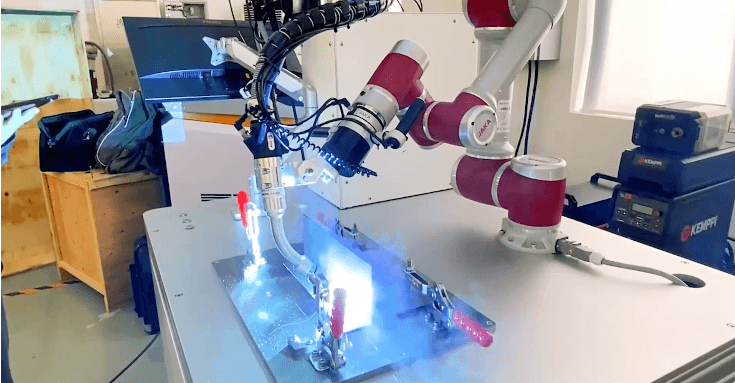
Understanding Weld Seam Tracking in Collaborative Welding Systems
In the evolving landscape of automated manufacturing, JAKA has unveiled advancements in weld seam tracking technology that enhance precision and flexibility in collaborative welding environments. This innovative approach addresses challenges such as part tolerances and thermal deformation by integrating advanced sensing, control algorithms, and motion accuracy. The JAKA Zu30, a collaborative welding robot, exemplifies this system-level capability, boasting a 30 kg payload, a reach of 1350 mm, and repeat positioning accuracy of ±0.05 mm. These features enable the robot to maintain stable tool motion while effectively handling heavier welding equipment, even in environments filled with welding fumes and metal particles due to its IP65 protection rating. Weld seam tracking allows the robotic system to accurately identify the position of weld joints and adjust its motion in real time, significantly reducing welding defects and improving bead consistency. This technology supports higher process continuity in mixed production lines by accommodating part variations without frequent manual adjustments. Designed for intuitive setup and consistent performance, the Zu30 is capable of executing complex welding tasks, including heavy workpiece processing and precision joint applications. By focusing on the integration of mechanical stability, control algorithms, and environmental adaptability, JAKA aims to advance collaborative welding precision, making automation more accessible in modern manufacturing settings.

From Collaborative Leader to Embodied Intelligence Pioneer: Yuejiang's 25-Year Journey to Become the Global Leader in Collaborative Robot Shipments!
In 2025, Yuejiang Technology achieved a remarkable 31.7% increase in revenue, solidifying its position as the leading global supplier of collaborative robots. The company successfully shipped over 100,000 units, reflecting its commitment to innovation in the field of embodied intelligence. By drawing on its extensive manufacturing expertise, Yuejiang Technology aims to address the practical needs of various industries, driving advancements in automation and robotics. This growth underscores the company's strategic focus on developing solutions that enhance productivity and efficiency in real-world applications.
Collaborative Robots Embodied Intelligence Industrial Automation Robotics Technology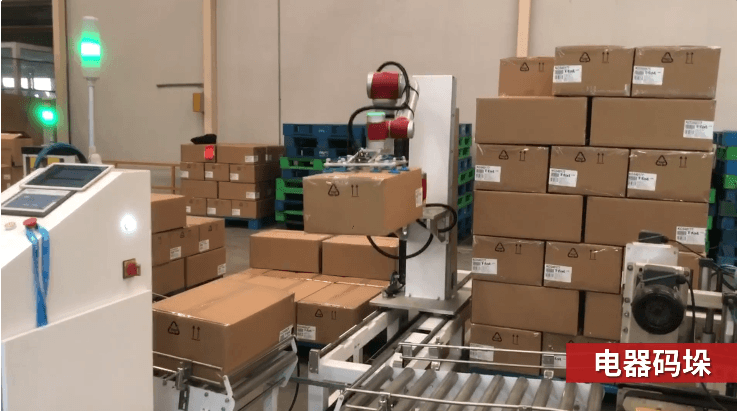
Industrial Collaborative Robots for Research and Development (R&D) Labs
In a bid to enhance productivity and precision in research and development laboratories, a company has adopted industrial collaborative robots, specifically the JAKA systems. These robots are designed to work alongside human researchers, automating repetitive and time-consuming tasks while maintaining high consistency. By integrating these cobots into daily operations, the company enables its staff to focus on critical areas such as experimental design and data analysis, thereby reducing human error and ensuring rigorous quality standards. One notable implementation is the JAKA Pro16 Palletizing solution, which features a compact structure and lightweight design, making it suitable for space-constrained laboratories. This automation alleviates the burden of manual palletizing, traditionally a labor-intensive task, and significantly boosts production efficiency while improving ergonomics for operators. The JAKA robots are equipped with advanced control algorithms and force-sensing technology, ensuring safe interactions with human personnel. Their flexibility allows for quick adaptation to various experimental setups, supporting tasks from handling delicate samples to repetitive assembly work. This adaptability not only reduces training time but also enables laboratories to meet evolving project demands without sacrificing safety or efficiency. By leveraging JAKA systems, the company aims to streamline operations, enhance working conditions, and maintain high accuracy standards, ultimately fostering innovation and advancing research capabilities across multiple disciplines.
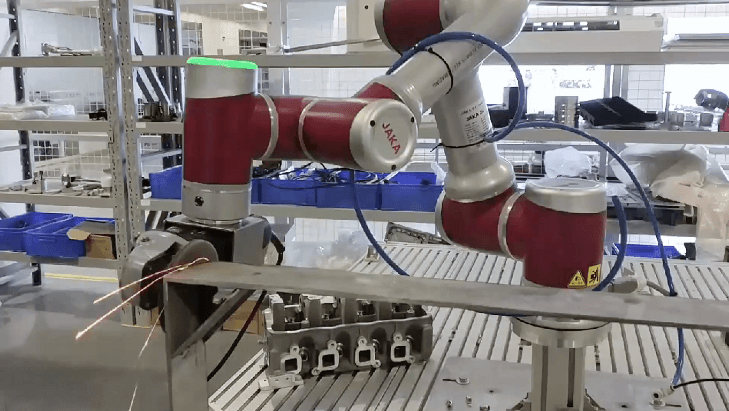
Collaborative Robots in Manufacturing Case Study: Achieving Near-Zero Defects in Finishing
A manufacturing company has successfully integrated collaborative robots, specifically the JAKA S12, into its production workflow to enhance finishing processes. This implementation, which began recently, aims to reduce errors and improve quality in polishing operations, a critical area where uniformity is essential. The JAKA S12 features advanced capabilities such as zero installation and configuration, along with a built-in force sensor that allows for real-time adjustments in pressure and trajectory during polishing tasks. By automating these processes, the company has achieved near-zero defect rates, even amidst complex production demands and varying product designs. This technology not only optimizes workflow but also fosters effective human-robot collaboration, enabling operators to program intricate movements through user-friendly interfaces. As a result, workers can focus on high-value tasks while minimizing physical strain and errors associated with repetitive polishing. The company’s experience highlights the significant benefits of integrating robotics into manufacturing, demonstrating that such innovations can enhance precision and consistency in finishing applications. By maintaining high-quality standards and adapting quickly to production changes, the company underscores the potential of collaborative automation to transform modern manufacturing environments without compromising workforce involvement.
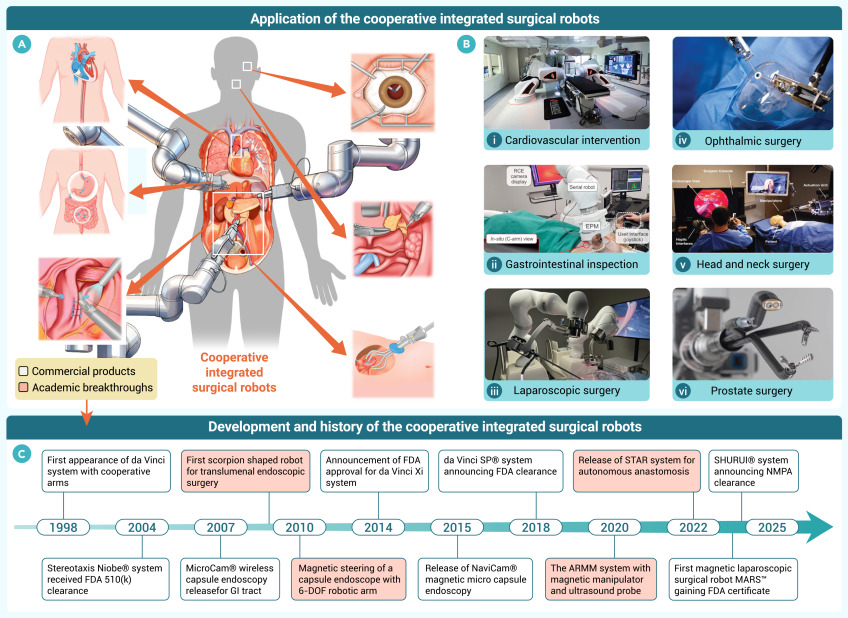
The Innovation Review: A Blueprint for Collaborative Integrated Surgical Robots by the University of Macau and CUHK
A recent review article in 'The Innovation' explores the future of collaborative integrated surgical robots, emphasizing the necessity for multi-tasking capabilities in intricate surgical settings. The research advocates for the deployment of multi-scale heterogeneous robots that can operate together to improve precision in minimally invasive procedures. As the demand for advanced surgical solutions grows, this study aims to address the challenges faced in complex surgeries, suggesting that enhanced robotic collaboration could significantly benefit patient outcomes.
Surgical Robots Minimally Invasive Surgery Robotics Technology Medical Innovation
The Role of Collaborative Robots in the Future of Smart Factory Automation
As smart factories evolve, JAKA highlights a significant shift towards collaborative automation, where robots work alongside human operators rather than in isolation. This transition is driven by the need for flexible automation solutions that can adapt to changing production demands. Collaborative robots, designed for shared workspaces, assist in repetitive and precision-critical tasks, allowing manufacturers to respond swiftly to variations in product designs and smaller batch sizes without extensive reconfiguration of production lines. A notable example of this collaborative approach is the JAKA Zu7, engineered for automated screwdriving tasks that require high accuracy and stability. With adjustable torque settings tailored to specific product needs, the Zu7 ensures consistent assembly quality while integrating seamlessly into existing manufacturing processes. This capability enhances operational efficiency and quality control, reducing manual strain on workers. The integration of collaborative robots into broader automation systems is crucial for maintaining production rhythm and scalability. By combining human oversight with automated precision, these robots contribute to a balanced and sustainable production environment. JAKA envisions collaborative robot technology as essential for creating adaptable, people-centered automation systems that evolve with the manufacturing landscape, reinforcing the importance of collaboration in the future of smart factory automation.
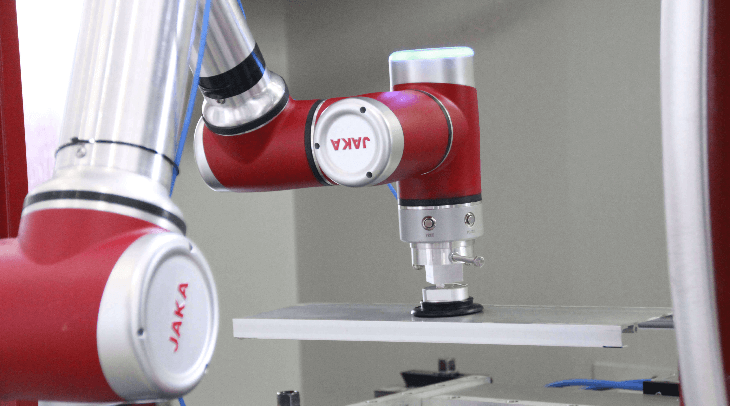
Cost Breakdown of Collaborative Robot Ownership: From CAPEX to Reprogramming Cost
JAKA, a leader in robotics, emphasizes the importance of a comprehensive financial analysis when considering the purchase of collaborative robots (cobots). The company highlights that the total investment extends beyond the initial purchase price, requiring careful evaluation of all associated costs, including capital expenditure, operational expenses, and the often-overlooked costs of reprogramming and adaptation. The initial capital outlay for JAKA's Zu series cobot includes the robotic arm, its controller, essential peripherals like end-effectors, safety hardware, and mounting fixtures. The compact design of JAKA's flexible robot arms reduces the need for extensive foundational support, thereby lowering ancillary costs. Once installed, ongoing operational costs remain low due to the energy-efficient design and minimal maintenance requirements. JAKA's systems are built for reliability, which helps prevent unplanned downtime and reduces operational manpower costs. A key advantage of JAKA's cobots is their adaptability, which, while incurring some costs during reprogramming, is mitigated by the intuitive design that allows for quick adjustments. The user-friendly graphical programming and drag-and-drop teaching methods significantly decrease the time and expertise needed for reprogramming, thus reducing labor costs and minimizing production downtime. In summary, JAKA's flexible robot arms are designed to deliver long-term economic efficiency by focusing on reliability and ease of operation, ultimately providing a lower total cost of ownership throughout their lifecycle.
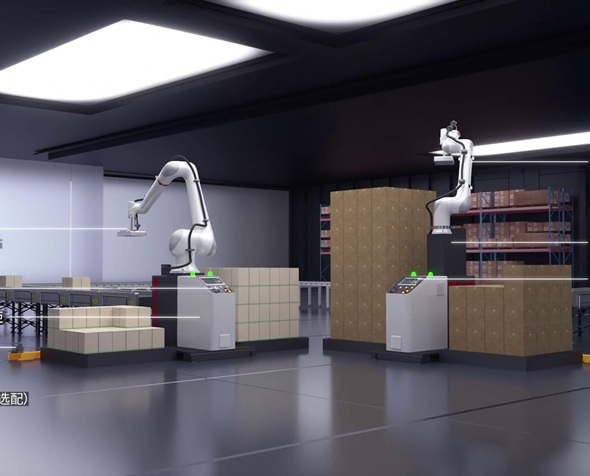
ROKAE Launches 45 kg Intelligent Collaborative Palletizing Workstation
At the beginning of the new year, ROKAE Robotics unveiled its latest innovation, a 45 kg intelligent collaborative palletizing workstation. This advanced system is designed to enhance efficiency and flexibility in industries such as food and beverage, pharmaceuticals, daily chemicals, and new energy. By integrating cutting-edge technology, the workstation aims to streamline palletizing processes on modern production lines, addressing the growing demand for automation in various sectors.
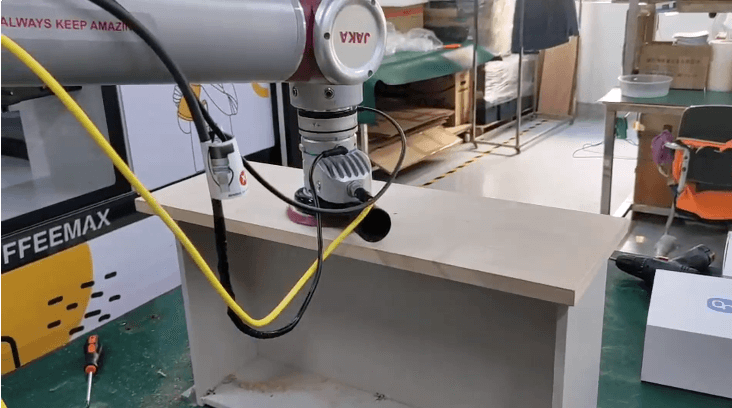
How Do Collaborative Robots Work?
JAKA, a leader in robotics, has developed collaborative robots (cobots) designed to operate safely alongside human workers in shared workspaces. These advanced machines utilize a combination of sensing technology, intuitive programming, and adaptable design to enhance productivity in manufacturing environments. The cobots continuously monitor their surroundings, employing sophisticated algorithms for collision detection that allow them to halt or retract when encountering obstacles, such as people. This real-time responsiveness, complemented by features like jitter suppression, ensures safe interaction without the need for protective barriers. JAKA's cobots are user-friendly, supporting graphical programming and drag-and-drop teaching methods. Operators can easily guide the robotic arms through desired motions, simplifying task setup and enabling quick adaptations directly on the factory floor. This accessibility empowers workers to leverage the technology effectively. Moreover, the compact design of JAKA's Zu series allows for seamless integration into existing production lines, both physically and digitally. The cobots can connect with various machinery and software systems, making them versatile tools capable of performing tasks ranging from assembly to quality inspection without disrupting established workflows. Overall, JAKA's collaborative robots exemplify a modern approach to manufacturing, acting as intelligent partners that enhance human capabilities and adapt to the evolving demands of the industry.

Robot Talk Episode 142 – Collaborative robot arms, with Mark Gray
Claire recently engaged in a discussion with Mark Gray, the country manager of Universal Robots, regarding the company's innovative lightweight robotic arms designed for collaboration with human workers. With three decades of experience in automation, including expertise in machine vision and robotics, Gray has been instrumental in advancing the field of collaborative robots, commonly referred to as cobots. His leadership marks a significant milestone for Universal Robots, as he was the first employee in the country, paving the way for the company's growth and integration of automation solutions in various industries. The conversation highlighted the increasing importance of cobots in enhancing productivity and safety in workplaces, showcasing how these technologies can effectively complement human labor.
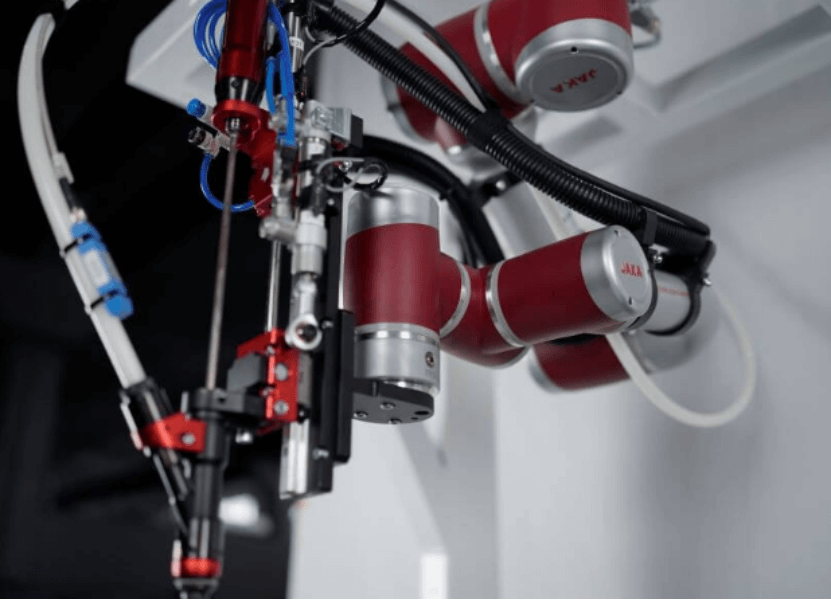
Benefits of Choosing a Collaborative Robot Cobot for Small to Mid-Sized Businesses (SMEs)
Small to mid-sized manufacturers are increasingly turning to collaborative robots, or cobots, to enhance their operational capabilities without the complexities associated with traditional automation systems. JAKA, a leading technology provider, emphasizes that their cobots offer a practical solution for SMEs facing challenges such as skilled labor shortages and fluctuating order volumes. The deployment of these robots, designed to work alongside human staff, allows businesses to automate repetitive and ergonomically challenging tasks, thereby improving output quality and employee well-being. This collaboration enables a smaller workforce to manage a broader operational scope, enhancing stability without necessitating a proportional increase in personnel. One of the key advantages of JAKA's cobots is their technical flexibility. The six-axis robot arm can be utilized for various applications, including screwdriving, polishing, and packaging, making it ideal for facilities with diverse production needs. Additionally, the user-friendly programming interface allows in-house technicians to easily manage and adjust the systems without relying on external specialists. Financially, the cobots align well with SME budgets, requiring a lower initial investment and offering a quicker return on investment compared to large-scale automation. Their consistent performance reduces material waste and minimizes costly human errors, ultimately improving profit margins. By augmenting the human workforce, these robots allow businesses to scale production without proportionately increasing labor costs. JAKA's collaborative robots are designed to integrate seamlessly into existing workflows, providing SMEs with a resilient and adaptable solution to enhance productivity and ensure sustainable growth in a competitive market.
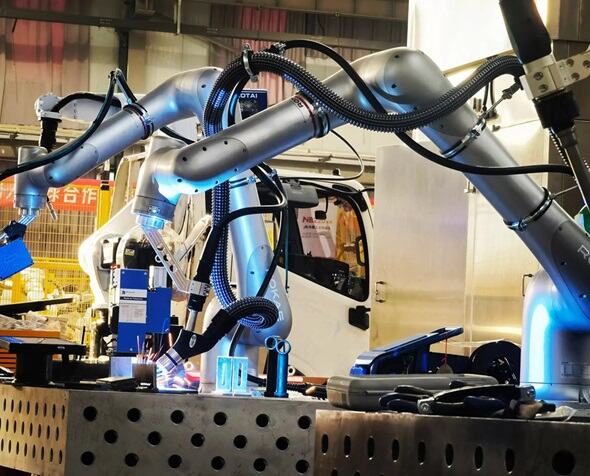
ROKAE Next-Generation Collaborative Welding Robots for a Smarter, More Flexible Welding Experience
ROKAE is making significant strides in robotic welding technology, leveraging its comprehensive range of collaborative welding solutions known for their strong performance and adaptability. The company has successfully implemented its innovations across various sectors, including steel structures and shipbuilding, which has allowed it to gather extensive practical experience in the field. This advancement not only showcases ROKAE's commitment to enhancing industrial processes but also positions the company as a leader in the evolving landscape of automated welding solutions.

Comau unveils its new MyCo family of six collaborative robots at Automatica 2025
Comau has unveiled MyCo, a new line of collaborative robots designed to enhance automation across various industries. This innovative family includes six distinct models, each capable of handling payloads ranging from 3 kg to 15 kg. The announcement was made recently, showcasing Comau's commitment to advancing robotic technology and improving operational efficiency. By introducing these versatile robots, the company aims to meet the growing demand for flexible automation solutions that can adapt to diverse manufacturing environments. The MyCo robots are engineered to work alongside human operators safely, facilitating a collaborative workspace that enhances productivity and reduces the risk of workplace injuries.
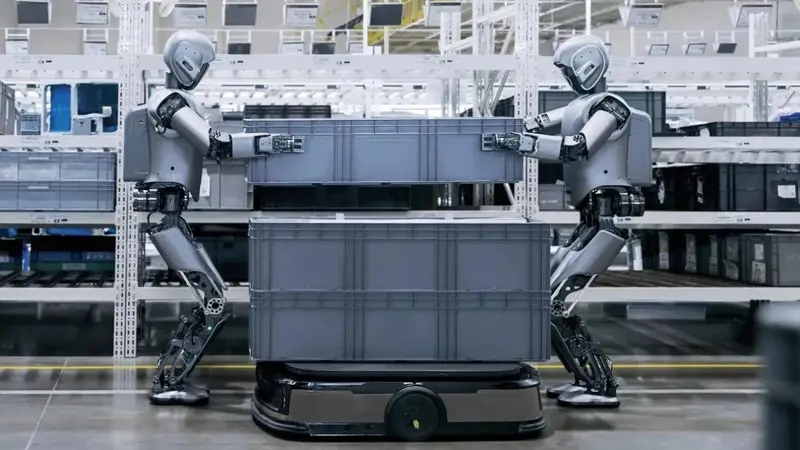
UBTech Humanoids Clock In: Walker S1 Robots Deployed at Zeekr Factory for Collaborative Tasks
UBTech's Walker S1 humanoid robots have commenced their operational deployment at Zeekr's advanced 5G smart factory, where they are tasked with material handling and quality inspection. These robots leverage an innovative 'BrainNet' AI framework, enabling them to coordinate effectively in collaborative environments. In addition to their work at Zeekr, trials are being conducted at facilities operated by BYD, Foxconn, and Audi-FAW, reflecting a growing interest in robotic automation across the automotive sector. Despite the promising advancements, mass production of the Walker S1 robots is projected to take an additional 1-2 years, with over 500 units currently in the order pipeline, indicating strong demand for this technology.
UBTECH Robotics Walker S1Robotics needs a service framework.
RSF defines a common language for robot service capability, lifecycle operations, certification pathways, and service-provider networks.