


Red Cat Holdings
American drone technology company building military and tactical UAS through subsidiaries Teal Drones and FlightWave Aerospace.
Contact Red Cat Holdings
WEBSITE
https://www.redcat.com/HEADQUARTERS
Puerto Rico

Company Facts
Founded
2016
Primary Role
Manufacturer
Company Size
-
Primary Region
North America
Annual Sales
-
Funding Stage
Public
Funding Total
-
Certifications & Memberships
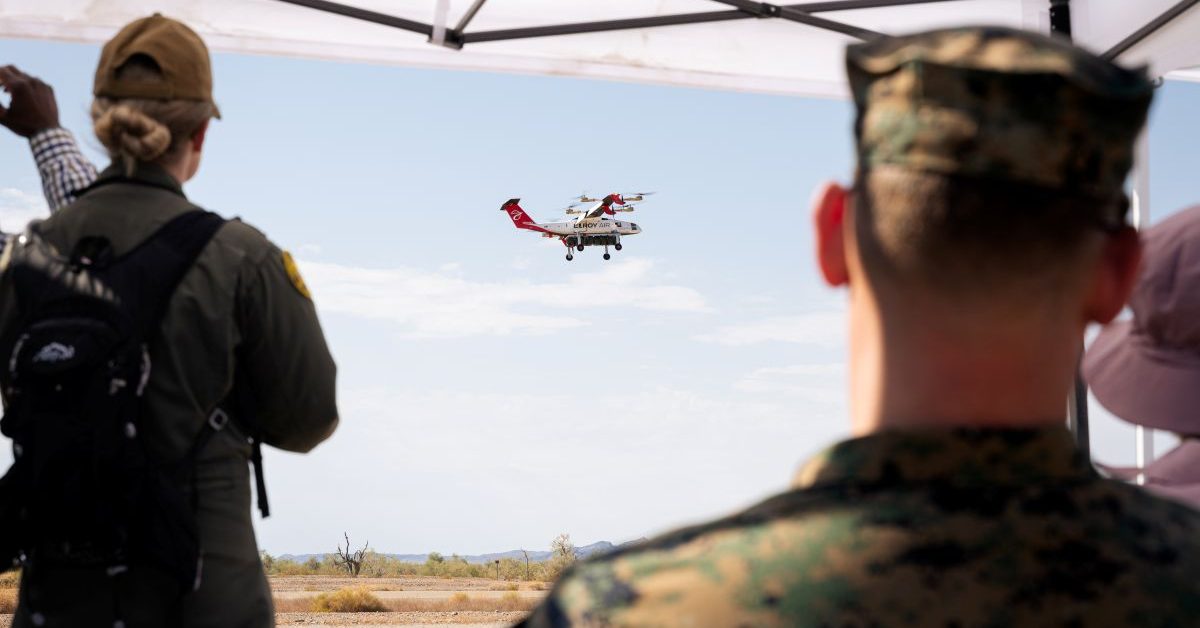
Elroy Air Raises $175 Million to Advance Chaparral Drone Production
Elroy Air has secured $175 million in expanded private investment commitments to scale production of its Chaparral autonomous cargo drone. This funding, which includes contributions from Lockheed Martin Ventures and Inflection Point, will support the transition from testing to large-scale manufacturing for military and commercial applications. The significance of this funding lies in Elroy Air's goal to enhance the Chaparral's capabilities, allowing it to carry over 500 pounds of cargo up to 450 miles without traditional infrastructure. The investment will accelerate production and enable the delivery of Chaparral drones to commercial and defense partners, particularly following a recent $46 million contract with the US Army. Looking ahead, Elroy Air aims to produce its first aircraft by late 2026, with manufacturing handled by Kratos Defense & Security Solutions in Sacramento, California. The company is focused on transforming successful demonstrations into large-scale production, leveraging its new financial resources to meet growing demand in logistics and defense sectors.
News
Kratos and GE Aerospace Successfully Ignite GEK800 Turbofan Engine for Missiles
Kratos Defense & Security Solutions and GE Aerospace have achieved a major milestone with the first successful ignition of the GEK800 turbofan engine. This engine is designed for next-generation US cruise missiles, marking a significant advancement in missile technology. The successful ignition of the GEK800 engine is crucial as it represents progress in developing advanced propulsion systems for military applications. This milestone underscores the collaboration between Kratos and GE Aerospace in enhancing the capabilities of US defense systems. Looking ahead, the focus will be on further testing and development of the GEK800 engine to ensure its reliability and performance in operational environments. No further timeline was disclosed at the time of publication.
News
GE Aerospace Achieves Ignition Milestone for GEK800 Turbofan Engine in Cruise Missile Program
GE Aerospace has successfully ignited the GEK800 turbofan engine, marking a significant milestone in the development of a propulsion system for long-range cruise missiles. This ignition event took place at Kratos’ X-58 test facility and initiates a new testing campaign aimed at demonstrating the engine's performance and durability. The GEK800, jointly developed by GE Aerospace and Kratos Defense & Security Solutions, is designed to meet the requirements for advanced cruise missile systems. The companies emphasize that the engine combines high performance with cost-effective manufacturing approaches, which is crucial for procurement programs focused on lower acquisition and lifecycle costs. Looking ahead, the ignition milestone signifies the beginning of extensive ground testing as the companies work towards production and integration with cruise missile systems. No further timeline was disclosed at the time of publication.
Military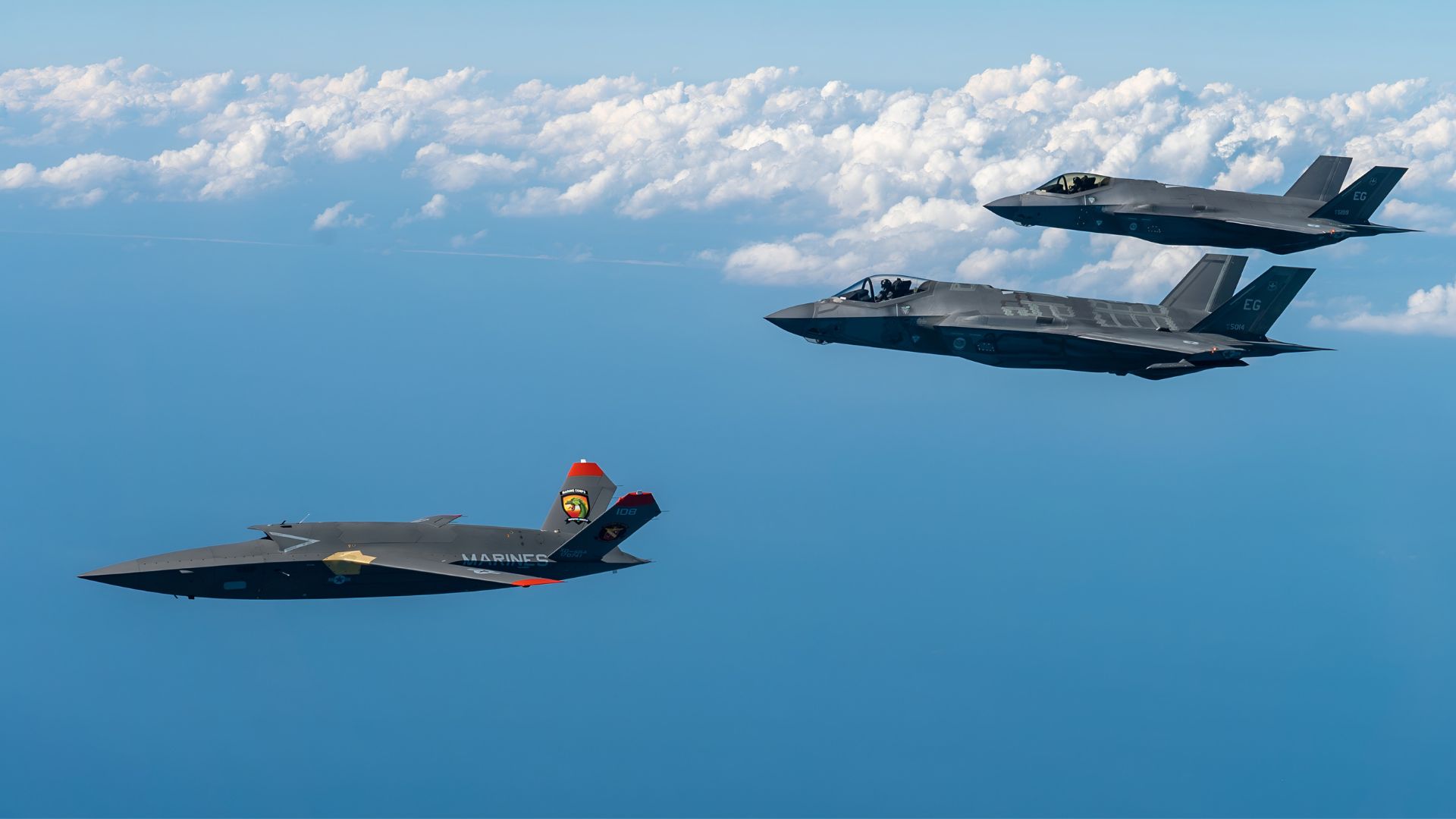
Kratos Defense's Valkyrie Drone Completes Successful Flight with F-35 Fighters
The US military is advancing towards integrating uncrewed aircraft with advanced fighter jets, specifically the F-35 and F/A-18. Kratos Defense & Security Solutions has showcased its XQ-58A Valkyrie drone's capabilities during a recent flight test in Southern California, where it successfully operated alongside Marine Corps fighters. This demonstration is significant as it highlights the potential for autonomous aircraft to enhance mission capabilities in contested airspaces. The Valkyrie's successful launch from a zero-length system and its ability to transition control between different systems underscore the importance of interoperability in military operations. Looking ahead, Kratos plans to scale production of the Valkyrie, aiming for over 150 unmanned aircraft systems by 2026. The ongoing collaboration with Northrop Grumman for the MUX TACAIR program will further adapt the Valkyrie for advanced missions, emphasizing the need for open-architecture systems in modern military aviation.
Military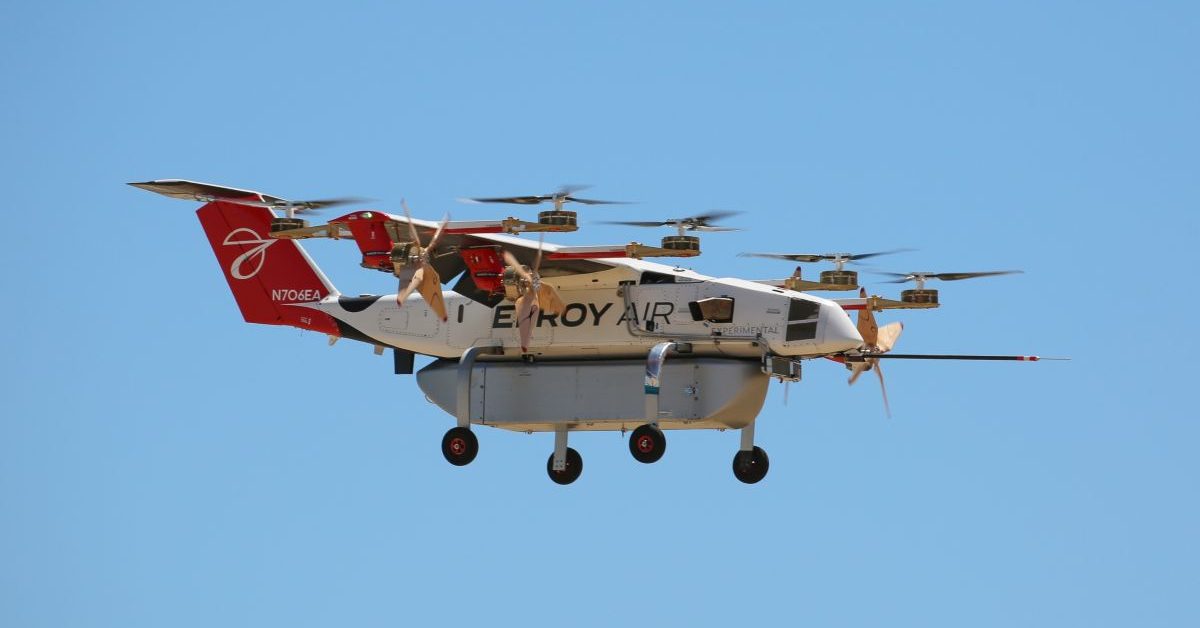
Elroy Air Receives $46 Million from US Army for Advanced Heavy-Lift Drone Development
Elroy Air has secured a $46 million multi-year contract from the US Army to enhance its autonomous hybrid-electric VTOL cargo drone, the Chaparral. This contract aims to improve the drone's capabilities in challenging military environments, focusing on modular cargo delivery and operational efficiency alongside troops. The significance of this contract lies in its alignment with the Army's emphasis on 'contested logistics,' ensuring supply continuity amid disruptions. Elroy Air's Chaparral drone, capable of carrying over 500 pounds, is designed for operations without fixed infrastructure, making it ideal for remote or damaged locations. Looking ahead, Elroy Air plans to start manufacturing the Chaparral in the US later this year, partnering with Kratos Defense & Security Solutions. While the current focus is military, the company also aims to expand the drone's applications in commercial logistics and disaster response, indicating a broader market potential for autonomous cargo delivery.
News
Kratos announces Oklahoma plant expansion to boost jet drone production
Kratos Defense & Security Solutions has expanded its manufacturing campus in Oklahoma City with the addition of more than 100,000ft2 of production and assembly space.
News
Capex Analysis 2025: AI Hyperscalers vs Humanoid Robots — Financing Risk Deep Dive
Compare how Microsoft, Google, Oracle, Tesla Optimus, Figure AI and UBTECH finance their Capex. Supply chain risk, ROIC analysis and a 3-dimension investment framework included.

China’s Export Restrictions on Red Cat Highlight a Bigger Challenge for U.S. Drone Manufacturing
China's recent decision to impose export controls on Red Cat Holdings and its subsidiary, Teal Drones, has raised concerns within the U.S. drone manufacturing sector. While the immediate effects on production may be minimal, this action highlights the pressing need for American manufacturers to thoroughly analyze and understand their supply chains. The restrictions serve as a reminder of the complexities and vulnerabilities that U.S. companies face in the global market, particularly in light of increasing geopolitical tensions. As a result, industry leaders are urged to reassess their operational strategies to mitigate potential disruptions and ensure resilience against similar challenges in the future.
Applications Defense Drone Manufacturing Drone News Drone News Feeds drone parts
Supply Chain Reckoning: Can Boston Dynamics Avoid Becoming the Next iRobot?
A data-driven analysis comparing Boston Dynamics Atlas and Tesla Optimus supply chain strategies in 2026. Examines actuator costs, production ramp speeds, and how Boston Dynamics can avoid iRobot's bankruptcy by adopting a tiered supply chain approach. Includes component cost tables, risk heat maps, and strategic frameworks.

Robot 'Floaty' rides the wind like a bird, staying stable without propellers
Current aerial vehicles, such as drones and airplanes, exhibit distinct advantages and disadvantages in their design and functionality. Drones, equipped with propellers, offer remarkable agility and the ability to hover, making them ideal for tasks requiring precise maneuverability. However, this agility comes at a cost, as drones consume significant amounts of energy during operation. In contrast, airplanes utilize fixed wings that enable them to achieve high levels of efficiency in flight, allowing for longer distances and reduced fuel consumption. The trade-off, however, is their inability to remain suspended in the air, unlike birds such as kestrels that can effortlessly hover while scanning for prey. This divergence in capabilities highlights the ongoing challenges in the development of flying objects, as engineers and designers strive to balance efficiency with versatility in aerial technology.
Robotics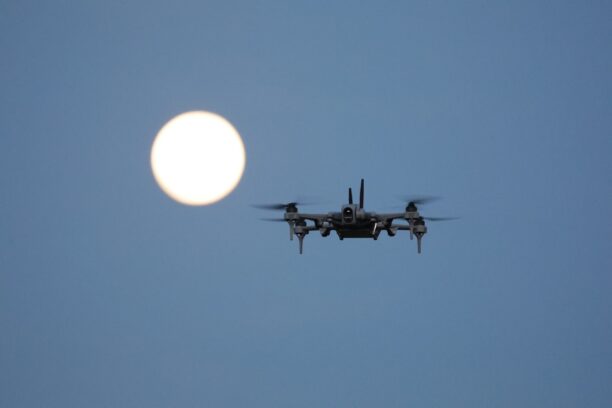
Government Signals Drive Rally in US Drone Stocks
This week, several publicly traded U.S. drone companies, including Red Cat, Ondas, and Unusual Machines, experienced notable stock price increases as investors responded positively to recent government initiatives aimed at bolstering the domestic drone manufacturing sector. The surge in stock values follows a series of government actions and reports indicating a commitment to support the U.S. drone industry. This growing federal backing is seen as a catalyst for investor confidence, leading to a rally in the shares of these companies.
defense Drone News Drone News Feeds Drones in the News Feature 1 News
FUTURE WARFARE | The Geopolitical Competitive Landscape
Military robotics is no longer a U.S.-centric story. Global defence spending crossed $2.75 trillion in 2026; defence-tech VC hit a record $49.1 billion in 2025; and a multipolar robotics order is crystallising in real time — with China’s 15th Five-Year Plan institutionalising civil-military fusion, Europe’s €381 billion defence budget financing its own AI champions, and Turkey and Israel reshaping the export market with affordable, combat-proven systems. Part Five of the Future Warfare Series maps the country-by-country competitive landscape, the collapsing regulation race, and the investment forces reshaping who builds — and who controls — the autonomous weapons of the next decade.
Industrial Policy and Wright’s Law: A New Perspective on Building the U.S. Drone Industry
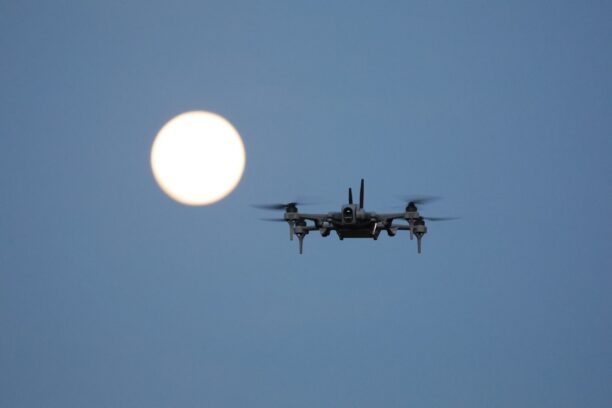
At the AUVSI XPONENTIAL 2026 conference this week, Brendan Stewart, Senior Vice President of Regulatory and Government Affairs at Red Cat Holdings, presented a comprehensive analysis on the future of the U.S. drone industry. He emphasized that revitalizing this sector will necessitate a long-term industrial policy, increased manufacturing capacity, and a commitment to patience from stakeholders. Stewart's insights highlight the critical steps needed to ensure sustainable growth and competitiveness in the drone market, underscoring the importance of strategic planning and investment in technology and infrastructure.
Applications Blue UAS defense DL Exclusive Drone News Drone News Feeds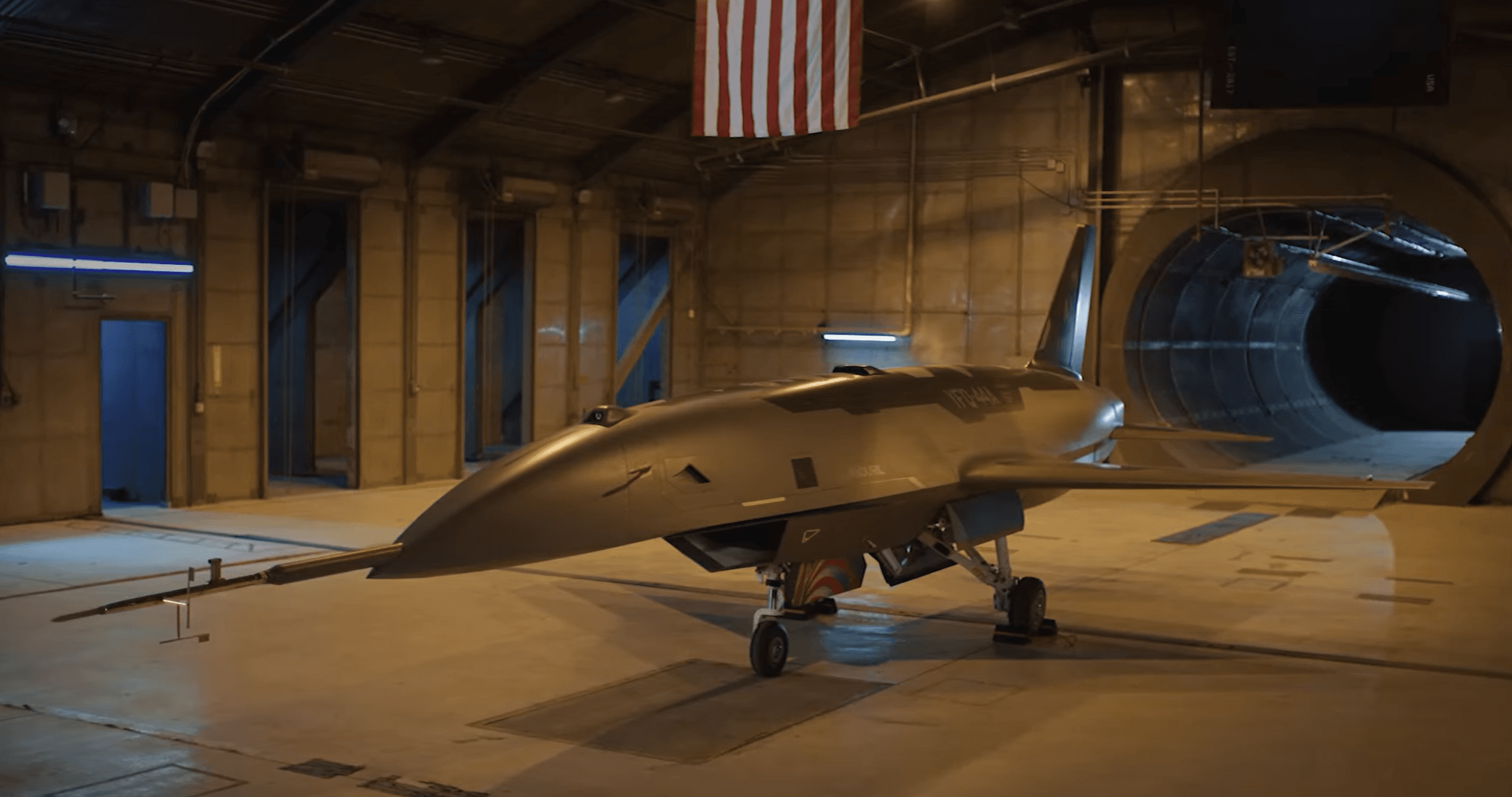
FUTURE WARFARE | Air - Collaborative Combat Aircraft, Drone Motherships & the Autonomy Race Above the Battlefield
Anduril’s YFQ-44A Fury flew its first semi-autonomous mission on 31 October 2025 — 556 days from contract to flight. By February 2026 it was carrying live missiles and swapping autonomy software mid-flight. China’s Jiutian drone mothership flew on 11 December 2025, capable of releasing over 100 loitering munitions from its internal bay at 15,000 metres. And the U.S. Air Force is standing up its second experimental one-way attack drone unit for mid-2026. This article maps the most consequential aerial autonomous systems competition in history: the CCA programme that will determine U.S. air dominance in the 2030s, the Valkyrie’s surprising rebirth, the A-GRA open-architecture breakthrough, and the Chinese drone mothership that has no Western equivalent.

OpenClaw + UNIHIKER K10: Natural Language Hardware Programming in Minutes
Learn how OpenClaw enables natural language hardware programming on UNIHIKER K10, automating code generation, debugging, and deployment in minutes.

CONSTRUCTION ROBOTICS | Surface Finishing & Painting
Surface finishing robots are construction's hottest automation segment. Okibo, Canvas, Dusty Robotics, Pictobot, and Brightrobot are rewriting the economics of painting, drywall, and tile-setting. Key stat: Okibo's EG7+ cuts finishing labor costs 50% and operates 10x faster than manual crews.

Humanoid Robot E-Stop Risk Exposed by AgiBot Incident
A humanoid robot lost control at a Haidilao restaurant in California, exposing the unresolved E-Stop paradox: for bipedal robots, cutting power may be as dangerous as doing nothing. Standards must catch up before deployment scales further.
FUTURE WARFARE | The Autonomy Spectrum
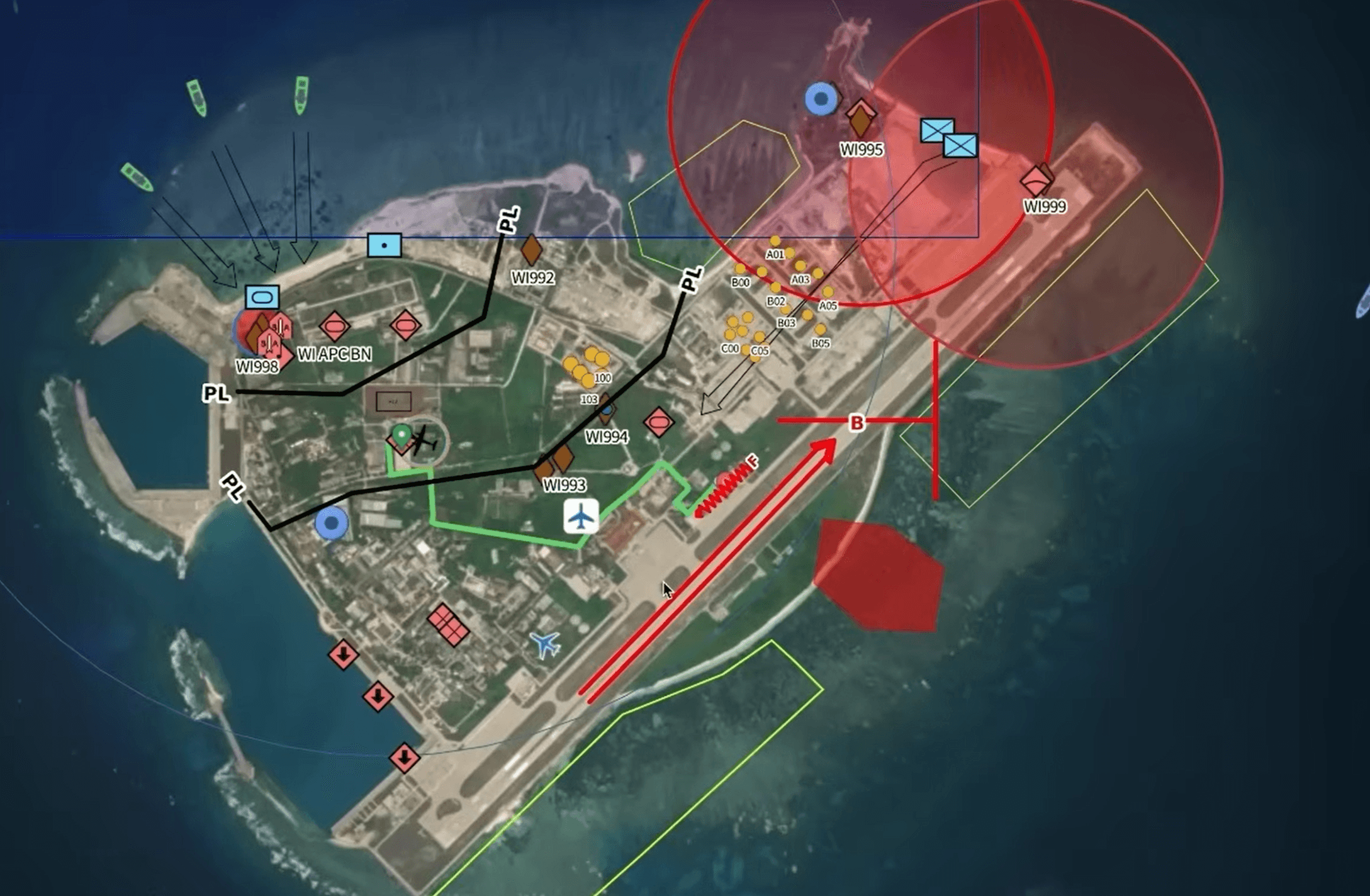
How modern weapons shattered the concept of human control — from kill-switch confirmation to AI systems that select targets independently.

FUTURE WARFARE | The Economics of Attrition
How the cost equation of modern warfare has inverted: a $500 AI-guided drone now rivals a $2 million precision missile in tactical effect. Part One of the Future Warfare Series examines the unit economics, supply chain realities, and venture capital forces reshaping defence procurement — from Ukraine's 1.7 million FPV drones to Anduril's $30 billion factory-as-weapon bet.

The World's Top 10 Universities in Robotics — And Why CMU Leads the Field
A strategic briefing on the world’s top 10 robotics universities, led by Carnegie Mellon University, examining institutional history, DARPA-era field deployment, commercialization models, and next-generation embodied AI infrastructure across MIT, Stanford, Berkeley, ETH Zurich, and others.


