


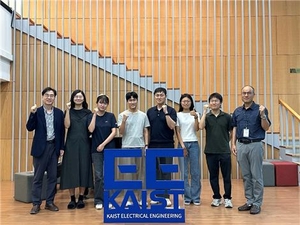
KAIST researchers have created a soft material inspired by the Venus flytrap that can sense and grasp objects. This innovative material mimics the plant's ability to close its leaves in response to stimuli, integrating sensory and muscular functions into one system. The material generates an electrical signal when an electrically charged object approaches, enabling it to react accordingly.
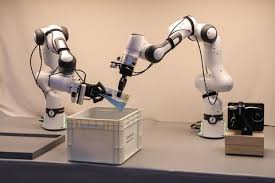
This development is significant as it combines sensing and actuation in a single material, potentially advancing soft robotics and automation technologies. By mimicking biological mechanisms, the research could lead to more efficient and adaptable robotic systems that can interact with their environment in a more natural way. The integration of these functions may enhance the capabilities of robotic hands and other applications requiring delicate handling.
Future developments to watch include potential applications in robotics and automation, where this technology could be utilized for tasks requiring precision and sensitivity. No further timeline was disclosed at the time of publication.
Editor's Note
The integration of sensing and actuation in soft materials represents a significant advancement in robotics. This innovation could reshape how robots interact with their environments, particularly in applications requiring delicate manipulation. As industries increasingly adopt soft robotics, the potential for enhanced efficiency and adaptability will be crucial for competitive advantage.






























Leave a comment